Green Clean: Eco-Friendly Sofa Cleaning Tips for a Sustainable 2026 Home

In an era where sustainability is not just a buzzword but a way of life, extending our eco-conscious choices to every corner of our homes is paramount. As we look towards 2026 and beyond, the pursuit of a greener lifestyle naturally leads us to reconsider our cleaning practices. Our sofas, often the centerpiece of our living spaces, absorb everything from daily grime to spills and allergens. But how do we keep them pristine without resorting to harsh chemicals that harm our health and the planet? The answer lies in eco-friendly sofa cleaning, a method that promises a sparkling clean without the environmental guilt or the health risks.

This comprehensive guide from lesofa.club will walk you through the world of sustainable sofa care. We’ll explore why going green with your cleaning products is more beneficial than you might think, delve into the essential steps for different fabric types, and equip you with the knowledge to maintain a fresh, healthy, and inviting sofa that contributes to a truly sustainable home.

Why Choose Eco-Friendly Sofa Cleaning? The Benefits Unveiled

The allure of conventional cleaning products often comes from their immediate, visible results and strong scents, which many equate with cleanliness. However, these products frequently contain volatile organic compounds (VOCs), phthalates, and other hazardous chemicals that can linger in your home’s air and on your furniture, posing risks to human health and the environment.

Health Benefits: Breathing Easier

Opting for eco-friendly sofa cleaning means saying goodbye to respiratory irritants, skin allergens, and potential endocrine disruptors found in traditional cleaners. For households with children, pets, or individuals sensitive to chemicals, this shift is more than a preference—it’s a necessity. Natural ingredients like vinegar, baking soda, and essential oils provide powerful cleaning action without the noxious fumes or residues, contributing to better indoor air quality and a safer living environment. You’ll notice a significant difference in how fresh your home feels, truly clean without the artificial fragrance masking underlying chemical odors.

Environmental Impact: A Lighter Footprint

The lifecycle of eco-friendly cleaning products has a significantly lighter impact on our planet. They are often biodegradable, meaning they break down naturally without polluting waterways or harming aquatic life. Furthermore, many green cleaning solutions come in concentrated forms, reducing plastic waste, or are packaged in recyclable materials. By choosing sustainable options, you’re not just cleaning your sofa; you’re actively participating in the global effort to reduce pollution and conserve natural resources. It’s a small change with a powerful collective impact.

Longevity of Your Sofa: Gentle Yet Effective

Harsh chemicals can strip natural fibers, fade colors, and degrade the integrity of your sofa’s upholstery over time, leading to premature wear and tear. Eco-friendly cleaning methods, conversely, are typically gentler on fabrics. While effective at lifting dirt and stains, they work with the fabric rather than against it, preserving its texture, color, and structural integrity. This means your beloved sofa can maintain its beauty and comfort for much longer, delaying the need for costly replacements and further reducing your consumption footprint.

Cost-Effectiveness: Smart Savings

One of the most appealing aspects of eco-friendly sofa cleaning, especially DIY methods, is its affordability. Many of the most effective green cleaning agents—white vinegar, baking soda, lemon juice, and castile soap—are common household staples that are inexpensive and readily available. Crafting your own cleaning solutions can significantly cut down on your household expenses, offering a budget-friendly alternative to specialized chemical cleaners or professional services. Investing in bulk supplies of large tubs of baking soda or white vinegar is a smart economic and environmental choice.

Understanding Your Sofa Fabric: The First Step to a Green Clean

Before embarking on any cleaning adventure, it’s crucial to identify your sofa’s fabric type and check its care label. This small tag, often hidden under cushions, holds the key to safe and effective cleaning. The codes are universal:

  • W: Water-based cleaner safe.
  • S: Solvent-based cleaner only (water will stain).
  • WS: Both water and solvent-based cleaners are safe.
  • X: Vacuum only; no liquids. Professional cleaning recommended.

Ignoring these codes can lead to irreversible damage, regardless of how eco-friendly your cleaning solution is. Always spot-test any cleaning agent in an inconspicuous area first.

Essential Eco-Friendly Cleaning Arsenal: Your DIY Toolkit

Building your green cleaning kit is simple and inexpensive:

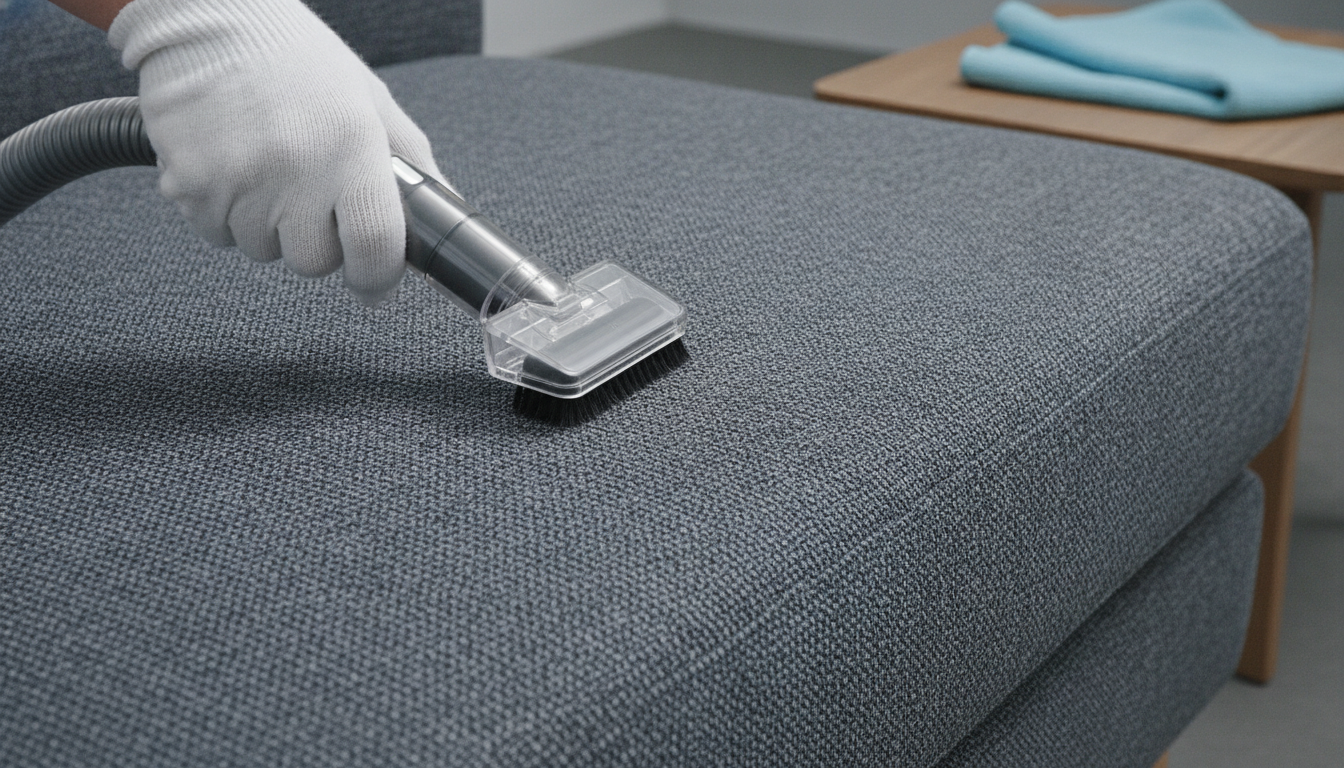
  • Vacuum Cleaner with Upholstery Attachments: Essential for removing loose dirt and debris.
  • High-quality Microfiber Cloths: Absorbent, non-abrasive, and reusable for streak-free cleaning.
  • Spray Bottles: For mixing and applying solutions.
  • Soft Brushes: For gentle scrubbing and lifting dirt from fabric fibers.
  • White Vinegar: A natural disinfectant, deodorizer, and stain remover.
  • Baking Soda: Excellent for absorbing odors and mild abrasive for scrubbing.
  • Castile Soap: A concentrated, plant-based, biodegradable soap that’s gentle yet effective. Dr. Bronner’s castile soap is a popular choice.
  • Hydrogen Peroxide (3%): A natural brightener and disinfectant, especially good for organic stains.
  • Lemon Juice: Natural bleaching agent and fresh scent.
  • Cornstarch: Great for absorbing grease stains.

Step-by-Step Eco-Friendly Sofa Cleaning Guide

Pre-Cleaning: The Foundation of a Flawless Finish

Every effective cleaning routine begins with thorough preparation.

  1. Vacuum Thoroughly: Remove all cushions and use your vacuum’s upholstery attachment to meticulously vacuum every surface, crevice, and corner. This removes loose dirt, pet hair, dust mites, and crumbs, preventing them from turning into mud once wet.
  2. Spot Testing: Always, without exception, test your chosen cleaning solution on an inconspicuous area of the sofa first (e.g., the back or under a cushion). Apply a small amount, let it sit for 5-10 minutes, then blot dry. Check for discoloration, shrinkage, or water rings before proceeding.

Tackling General Dirt and Grime

  1. Baking Soda Sprinkle: For general freshening and odor absorption, sprinkle a generous amount of baking soda over the entire sofa. Let it sit for at least 30 minutes, or even overnight for stubborn odors. Then, vacuum it all up. This method is incredibly effective for revitalizing upholstery.
  2. Vinegar and Water Solution (for W or WS codes): Mix equal parts white vinegar and distilled water in a spray bottle. Lightly mist the sofa’s surface (do not saturate). Use a clean microfiber cloth to gently wipe the area. The vinegar smell will dissipate as it dries, leaving behind a fresh, clean scent.
  3. Castile Soap Solution (for W or WS codes): For a slightly stronger clean, mix a few drops of liquid castile soap with a cup of distilled water. Apply sparingly with a damp (not wet) microfiber cloth, working in small sections. Rinse the cloth frequently and wipe with a separate clean, damp cloth to remove soap residue, then dry with a third clean, dry cloth.
  4. Steam Cleaning (for suitable fabrics): For W or WS fabrics that can tolerate moisture, a handheld steam cleaner can be a powerful eco-friendly tool. The heat and moisture penetrate fibers to lift dirt and sanitize without chemicals. Move the steamer quickly and avoid over-wetting, then follow up with a dry cloth.

Eco-Friendly Spot Treatment Solutions

  • Coffee/Tea: Blot immediately with a clean cloth. Mix 1 part white vinegar with 2 parts water and a tiny drop of castile soap. Apply to the stain with a clean cloth, working from the outside in. Blot, don’t rub.
  • Grease/Oil: Sprinkle cornstarch or baking soda generously over the fresh stain to absorb the oil. Let it sit for at least 15-30 minutes, then vacuum. For remaining residue, apply a tiny amount of diluted castile soap solution and blot.
  • Ink: For fresh ink, a small amount of rubbing alcohol on a clean white cloth can sometimes work (test first!). Blot, don’t rub. For older stains, a paste of baking soda and water may help.
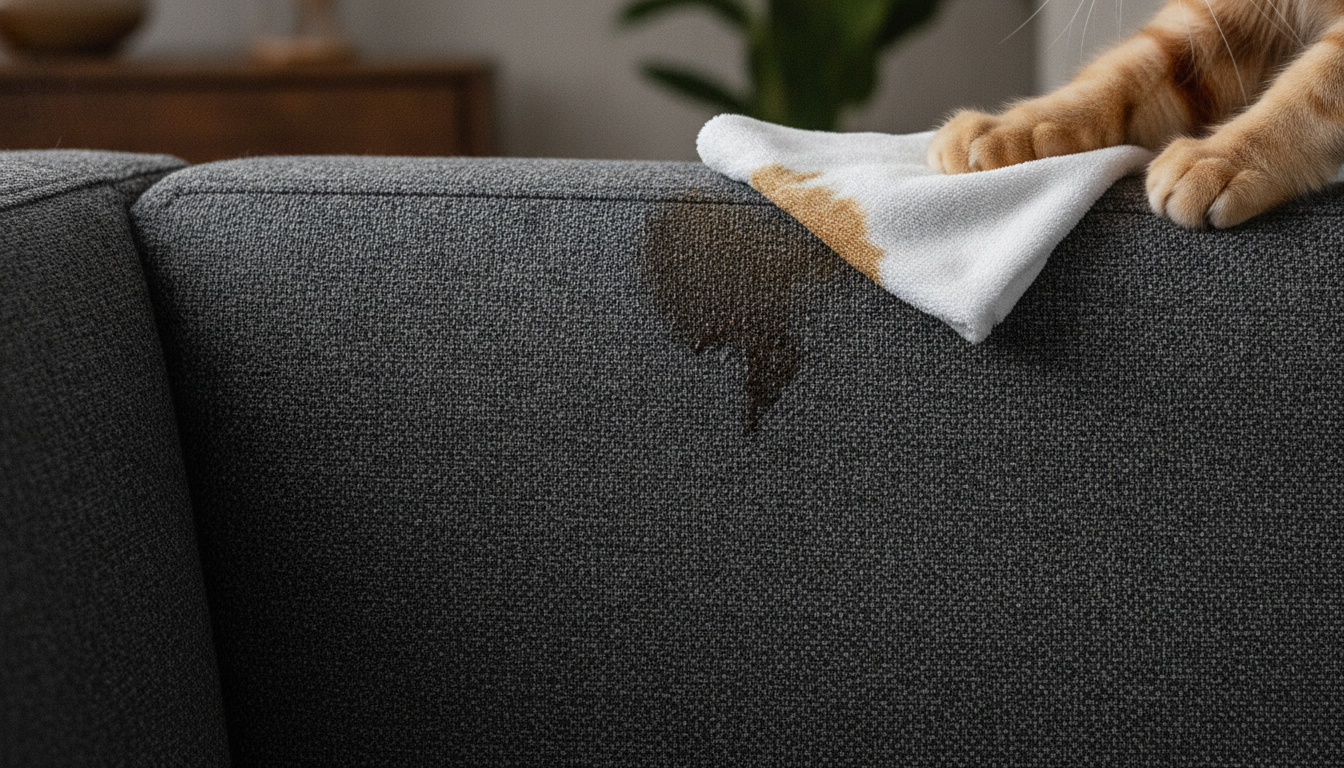
  • Pet Accidents: Blot up as much liquid as possible. Sprinkle baking soda over the area to absorb odor and moisture. Let it sit for several hours or overnight, then vacuum. For urine stains, mix equal parts hydrogen peroxide (3%) and water with a few drops of dish soap. Apply, let sit for 10-15 minutes, then blot.
  • Odors: A liberal sprinkle of baking soda left for several hours (or overnight) is often sufficient. For persistent odors, a light mist of a diluted white vinegar solution can also work wonders.

Deep Dive into Specific Sofa Fabric Care

Natural Fibers (Cotton, Linen, Hemp)

These fabrics are durable but can be prone to water staining or shrinking if over-wet. Stick to methods suitable for ‘W’ or ‘WS’ codes. Light misting with a vinegar or castile soap solution is best. Always ensure thorough drying to prevent mildew. Opening windows or using fans helps considerably. Sunlight is also a natural disinfectant for these robust fibers.

Synthetics (Polyester, Microfiber)

Polyester and microfiber are generally very durable and resistant to water stains. They often carry ‘W’ or ‘WS’ codes. A diluted castile soap solution or vinegar-water mix works well. For microfiber, a simple damp cloth with plain water can often remove most surface dirt. For tougher stains, a small amount of rubbing alcohol can be effective on microfiber (test first, as it’s a solvent).

Delicate Fabrics (Velvet, Silk, Wool)

These fabrics often require professional cleaning (‘S’ or ‘X’ codes) due to their delicate nature. If your care label permits, for velvet (W or WS), avoid saturating it. A dry cleaning powder (eco-friendly formulation) can be gently brushed in and vacuumed out. For light refresh, use a very lightly dampened cloth with plain water for velvet, always brushing in the direction of the pile. Silk and wool are particularly susceptible to water spots and shrinking; if you must attempt DIY, use minimal moisture and quick drying, or consult a professional.

Leather Sofas: A Special Eco-Treatment

Leather requires a different approach. Start by vacuuming thoroughly with a soft brush attachment. Wipe down with a soft, damp cloth. For cleaning, mix a few drops of mild eco-friendly leather cleaner or castile soap with distilled water. Dampen a cloth with the solution and gently wipe the leather, section by section. Follow immediately with a clean, damp cloth to wipe away any residue, then dry with a soft, dry cloth. To condition and protect, mix 1 part white vinegar with 2 parts olive oil. Apply a small amount to a clean cloth and gently rub into the leather in circular motions, then buff with a clean, dry cloth. This restores shine and suppleness.

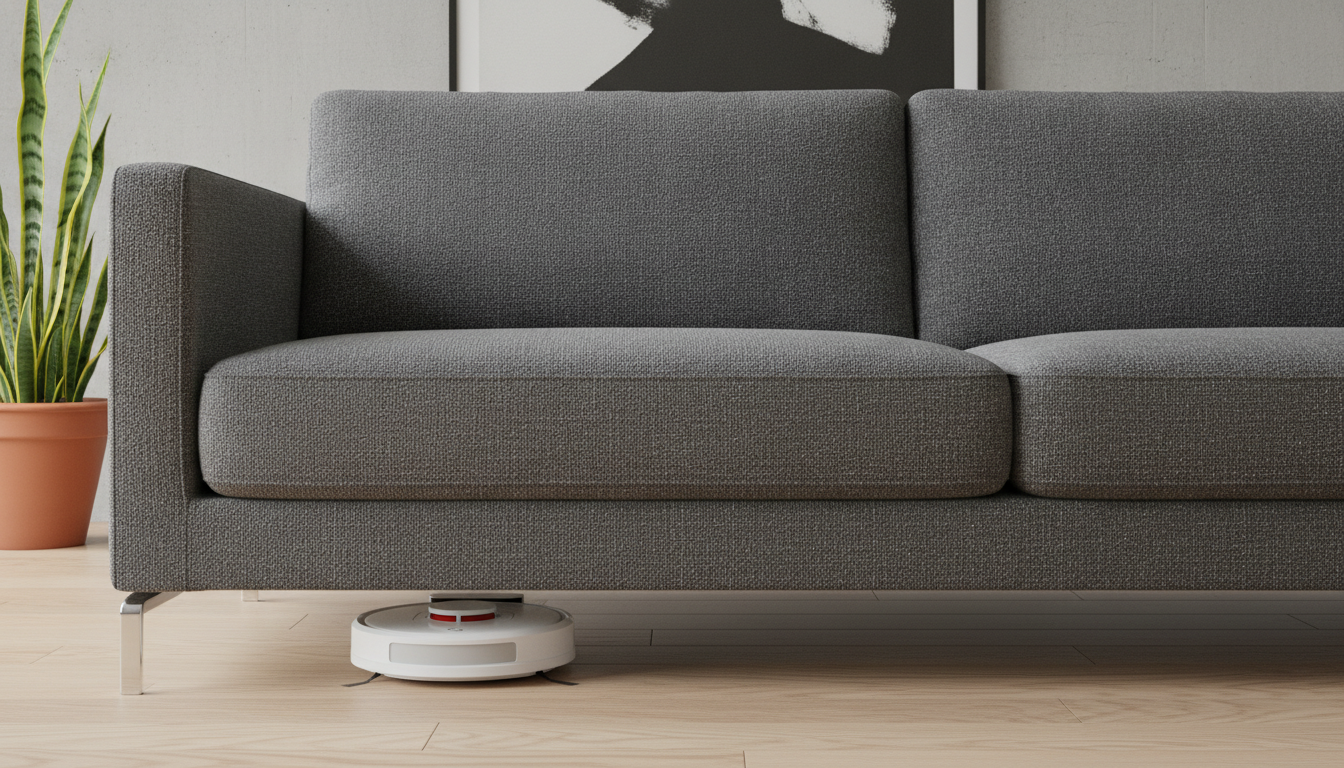
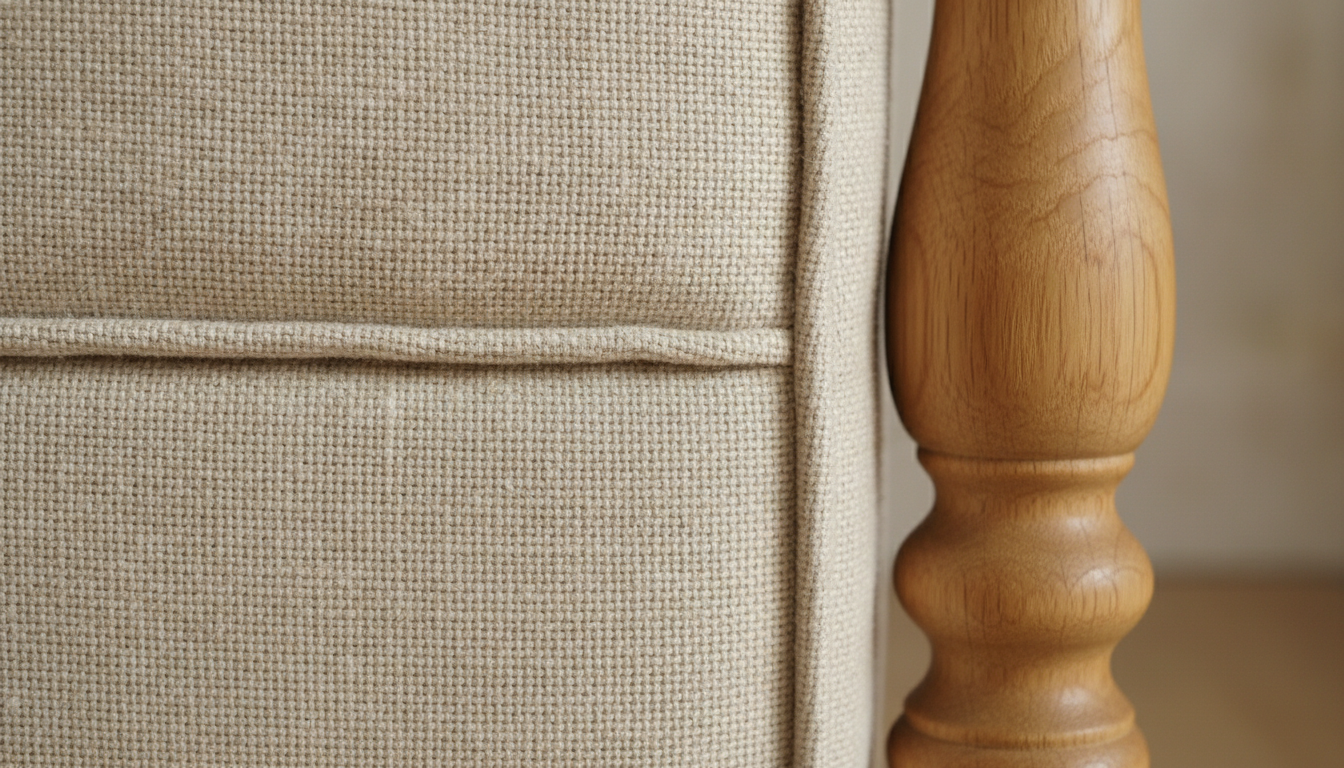
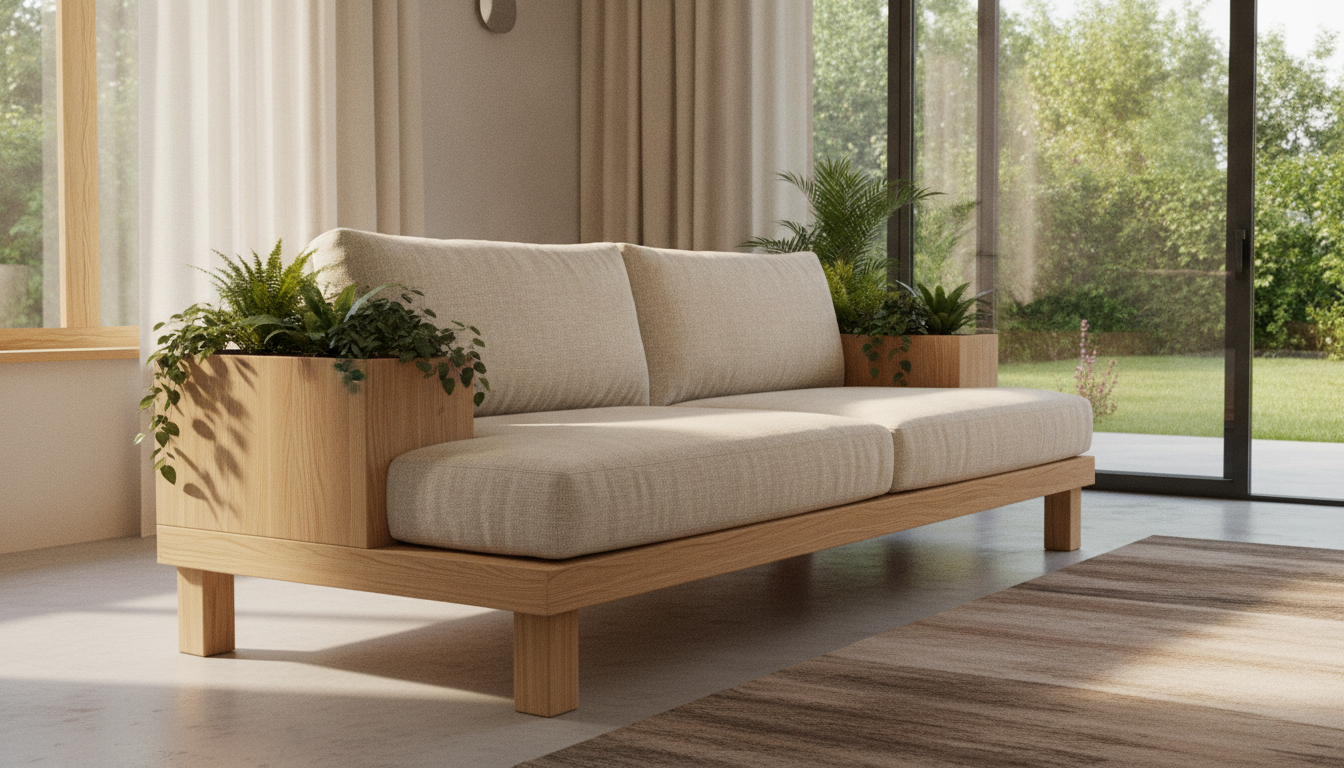
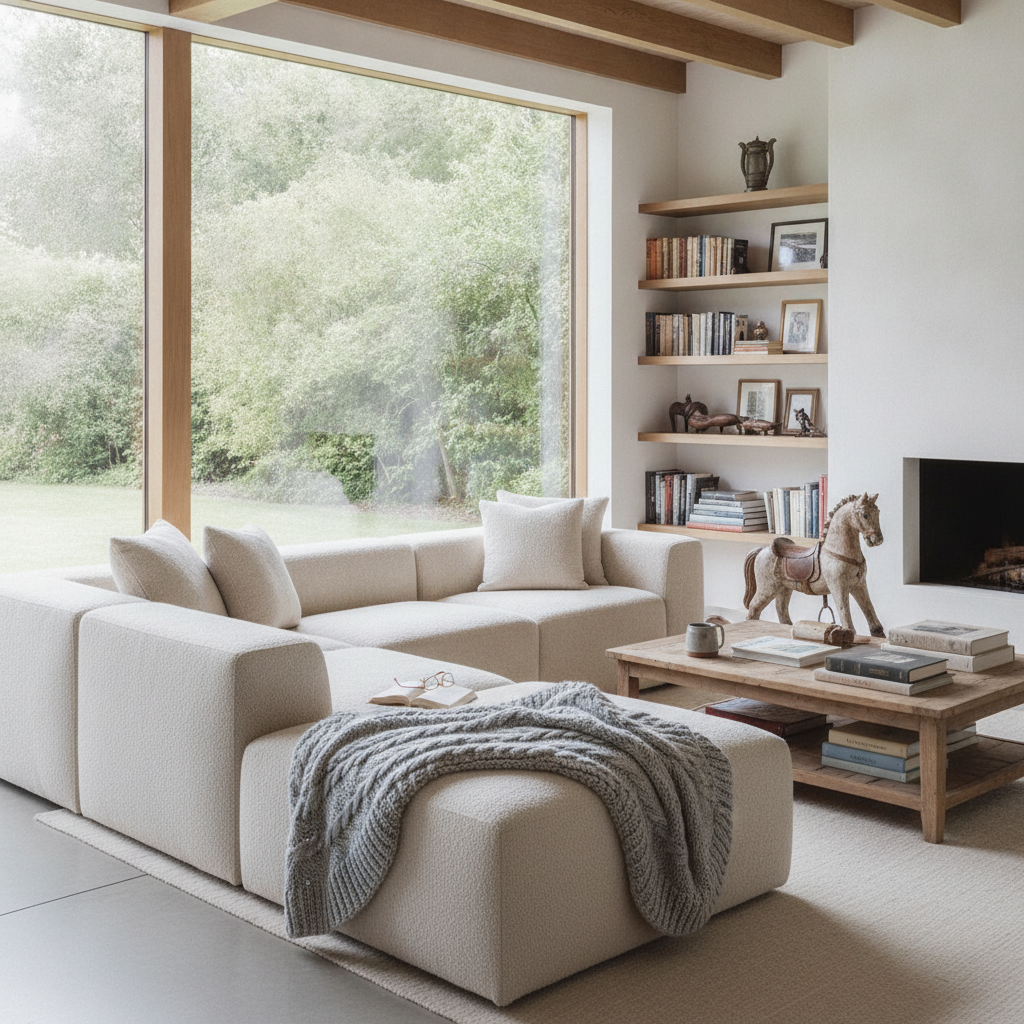
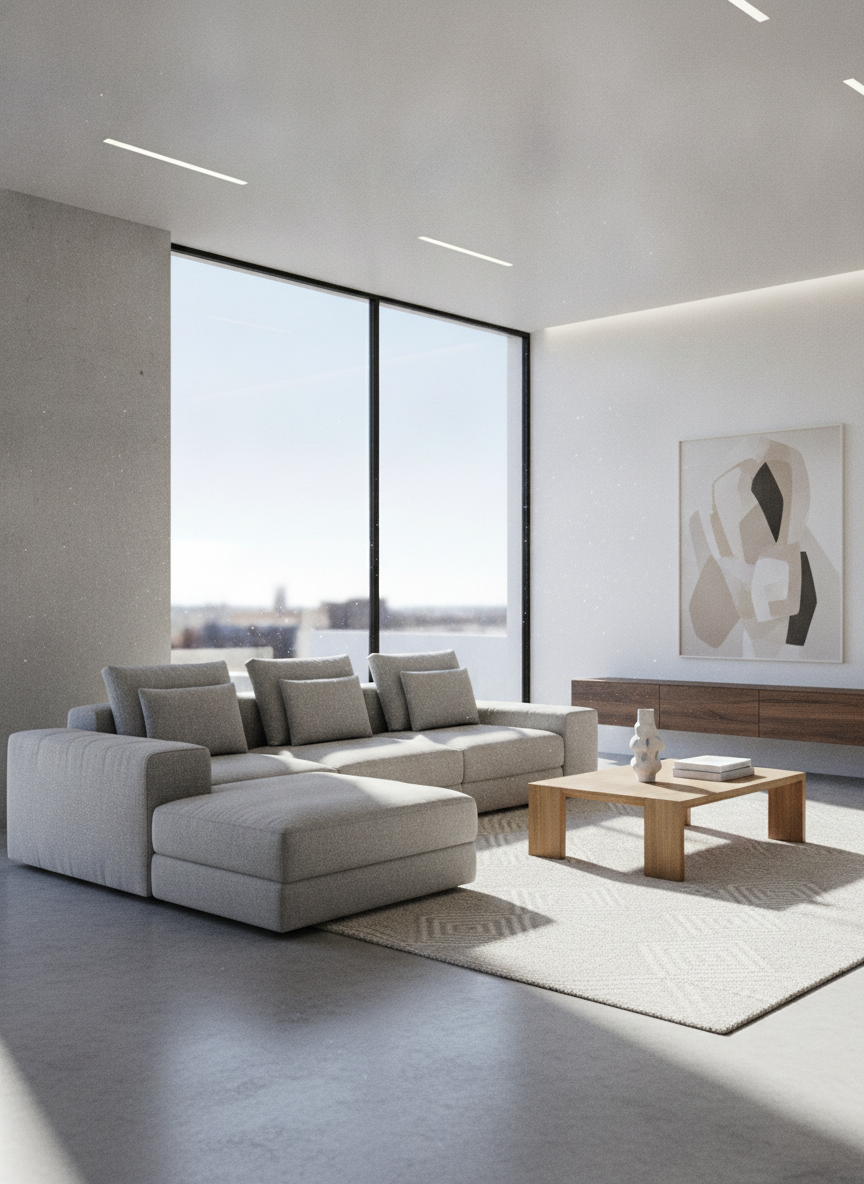
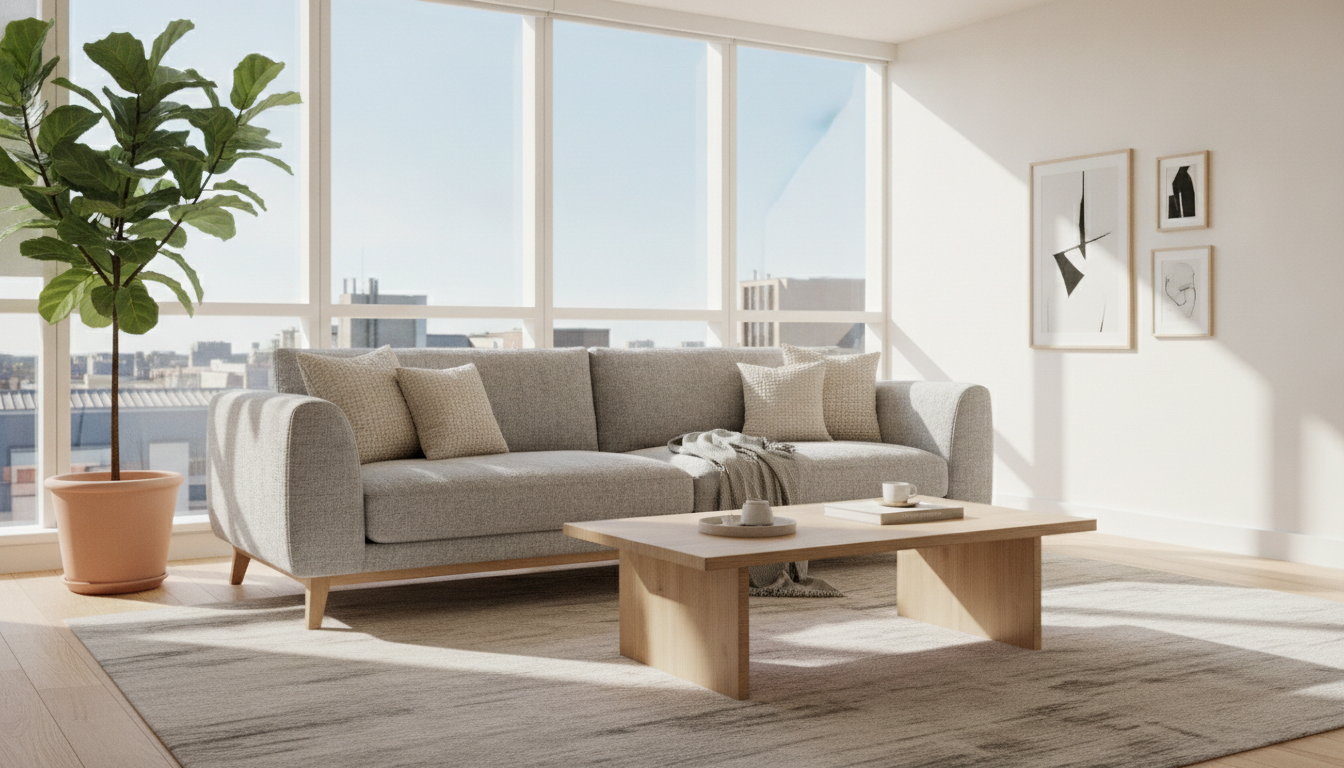
eco-friendly sofa cleaning style example
Your natural toolkit for effective eco-friendly sofa cleaning, using simple household ingredients.

Your natural toolkit for effective eco-friendly sofa cleaning, using simple household ingredients.

Prevention is Key: Maintaining a Clean Sofa, Sustainably

The best cleaning is often preventative. By adopting simple habits, you can significantly reduce the frequency of deep cleaning.

  • Regular Vacuuming: Make it a weekly ritual to vacuum your sofa, removing dust, crumbs, and pet dander before they settle into the fibers.
  • Immediate Spill Clean-up: The faster you address a spill, the less likely it is to set. Always blot, don’t rub.
  • Using Throws/Slipcovers: For high-traffic sofas or those prone to spills (e.g., in homes with kids or pets), washable throws or slipcovers offer an excellent protective barrier.
  • Sunlight Exposure for Sanitization: Periodically remove cushions and let them air out in direct sunlight. UV rays are a natural disinfectant and deodorizer.
  • Pet Grooming: Regularly brush your pets to minimize shedding and dander that can accumulate on your sofa.

Eco-Friendly Cleaning Solutions: DIY vs. Store-Bought

While DIY solutions are incredibly effective and cost-efficient, sometimes convenience or specific fabric requirements call for a store-bought option. Thankfully, the market for certified eco-friendly cleaning products has expanded significantly.

When choosing store-bought options, look for certifications from reputable organizations like the EPA’s Safer Choice program, Ecocert, or Green Seal. These certifications ensure that the products meet rigorous standards for environmental and human health safety. Brands like Seventh Generation upholstery cleaner or ECOS often provide effective, plant-based alternatives that are readily available.

Comparison Table: Eco-Friendly Sofa Cleaning Methods

Method Fabric Suitability Effectiveness Cost Environmental Impact
Baking Soda Sprinkle All fabrics (especially S, X) Excellent for deodorizing, mild freshening Very Low Minimal (biodegradable)
Vinegar & Water Solution W, WS fabrics (Cotton, Linen, Synthetics) Good for general cleaning, light stains, disinfecting Low Minimal (biodegradable, non-toxic)
Castile Soap Solution W, WS fabrics (Synthetics, robust Natural) Good for deeper cleaning, moderate stains Low-Moderate Low (biodegradable)
Hydrogen Peroxide (diluted) W, WS fabrics (spot treatment for organic stains) Good for pet accidents, brightening Low Low (breaks down to water & oxygen)
Eco-Friendly Steam Cleaner W, WS fabrics (Polyester, robust Cotton) Excellent for deep cleaning, sanitizing, lifting dirt Moderate (initial investment) Minimal (uses only water)
Certified Eco-Friendly Product Varies by product (check label) Good to Excellent (convenience factor) Moderate Low (look for certifications like Safer Choice)
Vinegar & Olive Oil (Leather) Leather Cleans, conditions, restores shine Very Low Minimal (natural ingredients)

The Future of Sofa Care: Innovations for a Greener Tomorrow

The quest for sustainability in home care is ongoing, and innovation continues to shape the future of sofa cleaning. We can anticipate even smarter fabrics engineered for stain resistance and easier cleaning, potentially reducing the need for harsh interventions. Self-cleaning technologies, eco-friendly fabric coatings, and advanced biodegradable cleaning tools are on the horizon, promising an even greener approach to maintaining our cherished furniture. These advancements will further empower us to live in harmony with our environment, one clean sofa at a time.

Frequently Asked Questions (FAQs) About Eco-Friendly Sofa Cleaning

Q: Can I use vinegar on all sofa fabrics?

A: No, vinegar is generally safe for ‘W’ and ‘WS’ coded fabrics like cotton, linen, and most synthetics. However, it should be avoided on delicate fabrics like silk, acetate, or rayon, and always spot-test first, especially on darker colors, as it can occasionally affect dyes.

Q: How often should I clean my sofa using eco-friendly methods?

A: For general maintenance, weekly vacuuming and monthly baking soda deodorizing are recommended. Deep cleaning with liquid solutions depends on usage and spills, typically every 3-6 months for high-traffic sofas, or once a year for less used ones. Immediate spot treatment for spills is always crucial.

Q: Are store-bought eco-friendly cleaners truly safe?

A: Most reputable eco-friendly cleaners are significantly safer than conventional ones. Look for third-party certifications like the EPA’s Safer Choice label, Green Seal, or Ecocert, which verify that products meet stringent environmental and health standards. Always read labels and ingredient lists.

Q: What’s the best way to remove pet odors naturally?

A: Baking soda is your best friend for pet odors. Sprinkle it liberally, let it sit for several hours (or overnight), then vacuum thoroughly. For stubborn odors or urine stains, a diluted solution of hydrogen peroxide (3%) and water with a tiny drop of eco-friendly dish soap can be highly effective (always spot-test first!).

Q: When should I call a professional eco-friendly cleaner?

A: If your sofa is an ‘S’ or ‘X’ code fabric, has very old, set-in stains, or you’re unsure about cleaning it yourself, it’s best to call a professional. Many upholstery cleaners now offer green cleaning services that use non-toxic, biodegradable solutions and specialized equipment for deep, safe cleaning.

Conclusion: Embrace a Sustainable Sparkle

Embracing eco-friendly sofa cleaning is more than just a trend; it’s a commitment to a healthier home, a cleaner planet, and a more sustainable lifestyle. By utilizing simple, natural ingredients and adopting mindful cleaning habits, you can keep your sofa looking fresh and inviting without compromising on your values. From a quick freshen-up with baking soda to a deeper clean with vinegar and castile soap, the power to create a sparkling, sustainable home is in your hands.

Ready to transform your home with a sparkling, sustainably clean sofa? Share your favorite eco-friendly cleaning tips in the comments below, or explore our guides for more insights into sustainable living!

The Smart Sofa Revolution: Subtle Tech Integrations for 2026 Living Spaces

Welcome to the future of home comfort, where the lines between furniture and technology are not just blurred, but elegantly intertwined. For decades, the sofa has been the undisputed heart of the living room—a place for relaxation, conversation, and cherished moments. But as our lives become increasingly connected, so too does our furniture. The year 2026 heralds a new era: the smart sofa revolution. This isn’t about overtly gadget-laden furniture; it’s about subtle, intuitive tech integrations that enhance comfort, convenience, and overall well-being, without compromising on style or the timeless allure of a beautifully designed piece.

At lesofa.club, we believe that innovation should serve comfort and aesthetics, not overshadow them. The latest smart sofa features for 2026 are a testament to this philosophy, offering a glimpse into living spaces that are more responsive, more personalized, and undeniably smarter. Prepare to redefine your understanding of modern comfort.

The Philosophy Behind 2026 Smart Sofas: Seamless Integration

The core principle driving the development of smart sofas for 2026 is seamless integration. Manufacturers and designers are no longer simply adding tech to furniture; they are designing furniture with technology as an intrinsic, invisible component. The goal is to create an experience where the technology disappears into the design, becoming an extension of the sofa’s inherent comfort and functionality.

Imagine a sofa that adjusts to your preferred recline with a whisper-quiet motor, charges your devices wirelessly as you relax, and even subtly warms your seat on a chilly evening. These aren’t futuristic fantasies but tangible smart sofa features 2026 that are becoming standard. The emphasis is on intuition and ease of use, ensuring that the technology enhances relaxation rather than complicating it. Aesthetics remain paramount, with sleek lines, premium fabrics, and thoughtful details ensuring these intelligent pieces remain stunning focal points in any sophisticated interior.

Key Smart Sofa Features 2026: What to Look For

As you consider upgrading your living space, here are the groundbreaking smart sofa features 2026 that are setting new benchmarks for comfort and convenience:

1. Integrated Charging Solutions

No more tangled cords or hunting for outlets. Smart sofas of 2026 come equipped with discreetly integrated wireless charging pads built into armrests or side tables. USB-C ports are also seamlessly hidden, ensuring all your devices stay powered up without disrupting your relaxation.

2. Dynamic Lighting for Mood & Function

Ambient LED lighting strips, often integrated beneath the sofa or along its base, can be adjusted to create the perfect mood for any occasion. From warm, inviting glows for movie nights to brighter, focused smart LED strips for reading, these subtle lighting features offer both aesthetic appeal and practical utility, controllable via touch, app, or voice.

3. Personalized Climate Control

Imagine a sofa that keeps you perfectly comfortable regardless of the room temperature. Future-forward smart sofas include micro-heating elements for warmth on cool days and subtle ventilation systems for cooling when it’s warm. Individual seat zones mean everyone can customize their personal comfort level.

4. Immersive Integrated Audio

Forget clunky sound systems. Smart sofas integrate high-quality, directional speakers directly into their structure, delivering rich, immersive audio without cluttering your space. Perfect for movies, music, or even discreet background sounds, these systems are often compatible with external devices like compact soundbars for enhanced audio experiences.

5. Health & Wellness Monitoring (Subtle)

While not overtly medical devices, some advanced smart sofas are beginning to incorporate subtle sensors. These might offer gentle reminders to adjust posture, track prolonged sitting periods, or even provide basic biofeedback, all designed to promote healthier habits without feeling intrusive.

6. Motorized Adjustability & Modular Design

The ability to reconfigure your sofa with minimal effort is a game-changer. Motorized reclining mechanisms, adjustable headrests, and even modular sections that can shift their position or orientation via remote control or app make these sofas incredibly versatile. Think of a chaise lounge transforming into a single-seater at the touch of a button.

7. Advanced Stain Resistance & Self-Cleaning Fabrics

Maintaining pristine upholstery is easier than ever. Next-gen fabrics boast superior stain resistance, often repelling liquids and dirt. Some even incorporate antimicrobial properties or have removable, machine-washable covers. For tougher spills, a good quality upholstery cleaner remains a trusted ally, but the frequency of use will diminish significantly.

8. AI Voice Assistant Integration

Controlling your sofa and even other smart home devices becomes effortless with built-in AI voice assistant capabilities. Adjust lighting, climate, recline position, or play music—all with simple voice commands, making your sofa a true command center for your living room.

9. Smart Storage Solutions

Discreet, hidden compartments with automated opening mechanisms offer clever storage for remotes, blankets, or even charging cables, keeping your living space tidy and organized.

The Benefits of Embracing Smart Sofa Technology

Beyond the ‘wow’ factor, integrating a smart sofa into your home offers a wealth of practical benefits:

  • Enhanced Personalization & Comfort: Tailor your seating experience precisely to your liking, from recline angle to temperature. For added support and long-term comfort, consider incorporating ergonomic cushions with your new smart sofa.
  • Improved Well-being: Features like posture reminders and gentle climate control can subtly contribute to a healthier, more comfortable lifestyle.
  • Streamlined Living: Consolidate controls, reduce clutter from wires, and simplify interactions with your home environment.
  • Future-Proofing Your Home: Investing in a smart sofa means your living space evolves with technology, ensuring your home remains modern and functional for years to come.

Comparison Table: Traditional vs. Smart Sofas (2026)

Feature Traditional Sofa Smart Sofa (2026)
Adjustability Manual recline (if applicable) Motorized recline, headrests, lumbar support; modular repositioning via app/voice.
Device Charging External outlets/chargers needed Integrated wireless charging pads & hidden USB-C ports.
Audio System External speakers/soundbars Built-in directional speakers, often with Bluetooth & smart home integration.
Climate Control None Individual seat heating/cooling elements, ventilation.
Lighting External lamps Integrated ambient LED lighting, customizable via app/voice.
Control Manual buttons/levers Touch panel, mobile app, voice commands, gesture control.
Health Monitoring None Subtle posture reminders, prolonged sitting alerts, basic biofeedback.
Fabric Technology Standard upholstery Advanced stain-resistant, antimicrobial, self-cleaning fabrics.
Smart Home Integration None Seamless compatibility with major smart home ecosystems (Alexa, Google Home).
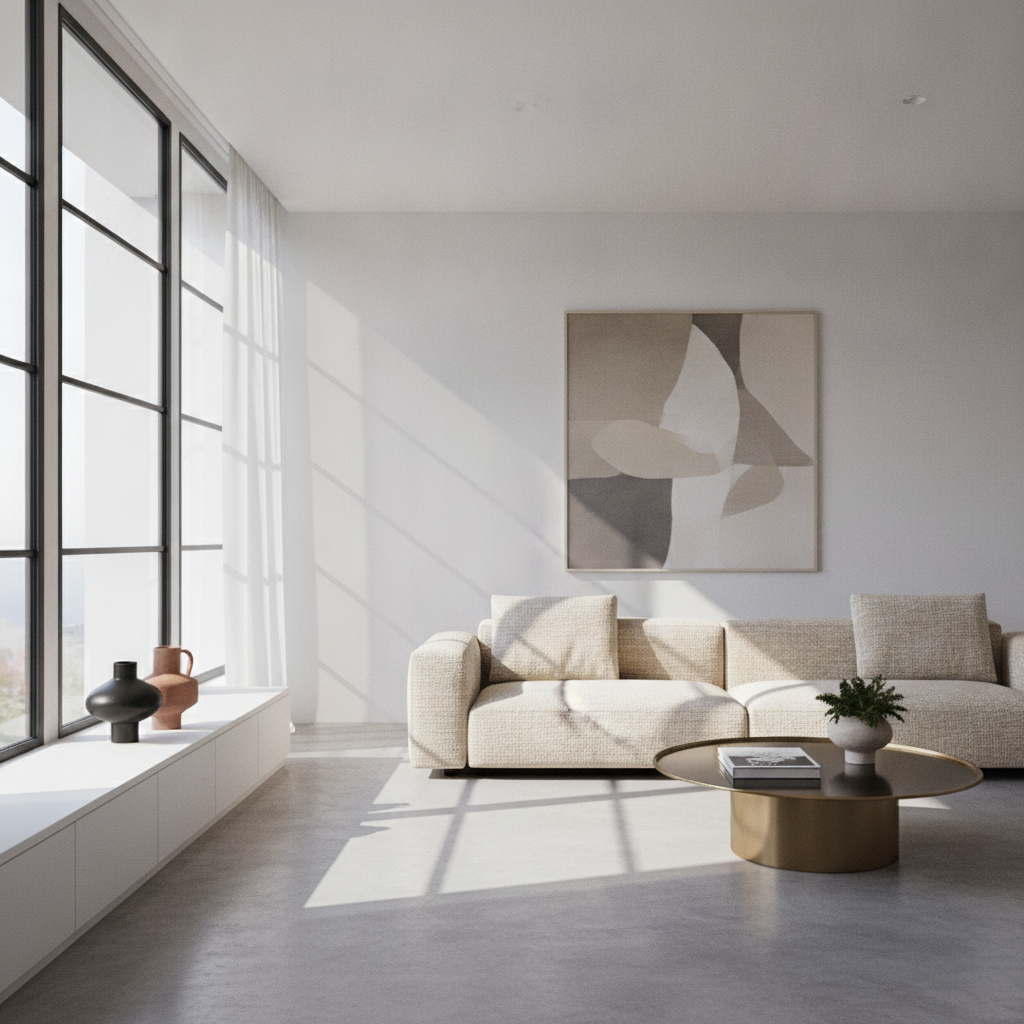
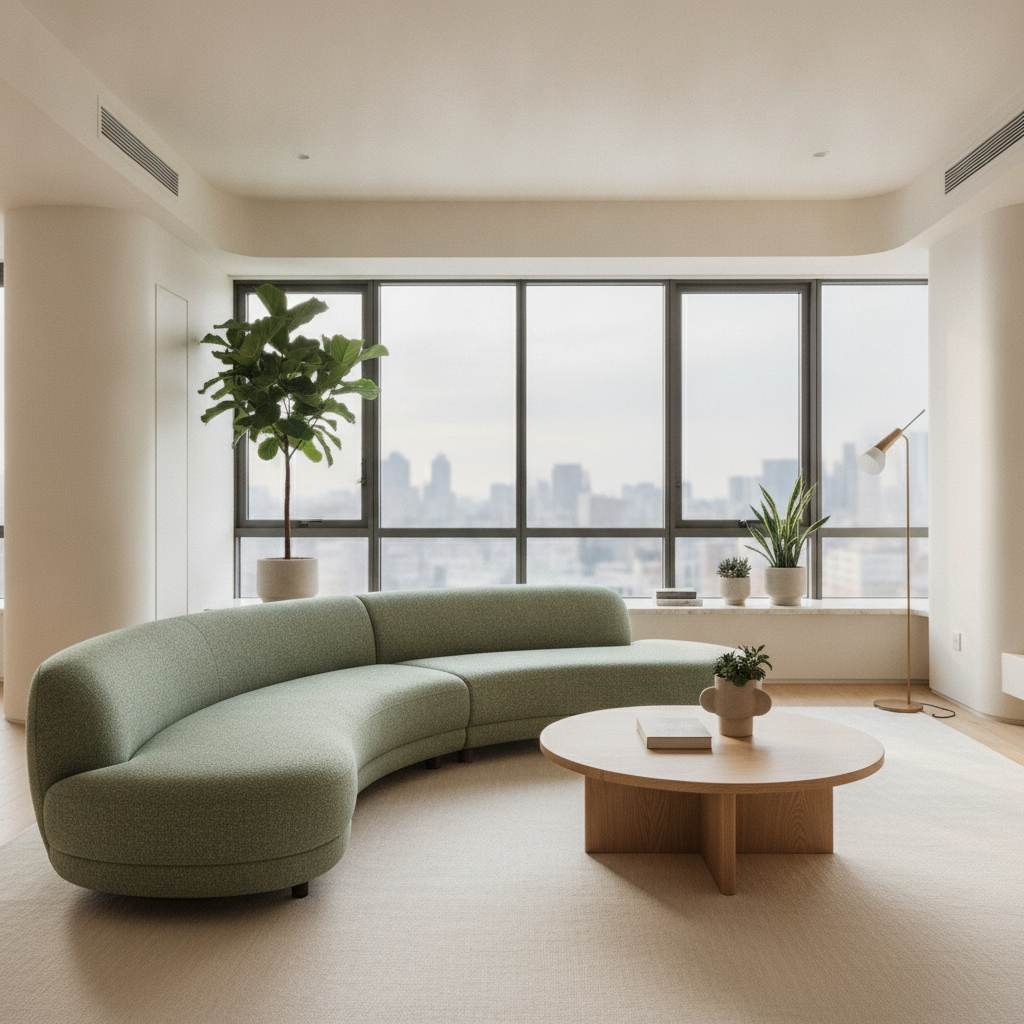
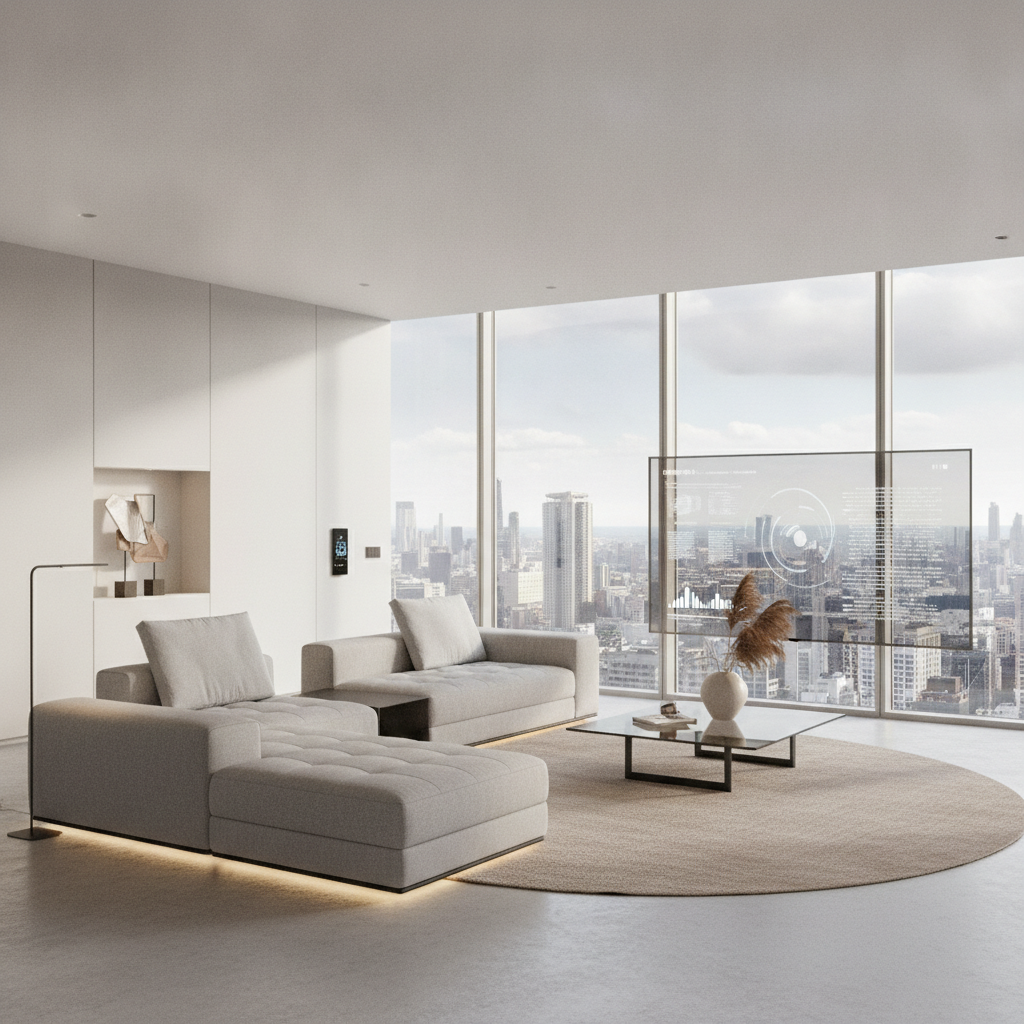
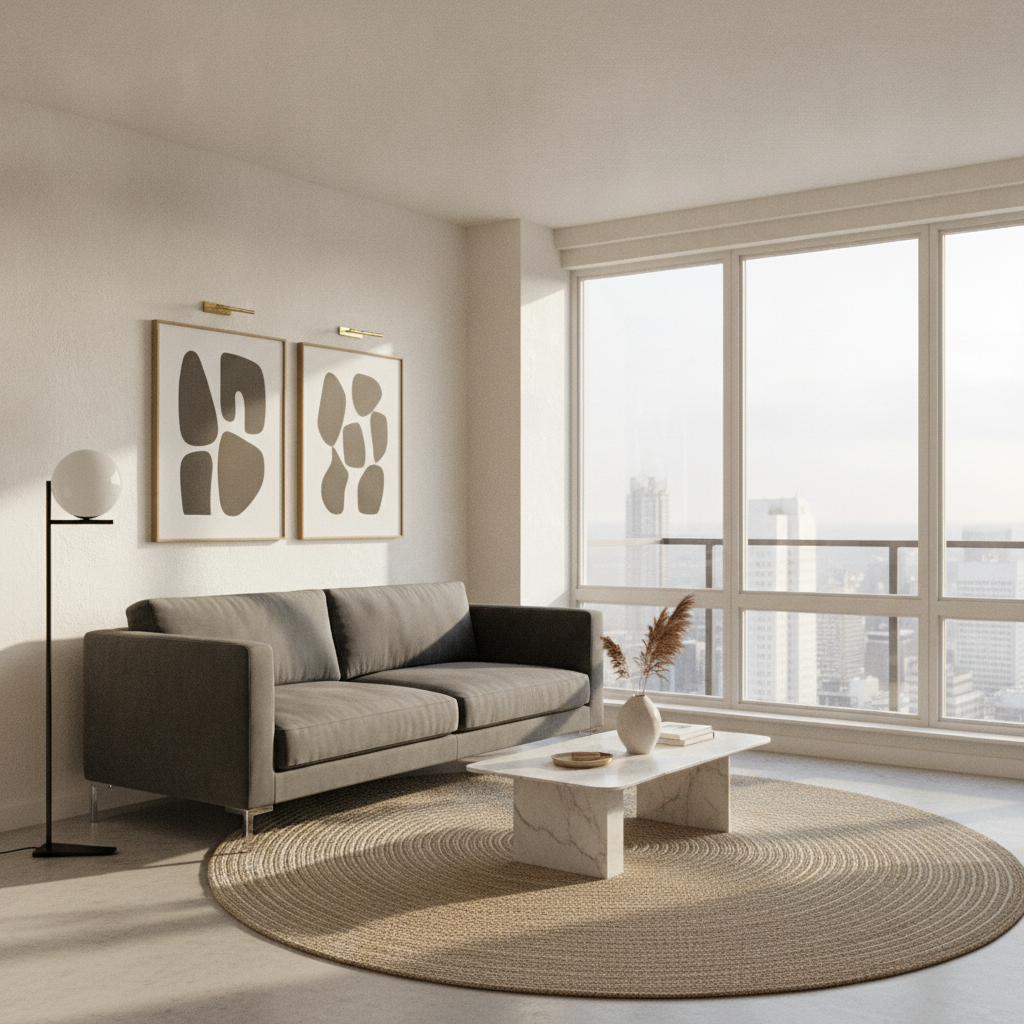
smart sofa features 2026 style example
Experience the intuitive and subtle smart sofa features 2026, redefining comfort with a touch.

The Design Aesthetic: Where Tech Meets Elegance

A common misconception about smart furniture is that it must look overtly futuristic or cold. However, the smart sofa features 2026 challenge this notion entirely. Leading designers are meticulously crafting sofas where technology is not just integrated but *invisible*. Cables are routed internally, charging pads are flush with surfaces, and control panels appear only when needed, glowing softly from within the fabric or material.

Materials play a crucial role. Luxurious textures like bouclé, velvet, and high-performance microfiber conceal sensors and wiring while providing ultimate comfort. Color palettes often lean towards sophisticated neutrals and muted tones, ensuring the sofa remains a timeless piece of furniture that complements a wide range of interior styles. The result is furniture that is both a marvel of engineering and a work of art, enhancing the living space without demanding attention to its technological prowess.
Navigating the Market: Choosing Your Smart Sofa

With a growing array of options, selecting the right smart sofa requires careful consideration:

  • Define Your Needs: What smart features are most important to you? Do you prioritize charging, audio, climate control, or adjustability?
  • Budget: Smart sofas can range widely in price. Determine your budget and look for models that offer the best blend of features and quality within that range.
  • Size and Configuration: Measure your space carefully. Many smart sofas offer modular designs, allowing you to customize the layout to fit your room perfectly.
  • Compatibility: If you already have a smart home system, ensure the sofa’s features are compatible with your existing ecosystem (e.g., Alexa, Google Home, Apple HomeKit).
  • Fabric and Finish: Consider the durability, comfort, and aesthetic appeal of the upholstery. High-performance, stain-resistant fabrics are often a wise investment for smart sofas.
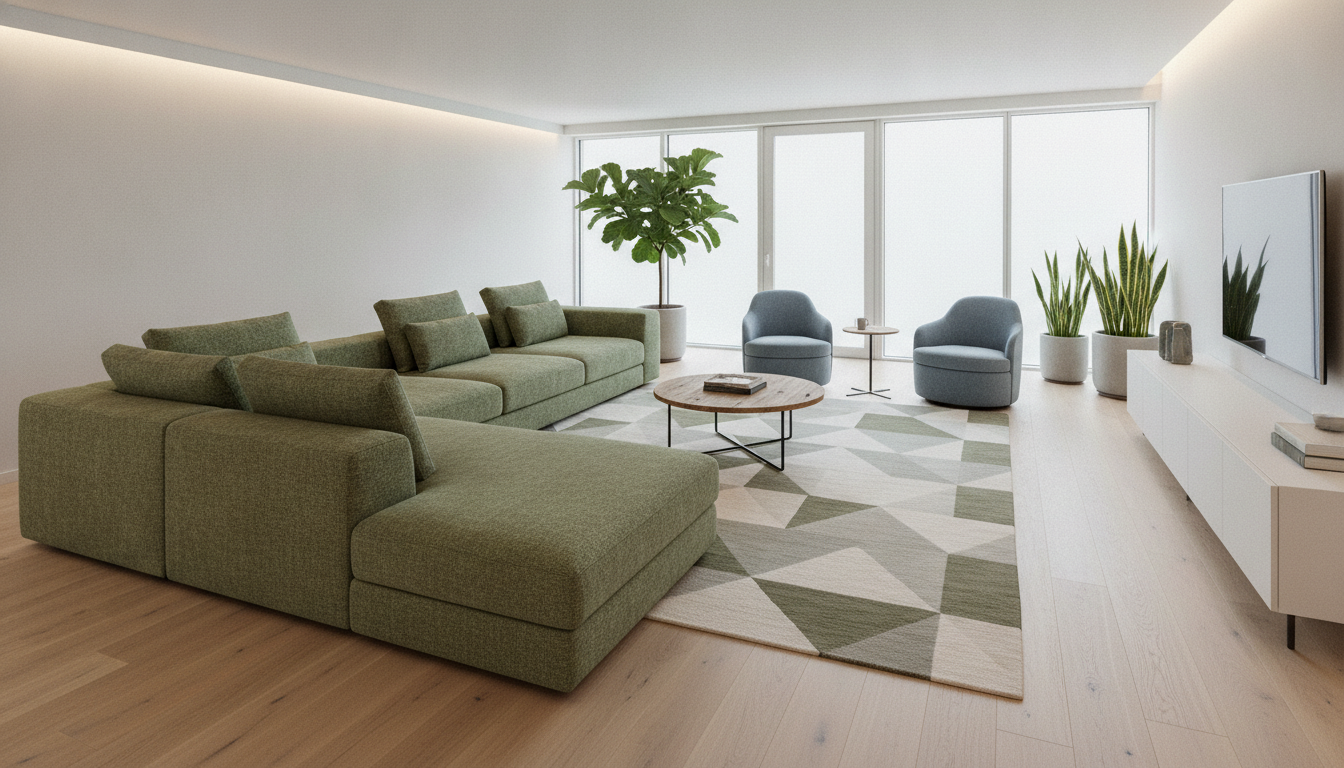
  • Warranty and Support: As with any significant investment, check the manufacturer’s warranty and customer support options for both the furniture and its integrated technology.

The Future is Now: What’s Next for Smart Sofa Features 2026 and Beyond

The innovation doesn’t stop with the current smart sofa features 2026. The trajectory of smart furniture points towards even more intuitive, predictive, and personalized experiences. We can anticipate:

  • Advanced Biometric Feedback: Sofas that can discreetly monitor heart rate, stress levels, or even sleep patterns (for those napping on the couch) to provide personalized wellness insights.
  • Predictive Comfort: AI that learns your preferences over time and proactively adjusts the sofa’s settings (e.g., warming up just before you sit down on a cold morning).
  • Augmented Reality Integration: Imagine your sofa becoming a platform for AR experiences, projecting interactive displays onto your coffee table or walls.
  • Energy Harvesting: Sofas that can generate small amounts of power from human movement, contributing to self-sufficiency.

These developments promise to make our living spaces even more dynamic, responsive, and truly intelligent, cementing the smart sofa’s role as more than just furniture, but a partner in modern living.

Frequently Asked Questions (FAQ)

Q1: Are smart sofas significantly more expensive than traditional sofas?

A1: Generally, yes. The integration of advanced technology, premium materials, and sophisticated engineering means smart sofas command a higher price point than basic traditional models. However, the value comes from the enhanced functionality, comfort, and future-proofing they offer.

Q2: Are smart sofas difficult to maintain or repair?

A2: Not necessarily. While they have more components, manufacturers design them for durability and ease of use. Many come with advanced fabrics that are easy to clean. For technical issues, professional servicing might be required, similar to other smart home appliances. Always check the warranty and service options before purchasing.

Q3: What about privacy concerns with integrated health monitoring or voice assistants?

A3: Privacy is a valid concern. Reputable manufacturers adhere to strict data protection policies. Most voice assistants require an activation word, and data collection is typically opt-in and anonymized. Always review the product’s privacy policy and choose brands known for their commitment to user privacy.

Q4: Can I upgrade my existing traditional sofa with smart features?

A4: While you can add external smart accessories like wireless charging pads, smart lighting strips, or even smart recliner conversion kits, a fully integrated smart sofa experience is designed from the ground up. It’s difficult to replicate the seamlessness and hidden nature of built-in features with aftermarket add-ons.

Q5: How long do smart sofas typically last?

A5: The lifespan of a smart sofa depends on its quality, usage, and maintenance. High-end smart sofas are built to last, often using durable frames and motors. The technological components are generally designed for longevity, with software updates ensuring continued functionality. Expect a lifespan comparable to high-quality traditional sofas, typically 7-15 years, with proper care.

Conclusion & Call to Action

The smart sofa revolution for 2026 is not just an upgrade; it’s a redefinition of what a sofa can be. It’s a testament to how technology, when thoughtfully applied, can enrich our daily lives, making our homes more comfortable, convenient, and aesthetically pleasing. These aren’t just pieces of furniture; they are intelligent companions that understand and anticipate your needs.

Ready to experience the future of comfort and elevate your living space? Explore the incredible world of smart sofa features 2026 and discover the perfect blend of innovation and elegance for your home. Begin your journey to a smarter, more luxurious living room today! Browse a curated selection of modern living room sofas, including many with integrated smart features, on Amazon.

Stretch Out in Style: The Ultimate Guide to Sofas for Tall People in 2026

For individuals blessed with height, the world of furniture often presents a unique challenge. While standard sofas might look appealing, they often fall short (pun intended) when it comes to providing genuine comfort. Sagging backs, dangling feet, and awkward sitting positions are all too familiar. But fear not, fellow vertical champions! In 2026, the market offers more options than ever for those seeking a sofa that truly allows them to stretch out in style. This comprehensive guide from lesofa.club will help you navigate the landscape and find the perfect sofas for tall people, ensuring your living space is a haven of comfort, not a test of endurance.

The Tall Person’s Sofa Dilemma: Understanding Your Needs

It’s not just about length. While a longer sofa is a good starting point, several other dimensions and design elements are crucial for optimal comfort for taller individuals. Ignoring these can lead to persistent discomfort, back pain, and a general dissatisfaction with your furniture.

Beyond Legroom: What to Look For

  • Seat Depth: This is arguably the most critical factor. Standard sofas often have a seat depth of 20-22 inches, which is far too shallow for someone with long thighs. You’ll find your knees awkwardly bent and your legs extending too far, preventing proper back support. Aim for a seat depth of at least 24 inches, with many tall individuals preferring 25-28 inches or even more in a chaise or deep-seat sectional sofa.
  • Back Height: A low back offers no support for your shoulders and head, forcing you to slouch or lean back uncomfortably. Look for sofas with a back height of at least 35 inches from the floor, and preferably 38-40 inches or higher, especially if you enjoy leaning back to read or watch TV.
  • Armrest Height: While often overlooked, armrest height significantly impacts comfort. Too low, and you’ll have to hunch your shoulders to rest your arms. Too high, and they become a barrier. An ideal armrest height allows your forearms to rest comfortably without strain.
  • Overall Length: This is where extra-long sofas and sectionals shine. If you enjoy stretching out completely, ensure the sofa’s overall length (or the length of a chaise component) is sufficient for your entire body to recline without your feet dangling off the edge.
  • Construction and Durability: Taller individuals generally carry more weight, meaning the sofa’s frame, springs, and cushioning must be robust. Look for solid hardwood frames, high-density foam cushions, and sturdy spring systems to ensure longevity and consistent support.

Key Sofa Styles & Types for Taller Individuals

The good news is that manufacturers are increasingly recognizing the demand for more accommodating furniture. Here are some styles and types that commonly offer the dimensions needed for tall people:

Sectionals: The Versatile Choice

Sectional sofas are a top contender because of their inherent modularity and expansive design. U-shaped or L-shaped sectionals often feature a chaise lounge component, which is perfect for stretching out fully. Many contemporary sectionals also come with deeper seats and higher backs as a standard feature. They offer flexibility in arrangement and ample space for multiple tall users.

Extra-Long Sofas: Classic Comfort, Extended

Sometimes, a simple, longer version of a classic design is all you need. Look for sofas explicitly labeled as ‘extra-long,’ ‘grand,’ or ‘extended.’ Styles like a extra-long Chesterfield sofa or a larger Mid-Century Modern piece can provide the necessary dimensions without sacrificing traditional aesthetics. These typically offer seat depths of 24 inches or more and overall lengths exceeding 90 inches.

Reclining Sofas: Customizable Support

Modern reclining sofas have come a long way in terms of style and comfort. Many high-quality recliners now offer extended footrests and adjustable headrests, providing personalized support for every part of your body. Power recline options are particularly convenient, allowing for precise positioning at the touch of a button. When shopping for recliners, always check the fully reclined length to ensure it accommodates your height.

Daybeds & Chaise Lounges: The Ultimate Stretch

For ultimate stretching and lounging, a dedicated daybed or a standalone chaise lounge can be an excellent addition to your living space or bedroom. These pieces are designed specifically for horizontal comfort and often provide lengths well over 70 inches, perfect for even the tallest individuals to lie down completely.

Top Features to Prioritize in 2026

Beyond style, certain features contribute significantly to the comfort and longevity of a sofa for tall users:

  • High-Density Foam & Spring Systems: Look for cushions made from high-resilience, high-density foam (e.g., 2.0 density or higher). Paired with robust spring systems like sinuous springs or eight-way hand-tied springs, these will maintain their shape and support longer, preventing premature sagging.
  • Durable Upholstery: Given the extra pressure and movement a larger person might exert, durable upholstery is key. Performance fabrics (like those resistant to stains and wear), tightly woven linen, or genuine leather are excellent choices for longevity. A high-quality performance fabric sofa can withstand years of use.
  • Adjustable Features: Some premium sofas now offer adjustable headrests, lumbar support, or even seat depths, allowing you to fine-tune your comfort settings.
  • Consider Modular Designs: Modular sofas allow you to configure and reconfigure sections, potentially adding an extra armless chair or an extended chaise to create a truly bespoke sofa that fits your space and your height requirements perfectly.
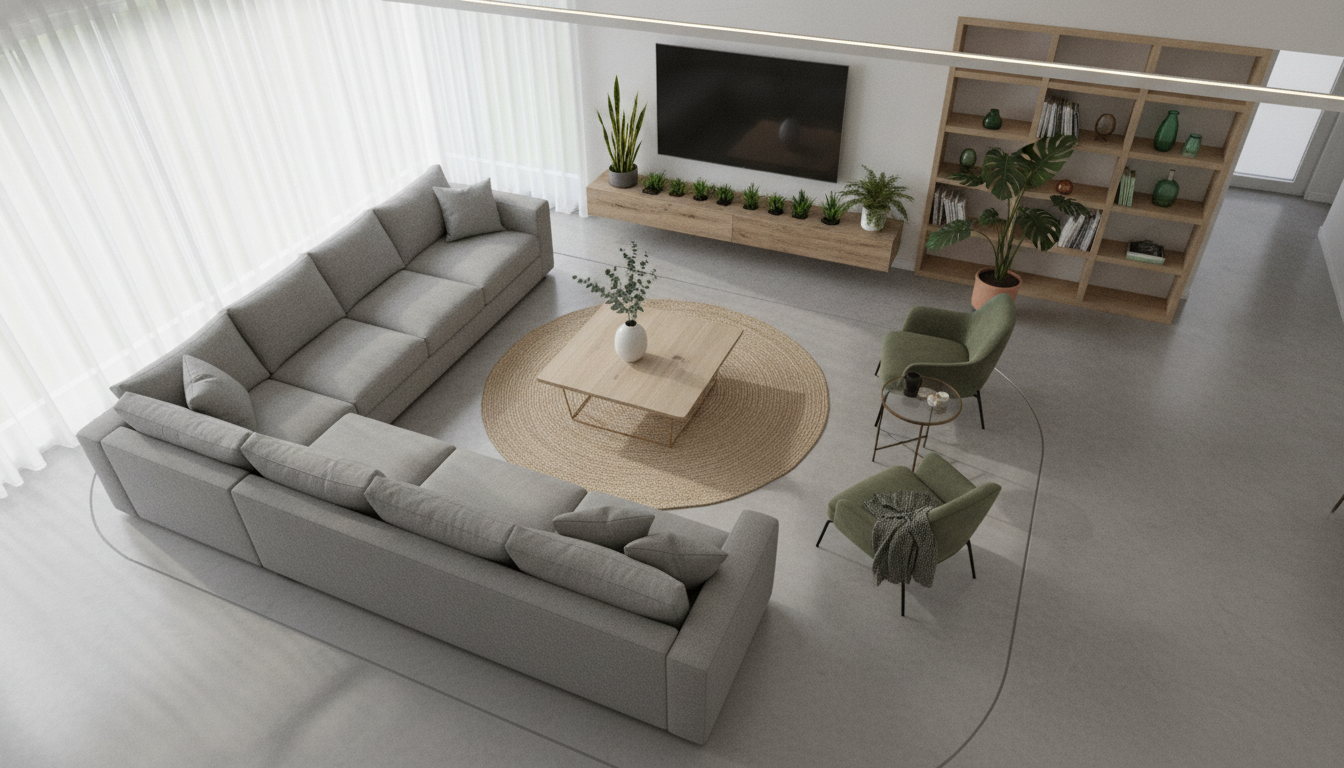
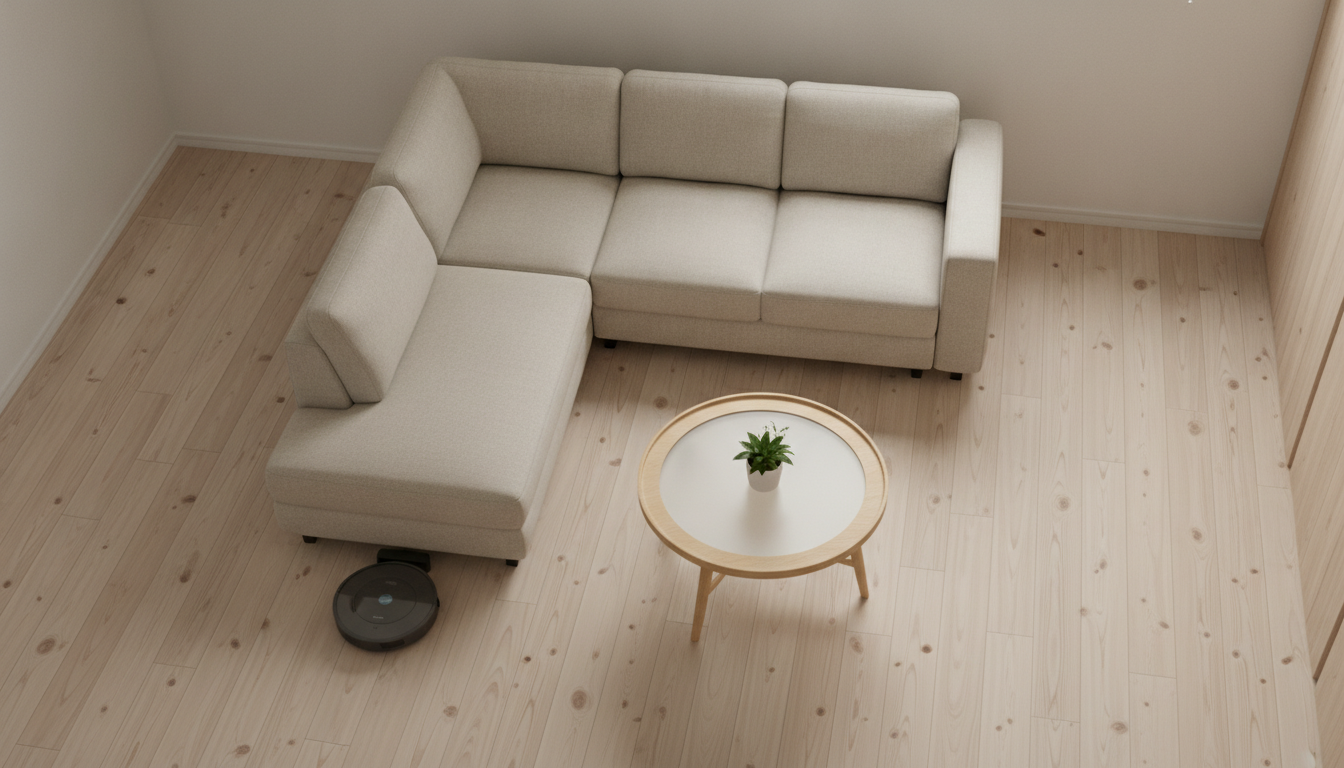
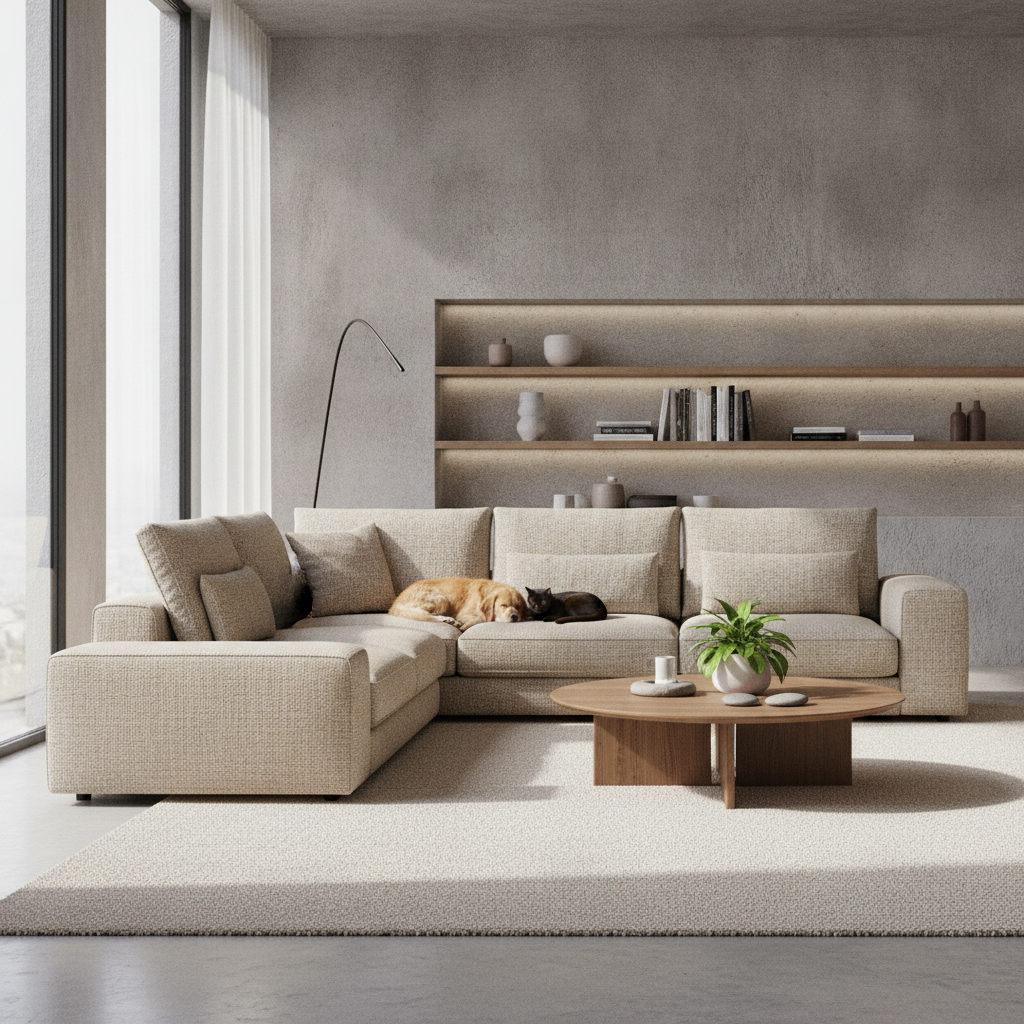
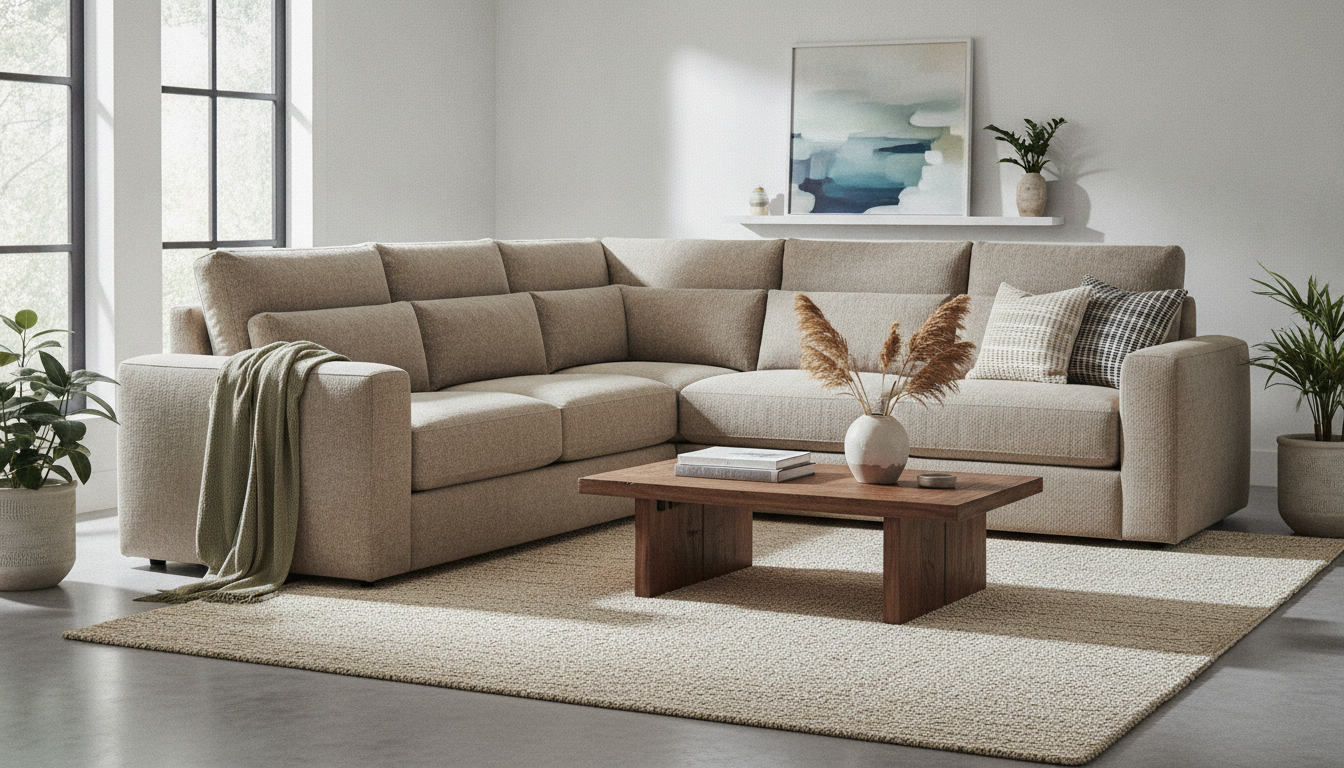
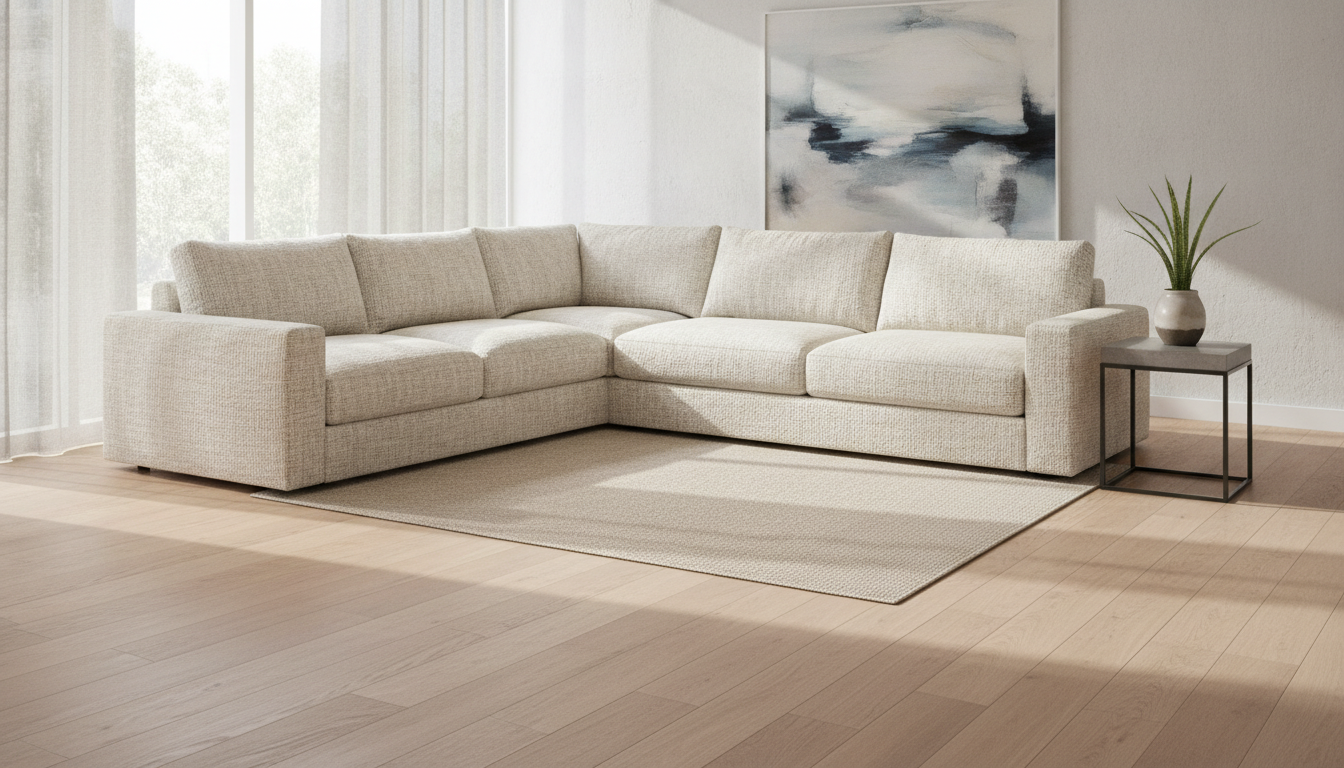
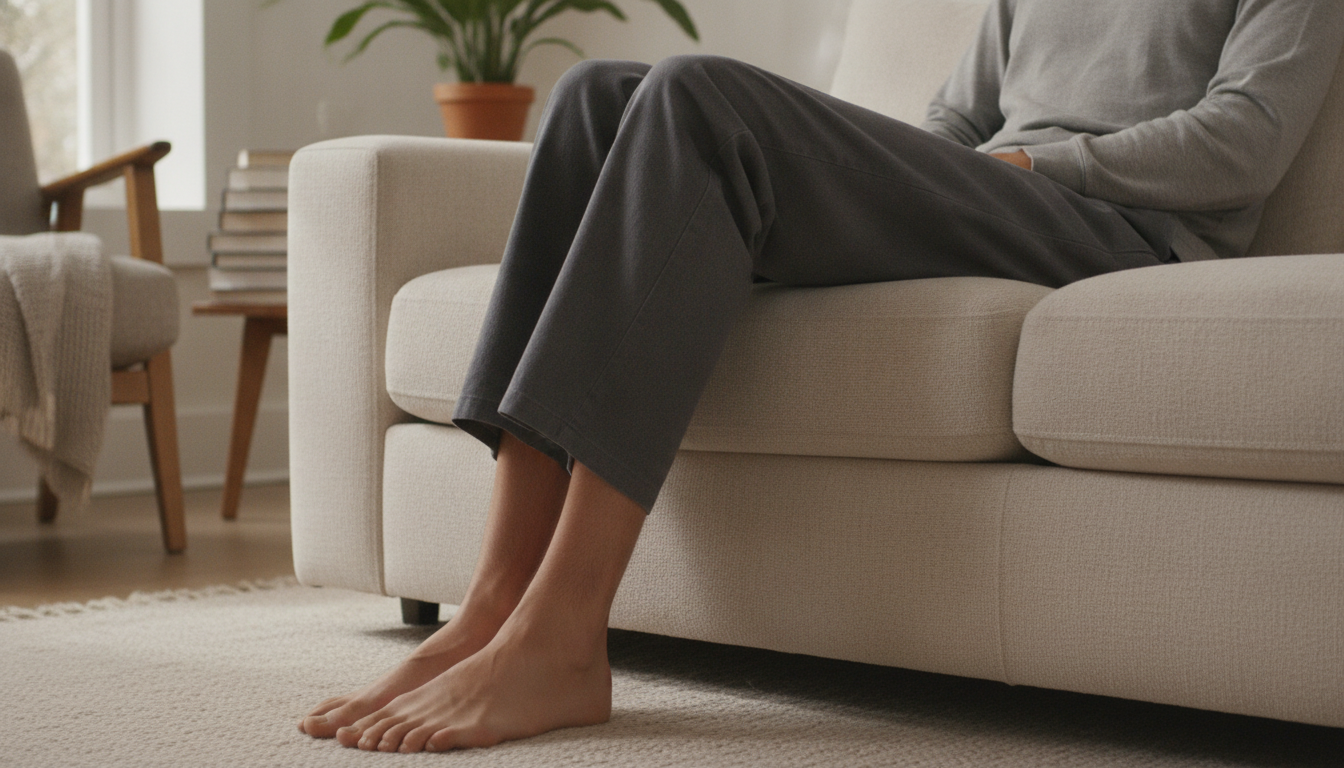
sofas for tall people 2026 style example
Discover ultimate comfort: the perfect deep-seated sofa for tall people in 2026.

Comparison Table: Sofas for Tall People (2026 Edition)

To help you visualize the options, here’s a comparison of common types suitable for taller individuals:

Sofa Type Key Feature for Tall Users Avg. Seat Depth (Inches) Avg. Back Height (Inches) Pros Cons Price Range ($)
Deep-Seat Sectional Expansive lounging space, often includes chaise. 25-30+ 35-40 Ultimate stretch-out potential, versatile configurations, great for families. Can dominate smaller rooms, higher price point. 1,500 – 6,000+
Extra-Long Sofa (3-4 Seater) Increased overall length and often deeper seats. 24-28 34-38 Classic aesthetic, good for multiple tall people, less imposing than a sectional. May not offer full recline for very tall individuals, less modularity. 1,000 – 4,000
Reclining Sofa (Power) Extended footrest, adjustable headrest, customizable comfort. 22-25 (fixed) 38-42 Personalized comfort, excellent back support, great for relaxation. Can be bulky, mechanisms can wear out, limited seat depth when not reclined. 1,200 – 5,000
Daybed/Chaise Lounge Designed for full horizontal lounging. N/A (full bed/lounge) N/A (low back/bolsters) Exceptional for stretching out completely, stylish accent piece. Not ideal for upright communal seating, often a secondary seating option. 500 – 2,500
Custom-Built Sofa Tailored to exact height and preferences. Any Any Perfect fit guaranteed, choice of every detail. Most expensive, longer lead times. 3,000 – 10,000+

Materials Matter: Comfort & Durability

The choice of materials profoundly impacts both comfort and the lifespan of your sofa. For tall individuals, durability is particularly important as the sofa will likely endure more significant use and pressure.

Fabric Options

  • Velvet: Offers a luxurious feel and can be surprisingly durable in higher pile counts.
  • Linen: Breathable and natural, but can wrinkle and stain easily unless treated.
  • Microfiber: Excellent for stain resistance and easy cleaning, very practical.
  • Performance Fabrics: Engineered for durability, stain resistance, and fade resistance. Options like Sunbrella or Crypton are increasingly popular for high-traffic furniture.

Leather vs. Fabric

Leather is incredibly durable, develops a beautiful patina over time, and is easy to clean. It can be cooler in summer and warmer in winter. However, it’s generally more expensive. Fabric offers a wider range of colors, textures, and price points, and can feel softer and cozier.

Frame Construction

Always prioritize a solid frame. Look for:

  • Kiln-Dried Hardwood: Oak, maple, birch, or beech are ideal, preventing warping and splitting.
  • Plywood: High-quality, furniture-grade plywood (at least 11-13 layers) can also be very strong. Avoid particleboard or engineered wood that isn’t clearly specified as high-grade.
  • Metal: Some modern designs incorporate metal frames for exceptional strength and sleek aesthetics.

Styling Your Space with a Large Sofa

Introducing a large sofa designed for tall people doesn’t mean sacrificing style. In fact, a generously sized sofa can become a magnificent focal point in your living area.

Room Proportions

Ensure your chosen sofa is proportional to your room. A massive sectional in a tiny room will overwhelm the space. Use painter’s tape to map out the sofa’s dimensions on your floor to visualize how it will fit before purchasing.

Rugs and Accessories

Balance the scale of your large sofa with appropriately sized rugs and accessories. An extra-long rugs can anchor a large sectional, while substantial coffee tables and floor lamps can complement its presence rather than getting lost beside it. Oversized throw pillows and blankets can add warmth and texture.

Coffee Tables

With a deeper-seated sofa, consider a coffee table that is slightly further away or has an adjustable height. This ensures easy access to drinks and snacks without feeling cramped.

Maintenance Tips for Your Investment

A high-quality sofa is an investment, especially one tailored to specific needs. Proper maintenance will ensure it remains comfortable and stylish for years to come.

  • Regular Cleaning: Vacuum your sofa regularly using the upholstery attachment to remove dust and debris. For spills, act quickly. Consult your sofa’s care label for specific cleaning instructions. Having a good upholstery cleaner on hand is always a good idea.
  • Cushion Rotation: Rotate and flip your reversible cushions weekly or bi-weekly. This helps distribute wear evenly and prevents permanent indentations, especially on deeper seats.
  • Avoid Direct Sunlight: Prolonged exposure to direct sunlight can fade fabrics and leather. Position your sofa away from harsh sunbeams or use blinds/curtains.
  • Address Minor Repairs: Don’t let small issues escalate. Tighten loose legs, repair minor tears, or address squeaky springs promptly to prevent further damage.

FAQs About Sofas for Tall People

Q1: What is the ideal seat depth for a tall person?

For most tall individuals, a seat depth of 24 to 28 inches is ideal. This allows your upper thighs to be fully supported, enabling you to lean back comfortably without your knees bending excessively or your feet dangling.

Q2: Can I find stylish sofas that are also comfortable for tall people?

Absolutely! The market in 2026 offers many stylish options. Look for manufacturers specializing in larger-scale furniture or modular designs that can be customized. Contemporary, transitional, and even some classic designs are now available with deeper seats and higher backs.

Q3: Are reclining sofas good for tall people?

Yes, many reclining sofas are excellent for tall people, especially those with extended footrests and adjustable headrests. Always test the fully reclined position to ensure it supports your entire body and doesn’t leave your feet unsupported.

Q4: What’s the difference between a regular sofa and an extra-long sofa?

An extra-long sofa is primarily distinguished by its overall length, typically exceeding 90 inches, designed to accommodate more people or allow one person to stretch out fully. They often also come with proportionally deeper seats and higher backs compared to standard models.

Q5: How can I tell if a sofa is truly ‘tall-person friendly’ online?

Always check the detailed dimensions provided by the manufacturer. Focus on seat depth, back height (from floor to top of backrest), and overall length. Read customer reviews, especially from taller individuals, to gauge real-world comfort.

Conclusion: Stretch Out in Comfort and Confidence

Gone are the days when tall individuals had to compromise on comfort or style when choosing a sofa. With a clear understanding of your specific needs—primarily deep seats, high backs, and robust construction—and the growing variety of options available in 2026, you can confidently select a sofa that perfectly complements your height and your living space.

Take your time, measure carefully, and invest in a piece that will provide years of luxurious, stretch-out comfort. Visit lesofa.club for more expert guides and reviews to help you make the best furniture decisions!

Lounging for All Ages: Designing Multigenerational Living Rooms with Smart Sofas

In an era where family dynamics are evolving, multigenerational living is making a significant comeback. More families are choosing to live together, bringing diverse needs and lifestyles under one roof. This beautiful arrangement fosters stronger bonds and shared experiences, but it also presents unique design challenges, especially in the heart of the home: the living room. How do you create a space that offers comfort, functionality, and aesthetic appeal for toddlers, teens, working adults, and beloved elders all at once? The answer lies in thoughtful planning and, increasingly, in the innovative world of smart sofas – the cornerstone of effective multigenerational sofa design.

This comprehensive guide will explore how to transform your living room into an inclusive haven that caters to every family member. We’ll delve into the concept of smart sofas, examining their features, benefits, and how they contribute to a harmonious shared space. From adjustable components to durable fabrics and integrated technology, discover how the right sofa can elevate your home, making it a true gathering place for all generations.

The Rise of Multigenerational Households

The trend of multigenerational living is more than just a passing phase; it’s a growing societal shift driven by economic factors, cultural preferences, and a desire for stronger family support systems. Whether it’s young adults returning home, aging parents moving in, or a blend of both, these households are diverse and dynamic. With multiple generations coexisting, the living room naturally becomes the central hub for relaxation, entertainment, and connection. It’s where stories are shared, games are played, and quiet moments of reflection occur. Therefore, designing this space requires a holistic approach that considers the varied physical, cognitive, and social needs of its occupants.

A poorly designed living room can become a source of frustration, with seating that’s uncomfortable for some, difficult to access for others, or simply inadequate for the group. Conversely, a well-designed space, anchored by intelligent furniture choices, can enhance interaction, promote individual well-being, and foster a sense of belonging for everyone. This is where the concept of multigenerational sofa design truly shines, offering solutions that adapt and accommodate, rather than restrict.

What Makes a Sofa “Smart” for Multigenerational Living?

When we talk about a “smart sofa” in the context of multigenerational living, we’re not just referring to voice-activated features or app connectivity (though these can certainly be part of it). Primarily, a smart sofa for a diverse household is one that offers adaptability, enhanced comfort, superior durability, and thoughtful integration of convenience features. It’s a piece of furniture designed to meet a wide spectrum of needs without compromising on style.

Consider the varying requirements: a toddler needs a safe, soft space to play; a teenager might crave a comfortable spot for gaming or homework; adults need supportive seating for long conversations or movie nights; and seniors require ergonomic support, ease of access, and often firmer cushioning to aid mobility. A truly smart sofa bridges these gaps, providing a versatile foundation for shared living. Its ‘intelligence’ lies in its ability to offer customizable comfort and practical solutions that cater to everyone, making it an indispensable element of contemporary living room planning.

Comfort for Every Age: Ergonomics and Support

Comfort is paramount, but what feels comfortable can differ greatly across age groups. Seniors often benefit from firmer cushions that make getting up easier and provide better back support, while children and younger adults might prefer softer, more plush seating for lounging. A smart sofa addresses this through varying seat depths, adjustable lumbar support, and different cushion densities within the same unit. Some models offer power recline features, allowing individuals to find their perfect angle for relaxation, alleviating pressure points and providing optimal support for aching joints. Look for sofas with medium-firm density foam that offers a good balance – supportive enough for elders but comfortable enough for extended lounging by younger family members. The best multigenerational sofa design prioritizes universal comfort without compromise.

Durability and Maintenance: A Lifelong Investment

In a bustling multigenerational home, spills, wear, and tear are inevitable. A sofa that can withstand the rigors of daily life, from pet claws to sticky fingers, is not just a luxury but a necessity. Modern performance fabrics have revolutionized sofa durability, offering resistance to stains, fading, and pilling. These materials, such as microfibers, treated polyesters, or natural fibers with protective coatings, are designed to be easy to clean and maintain their appearance over time. When selecting a sofa, prioritize those made with a high-quality performance fabric sofa that can stand up to heavy use. Many feature removable, washable cushion covers, simplifying the cleaning process. Beyond fabric, a sturdy frame made from solid hardwood or steel is crucial for longevity, ensuring the sofa remains stable and safe for all users for years to come. For tougher spots, a reliable upholstery cleaner can be a lifesaver, keeping your investment looking pristine.

Adaptability and Modularity: Sofas That Grow With You

Family sizes and needs can change over time. A modular or sectional sofa offers unparalleled adaptability, allowing you to reconfigure the layout to suit different occasions or evolving household dynamics. You can separate sections for individual seating, combine them for a large gathering, or create a cozy lounge area. This flexibility is a hallmark of excellent multigenerational sofa design. Imagine being able to transform your living room from an intimate conversation space to a sprawling movie-watching area with minimal effort. Look for a modular sectional sofa that allows for easy rearrangement of components – chaises, armless chairs, and corner pieces – to create custom configurations. This ensures your living room furniture can adapt as your family grows and changes, preventing the need for frequent replacements and providing long-term value.

Tech Integration: Seamless Convenience

In our connected world, integrated technology in furniture is no longer a futuristic concept. Smart sofas often come equipped with built-in USB charging ports, wireless charging pads, and even discreet power outlets, making it convenient for everyone to charge their devices without searching for wall outlets or messy extension cords. Some advanced models might include integrated speakers for immersive sound, subtle LED lighting for ambiance or reading, or even control panels for adjusting recline and other features. For seniors, easily accessible controls for power recline are particularly beneficial, eliminating strain. For tech-savvy teens and adults, these features are simply a convenient addition to modern living. A power reclining sofa with USB exemplifies this blend of comfort and connectivity.

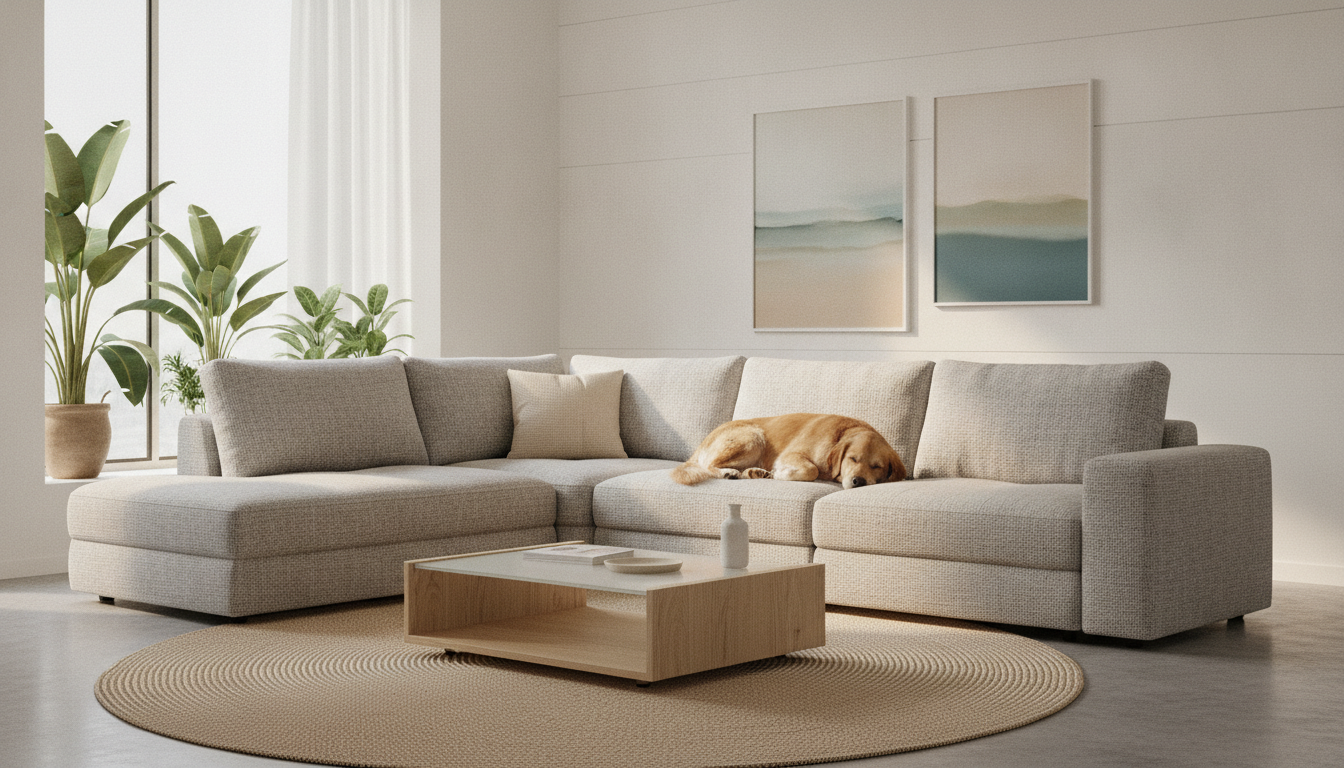
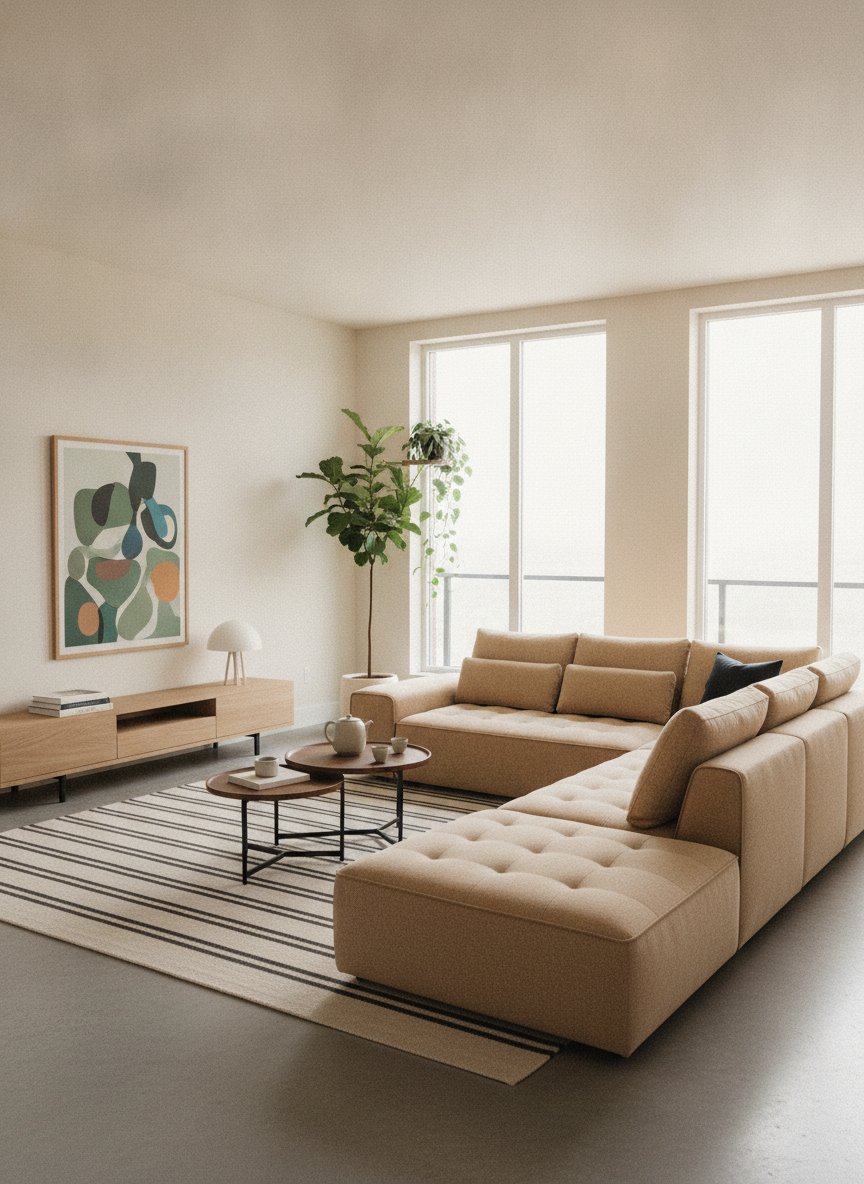
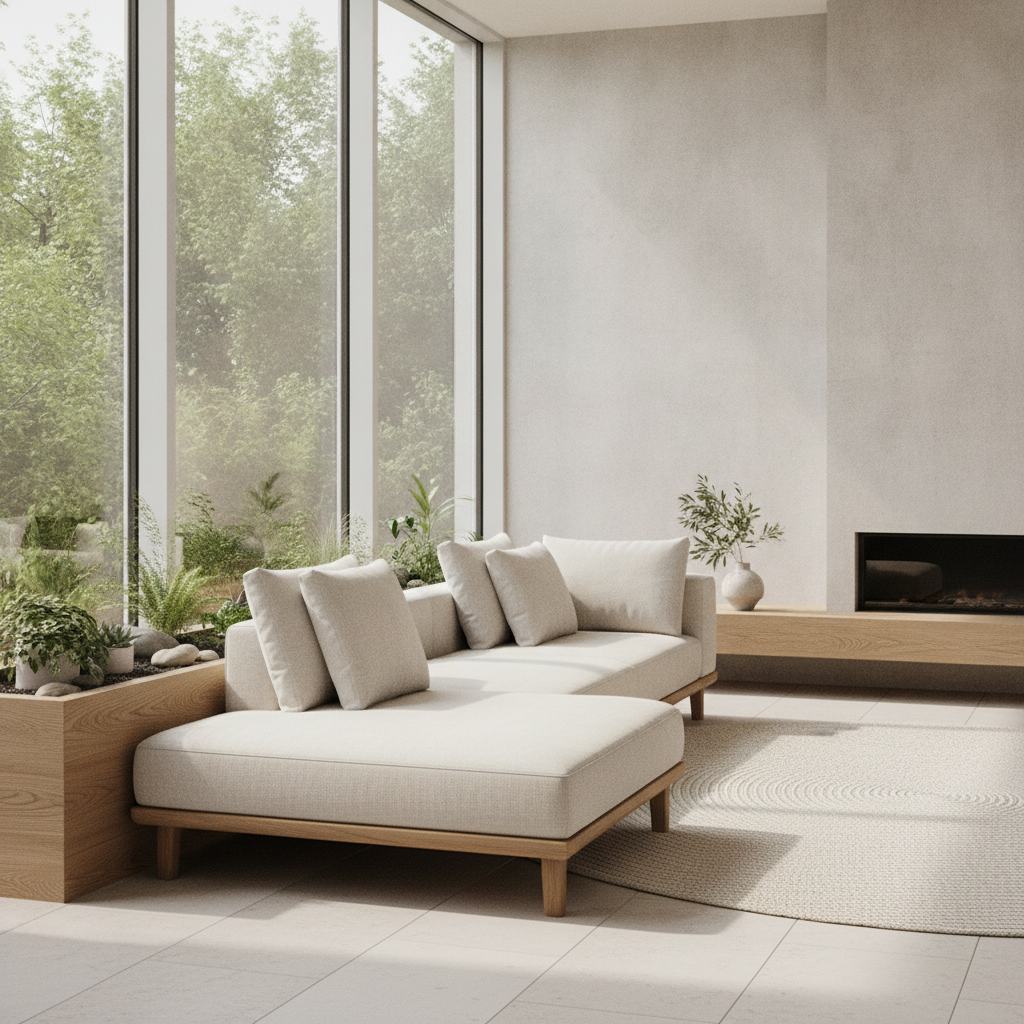
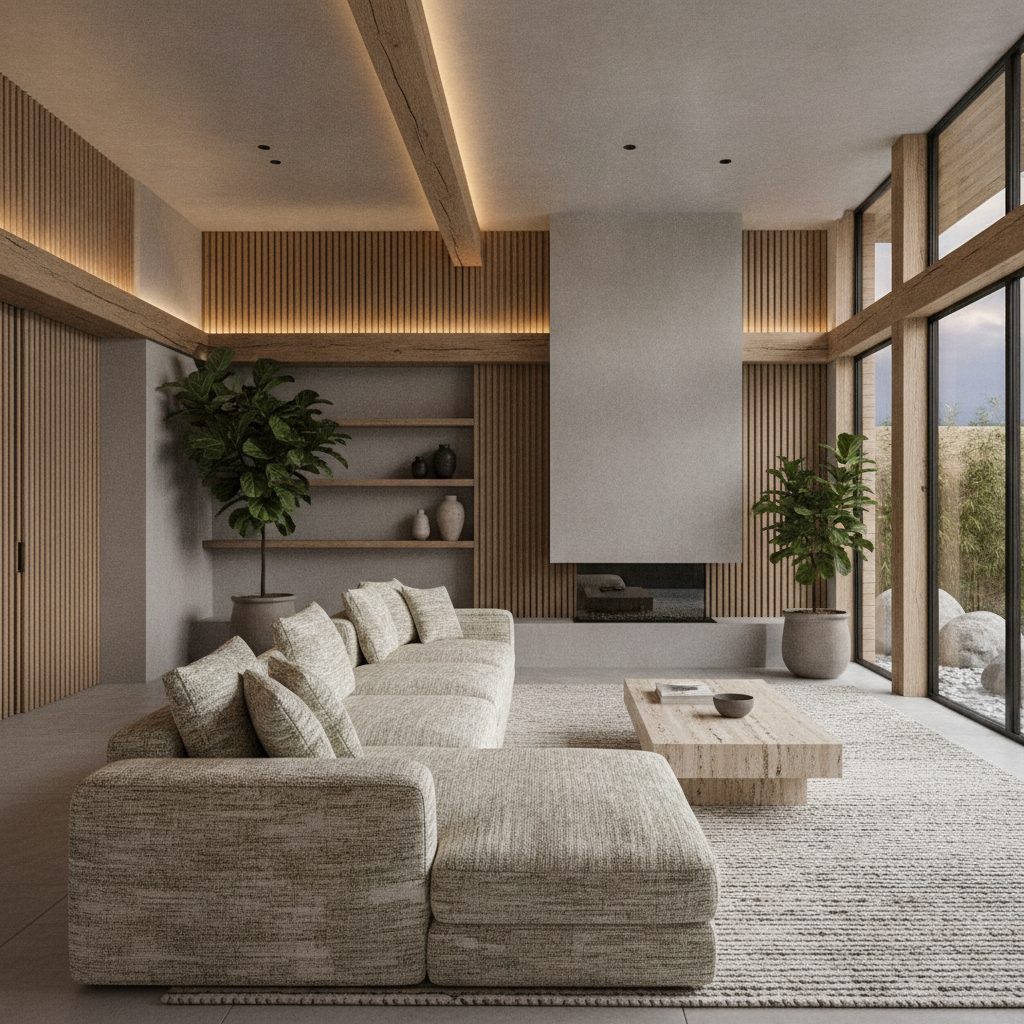
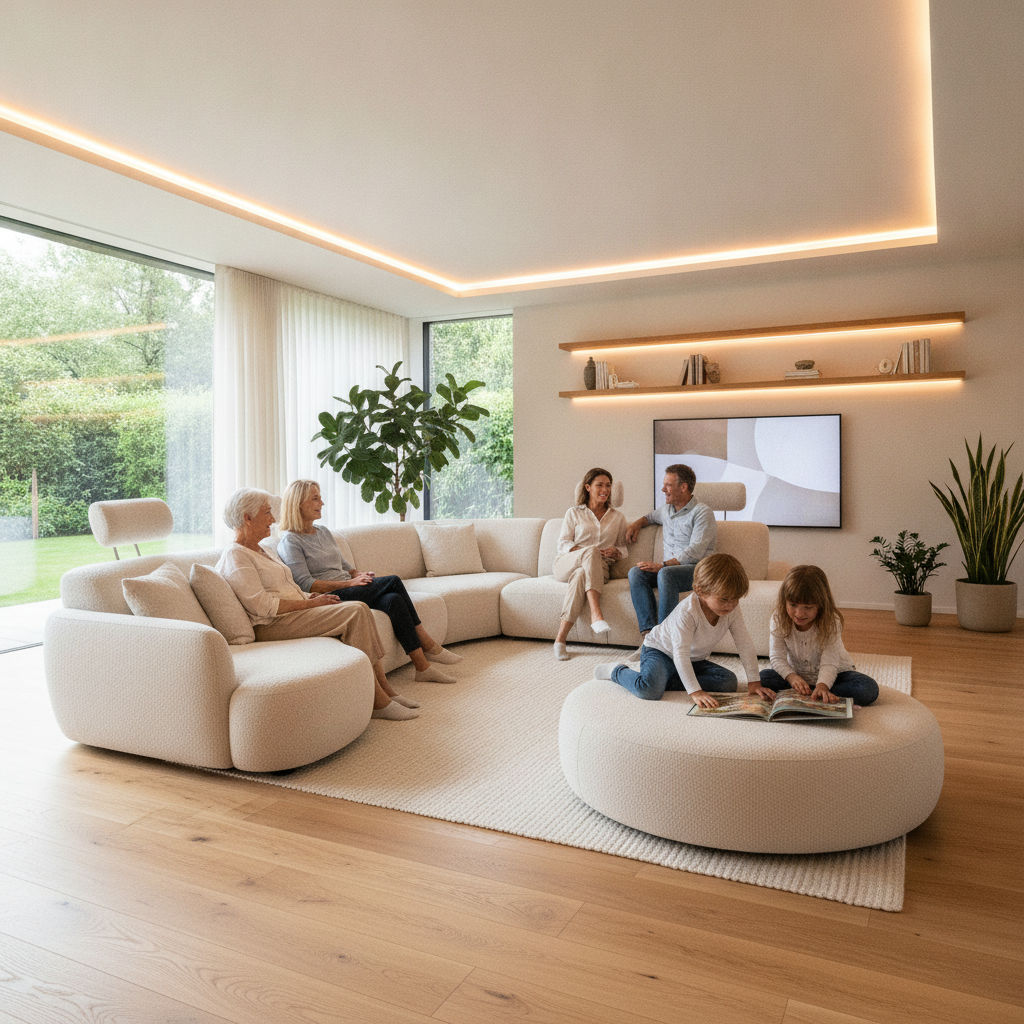
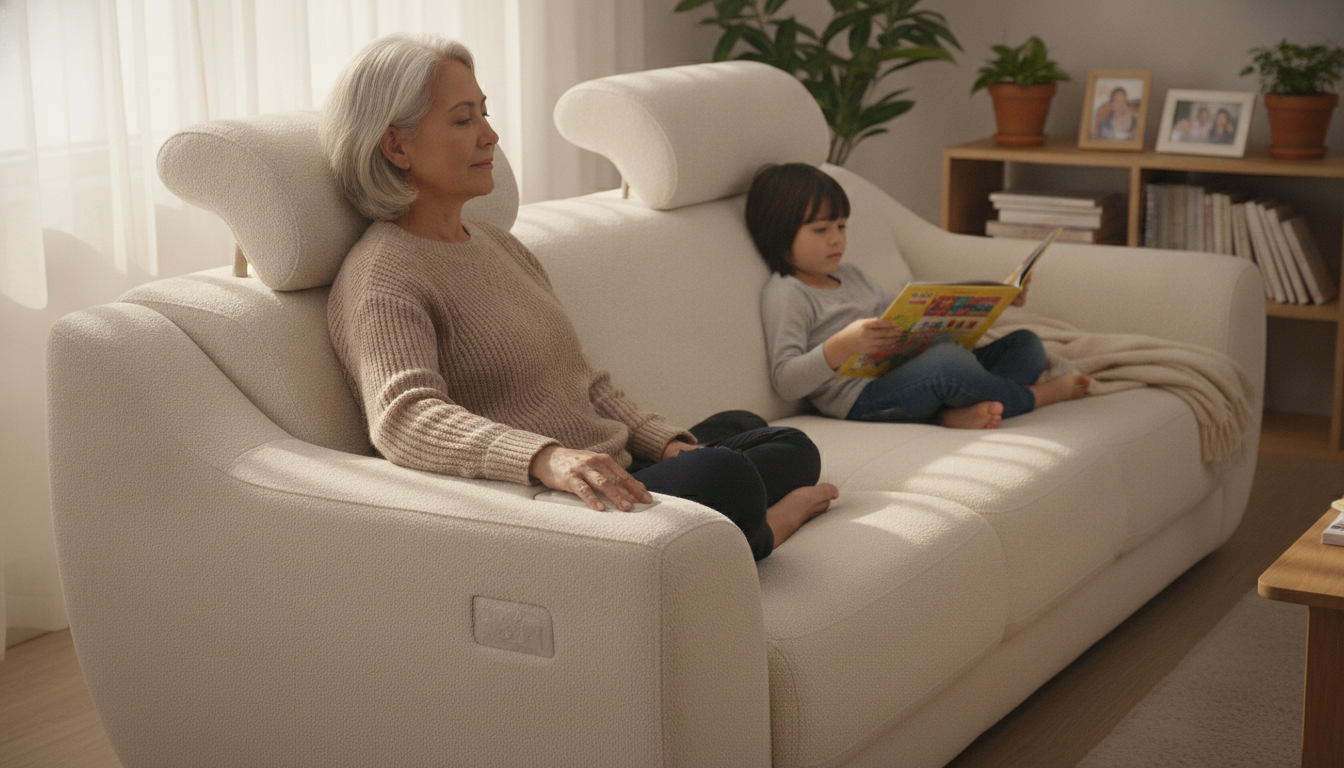
multigenerational sofa design style example
This smart sofa exemplifies thoughtful multigenerational sofa design, blending comfort, technology, and durability for all.

Key Features to Look For in a Multigenerational Sofa Design

When selecting a sofa for your multigenerational home, consider these specific features that enhance comfort, safety, and functionality for everyone:

  • Adjustable Components: Look for sofas with adjustable headrests, footrests, and even lumbar support. Power recliners with easy-to-reach buttons are excellent for seniors and anyone needing to shift positions comfortably.
  • Varying Seat Depths: Some modular sofas offer sections with deeper seats for lounging and other sections with shallower seats for those who prefer to sit upright, or whose shorter stature benefits from closer proximity to the floor.
  • Armrest Design: Wide, sturdy armrests can serve multiple purposes: a stable place to push off when standing, a temporary side table for a drink, or a comfortable perch for a child. Ensure they are well-padded and free from sharp edges.
  • Seat Height: A moderate seat height (typically 18-20 inches) is ideal. Too low, and it’s difficult for seniors to get up; too high, and children might struggle to sit comfortably.
  • Firmness of Cushions: While plush is inviting, overly soft cushions can be difficult for mobility-challenged individuals. A medium-firm density provides support while still being comfortable for all.
  • Safety Features: Rounded edges on frame elements and stable bases reduce the risk of bumps and tipping, especially important for active children and those with unsteady gaits. Non-slip feet can also prevent the sofa from shifting on smooth floors.
  • Integrated Storage: Hidden storage compartments in ottomans or chaises can be invaluable for tidying away blankets, toys, or magazines, keeping the living room clutter-free and safe.
  • Accessibility: Ensure there’s enough clearance around the sofa for movement, especially if anyone in the household uses mobility aids.

Designing Your Multigenerational Living Room: Beyond the Sofa

While the sofa is central to your multigenerational sofa design, the surrounding elements of the living room are equally important in creating an inclusive and functional space. Consider these additional aspects:

  • Layout and Traffic Flow: Plan a layout that allows for clear pathways, minimizing obstacles. Create distinct zones for different activities – a quiet reading nook, a lively play area, and a central conversation space.
  • Coffee Tables and Side Tables: Opt for tables with rounded edges to prevent accidental bumps. Ensure they are at an accessible height and within easy reach from the sofa. Storage coffee tables can help manage clutter.
  • Lighting: Incorporate a mix of ambient, task, and accent lighting. Dimmable lights can set various moods, while reading lamps next to seating areas cater to different visual needs.
  • Rugs: A soft, well-secured rug can add warmth and define zones. Choose a low-pile rug to prevent tripping hazards and ensure it’s anchored with a non-slip rug pad underneath.
  • Additional Seating: Complement your smart sofa with a comfortable recliner, a pair of armchairs, or even beanbags for kids, providing diverse seating options for individual preferences.
  • Entertainment: Mount televisions at an appropriate height for comfortable viewing from various seating positions. Ensure sound systems are clear and accessible.
  • Personalization: Encourage each family member to contribute to the decor, whether through artwork, photos, or cherished objects, to foster a sense of shared ownership and belonging.

Comparison Table: Popular Multigenerational Sofa Features

To help visualize the benefits of smart multigenerational sofa design, here’s a comparison of key features and how they cater to various age groups:

Feature Benefit for Seniors Benefit for Adults Benefit for Children
Power Recline/Adjustable Headrests Eases movement, reduces joint strain, personalized comfort. Optimal movie watching, ergonomic support for reading. Fun, comfortable spot for snuggling during story time.
Modular Configuration Allows for clear pathways, adaptable seating arrangements. Flexible for entertaining, easy to reconfigure for activities. Creates large play zones or cozy nooks.
Performance Fabric Easy to clean, maintains appearance, hygienic. Durability against daily wear, less worry about spills. Resistant to stains from snacks, art projects, and playtime messes.
Integrated USB/Wireless Charging Convenient for charging devices without bending over. Keeps devices powered for work, entertainment, and communication. Easy access for tablets or gaming controllers (with supervision).
Moderate Seat Height & Firmness Easier to get up and sit down, better posture support. Comfortable for long periods, supportive for general use. Sufficient leg support, easy to climb on safely.

Frequently Asked Questions About Multigenerational Sofa Design

Q1: What is the ideal fabric for a multigenerational sofa?

The ideal fabric is a high-performance, durable, and easy-to-clean material. Look for options like treated microfibers, synthetic blends, or fabrics specifically labeled as stain-resistant or pet-friendly. These materials typically repel liquids, resist fading, and are less prone to snagging, making them perfect for homes with children, pets, and frequent use. Natural fibers treated with protective coatings can also be a good choice, balancing durability with a luxurious feel.

Q2: How can I ensure safety for young children and seniors around a sofa?

Safety is paramount. Choose sofas with rounded edges to minimize injury from bumps. Ensure the sofa is stable and heavy enough not to tip over, especially with children climbing on it. If it’s a modular sofa, ensure the sections connect securely. For seniors, a moderate seat height and firm cushioning make it easier to get up and down. Clear pathways around the sofa prevent falls. Avoid very low-profile furniture that might be hard to see or reach. Furthermore, any integrated tech, like power recline buttons, should be easily identifiable and within reach without excessive leaning.

Q3: Are smart sofas expensive?

The cost of smart sofas can vary widely depending on the brand, features, materials, and overall size. While some high-end models with extensive tech integration and premium materials can be a significant investment, many manufacturers now offer mid-range options that incorporate essential smart features like USB charging, power recline, and modularity at accessible price points. Consider the long-term value: a durable, adaptable sofa that meets everyone’s needs can be more cost-effective than buying multiple pieces or replacing furniture frequently.

Q4: Can a small living room accommodate a multigenerational sofa?

Absolutely! The key is to opt for modular or compact sectional designs. Instead of a sprawling L-shape, you might choose a two-seater with a movable ottoman that can serve as a chaise, or a compact sectional that fits snugly into a corner. Look for pieces with clean lines and lighter colors to make the room feel more expansive. Multi-functional features like hidden storage can also help maximize space in smaller living areas, making thoughtful multigenerational sofa design achievable in any size room.

Q5: How often should I clean my multigenerational sofa?

Regular cleaning is essential in a busy multigenerational home. Aim for weekly vacuuming with an upholstery attachment to remove crumbs, dust, and pet hair. Address spills immediately according to the fabric manufacturer’s instructions to prevent stains from setting. For a deeper clean, most sofas benefit from a professional cleaning every 12-18 months. If your sofa has removable covers, follow their specific washing instructions. Consistent care will extend the life and maintain the appearance of your sofa.

Conclusion: Creating a Harmonious Home for Everyone

Designing a living room for a multigenerational household is a rewarding endeavor that culminates in a space truly lived in and loved by all. By embracing the principles of smart multigenerational sofa design, you can create an environment that is not only stylish and inviting but also incredibly functional, comfortable, and safe for every age and ability. From the adaptable configurations of modular seating to the convenience of integrated technology and the resilience of performance fabrics, the right sofa empowers your family to connect, relax, and thrive together.

Ready to Transform Your Living Room?

Investing in a smart sofa is an investment in your family’s comfort and well-being. Explore the vast array of options available today and find the perfect pieces that blend innovative features with timeless style. Create a living room that truly celebrates every generation under your roof, fostering cherished memories for years to come.

Beyond Bouclé: Exploring the Hottest Tactile Sofa Textures for 2026 Interiors

As we step closer to 2026, the world of interior design continues its dynamic evolution, constantly seeking new expressions of comfort, style, and personal identity. For years, bouclé has reigned supreme, synonymous with cozy luxury and minimalist chic. Its nubby, inviting texture transformed countless living spaces, making it a design darling. But as with all trends, the design compass is recalibrating, pointing towards a broader, more diverse landscape of tactile sensations. This isn’t to say bouclé is out, but rather, it’s making room for an exciting array of textures that promise to elevate our homes into sanctuaries of touch and visual delight. The focus for 2026 interiors shifts beyond mere aesthetics to an immersive, sensory experience, where the feel of a fabric is as crucial as its look. Welcome to the era of truly ‘touchable’ design, where exploring the hottest tactile sofa textures 2026 is paramount.

The upcoming year heralds a profound appreciation for depth, warmth, and the narrative that fabric can weave within a space. Designers are embracing materials that invite interaction, provide a sense of grounding, and offer a luxurious escape from the digital cacophony of modern life. From the sumptuous embrace of refined velvet to the comforting familiarity of chenille, and the surprising resilience of advanced performance fabrics, the choices are vast and inspiring. This comprehensive guide will navigate you through the most anticipated tactile sofa textures poised to dominate 2026 interiors, helping you make informed decisions that resonate with both your aesthetic sensibilities and lifestyle needs.

Key Tactile Trends for 2026

The design forecast for 2026 is rich with variety, moving beyond the singular focus of recent years. Expect a sophisticated blend of natural fibers, high-performance synthetics, and reimagined classics. Each texture offers a unique personality, allowing for unprecedented personalization in your living spaces.

Velvet’s Enduring Allure, Reimagined

Velvet has long been a symbol of opulence and comfort, and for 2026, it undergoes a subtle yet significant transformation. Moving away from highly polished, theatrical finishes, the new velvet trend leans towards a softer, matte appearance with a more organic drape. Think brushed velvets, corduroy velvets, and crushed velvets that offer a lived-in, approachable luxury. These iterations retain velvet’s signature softness but with an added layer of casual elegance, making them perfect for both formal living rooms and relaxed family spaces. A green velvet sofa or a deep sapphire hue can inject a sophisticated jewel-toned richness, while earthy tones like terracotta and sage provide a grounding, natural feel. The tactile sensation is key here – a gentle caress rather than a slick sheen, inviting you to sink in and unwind.

Chenille’s Comforting Comeback

Remember chenille? It’s back, but with a refined twist. No longer relegated to dated throws, modern chenille offers an incredibly soft, almost fuzzy texture that is both durable and inviting. Its characteristic pile creates a beautiful interplay of light and shadow, giving a sofa a dynamic, plush appearance. For 2026, chenille is seen in sophisticated, muted color palettes – think warm greys, dusty blues, and soft creams – that enhance its inherent coziness without overwhelming the space. A chenille sectional sofa can anchor a room with unparalleled comfort, making it an ideal choice for families and those who prioritize ultimate relaxation. It’s a texture that whispers ‘welcome home,’ providing a comforting embrace after a long day.

Bouclé Refined: Beyond the Trend

While bouclé might not be the sole star anymore, it’s certainly not disappearing. Instead, it’s evolving. For 2026, bouclé appears in more complex weaves, often blended with other fibers like linen or wool to create a richer, more nuanced texture. Expect to see bouclé with varying loop sizes, introducing greater depth and visual interest than its uniform predecessors. Color palettes expand beyond crisp whites to include warmer off-whites, greiges, and even subtle pastels, offering a softer, more integrated look. This refined bouclé continues to offer a sense of sculptural elegance but with a heightened sense of luxury and longevity, cementing its place as a sophisticated classic rather than a fleeting trend.

Sustainable Textures: Hemp & Linen Blends

Conscious consumption continues to influence design choices, making sustainable materials a cornerstone of 2026 interiors. Hemp and linen blends are gaining significant traction, celebrated for their natural beauty, breathability, and eco-friendly credentials. These fabrics offer a wonderfully tactile, slightly textured feel that improves with age, softening over time to create a truly personalized piece. Their inherent durability makes them practical for everyday use, while their relaxed, organic aesthetic brings a sense of calm and authenticity to any room. Imagine a organic linen sofa in a sun-drenched living room, perfectly complementing a minimalist or biophilic design scheme. These blends often come in natural, undyed tones or subtle, earth-inspired hues, reinforcing their connection to nature.

Performance Fabrics: The Ultimate Practical Luxury

The fusion of luxury and practicality reaches new heights with advanced performance fabrics. These aren’t your grandmother’s stiff, utilitarian outdoor fabrics. Modern performance fabrics mimic the look and feel of natural fibers like linen, cotton, and even velvet, but come with the added benefits of being stain-resistant, fade-resistant, and incredibly easy to clean. This innovation means you can have a beautiful, light-colored sofa without constant worry. For 2026, expect sophisticated weaves and rich textures that defy their durable nature, offering a high-end feel perfect for busy households or those who entertain frequently. A stain-resistant sofa is a game-changer for modern living, providing peace of mind without compromising on style. They are a prime example of how tactile sofa textures 2026 combine form and function.

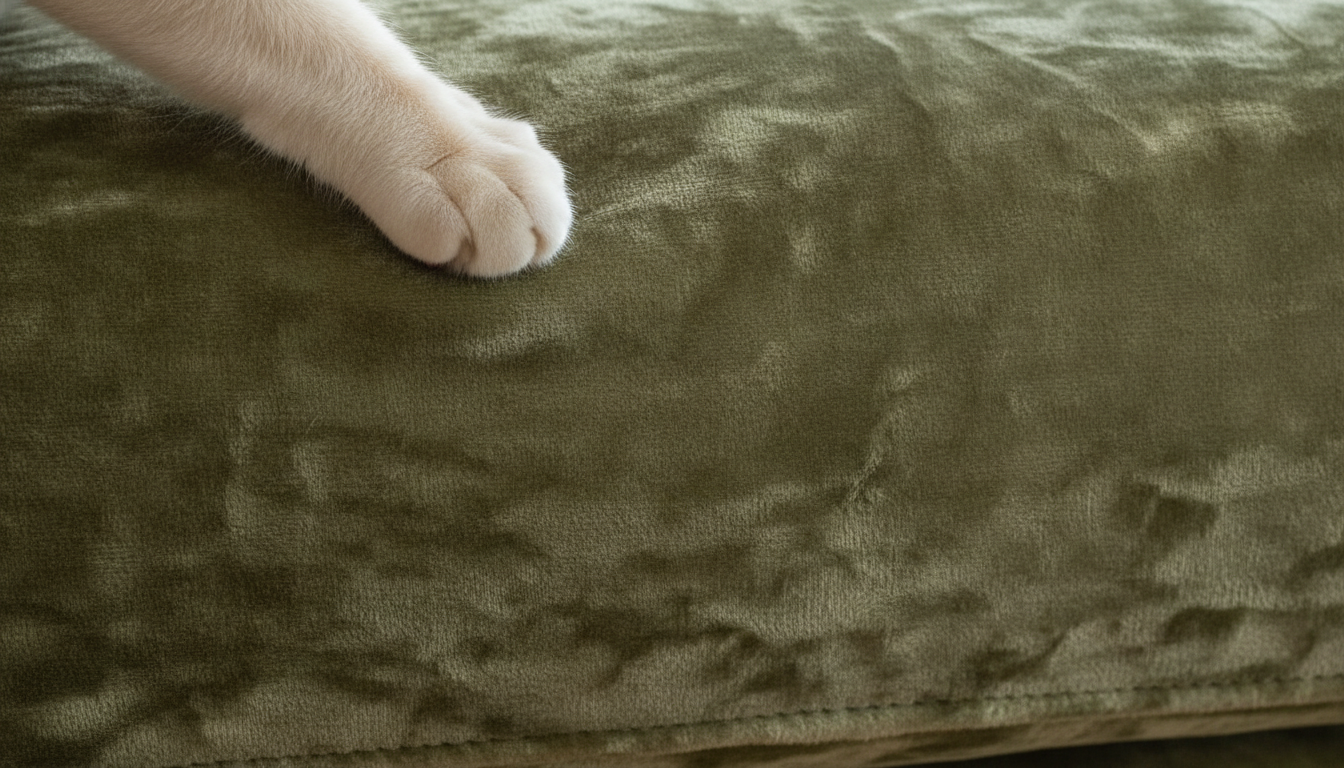
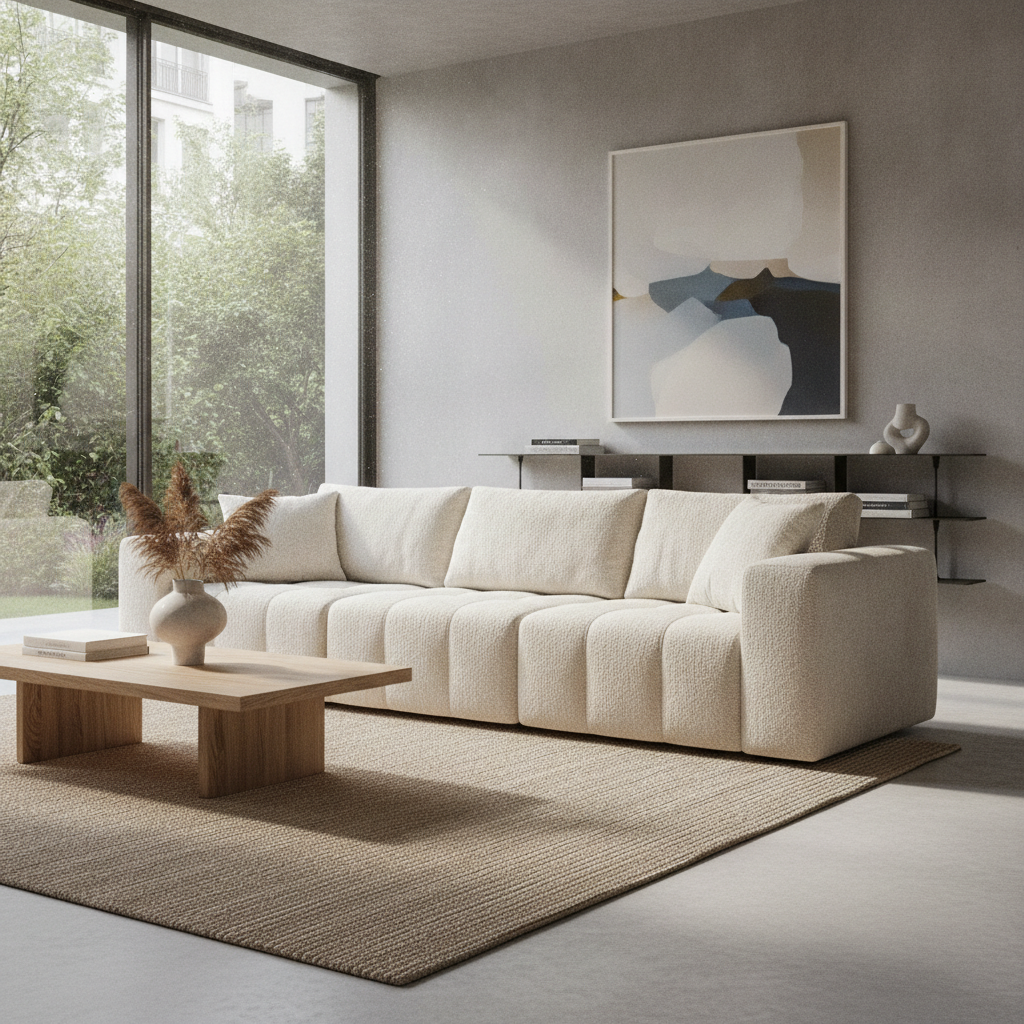
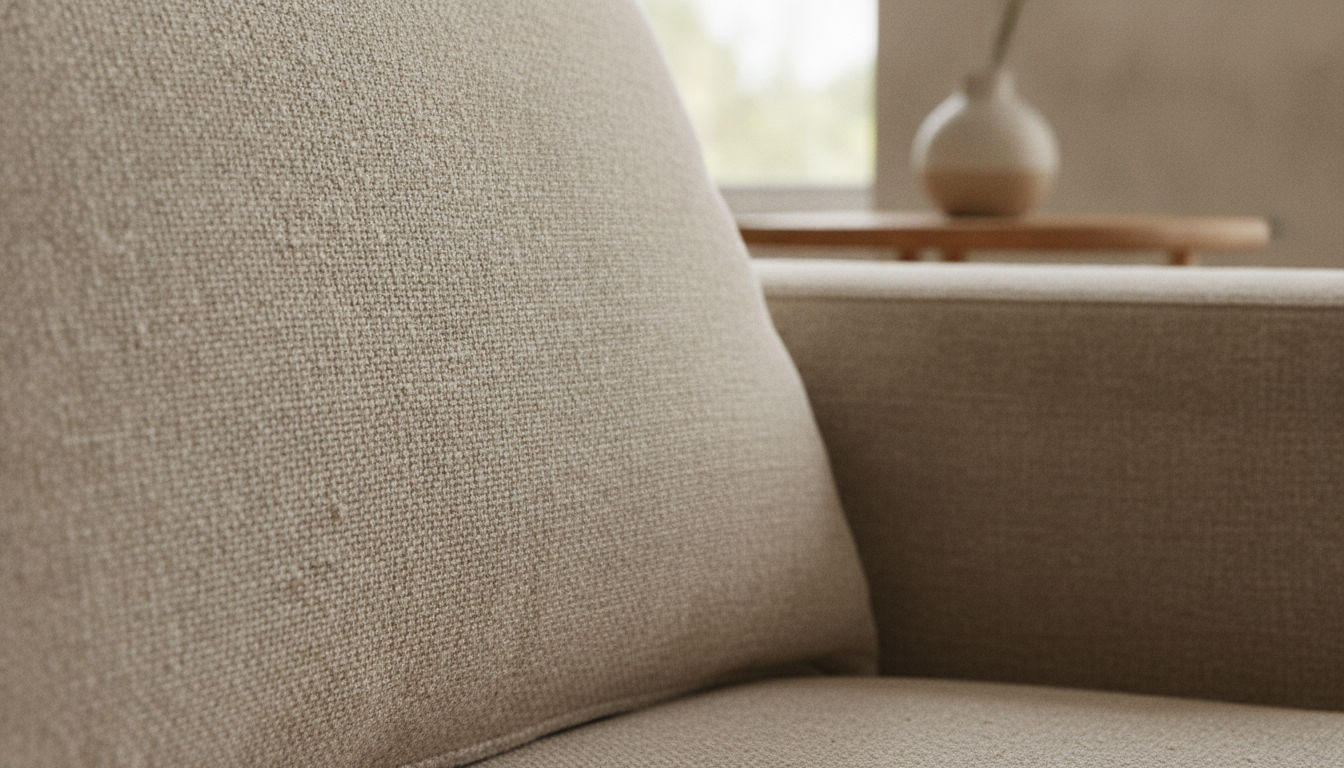
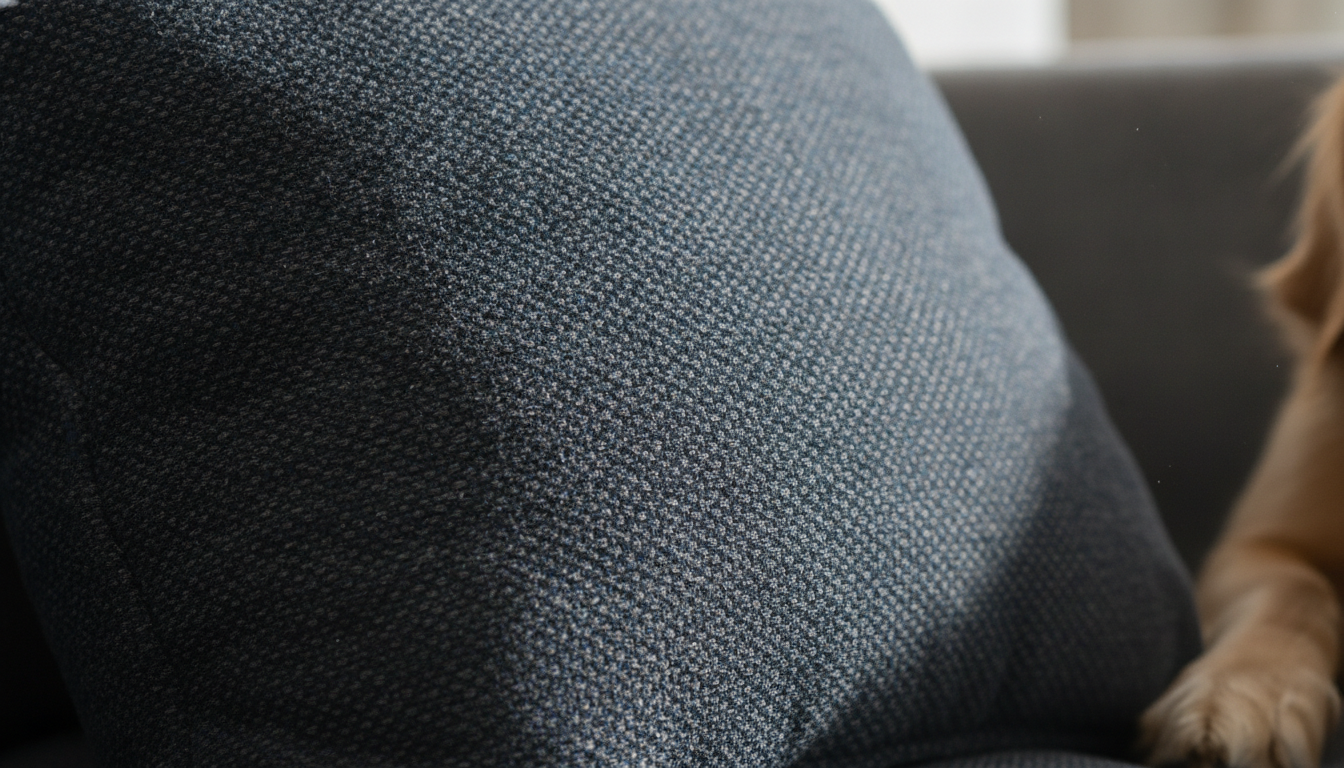
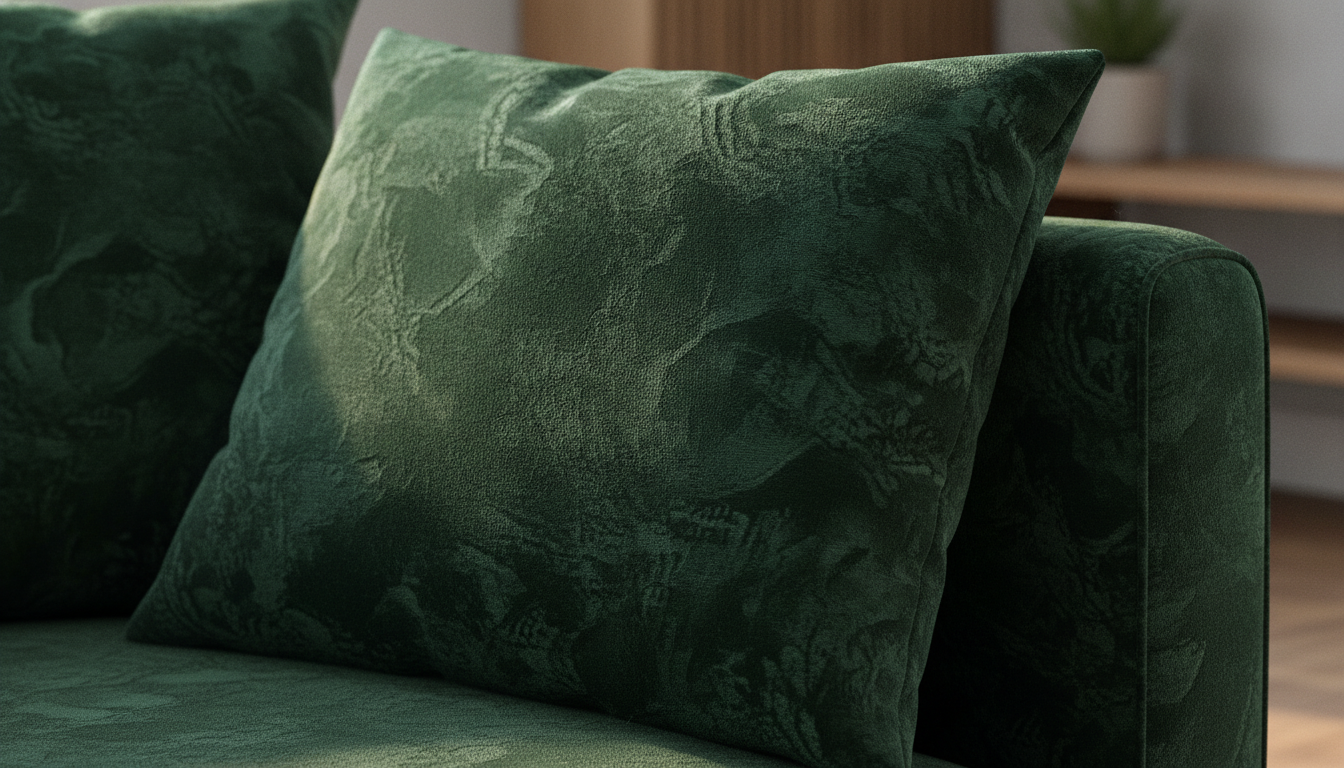
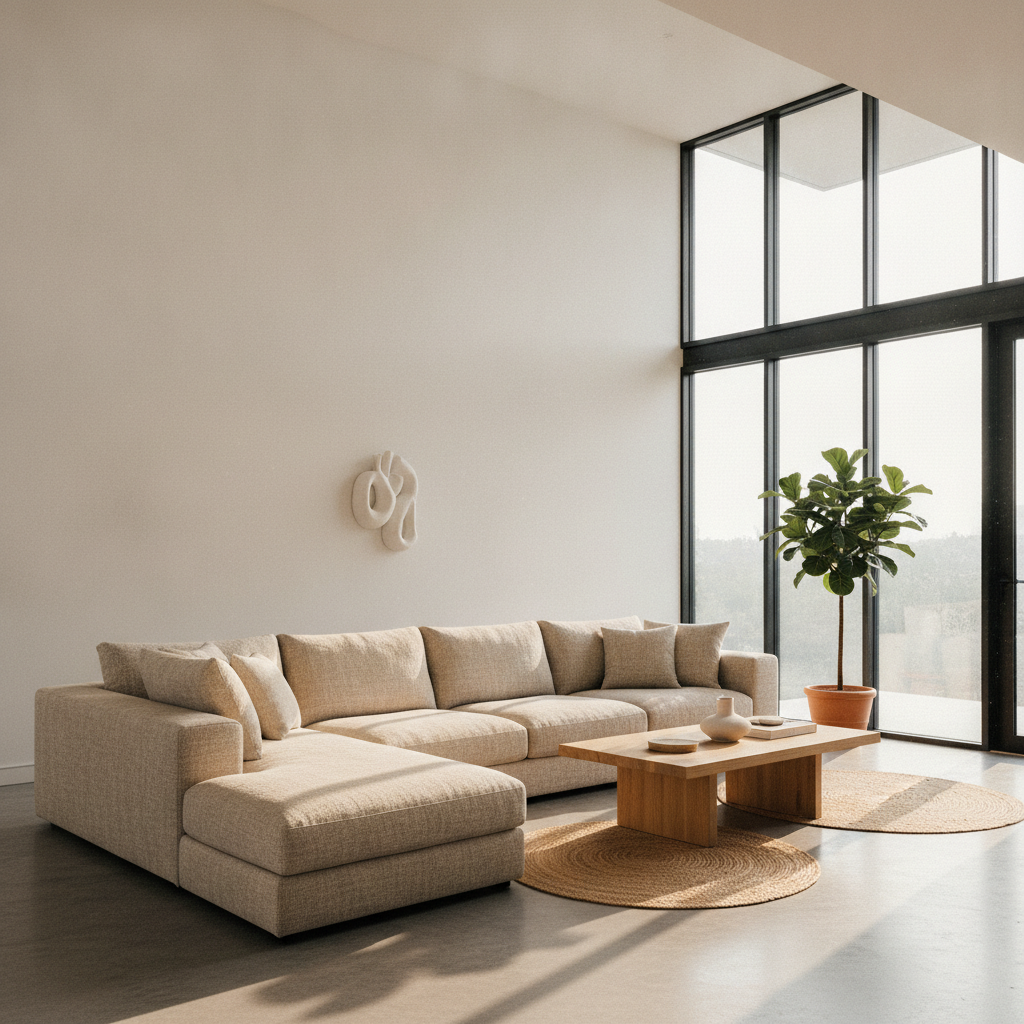
tactile sofa textures 2026 style example
Experience the luxurious softness of chenille, a top tactile sofa texture for 2026.

Microfiber’s Modern Makeover

Once associated with practicality over panache, microfiber is experiencing a chic resurgence. Today’s microfiber is softer, more breathable, and available in a wider array of textures that imitate suede, velvet, or a tightly woven natural fiber. Its reputation for durability and easy maintenance makes it an excellent choice for family-friendly spaces, while its new aesthetic appeal allows it to blend seamlessly into more refined interiors. Modern microfiber can offer a subtly brushed, almost peach-skin like texture that is incredibly pleasant to the touch, proving that practicality and luxury can indeed coexist.

Ribbed Knit and Corduroy Textures

Drawing inspiration from fashion, ribbed knit and corduroy textures are making their way into upholstery. These textures offer a comforting, almost nostalgic feel, reminiscent of cozy sweaters or classic clothing. Ribbed knits provide a unique linear texture that adds visual depth and a soft, yielding touch, perfect for accent chairs or smaller sofas. Corduroy, especially in wider wales, brings a bold, retro-chic statement that is undeniably tactile. These textures are especially effective in rich, earthy tones or deep jewel hues, creating inviting focal points within a room. A corduroy sofa adds a unique flair and a wonderfully soft, ridged tactile experience.

Why Tactile Textures Matter

Beyond their visual appeal, tactile textures play a crucial role in how we experience our living spaces. They engage our sense of touch, adding a layer of sensory richness that contributes to our overall comfort and well-being. A soft, inviting sofa beckons us to relax, to unwind, and to truly feel at home. In a world increasingly dominated by smooth screens and polished surfaces, introducing varied textures creates a counterbalance, grounding us in the physical world. Textures can evoke emotions, tell stories, and infuse a room with personality, warmth, and depth. They make a space feel lived-in, cherished, and genuinely personal.

Choosing the Right Texture for Your Lifestyle

Selecting the perfect sofa texture isn’t just about aesthetics; it’s about finding a fabric that aligns with your daily life and practical needs. Consider who will be using the sofa, how often, and what level of maintenance you’re prepared for.

  • Kids & Pets Friendly: If your home is a hub of activity, performance fabrics are your best friend. Look for options that boast stain, water, and odor resistance. Microfiber is also an excellent contender for its durability and ease of cleaning. Consider a darker hue or a patterned fabric to better camouflage minor mishaps.
  • High Traffic Areas: For living rooms that see constant use, durability is paramount. Tightly woven fabrics like performance blends, refined chenille, or even a robust, blended bouclé will stand up to the test of time. These materials resist pilling and wear, maintaining their aesthetic appeal for years to come.
  • Formal Living Spaces: If your sofa is more for show than daily lounging, you have greater freedom to explore luxurious options. Lush velvets, sophisticated bouclés, or delicate linen blends can elevate the elegance of a formal room. Here, the emphasis is on visual impact and the exquisite tactile experience for occasional use.

Comparison Table: Top Tactile Sofa Textures for 2026

Here’s a quick overview to help you compare the leading tactile sofa textures for the coming year:

Texture Key Characteristics Best For Maintenance Level 2026 Vibe
Velvet Soft, luxurious pile; matte finish; rich colors Formal & relaxed living; statement pieces Moderate (prone to crushing, needs care) Understated Opulence, Earthy Elegance
Chenille Plush, fuzzy, incredibly soft; durable Family rooms, comfort-focused spaces Easy (generally resistant to pilling) Warm, Inviting, Refined Coziness
Bouclé (Refined) Nubby, sculptural, varied loop sizes; blended fibers Modern minimalist, sophisticated spaces Moderate (can snag, needs gentle cleaning) Sculptural Serenity, Elevated Classic
Hemp/Linen Blends Natural, breathable, textured; softens over time Eco-conscious, relaxed, airy interiors Easy (durable, natural resistance) Organic Modern, Sustainable Chic
Performance Fabrics Mimics natural textures; stain/fade/water-resistant High-traffic areas, families with pets/kids Very Easy (wipeable, durable) Practical Luxury, Worry-Free Living
Microfiber Soft, smooth, often suede-like; durable Family rooms, high-use areas, budgets Easy (resistant to stains, easy to clean) Casual Comfort, Smart & Functional
Ribbed Knit/Corduroy Linear texture, comforting, distinct ridges Accent pieces, bold statements, cozy nooks Moderate (corduroy can flatten, needs brushing) Retro-Chic, Cozy Modern

Integrating Tactile Textures Beyond the Sofa

While the sofa is often the focal point, don’t stop there. Integrating tactile textures throughout your space amplifies the sensory experience. Layering is key:

  • Throw Pillows and Blankets: Mix and match textures like faux fur, chunky knits, silk, and linen for an inviting and layered look. A chunky knit throw blanket over a smooth performance fabric sofa creates instant depth.
  • Rugs: Introduce a plush shag rug, a textured jute, or a hand-knotted wool rug to anchor the room and add a soft underfoot experience. Consider an area rug textured to complement your sofa without matching perfectly.
  • Wall Coverings: Textured wallpaper or fabric wall panels can add a subtle yet impactful tactile dimension.
  • Window Treatments: Think linen curtains or woven blinds that diffuse light while adding a natural, tactile element.

Maintenance and Care

To ensure your chosen tactile sofa textures remain beautiful and inviting, proper care is essential. Always refer to the manufacturer’s cleaning instructions specific to your fabric type. Generally:

  • Regular Vacuuming: Use a brush attachment to gently vacuum your sofa regularly to remove dust and debris that can embed in the fibers.
  • Spot Cleaning: Address spills immediately. For most fabrics, a clean white cloth dabbed with a mild, pH-neutral fabric cleaner or a specialized upholstery stain remover is effective. Always test in an inconspicuous area first.
  • Professional Cleaning: Depending on the fabric and your lifestyle, professional cleaning every 1-2 years can extend the life and beauty of your sofa.
  • Fluffing: For fabrics like velvet and chenille, regular fluffing of cushions and gentle brushing can help maintain their pile and prevent crushing.

FAQs About Tactile Sofa Textures for 2026

Q: What exactly is a ‘tactile sofa texture’?

A: A tactile sofa texture refers to a fabric that is chosen not just for its visual appearance, but specifically for how it feels to the touch. It emphasizes the sensory experience of a material – its softness, coarseness, smoothness, warmth, or coolness – making the sofa more inviting and engaging.

Q: Are performance fabrics truly luxurious, or are they just practical?

A: For 2026, performance fabrics have blurred the line between practical and luxurious. Advances in textile technology mean they can mimic the sophisticated look and rich feel of high-end natural fibers while offering superior durability, stain resistance, and easy maintenance. This blend of attributes makes them a true modern luxury, providing peace of mind without compromising on aesthetics or comfort.

Q: How do I keep my velvet sofa looking new and prevent crushing?

A: To maintain a velvet sofa, regularly vacuum with a soft brush attachment. For preventing crushing, gently brush the pile in one direction with a soft clothing brush. Avoid placing heavy items on cushions, and rotate them regularly if possible. For minor indentations, a light steam from a steamer held a few inches away can sometimes help lift the pile, but always test first.

Q: Can I mix different tactile textures in one room?

A: Absolutely! Mixing textures is a hallmark of sophisticated design for 2026. It adds depth, interest, and a layered feel to your space. For example, pair a smooth leather armchair with a plush chenille sofa, or adorn a linen blend sofa with velvet and chunky knit throw pillows. The key is to vary the textures while maintaining a cohesive color palette or style to avoid a cluttered look.

Q: What are the most eco-friendly sofa textures for 2026?

A: For 2026, hemp and linen blends are at the forefront of eco-friendly sofa textures. They are derived from sustainable plants, require less water and fewer pesticides to grow, and are biodegradable. Other sustainable options include organic cotton, wool, and recycled polyester performance fabrics, all contributing to a more environmentally conscious home.

Embrace the Touch: Your 2026 Interior Awaits

As we anticipate 2026, the shift towards a more sensory-rich home environment is clear. Moving beyond the visual, the hottest tactile sofa textures invite us to engage with our furniture in a deeper, more personal way. Whether you’re drawn to the soft embrace of chenille, the understated elegance of refined velvet, or the robust practicality of a cutting-edge performance fabric, there’s a texture perfectly suited to your style and needs. By thoughtfully integrating these tactile elements, you’re not just decorating a room; you’re crafting an experience, a sanctuary where comfort, style, and touch converge. So, go ahead, feel the fabric, run your hand across the weave, and choose the textures that truly resonate with you. Your 2026 interior is waiting to be touched, lived in, and loved.

Paws-itively Perfect: The Best Pet-Friendly Sofas for Stylish Homes in 2026

As pet parents, we adore our furry companions. They bring immense joy, endless cuddles, and an unparalleled warmth to our homes. But let’s be honest: they also bring fur, muddy paws, occasional accidents, and the irresistible urge to treat our comfortable sofa as their personal scratching post or napping cloud. For too long, the dilemma has been choosing between a beautiful, stylish living space and a pet-friendly one.

Good news for 2026! The world of furniture design has evolved, offering innovative solutions that seamlessly blend aesthetic appeal with practical pet-proofing. You no longer have to sacrifice style for durability, or vice-versa. Welcome to the era of the truly pet-friendly sofa – a masterpiece of design and resilience.

At lesofa.club, we understand the importance of finding furniture that stands up to life’s everyday challenges, especially those introduced by our beloved pets. This comprehensive guide will navigate you through the best pet-friendly sofas 2026 has to offer, ensuring your home remains a haven of style and comfort for every member of your family, two-legged or four-legged.

Why Pet-Friendly Sofas Are a Must-Have in 2026

Investing in a pet-friendly sofa isn’t just about protecting your furniture; it’s about enhancing your lifestyle and maintaining harmony in your home. Here’s why these specialized sofas are becoming indispensable:

  • Durability Beyond Compare: Traditional sofas often succumb to pet wear and tear quickly. Pet-friendly options are constructed with robust frames, resilient cushions, and fabrics designed to withstand scratches, snags, and vigorous use.
  • Effortless Cleaning: Pet fur, dirt, and spills are inevitable. The best pet-friendly sofas come with fabrics that repel stains, are easy to wipe clean, and often feature removable, machine-washable covers.
  • Odor Resistance: No one wants their living room to smell like a kennel. Specialized pet-friendly materials are less likely to absorb odors, keeping your home smelling fresh and inviting.
  • Allergen Control: Some pet-friendly fabrics are designed to minimize the trapping of pet dander and allergens, contributing to a healthier environment for allergy sufferers.
  • Maintained Aesthetics: With advanced fabric technologies and thoughtful design, these sofas look just as chic as their non-pet-friendly counterparts, allowing you to maintain your desired home aesthetic without compromise.

Key Features to Look for in Pet-Friendly Sofas

When you’re on the hunt for the perfect pet-friendly sofa, keep these crucial features in mind:

Fabric Durability and Performance

This is arguably the most critical aspect. You need fabrics that can handle claws, playful nibbling, and general roughhousing. Look for:

  • Tight Weaves: Fabrics with a tight weave are less likely to snag on claws. Think canvas, denim, or tightly woven synthetics.
  • High Rub Counts: This indicates how many rubs a fabric can withstand before showing wear. A higher number (e.g., 50,000+ double rubs) signifies superior durability.
  • Stain Resistance: Pre-treated or inherently stain-resistant fabrics like Crypton, Revolution, or certain microfibers are game-changers.
  • Water Repellency: Accidents happen. Fabrics that resist moisture penetration can save your cushions from odors and damage.

Cleaning Ease

Your life is busy enough without spending hours scrubbing your sofa. Prioritize:

  • Wipeability: Many performance fabrics allow spills to bead up, making them easy to wipe away with a damp cloth.
  • Removable, Washable Covers: This is the ultimate convenience. Being able to machine wash cushion covers is a huge advantage for tackling deep dirt and odors.
  • Light Colors vs. Dark Colors: While light colors show dirt easily, dark colors can highlight pet fur. A medium, patterned, or textured fabric can often be the most forgiving.

Scratch and Snag Resistance

If your pet loves to knead or occasionally attempts to climb, this is vital. Materials like leather (distressed finish hides minor scratches well) and dense microfibers are often good choices. Avoid delicate weaves like silk or loose knits.

Odor Resistance

Some fabrics naturally resist odors better than others. Synthetic fibers generally absorb less odor than natural fibers, and those with a tight, non-porous surface are best.

Comfort for Both Humans and Pets

While durability is key, don’t forget comfort! Ensure the cushions offer good support and the overall design is inviting for lounging. A sofa that’s comfortable for you will likely be comfortable for your pet too.

Style and Aesthetics

Pet-friendly doesn’t mean sacrificing style. Many brands now offer sophisticated designs in performance fabrics, allowing you to choose a sofa that complements your existing decor. From modern sectionals to classic loveseats, the options are endless for stylish pet-friendly sofa designs.

Top Pet-Friendly Sofa Materials for 2026

Let’s dive into the specific materials that are leading the charge for pet-friendly furniture in 2026:

1. Microfiber

Microfiber has long been a favorite for pet owners, and for good reason. Its tightly woven synthetic fibers make it incredibly soft yet durable. Pet hair doesn’t easily embed, and most spills can be blotted away quickly. It’s also remarkably resistant to scratching and pilling. While it doesn’t repel liquid as much as some newer performance fabrics, it’s very easy to clean if spills are addressed promptly.

  • Pros: Soft, affordable, scratch-resistant, easy to clean, pet hair doesn’t cling.
  • Cons: Can show oil marks if not cleaned immediately, not completely waterproof.

2. Crypton & Revolution Fabrics

These are the superstars of performance fabrics. Crypton fabric sofa, for example, is engineered with stain, moisture, and odor resistance built into every fiber, not just a surface coating. This means the protection won’t wear off over time. Revolution fabrics are made from upcycled materials, offering similar durability and cleanability without the use of harmful chemicals. Both are excellent choices for homes with active pets.

  • Pros: Superior stain, moisture, and odor resistance; extremely durable; often eco-friendly (Revolution).
  • Cons: Can be more expensive, limited color/texture options compared to standard fabrics.

3. Leather (Protected & Distressed)

High-quality, protected leather can be surprisingly pet-friendly. It doesn’t trap odors or pet hair, and spills wipe right off. While pets can scratch it, a distressed or aged leather can actually hide minor imperfections, adding to its character. Avoid delicate, unprotected leathers like aniline, which will show every scratch and stain.

  • Pros: Easy to clean, doesn’t absorb odors, pet hair wipes off, durable, stylish.
  • Cons: Can be scratched (choose wisely), can be expensive, feels cool in winter/warm in summer.

4. Denim

Think about your favorite pair of jeans – durable, washable, and gets better with age. Denim sofas offer similar benefits. They are incredibly tough, resist snagging due to their tight weave, and can be spot cleaned or even have removable covers that can be laundered. It offers a casual, modern aesthetic that’s surprisingly chic.

  • Pros: Extremely durable, casual style, good snag resistance, often washable covers.
  • Cons: Can be stiff initially, limited color palette.

5. Outdoor Fabrics (e.g., Sunbrella, Olefin)

Originally designed for outdoor use, these fabrics are now making their way indoors due to their incredible performance. They are fade-resistant, water-resistant, mold-resistant, and incredibly durable. They are also super easy to clean, making them a fantastic choice for extreme pet-friendliness.

  • Pros: Unbeatable durability, water and fade-resistant, easy to clean, mold-resistant.
  • Cons: Can sometimes feel less soft or luxurious than traditional indoor fabrics, limited texture options.

Comparison Table: Best Pet-Friendly Sofas 2026 Picks

Sofa Type / Feature Best for Durability Best for Easy Cleaning Best for Odor Control Best for Style Price Range (Estimated)
Microfiber Sofa Excellent (Snag-resistant) Very Good (Wipeable, hair doesn’t cling) Good Versatile, Modern $$-$$$
Crypton / Revolution Fabric Sofa Superior (Built-in protection) Excellent (Stain, moisture resistant) Excellent (Odor barrier) Modern, Contemporary $$$-$$$$
Protected Leather Sofa Very Good (Resists heavy use) Excellent (Wipes clean easily) Excellent (Non-porous) Classic, Industrial, Modern $$$$-$$$$$
Denim Sofa Excellent (Rugged, hard-wearing) Good (Washable covers often) Good Casual, Loft, Boho $$-$$$
Outdoor Fabric (Indoor Use) Superior (Extreme resilience) Excellent (Water, stain, mold resistant) Very Good Casual, Contemporary $$$-$$$$

Price Range Key: $ = Budget-friendly, $$ = Mid-range, $$$ = Premium, $$$$ = Luxury, $$$$$ = High-end Luxury

Beyond the Sofa: Creating a Truly Pet-Friendly Living Space

While the right pet-friendly sofa is a cornerstone, a truly harmonious home for pets and humans involves a few extra considerations:

  • Designated Pet Beds: Encourage your pet to use their own comfy washable dog bed right next to your sofa. This gives them a spot that’s truly theirs and helps contain some of the fur.
  • Strategic Rugs: Consider washable area rugs, especially in high-traffic zones or under dining areas. They add warmth and can protect flooring from pet mishaps.
  • Regular Cleaning Rituals: Even with the best pet-friendly sofas, regular vacuuming is essential to keep fur and dander at bay. A good quality pet hair remover brush or lint roller can be your best friend.
  • Scratching Posts and Toys: Provide plenty of appropriate outlets for scratching and chewing to divert attention away from your beautiful new sofa.
  • Protective Throws: For extra protection, especially if your pet has a favorite spot, consider layering with washable throws or blankets.
pet-friendly sofas 2026 style example
Snuggle-ready and easy to clean, the best pet-friendly sofas 2026 offer comfort for all.

Maintenance Tips for Your Pet-Friendly Sofa

Even the most durable pet-friendly sofas require a little love and care to stay looking their best:

  • Vacuum Regularly: At least once a week, use your vacuum’s upholstery attachment to remove loose fur, dander, and dirt.
  • Address Spills Immediately: The quicker you tackle a spill, the less likely it is to set. Blot, don’t rub, and follow the manufacturer’s cleaning instructions for your specific fabric.
  • Trim Pet Nails: Regular nail trims significantly reduce the risk of snags and scratches on your sofa, floors, and other furniture.
  • Rotate Cushions: If possible, flip and rotate your sofa cushions periodically to ensure even wear and extend their lifespan.
  • Professional Cleaning: Depending on use and fabric type, an annual professional cleaning can help refresh your sofa and remove accumulated dirt and odors.

FAQs about Pet-Friendly Sofas

Q1: What is the single best fabric for a pet-friendly sofa in 2026?

A: While “best” can be subjective, for overall durability, stain resistance, and ease of cleaning, performance fabrics like Crypton or Revolution are consistently top-tier choices for pet-friendly sofas 2026. Microfiber and protected leather also rank very highly depending on your specific needs and aesthetic preferences.

Q2: Can I still have a light-colored sofa with pets?

A: Absolutely! Thanks to advanced stain-resistant technologies in performance fabrics, light-colored sofas are much more feasible with pets today than they were a few years ago. However, be realistic about your pet’s habits and the potential for visible fur. A patterned light fabric can also be more forgiving than a solid one.

Q3: How often should I clean my pet-friendly sofa?

A: For general maintenance, vacuuming weekly is recommended. Spot clean spills immediately. If your sofa has removable, washable covers, aim to launder them every 1-3 months depending on pet activity. For a deeper clean, consider professional upholstery cleaning once a year.

Q4: Do pet-friendly sofas help with pet allergies?

A: Yes, many pet-friendly fabrics are designed to be tightly woven and less porous, which means they trap less pet dander and allergens compared to traditional upholstery. Materials like leather are excellent as they can be easily wiped clean of dander. Regular cleaning, along with the right fabric choice, can significantly reduce allergens in your living space.

Q5: Are all “performance fabrics” truly pet-friendly?

A: Most performance fabrics offer enhanced durability and stain resistance, making them generally more pet-friendly than standard fabrics. However, the level of protection varies. Always check for specific features like scratch resistance, moisture barriers, and ease of cleaning. Brands like Crypton and Revolution are specifically engineered with comprehensive pet-proofing in mind.

Conclusion: Style and Serenity with Pet-Friendly Sofas

The days of choosing between a chic living room and a happy pet home are firmly behind us. With the incredible advancements in fabric technology and furniture design, finding the perfect pet-friendly sofas 2026 for your stylish abode is easier than ever.

By prioritizing durability, easy cleaning, and smart material choices, you can create a space where both you and your beloved furry companions can relax, play, and cuddle without a worry. Invest wisely, maintain diligently, and enjoy a beautiful, functional, and paws-itively perfect home for years to come.

Ready to transform your living room into a pet-friendly paradise? Start exploring the options today and discover the joy of a sofa that loves your pets as much as you do!

Future-Proof Your Furniture: Essential Care for 2026’s Performance Fabrics

Welcome to lesofa.club, where we believe your furniture should not only look stunning but also withstand the rigors of everyday life. In an era where homes are bustling hubs of activity, the demand for durable, beautiful, and easy-to-maintain furniture has never been higher. Enter performance fabrics – the unsung heroes of modern upholstery. These innovative materials are engineered to resist spills, stains, fading, and wear, making them a cornerstone for future-proof interiors. But even the toughest fabrics require a thoughtful approach to care to truly unlock their longevity. This comprehensive guide will arm you with everything you need for superior performance fabric sofa care, ensuring your beloved pieces remain pristine for years to come.

Gone are the days when a beautiful sofa meant constant worry about spills or pet accidents. Today’s advancements in textile technology have gifted us with fabrics that combine luxurious aesthetics with unparalleled resilience. Whether you’ve invested in a sleek modular sofa for your dynamic urban loft or a cozy sectional for your family-friendly suburban home, understanding how to properly care for these textiles is paramount. Let’s dive deep into the world of performance fabrics and equip you with the knowledge to maintain their beauty and integrity, ensuring they look as good in 2026 as the day you brought them home.

The Rise of Performance Fabrics: What You Need to Know

Performance fabrics aren’t just a trend; they’re a revolution in home furnishings. Designed with advanced manufacturing techniques, these textiles are treated or woven to possess inherent properties that repel water, resist stains, and prevent fading. This makes them ideal for high-traffic areas, homes with children or pets, or even outdoor living spaces that demand extreme durability. Their growing popularity reflects a shift towards more practical yet elegant living.

Understanding Different Performance Fabric Types

While often grouped under a single umbrella, performance fabrics come in various forms, each with unique characteristics and optimal care requirements. Knowing what kind of fabric graces your performance fabric sofa is the first step in effective maintenance.

  • Olefin (Polypropylene): Known for its incredible strength, resistance to moisture, mildew, and fading. Often used in outdoor furniture but increasingly popular indoors for its durability. Relatively easy to clean.
  • Polyester: A versatile synthetic fabric, often blended with other fibers to enhance durability, wrinkle resistance, and color retention. Modern polyesters are much softer and more luxurious than their predecessors, making them a popular choice for polyester upholstered sofas.
  • Acrylic: Mimics the feel and appearance of wool, offering excellent resistance to sunlight fading and mildew. It’s often used where fade resistance is crucial, like near large windows.
  • Nylon: Extremely strong and resistant to abrasion, nylon is often found in blends to boost a fabric’s overall durability. It can be susceptible to sunlight fading if not treated.
  • Crypton: A brand name renowned for its integrated stain, moisture, and odor-resistant barrier. Crypton fabrics are engineered for extreme performance, making them a go-to for hospitality and residential settings alike. Care instructions are typically straightforward due to its inherent protection.
  • Sunbrella: Another prominent brand, originally designed for outdoor use due to its exceptional UV and water resistance. Sunbrella fabrics are now widely adopted indoors for their incredible durability and vast array of colors and textures.
  • Stain-Resistant Velvets and Chenilles: Many traditional fabrics are now treated with performance finishes, offering the luxurious look and feel of velvet or chenille with added stain resistance, combining elegance with practicality.

Regardless of the specific type, the general goal of performance fabric sofa care is to preserve its engineered properties. Regular maintenance and prompt attention to spills are universal best practices.

General Principles of Performance Fabric Sofa Care

While specific care instructions may vary slightly by fabric type and manufacturer, a few core principles apply to nearly all performance fabrics. Adhering to these guidelines will significantly extend the life and beauty of your furniture.

  1. Immediate Spill Response: This is arguably the most critical rule. Performance fabrics are designed to resist penetration, but given enough time, any liquid can seep in. Blot (don’t rub!) spills immediately with a clean, dry microfiber cleaning cloth or paper towel.
  2. Regular Vacuuming: Dust, dirt, and pet dander can accumulate and abrade fabric fibers over time. Weekly vacuuming with an upholstery attachment prevents this buildup.
  3. Spot Cleaning Techniques: For tougher spots, always refer to your manufacturer’s care tag (usually found under a cushion or on the frame). Most performance fabrics can be spot cleaned with a mild soap solution (like dish soap and water) or a specialized upholstery spot cleaner for performance fabrics. Test in an inconspicuous area first.
  4. Avoiding Harsh Chemicals: Bleach, strong solvents, and abrasive cleaners can strip protective coatings, damage fibers, and cause discoloration. Stick to recommended, gentle cleaning agents.
  5. Professional Cleaning: Even with diligent home care, an annual or biennial professional cleaning can revitalize your performance fabric sofa, especially if it sees heavy use.
  6. Protection from Sunlight: While many performance fabrics are fade-resistant, prolonged, direct exposure to harsh UV rays can still take a toll over many years. Rotate cushions and consider window treatments to minimize direct sun exposure.

Step-by-Step Guide to Effective Performance Fabric Sofa Care

Let’s break down the cleaning process into manageable steps for different scenarios.

Routine Maintenance (Weekly/Bi-Weekly):

Your sofa is a magnet for dust, crumbs, and pet hair. Regular light cleaning is your best defense against wear and tear.

  1. Vacuum: Use your vacuum cleaner’s upholstery attachment to thoroughly clean all surfaces, including under cushions and crevices. A handheld upholstery vacuum can be particularly useful for quick clean-ups.
  2. Fluff and Rotate: Fluff cushions to help them retain their shape. If possible, rotate reversible cushions to ensure even wear.

Handling Common Spills (Immediately):

The speed of your response is key here. Performance fabrics give you a window of opportunity to prevent stains.

  1. Blot, Don’t Rub: For liquid spills, gently blot with a clean, white absorbent cloth or paper towel until no more liquid transfers. Rubbing can spread the stain and push it deeper into the fabric fibers.
  2. Scrape Solids: For solid or semi-solid spills (e.g., food), gently scrape off as much as possible with a dull knife or the edge of a credit card before blotting any remaining residue.
  3. Mild Cleaning Solution: Mix a small amount of mild dish soap with distilled water. Dampen a clean cloth with the solution and gently dab the affected area, working from the outside of the stain inwards.
  4. Rinse: Dampen another clean cloth with plain water and dab to rinse the soap solution.
  5. Dry: Allow the area to air dry completely. You can use a fan to speed up the process, but avoid heat.
performance fabric sofa care style example
Regular, gentle spot cleaning is crucial for maintaining your performance fabric sofa care routine.

Regular, gentle spot cleaning is crucial for maintaining your performance fabric sofa care routine.

Deep Cleaning (As Needed/Annually):

For overall freshening or larger, more stubborn stains that routine spot cleaning can’t handle.

  1. Pre-Treat: For heavily soiled areas, you might use a specialized upholstery pre-treatment spray designed for performance fabrics. Always test first.
  2. Upholstery Cleaner: Follow the instructions for a recommended performance fabric upholstery cleaner. Some may suggest using a portable spot cleaner for upholstery which extracts the cleaning solution and dirty water, minimizing over-wetting.
  3. Full Dry: Ensure the sofa is completely dry before using it again. Moisture left trapped in the fabric can lead to mildew.

Odor Removal:

Sometimes, even after cleaning, odors can linger, especially from pet accidents. Baking soda is a natural deodorizer.

  1. Sprinkle: Lightly sprinkle baking soda over the affected area (or the entire sofa for general freshening).
  2. Wait: Let it sit for several hours, or even overnight.
  3. Vacuum: Thoroughly vacuum up the baking soda. For persistent pet odors, an enzyme-based pet odor eliminator formulated for upholstery may be necessary.

Comparison Table: Popular Performance Fabrics

Fabric Type Key Feature Care Level Pros Cons
Olefin Strong, moisture & mildew resistant Easy Durable, colorfast, affordable, outdoor-friendly Can be sensitive to heat, may feel less luxurious than others
Polyester Versatile, durable, soft feel Easy to Moderate Resists stretching & shrinking, holds color well, often budget-friendly Can pill over time, prone to oil-based stains
Acrylic Wool-like, excellent fade resistance Moderate Resists fading from sun, mildew & moth resistant Can sometimes stretch out of shape, less durable than olefin/nylon
Crypton Integrated stain, moisture & odor barrier Easy Extreme durability, highly cleanable, prevents microbial growth Higher cost, specific cleaning instructions often required
Sunbrella Outdoor-grade UV & water resistance Easy Exceptional fade resistance, breathable, mold/mildew resistant Originally designed for outdoors, some indoor patterns limited, can feel stiffer

Advanced Tips for Longevity

Beyond routine cleaning, a few proactive measures can significantly extend the life and appearance of your performance fabric sofa.

  • Cushion Rotation: Regularly flip and rotate reversible cushions to ensure even wear and prevent permanent indentations. If your cushions aren’t reversible, swap their positions from left to right, if possible.
  • Pet Care Considerations: If you have furry friends, consider a dedicated pet cover for your sofa or ensure their paws are clean before they jump up. Regular brushing of pets can also reduce hair shedding on your furniture. For removing embedded pet hair, a pet hair remover for upholstery can be highly effective.
  • UV Protection: Even fade-resistant fabrics can benefit from minimizing direct, prolonged sun exposure. Use blinds, curtains, or strategically place your furniture to avoid the harshest midday sun.
  • Address Repairs Promptly: Small snags, loose threads, or minor tears should be addressed quickly to prevent them from worsening.
  • Consider Fabric Protectors: While many performance fabrics come with inherent protection, an additional fabric protector spray for upholstery (like Scotchgard for upholstery, always tested first) can add an extra layer of defense, especially after extensive cleaning or in high-risk areas.

Common Mistakes to Avoid in Performance Fabric Sofa Care

Even with the best intentions, certain actions can inadvertently damage your performance fabric. Avoid these common pitfalls:

  1. Over-wetting: Applying too much liquid during cleaning can saturate the cushions, potentially leading to mildew, shrinking, or water rings. Always use minimal moisture and ensure thorough drying.
  2. Using Incorrect Cleaners: Harsh chemicals, bleaches, or cleaners not formulated for upholstery can strip finishes, cause discoloration, or damage the fabric fibers. Always check your sofa’s care label and test any new product in an inconspicuous area.
  3. Scrubbing Aggressively: Vigorous scrubbing can damage fabric fibers, especially on delicate weaves, leading to pilling, fraying, or creating a fuzzy appearance. Always blot or gently dab.
  4. Ignoring Care Labels: The W, S, WS, or X codes on your sofa’s care tag are there for a reason. ‘W’ means water-based cleaner, ‘S’ means solvent-based, ‘WS’ means either, and ‘X’ means vacuum only. Adhere strictly to these guidelines.
  5. Using Heat to Dry: Direct heat from hair dryers or heaters can set stains, shrink fabric, or damage synthetic fibers. Always air dry or use a fan on a cool setting.
  6. Not Testing Products: Before applying any cleaning solution to a visible area, always test it on a hidden spot (like the back of the sofa or under a cushion) to ensure there’s no discoloration or damage.

FAQs about Performance Fabric Sofa Care

Q: Can I machine wash my performance fabric sofa covers?

A: Some performance fabric covers are designed to be machine washable, especially those made from Sunbrella or specific outdoor fabrics. However, this is not universal. Always check the manufacturer’s care tag. If they are removable and machine washable, use a gentle cycle with cold water and air dry. Never put them in a dryer unless explicitly stated, as this can cause shrinking.

Q: How often should I clean my performance fabric sofa?

A: Routine maintenance like vacuuming should be done weekly or bi-weekly. Spot clean spills immediately. For a deeper clean, consider a thorough cleaning every 6-12 months, or annually by a professional, depending on usage and household activity (e.g., pets, children).

Q: Are all performance fabrics pet-friendly?

A: Most performance fabrics are highly pet-friendly due to their durability and resistance to stains and odors. Crypton and Sunbrella are excellent choices. However, some weaves may still be susceptible to snagging from claws, so always consider your pet’s habits and your fabric’s specific weave. Regular pet nail trims are also recommended.

Q: What’s the best way to remove set-in stains from performance fabric?

A: For set-in stains, you’ll need to be more aggressive but still gentle. Start with a mild dish soap solution and blot. If that doesn’t work, consider a specialized upholstery stain remover for old stains formulated for your fabric type, testing in an inconspicuous area first. Enzyme cleaners work well for organic stains like food or pet accidents. For very stubborn stains, professional cleaning is often the safest and most effective option.

Q: Is professional cleaning necessary for performance fabrics?

A: While performance fabrics are highly cleanable at home, professional cleaning can provide a deeper, more thorough clean without the risk of over-wetting or improper chemical use. It can also help revitalize the fabric and restore its original feel. For maximum longevity and to refresh your investment, consider professional cleaning every 1-2 years.

Future-Proof Your Investment with Smart Care

Investing in a performance fabric sofa is a smart choice for any modern home. These resilient materials offer the perfect blend of style, comfort, and durability. By embracing the principles of effective performance fabric sofa care outlined in this guide, you’re not just cleaning your furniture; you’re preserving its beauty, extending its lifespan, and ensuring it continues to be a cherished centerpiece of your home for many years to come.

Don’t let spills and daily wear diminish your furniture’s appeal. Take action today, equip yourself with the right knowledge and tools, and enjoy the peace of mind that comes with knowing your investment is well-protected. Your future self (and your sofa!) will thank you. For more insights into elegant and durable home furnishings, stay tuned to lesofa.club!

Adaptable Abodes: Modular Sofas for Dynamic Urban Living in 2026

Welcome to the future of urban living, where every square foot counts and adaptability isn’t just a luxury—it’s a necessity. As cities continue to grow and living spaces shrink, the demand for intelligent, multifunctional furniture has never been higher. Enter the modular sofa, the unsung hero of compact interiors, poised to redefine how we interact with our homes in 2026. If you’re navigating the challenges of creating a functional, comfortable, and stylish sanctuary within limited confines, especially in a small apartment, then the evolution of modular sofas small apartments 2026 offers precisely what you need.

At lesofa.club, we understand the delicate balance between form and function. This comprehensive guide dives deep into why modular sofas are not just a trend, but a foundational element for dynamic urban living, offering unparalleled flexibility, design prowess, and comfort for even the most modest of spaces.

The Urban Dilemma: Space, Style, and Sanity

Urban dwellers face a unique set of challenges. Limited floor plans, open-concept designs that blur living areas, and the constant need to adapt spaces for various activities – from working remotely to entertaining guests – demand furniture that can keep up. Traditional, monolithic sofas, while beautiful, often become an immovable obstacle, dictating the flow and potential of a room rather than enhancing it. They can make a small apartment feel even more cramped, leaving little room for personal expression or functional changes.

The quest for style often clashes with the reality of spatial constraints. Many wish to incorporate modern aesthetics and comfortable seating without overwhelming their environment. This is where the inherent genius of modular furniture, particularly space-saving sectional sofas, truly shines. They offer a liberating solution, enabling residents to curate their living areas with unprecedented freedom.

What Makes Modular Sofas the Ultimate Solution for Small Apartments in 2026?

A modular sofa, by its very definition, is comprised of individual, interchangeable pieces or "modules" that can be arranged in a multitude of configurations. Think of them as sophisticated building blocks for your living room. This inherent flexibility makes them ideal for small apartments where space is a premium and needs are ever-changing.

Unlocking Versatility: How Modular Sofas Transform Your Space

  • Customization Beyond Compare: Unlike fixed sofas, modular units allow you to literally design your seating to fit your exact space and lifestyle. Need a cozy two-seater for movie night? Done. Hosting friends and require an L-shaped sectional? Reconfigure it in minutes. Each module – from armless chairs to chaises and ottomans – can be positioned independently or connected, creating truly bespoke furniture.
  • Space Optimization: The ability to adapt means you’re never stuck with an oversized piece. Modules can be separated to create multiple seating zones, tucked into corners, or even used as standalone seating if needed. This is particularly crucial for modular sofas small apartments 2026 where every inch counts.
  • Future-Proofing Your Furniture: Life changes, and so do your needs. A modular sofa evolves with you. A single chair module can be added as your family grows, or a chaise lounge can be removed if you move to an even smaller space. It’s an investment that adapts, eliminating the need to buy new furniture every few years.
  • Ease of Moving and Assembly: Large, cumbersome sofas are notorious for challenging apartment moves. Modular pieces are lighter, easier to transport, and often simpler to assemble, saving you time and stress.
  • Aesthetic Flexibility: With a vast array of styles, fabrics, and colors, modular sofas seamlessly integrate into any design aesthetic, from minimalist modern to bohemian chic. For instance, a velvet modular sofa can instantly elevate a space with a touch of luxury, while a linen version might lean towards a more relaxed, airy feel.

Key Features to Look for in 2026’s Best Modular Sofas

When selecting your ideal modular sofa, consider these factors:

  • Durability: Look for sturdy frames (hardwood is best), high-density foam cushions that retain their shape, and robust upholstery. Performance fabrics are excellent choices for busy urban homes, resisting spills and wear.
  • Comfort: Test different cushion types – some prefer firm support, others a softer, sink-in feel. Consider seat depth and back height for optimal relaxation.
  • Connectors: Good modular sofas feature strong, secure connectors (often metal brackets or alligator clips) that keep the pieces together without visible gaps or slippage.
  • Upholstery Options: Beyond aesthetics, consider practicality. Stain-resistant sofa fabrics are a godsend in apartments, while removable, washable covers offer ultimate convenience.
  • Integrated Storage: Many modern modular designs incorporate hidden storage compartments within ottomans or under seats, a priceless feature in small living areas.
  • Sustainable Practices: As environmental consciousness grows, look for brands committed to sustainable sourcing, non-toxic materials, and ethical manufacturing.

Top Modular Sofa Designs Trending for Small Apartments in 2026

The design landscape for modular sofas is vibrant and diverse, catering to every taste. Here are some of the prevailing trends you’ll see in 2026:

  • Minimalist & Scandinavian: Characterized by clean lines, neutral colors, and functional simplicity. These designs often feature slim profiles and elevated legs to create a sense of spaciousness.
  • Mid-Century Modern Inspired: Combining timeless elegance with modular flexibility, these sofas often incorporate wooden bases, tapered legs, and tailored upholstery, offering a sophisticated look without bulk.
  • Contemporary & Plush: For those who prioritize comfort, these designs feature deeper seats, softer cushions, and often wider arms, creating a cozy, inviting atmosphere. Many offer a range of rich colors and textures.
  • Hyper-Functional with Tech Integration: Some cutting-edge models might even integrate USB charging ports, wireless charging pads, or even adjustable backrests, blending technology seamlessly into comfort.

Regardless of your preferred aesthetic, the core advantage remains the same: the power to adapt your seating to your life, not the other way around. This adaptability makes them superior to traditional fixed three-seater sofas when living in dynamic urban environments.

modular sofas small apartments 2026 style example
Reconfigure with ease: Modular sofas adapt to your small apartment lifestyle.

Comparison Table: Leading Modular Sofas for Small Apartments (2026 Edition)

Model Type Key Features Typical Dimensions (L x W x H) Upholstery Options Price Range Best For
The Minimalist Cube Sleek, low-profile, firm support, easy reconfig. 80-100″ x 30-35″ x 25-30″ Linen, Tweed, Polyester $$ – $$$ Modern, minimalist apartments; frequent reconfig.
The Plush Comfort Sectional Deep seats, soft cushions, generous proportions. 90-110″ x 35-40″ x 30-35″ Velvet, Chenille, Performance Fabric $$$ – $$$$ Cozy, inviting spaces; relaxation & entertaining.
The Smart Storage System Hidden compartments, integrated side tables, USB. 75-95″ x 30-35″ x 28-32″ Durable Polyester, Faux Leather $$$ Small apartments needing maximum utility; organization.
The Mid-Century Modern Flex Tapered legs, tailored look, solid wood accents. 85-105″ x 32-38″ x 28-33″ Wool Blend, Textured Weave $$$ – $$$$ Stylish, retro-inspired interiors; sophisticated appeal.

Maximizing Your Modular Sofa’s Potential

Acquiring a modular sofa is just the first step. To truly unlock its power in a small apartment, consider these tips:

  • Strategic Placement: Use an L-shape to define a living area in an open-plan space. Separate modules can serve as accent chairs or even a temporary workspace.
  • Accessorize Smartly: Complement your sofa with a small apartment area rug to anchor the seating area and add warmth. Thoughtful throw pillows and blankets can enhance comfort and introduce pops of color or texture without taking up valuable floor space.
  • Vertical Storage: Keep the area around your modular sofa clutter-free by utilizing wall-mounted shelving or slim bookcases rather than bulky side tables.
  • Lighting: Strategically placed floor lamps or wall sconces can brighten your seating area without eating into precious floor real estate, making the room feel larger and more inviting.

The Future of Urban Furniture: Why Modular is Here to Stay

The appeal of modular sofas extends far beyond their current utility. They represent a fundamental shift in how we approach furniture consumption and interior design. As urbanization accelerates and lifestyles become increasingly fluid, the demand for adaptable, sustainable, and personalized home solutions will only grow. Modular sofas embody this ethos, offering a long-term investment that continually serves evolving needs and aesthetics.

Their ability to transform from a sprawling lounge for family movie nights to individual seating for a gathering, or even a makeshift guest bed, makes them an indispensable asset. This level of versatility ensures that your living space remains a dynamic, comfortable, and efficient hub, perfectly aligned with the demands of modern urban life.

Frequently Asked Questions (FAQ)

Q1: Are modular sofas comfortable for daily use?

A: Absolutely! Modern modular sofas are designed with comfort in mind, using high-quality foams, springs, and upholstery. While some might prioritize firmness for support, many offer plush, deep seating perfect for lounging. Always check reviews and, if possible, test them in person.

Q2: How easy is it to reconfigure a modular sofa?

A: Most modular sofas are designed for easy reconfiguration. Connectors are usually simple clip or bracket systems that allow you to attach or detach modules without tools. A single person can typically rearrange a two to three-piece setup in minutes. Larger configurations might take a little longer but are still straightforward.

Q3: Can modular sofas really fit in *any* small apartment?

A: Yes, their greatest strength is adaptability. By selecting the right number and type of modules (e.g., opting for armless chairs and an ottoman instead of full armrests and a chaise), you can create a seating arrangement that fits even the most challenging layouts. They are explicitly designed to maximize space where traditional sofas cannot.

Q4: What’s the typical lifespan of a good modular sofa?

A: With proper care, a high-quality modular sofa can last anywhere from 7 to 15 years, similar to a well-made traditional sofa. Factors like frame material, cushion density, and fabric durability play a significant role. Choosing models with removable, washable covers can also extend their aesthetic life.

Q5: How do I clean a modular sofa?

A: Cleaning depends on the upholstery. For most fabrics, regular vacuuming is recommended. Spot cleaning with a damp cloth and mild detergent is often effective for spills. For tougher stains or general refresh, consider professional cleaning or using a specialized upholstery fabric cleaner suitable for your sofa’s material. Always check the manufacturer’s care instructions.

Your Dynamic Urban Sanctuary Awaits

The landscape of urban living is ever-changing, and your home should be no exception. Modular sofas for small apartments in 2026 offer an ingenious blend of form, function, and flexibility, empowering you to create a living space that truly reflects your dynamic lifestyle. It’s more than just furniture; it’s a foundation for adaptable abodes, ready to transform at a moment’s notice.

Ready to redefine your living space? Explore the vast array of modular sofa options available and begin crafting your ultimate urban sanctuary today. The perfect adaptable piece for your home is just a click away, waiting to transform your vision into reality.

Discover your perfect modular sofa and related accessories on Amazon and start building your dream adaptable abode!

The Rise of Bio-Fabrics: Sustainable Sofa Materials Dominating 2026

In a world increasingly conscious of its environmental footprint, the furniture industry is undergoing a profound transformation. Gone are the days when comfort and aesthetics were the sole considerations for purchasing a sofa. Today, consumers demand more: sustainability, ethical sourcing, and minimal environmental impact. This shift has paved the way for a new era of materials, with bio-fabrics emerging as the frontrunners. By 2026, these innovative, planet-friendly textiles are set to redefine our living spaces, making sustainable sofa fabrics 2026 not just a niche market, but the industry standard. This comprehensive guide will delve into the exciting world of bio-fabrics, exploring why they matter, what they offer, and how they are shaping the future of home furnishings.

Why Sustainability Matters More Than Ever in Furniture

The urgency for sustainable practices is undeniable across all sectors, and furniture is no exception. Traditional textile production, particularly for synthetic fabrics like polyester and nylon, is heavily reliant on fossil fuels, leading to significant carbon emissions. Conventional cotton farming, while natural, often involves intensive water usage and harmful pesticides that degrade soil health and pollute waterways. Even materials like leather, while durable, raise ethical concerns and involve resource-intensive tanning processes.

The environmental impact extends beyond production. Many conventional fabrics release microplastics into our oceans during washing, contributing to plastic pollution. Furthermore, the sheer volume of furniture discarded annually fills landfills, often because materials are not designed for recycling or biodegradation. Consumers are increasingly aware of these issues and are actively seeking alternatives that align with their values. A truly sustainable home begins with conscious choices, and the sofa, often the centerpiece of a living room, represents a significant opportunity for positive change.

Deciphering Bio-Fabrics: What Are They?

At its core, a bio-fabric is a material derived from biological sources, such as plants, fungi, or even algae, rather than petroleum-based chemicals. However, the term encompasses more than just natural origin. True bio-fabrics are distinguished by their sustainable cultivation, harvesting, and processing methods, often involving closed-loop systems, reduced water usage, and minimal chemical inputs. They stand apart from conventional ‘natural’ fabrics by emphasizing environmental responsibility throughout their entire lifecycle.

The beauty of bio-fabrics lies in their diversity and innovation. They range from enhanced versions of ancient fibers like hemp and organic cotton to cutting-edge materials grown from mycelium or pineapple leaves. These advancements not only offer compelling alternatives to traditional materials but often surpass them in performance, offering unique textures, superior durability, and inherent breathability, all while minimizing harm to the planet.

Leading the Charge: Top Sustainable Sofa Fabrics for 2026

Organic Cotton & Linen Redefined

Organic cotton and linen are not new players in the textile world, but their sustainable iterations are gaining significant traction. Organic cotton is cultivated without synthetic pesticides, fertilizers, or GMOs, preserving biodiversity and soil health. When combined with GOTS (Global Organic Textile Standard) certification, it ensures not only organic farming practices but also environmentally and socially responsible manufacturing. Similarly, organic linen, derived from the flax plant, is renowned for its strength, breathability, and natural resistance to pilling. Both offer a soft, luxurious feel and excellent durability for sofa upholstery. For those looking to transition to more eco-friendly options, even something as simple as an organic cotton sofa cover can make a noticeable difference.

Hemp: The Resilient Innovator

Hemp has made a remarkable comeback, establishing itself as a powerhouse in sustainable textiles. This incredible plant requires significantly less water than cotton to grow, thrives without pesticides, and actually enriches the soil it grows in. Hemp fibers are exceptionally strong, making them ideal for durable upholstery that can withstand years of use. It’s also naturally resistant to mold, mildew, and UV light, ensuring longevity and minimal maintenance. As a fabric, hemp softens beautifully with age, developing a unique character that adds a rustic yet refined touch to any living space.

Lyocell (Tencel™): The Silky Smooth Eco-Warrior

Lyocell, particularly under the brand name Tencel™, is a rayon fiber made from wood pulp, typically eucalyptus or bamboo. What makes it a standout bio-fabric is its revolutionary closed-loop production process. Over 99% of the non-toxic solvents used in manufacturing are recovered and reused, dramatically reducing waste and environmental impact. Lyocell fabrics are celebrated for their incredible softness, smooth drape, and excellent moisture-wicking properties, making them incredibly comfortable and breathable for sofa upholstery. They are also naturally wrinkle-resistant and biodegradable. If you’re exploring the benefits of Lyocell for bedding, a Tencel mattress protector can offer a glimpse into its luxurious feel and practical advantages.

Piñatex (Pineapple Leather): Exotic and Ethical

Hailing from the Philippines, Piñatex is an innovative, natural, and sustainable non-woven textile made from the waste leaves of the pineapple plant. These leaves are typically discarded after the fruit harvest, making Piñatex an ingenious example of upcycling agricultural waste into a valuable material. The fibers are extracted, processed, and combined with a corn-based polylactic acid (PLA) to create a durable, flexible fabric that remarkably mimics the look and feel of leather. It’s an ideal choice for ethical consumers seeking a cruelty-free, vegan alternative for their sofa upholstery, offering a unique texture and robust performance.

Mushroom Leather (Mycelium): The Next Frontier

Perhaps one of the most exciting innovations in bio-fabrics is mushroom leather, derived from mycelium – the root structure of fungi. Mycelium can be grown in controlled environments using agricultural waste as a feedstock, with astonishing speed and minimal resource input. The resulting material is biodegradable, incredibly strong, and can be engineered to possess various textures, from soft and supple to robust and leathery. Companies are rapidly advancing this technology, promising a future where your sofa could literally be ‘grown’ from mushrooms. Its versatility and low environmental impact position it as a truly transformative material for furniture in the coming years.

Algae-Based Fabrics: Diving Deep into Innovation

While still in relatively early stages of commercialization for upholstery, algae-based fabrics represent a fascinating potential future for sustainable textiles. Algae grows rapidly, requires minimal land, and, crucially, consumes carbon dioxide from the atmosphere, making it a carbon-negative resource. Researchers are exploring methods to extract cellulose from algae biomass to create fibers that can be woven into textiles. Imagine a sofa fabric that not only looks beautiful but also contributes to cleaning the air and water during its lifecycle. This is the promise of algae-based bio-fabrics.

Recycled Polyester (rPET) & Upcycled Materials (Brief Mention)

While the focus here is on newly emerging bio-fabrics, it’s important to acknowledge the continued role of recycled and upcycled materials. Recycled polyester (rPET), made from post-consumer plastic bottles, significantly reduces waste and the demand for virgin petroleum. When combined with other sustainable practices, it remains a viable option for durability and stain resistance. Similarly, upcycled fabrics – giving new life to discarded textiles – contribute to a circular economy. A durable recycled polyester rug can be a great companion to your sustainable sofa.

sustainable sofa fabrics 2026 style example
Explore the exquisite, tactile beauty of sustainable sofa fabrics 2026, where nature meets innovation.

Comparison Table: Sustainable Sofa Fabrics 2026 at a Glance

To help you navigate the options, here’s a quick comparison of some of the leading sustainable sofa fabrics expected to dominate in 2026:

Fabric Primary Source Key Benefits Durability Environmental Impact Price Point (Relative)
Organic Cotton Organic Cotton Plant Soft, breathable, hypoallergenic, biodegradable Medium-High Low (GOTS certified) $$
Hemp Hemp Plant Extremely strong, low water/pesticide use, mold-resistant, soil enriching High Very Low $$$
Lyocell (Tencel™) Wood Pulp (Eucalyptus, Bamboo) Silky soft, breathable, moisture-wicking, closed-loop production Medium-High Very Low $$$
Piñatex Pineapple Leaf Fibers Vegan leather alternative, uses agricultural waste, unique texture Medium-High Low $$$$
Mushroom Leather (Mycelium) Mycelium (Fungi Roots) Grown rapidly, biodegradable, versatile, mimics leather, low resource input High Very Low $$$$$ (Emerging)
Recycled Polyester (rPET) Recycled Plastic Bottles Reduces landfill waste, durable, stain-resistant High Medium (depending on recycling process) $

Beyond Fabric: A Holistic Approach to Sustainable Sofas

While the choice of fabric is paramount, a truly sustainable sofa extends beyond its upholstery. Manufacturers and consumers alike are increasingly considering the entire lifecycle and components of a piece of furniture:

  • Frame Materials: Look for frames made from FSC-certified wood, ensuring it comes from responsibly managed forests. Recycled metal frames are another excellent option.
  • Fillings: Traditional foam often contains petroleum-based chemicals and can off-gas VOCs. Sustainable alternatives include natural latex (derived from rubber trees), wool, kapok, or recycled down/fibers.
  • Manufacturing Practices: Support brands that demonstrate ethical labor practices, use renewable energy in their factories, and implement waste reduction programs. Local production also reduces transportation emissions.
  • Longevity & Circularity: A truly sustainable sofa is built to last. It should be repairable, and ideally, designed for disassembly so its components can be recycled or repurposed at the end of its life.
  • Care & Maintenance: Prolong the life of your sustainable sofa by using eco-friendly cleaning products and following care instructions carefully. An eco-friendly fabric cleaner is a must-have for maintaining these precious materials.

By considering these factors, you contribute to a more circular and responsible furniture economy, minimizing your environmental impact from purchase to disposal.

The Future is Bright: What to Expect by 2026 and Beyond

The trajectory for sustainable sofa fabrics is clear: continuous innovation, increased accessibility, and broader adoption. By 2026, we can expect to see bio-fabrics move from niche offerings to mainstream options. As technology advances, production costs will likely decrease, making these materials more affordable without compromising quality or sustainability.

Designers and manufacturers are embracing these materials, creating stunning and durable sofas that don’t force consumers to choose between style and sustainability. The collaboration between material scientists, textile engineers, and furniture designers is fostering an ecosystem where eco-conscious design is not just a trend but a fundamental principle. Consumers will have more choices than ever before, empowering them to furnish their homes with products that genuinely reflect a commitment to a healthier planet.

FAQ: Your Questions About Sustainable Sofa Fabrics Answered

Q1: Are sustainable fabrics durable enough for everyday use?

Absolutely. Many bio-fabrics like hemp, organic linen, and even mushroom leather are inherently robust and designed to withstand the rigors of daily life. Advances in textile technology mean that these materials are engineered for longevity, often surpassing conventional fabrics in specific performance metrics. Their natural fibers also tend to age gracefully, developing character over time.

Q2: Are sofas with bio-fabrics more expensive?

Initially, some cutting-edge bio-fabrics can come with a higher price tag due to innovative research, specialized production processes, and smaller scale manufacturing. However, as demand grows and production scales up, prices are becoming more competitive. Furthermore, investing in a durable, high-quality sustainable sofa often proves to be more cost-effective in the long run, as it will last longer and may require less frequent replacement.

Q3: How do I care for a sofa upholstered with bio-fabrics?

Care instructions can vary depending on the specific fabric. Generally, gentle cleaning methods are recommended. Many natural and bio-fabrics benefit from spot cleaning with mild, pH-neutral, eco-friendly cleaners and regular vacuuming. Always refer to the manufacturer’s specific care guide to ensure the longevity of your upholstery.

Q4: Do these fabrics contain harmful fire retardants?

A significant advantage of choosing sustainable sofa fabrics is the opportunity to avoid harmful chemical fire retardants. Many eco-conscious manufacturers utilize natural fire barriers like wool, or design their furniture to inherently meet fire safety standards without the need for toxic chemicals, especially in regions where regulations allow for such alternatives. Always inquire about the fire retardant status and materials used when purchasing.

Q5: Where can I find sofas made with these sustainable fabrics?

The market for sustainable furniture is rapidly expanding. Look for specialized eco-furniture brands, reputable retailers with a dedicated sustainability section, and online platforms that vet their products for environmental claims. Reading product descriptions thoroughly and checking for certifications (like GOTS, FSC, Oeko-Tex) will help you identify genuine sustainable options.

Embrace the Future of Sustainable Living

The evolution of bio-fabrics marks an exciting chapter in home design, offering a harmonious blend of style, comfort, and environmental responsibility. By choosing sofas upholstered in materials like organic cotton, hemp, Lyocell, or innovative mushroom leather, you’re not just decorating your home; you’re making a conscious statement about your values and contributing to a healthier planet. The year 2026 promises to be a pivotal moment for these sustainable sofa fabrics, establishing them as the benchmark for eco-conscious living. It’s time to embrace this change and make informed choices for a greener, more beautiful home. Explore sustainable sofa options for your next purchase and visit lesofa.club for more expert guides and inspiration.

Beyond Comfort: Smart Sofas and Wellness Integration Shaping 2026 Lounging

The living room, once a static space defined by a television and a comfortable couch, is rapidly evolving. We stand at the precipice of a revolution, where furniture transcends mere aesthetics and becomes an active participant in our well-being. By 2026, the concept of lounging will be redefined by an exciting wave of innovation: smart sofas that seamlessly blend advanced technology with holistic wellness principles. Welcome to a future where your sofa doesn’t just offer a place to sit, but actively enhances your health, mood, and overall quality of life.

The Evolution of the Living Room: From Static to Dynamic

For decades, sofas have largely remained unchanged in their fundamental function: a soft surface for rest. Innovations were primarily aesthetic – new fabrics, diverse silhouettes, or perhaps the introduction of a manual recliner. However, the dawn of the 21st century brought with it the digital age, slowly but surely creeping into every corner of our homes. Smart homes, once a futuristic dream, are now a tangible reality, and it was only a matter of time before our most cherished pieces of furniture caught up.

Initially, this evolution was subtle: USB charging ports, integrated cup holders, or even motorized recliners. Yet, as our understanding of connectivity, AI, and biometric data expanded, so too did the potential for our furniture. The shift is profound; we are moving from passive pieces of decor to interactive, intelligent systems designed to optimize our daily living. For those prioritizing immediate and classic comfort, a plush sectional sofa remains a timeless choice, but 2026 promises a whole new dimension to that comfort.

What Defines a Smart Sofa in 2026?

By 2026, a ‘smart sofa’ will be far more than just a couch with a plug. It will be a sophisticated hub of integrated technologies, meticulously designed to cater to individual needs and preferences. Here’s what we anticipate will define these remarkable pieces of furniture:

  • Personalized Climate Control: Imagine a sofa that warms your back on a chilly evening or provides a cooling sensation during a summer heatwave. Integrated heating and cooling elements will allow users to precisely adjust the temperature of different sections of the sofa, ensuring optimal thermal comfort tailored to each individual.
  • Advanced Posture Monitoring and Correction: Embedded pressure sensors and AI algorithms will continuously analyze your sitting posture. If slouching is detected, the sofa will gently adjust its cushioning or provide subtle haptic feedback to encourage a healthier alignment, mitigating common issues like back pain and fatigue. This active ergonomic support moves beyond what even the most advanced ergonomic lumbar support cushion can offer alone.
  • Integrated Health and Wellness Monitoring: Beyond posture, some smart sofas 2026 will feature non-invasive biometric sensors capable of monitoring basic vital signs like heart rate, breathing patterns, and even stress levels through subtle movements. This data, securely and privately relayed, can offer insights into your daily well-being and encourage healthier habits.
  • Seamless Entertainment and Connectivity: High-fidelity hidden speakers will offer immersive audio experiences without clutter. Wireless charging pads will be integrated into armrests, and voice control will manage everything from lighting to calling a friend, transforming your sofa into a command center for your smart home.
  • Adaptive Comfort Systems: Using fluid dynamics or air bladder technology, sections of the sofa will be able to dynamically adjust firmness and support. Whether you prefer a soft, enveloping hug or firm, supportive seating, your smart sofa will adapt at your command, or even learn your preferences over time.

Wellness at Your Fingertips: The Integrated Experience

The true genius of smart sofas 2026 lies in their profound integration of wellness technologies. No longer is wellness an afterthought; it’s a core design principle, aimed at making your home a sanctuary for mental and physical rejuvenation. The sofa becomes a proactive tool in your pursuit of a balanced life.

Imagine your smart sofa gently releasing calming scents through an integrated smart essential oil diffuser, tailored to your mood or time of day. Coupled with adaptive ambient lighting that mimics natural circadian rhythms, the environment created is one of unparalleled serenity. For instance, a pre-programmed ‘relaxation mode’ could dim the lights, release lavender essential oil, and initiate a gentle massage sequence with haptic feedback, guided by a meditative audio track.

Furthermore, dynamic lumbar support systems, often found in advanced memory foam recliners, will be seamlessly integrated, adjusting to your unique spinal curvature. This personalized support not only prevents discomfort but actively promotes spinal health. For those struggling with sleep, the sofa could offer ‘power nap’ programs, optimizing a short rest with gentle vibrations and controlled light exposure, easing you back into alertness without grogginess. The integration extends to subtle vibrations for muscle relaxation or even guided breathwork exercises facilitated by the sofa’s sensory feedback.

smart sofas 2026 style example
Interacting with the integrated wellness features of smart sofas 2026 for personalized comfort.

Interacting with the integrated wellness features of smart sofas 2026 for personalized comfort.

Key Technologies Driving Smart Sofa Innovation

The innovation isn’t just about features; it’s about the underlying technological backbone that makes these features possible:

  • Artificial Intelligence (AI) & Machine Learning (ML): At the heart of smart sofas is AI, learning user preferences, predicting needs, and optimizing settings automatically. This allows for truly personalized experiences, from temperature preferences to ideal massage patterns.
  • Internet of Things (IoT) Connectivity: Smart sofas will seamlessly integrate into your broader smart home ecosystem. They’ll communicate with smart thermostats, lighting systems, and entertainment devices, creating cohesive and automated living environments.
  • Advanced Sensor Technology: Miniaturized and highly accurate sensors (pressure, temperature, biometric, motion) are crucial. These enable real-time data collection without being intrusive, ensuring a comfortable and hygienic experience.
  • Haptic Feedback Systems: Beyond simple vibrations, sophisticated haptic technologies will provide nuanced tactile sensations for guided relaxation, posture correction, or even subtle notifications, all without disturbing others.
  • Smart Textiles and Materials: The evolution of fabrics is key. Anticipate self-cleaning, temperature-regulating, and even energy-harvesting textiles. These materials will not only be luxurious and durable but also embed sensors and conductive elements invisibly.

Comparison Table: Top Smart Sofa Innovations (Anticipated for 2026)

As we look towards 2026, various manufacturers and design philosophies will emerge, each bringing unique strengths to the smart sofa market. Here’s an anticipated look at some potential innovations:

Innovation Concept/Brand Key Smart/Wellness Integration Anticipated Benefit Potential Drawback
The “Bio-Lounge” by Aether Furniture Real-time biometric monitoring (heart rate, respiration), stress detection, adaptive haptic massage, personalized soundscapes. Proactive stress reduction, improved cardiovascular awareness, deep relaxation. High cost, potential privacy concerns with health data.
The “Ergo-Flow” by Lumina Seating Dynamic posture correction via air bladder adjustments, localized heating/cooling zones, AI-driven ergonomic profiles for multiple users. Significant reduction in back pain, customized physical support for diverse body types. Mechanical complexity, potential for noise from air pumps.
The “Serenity Hub” by Aura Living Integrated smart essential oil diffuser, circadian rhythm-syncing ambient lighting, guided meditation programs, noise cancellation. Enhanced mood, improved focus, deeper relaxation, better sleep preparation. Maintenance of essential oil reservoirs, aesthetic integration of light sources.
The “Connect-Mod” by UrbanFlex Designs Fully modular design with reconfigurable smart segments, robust IoT integration for entire smart home control, wireless charging stations. Unmatched versatility in layout, central control point for smart home, future-proof design. Higher initial cost for all modules, potential for complex setup.

The Future is Personalized: Customization and User Experience

One of the most exciting aspects of smart sofas 2026 is the emphasis on personalization. These aren’t one-size-fits-all solutions. Instead, they are designed to learn, adapt, and evolve with their users. AI will play a critical role, creating individual comfort profiles based on usage patterns, favorite settings, and even biometric feedback. Your sofa will anticipate your needs, perhaps gently warming up when it senses you’re home and the evening chill is setting in, or suggesting a posture adjustment during a long work session.

The trend towards modularity, already popular with versatile modular sectional sofas, will be elevated in the smart sofa domain. Users will be able to configure and reconfigure their smart sofa to suit changing living spaces or social occasions. Imagine adding a ‘wellness pod’ module for dedicated meditation, or an ‘entertainment console’ module for movie nights, all seamlessly integrating with the existing smart ecosystem. Software updates, much like those for our smartphones, will introduce new features and improvements, ensuring that your investment remains cutting-edge for years to come.

Challenges and Considerations for Adoption

While the future of smart sofas is undeniably bright, there are practical considerations that will influence their widespread adoption:

  • Cost: Cutting-edge technology comes with a premium price tag. For many, the initial investment in a fully featured smart sofa may be a significant barrier.
  • Privacy Concerns: With integrated health monitoring and AI learning user habits, data privacy is paramount. Manufacturers will need to implement robust security measures and transparent data policies to build consumer trust.
  • Longevity and Obsolescence: As technology evolves rapidly, concerns about furniture becoming outdated will arise. Design for modularity, upgradability, and software updates will be crucial to combat this.
  • Accessibility and Digital Divide: Ensuring these advanced features are intuitive and accessible to all demographics, including the elderly or less tech-savvy users, will be vital for broad appeal.

The Lesofa.club Perspective: Embracing the Future of Lounging

At Lesofa.club, we believe that furniture should do more than just fill a space; it should enrich your life. The emergence of smart sofas aligns perfectly with our ethos of blending comfort, style, and innovative functionality. We are excited to witness and guide our community through this transformative period, highlighting products that truly deliver on the promise of integrated wellness and intelligent living. Our commitment is to help you navigate these trends, ensuring you make informed choices that elevate your home experience to unparalleled levels of comfort and well-being.

Frequently Asked Questions (FAQ)

Q: What exactly is a smart sofa?

A: A smart sofa is a piece of furniture that integrates advanced technologies like AI, sensors, and IoT connectivity to offer enhanced comfort, wellness features, and smart home integration. This includes features like posture correction, climate control, health monitoring, and personalized relaxation programs.

Q: How do smart sofas improve wellness?

A: Smart sofas improve wellness by actively promoting better posture, offering stress-reducing features like adaptive lighting and aromatherapy, providing gentle massage or haptic feedback for muscle relaxation, and even monitoring basic health metrics to encourage healthier habits. They turn your lounging time into an opportunity for rejuvenation.

Q: Are smart sofas 2026 expensive?

A: Generally, yes. Given the advanced technology, premium materials, and integrated features, smart sofas are expected to be a significant investment, likely priced higher than traditional high-end sofas. However, as technology matures and adoption increases, prices may become more accessible over time.

Q: What privacy concerns should I have with smart sofas?

A: With features like biometric monitoring and AI learning your habits, data privacy is a valid concern. It’s crucial to choose reputable brands that are transparent about their data collection and usage policies, offer robust security features, and provide clear controls over your personal information. Always review privacy policies before purchasing.

Q: When will smart sofas 2026 be widely available?

A: While early iterations exist today, the full vision of smart sofas as described for 2026 is currently in advanced development and pilot phases. By 2026, we anticipate these innovative products will be more widely available from a variety of manufacturers, especially in high-end and design-focused markets, before trickling down to a broader consumer base.

Conclusion: Your Living Room, Reimagined

The journey to 2026 promises to be an exciting one for home interiors, particularly for the humble sofa. What was once a symbol of passive rest is transforming into an active partner in our daily well-being. Smart sofas 2026 are not just about luxury; they represent a fundamental shift in how we interact with our living spaces, merging comfort with cutting-edge technology to create environments that nurture mind, body, and soul. Prepare to experience lounging in a way you’ve never imagined.

Ready to explore the future of comfort and wellness? Visit Lesofa.club for more insights and curated recommendations into the next generation of home furnishings!

Stretch Out in Style: Finding the Most Comfortable Sofas for Tall People in 2026

For too long, taller individuals have had to compromise on comfort when it comes to living room seating. Dangling feet, unsupported necks, and awkward postures are common complaints, making relaxation more of a chore than a pleasure. But the days of settling for less are over. As we step into 2026, furniture manufacturers are increasingly recognizing the diverse needs of their customers, leading to an exciting array of ergonomically designed options that cater specifically to those with longer frames. If you’re on the hunt for the best sofas for tall people 2026, you’ve come to the right place.

This comprehensive guide from lesofa.club will walk you through everything you need to know to select a sofa that not only looks great but also provides the superior comfort and support you deserve. We’ll delve into crucial features, explore top styles, and offer practical advice to help you make an informed decision that transforms your living space into a true sanctuary.

Why Standard Sofas Fall Short for Taller Individuals

Before diving into solutions, it’s essential to understand the core problems tall people face with conventional sofas:

  • Inadequate Seat Depth: The most common issue. Standard seat depths (typically 20-22 inches) mean that taller individuals often find their knees uncomfortably bent, with a significant gap between their lower back and the sofa’s backrest. This prevents proper posture and support.
  • Low Backrests: Many stylish sofas feature low-profile designs that look sleek but offer no head or neck support for taller users. This forces an uncomfortable slouch or makes it impossible to fully recline.
  • Short Overall Length: Trying to stretch out on a sofa designed for average heights often results in feet dangling off the edge or the need to curl up uncomfortably.
  • Insufficient Armrest Height: Armrests that are too low can lead to awkward elbow positioning, contributing to shoulder and neck strain.
  • Weak Frame and Cushioning: Taller individuals generally carry more weight, requiring a more robust frame and denser cushioning that can withstand greater pressure over time without sagging.

Key Features to Look for in Sofas for Tall People

When selecting a sofa, prioritize these features to ensure maximum comfort and longevity:

Optimal Seat Depth

This is arguably the most critical factor. For tall individuals, look for seat depths ranging from 24 to 28 inches or more. This allows you to sit with your back fully supported against the backrest while your feet remain comfortably on the floor (or can be propped up if you prefer). A deep seat sofa ensures your thighs are adequately supported, distributing your weight evenly and preventing pressure points.

High Backrests and Head Support

Say goodbye to unsupported necks. A sofa designed for tall people should feature a backrest that extends high enough to provide comfortable support for your head and neck when you lean back. Look for backrest heights of at least 35-40 inches from the floor, or consider options with adjustable headrests. Some excellent choices include a reclining sofa with headrest, which offers customizable comfort.

Ample Legroom and Overall Length

If you enjoy stretching out, the sofa’s overall length matters. For an individual over 6 feet tall, a sofa with an internal seating length of at least 70-80 inches (for a three-seater) or a longer chaise section is ideal. Sectionals are particularly good at offering generous stretching space.

Sturdy Frame and Durable Materials

A solid hardwood frame (kiln-dried maple, oak, or birch) is essential for durability and stability. Avoid particleboard or softwoods. For cushioning, high-resiliency foam wrapped in down or synthetic fibers offers the best balance of support and comfort, ensuring your sofa doesn’t sag prematurely. For upholstery, durable fabrics like microfiber, performance linen, or full-grain leather are excellent choices.

Adjustable Features

Reclining mechanisms, adjustable headrests, and modular configurations offer unparalleled versatility. Power recliners allow you to find your perfect angle with ease, while modular sofas can be rearranged to create custom lounging spaces.

Top Sofa Styles and Configurations for Tall Individuals

Certain sofa styles naturally lend themselves better to accommodating taller frames:

Sectional Sofas

These are often the go-to for tall people because of their customizable nature and ample lounging space. A large sectional sofa with a long chaise component allows you to fully stretch out. Look for deep-seated sections and higher backrests.

Chaise Lounges and Sofas with Chaises

A standalone chaise lounge or a sofa with an integrated chaise is perfect for dedicated stretching. Ensure the chaise is long enough to support your entire body.

Deep-Seated Sofas

Sometimes labeled as ‘lounge sofas’ or ‘extra-deep sofas,’ these pieces are explicitly designed with deeper seat cushions, making them inherently more comfortable for taller individuals who need that extra thigh support.

Reclining Sofas

Modern reclining sofas offer not just footrests but often adjustable headrests and lumbar support, making them exceptionally comfortable. Power recliners are particularly convenient.

Custom-Made Options

If off-the-shelf options don’t quite meet your needs, consider a custom-made sofa. While more expensive, it guarantees a perfect fit, allowing you to specify exact dimensions for seat depth, backrest height, and overall length.

Our Top Picks: The Best Sofas for Tall People in 2026

To help you narrow down your choices, here’s a comparison of some excellent sofa types that consistently rank high for tall users in 2026:

Sofa Type/Model Key Features for Tall People Ideal For Pros Cons
The “Everest” Extra-Deep Sectional 28″ seat depth, 40″ back height, modular design, kiln-dried hardwood frame. Families, entertainers, anyone who loves to lounge. Unmatched space, highly customizable, excellent support. Requires significant room, can be pricey.
The “Horizon” Power Recliner Sofa Power recline, adjustable headrests, extended footrest, 24″ seat depth. Individuals seeking ultimate relaxation and ergonomic support. Effortless adjustment, tailored comfort, often includes USB ports. Can be bulky, mechanical parts may require maintenance.
The “Skyline” Modern Deep-Seat Sofa 26″ seat depth, contemporary design, high-density foam cushions, 36″ back height. Stylish homes, those preferring a clean aesthetic with comfort. Sleek look, deep comfortable seating, durable construction. Less customizable than sectionals, not all models have full head support.
The “Haven” L-Shape Chaise Sectional Generous 75″ chaise length, 25″ seat depth, resilient fabric options, high back. Couples, individuals who love to stretch out completely. Dedicated lounging space, good for smaller apartments than full sectionals. Fixed configuration, may not suit every room layout.
best sofas for tall people 2026 style example
Experience unmatched comfort with the best sofas for tall people 2026.

Materials and Upholstery: Comfort Meets Durability

The right material not only affects the aesthetic of your sofa but also its comfort, durability, and ease of maintenance. For a sofa that will see heavy use from taller individuals, prioritize materials that can withstand wear and tear:

  • Performance Fabrics: Options like treated polyester, acrylic, or blends are excellent. They are often stain-resistant, fade-resistant, and easy to clean, making them ideal for busy households.
  • Leather: Full-grain or top-grain leather is incredibly durable and develops a beautiful patina over time. It’s also relatively easy to wipe clean. However, it can be a significant investment.
  • Microfiber: Soft, durable, and highly resistant to spills and stains, microfiber is a family-friendly choice. It’s also relatively inexpensive.
  • Chenille or Velvet: While luxurious and soft, these fabrics can be more prone to showing wear and may require more diligent care, especially with pets.

Regardless of your choice, regular cleaning is key. For fabric sofas, a reliable fabric sofa cleaner can keep your upholstery looking fresh. For leather, specific leather conditioners will help maintain its suppleness.

Styling Your Space: Design Tips for Tall Sofas

Integrating a larger sofa into your living room requires some thoughtful design considerations:

  • Scale and Proportion: Ensure other furniture pieces (coffee tables, armchairs, end tables) are appropriately scaled to match your larger sofa. A too-small coffee table will look dwarfed.
  • Rugs: An adequately sized area rug can anchor the entire seating arrangement. For large sofas, consider an extra large area rug that all the front legs of your sofa and accompanying chairs can sit on. This creates a cohesive look.
  • Layout: Don’t push a large sectional entirely against a wall if you can avoid it. Pulling it slightly away can make the room feel more open. Consider floating it in the center of a large room.
  • Lighting: Strategically placed floor lamps or tall table lamps can complement the height of a high-backed sofa and provide essential task lighting.
  • Pillows and Throws: Use decorative pillows and cozy throws to add texture, color, and an extra layer of comfort. These can also help break up the visual expanse of a very long sofa.

Maintenance Tips for Your Investment

To ensure your comfortable sofa lasts for years:

  • Rotate Cushions Regularly: Flip and rotate seat and back cushions every few weeks to promote even wear and prevent permanent indentations.
  • Vacuum Often: Use a brush attachment to vacuum your sofa regularly, removing dust, crumbs, and pet hair that can abrade fabric fibers over time.
  • Address Spills Immediately: Blot spills rather than rubbing, and follow the manufacturer’s cleaning instructions for your specific upholstery.
  • Keep Away from Direct Sunlight: Prolonged exposure to direct sunlight can fade fabrics and dry out leather.
  • Check Fasteners: Periodically check and tighten any loose bolts or fasteners on reclining mechanisms or modular connectors.

Frequently Asked Questions (FAQ)

Q1: What is the ideal seat depth for a tall person?

A1: For most tall individuals (6 feet and over), a seat depth of 24 to 28 inches is ideal. This allows for full back support and comfortable leg positioning.

Q2: How tall should the backrest be for comfortable head support?

A2: Look for a backrest height of at least 35-40 inches from the floor to the top of the backrest. Sofas with adjustable headrests are also an excellent option.

Q3: Are reclining sofas good for tall people?

A3: Yes, many reclining sofas are excellent for tall people, especially those with extended footrests and adjustable headrests. Power recliners offer customizable comfort at the touch of a button.

Q4: Should I consider a sectional sofa if I’m tall?

A4: Absolutely. Sectional sofas, particularly those with a long chaise component, offer ample space to stretch out and can be configured to meet your specific lounging needs.

Q5: What type of frame is best for a sofa for tall people?

A5: A solid hardwood frame (kiln-dried maple, oak, or birch) is crucial for durability and stability, especially for larger sofas and heavier usage. Avoid frames made from particleboard or softwoods.

Conclusion: Stretch Out and Relax in 2026

Finding the perfect sofa when you’re tall doesn’t have to be a frustrating endeavor. With a clear understanding of key features like generous seat depth, high backrests, and robust construction, you can confidently navigate the market for the best sofas for tall people 2026.

Invest in a piece that not only complements your home’s aesthetic but, more importantly, provides the ergonomic support and expansive comfort you genuinely need. No more compromising; it’s time to stretch out, relax, and truly enjoy your living space.

Ready to find your ideal fit? Explore our recommended collections and start your journey to unparalleled comfort today!

Pawsitively Perfect: The Best Pet-Friendly Sofas That Withstand Anything in 2026

As pet parents, we understand the eternal struggle: you want a beautiful, comfortable home, but your furry companions often have other plans for your furniture. Scratches, stains, odors, and endless fur are the hallmarks of a well-loved sofa in a pet-filled home. But what if we told you that in 2026, you don’t have to sacrifice style for pet-proof durability? The furniture industry has made incredible strides, offering innovative materials and designs that truly withstand anything your beloved dog or cat can throw at it (or on it!).

This comprehensive guide is dedicated to helping you find the best pet friendly sofas 2026 – models that promise longevity, easy maintenance, and uncompromised style. We’ll dive deep into fabrics, features, and future-proof considerations, ensuring your next sofa is a haven for both humans and their four-legged friends.

Why Pet-Friendly Sofas Matter in 2026

The concept of ‘pet-friendly’ has evolved far beyond simply tolerating pet presence. In 2026, it means embracing designs and materials engineered for coexistence. It’s about investing in furniture that not only endures but thrives amidst the daily chaos and cuddles of pet ownership, without compromising on aesthetic appeal or comfort.

Durability Beyond Scratches

Modern pet-friendly sofas are built to resist more than just stray claws. They feature robust frames, tightly woven fabrics, and often specialized treatments that prevent pulls, tears, and general wear and tear from energetic pets. Forget the days of covering your sofa in blankets to protect it; today’s options integrate resilience directly into their core design, often utilizing advanced synthetic blends that are virtually indestructible.

Stain Resistance & Easy Cleaning

Accidents happen. Whether it’s muddy paws, drool, or an unfortunate potty training mishap, a truly pet-friendly sofa offers superior stain resistance. Many contemporary fabrics are engineered with hydrophobic properties, meaning liquids bead up on the surface rather than soaking in. This allows for quick and easy wipe-downs, often requiring just a damp cloth. For tougher stains, the ability to clean effectively and without damaging the fabric is paramount. Keep an enzymatic pet stain remover handy for those inevitable surprises.

Odor Control

Lingering pet odors can be a significant issue for non-pet-friendly furniture. In 2026, many high-performance fabrics incorporate antimicrobial treatments that inhibit the growth of bacteria, which are often the culprits behind persistent smells. Combine this with breathable materials and easy-to-clean surfaces, and you can keep your living space smelling fresh and inviting.

Top Fabrics for Pet-Friendly Sofas

The fabric is arguably the most critical component when choosing a pet-friendly sofa. Here’s a look at the leading contenders in 2026:

Microfiber: The Unsung Hero

Microfiber has long been a favorite for pet owners, and for good reason. Its densely woven synthetic fibers make it highly resistant to scratches and snags. Pet hair often sits on the surface rather than embedding itself, making cleanup a breeze. Most spills can be blotted away, and it’s generally very durable. When considering an upgrade, a quality microfiber sofa remains an excellent choice for balancing affordability with performance.

Crypton & Performance Fabrics: The Next Generation

This category represents the cutting edge of pet-friendly furniture. Brands like Crypton, Revolution Fabrics, and Sunbrella have developed ‘performance fabrics’ that are engineered for extreme durability. They are typically stain-resistant, odor-resistant, moisture-resistant, and incredibly easy to clean. These fabrics are tightly woven, making them difficult for claws to penetrate, and often feature an integrated barrier that prevents liquids from ever reaching the cushion. Investing in a Crypton fabric sofa or similar performance material is investing in peace of mind.

Denim & Canvas: Rugged Charm

For a more casual, rustic, or industrial aesthetic, denim and heavy-duty canvas fabrics are surprisingly pet-friendly. Their thick, robust weaves stand up well to active pets, and they tend to be easy to clean. While not as stain-resistant as performance fabrics, they are tough and can often be spot-cleaned effectively, with many offering a stylish, lived-in look that can hide minor imperfections.

Leather & Faux Leather: A Luxurious Choice (with caveats)

Leather can be a surprisingly good option for pet owners, provided it’s the right type. Top-grain or full-grain leather is highly durable, resistant to odors, and easy to wipe clean of pet hair and spills. However, it is susceptible to scratches, which can create a distressed look some owners appreciate, while others may find it undesirable. Faux leather or vegan leather options offer similar benefits, often with improved scratch resistance and at a lower price point, but always check their specific durability ratings.

Features to Look for in 2026 Pet Sofas

Beyond fabric, several design and construction features contribute to a sofa’s pet-friendliness:

Removable, Washable Covers

This is a game-changer. Sofas with zippered cushions and slipcovers that can be removed and machine-washed are invaluable. This allows for deep cleaning of pet odors, fur, and stains that might otherwise linger, extending the life and freshness of your sofa significantly. Look for labels that indicate machine washability for convenience.

Sturdy Frames & Legs

An active pet can put a lot of stress on a sofa’s structure. Look for solid wood frames (hardwood like kiln-dried oak or maple is ideal) and strong legs securely attached to the frame, not just screwed into particleboard. This prevents wobbles and ensures the sofa can withstand pets jumping on and off without fear of structural damage.

Color & Pattern Play

Strategic color and pattern choices can significantly aid in hiding pet hair and minor stains. Opt for colors that match your pet’s fur (if possible!) or mottled patterns, textures, or darker hues that naturally camouflage imperfections between cleanings. A light, solid-colored sofa with a dark-haired pet is a recipe for constant vacuuming.

Elevated Designs for Under-Sofa Cleaning

Sofas with higher legs are not just a stylistic choice; they’re incredibly practical for pet owners. An elevated design allows easy access for vacuuming accumulated pet hair, dust bunnies, and lost toys from underneath, preventing allergens and maintaining a cleaner environment. Consider a modern elevated sofa for effortless cleaning.

best pet friendly sofas 2026 style example
Finding the best pet friendly sofas 2026 means prioritizing durable fabrics.

Finding the best pet friendly sofas 2026 means prioritizing durable fabrics.

Comparison Table: Our Top Picks for 2026

While specific models change, here’s a conceptual table of the types of pet-friendly sofas to look for in 2026, based on their enduring qualities and innovative features:

Sofa Type / Brand Focus Key Fabric Type Key Pet-Friendly Features Pet Suitability Ideal For
Modular Performance Sectional Crypton / Revolution Fabrics Ultimate stain & odor resistance, high durability, modular design allows reconfigurations. Excellent for high-traffic homes with multiple pets. Families, large living spaces, modern aesthetics.
Heavy-Duty Microfiber Sofa Dense Microfiber Blend Scratch-resistant, easy fur removal, affordable, soft touch. Great for all pets, especially those who shed. Budget-conscious buyers, cozy comfort seekers.
Sturdy Slipcover Sofa Washable Canvas / Twill Fully removable and machine-washable covers, relaxed aesthetic, durable weave. Ideal for pets prone to accidents or those needing frequent deep cleaning. Casual, farmhouse, or coastal styles.
Performance Velvet Sofa Pet-Friendly Velvet (e.g., polyester velvet) Luxurious feel without the fuss, tightly woven to prevent snags, surprisingly durable. Good for pets with trimmed nails, adds elegance. Stylish homes, those wanting a touch of luxury.
Faux Leather Chesterfield High-Quality Faux Leather Easy to wipe clean, resistant to odors, classic look, often good scratch resistance. Best for larger dogs or cats who don’t ‘knead’ with claws. Traditional, classic, or industrial interiors.

Maintenance Tips for Your Pet-Friendly Sofa

Even the best pet-friendly sofa benefits from regular care to maintain its pristine condition and extend its lifespan:

Regular Vacuuming

Make it a habit to vacuum your sofa regularly, at least once a week, to remove loose pet hair, dander, and dirt. A pet hair handheld vacuum with specialized attachments can be incredibly effective at lifting embedded fur.

Immediate Spill Cleanup

Act fast! The quicker you address a spill or stain, especially on performance fabrics, the less likely it is to set. Blot, don’t rub, and follow the manufacturer’s cleaning instructions carefully.

Protecting with Throws & Covers

While your pet-friendly sofa is designed to withstand a lot, adding a washable waterproof sofa cover or cozy throw can provide an extra layer of protection, especially in high-traffic areas or during certain times (e.g., after a muddy walk, or for senior pets prone to accidents).

Nail Trimming & Training

Keeping your pet’s nails trimmed and training them on appropriate scratching surfaces (like a dedicated cat tree or scratching post) will significantly reduce the wear and tear on any sofa, pet-friendly or not.

FAQs About Pet-Friendly Sofas

Q1: What’s the most durable fabric for pets?

For ultimate durability, performance fabrics like Crypton or Revolution Fabrics are generally considered the best due to their integrated stain, odor, and moisture resistance, coupled with a tight weave that resists snags and tears. Densely woven microfibers are also excellent for durability and ease of cleaning.

Q2: Can leather be pet-friendly?

Yes, certain types of leather, particularly top-grain or full-grain, can be pet-friendly. They resist odors and are easy to wipe clean. However, they are susceptible to scratches, which can create a desired ‘patina’ for some, while others might prefer a more pristine look. Faux leather can offer better scratch resistance.

Q3: How do I clean pet fur from my sofa?

Regular vacuuming with a pet hair attachment is key. For stubborn fur, a rubber glove, lint roller, or a damp cloth can effectively gather hairs. Some specific pet hair removal tools are also highly effective.

Q4: Are “performance fabrics” worth it?

Absolutely. While they might come with a higher initial price tag, their longevity, ease of cleaning, and superior resistance to stains, odors, and wear make them a worthwhile investment for any pet owner, saving time, money, and stress in the long run.

Q5: How often should I clean my pet-friendly sofa?

Regular maintenance (vacuuming, spot cleaning) should be done weekly or bi-weekly. For sofas with removable, washable covers, deep cleaning can be done every 1-3 months, depending on pet activity and household needs. Professional cleaning might be recommended every 1-2 years for non-slipcover sofas.

Conclusion: Your Pawsitively Perfect Sofa Awaits!

The days of choosing between a stylish living room and a pet-friendly home are long gone. In 2026, the market for the best pet friendly sofas offers an incredible array of options that are not only beautiful and comfortable but also engineered to withstand the rigors of pet ownership. By focusing on durable fabrics, smart features, and consistent maintenance, you can create a harmonious space where both you and your beloved companions can relax and enjoy life together.

Ready to transform your living space? Explore our recommended pet-friendly sofas and materials, and make an investment that brings joy and peace of mind for years to come. Your furry friends (and your home) will thank you!

Spill-Proof Your Sanctuary: Advanced Stain Protection for Luxury Sofas in 2026

Your luxury sofa isn’t just a piece of furniture; it’s the centerpiece of your sanctuary, a testament to your taste, and a significant investment. In an increasingly fast-paced world, where accidental spills are an inevitable part of life, ensuring its longevity and pristine appearance requires more than just careful living. It demands advanced luxury sofa stain protection. As we step into 2026, the technologies available for safeguarding your cherished upholstery are more sophisticated and effective than ever before. This comprehensive guide will navigate you through the latest innovations, practical DIY solutions, and essential maintenance tips to keep your high-end sofa looking impeccable for years to come.

Understanding Luxury Sofa Materials and Their Vulnerabilities

To effectively protect your luxury sofa, it’s crucial to understand the unique characteristics and vulnerabilities of different upholstery materials. Each fabric presents its own set of challenges when it comes to stain resistance and cleaning.

Velvet and Silk: The Epitome of Elegance, The Challenge of Delicacy

Velvet, with its plush pile and rich texture, exudes opulence but is notoriously prone to crushing, marking, and absorbing liquids if not properly treated. Stains on velvet can be particularly tricky, often requiring professional intervention. Silk, while breathtakingly beautiful and smooth, is perhaps the most delicate of all. It’s highly absorbent, susceptible to watermarks, and can be easily damaged by harsh cleaning agents or direct sunlight. Both require gentle care and specific protective measures.

Natural Fibers: Linen and Cotton

Linen and cotton are beloved for their natural feel, breathability, and classic aesthetics. However, they are natural fibers that readily absorb liquids, making them highly susceptible to staining. Without proper protection, spills can quickly penetrate the fibers, leading to stubborn marks. They also tend to wrinkle and can shrink if exposed to excessive moisture or heat during cleaning.

Leather: Durable Yet Demanding

Leather sofas are celebrated for their durability, longevity, and timeless appeal. While generally more resistant to spills than fabric, leather is still porous. Untreated leather can absorb oils, dyes, and liquids, leading to permanent discoloration or cracking. It requires specific leather conditioner with UV protection to maintain its suppleness and natural oils, and to create a barrier against everyday grime.

Synthetic and Performance Fabrics: The Modern Marvels

The landscape of luxury sofas has been revolutionized by advanced synthetic and performance fabrics such as microfiber, acrylic, polyester blends, and specialized textiles like Crypton and FibreGuard. These materials are engineered for enhanced durability, resistance to fading, and significantly improved stain resistance. Microfiber, for instance, has a tightly woven structure that naturally repels many liquids. Performance fabrics, often infused with built-in protection, offer an ideal balance of luxury feel and practical resilience, making them a top choice for busy households or those seeking low-maintenance elegance.

The Science of Stain Protection: How Do They Work?

Modern stain protection isn’t just a superficial coating; it’s often a sophisticated chemical process designed to integrate with or encapsulate the fabric fibers. There are two primary mechanisms at play:

1. Repellency: Beading and Rolling Off

Most advanced stain protectors work by creating a hydrophobic (water-repelling) and oleophobic (oil-repelling) barrier on the surface of the fibers. This barrier lowers the surface tension of the fabric, causing liquids to bead up and roll off rather than soaking in. This gives you precious time to blot up the spill before it can penetrate and set. Technologies often involve fluorochemicals or silicone-based polymers that coat each fiber individually, without altering the fabric’s look or feel.

2. Barrier Protection: Encapsulation and Impermeability

Some performance fabrics take protection a step further, integrating a complete moisture barrier beneath the fabric surface. This encapsulation prevents spills from ever reaching the cushion core, making cleanup significantly easier and preventing mold or mildew growth within the sofa. Fabrics like Crypton are engineered at the fiber level, creating a permanent barrier that resists moisture, stains, and odors, making them incredibly resilient.

Top Advanced Stain Protection Technologies for 2026

The market in 2026 offers a range of options, from factory-applied, integrated solutions to professional treatments and effective DIY products.

Professional-Grade Solutions: Integrated & Expertly Applied

FibreGuard: The Integrated Stain Solution

FibreGuard fabrics are a game-changer for luxury homeowners. The stain-resistant properties are integrated into the fabric at a molecular level, meaning the protection lasts for the lifetime of the fabric. Most common household stains can be simply wiped away with water, or in tougher cases, a small amount of household soap. This ‘clean with water’ technology ensures that your sofa remains pristine without constant worry or specialized cleaning agents.

Crypton: Engineered Performance for Ultimate Durability

Crypton is more than just a fabric treatment; it’s a meticulously engineered textile solution. Crypton fabrics are inherently stain, moisture, and odor-resistant due to a patented system that chemically bonds the protection into the fibers. They feature an integrated moisture barrier that prevents liquids from reaching the cushion. This makes Crypton an ideal choice for high-traffic areas, families with children, or pet owners who refuse to compromise on luxury.

Specialized Professional Treatments (e.g., Scotchgard Professional)

For existing luxury sofas or those made with untreated high-end fabrics like velvet or silk, professional application of a specialized protectant like Scotchgard Professional is a wise investment. Applied by certified technicians, these treatments create a powerful, invisible shield against dirt, grime, and spills, without altering the fabric’s breathability or texture. The professional application ensures even coverage and optimal bonding for long-lasting protection.

DIY Stain Protection Products: Empowering Homeowners

For those who prefer a hands-on approach or need to refresh protection on older pieces, several highly effective DIY products are available. These typically come in spray form and are designed for easy application.

Fabric Protector Sprays

Leading brands offer fabric protector spray for upholstery that forms an invisible barrier against water and oil-based spills. These sprays are suitable for most natural and synthetic fabrics, though patch testing is always recommended. They work by creating a microscopic shield that causes liquids to bead up, allowing for easy blotting. Reapplication is typically recommended every 6-12 months, depending on wear and tear.

Leather Conditioners with Stain Resistance

For leather sofas, specialized conditioners do more than just moisturize. Many now include ingredients that enhance stain resistance and offer UV protection, preventing fading and cracking. Regularly applying a high-quality leather conditioner with stain guard will keep your leather supple and help repel common spills like coffee or wine, preventing them from soaking into the hide.

Step-by-Step Guide to Applying DIY Stain Protection

If you choose a DIY fabric protector, proper application is key to its effectiveness and to maintaining the integrity of your luxury sofa. Always follow the manufacturer’s instructions, but here’s a general guide:

  1. Clean Thoroughly: The surface must be impeccably clean and dry. Any dirt or existing stains will be sealed in by the protector. Vacuum thoroughly, and if necessary, use a recommended upholstery cleaner to remove any existing spots. Allow ample drying time.
  2. Patch Test: ALWAYS test the product on an inconspicuous area (e.g., the back of a cushion, underneath the sofa skirt) first. Check for any discoloration, stiffening, or alteration of the fabric’s texture once dry. Wait at least 24 hours.
  3. Prepare the Area: Work in a well-ventilated space. Lay down drop cloths or old sheets around the sofa to protect your flooring. Mask off any non-fabric areas like wooden legs or metal accents.
  4. Apply Evenly: Holding the can about 6-8 inches away, spray in a slow, sweeping motion, ensuring even coverage. Avoid oversaturating any single spot. Apply thin, even coats rather than one thick one.
  5. Multiple Coats (if recommended): Many products suggest two light coats, allowing adequate drying time between each (often 2-4 hours). This builds a more robust barrier.
  6. Cure Time: This is critical. Allow the sofa to cure completely, usually for 12-24 hours (or as per product instructions), before using it. This allows the protective polymers to fully bond and harden.

Maintenance and Emergency Spill Response

Even with the best protection, proper maintenance and quick action during a spill are paramount.

Regular Maintenance

  • Vacuum Regularly: Use your vacuum’s upholstery attachment to remove dust, crumbs, and pet hair that can abrade fabric fibers over time.
  • Rotate Cushions: To ensure even wear and exposure, rotate and flip reversible cushions regularly.
  • Address Spills Immediately: The success of stain protection hinges on your swift response.

Emergency Spill Response Protocol

Speed is of the essence when a spill occurs, even on a protected surface:

  1. Blot, Don’t Rub: Use a clean, white, absorbent cloth or paper towel to gently blot the spill from the outside in. Rubbing can spread the stain and push it deeper into the fibers.
  2. Identify the Spill: Knowing whether it’s water-based (coffee, juice) or oil-based (grease, salad dressing) will guide your next steps.
  3. Water-Based Spills: Continue blotting with a dry cloth. If a residue remains, lightly dampen a clean microfiber cloth with plain water and blot again.
  4. Oil-Based Spills: Gently scrape off any solids first. Then, use a small amount of an appropriate, pH-neutral upholstery spot cleaner for oil on a clean cloth, blotting the stain gently. Always test cleaners on an inconspicuous area first.
  5. Avoid Over-Wetting: Use as little liquid as possible to prevent water rings or damage to the cushion core.
  6. Allow to Air Dry: Do not use heat. Let the area air dry completely.
luxury sofa stain protection style example
Applying advanced luxury sofa stain protection for lasting elegance.

Applying advanced luxury sofa stain protection for lasting elegance.

Comparison Table: Stain Protection Methods for Luxury Sofas

Method/Product Material Suitability Durability Cost Ease of Application Pros Cons
FibreGuard (Built-in) Most fabrics (natural & synthetic) Excellent (Lifetime of fabric) Higher upfront sofa cost N/A (Integrated) Permanent protection, ‘clean with water’ convenience, wide range of designs. Only available on new sofas, limited to specific fabric choices.
Crypton (Built-in) Most fabrics (engineered synthetics) Excellent (Lifetime of fabric) Higher upfront sofa cost N/A (Integrated) Superior stain, moisture, odor resistance; integrated barrier; durable. Only available on new sofas, primarily synthetic feel, potentially higher cost.
Professional Scotchgard Application Most fabrics (especially delicate like silk, velvet) Very Good (1-3 years) Moderate-High (Service fee) Professional Expert application, even coverage, effective on existing luxury sofas. Requires professional service, periodic reapplication, potential for misapplication if not certified.
DIY Fabric Protector Spray Most fabrics (natural & synthetic, patch test always) Good (6-12 months) Low-Moderate (Product cost) Easy (DIY) Cost-effective, immediate protection, good for refreshing existing sofas. Requires reapplication, potential for uneven application, must patch test rigorously.
DIY Leather Conditioner w/ Stain Guard Leather (all types) Good (3-6 months) Low-Moderate (Product cost) Easy (DIY) Maintains leather suppleness, repels minor spills, UV protection. Requires regular reapplication, not a full barrier, best for minor spills.

Beyond Protection: The Lifestyle of a Spill-Proof Home

While advanced stain protection is crucial, adopting a mindful approach to your living space can further safeguard your luxury sofa. Consider these habits:

  • Strategic Seating: Encourage guests to use coasters for drinks and placemats for snacks.
  • Pet Management: If you have pets, consider washable throw blankets or dedicated pet covers for their favorite spots on the sofa.
  • Footwear Off: Encourage a ‘no shoes indoors’ policy to minimize tracking dirt and grime onto upholstery.
  • Zoning for Activities: Designate specific areas for eating or crafting, away from your most prized upholstery.

FAQs about Luxury Sofa Stain Protection

Q1: Is stain protection safe for all luxury fabrics?

Most reputable stain protectors are safe for a wide range of fabrics, but delicate materials like silk or certain types of velvet always require specific products and a patch test. Always check manufacturer guidelines for both the sofa and the protector, and if in doubt, consult a professional.

Q2: How often should I reapply DIY protection?

For DIY fabric protector sprays, reapplication is generally recommended every 6-12 months, or sooner for high-traffic areas or after a deep clean. Leather conditioners with stain guard typically need reapplication every 3-6 months to maintain optimal performance.

Q3: Does stain protection alter the feel or look of the fabric?

High-quality, modern stain protectors are designed to be imperceptible. They should not alter the fabric’s color, texture, breathability, or hand-feel. However, always perform a patch test to be absolutely sure, especially with delicate fabrics.

Q4: Can stain protection void my sofa warranty?

It’s crucial to check your sofa’s warranty. Some manufacturers may only approve specific professional treatments, or they might recommend against DIY applications. Always clarify this with your sofa retailer or manufacturer before applying any third-party products.

Q5: What’s the best approach for pet owners with luxury sofas?

For pet owners, sofas with built-in protection like FibreGuard or Crypton are ideal. For existing sofas, professional stain protection combined with washable pet friendly sofa covers or throws can offer peace of mind. Regular vacuuming and immediate cleanup of pet-related accidents are also vital.

Conclusion: Safeguarding Your Investment

In 2026, safeguarding your luxury sofa from the inevitable spills and stains of daily life is easier and more effective than ever before. Whether you opt for a new sofa with integrated performance fabrics, invest in professional treatment for your existing masterpiece, or confidently apply a DIY solution, the goal remains the same: to preserve the beauty, integrity, and comfort of your cherished sanctuary. By understanding your sofa’s material, choosing the right protection, and maintaining diligent care, you can ensure your luxury investment continues to bring joy and elegance to your home for many years to come.

Ready to Protect Your Sanctuary?

Explore our curated selection of top-rated sofa care kits for luxury furniture and professional services. Don’t let spills dictate the lifespan of your beautiful furniture – empower yourself with the best protection available today!

Care for the Future: Expert Tips for Maintaining Your 2026 Performance Fabric Sofa

Welcome to the future of home decor, where durability meets exquisite design. As we stride into 2026, performance fabric sofas are not just a trend; they’re a standard for busy households, pet owners, and anyone who cherishes a beautiful yet resilient living space. Gone are the days of sacrificing style for practicality. Modern performance fabrics offer unparalleled resistance to spills, stains, and wear, ensuring your sofa remains the centerpiece of your home for years to come. But even the most robust materials benefit from proper care. This comprehensive guide will equip you with expert strategies for top-tier performance fabric sofa care, ensuring your investment looks impeccable today and far into the future.

Understanding Performance Fabrics: The Science Behind Durability

Before diving into cleaning techniques, it’s crucial to understand what makes performance fabrics so special. These aren’t your grandmother’s upholstery. Engineered with advanced technologies, they are designed to repel liquids, resist fading, and withstand heavy use without showing significant wear. Common types include:

  • Olefin: Known for its strength, colorfastness, and resistance to moisture and chemicals.
  • Acrylic: Mimics wool, offering excellent fade and mildew resistance.
  • Nylon: Extremely durable, abrasion-resistant, and easy to clean.
  • Polyester: Often blended for softness and added stain resistance, especially when treated with performance finishes.
  • Crypton: A brand-name fabric known for its integrated moisture barrier, stain, odor, and microbial resistance.
  • Sunbrella: Primarily known for outdoor use, but increasingly popular indoors for its exceptional fade, stain, and mildew resistance.

The key to their resilience often lies in the fabric’s weave, density, and specialized treatments applied during manufacturing. These treatments create a barrier that prevents liquids from penetrating the fibers, making spills bead up on the surface rather than soaking in.

Daily Rituals: The Foundation of Performance Fabric Sofa Care

Consistent, light maintenance is your best defense against wear and tear. Adopting a few simple daily or weekly habits can significantly extend the life and beauty of your performance fabric sofa.

1. Regular Vacuuming and Brushing

Dust, crumbs, pet dander, and other small debris can accumulate on your sofa, especially in crevices. Over time, these particles can act as abrasives, dulling the fabric and contributing to wear. Regular vacuuming is essential.

  • Frequency: Aim for at least once a week, more often if you have pets or a high-traffic household.
  • Tools: Use your vacuum cleaner’s upholstery attachment or a small handheld vacuum. For hard-to-reach spots, a crevice tool is invaluable. Consider investing in a high-quality robot vacuum for pet hair that can tackle your floors and sometimes even your sofa.
  • Technique: Vacuum in the direction of the fabric’s nap (if applicable) using gentle, sweeping motions. Don’t forget under cushions and along the frame. For a truly deep clean, an upholstery brush attachment for vacuum can help dislodge stubborn particles.

2. Prompt Spill Cleanup

This is arguably the most critical aspect of performance fabric sofa care. The moment a spill occurs, act quickly!

  • Blot, Don’t Rub: Rubbing can spread the stain and push the liquid deeper into the fibers, making it harder to remove. Instead, gently blot the spill with a clean, white, absorbent cloth or paper towel. Start from the outside of the spill and work your way inward to prevent spreading.
  • Absorb: Continue blotting until no more liquid transfers to the cloth.
  • Refer to Fabric Care Tag: Always check your sofa’s care tag (usually found under a cushion) for specific cleaning codes (W, S, S/W, X). This is your ultimate guide.

Targeted Cleaning: Tackling Stains on Performance Fabrics

While prompt blotting prevents many stains, some might require a little extra attention. Here’s how to handle common culprits:

For Water-Based Stains (Code W or S/W)

These fabrics can be cleaned with water-based solutions. Common water-based stains include soda, juice, coffee, and mud.

  1. Prepare Solution: Mix a small amount of mild, pH-neutral soap (like dish soap) with distilled water. Alternatively, a specialized fabric upholstery cleaner spray designed for performance fabrics can be very effective.
  2. Test: Always test any cleaning solution on an inconspicuous area first to ensure no discoloration or damage occurs.
  3. Apply: Dampen a clean cloth with the solution (do not saturate the fabric directly).
  4. Blot & Rinse: Gently blot the stained area. Do not rub. Work from the outside in. Follow up by blotting with a cloth dampened with plain distilled water to ‘rinse’ the soap residue.
  5. Dry: Allow the area to air dry completely. You can use a fan to speed up drying and prevent water rings.

For Solvent-Based Stains (Code S or S/W)

These fabrics require solvent-based cleaners. Common solvent-based stains include grease, oil, ink, and some cosmetics.

  1. Prepare Solution: Use a dry-cleaning solvent or a non-water-based upholstery cleaner. Again, a product like a targeted dry cleaning solvent for upholstery can be highly effective.
  2. Test: As always, test in an inconspicuous area first.
  3. Apply: Dampen a clean, white cloth with the solvent.
  4. Blot: Gently blot the stain, working from the outside in. Do not saturate.
  5. Ventilate: Ensure good ventilation in the room when using solvents.
  6. Dry: Allow to air dry completely.

For Code X Fabrics

These fabrics can only be vacuumed or lightly brushed. No water or solvent-based cleaners should be used. Consult a professional upholstery cleaner for any stains.

General Stain Removal Tips:

  • Act Fast: The fresher the stain, the easier it is to remove.
  • Less is More: Use the smallest amount of cleaning solution necessary.
  • Clean Cloths: Always use clean, white cloths to avoid transferring dyes.
  • Air Dry: Avoid heat drying, which can set stains or damage fabric.
performance fabric sofa care style example
Master your performance fabric sofa care with immediate, gentle blotting for spills.

Comparison Table: Cleaning Methods for Performance Fabrics

Cleaning Method Suitable For Pros Cons Key Tool/Product
Vacuuming/Brushing Daily/Weekly Maintenance, Removing Dry Debris Prevents particle buildup, freshens fabric Doesn’t remove set-in stains Upholstery attachment, soft-bristle brush
Blotting with Water Fresh Water-Based Spills (e.g., coffee, juice) Prevents stain setting, quick response Ineffective on oil/grease, requires quick action Clean white cloth, paper towels
Mild Soap & Water Water-Based Stains (Code W, S/W) Effective on many common stains, eco-friendly Can leave water rings if over-saturated, not for oil Mild dish soap, distilled water, clean cloth
Dry Cleaning Solvent Oil/Grease Stains (Code S, S/W) Breaks down greasy residues effectively Requires good ventilation, can be harsh on some fabrics (test first) Specialized dry cleaning solvent, clean cloth
Enzyme Cleaner Organic Stains (pet accidents, food spills) Breaks down organic matter, neutralizes odors May require dwell time, specific to organic stains Enzyme-based pet stain remover

Deep Cleaning Your Performance Fabric Sofa

Even with diligent daily care, a performance fabric sofa benefits from a deeper clean every 12-18 months, or more frequently in homes with pets or heavy use. This helps revitalize the fabric, remove accumulated grime, and maintain its fresh appearance.

Steam Cleaning (For Code W or S/W Fabrics)

A portable upholstery steam cleaner can be a game-changer for deep cleaning. The steam helps lift dirt and sanitizes the fabric.

  1. Vacuum Thoroughly: Remove all loose debris first.
  2. Pre-Treat: For heavily soiled areas, pre-treat with a suitable upholstery cleaner.
  3. Steam Clean: Follow the manufacturer’s instructions for your specific steam cleaner. Work in small sections, overlapping slightly.
  4. Extract: Ensure good extraction of moisture to prevent mildew and speed drying.
  5. Dry: Allow the sofa to air dry completely, ideally with good ventilation or a fan.

Professional Cleaning

If your sofa has persistent stains, a mysterious cleaning code, or you’re simply uncomfortable performing a deep clean yourself, consider hiring a professional upholstery cleaner. They have the expertise and specialized equipment to safely and effectively clean your performance fabric sofa, often extending its lifespan and restoring its original luster.

Preventative Measures: Extending Your Sofa’s Lifespan

Beyond cleaning, several proactive steps can help maintain your performance fabric sofa’s pristine condition.

1. Rotation and Fluffing

If your sofa has removable cushions, rotate and flip them periodically (monthly or quarterly). This helps distribute wear evenly and prevents permanent indentations. Fluff back cushions to maintain their shape and loft.

2. Sunlight Protection

While performance fabrics are generally fade-resistant, prolonged direct exposure to harsh sunlight can still cause some discoloration over time. Position your sofa away from direct sunbeams or use blinds/curtains during peak sun hours. If you have a particularly sunny spot, consider a UV blocking window film.

3. Pet & Child Barriers

For homes with pets or young children, protective measures can be invaluable. Consider washable throws, blankets, or even custom sofa slipcovers pet friendly to shield high-traffic areas. This adds an extra layer of defense against spills, scratches, and everyday grime.

4. Avoid Harsh Chemicals

Always stick to recommended cleaning agents. Bleach, strong detergents, or abrasive cleaners can strip the protective coatings from performance fabrics, leading to damage, discoloration, and reduced stain resistance. When in doubt, always refer to the care tag and err on the side of caution with mild solutions.

When to Call the Professionals

While DIY performance fabric sofa care is highly effective for most situations, there are times when professional help is the best course of action:

  • Unknown Stains: If you’re unsure what caused a stain or how to treat it.
  • Code ‘X’ Fabrics: These fabrics require specialized dry cleaning methods only professionals can provide.
  • Large or Deep-Set Stains: If a stain has penetrated deep into the fabric or is too large to manage effectively.
  • Overall Grime and Odor: When the entire sofa appears dull, discolored, or has developed persistent odors that simple cleaning can’t remove.
  • Warranty Concerns: Some sofa warranties specify that cleaning must be performed by certified professionals.

A professional cleaner can assess the fabric type, identify the stain, and use appropriate techniques and equipment to clean your sofa thoroughly without causing damage, preserving its integrity and extending its life.

FAQs About Performance Fabric Sofa Care

Q1: Can I use a fabric protector spray on my performance fabric sofa?

A: Most performance fabrics come with built-in stain and water resistance, so an additional fabric protector spray is usually not necessary and could potentially interfere with the factory-applied treatment. Always check your sofa’s warranty and care instructions before applying any additional treatments.

Q2: How do I prevent pilling on my performance fabric sofa?

A: Pilling is common with some synthetic fabrics due to friction. Regular vacuuming with an upholstery attachment can help remove loose fibers before they form pills. If pilling occurs, you can gently remove it with a fabric shaver or a specialized sweater shaver for upholstery, being careful not to damage the fabric.

Q3: What should I do if my performance fabric sofa develops an odor?

A: First, identify the source. If it’s a pet accident, an enzyme-based cleaner designed for pet stains can neutralize odors. For general mustiness, ensure the area is well-ventilated, sprinkle baking soda liberally over the sofa, let it sit for several hours (or overnight), then vacuum thoroughly. If the odor persists, a professional cleaning might be needed.

Q4: Are performance fabrics safe for children and pets?

A: Absolutely! Many performance fabrics are specifically designed to be family-friendly. Brands like Crypton and Sunbrella often carry certifications for low VOCs (Volatile Organic Compounds) and are free from harmful chemicals, making them a safe and healthy choice for homes with children and pets. Always check product specifications for details on specific certifications.

Q5: How often should I deep clean my performance fabric sofa?

A: For average use, a deep clean every 12 to 18 months is sufficient. In homes with pets, young children, or high traffic, you might consider deep cleaning every 6 to 12 months. Regular spot cleaning and vacuuming will reduce the need for frequent deep cleaning.

Invest in Longevity: Your Sofa’s Future Starts Today

Your 2026 performance fabric sofa is more than just furniture; it’s a testament to innovation, comfort, and enduring style. By implementing these expert tips for performance fabric sofa care, you’re not just cleaning; you’re actively preserving its beauty and functionality for many years to come. Embrace these practices, and enjoy a spotless, vibrant living space that truly stands the test of time. For more tips on home décor and maintenance, don’t forget to explore other articles on lesofa.club!

Harmony at Home: Designing Multigenerational Living Rooms with the Perfect Sofa

The concept of home is evolving. Across the globe, more families are embracing multigenerational living, bringing together grandparents, parents, and children under one roof. This beautiful arrangement offers a wealth of benefits, from shared memories and reduced childcare costs to strengthened family bonds and mutual support. However, it also presents unique design challenges, particularly when it comes to the heart of the home: the living room. This communal space must serve a diverse range of needs, comfort levels, and activities, making the choice of sofas for multigenerational homes absolutely critical.

Designing a living room that truly caters to everyone, from toddlers to seniors, requires thoughtful consideration of functionality, durability, comfort, and style. The sofa, often the largest and most central piece of furniture, plays a pivotal role in setting the tone and ensuring universal comfort. This comprehensive guide will walk you through everything you need to know to select the perfect sofa and design a living room that fosters harmony, connection, and comfort for every member of your multigenerational household.

Understanding the Needs of Every Generation

Before diving into specific sofa styles, it’s essential to identify the distinct needs and preferences of each generation living in your home. This foundational understanding will guide your design choices, ensuring inclusivity and functionality.

Children and Young Adults: Durability and Versatility

  • Durability: Kids mean spills, jumps, and general wear and tear. Fabrics need to be robust and ideally stain-resistant.
  • Comfort for Lounging: Young adults and teenagers often use sofas for gaming, watching movies, or simply relaxing. Deep, plush cushions are a plus.
  • Easy Cleaning: Life with kids is messy. Easy-to-clean materials are non-negotiable.

Adults and Parents: Style, Functionality, and Socializing

  • Aesthetics: Adults often want a stylish space that reflects their taste and is suitable for entertaining guests.
  • Comfort for Conversation: Sofas should facilitate easy conversation, with adequate back support.
  • Practical Features: Built-in storage, easy recline mechanisms, and modular flexibility can be highly valued.

Seniors and Grandparents: Ergonomics, Support, and Accessibility

  • Firm Support: Sofas that are too soft can be difficult to get in and out of. Firmer cushions provide better support for joints.
  • Appropriate Seat Height and Depth: Seats that are too low or too deep can be challenging for seniors. Optimal height allows feet to be flat on the floor.
  • Sturdy Armrests: Armrests provide leverage for sitting down and standing up, significantly enhancing accessibility.
  • Ease of Movement: Avoid designs that require excessive bending or maneuvering.

Key Considerations for Multigenerational Sofas

Armed with an understanding of diverse needs, let’s explore the crucial factors to weigh when choosing your ideal sofa.

Durability and Materials: Built to Last

A sofa in a multigenerational home is a high-traffic item. Investing in durable materials is paramount. Look for:

  • Frame: Solid hardwood (kiln-dried maple, oak, ash) or reinforced metal frames are best. Avoid particleboard or softwoods.
  • Upholstery: Performance fabrics are your best friend. Think microfiber, synthetic blends, or treated cottons that resist stains, fading, and pilling. A stain-resistant performance fabric sofa can withstand spills from juice boxes to wine.
  • Cushions: High-density foam cores wrapped in down or synthetic fibers offer a balance of support and comfort, maintaining their shape over time.

Comfort and Support: Universal Appeal

Balancing different comfort preferences is tricky but achievable:

  • Varying Cushion Firmness: If possible, opt for a sofa that allows for varying levels of firmness across different sections, or complement a firmer main sofa with softer accent chairs.
  • Adjustable Features: Reclining mechanisms or adjustable headrests can cater to individual preferences.
  • Back Support: Good lumbar support is crucial for adults and seniors, preventing aches and promoting good posture.

Accessibility and Ergonomics: Thoughtful Design for All

This is especially important for seniors and individuals with mobility considerations:

  • Seat Height: A seat height of 18-20 inches is often ideal, allowing most adults to have their feet flat on the floor with knees at a 90-degree angle.
  • Seat Depth: A medium seat depth (around 21-23 inches) is generally comfortable. Too deep, and shorter individuals may find their feet dangling; too shallow, and taller individuals may feel cramped.
  • Armrests: Sturdy, well-padded armrests at a comfortable height provide leverage and comfort.

Size and Configuration: The Space Equation

Consider the size of your living room and the number of people who will regularly use the sofa:

  • Sectionals: Offer ample seating and can define zones in larger rooms.
  • Modular Sofas: The ultimate in flexibility, allowing you to reconfigure sections as needs change.
  • Multiple Seating Options: Combining a main sofa with loveseats, accent chairs, and ottomans provides diverse seating choices.

Style and Aesthetics: Blending Tastes

A harmonious look can be achieved by choosing:

  • Neutral Colors: Beige, grey, cream, or soft blues provide a versatile base that can be updated with throws and pillows.
  • Timeless Designs: Opt for classic or transitional styles that won’t quickly go out of fashion and can appeal across generations.
  • Cohesive Theme: While individual tastes may vary, a unifying design theme can tie the room together.

Maintenance and Cleaning: Practicality Wins

With multiple users, spills and dirt are inevitable. Prioritize:

  • Stain Resistance: Fabrics treated to repel liquids and resist stains save countless headaches.
  • Removable/Washable Covers: If available, these are a lifesaver for deep cleaning.
  • Easy Spot Cleaning: Choose materials that can be easily spot cleaned with a damp cloth or mild cleaner.

Top Sofa Styles for Multigenerational Living

Now, let’s look at specific sofa types that excel in multigenerational settings.

Sectional Sofas: The Ultimate Family Hub

Sectionals are a perennial favorite for families because they offer generous seating and incredible versatility. An L-shaped or U-shaped sectional can accommodate many people simultaneously, encouraging togetherness. Look for models with sturdy construction and comfortable, supportive cushions. Many sectionals also come with storage ottomans or built-in recliners, adding to their functionality.

Modular Sofas: Adaptable and Flexible

Perhaps the most adaptable choice, modular sectional sofas consist of individual pieces that can be rearranged to suit different occasions or room layouts. Need a large lounging area for movie night? Arrange them together. Hosting a formal gathering? Separate them into distinct seating zones. This flexibility is invaluable in a home with constantly evolving needs.

Reclining Sofas: Comfort at the Touch of a Button

For ultimate relaxation, a reclining sofa or individual recliners are excellent additions. Modern power recliner sofas often feature USB charging ports and adjustable headrests, catering to everyone from those who need to elevate their feet for health reasons to teenagers looking to game in comfort. Ensure the reclining mechanism is easy to operate for all ages.

Sleeper Sofas: Guest Accommodation and Space Saving

A high-quality sleeper sofa can be a godsend for visiting relatives or impromptu sleepovers. Modern sleeper sofas have come a long way from their uncomfortable predecessors, offering supportive mattresses and easy-to-deploy mechanisms. They provide extra sleeping space without sacrificing valuable living room real estate.

Loveseats and Accent Chairs: Creating Diverse Seating Zones

Don’t put all your eggs in one sofa basket. Supplementing your main sofa with a comfortable loveseat or a couple of accent chairs allows for more intimate conversations or individual quiet time. Swivel chairs can be particularly popular for easy interaction with different parts of the room.

sofas for multigenerational homes style example
Discover versatile `sofas for multigenerational homes` that adapt to every family member’s comfort.

Discover versatile sofas for multigenerational homes that adapt to every family member’s comfort.

Essential Features and Accessories

Beyond the sofa itself, certain features and accessories can significantly enhance the functionality and comfort of your multigenerational living room.

  • Performance Fabrics: As mentioned, these are a must. They repel spills and resist stains, making cleanup a breeze for active families. Many fabrics are also pet-friendly.
  • Sturdy Frames: A solid foundation ensures longevity and safety, especially with energetic kids and heavy usage.
  • Adjustable Features: Power recliners, adjustable headrests, and lumbar support allow individual users to customize their comfort level.
  • Pillows and Throws: Beyond aesthetics, pillows can provide extra back support for seniors or make lounging more comfortable for younger members. Throws add warmth and can protect upholstery.
  • Coffee Tables and Side Tables: Opt for tables that are sturdy, have rounded edges (for safety), and are at an accessible height for all. Look for models with built-in storage to keep remotes, magazines, and games tidy.
  • Area Rugs: A soft washable area rug can add warmth, define zones, and provide a comfortable, cushioned surface for children to play on, while also reducing noise. Ensure it’s non-slip for safety.

Comparison Table: Ideal Sofa Types for Multigenerational Homes

Sofa Type Key Benefits Considerations Best For
Sectional Sofa Ample seating, encourages togetherness, versatile configurations. Requires significant space, can be less flexible if fixed. Large families, open-plan living, frequent entertaining.
Modular Sofa Ultimate flexibility, reconfigurable for any occasion, easy to move. Higher initial cost, may require more effort to reconfigure often. Dynamic households, changing needs, defining zones in flexible spaces.
Reclining Sofa Individual comfort, excellent support, ideal for relaxation. Can be bulky, requires space behind for recline, potential for mechanical issues. Families prioritizing individual comfort, those needing leg elevation.
Sleeper Sofa Dual-purpose (seating & sleeping), saves space, practical for guests. Mattress comfort can vary, mechanism can add weight. Homes with frequent overnight guests, smaller living spaces.
Loveseat/Accent Chairs Adds diverse seating, creates intimate zones, easy to move. Limited seating per piece, may not be primary lounging option. Complementing main sofa, creating reading nooks, flexible arrangement.

Designing Your Multigenerational Living Room Layout

The layout of your living room is just as important as the furniture itself. A well-planned layout ensures smooth traffic flow and distinct zones for various activities.

  • Zoning: Use furniture (sofas, rugs, bookshelves) to create distinct areas for different activities. For example, a main conversation area, a quiet reading nook, and a play zone for children.
  • Traffic Flow: Ensure there are clear pathways through the room, allowing people of all ages and mobility levels to move freely without bumping into furniture.
  • Lighting: Incorporate a mix of ambient (general), task (reading lights), and accent lighting to cater to different needs and moods. Good lighting is particularly important for seniors.
  • Storage Solutions: Ample storage is crucial for keeping clutter at bay. Ottomans with storage, built-in shelving, and baskets can help organize toys, blankets, and other items.
  • Personalization: Encourage each family member to contribute a personal touch, whether it’s a piece of art, a favorite throw, or a collection of books. This fosters a sense of ownership and belonging for everyone.

Care and Maintenance Tips for Longevity

Even with the most durable materials, proper care is essential for extending the life of your `sofas for multigenerational homes`.

  • Regular Cleaning: Vacuum your sofa weekly to remove dirt, crumbs, and pet hair.
  • Address Spills Immediately: Blot spills with a clean, dry cloth. Avoid rubbing, which can spread the stain. Follow the manufacturer’s cleaning instructions for specific fabrics. A good pet-friendly sofa cleaning spray can be invaluable for quick clean-ups.
  • Rotate Cushions: Flip and rotate reversible cushions periodically to ensure even wear.
  • Professional Cleaning: Consider professional cleaning every 1-2 years, especially for heavily used sofas.

FAQs about Sofas for Multigenerational Homes

Q1: What’s the best fabric for a multigenerational sofa?

A: Performance fabrics like microfiber, synthetic blends, or treated natural fibers are ideal. They offer excellent durability, stain resistance, and are often easy to clean. Look for high abrasion ratings (e.g., above 30,000 double rubs on the Wyzenbeek test).

Q2: How do I accommodate different comfort needs (e.g., firm for seniors, soft for kids)?

A: A sectional or modular sofa allows for varied cushion types or the addition of extra pillows. Alternatively, pair a main sofa with a firmer seat with a plush accent chair or a recliner to offer diverse comfort options.

Q3: Should I get one large sofa or multiple smaller pieces?

A: This depends on your space and family dynamics. A large sectional encourages togetherness. Multiple smaller pieces (sofa, loveseat, accent chairs) offer more flexibility for different activities and personal space, and can be easier to arrange in smaller or unusually shaped rooms.

Q4: How important is accessibility for seniors when choosing a sofa?

A: Extremely important. Features like appropriate seat height (18-20 inches), medium seat depth, and sturdy armrests significantly improve ease of use and safety for seniors, making the living room a more comfortable and inclusive space for them.

Q5: Can a stylish sofa also be practical for a family with kids and pets?

A: Absolutely! Modern design has embraced practicality. Many manufacturers now offer sleek, stylish sofas upholstered in high-performance fabrics that are both beautiful and incredibly durable, resistant to stains, and easy to clean, making them perfect for busy family life with kids and pets.

Conclusion: Creating Your Harmonious Haven

Designing a living room for a multigenerational home is a rewarding endeavor that culminates in a space where every family member feels valued, comfortable, and connected. By thoughtfully considering the diverse needs of each generation, prioritizing durability, comfort, and accessibility, and choosing the right `sofas for multigenerational homes`, you can create a truly harmonious haven. Remember, the perfect sofa isn’t just a piece of furniture; it’s the foundation for countless shared moments, laughter, and lasting memories.

Ready to transform your living space? Explore a wide range of sofas designed to meet the unique demands of multigenerational living. Discover durable, comfortable, and stylish options that will bring harmony to your home today!

Maximize Micro Spaces: The Top 7 Compact Sofas for Urban Dwellers in 2026

Urban living is a masterclass in efficiency, a constant quest to make every square foot count. For those of us navigating the bustling streets and cozy confines of city apartments, furniture isn’t just about aesthetics; it’s about smart design, multi-functionality, and maximizing every inch. The sofa, often the focal point of any living area, presents a unique challenge in micro spaces. But fear not, fellow urbanites! As your Chief Editor at lesofa.club, I’m here to unveil the definitive guide to finding the best compact sofas 2026, meticulously curated to transform your small living room into a stylish and supremely comfortable sanctuary.

Gone are the days when compact meant compromising on style or comfort. The furniture industry has responded brilliantly to the demands of urban dwellers, producing innovative designs that are as chic as they are practical. This year, we’ve seen a remarkable evolution in compact sofa designs, blending luxurious comfort with ingenious space-saving features. Our mission? To help you identify the perfect piece that fits your lifestyle, your aesthetic, and, most importantly, your beloved micro space. So, let’s dive into the world of smart seating solutions!

Why a Compact Sofa is Your Urban Oasis Essential

Choosing a compact sofa isn’t merely a practical necessity; it’s a strategic decision that redefines your living experience. Here’s why these smaller wonders are indispensable for city living:

  • Space-Saving Mastery: This is the obvious one. Compact sofas are designed with smaller footprints, allowing for more circulation space, which is crucial in tight apartments. They ensure your room feels open and inviting, not cramped and cluttered.
  • Multi-Functional Marvels: Many modern compact sofas come with hidden storage, pull-out beds, or adjustable sections, performing double or even triple duty. This versatility is gold in a small apartment where every item must justify its existence.
  • Style Versatility: Designers are now creating compact sofas in an array of styles, from minimalist Scandinavian to plush contemporary. You don’t have to sacrifice your design vision for practicality.
  • Cost-Effective: Generally, smaller sofas come with a smaller price tag, making them an excellent investment for renters or those on a budget, allowing you to invest in a high-quality small space sofa without breaking the bank.
  • Ease of Movement: Compact sofas are often lighter and easier to maneuver, a huge plus for apartment dwellers who frequently move or redecorate.

What to Look For in the Best Compact Sofas 2026

Before you embark on your quest for the perfect compact sofa, it’s essential to know what features truly matter. Here’s a breakdown of key considerations:

Size and Scale: The Golden Rule

Measure, measure, and measure again! Not just the space where the sofa will sit, but also doorways, hallways, and stairwells. Consider the sofa’s depth – a shallower sofa can make a room feel larger. Pay attention to armrest width; narrow arms maximize seating space, while armless designs offer maximum flexibility.

Style and Aesthetics: Matching Your Vibe

Your sofa should complement your existing decor. Do you prefer clean lines and minimalist design, or something more plush and inviting? Lighter colors can make a room feel more expansive, while bolder hues can create a statement without overwhelming the space.

Material Matters: Durability Meets Comfort

The fabric or material greatly impacts both the look and longevity of your sofa. For high-traffic areas or homes with pets/children, consider performance fabrics that are stain-resistant and easy to clean. For a touch of luxury, consider materials like durable performance velvet sofas, which offer a rich feel and visual depth, making a statement even in a small footprint.

Functionality: More Than Just a Seat

Think about how you’ll primarily use the sofa. Do you need extra sleeping space for guests? Look for a sleeper sofa or a futon. Could you use more storage? Opt for a sofa with hidden compartments. For ultimate versatility, many compact sofas offer additional functions, such as converting into a bed. A quality compact sleeper sofa can be a game-changer for accommodating overnight guests without sacrificing floor space.

Construction and Durability: An Investment

A solid frame (hardwood is ideal) ensures longevity. High-density foam cushions will retain their shape and comfort over time, while sinuous springs or webbing provide excellent support. Don’t just look at the outside; ask about the internal components.

Assembly and Delivery: Urban Logistics

Many online retailers offer sofas that come in boxes, designed for easy assembly and narrow doorways. Always check delivery options and assembly requirements, especially if you have a walk-up apartment.

Our Picks: The Top 7 Compact Sofas for Urban Dwellers in 2026

After extensive research, expert reviews, and considering the unique challenges of urban living, lesofa.club is proud to present our top picks for the best compact sofas 2026. Each of these options delivers on style, comfort, and most importantly, intelligent design for smaller spaces.

1. The Modular Marvel: Adaptable & Redefinable

Modular sofas are the chameleons of the furniture world. Designed in individual pieces, they can be rearranged to suit any occasion, from a cozy two-seater to a chaise lounge, or even separated into individual chairs. This flexibility is unparalleled in a small apartment, allowing you to reconfigure your living space on a whim. Look for clean lines, low profiles, and durable, interchangeable fabric covers.

2. The Space-Saving Sleeper: Comfort by Day, Bed by Night

A compact sleeper sofa is arguably the most essential piece for urban dwellers who host guests. These aren’t your grandmother’s lumpy pull-outs. Modern designs feature comfortable mattresses (often memory foam or gel-infused), easy-to-operate mechanisms, and stylish upholstery that seamlessly blends into your decor. Perfect for studio apartments or adding a guest bed without dedicating a whole room.

3. The Elegant Loveseat: Intimate & Stylish

For individuals or couples, an elegantly designed loveseat offers ample seating without overwhelming a small room. Look for designs with slender arms or an armless profile to maximize seating space. A sophisticated small loveseat sofa with a high back can add a touch of grandeur without taking up too much floor area.

4. The Storage-Savvy Sectional: Hidden Gems

Yes, even sectionals can be compact! Small L-shaped sectionals are perfect for defining zones in an open-concept living space. The real magic, however, lies in hidden storage compartments beneath the seats or within the chaise portion. This provides invaluable space for blankets, books, or seasonal items, decluttering your apartment effortlessly.

5. The Armless Wonder: Minimalist & Fluid

Armless sofas are a minimalist’s dream. Their streamlined profile allows them to seamlessly blend into any space, often appearing lighter and less bulky than their armed counterparts. They’re excellent for small rooms as they don’t visually break up the horizontal line of the furniture, making the room feel wider. Plus, you can easily push them flush against walls or corners.

6. The Futon Reinvented: Modern Convertibility

Forget the flimsy futons of college dorms. The 2026 futon has been reinvented as a stylish, comfortable, and highly functional piece of furniture. These modern designs often feature robust frames, plush upholstery, and easy conversion mechanisms, offering a chic seating option that transforms into a bed in seconds. Ideal for versatile spaces that need to shift from living room to guest room instantly.

7. The Channeled Chaise Lounge: Stylish Single Seater

For the ultimate in compact luxury and solo comfort, a channeled chaise lounge can be a surprisingly effective choice. Perfect for a cozy reading nook or as an alternative to a traditional sofa in a truly tiny space, it offers extended leg support and a chic, sculptural silhouette. While not a multi-person sofa, it provides significant comfort and style without the bulk.

best compact sofas 2026 style example
The best compact sofas 2026 elevate urban aesthetics, offering both style and functionality.

Discover how the best compact sofas 2026 effortlessly blend into urban aesthetics, offering both style and functionality.

Comparison Table: A Quick Glance at the Best Compact Sofas 2026

Sofa Type Key Feature Ideal Dimensions (approx. inches) Material Options (Common) Best For Price Range (Estimated)
1. Modular Marvel Highly customizable, reconfigurable sections Varies (e.g., 60-80 L, 30-35 D) Performance Fabric, Linen, Velvet Dynamic spaces, frequent redecorators $$ – $$$
2. Space-Saving Sleeper Converts to comfortable bed 55-70 L, 30-38 D Fabric, Faux Leather Guest hosting, studio apartments $$ – $$$
3. Elegant Loveseat Compact 2-seater, refined design 50-65 L, 28-34 D Velvet, Chenille, Woven Fabric Couples, tight living rooms $ – $$
4. Storage-Savvy Sectional L-shape with hidden storage 80-95 L, 55-65 D (chaise), 30-35 D (sofa) Fabric, Microfiber Zone definition, decluttering $$ – $$$
5. Armless Wonder Minimalist profile, maximizes seating 60-75 L, 28-32 D Fabric, Leatherette Smallest rooms, sleek aesthetic $ – $$
6. Futon Reinvented Modern convertible seating/sleeping 70-78 L, 30-36 D (sofa), 45-50 D (bed) Fabric, Tufted Upholstery Versatile spaces, budget-conscious $ – $$
7. Channeled Chaise Lounge Stylish single-person lounge, compact 60-70 L, 25-30 W Velvet, Suede, Linen Reading nooks, accent piece in tiny spaces $$ – $$$

Note: Dimensions are approximate and can vary significantly by model and manufacturer. Price ranges are indicative ($ = under $500, $$ = $500-$1500, $$$ = over $1500).

Maximizing Your Micro Space: Styling Tips for Your Compact Sofa

Once you’ve chosen one of the best compact sofas 2026, it’s time to integrate it seamlessly into your urban dwelling. Here are some pro tips from lesofa.club to make your small space feel grand:

  • Embrace Open Layouts: Keep the area around your sofa clear to maintain an open, airy feel. Avoid bulky side tables; opt for nesting tables or slim console tables instead.
  • Vertical is Vital: Draw the eye upwards with tall, narrow bookshelves, floor lamps, or wall art. This creates an illusion of height and distracts from the room’s limited width.
  • Multi-Functional Magic: Continue the theme of functionality with other furniture pieces. Consider integrating clever storage solutions, such as ottomans with storage, coffee tables with drawers, or wall-mounted shelving.
  • Strategic Lighting: Use a combination of ambient, task, and accent lighting to create depth and warmth. Avoid harsh overhead lights; instead, use lamps to create cozy zones.
  • Mirrors are Your Friends: A strategically placed large mirror can reflect light and expand the visual space, making a small room appear much larger than it is.
  • Rugs Define Zones: Use a small area rug to define the seating area and add texture without overwhelming the space. Choose a rug that comfortably fits under the front legs of your sofa and any accompanying chairs.
  • Color Palette: Lighter, neutral colors for walls and larger furniture pieces can make a room feel more expansive. Add pops of color with throw pillows or decorative accents.

Caring for Your Compact Sofa: Longevity in a Small Space

To ensure your chosen compact sofa remains a cherished centerpiece for years to come, proper care is essential. Regular maintenance will not only preserve its appearance but also extend its lifespan:

  • Vacuum Regularly: Use a soft brush attachment to vacuum your sofa weekly, removing dust, crumbs, and pet hair. This prevents dirt from embedding into the fabric.
  • Spot Clean Promptly: Accidents happen! For spills, blot immediately with a clean, dry cloth. Always follow the manufacturer’s cleaning instructions for your specific fabric type. For tougher stains, invest in a good upholstery cleaner specific to your sofa’s fabric type.
  • Rotate Cushions: If your sofa has reversible cushions, flip and rotate them periodically to ensure even wear and prevent sagging.
  • Avoid Direct Sunlight: Prolonged exposure to direct sunlight can fade fabric over time. Position your sofa away from harsh sunbeams or use blinds/curtains.
  • Professional Cleaning: Consider professional upholstery cleaning every 1-2 years to give your sofa a deep clean and refresh.

Frequently Asked Questions (FAQs) About Compact Sofas

Q1: How do I measure my space correctly for a compact sofa?

A: Measure the length and width of the wall where the sofa will sit, and also the depth you can accommodate without blocking walkways. Crucially, measure your doorways, hallways, and any turns to ensure the sofa can actually get into your apartment. Use painter’s tape on the floor to visualize the sofa’s footprint.

Q2: Are compact sofas comfortable for everyday use?

A: Absolutely! Modern compact sofas are designed with comfort in mind, featuring high-density foam, supportive springs, and ergonomic designs. While they may not offer sprawling space, they provide excellent support and coziness for daily lounging.

Q3: Can compact sofas accommodate overnight guests?

A: Many can! Look for compact sleeper sofas, futons, or modular designs that can be reconfigured into a temporary bed. These options are specifically designed to provide comfortable sleeping arrangements without sacrificing daytime living space.

Q4: What’s the difference between a loveseat and a compact sofa?

A: A loveseat is a specific type of compact sofa designed to comfortably seat two people, typically ranging from 50 to 65 inches in length. A ‘compact sofa’ is a broader term encompassing any sofa with a smaller footprint than a standard sofa, including loveseats, small sectionals, and armless designs, often around 60-80 inches long.

Q5: How can I make a small living room feel larger with a compact sofa?

A: Choose a sofa with a low profile and light color. Pair it with minimalist decor, use mirrors to reflect light, and opt for multi-functional furniture. Keep the floor clear and draw the eye upwards with vertical elements like tall lamps or wall art. Proper lighting also plays a huge role in creating an airy feel.

Conclusion: Your Small Space, Elevated

Living in a micro space doesn’t mean you have to sacrifice comfort, style, or functionality. With the right compact sofa, your urban dwelling can become a testament to clever design and personal style. The best compact sofas 2026 offer innovative solutions that cater to every need, proving that great things truly do come in smaller packages.

We hope this guide from lesofa.club empowers you to make an informed decision and find the perfect compact sofa that not only fits your space but elevates your entire living experience. Remember, your home is your sanctuary, and with the right furniture, even the smallest apartment can feel like a grand escape.

Ready to transform your urban dwelling? Explore our top picks and find the compact sofa that speaks to your style and maximizes your space!

Transform Your Space: The Ultimate Guide to Modular Sofas for Dynamic Living

In the ever-evolving landscape of modern living, where spaces are often at a premium and lifestyles demand adaptability, the furniture we choose plays a pivotal role. Enter the modular sofa—a design innovation that has revolutionized the way we think about comfort, aesthetics, and functionality in our homes. More than just a seating arrangement, a modular sofa is a versatile chameleon, capable of transforming to meet your every need, whim, and new living situation. Whether you're furnishing a sprawling open-plan loft or searching for modular sofas for small apartments, this guide is your definitive resource.

Gone are the days of rigid, fixed-configuration sofas that dictate your room layout. Modular sofas empower you to be the architect of your own comfort, offering unparalleled flexibility to adapt your living space as life unfolds. From accommodating impromptu guests to creating a cozy reading nook or a vast family lounging area, these adaptable pieces are designed for dynamic living. Join us as we dive deep into the world of modular sofas, exploring their benefits, configurations, buying considerations, and how to seamlessly integrate them into your dream home.

What Exactly is a Modular Sofa?

At its core, a modular sofa, often referred to as a sectional sofa, is composed of individual, movable pieces or 'modules' that can be arranged in various configurations. Unlike traditional sofas that come as a single, fixed unit, a modular sofa gives you the freedom to create a custom seating solution tailored precisely to your space and lifestyle. These individual pieces typically include armless chairs, corner units, chaises, and ottomans, all designed to fit together seamlessly.

The beauty of modularity lies in its inherent adaptability. A single armless chair can stand alone, two can form a loveseat, and multiple pieces can combine to create a grand L-shape, a sprawling U-shape, or even separate seating zones within a larger room. This 'build-your-own-sofa' approach offers an ingenious solution for those who frequently redecorate, move, or simply desire furniture that can keep pace with their evolving needs. For instance, a performance fabric modular sofa can withstand spills and heavy use, making it ideal for families while maintaining its flexible form.

Why Choose a Modular Sofa? The Benefits Unpacked

The appeal of modular sofas extends far beyond their aesthetic versatility. They offer a multitude of practical advantages that make them a smart investment for almost any homeowner.

Flexibility and Customization

This is, without a doubt, the flagship benefit. Modular sofas are the ultimate answer to flexible interior design. You can rearrange them on a whim to suit different occasions—a cozy movie night, a large social gathering, or a quiet afternoon of reading. This adaptability means your furniture can grow and change with you, eliminating the need to buy new pieces every time your needs shift or you move to a new home.

Space-Saving Solutions

For city dwellers or anyone navigating the challenges of compact living, modular sofas are a game-changer. They excel as modular sofas for small apartments because they can be precisely scaled and shaped to fit awkward corners, narrow rooms, or open-plan areas without overwhelming the space. An L-shaped configuration can maximize seating in a small footprint, while an ottoman can double as extra seating or a coffee table, offering ingenious multi-functionality. This efficiency is critical for optimizing every square inch.

Versatility for Every Lifestyle

Whether you're a busy professional seeking comfort after a long day, a parent needing durable, easy-to-clean furniture, or an entertainer who loves hosting, there's a modular configuration for you. They can incorporate storage, pull-out beds, or even recliners, truly adapting to diverse lifestyles and preferences. A versatile convertible sleeper modular sofa, for instance, offers additional sleeping space for guests without requiring a dedicated guest room, making it perfect for smaller homes.

Easy Transport and Assembly

Moving a traditional, bulky sofa can be a Herculean task. Modular sofas, however, are transported in smaller, individual pieces, making them significantly easier to maneuver through doorways, stairwells, and tight spaces. Assembly is typically straightforward, often involving simple interlocking mechanisms or connectors, meaning you can set up your new living room without professional help.

Longevity and Investment

Investing in a high-quality modular sofa is an investment in your home's future. Should one section become damaged or worn, you often have the option to replace just that piece, rather than the entire sofa. This modularity not only extends the life of your furniture but also makes it a more sustainable and cost-effective choice in the long run.

Types of Modular Sofa Configurations

The beauty of modular design lies in its endless possibilities. Here are some common configurations:

  • L-Shape: Ideal for corner spaces, this popular configuration maximizes seating while defining a cozy zone within a larger room.
  • U-Shape: Perfect for larger families or those who love to entertain, the U-shape creates an enclosed, inviting conversation area.
  • Sectional with Chaise: A chaise lounge attachment offers extended legroom for ultimate relaxation, often seen as a standard for modern comfort.
  • Armless Chairs: These foundational pieces are the building blocks, allowing you to extend your sofa indefinitely or create standalone seating.
  • Ottomans and Poufs: More than just footrests, these can be integrated as extra seating, side tables, or even connected to extend the lounging area.

Choosing the Right Modular Sofa: A Comprehensive Buying Guide

Selecting the perfect modular sofa involves careful consideration of several factors to ensure it meets both your aesthetic desires and practical needs.

Measure Your Space

Before you fall in love with a design, measure your living area meticulously. Consider the dimensions of your room, doorways, and any existing furniture. Use painter's tape on the floor to visualize different configurations and ensure proper traffic flow. This step is particularly vital when choosing modular sofas for small apartments to avoid overcrowding.

Consider Your Lifestyle

Are you a pet owner, a parent, or someone who frequently hosts guests? Your lifestyle will heavily influence material choices. Families and pet owners might opt for durable, stain-resistant fabrics, while those prioritizing luxury might lean towards delicate velvets or rich leathers.

Material Matters

The upholstery material dramatically impacts the sofa's look, feel, and durability.

  • Fabric: Cotton, linen, microfiber, and blends offer a vast range of textures and colors. Performance fabrics are excellent for high-traffic areas, resisting stains and fading.
  • Leather: Durable, sophisticated, and ages beautifully. Requires specific care but is often easy to wipe clean.
  • Velvet: Adds a touch of luxury and softness, but can be more delicate and prone to crushing. Consider a velvet sectional sofa for a dramatic statement.

Frame and Construction

A high-quality frame, typically made of kiln-dried hardwood, ensures longevity. Look for strong joinery methods like dowels or screws (avoid staples and glue alone). Cushioning is also crucial—high-density foam provides firmness and durability, while down-wrapped foam offers a softer, more luxurious sit.

Budget

Modular sofas come in a wide price range. Determine your budget early on and prioritize features that are most important to you. Remember, a good modular sofa is an investment that will serve you for years, so consider quality over immediate cost savings.

Style and Aesthetics

Your modular sofa should complement your existing decor. Do you prefer modern, minimalist lines, or a more traditional, plush aesthetic? Modular designs span a vast array of styles, from sleek contemporary to cozy farmhouse. Choose colors and textures that harmonize with your room's palette and overall design theme.

modular sofas for small apartments style example
Modular sofas for small apartments perfectly blend style and functionality, maximizing every inch.

Modular sofas for small apartments perfectly blend style and functionality, maximizing every inch.

Modular Sofa Comparison Table

Feature Modular Sofa Traditional Sofa
Flexibility/Configuration Highly adaptable; reconfigurable pieces Fixed single unit; limited configuration
Space Utilization Excellent for optimizing small or awkward spaces; customizable footprint Can be challenging for tight spaces; fixed dimensions
Transport/Moving Easy to transport in smaller pieces Often bulky and difficult to move
Longevity/Replacement Individual pieces can be replaced if damaged, extending life Entire unit typically needs replacement if damaged
Aesthetics Modern, versatile, clean lines; wide range of styles Classic, established look; can be restrictive
Price Range Varies widely depending on components and quality Varies; generally comparable for similar quality

Styling Your Modular Sofa for Maximum Impact

Once you've chosen your perfect modular sofa, it's time to infuse it with personality and integrate it seamlessly into your home's design.

Rugs and Textiles

An area rug can anchor your modular sofa and define your living space, especially in open-plan layouts. Choose a rug that complements the sofa's color and texture. For busy households, a washable area rug is a practical and stylish choice. Add throws and blankets in varying textures—knits, faux fur, or linen—to soften the look and add layers of comfort.

Throw Pillows and Blankets

Pillows are your best friends for adding pops of color, pattern, and texture. Mix and match sizes, shapes, and fabrics to create visual interest. For a cohesive look, choose one dominant color and then introduce accent colors from your room's palette. A curated selection of throw pillows can transform the entire vibe of your sofa.

Lighting

Strategic lighting can enhance the ambiance around your modular sofa. Floor lamps or table lamps positioned at the ends or corners of your configuration provide both task lighting and warm, inviting glows. Consider dimmable options to adjust the mood.

Coffee Tables and Side Tables

Choose coffee tables and side tables that complement the scale of your modular sofa. For large sectionals, a generously sized coffee table or even a cluster of smaller, nesting tables works well. For smaller configurations, minimalist side tables or even a multi-functional ottoman can serve the purpose without cluttering the space.

Art and Decor

Hang artwork above your sofa to create a focal point. Ensure the art piece or gallery wall is proportionate to the sofa's length. Add decorative accents like books, plants, and sculptural objects on nearby shelves or side tables to complete the look.

Maintenance and Care for Your Modular Masterpiece

To ensure your modular sofa remains a cherished centerpiece for years to come, regular maintenance is key.

  • Regular Vacuuming: Use a brush attachment to vacuum your sofa regularly, removing dust, crumbs, and pet hair.
  • Spot Cleaning: Address spills immediately. Blot, don't rub, with a clean white cloth. Use a fabric-appropriate cleaner and always test it on an inconspicuous area first. For deeper cleaning, a good upholstery cleaner kit can be invaluable.
  • Fluffing Cushions: Regularly rotate and fluff seat and back cushions to maintain their shape and prevent permanent indentations.
  • Protect from Sunlight: Direct sunlight can fade fabric and dry out leather. Position your sofa away from harsh sun exposure or use window treatments.
  • Check Connectors: Periodically check and tighten any connectors between modules to ensure stability and safety.

FAQs About Modular Sofas

How do modular sofas adapt to small apartments?

Modular sofas are exceptionally well-suited for small apartments because their individual components allow for highly customized configurations. You can select only the essential pieces to fit awkward nooks, narrow spaces, or create an L-shape that maximizes seating without overwhelming the room. Many also offer multi-functional elements like integrated storage or pull-out beds, making them efficient choices for compact living.

Are modular sofas comfortable for everyday use?

Absolutely! Comfort is a primary consideration in modular sofa design. High-quality modular sofas feature sturdy frames, supportive suspension systems, and plush cushioning (often high-density foam or feather-down blends) designed for daily lounging. The ability to reconfigure also means you can create your ideal comfort zone, whether it's a deep chaise for sprawling or an upright seat for reading.

Can I reconfigure my modular sofa easily?

Yes, ease of reconfiguration is a hallmark of modular design. Most modular sofa systems use simple interlocking mechanisms or connectors that allow you to rearrange pieces without tools or excessive effort. This makes it incredibly convenient to adapt your living space for different occasions, or simply to refresh your room's layout.

What's the best material for a modular sofa in a high-traffic area?

For high-traffic areas, durable and easy-to-clean materials are essential. Performance fabrics like polyester blends, microfiber, or treated natural fibers are excellent choices as they resist stains, fading, and wear. Leather is another robust option that ages beautifully and is relatively easy to wipe clean. Avoid delicate fabrics like silk or untreated linen if durability is a priority.

How do I clean a modular sofa?

Cleaning depends on the material. Generally, regular vacuuming with an upholstery attachment is recommended. For spills, blot immediately with a clean, white cloth. Always check the manufacturer's cleaning instructions (often found on a tag underneath a cushion) and use a cleaner appropriate for your fabric type, testing it on an inconspicuous area first. For deep cleaning or stubborn stains, professional upholstery cleaning may be advisable.

Conclusion

Modular sofas represent the pinnacle of modern furniture design, offering unmatched flexibility, style, and practicality for contemporary homes. Whether you're furnishing a vast open-plan space or seeking intelligent modular sofas for small apartments, their ability to adapt and transform makes them a truly dynamic choice. By considering your space, lifestyle, and aesthetic preferences, you can select and style a modular sofa that not only meets your current needs but also evolves with you through every chapter of your life.

Ready to Transform Your Space?

Explore the endless possibilities of modular sofas and discover the perfect configuration to elevate your home's comfort and style. Start designing your dream living room today!

Velvet’s Heir: Why Performance Bouclé Sofas Are Your 2026 Must-Have

As the Chief Editor for lesofa.club, I’ve witnessed the ebb and flow of countless design trends. From minimalist Scandinavian to maximalist bohemian, each era brings its own defining aesthetic. For years, the luxurious embrace of velvet reigned supreme, draping our living spaces in opulence and tactile delight. Its rich sheen and inviting softness became synonymous with sophisticated comfort. But as we look towards 2026, a new textile titan is emerging from the design ether, ready to claim its throne: the performance bouclé sofa.

Imagine the cozy, textural warmth of your favorite sweater, transformed into a piece of furniture that’s not only breathtakingly chic but also built to withstand the rigors of everyday life. That, my friends, is the magic of performance bouclé. It’s the sophisticated evolution of a classic, merging timeless elegance with unparalleled practicality. This isn’t just a fleeting fad; it’s a fundamental shift towards furniture that is both beautiful and utterly livable, especially when compared to a delicate velvet sofa.

The Resurgence of Bouclé: From Mid-Century Modern to Mainstream

Bouclé, a French word meaning ‘looped’ or ‘curled,’ refers to a fabric woven or knitted from yarn that has a looped or curled texture. Its distinctive knobbly surface adds immediate depth and interest to any piece. While bouclé has enjoyed moments in the spotlight since the 1940s, most notably championed by iconic designers like Eero Saarinen for Knoll, its recent resurgence has seen it shed its niche appeal and become a mainstream darling.

Originally celebrated for its luxurious feel and architectural presence, traditional bouclé, like many natural fibers, could be prone to snagging, pilling, and wasn’t always the easiest to clean. This made it a choice often reserved for low-traffic areas or those willing to invest in meticulous care. However, the textile industry, always innovating, has heard our collective plea for beauty that doesn’t demand constant vigilance. Enter the ‘performance’ aspect.

What Makes a Bouclé Sofa ‘Performance’?

The term ‘performance fabric’ is a game-changer in the world of upholstery. It signifies textiles engineered for enhanced durability, stain resistance, and ease of care. When applied to bouclé, it transforms a beautiful but potentially delicate fabric into a robust, family-friendly powerhouse. These fabrics are typically constructed from synthetic fibers or a blend of synthetics and natural fibers, treated with special finishes to repel liquids and resist wear and tear.

Key attributes of performance bouclé include:

  • Stain Resistance: Spills bead up rather than soaking in, allowing for quick cleanup with a damp cloth. This is a monumental leap from the vulnerability of a traditional cotton sofa.
  • Durability: Engineered to withstand daily use, resisting abrasion, pilling, and fading much better than conventional fabrics. This means your sofa maintains its pristine look for longer.
  • Easy Maintenance: Most spills and dirt can be wiped away, often without the need for harsh chemicals. Routine vacuuming keeps it fresh. For tougher spots, a gentle upholstery cleaner designed for performance fabrics is usually sufficient.
  • Colorfastness: Less prone to fading from sunlight exposure, making it suitable for brighter rooms.
  • Pet and Kid-Friendly: Its robust nature and easy-clean properties make it an ideal choice for households with children and furry friends, a stark contrast to more delicate options.

This fusion of aesthetics and resilience is precisely why performance bouclé sofas are poised to become the definitive furniture statement of 2026. They offer the best of both worlds: the inviting texture and sophisticated look that interior enthusiasts crave, combined with the practicality that modern life demands.

Velvet vs. Performance Bouclé: The Ultimate Showdown

To truly understand the ascension of performance bouclé, it’s helpful to compare it against its predecessor, velvet. Both fabrics exude luxury and tactile appeal, but their practicalities diverge significantly. While velvet offers a lustrous pile and a sensation of pure indulgence, performance bouclé provides a more understated, organic texture with superior functional benefits.

Comparison Table: Velvet vs. Performance Bouclé

Feature Velvet Sofa Performance Bouclé Sofa
Aesthetic Lustrous, elegant, rich, formal, classic luxury. Reflects light beautifully. Textural, cozy, organic, contemporary, understated luxury. Matte finish.
Feel Soft, smooth, plush, incredibly inviting to touch. Soft, nubby, multidimensional, comforting, tactile.
Durability Moderate. Can show crushing, wear marks, and be prone to snags on natural fibers. High. Resists abrasion, pilling, fading, and general wear and tear.
Stain Resistance Low to moderate (unless treated). Liquids absorb quickly, difficult to clean. High. Liquids bead up, easy to wipe clean.
Maintenance Requires regular care, professional cleaning for spills, prone to marking. Low. Easy spot cleaning, simple vacuuming for maintenance.
Pet & Kid Friendly Generally not recommended due to snagging, fur collection, and staining. Highly recommended. Durable, resistant to snags, easy to clean pet hair and spills.

While velvet will always hold a special place in the annals of design, the modern homeowner increasingly prioritizes both style and practicality. Performance bouclé offers that coveted balance, making it a natural successor in the quest for chic, comfortable, and resilient living spaces. Whether you’re considering a grand performance bouclé sectional sofa or a cozy armchair, the versatility is unmatched.

Styling Your Performance Bouclé Sofa: A Guide to Effortless Chic

One of the most appealing aspects of performance bouclé is its inherent versatility. Its neutral yet textural nature makes it a chameleon in any design scheme, effortlessly blending with various aesthetics while adding a layer of sophisticated warmth. Whether your home leans minimalist, maximalist, contemporary, or even traditional, a performance bouclé sofa can be the anchor piece.

For a minimalist aesthetic, the clean lines and understated texture of bouclé provide visual interest without overwhelming the space. Pair it with sleek, dark wood or metal accents, and perhaps a sculptural floor lamp. The fabric itself becomes a statement, requiring minimal embellishment.

If your style is more bohemian or eclectic, bouclé acts as a grounding element. Layer it with patterned throw pillows in contrasting textures like linen or faux fur, and accessorize with global-inspired artifacts. Its cozy texture instantly makes a space feel more inviting and lived-in.

For a contemporary or transitional look, bouclé plays beautifully with polished finishes. Think marble coffee tables, brass accents, and abstract art. The fabric’s softness tempers any harshness, creating a balanced and harmonious environment. Consider pairing your sofa with a complementing geometric area rug to define the space and add another layer of texture.

Colours matter too. While creamy whites and soft beiges are popular for bouclé, reflecting its organic roots, don’t shy away from deeper tones like charcoal grey, olive green, or even dusty rose in performance bouclé versions. These colours add a touch of drama while retaining the fabric’s inviting warmth.

The Practicality You Didn’t Know You Needed

Beyond its aesthetic appeal, the true genius of performance bouclé lies in its unparalleled practicality. We live in an era where our homes are not just showpieces, but dynamic spaces for living, working, and entertaining. This means furniture needs to keep up with our multifaceted lifestyles.

Durability for the Modern Family

For families with young children or active pets, the thought of a beautiful, light-coloured sofa might typically induce anxiety. Not so with performance bouclé. Its tight weave and specially treated fibers mean it can stand up to enthusiastic play, muddy paws, and accidental spills with remarkable resilience. The loop pile is inherently more forgiving to minor snags than a delicate woven fabric, and pet hair often vacuums off with ease.

Effortless Maintenance for Busy Lifestyles

Who has time for constant deep cleaning or specialist upholstery services? Performance bouclé significantly reduces the burden of furniture care. Most everyday dirt and grime can be tackled with a simple wipe-down. For more stubborn stains, the quick response time offered by its stain-resistant properties often prevents permanent damage, allowing you to enjoy your furniture without fear.

performance bouclé sofas style example
Experience the luxurious texture and incredible durability of performance bouclé sofas.

Think about the longevity. Investing in a performance bouclé sofa means investing in a piece that will look good for years to come, maintaining its inviting texture and fresh appearance without the rapid deterioration often seen in less durable fabrics. This makes it a smart and sustainable choice in the long run.

What to Look for When Buying Your Performance Bouclé Sofa

Ready to embrace the future of comfort and style? Here’s what to consider when shopping for your own performance bouclé sofa:

  1. Fabric Composition: While many performance bouclés are synthetic (polyester, polypropylene, acrylic), some blends may include a small percentage of natural fibers for added softness. Ensure the ‘performance’ aspect is clearly stated, usually indicating stain-resistant and durable qualities.
  2. Weave Quality: Examine the loops. A tighter, more consistent weave generally indicates higher quality and better durability, reducing the likelihood of snagging or pilling.
  3. Frame Construction: As with any sofa, a sturdy frame is paramount. Look for kiln-dried hardwood frames, reinforced joints, and solid construction that promises longevity.
  4. Cushion Fill: High-density foam wrapped in down or synthetic fibers offers the best balance of support and comfort. Test the cushions for firmness and rebound.
  5. Brand Reputation: Purchase from reputable brands known for quality craftsmanship and reliable performance fabrics. Read reviews and look for certifications if available.
  6. Scale and Size: Bouclé, especially in lighter colours, can visually expand a space. Ensure the sofa’s dimensions are appropriate for your room, considering traffic flow and other furniture.
  7. Sustainability: Some manufacturers offer performance fabrics made from recycled materials or with eco-friendly treatments. If sustainability is a priority, inquire about these options.

By keeping these factors in mind, you can select a performance bouclé sofa that not only aligns with your aesthetic vision for 2026 but also stands as a testament to practical, enduring design.

FAQ: All Your Questions About Performance Bouclé Sofas Answered

Q1: Is performance bouclé truly durable enough for pets and kids?

A: Absolutely! The ‘performance’ aspect means these fabrics are specifically engineered to resist stains, pilling, and general wear and tear. Their looped texture can also be more forgiving to minor snags from pet claws than flat weaves. Pet hair tends to vacuum off easily, and spills typically bead up for quick cleanup.

Q2: How do I clean a performance bouclé sofa?

A: For most everyday spills, simply blot with a clean, dry cloth immediately. For tougher stains, use a mild soap and water solution or an upholstery cleaner specifically designed for performance fabrics, testing on an inconspicuous area first. Avoid harsh chemicals or excessive scrubbing. Regular vacuuming with a soft brush attachment will help maintain its appearance.

Q3: Does performance bouclé pill?

A: While no fabric is entirely immune to pilling, performance bouclé is engineered to be highly resistant. The tight weave and synthetic fibers used in its construction significantly reduce the likelihood of pilling compared to traditional, loosely woven bouclé or natural fibers.

Q4: What’s the difference between bouclé and shearling?

A: While both have a textural, cozy feel, bouclé refers to a specific type of yarn and weave with distinct loops or curls, creating a dense, nubby surface. Shearling, on the other hand, is typically sheepskin with the wool left on, offering a much softer, fluffier, and more irregular texture, often associated with a luxurious, sheep-like appearance. Performance bouclé offers the texture without the animal product.

Q5: Is performance bouclé comfortable?

A: Yes! Despite its impressive durability, performance bouclé maintains a wonderfully soft and inviting feel. The looped texture is tactile and cozy, making it an incredibly comfortable fabric for lounging. The comfort level will also largely depend on the quality of the sofa’s cushions and frame construction.

Embrace the Future with Performance Bouclé

As we gaze into the design horizon of 2026, it’s clear that the reign of velvet is gracefully giving way to a new era of understated luxury and intelligent design. Performance bouclé sofas represent the perfect marriage of form and function, offering the warmth, texture, and sophisticated appeal that designers love, combined with the real-world durability and ease of care that modern families demand.

It’s more than just a trend; it’s a testament to how far textile innovation has come, allowing us to create beautiful, comfortable homes that truly live with us. So, if you’re looking to upgrade your living space with a piece that is both utterly chic and incredibly practical, look no further. The performance bouclé sofa is not just a must-have; it’s your invitation to a more stylish, stress-free future.

Beyond Linen: The Sustainable Sofa Fabrics Dominating 2026 Interiors

The living room, often the heart of our homes, is undergoing a profound transformation. As global consciousness shifts towards environmental responsibility, our choices in home decor are evolving beyond mere aesthetics. In 2026, the demand for sustainable options isn’t just a niche trend – it’s the new standard, especially when it comes to furniture. At lesofa.club, we’ve observed a significant pivot from conventional materials to innovative, eco-friendly alternatives that promise both beauty and planetary well-being. This comprehensive guide will take you on a deep dive into the sustainable sofa fabrics dominating 2026 interiors, offering insights into their benefits, aesthetics, and why they’re poised to revolutionize your space.

Gone are the days when sustainability meant compromising on style or comfort. Today’s eco-conscious fabrics are at the forefront of design, offering luxurious textures, vibrant colors, and unparalleled durability. We’re moving beyond traditional linen, exploring a new frontier of textiles that minimize environmental impact while maximizing sophisticated living. Join us as we unpack the materials set to define the next generation of upholstered furniture.

The Green Revolution in Your Living Room: Why Sustainability Matters Now More Than Ever

The call for sustainability isn’t just a buzzword; it’s a critical response to pressing environmental concerns. From resource depletion to chemical pollution, the manufacturing of traditional textiles often leaves a heavy footprint. Choosing sustainable sofa fabrics 2026 isn’t merely a design choice; it’s an investment in a healthier planet and a healthier home.

Environmental Impact: Reducing Our Footprint

The production of conventional fabrics can be incredibly resource-intensive, requiring vast amounts of water, energy, and often relying on petrochemicals. Synthetic materials like virgin polyester contribute to plastic pollution and are not biodegradable, leading to microplastic shedding in our oceans and landfills. Sustainable fabrics, on the other hand, aim to mitigate these issues. They often come from renewable resources, utilize closed-loop manufacturing processes that recycle water and chemicals, or repurpose waste materials, significantly reducing their carbon footprint and overall environmental burden.

Health Benefits: A Breath of Fresh Air

Beyond the planet, sustainable fabrics offer tangible benefits for personal health. Many conventional textiles are treated with harsh chemicals, flame retardants, and dyes that can off-gas volatile organic compounds (VOCs) into your home environment. These substances are linked to respiratory issues, allergies, and other health concerns. Opting for natural, organically grown, or certified eco-friendly fabrics ensures fewer chemical exposures, contributing to better indoor air quality and a safer space for you and your family.

Longevity & Durability: An Investment in Lasting Quality

Paradoxically, many sustainable sofa fabrics are designed for exceptional durability and longevity. Materials like hemp and recycled polyester are renowned for their resilience, stain resistance, and ability to withstand the rigors of daily life. This longevity directly translates to less waste, as furniture doesn’t need to be replaced as frequently. Investing in a high-quality, eco-friendly piece means choosing furniture that stands the test of time, both in style and structure, further enhancing its sustainability credentials. When you choose an eco-friendly durable sofa, you’re embracing a philosophy of mindful consumption.

Top Sustainable Sofa Fabrics Dominating 2026 Interiors

Recycled Polyester (rPET)

Leading the charge in waste reduction is recycled polyester, often known as rPET. This innovative fabric transforms discarded plastic bottles and other post-consumer plastics into durable, versatile upholstery. The process significantly reduces landfill waste and the energy needed to produce virgin polyester. rPET offers excellent stain resistance, fade resistance, and is surprisingly soft, making it an ideal choice for busy households seeking sustainable sofa fabrics 2026. If you’re looking for resilient and eco-conscious upholstery, consider a sofa featuring recycled polyester sofa upholstery.

Organic Cotton

A classic reborn, organic cotton is cultivated without synthetic pesticides, fertilizers, or genetically modified organisms (GMOs). This not only protects farmers and ecosystems but also ensures a purer fiber free from harmful chemical residues. Organic cotton is celebrated for its breathability, exceptional softness, and hypoallergenic properties, making it perfect for sensitive individuals. Certifications like GOTS (Global Organic Textile Standard) provide assurance of its organic integrity throughout the supply chain. For a touch of natural comfort, even in accessories, an organic cotton throw blanket is a fantastic sustainable choice.

Hemp

Hemp is truly a miracle plant for sustainable textiles. It grows rapidly, requires minimal water and no pesticides, and enriches the soil it grows in. The fibers are incredibly strong and durable, making hemp fabric highly resistant to wear and tear, mildew, and UV light. Though initially feeling a bit coarse, hemp softens beautifully with age and use, developing a lovely drape and texture akin to linen. Its natural aesthetic and longevity make it a standout among sustainable sofa fabrics 2026.

Linen

While the title suggests going ‘beyond linen’, it’s important to acknowledge linen’s inherent sustainability. Derived from the flax plant, linen is naturally biodegradable and requires less water and fewer pesticides than cotton to grow. Its fibers are strong, breathable, and lint-free, offering a relaxed elegance that never goes out of style. Many sustainable furniture brands continue to use linen, especially when sourced from responsible European flax growers, as a cornerstone of their eco-friendly collections.

Tencel™ Lyocell & Modal

Developed by Lenzing AG, Tencel™ Lyocell and Modal fibers are derived from sustainably sourced wood pulp (e.g., eucalyptus, beech) using an innovative closed-loop production process. This means solvents used to convert wood pulp into fiber are recycled, minimizing waste and emissions. Tencel fabrics are renowned for their exceptional softness, smoothness, excellent moisture-wicking properties, and natural breathability. They offer a luxurious feel with a strong commitment to environmental stewardship, making them a cutting-edge option for sustainable upholstery.

Vegan Leather Alternatives

For those seeking the look and feel of leather without animal products, vegan leather alternatives are gaining significant traction. These innovative materials are evolving beyond traditional PU (polyurethane) leathers, which often have their own environmental drawbacks. Exciting advancements include Piñatex (made from pineapple leaf fibers), mushroom leather, and apple leather, all offering a cruelty-free and often more sustainable alternative. These materials are becoming increasingly sophisticated in their texture, durability, and aesthetic appeal, providing stylish options for a truly ethical living space.

Upcycled & Repurposed Materials

Embracing the circular economy, upcycled and repurposed fabrics breathe new life into existing materials. This could involve using discarded denim, old industrial textiles, or even vintage tapestries to create unique, one-of-a-kind sofa coverings. This approach drastically reduces waste, conserves resources, and allows for incredible creative expression, resulting in furniture pieces with rich stories and unique character. It’s a testament to how creative ingenuity is shaping the landscape of sustainable sofa fabrics 2026.

sustainable sofa fabrics 2026 style example
Discover the exquisite textures of sustainable sofa fabrics 2026, combining beauty with eco-consciousness.

Discover the exquisite textures of sustainable sofa fabrics 2026, combining beauty with eco-consciousness.

Comparison Table: Sustainable Sofa Fabrics at a Glance

Fabric Durability Softness Stain Resistance Environmental Impact Price Range
Recycled Polyester (rPET) High Medium-High High Low (repurposes waste) $$ – $$$
Organic Cotton Medium High Medium Low (no pesticides) $$ – $$$
Hemp Very High Medium (softens with age) Medium-High Very Low (low water, no pesticides) $$$
Linen High Medium Medium Low (low water, biodegradable) $$ – $$$
Tencel™ Lyocell Medium-High Very High Medium Very Low (closed-loop) $$$
Vegan Leather Medium-High Medium High Varies (new plant-based options are best) $$$ – $$$$

Choosing the Right Sustainable Sofa Fabric for Your Home

Selecting the perfect sustainable sofa fabric involves more than just its eco-credentials. It’s about finding the right balance that suits your lifestyle, aesthetic preferences, and practical needs.

Considerations: Durability, Lifestyle, Aesthetics, Budget

  • Durability: For high-traffic areas, homes with children or pets, fabrics like hemp or rPET offer superior resilience. Their ability to withstand wear and tear ensures your investment lasts longer, further enhancing its sustainability.
  • Lifestyle: Do you need something easy to clean? Recycled polyester and some vegan leathers excel in stain resistance. If allergies are a concern, organic cotton or hemp, free from harsh chemicals, are excellent hypoallergenic choices.
  • Aesthetics: Each fabric offers a distinct look and feel. Linen and hemp provide a natural, textured, and relaxed vibe, while Tencel offers a smooth, luxurious sheen. Vegan leathers can mimic various animal leathers, offering a sleek, modern, or rustic appeal. Consider how the fabric’s texture and drape will integrate with your existing decor.
  • Budget: While sustainable options might sometimes have a higher upfront cost due to ethical sourcing and innovative manufacturing, their longevity and reduced environmental impact offer long-term value. View it as an investment in quality, health, and the planet.

Care and Maintenance for Your Eco-Friendly Upholstery

Proper care is crucial to maintaining the beauty and extending the lifespan of your sustainable sofa fabrics. While specific instructions will vary by fabric type, here are some general tips:

  • Regular Vacuuming: Use a brush attachment to gently vacuum your sofa weekly to remove dust and loose debris, preventing dirt from embedding into the fibers.
  • Spot Cleaning: Address spills immediately. Blot, don’t rub, with a clean, white cloth. For most sustainable fabrics, a mild, pH-neutral soap diluted in water is effective. Test any cleaning solution on an inconspicuous area first.
  • Avoid Harsh Chemicals: Steer clear of bleach, ammonia-based cleaners, or strong detergents, as these can damage eco-friendly fibers and coatings.
  • Professional Cleaning: For deeper cleaning, consult a professional upholstery cleaner who specializes in sustainable fabrics and uses non-toxic methods.
  • Read Labels: Always refer to the manufacturer’s care instructions, as some fabrics may require specific care routines. For general cleaning, an eco-friendly fabric cleaner is always a safe bet for your sustainable sofa fabrics 2026.

The Future is Fabric: What’s Next for Sustainable Upholstery?

The journey towards truly sustainable furniture is ongoing, with exciting innovations constantly on the horizon. Researchers are exploring biomaterials derived from algae, agricultural waste, and even lab-grown textiles that promise to further reduce environmental impact. Circular design principles, where products are designed for disassembly and recycling from the outset, will become standard. Smart fabrics with embedded sensors for durability monitoring or self-cleaning properties are also on the horizon. The commitment to sustainable sofa fabrics 2026 is just the beginning; the future of upholstery is bright, green, and endlessly inventive.

Frequently Asked Questions (FAQ)

Q1: Are sustainable sofa fabrics truly durable?

A: Absolutely! Many sustainable fabrics, such as hemp and recycled polyester, are engineered for exceptional strength and longevity. Their durability often rivals or surpasses conventional options, ensuring your sofa stands the test of time.

Q2: How do I clean eco-friendly upholstery?

A: General care involves regular vacuuming and immediate spot cleaning with a mild, pH-neutral cleaner. Always check the manufacturer’s specific care instructions, as cleaning methods can vary depending on the fabric type.

Q3: Is sustainable fabric more expensive?

A: While the initial purchase price might sometimes be slightly higher due to ethical sourcing and advanced manufacturing processes, the long-term value often outweighs this. Sustainable fabrics are designed for durability, reducing the need for frequent replacement, and offer health benefits that are priceless.

Q4: Where can I buy sofas with sustainable fabrics?

A: A growing number of furniture brands are specializing in sustainable options. Look for brands that explicitly state their commitment to eco-friendly materials and certifications like GOTS, OEKO-TEX, or FSC. Online retailers and local artisanal workshops are excellent places to start your search for sustainable sofa fabrics 2026.

Conclusion: Make an Impact with Your Interior Choices

As we navigate towards 2026, the shift towards sustainable sofa fabrics is more than a fleeting trend – it’s a fundamental change in how we furnish our homes and interact with our planet. By choosing innovative materials like recycled polyester, organic cotton, hemp, Tencel, and vegan leather alternatives, you’re not just making a design statement; you’re making a conscious decision to support ethical production, reduce environmental impact, and foster a healthier living environment.

At lesofa.club, we believe that beautiful interiors should never come at the expense of our planet. Embrace the future of home decor with confidence, knowing that your choices in sustainable sofa fabrics 2026 contribute to a greener, more responsible world. Explore these incredible options and transform your living space into a haven of style, comfort, and sustainability. Your home – and the planet – will thank you.

Color Drenching Your Living Room: A Step-by-Step Guide

Welcome to lesofa.club, where we explore the art of creating stunning, comfortable living spaces. Today, we’re diving into one of the most impactful and on-trend design techniques: color drenching. If you’re tired of predictable interiors and crave a living room that makes a powerful, immersive statement, this comprehensive color drenching living room guide is for you. From selecting the perfect hue to painting every surface, we’ll walk you through transforming your space into a cohesive sanctuary of color.

What Exactly is Color Drenching?

At its heart, color drenching is the art of immersing a room in a single shade, extending it beyond just the walls to encompass the ceiling, trim, doors, and sometimes even furniture and textiles. Unlike a monochromatic scheme that plays with various shades and tones of one color, color drenching aims for a seamless, all-encompassing wash of a specific hue. The result is a sophisticated, enveloping atmosphere that feels both modern and incredibly chic.

Why Embrace Color Drenching in Your Living Room?

  • Creates Cohesion: By blurring the lines between surfaces, a room feels larger and more unified.
  • Elevates Sophistication: It’s a bold design choice that exudes confidence and a designer aesthetic.
  • Enhances Mood: A single, enveloping color can profoundly impact the emotional feel of a space, from tranquil blues to energizing reds.
  • Highlights Texture: When color is consistent, the focus shifts to the tactile qualities of your furnishings and architectural details.
  • Offers a Unique Backdrop: Art and decorative objects pop against a singular color backdrop in a way they wouldn’t against a multi-colored or neutral palette.

Step 1: Choosing Your Signature Shade

This is arguably the most critical step in your color drenching journey. The right color will define the mood and success of your living room. Consider the following:

Understanding Color Psychology

  • Cool Tones (Blues, Greens, Purples): Often evoke calmness, tranquility, and expansiveness. A deep navy blue paint could create a sophisticated, cozy den.
  • Warm Tones (Reds, Oranges, Yellows): Can stimulate energy, warmth, and conversation. A muted terracotta or a rich burnt orange paint can make a living room feel incredibly inviting.
  • Neutrals (Grays, Beiges, Whites): While seemingly safe, a drench in a rich charcoal or a warm greige can be incredibly elegant and understated, allowing textures to truly shine.

Factors to Consider for Your Living Room

  • Natural Light: Rooms with ample natural light can handle deeper, more saturated colors without feeling small. North-facing rooms might benefit from warmer tones to counteract cooler light, while south-facing rooms can embrace cooler hues.
  • Room Size: Darker colors tend to make a room feel cozier and more intimate, while lighter colors can make it feel more expansive. However, in color drenching, even a dark color can make a small room feel grand and intentional rather than cramped.
  • Existing Elements: Do you have a beloved piece of art, a unique fireplace, or a stunning view? Your chosen color should complement these elements, not compete with them.
  • Your Personal Style: Ultimately, this is your home. Choose a color that genuinely resonates with you and makes you feel good.

Pro Tip: Don’t just pick a color from a tiny swatch. Buy several sample pots of paint – ideally in varying finishes (matte, eggshell, satin) – and paint large swatches on different walls, including the ceiling, if possible. Observe them throughout the day in different lighting conditions. This is an investment that will save you from costly mistakes.

Step 2: Preparing Your Living Room for the Drench

Preparation is key to a flawless finish. Don’t rush this stage!

Clearing and Cleaning

  • Remove all furniture, art, and accessories. If large pieces can’t be removed, gather them in the center of the room and cover them thoroughly with drop cloths.
  • Clean your walls, ceiling, and trim meticulously. Dust, cobwebs, and grime will show through fresh paint. Use a mild all-purpose cleaner and a damp cloth, then rinse and allow to dry completely.

Patching and Priming

  • Fill any holes or cracks with spackle. Sand smooth once dry.
  • For unpainted or dark surfaces, or if you’re making a dramatic color change, priming is essential. A good quality interior paint primer ensures better adhesion, truer color, and a more uniform finish, especially with rich, saturated hues. Consider a tinted primer close to your final color.

Taping and Protecting

  • Use high-quality painter’s tape to protect windows, door hardware, and light fixtures you don’t intend to paint.
  • Cover floors thoroughly with drop cloths or plastic sheeting.

Step 3: The Art of Painting – Walls, Ceiling, and Trim

Now for the fun part! While traditionally ceilings are white and trim is contrasting, color drenching demands a unified approach.

Painting Order

  1. Ceiling: Start here to catch any drips on the walls below. Use an extension pole for rollers to ensure even coverage.
  2. Trim (Baseboards, Door Frames, Window Frames): Paint these next. Don’t worry about being perfectly neat against the walls, as you’ll be painting the walls with the same color.
  3. Walls: Begin by cutting in around the edges with a brush, then use a roller for the main surfaces. Apply thin, even coats to avoid drips and streaks.
  4. Doors: Paint both sides of any interior doors in the room.

Choosing the Right Paint Finish

The finish dramatically affects how your chosen color appears and reflects light. Experiment with samples!

  • Matte/Flat: Offers a sophisticated, velvety look that absorbs light. Great for hiding imperfections and creating a dramatic, museum-like feel.
  • Eggshell/Satin: A popular choice for living rooms, offering a subtle sheen that is more durable and easier to clean than matte.
  • Semi-Gloss/High-Gloss: Highly reflective and durable, these finishes can create a dramatic, almost lacquered effect, particularly striking on trim or doors to add subtle depth within the same color.
color drenching living room guide style example
Achieve a cohesive look with this color drenching living room guide.

Achieve a cohesive look with this color drenching living room guide.

Step 4: Integrating Furniture and Accessories

Once the paint is dry, the real magic of color drenching comes to life as you bring in your furnishings. The goal is to let your selected color be the dominant force, allowing textures and subtle variations to create interest.

Furniture Choices

  • Seamless Integration: If possible, choose furniture pieces (especially larger ones like a sectional sofa in blue or an accent chair) in the same or a very closely related shade as your walls. This creates a powerful, enveloping effect.
  • Contrasting Textures: If your sofa is the exact color of the walls, introduce texture through its fabric – think velvet, linen, or bouclé.
  • Subtle Contrast: Alternatively, use furniture in a slightly darker or lighter tone of your main color for subtle depth, or introduce a complementary neutral like a deep charcoal against a forest green, or a soft beige against a blush pink.

Layering with Textiles and Decor

This is where you prevent the room from feeling flat. Since the color is unified, textures, patterns, and subtle sheen variations become crucial.

  • Rugs: A large wool area rug in a complementary neutral, a texture-rich jute, or even a subtly patterned rug in a similar color palette will ground the space.
  • Throw Pillows & Blankets: Use various fabrics like faux fur, knit, silk, or chenille. Opt for pillows in the drenching color, a complementary neutral, or a subtle pattern that incorporates your main hue.
  • Curtains: Floor-to-ceiling curtains in the same color as your walls will enhance the drenching effect, making the room feel taller and more luxurious. Alternatively, opt for sheers in a subtle tone.
  • Art & Mirrors: These are your opportunity to introduce different colors, metallics, or reflective surfaces that truly pop against the unified backdrop. Consider gallery walls with frames in metallic finishes or art with a dominant complementary color.
  • Lighting: Introduce various light sources – floor lamps, table lamps, and ceiling fixtures – to create different moods and highlight specific areas. Metallics (brass, chrome, black iron) or ceramic bases can add visual interest.

Step 5: Maintaining Your Drenched Living Room

A beautifully drenched room requires ongoing care to look its best, especially with light colors or high-traffic areas.

  • Regular Cleaning: Dust walls and trim gently with a microfiber cloth. For marks, spot clean carefully with a damp cloth and mild soap.
  • Touch-ups: Keep a small amount of your chosen paint for touch-ups. Nicks and scuffs will be less noticeable on a uniformly colored surface, but addressing them promptly keeps the look pristine.
  • Fabric Care: For sofas and upholstered items, follow manufacturer cleaning instructions. For general spills, a good quality upholstery cleaner stain remover can be a lifesaver.

Color Drenching Living Room Guide: Comparison Table

Design Style Color Approach Key Characteristics Impact
Color Drenching Single, saturated hue across walls, ceiling, trim, and often furniture. Immersive, cohesive, sophisticated, bold. Blurs architectural lines. Creates an enveloping, unified, and often dramatic atmosphere. Feels larger, highlights texture.
Monochromatic Varying shades, tints, and tones of a single color. Layered, subtle, harmonious, elegant. Uses different values of one hue. Calm, refined, and visually spacious without being overwhelming. Depth through variation.
Accented / Contrasting Main neutral or base color with one or more contrasting accent colors. Dynamic, energetic, traditional. Walls are often neutral, accents pop. Adds visual interest and focal points. Can feel less unified but more vibrant.

Common Mistakes to Avoid

  • Skipping Samples: Never guess! Colors look drastically different on a small swatch than on a large surface.
  • Neglecting Finishes: The paint finish is as important as the color. A matte finish will look very different from a satin or semi-gloss in the same shade.
  • Ignoring Lighting: Natural and artificial light sources dramatically impact how a color appears throughout the day and night.
  • Forgetting Texture: Without variations in texture, a color-drenched room can feel flat. Layer materials!
  • Over-Decorating: Let the color be the star. Choose accessories thoughtfully to complement rather than clutter.

Frequently Asked Questions About Color Drenching

Q1: Can I color drench a small living room?

Absolutely! Color drenching is particularly effective in small spaces. By painting everything the same color, you eliminate visual breaks, making the room feel more expansive and purposeful, rather than cramped. A dark color can make a small room feel like a jewel box.

Q2: Do I have to paint the ceiling the exact same color?

For a true color drenching effect, yes. Painting the ceiling the same color as the walls creates the seamless, enveloping feel that defines this technique. If you’re hesitant, consider a slightly lighter tint of your chosen color for the ceiling, but aim for minimal contrast.

Q3: What if I have white trim already? Do I have to paint it?

To achieve the full color drenching impact, painting the trim (baseboards, window frames, door frames) the same color as the walls is highly recommended. White trim would break up the visual flow, counteracting the seamless effect you’re trying to create.

Q4: How do I prevent a color-drenched room from feeling too dark or monotonous?

The key is layering and texture! Introduce variations in texture through textiles (rugs, throws, pillows), furniture materials (wood, metal, leather), and decorative objects. Use reflective surfaces like mirrors, glass, and metallic accents to bounce light around. Incorporate varied lighting sources and consider a few pieces of art that offer a pop of complementary or contrasting color.

Q5: Is color drenching just a trend, or is it here to stay?

While the term ‘color drenching’ is trendy, the concept of immersive color has roots in traditional design. It’s a sophisticated technique that offers a unique sense of calm and luxury. Its versatility, allowing for both bold statements and subtle elegance, suggests it will remain a cherished design choice for those seeking impactful interiors beyond passing fads.

Conclusion: Embrace the Power of Immersive Color

Color drenching is more than just a painting technique; it’s a design philosophy that transforms your living room into a truly immersive and personal space. By following this color drenching living room guide, you have the tools to create a cohesive, sophisticated, and deeply atmospheric environment that reflects your style. Don’t be afraid to be bold, trust your instincts, and prepare to fall in love with your newly drenched living room. Happy painting!

Discover more design inspiration and quality home furnishings at lesofa.club.