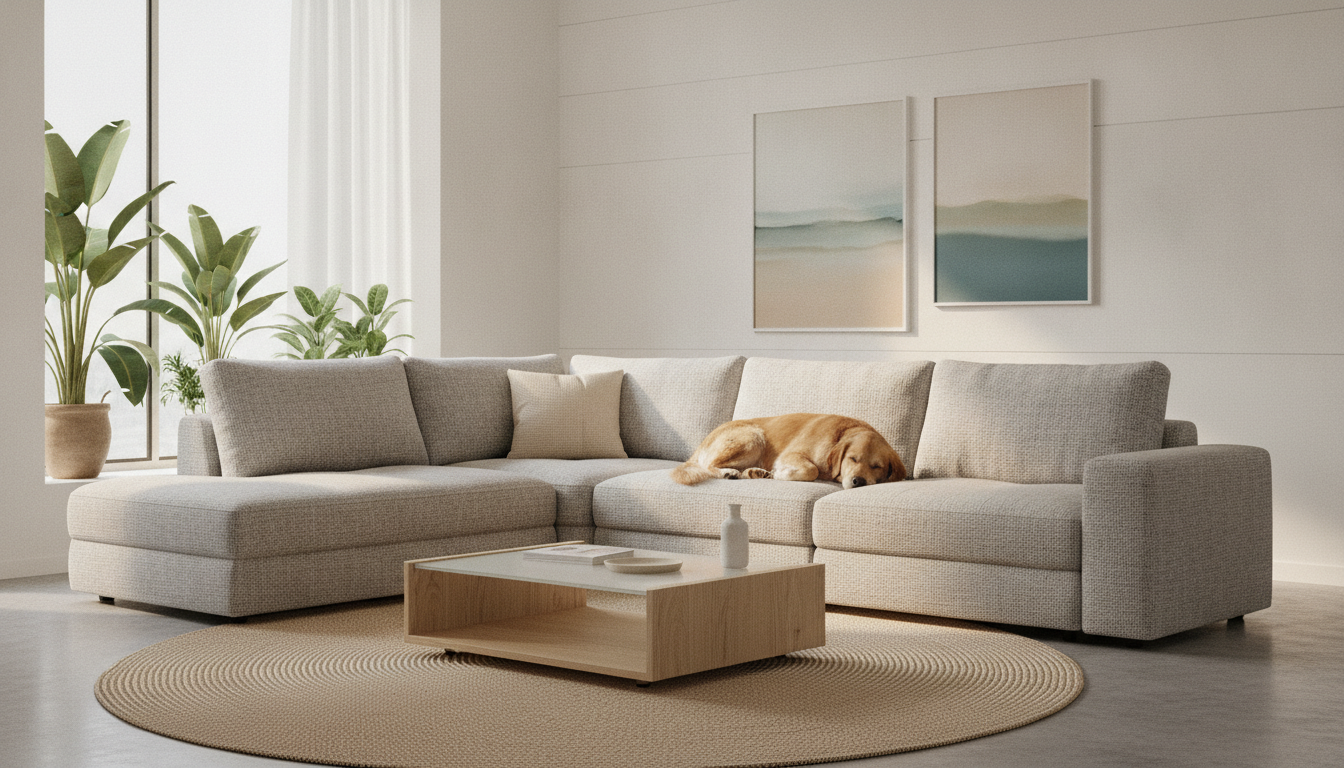
Indestructible Comfort: The Best Pet-Friendly Sofas for Modern Homes (2026)
Living with pets in an apartment means every piece of furniture faces a tougher challenge. Your sofa isn’t just a place to sit; it’s a jumping-off point, a napping spot, sometimes a scratching post, and definitely a fur magnet. Picking a sofa that holds up to daily pet life without looking shredded after a year isn’t about compromise; it’s about smart choices. We’re talking durable frames, resilient fabrics, and smart designs that make cleaning easier, all while keeping your budget and apartment layout in mind for 2026.
What Makes a Sofa Truly Pet-Friendly? It’s More Than Just Fabric.
Before we even get to colors or styles, let’s talk guts and glory. A pet-friendly sofa needs a robust foundation and materials that can take a beating.
Frame Durability: The Unseen Strength
Don’t skimp here. A flimsy frame means a short-lived sofa, no matter how tough the fabric. Always ask about the frame material. You want solid wood – think kiln-dried hardwood like birch, maple, or oak. Engineered wood products are okay if they’re high-quality plywood (at least 11-13 layers), but particle board or soft woods like pine won’t last. Check the joinery, too. Good frames use dowels, corner blocks, and screws, not just staples. This prevents the frame from wobbling and eventually collapsing under active pets.
Fabric Resilience: Your First Line of Defense
This is where most people start, and for good reason. The right fabric can make all the difference. You need something that resists snags, stains, and pilling.
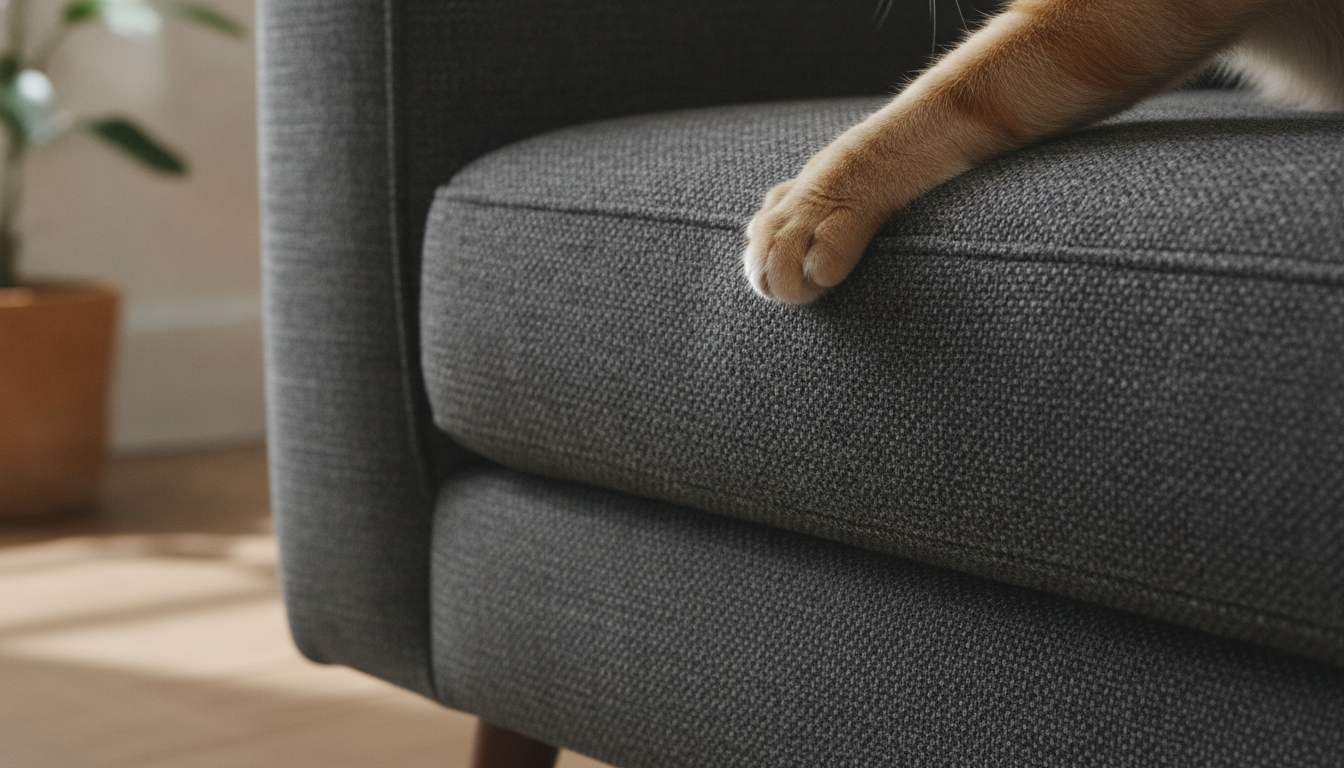
- Performance Velvet: Don’t let the name scare you. Modern performance velvets are synthetic, often polyester or a blend, with a tight, short pile. This makes them incredibly soft but also hard for claws to get traction. They often have high Wyzenbeek rub counts (over 50,000 double rubs), indicating extreme durability. Plus, they clean up surprisingly well.
- Microfiber: A classic for pet owners. It’s tightly woven synthetic, so it’s resistant to liquids, stains, and snags. Pet hair tends to sit on top rather than weaving in, making it easy to vacuum. Just be aware it can attract static, and some cheaper microfibers might pill over time. Look for a dense, high-quality variety.
- Synthetic Leather (Vegan Leather): For that sleek, wipe-clean aesthetic. High-grade PU (polyurethane) or PVC can mimic real leather but offers superior scratch resistance from claws. Spills wipe right off. However, lower quality options can crack or peel over time, especially with heavy use.
- Heavy-Duty Canvas/Duck Cloth: Very tightly woven cotton or cotton blends. They’re incredibly durable, less prone to snagging, and often machine washable if the covers are removable. They can be a bit stiffer than other options but hold up exceptionally well to wear and tear.
- Avoid: Anything with a loose weave (like linen or chenille), silk, velvet made from natural fibers, or delicate printed patterns. These are just begging to be shredded or stained. Consider brands using specialty fabrics like Crypton fabric or Sunbrella fabric for their built-in stain and odor resistance.
Cushion Construction: Support for Everyone
Good cushions mean comfort and longevity. You want high-density foam (at least 1.8 PCF – pounds per cubic foot) for seat cushions. Anything less will break down quickly, leading to sags and hollows where pet hair loves to nest. A Dacron or fiber wrap around the foam adds softness and helps the cushion maintain its shape. Back cushions are usually softer, often filled with a fiber blend, but should still offer good support and bounce back. Removable, zippered covers on all cushions are non-negotiable for easy cleaning.
Legs & Base: Practicality Underfoot
Solid wood or metal legs are best. Avoid plastic. Make sure the legs provide at least 4-6 inches of clearance underneath. This lets your robot vacuum do its job, prevents pet toys from getting permanently lost, and makes sweeping up pet hair tumbleweeds a breeze. If your pet likes to chew, go for metal legs or legs with a tough, dark finish that won’t show bite marks as readily.
Form & Dimension Guidance for Pet Owners
A great sofa isn’t just about what it’s made of; it’s also about how it fits into your life and apartment.
Seat Depth: Sprawling vs. Perching
If your pets love to cuddle up next to you, a deeper seat (around 22-24 inches) offers more room for everyone to get comfortable without feeling cramped. If they typically prefer their own bed or just hop on briefly, a shallower seat (18-20 inches) might be fine. Deeper seats are often comfier for lounging, but make sure you can still sit comfortably with your feet on the floor if that’s important to you.
Clearance: Cleaning & Pet Safety
We touched on this, but it’s worth reiterating: 4 to 6 inches of under-sofa clearance is ideal. Too low, and cleaning is a nightmare. Too high, and smaller pets might try to turn it into a den, which can be cute until something gets stuck. Also, ensure the space isn’t too narrow for cleaning tools.
Cushion Firmness: The Goldilocks Zone
Aim for medium-firm cushions. If they’re too soft, they compress quickly, showing every pet indentation and becoming uncomfortable. Too firm, and it’s just not cozy. A foam density around 2.0-2.2 PCF for seat cushions hits that sweet spot of support and comfort that holds up to pets jumping on and off daily.
Stairwell Navigation: Planning for Delivery
Don’t just measure your living room; measure your apartment’s entry points. This is especially crucial for larger pieces. Check the width and height of your front door, hallways, and any stairwell turns. If you live in an older building with tight corners, a modular sofa or one with removable legs is your best bet. Grab a measuring tape and check the sofa’s full dimensions, then compare it to the narrowest point of your entry. It’s better to know upfront than to have a new sofa stuck in the lobby. I’ve seen too many people return a perfect sofa because it wouldn’t fit through their door. Remember to measure diagonally through doorways too.

Top Sofa Styles for Pet Owners (2026 Considerations)
Certain sofa configurations just work better for apartment life with pets.
- Sectionals: They’re fantastic for maximizing seating in a shared space. The ability to reconfigure pieces means you can adapt to different apartment layouts or change things up if you move. Just be aware that more seams mean more places for pet hair to collect if your vacuum isn’t good with crevices.
- Sleeper Sofas: A smart value for money in a small space, giving you a guest bed. The newer models are surprisingly comfortable. Just check how easily accessible the mattress is and if the mechanism is sturdy enough to handle daily use (and maybe a pet napping on it when it’s pulled out).
- Armless Sofas/Chaises: If your cat or dog is a vertical scratcher, an armless design removes a prime target. Chaises offer extra lounging space for you and your furry friend without the bulk of a full sectional.
- Modular Sofas: These are truly apartment heroes. Each piece is separate, making delivery and setup in tight spaces a breeze. You can add or subtract pieces as your needs (or apartment size) change. Plus, if one section gets particularly worn or damaged, you might be able to replace just that piece.
Practical Trade-Offs: Pet-Friendly Sofa Comparison
| Sofa Type/Fabric | Durability (Frame/Fabric) | Maintenance | Pet Compatibility | Pros | Cons |
|---|---|---|---|---|---|
| Performance Velvet | Excellent (Hardwood/50k+ Rubs) | Moderate (Wipes clean, vacuums well) | High (Claw-resistant, hair brushes off) | Luxurious feel, highly durable, snag-resistant, often stain-resistant. | Can show paw prints/impressions, static can attract hair. |
| Microfiber | Good (Hardwood/30k+ Rubs) | Easy (Wipes clean, hair sits on surface) | High (Stain/snag-resistant, easy to clean) | Very budget-friendly, excellent stain resistance, easy hair removal. | Can look dated, may pill if low quality, can attract static. |
| Synthetic Leather | Good (Hardwood/High strength PU) | Very Easy (Wipes clean, vacuums well) | High (Scratch-resistant, odor-resistant) | Sleek look, very easy to clean spills & odors, hair wipes off. | Can feel cool/sticky in hot weather, low quality can crack/peel. |
| Heavy-Duty Canvas | Excellent (Hardwood/40k+ Rubs) | Moderate (Durable, may need spot cleaning) | Medium (Resists snags, but hair can weave in) | Extremely durable, natural look, covers often washable. | Can be stiff, less resistant to liquid stains without treatment, hair can cling. |
Budgeting for a Pet-Friendly Sofa
Let’s be real: a truly pet-friendly sofa isn’t usually the cheapest option on the market. Think of it as an investment. Spending a bit more upfront on a well-constructed piece with durable materials will save you money (and headaches) in the long run. A $500 sofa made of particle board and cheap fabric won’t last a year with an active dog or cat. A $1500-$2500 sofa built with kiln-dried hardwood, high-density foam, and performance fabric could last you five to ten years or more.
Look for direct-to-consumer brands that are transparent about their construction methods and materials. They often cut out the middleman, offering better value. Don’t be afraid to check sales or clearance sections, but always verify the construction details. If a full replacement isn’t in the cards right now, consider a high-quality, washable pet sofa cover as a temporary measure. It’ll protect your existing sofa and prolong its life.
Maintaining Your Pet-Friendly Sofa: Simple Habits, Big Impact
Even the toughest sofa needs a little help to stay looking good. Regular maintenance is key.
- Vacuum Frequently: Use your vacuum’s upholstery attachment often to suck up pet hair before it builds up or weaves into the fabric. A rubber brush attachment can be surprisingly effective on certain fabrics.
- Spot Clean Immediately: Don’t let accidents sit. Most performance fabrics can be blotted with a clean, damp cloth and mild soap. Always test a hidden area first.
- Protect Vulnerable Spots: If your pet likes to scratch a specific armrest or corner, consider clear cat scratch guards for furniture or a strategically placed throw blanket. Keeping your pet’s nails trimmed is also a huge help.
- Rotate and Flip Cushions: This ensures even wear and helps maintain their shape. Do this weekly or bi-weekly.
Regular vacuuming and cushion rotation keep your sofa looking new.
Frequently Asked Questions
Which fabric is truly best for cats and their claws?
For cats, the best fabrics are those with a tight weave or a very short, dense pile that their claws can’t easily snag. Performance velvet (synthetic blends), high-quality microfiber, and some types of synthetic leather are generally excellent. These materials make it difficult for claws to penetrate and cause damage. Stay away from loose weaves like linen, tweed, or natural velvet, which can quickly become a shredded mess.
Can I really get a good pet-friendly sofa for under $1000?
It’s definitely challenging, but not impossible, especially if you’re looking for a smaller sofa or love seat. Your best bet for under $1000 in 2026 will likely be a compact sofa or a robust loveseat made with a sturdy frame (plywood, not particle board) and a durable synthetic fabric like microfiber or a polyester performance blend. You might need to compromise on some features, like feather-down cushion toppers, but you can still find good value. Always prioritize frame construction and fabric rub count over bells and whistles. Online direct-to-consumer brands often have competitive pricing in this range.
How do I measure my doorway and stairwell for a sofa delivery?
Start by measuring the height and width of all doorways and hallways the sofa will pass through. Don’t forget any narrow turns or stairwells. For stairwells, measure the width of the stairs, the height of the ceiling, and the dimensions of any landings. For tricky turns, you’ll need the diagonal measurement of the opening (from the top left corner to the bottom right). Compare these numbers to the sofa’s full dimensions (length, width, and height). If the sofa has removable legs, factor that into its height measurement. If any dimension of the sofa is greater than the narrowest point of your entry path, you’re going to have trouble. A good rule of thumb is to have at least 2-3 inches of clearance on all sides, just to be safe.
The Smart Choice for Lasting Comfort
Choosing a pet-friendly sofa for your apartment isn’t about giving up style; it’s about making informed choices. Prioritize a solid frame, select resilient fabrics, and consider dimensions that work for both your pets and your living space. A little research now means a comfortable, durable sofa that withstands the daily joys of pet ownership for years to come, saving you money and hassle in the long run.
Related posts -
 Invisible Shield: The 2026 Guide to Stain-Proofing & Maintaining Performance Sofa Fabrics
 Beyond Spot Cleaning: Advanced Care for Performance Fabrics in 2026
 Longevity Secrets: Advanced Care Guides for 2026’s Performance and Eco-Friendly Sofa Fabrics
 7 Best Curved Sofas to Soften a Boxy Studio Apartment