
Spill-Proof & Stylish: Essential Care Tips for 2026’s Advanced Performance Sofa Fabrics
Keeping a sofa in decent shape, especially in an apartment, is a constant battle. Between daily spills, pet hair, and general wear, it’s easy for a new couch to look lived-in way too fast. Good thing 2026’s performance fabrics aren’t your grandma’s stiff, scratchy outdoor patio cushions. These materials are engineered to stand up to real life, but ‘performance’ doesn’t mean ‘no-care.’ You’ve still got to put in a little effort if you want that sofa to last.
Understanding 2026’s Advanced Performance Fabrics
Today’s performance fabrics are a big step up. We’re talking about materials with stain-resistant treatments baked in, not just sprayed on. They’re often woven tighter, using synthetic fibers like Olefin, polyester, or acrylic, sometimes blended with natural fibers for a better feel. The advancements often focus on better breathability, softer textures, and improved abrasion resistance – think 50,000+ double rubs on the Martindale scale. Some even boast eco-friendly manufacturing processes or recycled content. They’re designed to resist fading, pilling, and those everyday accidents that used to spell doom for a regular fabric sofa.
Sofa Dimensions & How They Affect Daily Wear
Before we dive into cleaning, let’s talk about the physical dimensions of your sofa. It might seem unrelated, but how a sofa is built and sized directly impacts where and how it takes abuse, and subsequently, how easy it is to care for.
Seat Depth & Cushion Firmness
A deeper seat, say 24 inches or more, encourages more relaxed lounging – sprawling, napping, maybe even a dog curled up at your feet. This means more body contact, more friction, and potentially more direct spills onto the seat cushions. Shorter depths, around 20-22 inches, mean people perch more, which can lead to wear on the front edge of the seat and armrests. Cushion firmness also plays a role. A firmer foam core (often rated around 2.0-2.2 density for good support) will hold its shape better, reducing fabric stress from constant compression and expansion. Softer cushions might be comfier initially, but they can sag quicker, leading to stretched fabric and wrinkles that are harder to clean around.
Clearance and Stairwell Navigation
Don’t forget the practicalities. If you’re in an apartment, especially an older building, getting a big sofa in can be a headache. Modular designs are your best friend here. Individual pieces are much easier to navigate up narrow stairwells or through tight doorways, preventing scuffs and tears before the sofa even reaches your living room. A sofa with at least 4-6 inches of leg clearance makes it far easier to vacuum underneath, preventing dust bunnies and lost pet toys from accumulating and attracting pests. If your sofa sits directly on the floor, you’ll need to physically move it more often for thorough cleaning, which isn’t always practical.
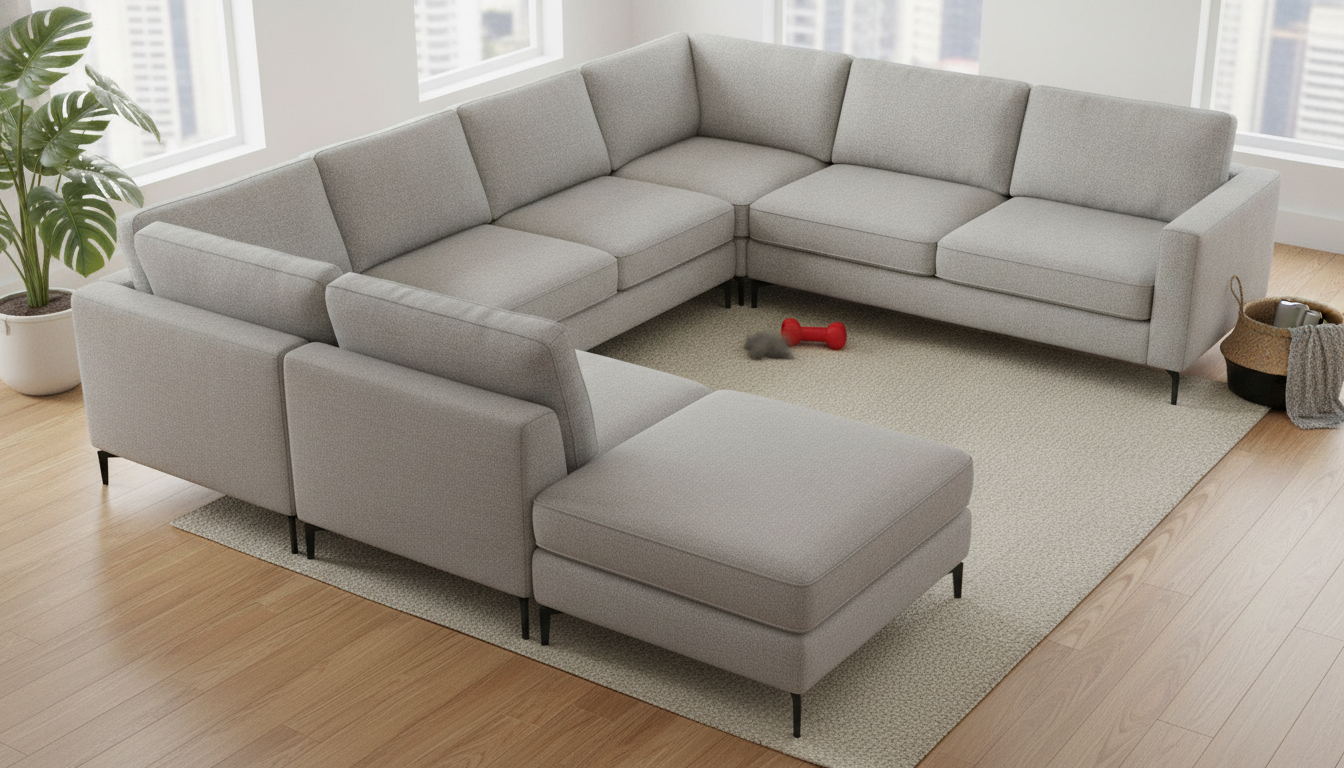
The Core Principles of Performance Fabric Sofa Care
Most performance fabrics, despite their fancy tech, thrive on pretty basic care. It’s about consistency and quick action.
1. Regular Maintenance is Key
- Vacuum weekly: Use a brush attachment on your vacuum cleaner. This isn’t just about dust; it pulls up pet dander, food crumbs, and surface dirt before it gets ground into the fibers. Pay extra attention to seams, under cushions, and armrests.
- Fluff and Rotate Cushions: Flip and rotate your seat and back cushions weekly. This helps them wear evenly, maintains their shape, and prevents one spot from taking all the abuse.
- Deal with spills immediately: This is probably the single most important rule. The longer a spill sits, the harder it is to remove.
2. Spot Cleaning Techniques That Actually Work
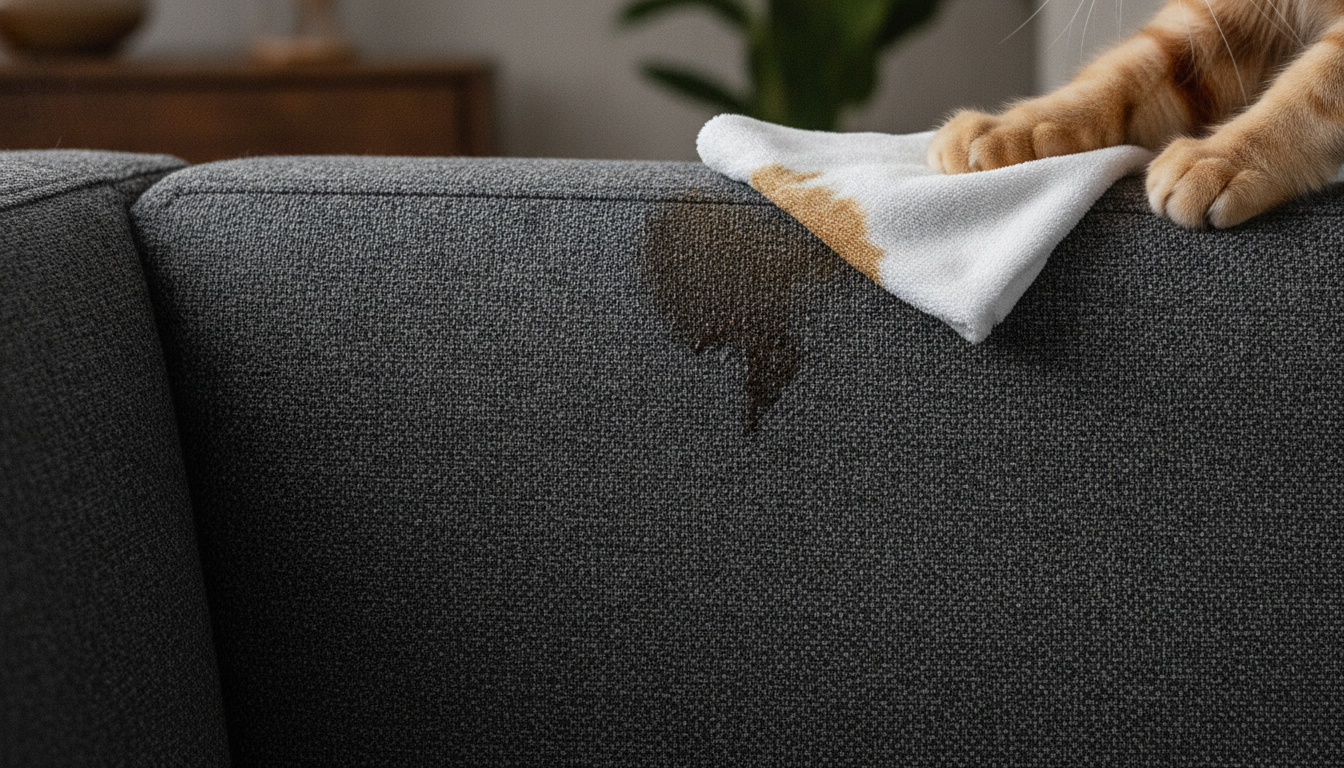
When a spill happens, don’t panic. Grab a clean, white cloth (microfiber works great) and follow these steps:
- Blot, don’t rub: Rubbing pushes the spill deeper into the fabric and can spread it or damage the fibers. Blot gently from the outside of the stain inwards to contain it.
- Use the right cleaner: Many performance fabrics are water-safe. Start with plain water and a tiny bit of mild, pH-neutral soap (like dish soap diluted heavily). For tougher stains, look for cleaners specifically designed for performance fabric upholstery. Always test in an inconspicuous area first.
- Rinse thoroughly: After cleaning, blot the area with a damp cloth (just water) to remove any soap residue. Leftover soap can attract more dirt over time.
- Air dry: Let the area air dry completely. Don’t use heat, as it can set stains or damage fabric.
3. Specific Stain Scenarios
- Liquid spills (coffee, juice, soda): Blot immediately. If water isn’t enough, try a diluted soap solution.
- Grease/Oil (butter, cooking oil): Scrape off any excess solids with a dull knife. Blot with a paper towel. Apply a dry-cleaning solvent (check fabric care label first) or a mild degreaser designed for upholstery.
- Mud/Dirt: Let it dry completely. Then gently brush off the dried dirt. Vacuum the residue. If a stain remains, follow liquid spill steps.
- Pet Accidents: Blot up as much as possible. Use an enzymatic pet odor and stain remover. These break down organic matter and neutralize odors.
4. Sunlight Exposure
Even advanced performance fabrics can fade over time with direct, prolonged sunlight. Position your sofa away from windows if possible, or use UV-blocking window treatments during peak sun hours. This keeps colors vibrant longer.
Pet-Friendly Fabrics and Their Care Nuances
Having pets doesn’t mean you’re doomed to a dirty sofa. Certain performance fabrics are better suited for furry friends:
- Tightly woven synthetics: Microfiber, Olefin, and Crypton are fantastic. Their tight weave means pet hair doesn’t get embedded as easily, and claws are less likely to snag a loop. Look for a rub count of at least 30,000 for high-traffic, pet-prone areas.
- Patterns and darker colors: A busy pattern can help camouflage minor stains or stray hairs between cleanings. Darker colors, naturally, show less dirt.
- Slipcovers and throws: For ultimate protection, especially if your pet is a serious shedder or prone to accidents, consider washable slipcovers or strategically placed throws.
For pet hair, a good lint roller or a damp rubber glove can work wonders for pulling up stubborn hairs that your vacuum misses.
Comparison: Common Performance Sofa Fabrics
Here’s a quick look at some popular performance fabrics and their real-world trade-offs:
| Fabric Type | Durability (Abrasion Resistance) | Cleanability (Stain Resistance) | Feel & Texture | Typical Cost (Relative) |
|---|---|---|---|---|
| Olefin | Excellent (Very High) | Excellent (Highly Stain & Fade Resistant) | Smooth, sometimes slightly synthetic. Modern versions are softer. | Low to Mid |
| Crypton | Excellent (High) | Superior (Liquid, Stain, Odor Proof Barrier) | Varies widely, from soft cotton-like to textured. | High |
| Microfiber (Polyester) | Good to Excellent (High) | Excellent (Repels liquids, easy to wipe) | Soft, suede-like, comfortable. | Low to Mid |
| Polyester Blends | Good (Medium to High, depending on weave) | Good (Often treated for stain resistance) | Versatile, can mimic many natural fibers. | Low to Mid |
| Acrylic | Good (High, resists fading) | Good (Resists water-based stains) | Soft, wool-like feel. | Mid |
Budget-Conscious Tips for Long-Term Care
- DIY Cleaning Solutions: For general dirt, a mix of 1/4 cup white vinegar, 3/4 cup warm water, and a tablespoon of liquid dish soap in a spray bottle can work wonders on many performance fabrics. Always test first!
- Invest in good tools: A quality microfiber cloth pack, a sturdy lint roller, and a reliable enzymatic cleaner for pet messes are worth the initial spend.
- Preventative measures: Consider using fabric protector sprays, especially on high-use areas, even if your fabric is already ‘performance.’ This adds an extra layer of defense.
- Multi-functional storage: Keep your cleaning supplies organized and close by. A stylish storage ottoman or a narrow console table behind the sofa can hold sprays, cloths, and brushes, so you’re not scrambling when a spill happens.
FAQ: Your Performance Fabric Sofa Questions Answered
Q1: Can I use a steam cleaner on my performance fabric sofa?
Generally, no. Most manufacturers advise against steam cleaning performance fabrics. The high heat can potentially damage the fibers, break down protective coatings, or even set certain stains. Always check your sofa’s care tag first. If it doesn’t explicitly say ‘steam clean safe,’ stick to spot cleaning with mild detergents and blotting.
Q2: How often should I professionally clean my performance fabric sofa?
With 2026’s advanced performance fabrics and consistent home care, you can likely extend the time between professional cleanings. For most apartments with moderate use, every 12-18 months should be sufficient. If you have pets, small children, or host often, you might consider every 6-12 months. Regular vacuuming and immediate spot cleaning will do most of the heavy lifting, saving you money on pros.
Q3: My performance fabric is pilling. What can I do?
Pilling is when small balls of fiber form on the fabric surface, often from friction. While performance fabrics are designed to resist it, it can still happen. The good news is it’s usually just cosmetic. You can gently remove pills using a fabric shaver or a sweater comb. Go slowly and carefully to avoid damaging the fabric underneath. Regular vacuuming can also help reduce the buildup of loose fibers that contribute to pilling.
Related posts -
 Harmony in Comfort: Choosing Multigenerational Sofas for 2026’s Family Homes
 Designing for All Ages: Multigenerational Sofa Solutions for Harmonious Homes in 2026
 Adaptable Abodes: Modular Sofas for Dynamic Urban Living in 2026
 The Harmonious Home: Designing Multi-Generational Living Spaces with Thoughtful Sofa Choices