Mastering Modular: Designing Flexible Living Spaces with 2026’s Smart Sofas
Finding a sofa that actually fits your apartment, navigates tight stairwells, and adapts when you move isn’t just a wish list item for 2026 – it’s a non-negotiable. Traditional fixed-frame sofas are often too rigid for the dynamic nature of urban living. They’re a pain to move, sometimes impossible to fit through doorways, and force you into a single layout. This is where modular sofa design for 2026 steps in, offering a smarter, more practical solution for anyone living in a smaller or frequently changing space. It’s about smart value, not just buying furniture.
Why Modular Makes Sense for Apartment Living
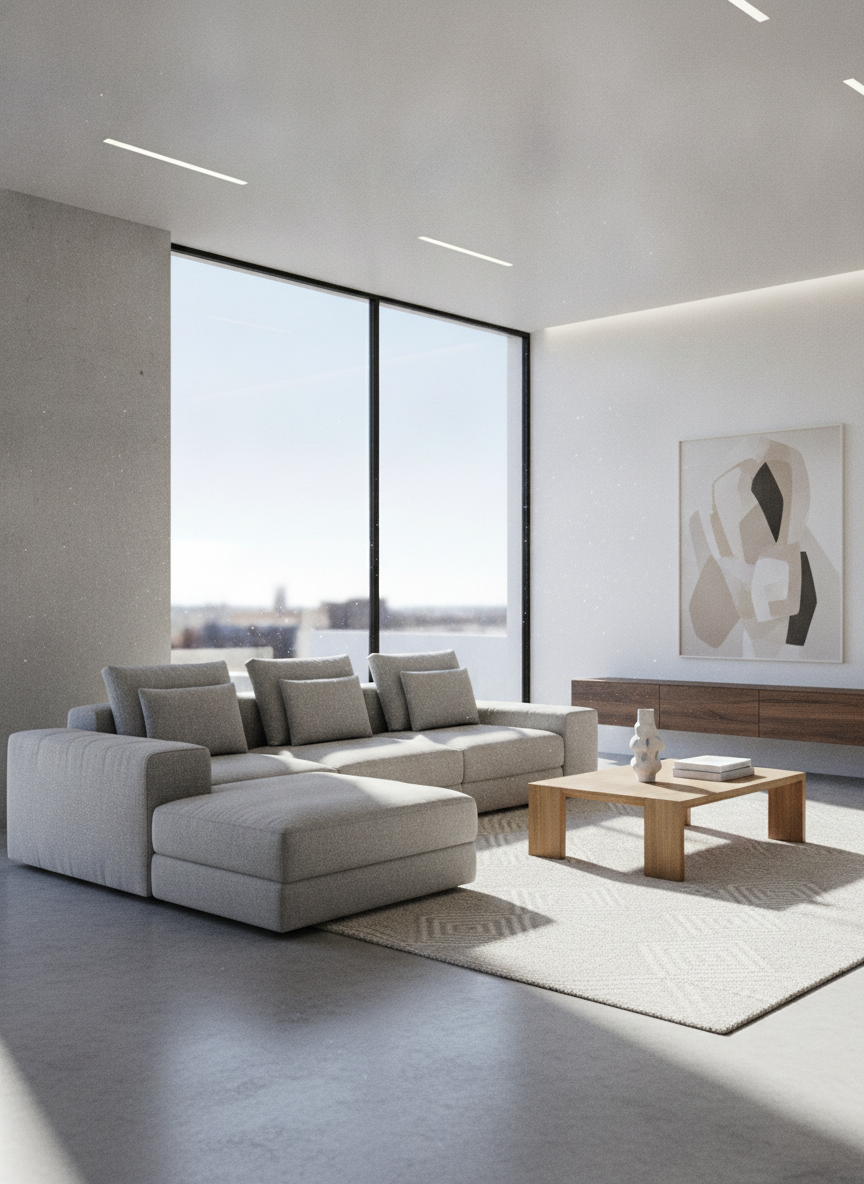
Modular sofas are a collection of individual, movable pieces – armless chairs, corner units, ottomans, chaises – that connect to form a cohesive seating arrangement. Their primary advantage is flexibility. You’re not buying a fixed shape; you’re investing in components that can be reconfigured based on your immediate needs. Got a new roommate? Break it down. Hosting a movie night? Stretch it out. Moving to a different floor plan? Reassemble it to fit.
Think about move-in day. Hauling a 90-inch, one-piece sectional up three flights of stairs is a nightmare for you and your movers. Modular units, being smaller and lighter, simplify the process. Each piece is its own manageable package, which can save you money on moving costs and reduce the risk of damage. It’s practical. This adaptability also future-proofs your investment. A sofa you buy today can grow, shrink, or change shape with you, meaning you won’t need to replace it every time your living situation shifts.
Sizing It Up: Practical Dimensions for 2026
Understanding dimensions is critical. It’s not just about if it fits; it’s about if it functions in your space without making it feel cramped.
Seat Depth – Not Just for Lounging
Seat depth heavily influences how you use your sofa. For upright conversation and working on a laptop, a shallower depth works best. We’re talking 22 to 24 inches (from the front edge of the seat cushion to the backrest). If you want to sprawl out, curl up with a book, or share a cuddle with a pet, you’ll need more room – 26 to 30 inches is a sweet spot for a lounge-friendly experience. Deeper seats often pair well with throw pillows for adjustable back support.
Clearance – Legs, Vacuums, and Pet Toys
The space beneath your sofa, or its clearance, is more important than you might think. A minimal 2-inch clearance might look sleek, but it’s a trap for dust bunnies and lost pet toys, making cleaning a pain. Aim for at least 4 to 6 inches of clearance. This allows for easy vacuuming, provides a visual lightness to the room, and lets robot vacuums do their job without getting stuck. Plus, if you’ve got small kids or pets, those lost items under the sofa won’t be out of reach forever.
Cushion Firmness – It’s a Personal Journey (and a Practical One)
Cushion firmness dictates comfort and longevity. Softer cushions (often down-filled or low-density foam) feel luxurious initially but can sag faster, requiring more fluffing. Firmer cushions (high-resiliency foam, often wrapped in Dacron) offer better support, maintain their shape longer, and are generally more durable for everyday use, especially in a busy apartment with pets or kids. Look for foam with a density of 1.8 PCF (pounds per cubic foot) or higher. For a good balance of comfort and durability, a medium-firm cushion is usually the safest bet. It’ll stand up to repeated use and support your back better after a long day.

Material Matters: Durability Meets Design
Your sofa’s materials dictate its lifespan, appearance, and how well it copes with pets and spills.
Frames That Last
A sofa’s frame is its skeleton. Don’t skimp here. Kiln-dried hardwood (like birch, maple, or oak) is the gold standard. Kiln-drying removes moisture, preventing warping and cracking over time. Engineered wood, like good quality plywood (at least 11-13 layers), can also be robust if properly constructed. Particleboard or softwoods are often signs of a budget frame that won’t hold up. Look for joinery that uses dowels, screws, and corner blocks, not just staples or glue. These details indicate a frame built for the long haul.
Fabrics: Pet-Proof, Spill-Proof, Life-Proof
Fabric choice is huge, especially with pets. Forget delicate weaves. You need materials that can withstand claws, dirt, and the occasional accident. Look for high rub counts – a Wyzenbeek score of 15,000 double rubs is suitable for residential use, but for high-traffic apartment living with pets, aim for 30,000 or more. Performance fabrics are your friend here. Think microfiber, tightly woven synthetics, or treated polyesters. They’re often stain-resistant and easy to clean.