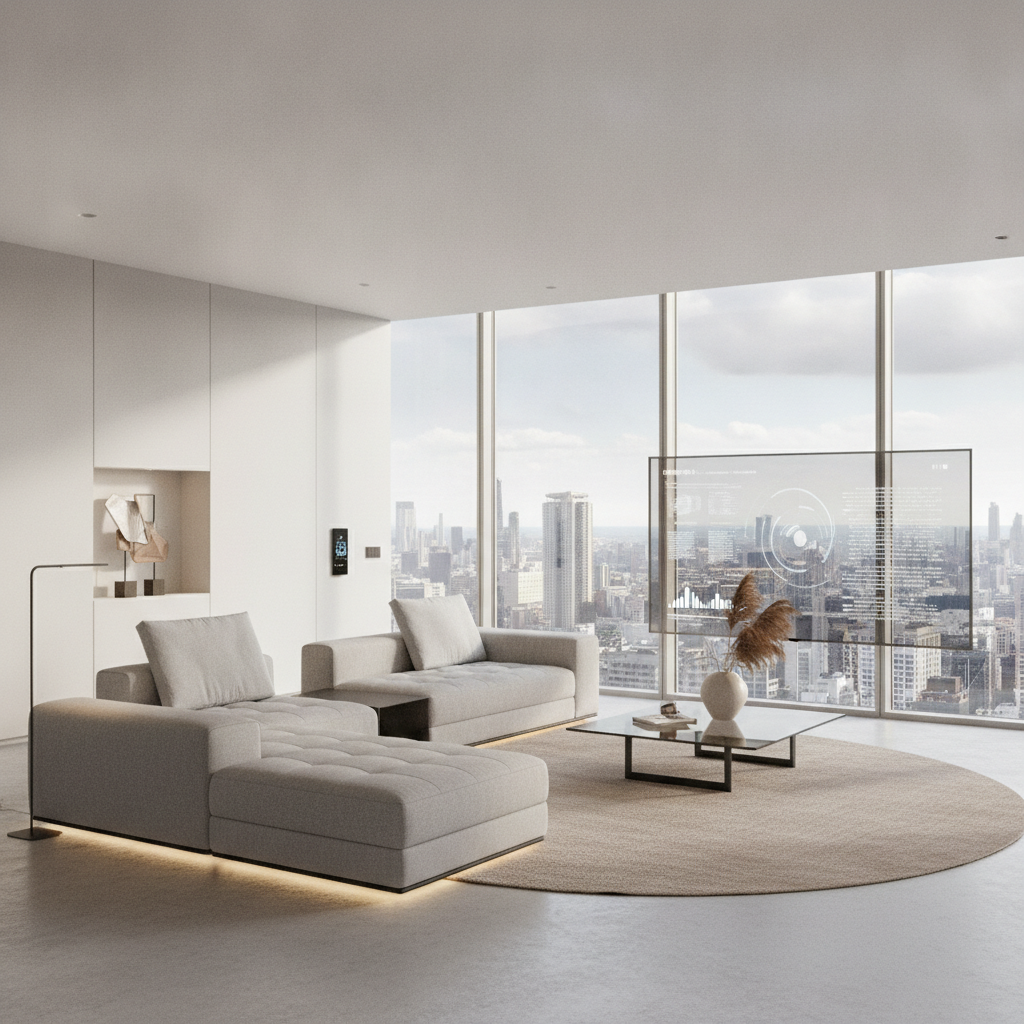
Smart Sofas for 2026: Practical Integration into Modern Living
A sofa’s primary job is to provide comfortable seating. In 2026, it’s also becoming a crucial hub for connectivity and ergonomic support. This isn’t about adding novelty; it’s about embedding functional technology that enhances how you use your living space. The decision isn’t whether to go ‘smart,’ but how to integrate smart sofa technology 2026 without compromising the room’s flow or the furniture’s core purpose. You’ll need to consider room scale, walk paths, the sofa’s visual weight, and, critically, how power and data integrate seamlessly.
Dimensions and Ergonomics: The Foundation of Smart Comfort
Before any tech, a sofa must fit your body and your room. Smart features can’t fix poor fundamental design.
Seat Depth and Height
For most adults, a seat depth between 22 and 24 inches works well for upright sitting and conversation. If your primary use is lounging and watching a screen, a depth of 25 to 28 inches might be more suitable. Remember, deeper seats demand more floor space, impacting your walk paths. Seat height should allow feet to rest flat on the floor, typically 17 to 19 inches from the floor to the top of the cushion. Too low, and it’s hard to get up; too high, and your legs dangle, negating ergonomic benefits.
Armrest and Backrest Proportions
Armrest height matters, especially with integrated controls. They should be at a comfortable resting height, generally 6-9 inches above the seat cushion. Too high, and they feel restrictive; too low, and they’re useless for support. Backrest height is often dictated by recline mechanisms. For smart sofas, a backrest that supports the head and neck, even when fully reclined, is essential. Look for designs where headrests articulate independently. The sofa’s overall dimensions, including its length and depth, must respect the room’s size. Maintain at least 30 inches of clearance for main traffic routes, and 18-24 inches for secondary paths.
Cushion Firmness
Smart sofas often come with adjustable lumbar and headrest supports, but the core cushion firmness is still critical. It dictates initial comfort and long-term posture. We typically rate firmness on a scale of 1 to 5, where 1 is very soft and 5 is very firm.
- 1-2 (Soft): Often down-filled or low-density foam. Great for sinking in, but less supportive over long periods. Can compress quickly.
- 3 (Medium): The most common, offering a balance of softness and support. Usually high-resiliency foam with a wrap. Good for general lounging and conversation. This is often the safest bet for a smart sofa, providing a stable base for integrated tech.
- 4-5 (Firm): High-density foam or spring-coil construction. Excellent support, maintains shape, but offers less initial give. Good for those needing strong lumbar support or who prefer a more upright posture.
A smart sofa with adjustable recline needs a cushion that can handle changes in pressure distribution without bottoming out or deforming permanently. High-density foam (1.8-2.0 lbs/cu ft minimum) is often preferred for durability and consistent support under varying positions.

Integrated Technologies: What to Expect in 2026
The ‘smart’ in a sofa for 2026 isn’t just about a power outlet. It’s about seamless, intuitive integration.
Power Recline and Articulation
Beyond a simple recline, expect independent controls for headrests, lumbar support, and leg rests. Silent, smooth motors are standard. Some models offer memory presets, recalling your preferred lounging angle with a single touch. This level of articulation directly impacts user comfort and caters to individual ergonomic needs without manual adjustment.
Charging Solutions
USB-C ports are now the standard, often integrated into armrests or discrete side panels. Wireless charging pads are becoming more common, built flush into surfaces. Consider their placement: are they easily accessible without being an eyesore? Multiple ports are key; you don’t want to fight over a single charging point. Ensure these are robust enough to withstand daily use.
Environmental Controls and Ambient Lighting
Some premium smart sofas include heating and cooling elements within the seat and backrest, offering localized temperature control. This isn’t just a gimmick; it can genuinely enhance comfort, especially in varying room temperatures. Integrated LED ambient lighting, often beneath the sofa or along a back panel, provides subtle illumination. This can reduce screen glare, create mood lighting, or act as a night light, integrating with broader smart home systems.
Audio Integration
Hidden speakers, often in the headrest or armrests, provide personal audio without needing external soundbars. These are ideal for focused listening, like watching a movie or playing a game, without disturbing others. Higher-end models might offer directional sound or even haptic feedback for a more immersive experience. Evaluate sound quality; integrated speakers should complement, not replace, a proper home audio setup if sound fidelity is a priority.
Sensors and Smart Home Connectivity
This is where ‘smart’ moves beyond convenience. Occupancy sensors can trigger lighting or HVAC systems, saving energy. More advanced systems might include basic posture monitoring, offering gentle adjustments or reminders. Bluetooth and Wi-Fi connectivity are standard, allowing integration with smart home ecosystems (e.g., controlling your sofa with voice commands via a central hub). Ensure the system uses open standards or is compatible with major platforms like Matter, Apple HomeKit, or Google Home for future-proofing.
Materials: Durability for a Connected Future
With more moving parts and integrated electronics, the sofa’s construction and upholstery must be resilient. Kiln-dried hardwood frames (birch, oak) joined with dowels and corner blocks are non-negotiable for longevity. Ensure easy access panels for technicians to service electronics.
Upholstery Considerations
Choose fabrics that can withstand frequent movement and potential spills around charging ports. Performance fabrics are your best bet. Look for:
- High Rub Count: Aim for at least 30,000 double rubs on the Wyzenbeek scale for residential use; 50,000+ for high-traffic areas. This indicates durability against abrasion.
- Stain Resistance: Technologies like Crypton or Revolution fabrics resist spills and simplify cleaning.
- Breathability: Especially important for heated/cooled seats. Natural fibers like linen blends or specific synthetic weaves offer better airflow.
- Aesthetic: Don’t let technology dictate your style. Many performance fabrics now mimic the look and feel of natural fibers.
Practical Trade-offs in Smart Sofa Technology
Integrating technology always involves trade-offs. Here’s a quick look at what to consider:
| Feature Set | Pros | Cons | Considerations |
|---|---|---|---|
| Basic Smart (Recline, USB-C) | Enhanced comfort, convenient charging, often more affordable. Minimal impact on room aesthetics. | Limited functionality, might feel less ‘future-proof’. | Good entry point. Check motor noise and USB-C port robustness. |
| Mid-Range Smart (Heating/Cooling, Wireless Charging, Basic Audio) | Significant comfort upgrade, more integrated convenience. Better for targeted relaxation. | Higher cost, increased power draw, potential for more repair points. | Confirm compatibility with your smart home system. Assess power cable management. |
| Premium Smart (Full Articulation, Advanced Sensors, Immersive Audio, Modular) | Ultimate personalized comfort, seamless smart home integration, high degree of flexibility. | High upfront cost, complex installation, greater reliance on app control. More potential points of failure. | Professional installation is often required. Evaluate the necessity of all features for your lifestyle. |
FAQ: Your Smart Sofa Questions Answered
Are smart sofas hard to repair if a component fails?
This depends heavily on the sofa’s design. Quality smart sofas are built with modular components. Motors, circuit boards, and charging ports should be accessible for service technicians, often through zippered panels or removable sections. Prioritize brands that offer clear warranty terms and have a service network. Avoid designs where components are permanently sealed; they’re often a ‘rip and replace’ nightmare. Think about long-term sustainability; a easily repairable sofa means less waste.
Do smart sofas use a lot of electricity?
Generally, no. Modern smart sofa components are designed for energy efficiency. Recline motors only draw significant power when actively moving. Standby power consumption for charging ports or integrated lighting is minimal, similar to other always-on smart home devices. However, features like heating or cooling elements will increase power usage when active. Always check the product’s specifications for power consumption if energy efficiency is a major concern. Consider plugging it into a smart plug to monitor its actual usage over time.
How long do smart sofa components last?
The lifespan of smart components varies. High-quality recline mechanisms can last 10-15 years with proper use. Electronic components like USB ports or wireless chargers typically align with general consumer electronics lifespans, 5-10 years, depending on frequency of use and abuse. LED lighting often has a very long lifespan. The key is the manufacturer’s quality and warranty. A comprehensive warranty (3-5 years on electronics, 10+ on frame and mechanisms) is a strong indicator of expected longevity. Regular maintenance, such as keeping charging ports clean and avoiding overloading mechanisms, also extends component life.
Conclusion: Thinking Beyond the ‘Smart’
A smart sofa isn’t just furniture; it’s an appliance that needs careful consideration. You’re integrating power, data, and ergonomics into a piece that dictates the comfort and flow of your main living area. Prioritize foundational design: solid construction, proper dimensions, and comfortable cushions. Then, assess which smart features genuinely enhance your daily routine without creating clutter or compromising the sofa’s role as a retreat. Understand the practicalities of installation, power management, and potential maintenance. In 2026, the best smart sofa isn’t the one with the most tech, but the one that makes your life genuinely more comfortable and your space more functional.
Related posts -
 Stretch Out in Style: Finding the Perfect Deep-Seated Sofas for Tall People in 2026
 The Rise of Bio-Fabric Sofas: Sustainable Luxury for 2026 Interiors
 Stretch Out in Style: The Ultimate Guide to Sofas for Tall People in 2026
 Stretch Out in Style: The Ultimate Guide to Deep-Seated and Ergonomic Sofas for Tall Comfort