Beyond Bouclé: Introducing ‘Bio-Texture’ Sofa Fabrics – The Next Gen in 2026
Bouclé has had its moment. Its soft, looped surface brought warmth and a certain visual softness to living spaces, but its ubiquity now demands a shift. The next gen sofa fabrics for 2026 move beyond the singular, overt texture, leaning into what we’re calling ‘Bio-Texture’: materials that combine natural tactility with engineered performance and a deep visual story.
This isn’t just about a new weave; it’s about integrating sustainability, durability, and a nuanced hand-feel that responds to light and touch. We’re looking at fabrics that age gracefully, offer superior stain resistance, and contribute to the overall ergonomic experience of a piece. Selecting a sofa isn’t just about its silhouette; the fabric dictates its presence, how it absorbs light, and its perceived scale within a room. Get it wrong, and even a well-proportioned sofa can feel clunky or out of place.
The Core of ‘Bio-Texture’: More Than Just Looks
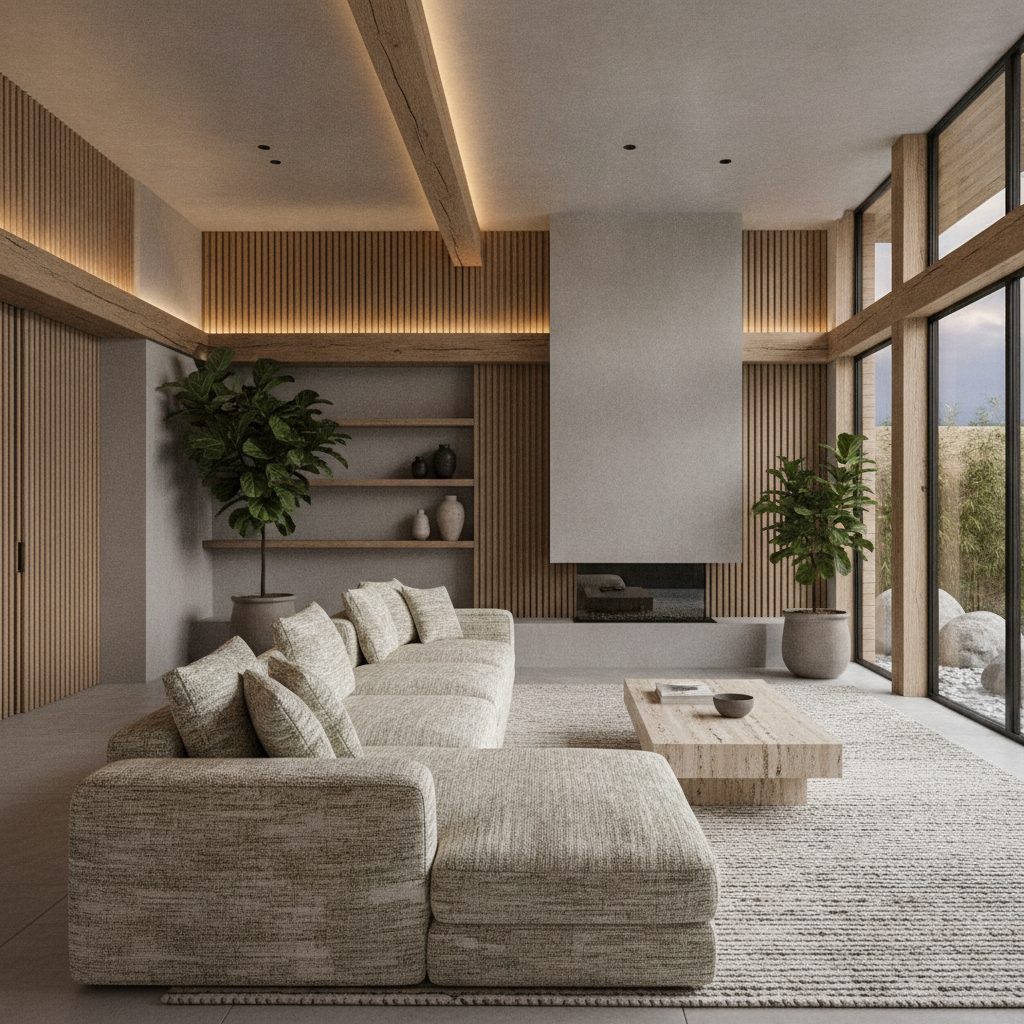
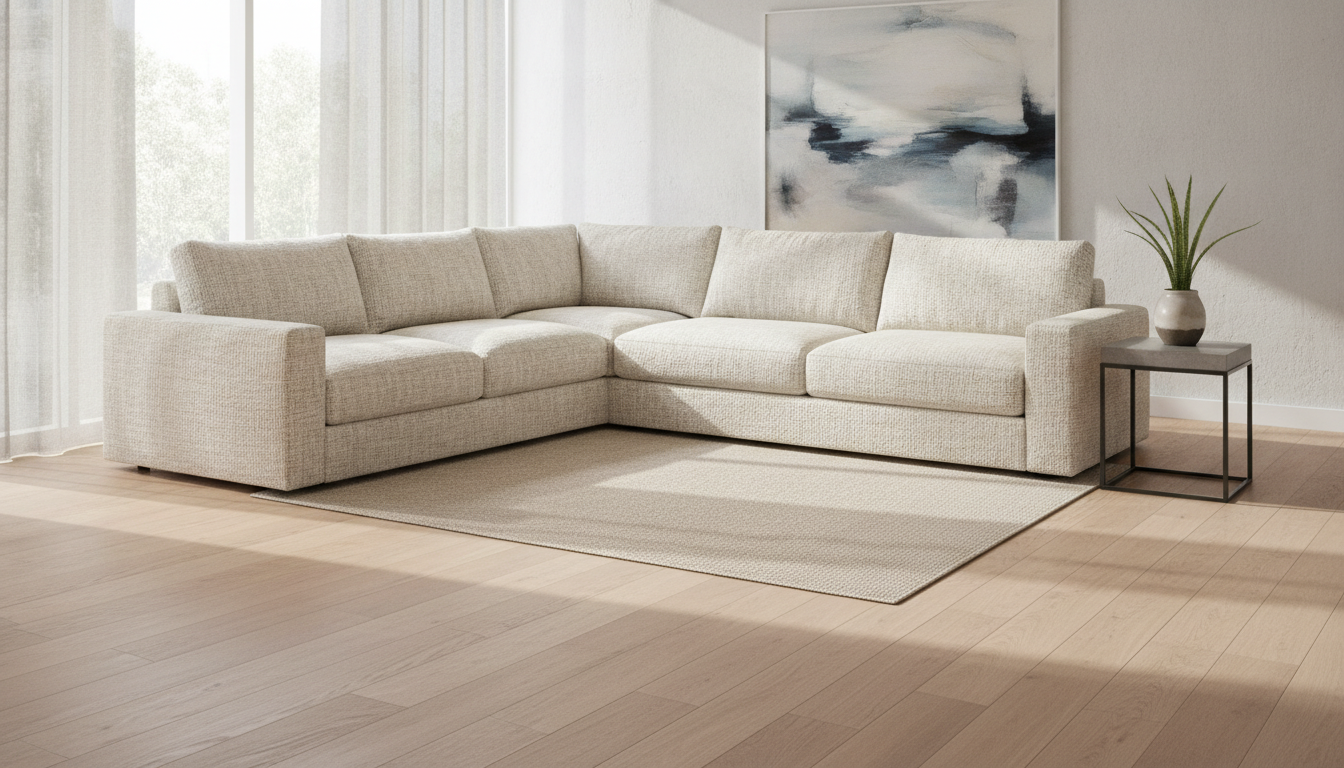
‘Bio-Texture’ fabrics prioritize depth and resilience. Think materials that present an irregular, organic surface without being overtly patterned. These textiles often feature slubs, varied thread thicknesses, or subtle napping that creates a dynamic interaction with light and shadow. They offer a refined visual weight, grounding a sofa without making it feel heavy. This allows for cleaner lines and more architectural forms to truly stand out.
Defining Characteristics:
- Dynamic Tactility: Not just soft, but rich in sensory detail. You feel the weave, the slight variations in fiber.
- Visual Depth: The fabric isn’t flat. Light plays across its surface, revealing subtle shifts in tone and texture. This adds dimension to a sofa, making it less of a monolithic block.
- Enhanced Durability: Engineered for real life. Many of these fabrics hit 50,000 to 100,000+ double rubs on the Wyzenbeek test, meaning they’ll withstand significant wear in high-traffic areas.
- Sustainability Focus: Often incorporate recycled content, natural fibers like organic cotton or hemp, and responsible dyeing processes. It’s about minimizing environmental impact without sacrificing performance.
- Performance Integration: Many come with inherent stain-resistant treatments, reducing the need for post-purchase sprays.
Navigating Form and Fit with New Textures
Choosing a fabric goes hand-in-hand with understanding how it influences a sofa’s overall form and your room’s dynamics. A highly textured fabric can make a large sofa feel more approachable, or it can make a compact piece seem more substantial.
Ergonomics and Feel:
A sofa’s comfort isn’t solely about its cushion core. The fabric’s breathability and texture against the skin play a significant role. A ‘Bio-Texture’ fabric, often with natural fiber content or engineered synthetic blends, offers better air circulation than dense, tightly woven synthetics. This means less sticking in warmer climates and a more pleasant sitting experience overall.
- Cushion Firmness: When pairing with ‘Bio-Texture’ fabrics, consider medium-firm cushions (rated 2.0-2.2 density foam with a soft batting wrap). This combination allows the fabric’s tactile quality to shine without feeling too rigid or too slouched.
- Seat Depth: For a comfortable lounge, aim for a seat depth of 22-24 inches from the front edge to the back cushion. For a more upright, conversational piece, 20-22 inches works. ‘Bio-Texture’ can soften the perception of a deeper seat without adding bulk.
Room scale and walk paths are critical. A sofa is a major anchor point. Ensure you maintain at least 30-36 inches of clearance for primary walk paths around the sofa, and 18-24 inches for secondary paths. The visual weight of a ‘Bio-Texture’ can be substantial; it’s a statement piece by virtue of its nuanced surface. Don’t crowd it with too many competing textures or patterns in the immediate vicinity.
Spotlight on ‘Bio-Texture’ Varieties for 2026
Here are the fabric types leading the charge in ‘Bio-Texture’ for upcoming seasons:
1. Engineered Slub Weaves
These are not your grandmother’s linens. Modern engineered slub weaves use a combination of different yarn thicknesses to create an intentionally irregular, nubby surface. They often blend natural fibers like cotton, linen, or hemp with performance synthetics for durability. The result is a highly tactile fabric with visible variations that catch and diffuse light beautifully.
- Hand-Feel: Dry, substantial, slightly coarse but not scratchy.
- Visual Effect: Organic, artisanal. It visually breaks up large surfaces.
- Durability: Typically 60,000+ double rubs. Resists pilling due to varied yarn thickness.
- Example: Look for textured linen blend fabrics with a visible irregular weave.
2. Micro-Corduroy & Fine-Gauge Velvets
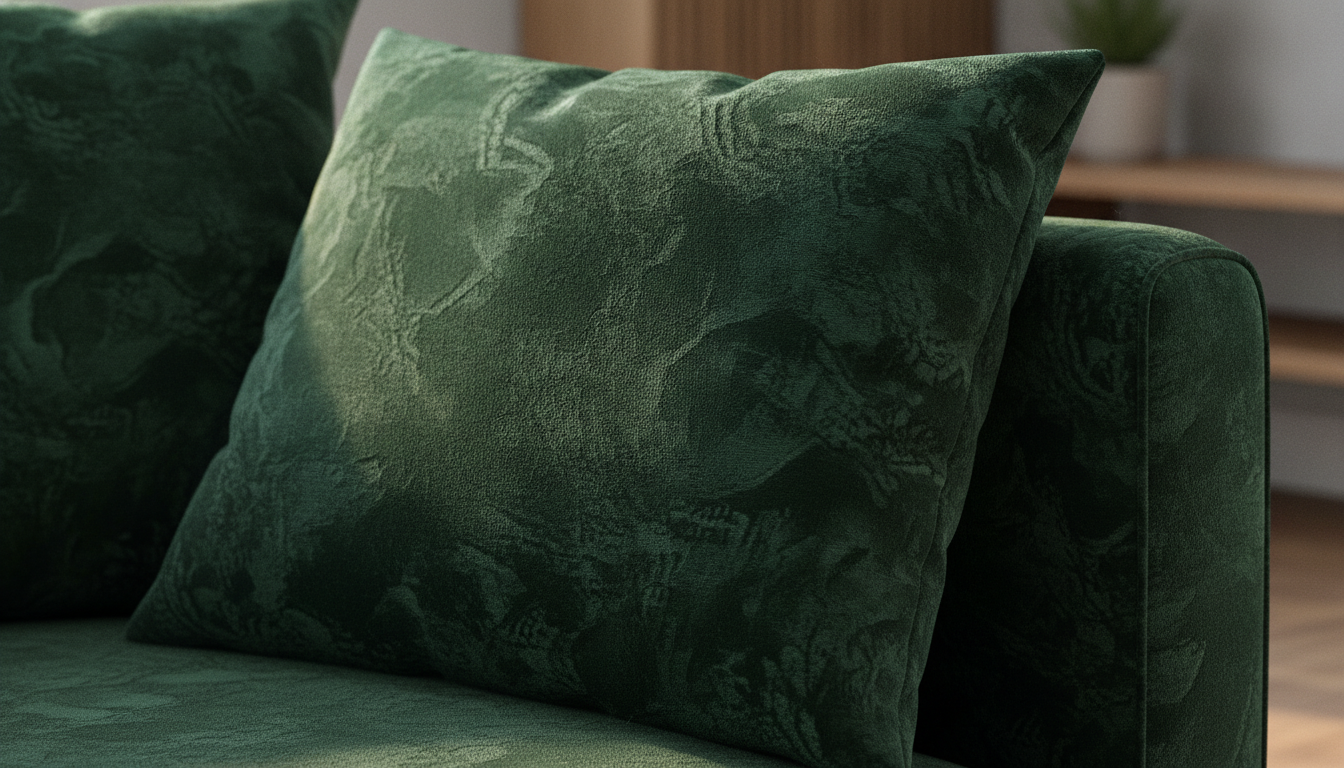
Moving away from wide-wale corduroy, micro-corduroy offers a subtle ribbed texture that provides unexpected depth. Fine-gauge velvets, distinct from traditional plush velvets, feature a shorter, denser pile that shifts color and tone with every brush. These fabrics bring a sophisticated, almost iridescent quality without being flashy.
- Hand-Feel: Soft, directional, luxurious. Micro-corduroy has a slight resistance; velvet is smooth.
- Visual Effect: Dynamic, with light-catching properties that create highlights and shadows.
- Durability: High, often 80,000+ double rubs for performance velvets and corduroys.
- Example: Search for fine corduroy upholstery fabric or performance velvet fabric with a very short pile.
3. Brushed Sueded Polyesters & Olefins
These aren’t the plasticky synthetics of old. Advanced manufacturing processes create polyester and olefin fibers that are then brushed or sanded to mimic the soft, nap-like feel of suede, but with superior stain and fade resistance. They offer a muted, matte appearance that absorbs light rather than reflecting it brightly, ideal for creating a calm, grounded space.
- Hand-Feel: Ultra-soft, velvety, warm.
- Visual Effect: Matte, sophisticated, excellent for absorbing harsh light.
- Durability: Exceptional, often exceeding 100,000 double rubs, and highly resistant to moisture.
- Example: Explore brushed performance suede fabric options.
4. Regenerative Weaves (e.g., Recycled Cotton/PET Blends)
Focusing on sustainability, these fabrics blend recycled and natural fibers, often in a twill or basket weave. The emphasis here is on the story of the material – its origin and eco-credentials – but without sacrificing aesthetic or performance. The texture is often slightly irregular due to the varied nature of recycled yarns, giving it a unique, earthy character.
- Hand-Feel: Varied, from soft cottony to slightly rougher hemp-like, depending on the blend.
- Visual Effect: Authentic, grounded, often with subtle flecks of color from the recycled content.
- Durability: Good, typically 40,000-70,000 double rubs, depending on the specific blend.
- Example: Search for recycled upholstery fabric cotton PET.
Practical Trade-Offs: ‘Bio-Texture’ Comparison
| Fabric Type | Pros | Cons | Ideal Use Case |
|---|---|---|---|
| Engineered Slub Weaves | High durability, natural feel, excellent light interaction, hides minor imperfections. | Can feel slightly coarse initially, may require more frequent vacuuming to prevent dust accumulation in weave. | High-traffic family rooms, minimalist spaces needing tactile warmth. |
| Micro-Corduroy & Fine Velvets | Luxurious feel, dynamic visual appeal, good thermal properties. | Can show ‘pile crush’ or directionality marks, potentially harder to spot clean without professional help. | Formal living areas, reading nooks, spaces desiring a refined touch. |
| Brushed Sueded Synthetics | Exceptional durability, stain resistance, soft hand-feel, matte finish. | Less natural fiber content for some, can generate static in dry climates. | Active households with children/pets, casual lounge areas, commercial settings. |
| Regenerative Weaves | Eco-friendly, unique character, good breathability, often cost-effective. | Durability can vary, might have a slightly less refined finish for formal settings, limited color range in some blends. | Casual living spaces, bohemian interiors, environmentally conscious designs. |
Care and Maintenance for Longevity
Even the most durable fabrics need proper care. For ‘Bio-Texture’ materials, a few practices will keep them looking their best:
- Regular Vacuuming: Use a brush attachment weekly to remove dust and debris, especially for slub weaves or corduroys where particles can settle into the texture.
- Spot Cleaning: Address spills immediately. Use a clean white cloth and a mild, pH-neutral cleaner. Always test on an inconspicuous area first. Avoid harsh chemicals which can strip finishes or alter the fabric’s hand-feel.
- Professional Cleaning: Consider professional upholstery cleaning every 12-18 months, particularly for deeper textures like velvets or corduroys.
- Rotation: If cushions are reversible, rotate them periodically to ensure even wear across all surfaces.
- Sun Exposure: While many performance ‘Bio-Textures’ offer good fade resistance, prolonged direct sunlight can still degrade fibers over time. Position sofas away from harsh, unfiltered sun when possible.
These ‘Bio-Texture’ fabrics represent a smart evolution in upholstery. They offer more than just a trend; they deliver a combination of beauty, resilience, and sensory richness that truly enhances the functional and aesthetic life of a sofa. When selecting your next piece, consider how these nuanced surfaces can ground your space and elevate the everyday experience.
FAQ: Next Gen Sofa Fabrics
Q1: Are ‘Bio-Texture’ fabrics truly more durable than traditional options like cotton or linen?
A1: Yes, generally. While natural fibers like cotton and linen are part of the ‘Bio-Texture’ movement, they are often engineered or blended with performance synthetics (like polyester or olefin) in ‘Bio-Texture’ weaves. This hybridization significantly boosts their durability, stain resistance, and longevity compared to 100% natural, untreated versions. The varied yarn thickness also makes them less prone to visible wear.
Q2: How do ‘Bio-Texture’ fabrics impact the perceived size or scale of a sofa in a room?
A2: ‘Bio-Texture’ fabrics, with their inherent visual depth and irregular surfaces, tend to add significant visual weight to a sofa. This can make a piece feel more substantial and grounded. For smaller rooms, this means selecting a sofa with cleaner lines to avoid overwhelming the space, letting the texture be the primary visual statement. In larger rooms, these fabrics help anchor the space and prevent a sofa from looking undersized or flimsy. It’s crucial to balance the fabric’s presence with the sofa’s dimensions and the overall room proportions.
Q3: Are ‘Bio-Texture’ fabrics more difficult to clean or maintain?
A3: Not necessarily. Many ‘Bio-Texture’ fabrics, particularly those with performance synthetic blends or treatments, are designed for easier maintenance and better stain resistance than some traditional fabrics. The varied surface texture can also be forgiving, subtly hiding minor dust or light soiling. Regular vacuuming is key, and prompt spot cleaning with a mild cleaner is usually effective. Always check the specific manufacturer’s cleaning codes, but generally, they’re engineered to be practical for everyday living.