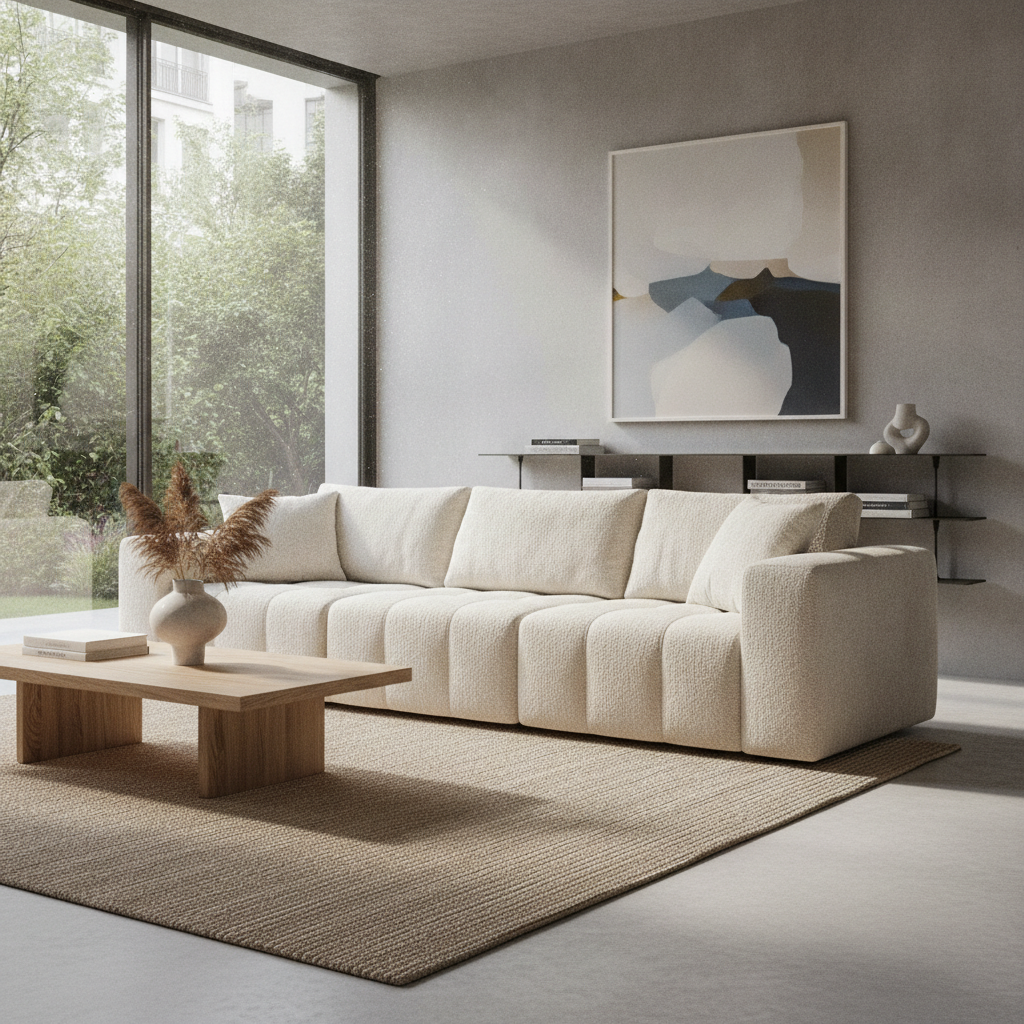
Future-Proof Your Living Room: Top Eco-Conscious Sofa Materials for 2026
Choosing a sofa means committing to a significant piece that anchors your living space. By 2026, the discussion around furniture isn’t just about comfort or style; it’s about environmental impact and longevity. A well-built, sustainably sourced sofa is a long-term investment. This guide cuts through the greenwashing, focusing on materials and construction that offer both responsible origins and lasting performance, ensuring your living room setup remains functional and relevant for years.
Beyond the Fabric: Understanding Sofa Construction
A sofa’s sustainability starts where you can’t see it – in its frame, springs, and internal cushioning. These elements dictate durability and overall environmental footprint.
The Frame: The Sofa’s Skeleton
The core structural component should be solid wood. Look for FSC-certified wood like kiln-dried birch, maple, or sustainable acacia. Kiln-drying removes moisture, preventing warping and cracking, a critical step for longevity. Avoid particleboard or engineered wood with high formaldehyde content; these off-gas VOCs and break down quickly. Steel frames, especially those using recycled content, are also durable options, offering a sleek profile often seen in modular designs. Joinery matters: dowels, screws, and corner blocks provide superior strength over staples and glue alone.
Springs and Suspension: Underpinning Comfort
For consistent support, sinuous springs made from recycled steel are common and effective. High-quality designs often feature eight-way hand-tied springs, where each coil is individually tied to its neighbors and the frame, distributing weight evenly. While more labor-intensive and expensive, this traditional method offers exceptional durability and a consistent sit over decades. Ensure any metal components are free from heavy metals and preferably made with recycled content.
Fillings: The Comfort Core
The interior cushioning heavily influences both comfort and eco-friendliness. Petroleum-based polyurethane foam (PU foam) is ubiquitous but less sustainable. For 2026, prioritize these alternatives:
- Natural Latex: Derived from rubber trees, natural latex foam is renewable, durable, hypoallergenic, and naturally resistant to dust mites. It provides buoyant, responsive support. Look for certifications like Oeko-Tex Standard 100 to ensure purity.
- Recycled Foam: Some manufacturers now use shredded, recycled PU foam. While still petroleum-based, it diverts waste from landfills. Verify its CertiPUR-US certification for low VOC emissions.
- Kapok: A silky, cotton-like fiber from kapok tree seed pods. It’s lightweight, naturally hypoallergenic, and sustainable. Kapok offers a softer, more yielding feel than latex.
- Wool: Naturally flame-resistant, breathable, and durable. Ethically sourced, non-mulesed wool is an excellent, resilient filling choice.
- Feather/Down: Offers a luxurious, sink-in feel. Ensure it’s ethically sourced and Responsible Down Standard (RDS) certified to avoid cruel practices. Often blended with other fills to maintain shape.
Eco-Conscious Fabric Categories for 2026
The fabric is your sofa’s first impression, but it’s also where durability, maintenance, and environmental impact intersect directly with daily use. Here’s what to look for.
Natural Fibers: The Tried and True (with a Twist)
These fibers offer breathability and a natural aesthetic. Durability is key; a rub count of 15,000 double rubs is suitable for light residential use, 20,000 for moderate, and 30,000+ for heavy-duty family spaces.
- Organic Cotton: Grown without synthetic pesticides or fertilizers, GOTS (Global Organic Textile Standard) certified organic cotton upholstery fabric is a clean choice. It’s soft and breathable, with a typical durability of 15,000-20,000 double rubs. It can be prone to wrinkling and staining without protective treatments.
- Linen: Made from flax, European Flax certified linen upholstery fabric is strong, absorbent, and cools well. It has a beautiful, relaxed drape. Expect 10,000-12,000 double rubs. Linen softens with age but wrinkles easily, which some find appealing.
- Hemp: Often considered one of the most sustainable fibers, hemp requires minimal water and no pesticides to grow. It’s exceptionally strong, offering 25,000+ double rubs, similar to commercial-grade textiles. Hemp upholstery fabric has a slightly coarse texture initially, softening considerably over time.
- Wool: Durable, naturally flame-resistant, and soil-resistant, wool is an excellent choice. Oeko-Tex certified wool ensures no harmful chemicals. It boasts a high rub count, often exceeding 30,000, and resists pilling well.
Innovative & Recycled Synthetics: Performance Meets Responsibility
For high-traffic areas or specific performance needs, modern synthetics offer sustainable options.
- Recycled Polyester (RPET): Crafted from post-consumer plastic bottles, recycled polyester upholstery fabric is durable, resistant to fading, and often water-repellent. Its rub counts can exceed 50,000, making it ideal for families with pets or children. The key is ensuring transparency in its production.
- Tencel/Lyocell: A regenerated cellulosic fiber made from sustainably sourced eucalyptus or beechwood pulp using a closed-loop process that recycles solvents. Tencel is incredibly soft, breathable, and has good durability (20,000-30,000 double rubs) with a silk-like sheen.
- Olefin (Eco-friendly processes): Traditionally petroleum-based, newer olefin manufacturing emphasizes recycled content and solution-dying, which uses less water and energy. It’s highly resistant to staining, moisture, and fading, often with rub counts above 50,000.
- PIÑATEX (Pineapple Leather): An innovative, vegan leather alternative made from pineapple leaf fibers. While not as durable as traditional leather for heavy upholstery, it’s a compelling option for accents or less-used pieces, emphasizing resourcefulness. Durability varies, and it requires a strong backing.
Ergonomics and Spatial Planning: Sofa Dimensions for 2026
A sustainable sofa isn’t just about materials; it’s about how it fits and functions within your room for its entire lifespan. Ergonomics and spatial relationships are paramount. Ignoring these leads to discomfort and premature replacement.
Seat Depth: Your Personal Fit
Consider who uses the sofa most. A standard seat depth ranges from 22 to 24 inches, providing good back support for average-height individuals. Lounge-style sofas with depths of 25 to 30 inches allow for curling up but can leave shorter users without adequate back support unless extra pillows are used. Ensure there’s sufficient room for your knees to bend naturally at the edge of the seat, with your feet flat on the floor.
Seat Height: Getting Up and Down
Optimal seat height is typically between 17 and 19 inches from the floor to the top of the cushion. This range allows most adults to rise comfortably without struggling. Lower sofas might look sleek but can be challenging for those with mobility issues or longer legs.
Armrest Height: Support and Proportion
Armrests should ideally be 7 to 9 inches above the seat cushion for comfortable arm support while sitting or reading. Visually, arm height contributes significantly to a sofa’s bulk. High, wide arms add visual weight and can make a room feel smaller; slim, low arms open up the space.
Clearance: Room to Breathe and Move
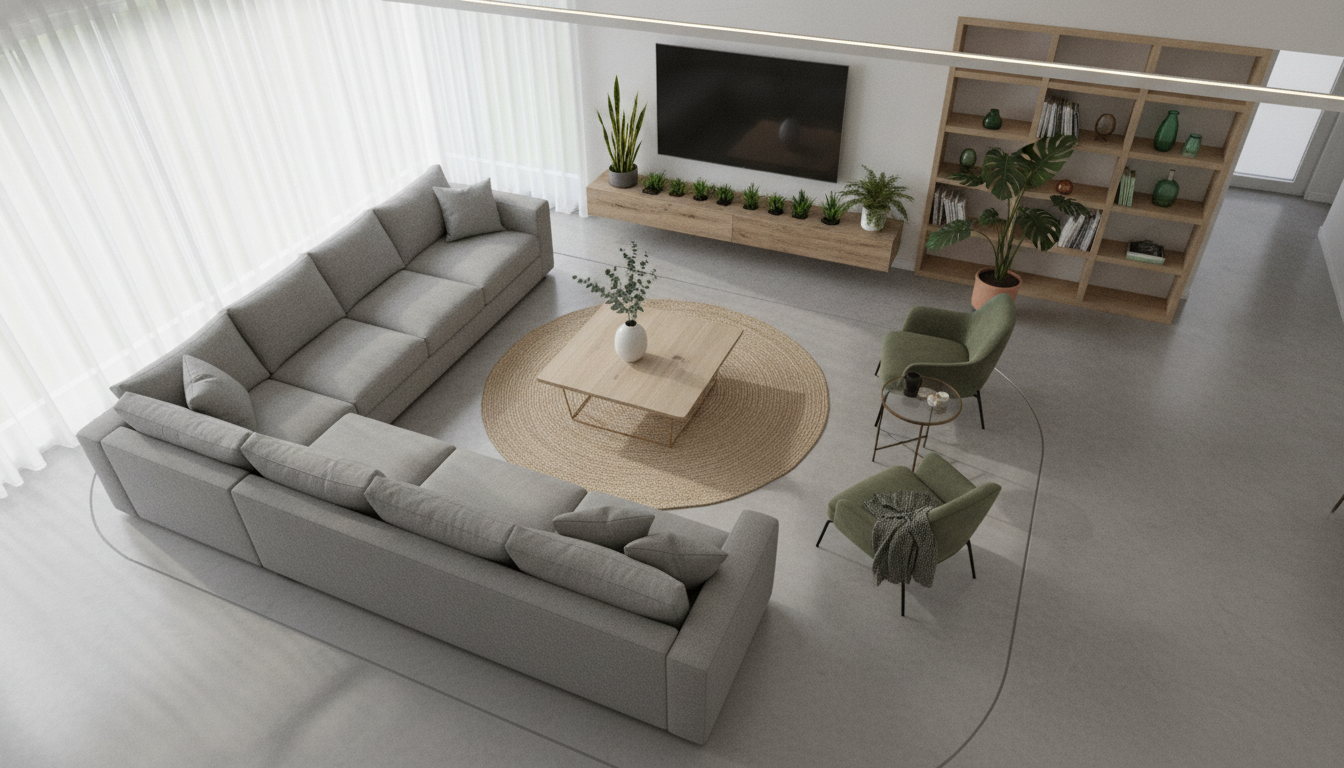
This is non-negotiable for functional spaces. You need a minimum of 30-36 inches of clear walk path around your sofa. Less than this creates bottlenecks, inhibits flow, and makes the room feel cramped. For coffee tables, aim for 18 inches of clearance between the sofa edge and the table. This allows for comfortable reach without obstruction.
Cushion Firmness: The ILD Rating
Cushion firmness, measured in Indentation Load Deflection (ILD), impacts long-term comfort and support:
- Soft (10-18 ILD): Provides a deep, sink-in feel, ideal for lounging. May require more frequent fluffing.
- Medium (19-25 ILD): Offers a balanced blend of comfort and support, a good middle ground for most users.
- Firm (26+ ILD): Minimal sink, excellent posture support, and greater longevity for high-traffic use.
Match the sofa’s scale to the room’s volume. A massive sectional in a tight space overwhelms. A petite two-seater in a vast room disappears. Aim for proportionality; the sofa should fill its zone without dictating the entire room’s function or walk paths. Consider how much natural light the sofa might block, especially if it has a high back. Remember, good design enables movement and interaction, not restricts it.
Practical Trade-Offs: Eco-Sofa Material Comparison
Choosing an eco-conscious sofa involves weighing different factors. This table outlines the practical trade-offs for some of the best sustainable options:
| Material | Durability (Rub Count) | Comfort | Eco-Benefit | Maintenance | Cost |
|---|---|---|---|---|---|
| Organic Cotton | 15,000-20,000 | Medium soft, breathable | Renewable, less chemicals in production | Moderate, can stain | Medium |
| Hemp | 25,000+ | Firm, softens significantly | Renewable, low water/pesticide use | Low, durable | Medium-High |
| Recycled Polyester | 30,000-50,000+ | Medium firm, versatile | Recycles plastic waste, UV/stain resistant | Low, easy to clean | Medium |
| Tencel/Lyocell | 20,000-30,000 | Soft, smooth, drapes well | Closed-loop production, sustainable wood pulp | Moderate, can wrinkle | Medium-High |
| Wool | 30,000+ | Medium soft, resilient | Renewable, naturally flame/soil resistant | Moderate, occasional pilling | High |
| Natural Latex (Fill) | High resilience, 15+ years | Medium-Firm, buoyant | Renewable, hypoallergenic, no off-gassing | Low (internal) | High |
The Longevity Factor: Why Durability is Core to Sustainability
The most eco-friendly sofa is the one you don’t have to replace for a very long time. This is where durability directly links to sustainability. A sofa built to last 15-20 years dramatically reduces its lifetime environmental impact compared to one that needs replacing every 5-7 years.
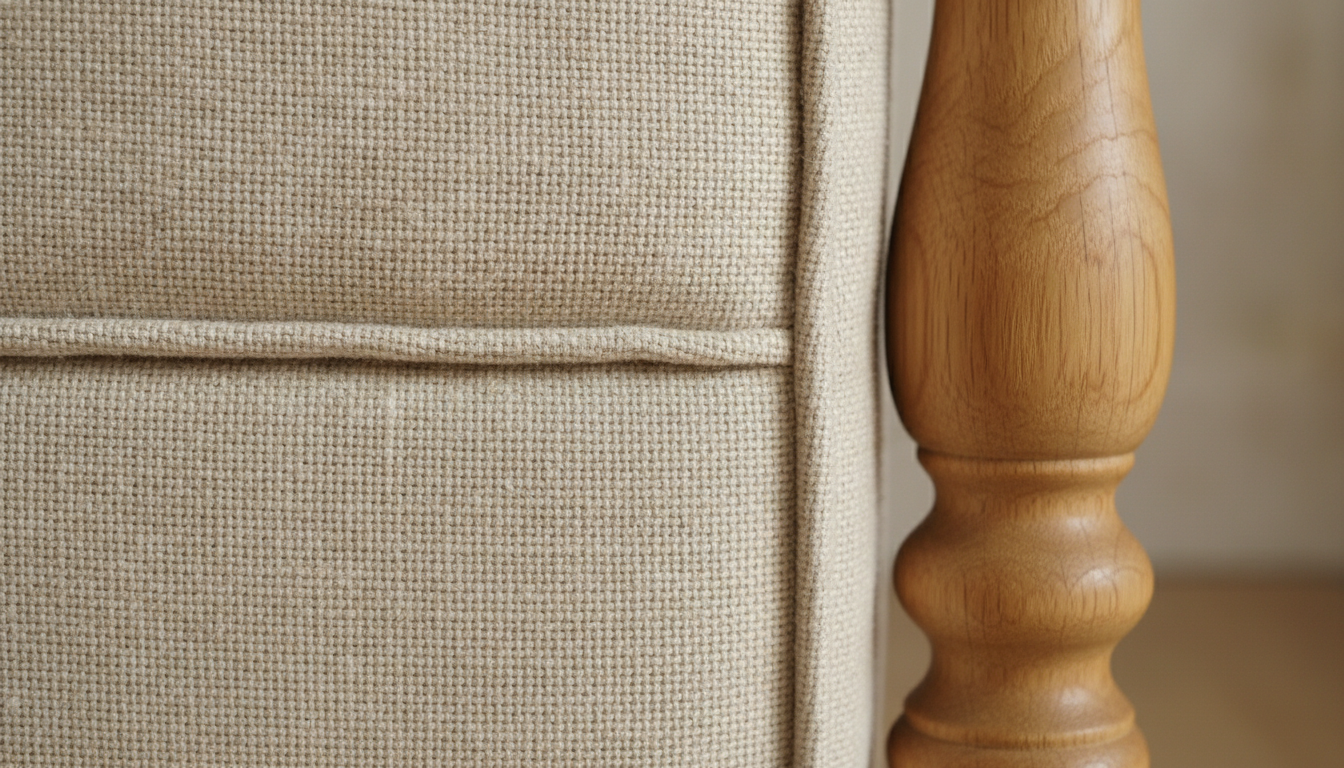
Beyond the materials, manufacturing quality plays a crucial role. A frame constructed with kiln-dried hardwoods, secured with interlocking joints, dowels, and screws, will outperform one simply stapled and glued. High-density cushioning, whether natural latex foam or quality recycled foam, retains its shape and support for years. Fabric that withstands 30,000+ double rubs won’t show wear prematurely. These aren’t just details; they’re the difference between a disposable item and a lasting piece of architecture for your home. It’s a pragmatic approach to consumption: buy better, buy once. Consider the integrity of the stitching, the tightness of the upholstery, and the finish of exposed wooden legs. These are indicators of overall craftsmanship that contribute to enduring quality.
Maintenance and Care for Eco-Friendly Sofas
Even the most durable eco-friendly sofa requires thoughtful care to maximize its lifespan. Regular maintenance isn’t just about aesthetics; it protects your investment and preserves its functionality.
- Spot Cleaning: Address spills immediately. Use a clean, damp cloth and blot, don’t rub. For stubborn marks, consult the fabric’s care label or use a mild, eco-friendly cleaner specifically formulated for your material.
- Professional Cleaning: Depending on fabric type and use, professional cleaning every 1-2 years can extend the life of your upholstery. Ensure the cleaners use non-toxic, dry cleaning methods where appropriate.
- Sunlight Exposure: Direct sunlight can fade even the most durable fabrics. Rotate cushions and periodically rearrange your room layout if possible to distribute light exposure. Consider UV-protective window films or blinds for south-facing windows.
- Cushion Rotation: To ensure even wear and maintain cushion shape, rotate and flip all reversible cushions weekly or bi-weekly. This is especially critical for natural fills like kapok or feather/down, which can compact unevenly.
- Vacuuming: Regular vacuuming with an upholstery attachment removes dust, dirt, and pet hair, preventing grime from embedding into the fibers. Do this weekly to prevent buildup.
FAQ: Your Eco-Conscious Sofa Questions Answered
What certifications should I look for when buying an eco-conscious sofa?
Prioritize certifications that ensure transparency and verify sustainable practices. Key ones include: FSC (Forest Stewardship Council) for responsibly harvested wood; GOTS (Global Organic Textile Standard) for organic cotton and other natural fibers; Oeko-Tex Standard 100 for textiles tested for harmful substances; Greenguard Gold for low chemical emissions, particularly for glues and finishes; and CertiPUR-US for polyurethane foams certified for content, emissions, and durability, if you opt for recycled foam.
Are eco-friendly sofas more expensive?
Initially, yes, eco-friendly sofas often carry a higher price point. This reflects the cost of sustainably sourced materials, ethical labor practices, and more meticulous construction techniques. For example, natural latex foam or FSC-certified hardwoods are pricier than conventional alternatives. However, this upfront cost is offset by significantly enhanced durability and longevity. You’re investing in a product designed to last for decades, reducing the need for frequent replacements and minimizing its overall environmental footprint. Consider it a long-term value proposition.
How do I know if a sofa’s filling is truly eco-friendly?
Scrutinize product descriptions and ask for specifics. Look for clear statements about natural materials like natural latex, kapok, or ethically sourced wool/down. If foam is used, confirm it’s recycled and CertiPUR-US certified, indicating it’s made without ozone depleters, PBDEs, mercury, lead, or heavy metals. Be wary of vague terms like “eco-foam” without specific certifications or material breakdowns. A transparent manufacturer will readily provide details on their filling components and their environmental credentials.
Making an informed decision on a sofa for 2026 means prioritizing materials and construction that serve both your comfort and the planet. It’s a pragmatic choice, ensuring a functional, beautiful, and responsible centerpiece for your living space for years to come.
Related posts -
 Beyond the Vacuum: Advanced Sofa Care Routines for 2026’s High-Tech & Luxury Fabrics
 Multigenerational Marvels: Designing Inclusive Sofa Spaces for Every Age in 2026
 Crafted for Keeps: Exploring Ultra-Durable & Recycled Materials in 2026 Sofa Design
 The Longevity Lab: Investing in Your Premium Sofa’s Future (2026 Guide)