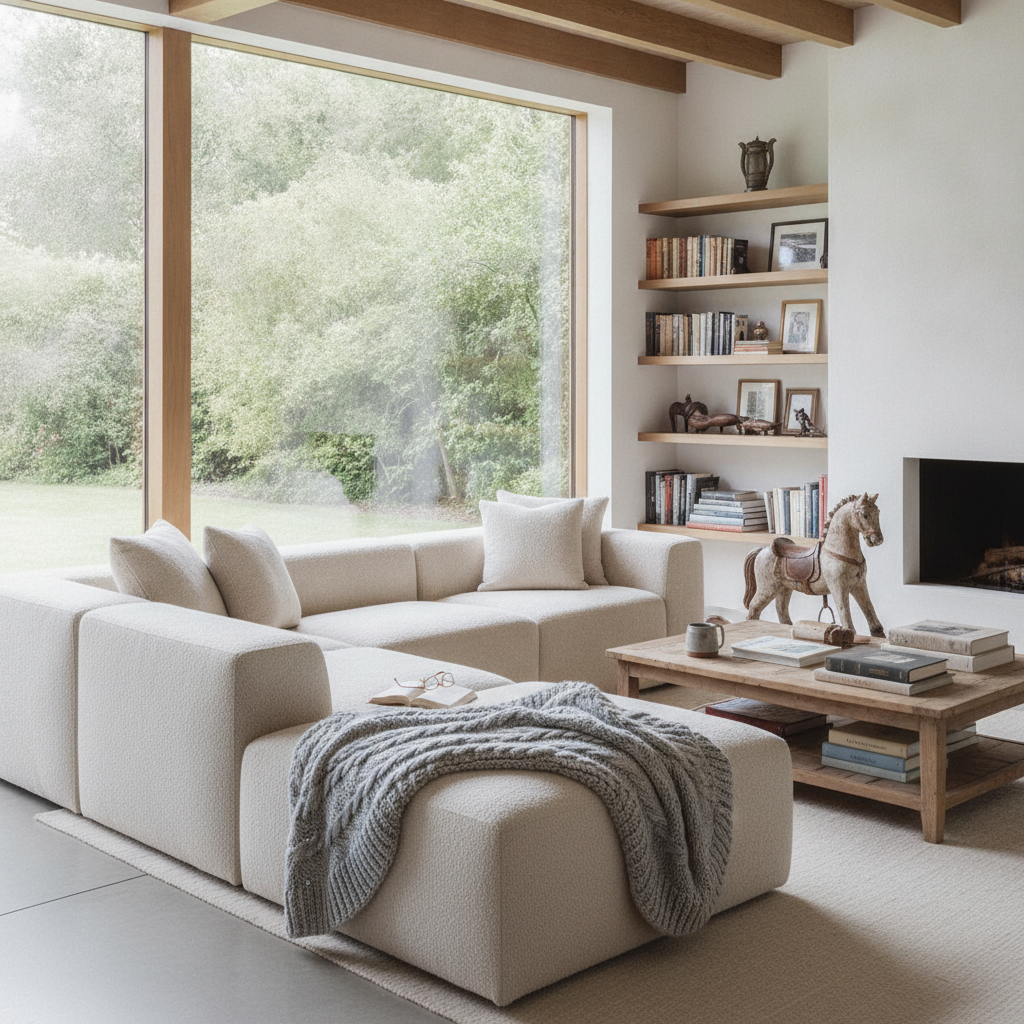
Harmonious Lounging: Selecting Sofas for Multigenerational Homes – 2026 Edition
Choosing a sofa for a home where grandparents, parents, and children all share space presents a unique challenge. You need durability for active kids, support for older adults, and comfort for everyone in between. It’s about more than just aesthetics; it’s about engineering, materials, and smart design. This 2026 guide cuts through the marketing fluff to get to the structural integrity and practical considerations that truly matter for sofas in multigenerational homes.
Frame First: The Foundation of Longevity
The frame is the skeleton of your sofa, and its quality dictates the piece’s lifespan and repairability. You’ll find a few common types, but not all are created equal when it comes to standing up to years of varied use.
Kiln-Dried Hardwood
Kiln-dried hardwood, like birch, maple, or oak, is the gold standard. The kiln-drying process removes moisture, preventing warping and cracking over time. This is crucial for stability, especially when dealing with varying weights and movements from different family members.
Engineered Wood (Plywood)
High-quality engineered wood, particularly 11-13 ply hardwood plywood, can be a decent alternative. It’s stable and resistant to warping, offering a good balance of cost and durability. Look for panels that are at least 3/4 inch thick. Avoid chipboard or particleboard frames; these materials break down quickly and aren’t designed for repair.
Joinery: What Holds It Together
- Mortise-and-Tenon & Dowels: These are the strongest and most repairable joints. A mortise-and-tenon joint involves a projection (tenon) on one piece fitting into a hole (mortise) on another, often secured with glue and sometimes screws. Dowel joints use cylindrical pins to connect two pieces. When properly glued and reinforced with corner blocks, they create an incredibly sturdy frame that can withstand significant stress.
- Corner Blocks: Always look for corner blocks, either glued and screwed or, even better, doweled into place. They provide critical reinforcement at stress points.
- Screws & Glue: Acceptable when used in conjunction with stronger joinery like dowels or mortise-and-tenon. They shouldn’t be the sole method of attachment.
- Staples & Nails: If you see staples as the primary form of joinery, walk away. They offer minimal structural integrity and will loosen over time, leading to a wobbly, irreparable frame. Staples are fine for attaching fabric or webbing, but never for holding the frame itself together.
Suspension Systems: Underneath the Comfort
The suspension system provides the support for your cushions and, ultimately, your body. It needs to be robust enough to handle varying weights without sagging prematurely.
- Eight-Way Hand-Tied Springs: This is the benchmark for comfort and durability, though it comes at a higher price. Each coil spring is individually tied in eight directions, distributing weight evenly and preventing sagging. It’s the most labor-intensive and resilient method, offering consistent support for decades.
- Sinuous Springs (No-Sag Springs): These S-shaped steel wires are zigzagged across the frame and secured with clips. They offer good support and are more affordable than eight-way hand-tied. Good sinuous springs are at least 8-gauge steel, spaced no more than a few inches apart, and reinforced with a sturdy cross-bar. They’re generally robust enough for a multigenerational household if well-constructed.
- Webbing: Elastic webbing (often made of Pirelli webbing) provides decent support for lighter use but tends to stretch and lose its elasticity over time. It’s less ideal for a high-traffic sofa where multiple generations will be sitting daily, as it can lead to premature sagging.
Cushion Core: Support and Softness for Every Body
The internal composition of cushions dictates both comfort and how well they’ll stand up to heavy use. For multigenerational living, you need a balance of support, resilience, and softness.
- High-Density Foam: This is your workhorse. Look for foam with a density rating of 1.8 PCF (pounds per cubic foot) or higher. For exceptional durability and support, especially for older adults who benefit from firmer seating, aim for 2.0 PCF or even 2.5 PCF. Higher density foam maintains its shape and support for longer, resisting compression. It’s excellent for seat cushions. You can search for high-density upholstery foam to see options.
- Foam with Dacron Wrap: A layer of synthetic fiber (Dacron) wrapped around a foam core adds a softer feel and helps the cushion maintain its loft without being excessively soft. It’s a common, good compromise.
- Down/Feather Blends: These offer luxurious softness but require frequent fluffing to maintain their shape. They can be problematic for older individuals who need firm support to get up easily, or for those with allergies. Often best used for back cushions, not primary seat cushions in a high-traffic setting.
- Memory Foam: While offering excellent pressure relief, pure memory foam can be too soft and make it difficult for some individuals to move or get out of the sofa. It’s often better integrated as a top layer over a high-density foam core rather than as the sole cushion material.
- Polyester Fiberfill (Batting): This is the least durable option and prone to flattening quickly. It’s usually found in less expensive furniture and isn’t suitable for primary seating in a busy home.
Dimensions and Ergonomics for All Ages
Getting the right dimensions is critical for comfort and accessibility across different age groups. Consider how each family member will interact with the sofa.
- Seat Depth: A standard seat depth of 21-23 inches usually works well. Anything deeper, like 24-25 inches, can be uncomfortable for shorter individuals or make it harder for seniors to get up without assistance. For children, a slightly shallower seat might be preferred, but adult comfort usually takes precedence. A medium depth offers the most compromise.
- Seat Height: Aim for a seat height between 18 and 20 inches from the floor to the top of the cushion. This allows most adults to place their feet flat on the floor, which is important for circulation and ease of standing. Too low (under 17 inches) or too high (over 21 inches) can be challenging.
- Arm Height and Width: Arms that are between 23-27 inches high and relatively flat and wide offer excellent support for pushing oneself up. Wider arms also provide a convenient surface for a book or a remote.
- Backrest Height: A higher backrest (30-36 inches from the seat) provides better head and neck support, which is often appreciated by taller individuals and older adults.
- Clearance Underneath: For ease of cleaning and potential accommodation of mobility aids (like certain walkers), consider a sofa with at least 4-6 inches of clearance underneath.
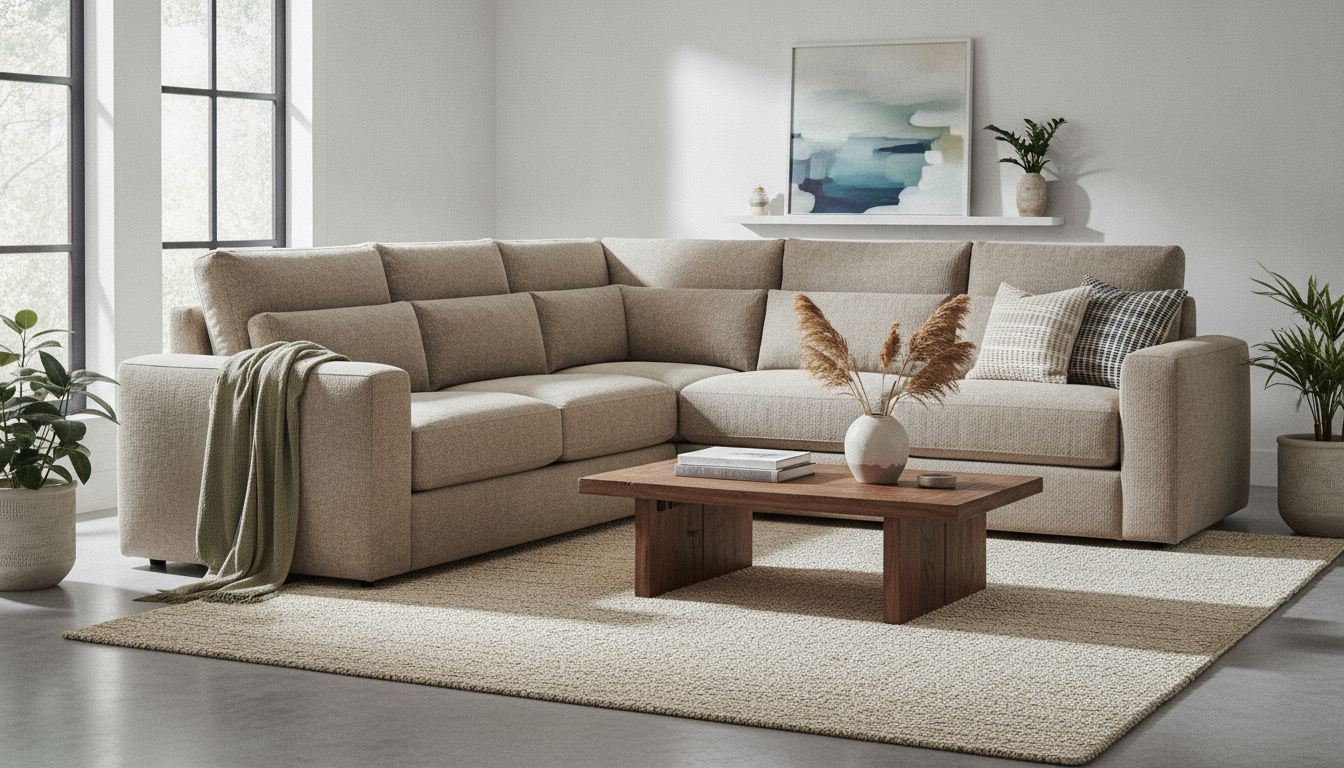
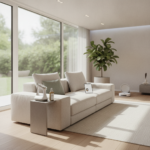
A well-proportioned sofa integrates seamlessly into a comfortable, inviting living space.
Fabric Choices: Durability Meets Comfort
The exterior fabric needs to be resilient, easy to clean, and comfortable to the touch. This is where practicality often trumps fleeting trends.
Performance Fabrics
For multigenerational homes, performance fabrics are practically non-negotiable. Look for materials with high rub counts:
- Wyzenbeek Test: Measures back-and-forth rubs. For heavy-duty residential use, aim for 15,000 double rubs or more. For commercial-grade durability, you’d want 30,000+.
- Martindale Test: Measures circular rubs. For heavy-duty residential use, aim for 20,000 cycles or more. For commercial use, 30,000+ is common.
Specific fabric types:
- Polyester Blends: Often engineered for durability, stain resistance, and colorfastness. Many performance fabrics like Crypton or Sunbrella are polyester-based and excellent choices for resisting spills and wear. They’re typically soft and don’t pill easily.
- Nylon Blends: Known for strength and elasticity. Often blended with other fibers to enhance durability and feel.
- Olefin (Polypropylene): Highly resistant to stains, moisture, and fading. It’s very durable but can sometimes feel a bit rougher than other performance fabrics.
- Microfiber: A dense weave, usually polyester, known for its soft feel and resistance to stains and spills. It’s often a good choice for homes with pets and children.
- Leather: While expensive, good quality, full-grain leather is incredibly durable and ages beautifully. It’s easy to wipe clean, which is a big plus for spills. Look for protected or semi-aniline leather for more stain resistance. Be mindful that lighter colors can show scratches more easily.
- Wool Blends: Offer natural durability and resistance to pilling. They can be very comfortable but may require professional cleaning.
Avoid delicate fabrics like silk, linen blends with low thread counts, or chenille unless it’s a very high-quality performance chenille. These won’t stand up to the rigors of a busy family home.
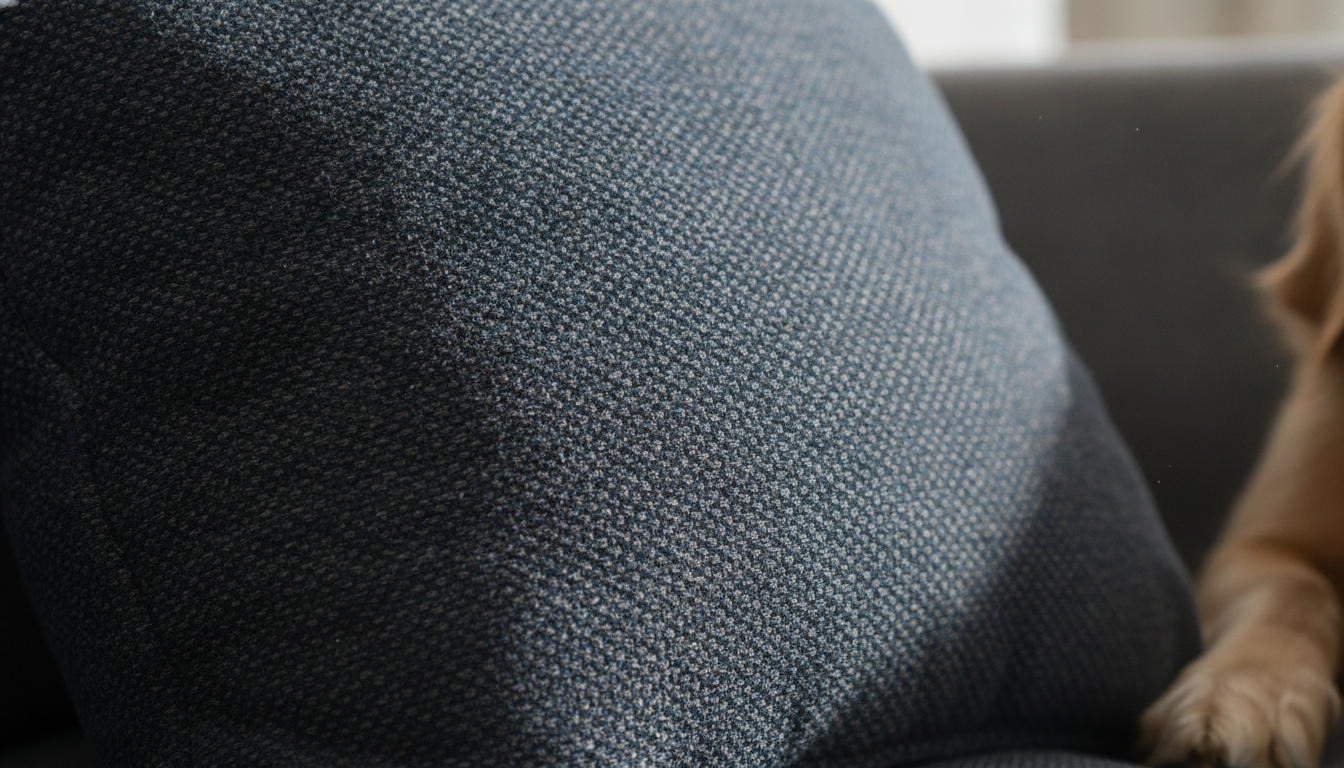
Selecting a durable, cleanable fabric is key for family life.
Layouts and Configurations: Adapting to Your Space
The layout needs to accommodate gathering, individual relaxation, and movement within the room.
- Sectionals: Offer flexible seating and can be great for large families. Look for modular sectionals that allow you to reconfigure pieces as needed. Ensure each section has robust connectors.
- Three-Seater Sofas with Armchairs: A classic approach that provides dedicated seating. This setup allows for easier movement and offers individual comfort zones.
- Loveseats & Chaises: Can supplement a main sofa or fit into smaller nooks. Chaises are popular for lounging but can sometimes limit seating capacity if not integrated well.
- Recliners: While often comfortable for older adults, integrated recliners can compromise the overall frame integrity if not extremely well-built. Separate recliners or recliner chairs might be a better option for repairability and longevity.
Multigenerational Sofa Selection: Key Trade-offs
| Feature | Benefit (Multi-Gen) | Drawback | Recommendation |
|---|---|---|---|
| Frame Joinery: Kiln-Dried Hardwood w/ Mortise-Tenon/Dowels | Maximum durability, repairable, stable for all weights, no squeaks. | Higher upfront cost, can be heavier to move. | Essential. Non-negotiable for long-term value. |
| Cushion Type: 2.0+ PCF High-Density Foam w/ Dacron Wrap | Excellent support, maintains shape, easier to stand up from, comfortable. | Can feel initially firm to some, less ‘sink-in’ feel. | Strongly recommended. Balance of support and comfort. |
| Fabric Durability: Performance Fabric (30k+ Martindale/15k+ Wyzenbeek) | Stain/spill resistance, easy cleaning, resists wear from pets/kids. | Can sometimes feel synthetic, fewer natural fiber options at this level. | Highly recommended. Reduces maintenance, extends life. |
| Seat Depth: 21-23 Inches | Accommodates average adults and seniors for easy standing, comfortable for most. | May not be deep enough for extreme loungers, a bit deep for very small children. | Optimal balance. Provides universal comfort. |
| Sofa Type: Modular Sectional or 3-Seater + Armchairs | Flexible seating, adapts to different activities, individual comfort. | Modular can be pricier, fixed sofas can be less adaptable to room changes. | Consider modular for flexibility. Or classic setup for defined spaces. |
| Seat Height: 18-20 Inches | Allows feet to touch floor for most adults, aids in standing for seniors. | May feel tall for very short individuals or small children. | Ideal. Prioritizes ergonomic accessibility. |
Maintenance & Repairability: A Long-Term View
Even the best sofa will need some attention over its life. Choosing a piece with ease of maintenance and repair in mind pays dividends.
- Removable Cushion Covers: If the covers can be unzipped and machine-washed (check care instructions!), it simplifies cleaning greatly. This is a lifesaver with kids and pets.
- Access to Frame: Good upholstery work means you can sometimes access the frame for minor repairs or spring tightening without completely deconstructing the sofa. While not a common feature to look for, a craftsman can usually tell how repairable a piece is.
- Reversible Cushions: Fluffing and rotating cushions regularly (at least every few months) helps distribute wear evenly, extending their life. Reversible cushions double their lifespan.
- Solid Legs: Screw-in legs are fine if they attach securely to a solid block within the frame, not just the bottom plywood. Hardwood legs are always preferable to plastic.
Conclusion
Selecting sofas for multigenerational homes in 2026 demands a thoughtful approach that prioritizes structural integrity, adaptable comfort, and lasting durability. Don’t compromise on the frame or suspension; these are the core elements. Focus on high-density foam for support, and performance fabrics for practicality. By considering these craft-oriented details, you’ll invest in a sofa that truly serves every generation, providing harmonious lounging for years to come.
FAQ
What’s the best seat depth for a sofa used by both seniors and children?
The sweet spot for seat depth is typically 21-23 inches. This allows most adults and seniors to sit with their feet flat on the floor and stand up comfortably. While it might be a bit deep for very small children, it’s generally the best compromise for the majority of users in a multigenerational household.
Which fabric offers the most durability and ease of cleaning for a busy family?
Performance fabrics like polyester blends (e.g., Crypton, Sunbrella), nylon blends, olefin, or microfiber are your best bet. They boast high rub counts (look for 30,000+ Martindale or 15,000+ Wyzenbeek) for wear resistance and are often treated to repel stains and spills, making them easy to wipe clean. High-quality protected leather is also an excellent, durable, and cleanable option.
Should I prioritize modularity or a fixed sofa for flexibility?
If your living space needs to adapt to different activities, guest numbers, or even future room layouts, a modular sectional offers superior flexibility. It allows you to reconfigure seating arrangements as needed. However, a well-built, fixed 3-seater sofa paired with individual armchairs can also provide excellent flexibility in terms of movement and dedicated comfort zones, often at a potentially lower cost or with a more traditional aesthetic.
Related posts -
 Smart Living, Smarter Sofas: Maximizing Small Apartments with Innovative Modular Design in 2026
 Small Space, Big Style: The Ultimate Guide to Luxury Sofas for Compact Apartments in 2026
 The Smart Sofa Cleanse: Leveraging Tech & Eco-Solutions for Modern Fabric Care 2026
 Beyond Bouclé: Exploring the Hottest Tactile Sofa Textures for 2026 Interiors