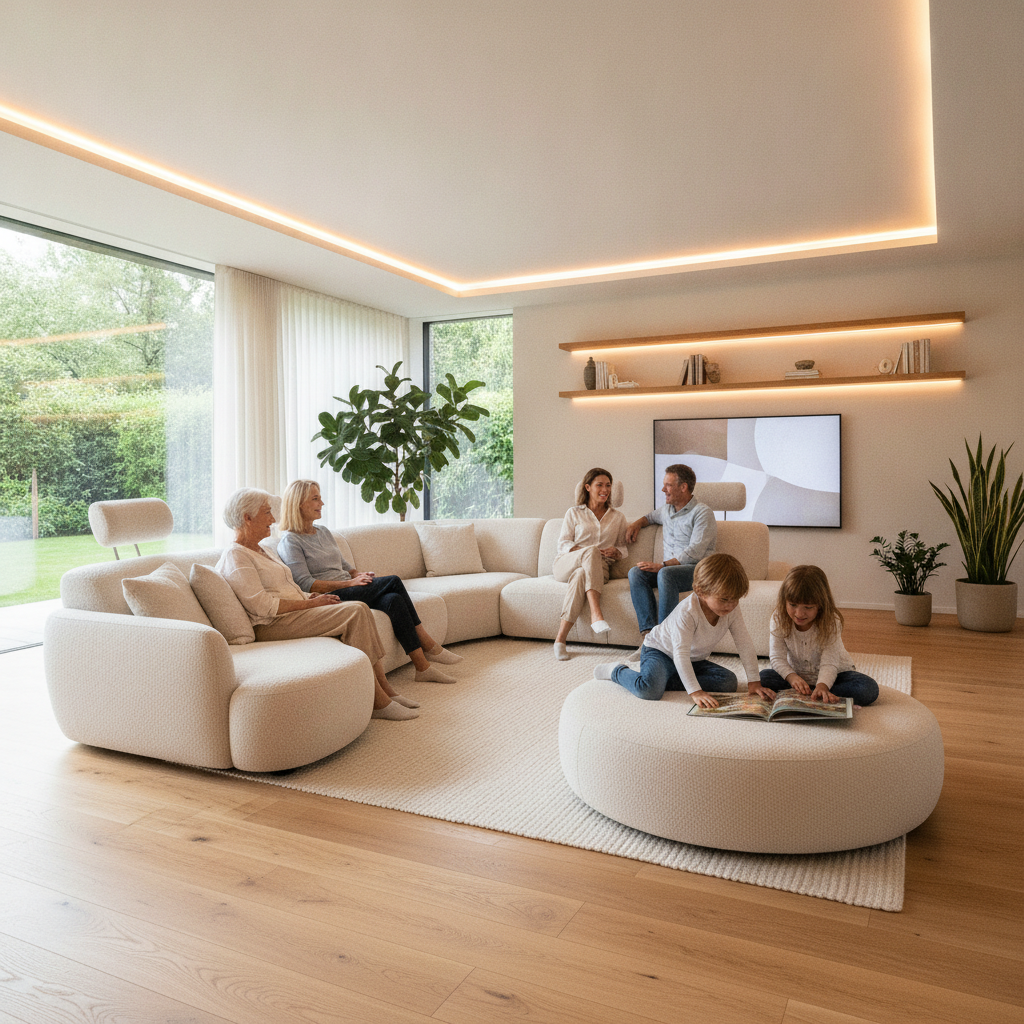
Wellness Lounging: Designing Multigenerational Living Rooms with Ergonomic Sofas for 2026
The modern home is evolving. As families embrace multigenerational living, the demand for spaces that cater to diverse needs and ages has never been higher. At the heart of this transformation lies the living room – a central hub for relaxation, connection, and shared experiences. But how do you create a space that offers universal comfort and support, from toddlers to grandparents? The answer, increasingly, points to the power of ergonomic sofas for multigenerational homes.
Forget the days of sacrificing comfort for style, or vice versa. The future of lounging is about holistic well-being, where every piece of furniture contributes to a healthier, happier lifestyle. In this comprehensive guide, we’ll delve into the art and science of designing wellness-focused living rooms, with a keen eye on selecting the perfect ergonomic sofas that empower every family member to relax in optimal comfort.
The Rise of Multigenerational Living and Its Design Imperatives
Multigenerational households, where grandparents, parents, and children live under one roof, are a growing trend globally. This arrangement offers numerous benefits, from shared expenses and childcare support to stronger family bonds and cultural preservation. However, it also presents unique design challenges, particularly in shared spaces like the living room.
A sofa that works for a twenty-something might not offer the same support for a seventy-year-old with joint pain, or a child who needs a sturdy surface for play. This is where the concept of ‘wellness lounging’ comes into play – designing spaces and selecting furniture that prioritize physical comfort, emotional well-being, and functional adaptability for all users. The right ergonomic sofas multigenerational homes will thrive with are key to achieving this.
Understanding Ergonomics: More Than Just ‘Comfortable’
Ergonomics is the science of designing and arranging things people use so that the people and things interact most efficiently and safely. For sofas, this means much more than just a soft cushion. An ergonomic sofa is engineered to support the natural curves of the body, distribute weight evenly, and promote good posture, whether you’re sitting upright, reclining, or even napping. This is crucial when considering ergonomic sofas for multigenerational families.
Key Ergonomic Features to Look For:
- Lumbar Support: A well-designed sofa will offer support for the lower back, maintaining the spine’s natural S-curve and preventing slouching.
- Adjustable Headrests and Footrests: These features allow individuals to customize their seating position, providing optimal support for various body types and activities (e.g., reading, watching TV, napping). Many modern designs incorporate power recline and adjustable headrests for effortless customization.
- Appropriate Seat Depth and Height: The ideal seat depth allows you to sit with your back against the backrest and your feet flat on the floor, with a slight gap between the front edge of the seat and the back of your knees. Seat height should allow for a comfortable 90-degree bend at the hips and knees.
- Supportive Cushioning: While softness is appealing, truly ergonomic cushions offer a balance of plush comfort and firm support. High-density foam, memory foam, or pocket springs are often superior to traditional, less supportive fillings.
- Sturdy Armrests: Armrests should be at a comfortable height to support the arms and shoulders, preventing strain. They can also aid in getting up and sitting down, a vital feature for those with mobility challenges.
Key Considerations for Multigenerational Ergonomic Sofas
When selecting ergonomic sofas multigenerational living rooms, several factors beyond basic ergonomics come into play. These considerations ensure longevity, ease of use, and adaptability for all ages.
1. Durability and Maintenance
A sofa in a multigenerational home will likely see heavy use. Look for robust construction, such as kiln-dried hardwood frames, reinforced joints, and high-quality upholstery fabrics that can withstand spills, pet hair, and general wear and tear. Performance fabrics like microfiber, solution-dyed acrylics, or treated leathers are excellent choices for their stain and abrasion resistance.
For example, a Stain Resistant Sectional Sofa can be a game-changer for busy families.
2. Accessibility: Height and Depth
Accessibility is paramount. Sofas that are too low or too deep can be difficult for older adults or those with mobility issues to get in and out of. Conversely, a sofa that’s too high might be uncomfortable for children. Modular designs or those with adjustable leg heights can offer greater flexibility. A medium seat height (around 18-20 inches) is often a good compromise.
3. Versatility and Modularity
Modular sofas are a dream come true for multigenerational living. They allow you to reconfigure the layout to suit different activities or changing family dynamics. Need more seating for a movie night? Add a chaise. Want to create separate conversation zones? Divide the sections. This adaptability ensures your investment remains functional for years to come. Consider a Modular Sectional Sofa for ultimate flexibility.
4. Style and Aesthetics
While function is crucial, aesthetics should not be overlooked. Modern ergonomic sofas come in a vast array of styles, colors, and materials. Choose a design that complements your home’s existing decor and creates a harmonious, inviting atmosphere. Neutral colors often work best as a base, allowing you to add pops of color and texture with throw pillows and blankets.
5. Fabric Choices for Comfort and Longevity
The right fabric can significantly impact comfort and durability. Beyond stain resistance, consider:
- Breathability: Natural fibers like cotton or linen blends can be cooler in warmer climates.
- Softness: Velvets or chenille can add a luxurious, comforting touch, but ensure they are durable.
- Hypoallergenic Properties: For families with allergies, consider fabrics that are easy to clean and less prone to trapping dust mites.
Designing Your Wellness Living Room for 2026
Integrating ergonomic sofas multigenerational households will love is just one piece of the puzzle. The overall design of your living room plays a vital role in fostering wellness and functionality.
Layout Strategies: Creating Zones
Think about creating distinct zones within your living room. A primary seating area with your ergonomic sofa for family gatherings, a quiet reading nook with a comfortable armchair, and an open space for children’s play or exercise can all coexist harmoniously. Ensure clear pathways for easy navigation, especially for those with mobility aids.
A Ergonomic Recliner Chair can perfectly complement your main sofa, providing an individualized comfort zone.
Lighting and Ambiance
Good lighting is essential for all ages. Incorporate a mix of ambient, task, and accent lighting. Dimmers allow you to adjust the brightness for different activities and times of day. Natural light is always preferred, so ensure windows are not obstructed.
Integrating Smart Home Technology for Enhanced Comfort
Smart home features can significantly enhance wellness. Voice-controlled lighting, automated blinds, and smart thermostats can create an effortless, comfortable environment for everyone. Some advanced ergonomic sofas even integrate smart features, allowing you to adjust recline settings or heating elements via an app or voice command.
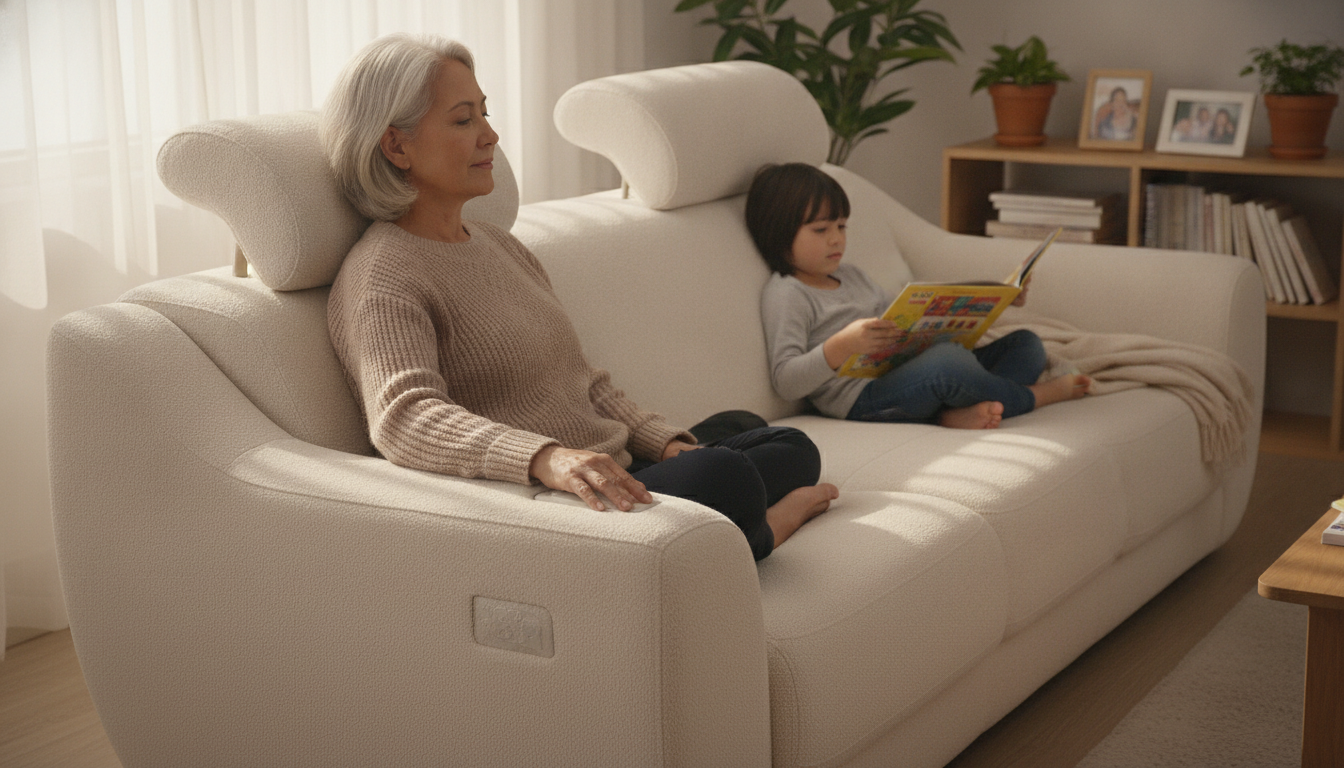
Top Picks for Ergonomic Sofas for Multigenerational Homes
While specific models change, here are types of ergonomic sofas multigenerational families consistently find beneficial:
- The Power Reclining Sectional: Offering individual recline controls, USB charging ports, and sometimes adjustable headrests, these provide personalized comfort for everyone. Look for a Power Reclining Sectional Sofa with sturdy construction.
- The Modular Sofa with Adjustable Backrests: These highly adaptable pieces can be reconfigured endlessly. Some even feature backrests that can be moved or tilted for different lumbar support needs. A Modular Sofa with Adjustable Backrest is ideal for dynamic spaces.
- The Sofa with Memory Foam and Pocket Springs: This combination offers the perfect blend of contouring comfort and underlying support, adapting to different body weights and shapes. Search for a Memory Foam Pocket Spring Sofa for superior seating.
- The Lift-Assist Sofa: For homes with elderly family members or those with mobility challenges, a sofa with a gentle lift mechanism can be invaluable, providing assistance when standing up. Consider a Power Lift Sofa for enhanced accessibility.
Comparison Table: Ergonomic Sofa Options for Multigenerational Living
To help you visualize your options, here’s a quick comparison of popular ergonomic sofa types suitable for diverse family needs:
| Sofa Type | Key Ergonomic Benefits | Multigenerational Suitability | Considerations |
|---|---|---|---|
| Power Reclining Sectional | Independent recline, lumbar support, headrest adjustability, footrest elevation. | Excellent. Caters to individual comfort needs simultaneously. | Higher cost, can be bulky, requires power outlet access. |
| Modular Sofa with Moveable Backrests | Configurable layout, adjustable backrest angles for varied lumbar support. | Very good. Adapts to different activities and body types. | May require manual adjustment, not all offer footrests. |
| Memory Foam & Pocket Spring Sofa | Superior contouring, pressure relief, balanced support. | Excellent. Accommodates various body shapes and weights. | Can retain heat, initial off-gassing possible. |
| Lift-Assist Sofa | Motorized lift for easy standing, often includes recline. | Specialized excellent. Crucial for limited mobility users. | Design can be more utilitarian, often single or dual seat. |
| Deep Seat Sofa with Firm Cushions & Throw Pillows | Accommodates long legs, firm base for good posture, customizable support with pillows. | Good. Versatile with added support elements. | May need extra back pillows for shorter individuals. |
Maintenance and Longevity for Your Investment
Investing in high-quality ergonomic sofas for multigenerational use means you’ll want them to last. Regular care is essential:
- Vacuum Regularly: Keep upholstery clean from dust and crumbs.
- Spot Clean Spills Immediately: Use appropriate cleaners for your fabric type. A Fabric Upholstery Cleaner can be a wise investment.
- Rotate Cushions: If possible, rotate and flip cushions periodically to ensure even wear.
- Professional Cleaning: Consider professional cleaning every 1-2 years to extend the life of your sofa.
The Future of Wellness Lounging
As we look towards 2026 and beyond, the integration of health, comfort, and intelligent design in furniture will only deepen. Expect to see more personalized ergonomic features, sustainable materials, and technology that anticipates and adapts to user needs. The focus on holistic well-being in the home, particularly in shared spaces, is here to stay.
Designing a living room for a multigenerational family is an act of love and foresight. By prioritizing ergonomic sofas multigenerational members can all enjoy, you’re not just buying furniture; you’re investing in the comfort, health, and happiness of your entire family for years to come.
FAQ: Your Questions About Ergonomic Sofas for Multigenerational Living Answered
Q1: What exactly makes a sofa “ergonomic” for a diverse family?
An ergonomic sofa for a diverse family goes beyond basic comfort. It means the sofa is designed to support the natural posture of various body types and ages. Key features include good lumbar support, appropriate seat depth and height (or adjustability), sturdy armrests that aid in standing, and supportive yet comfortable cushioning. For multigenerational homes, adjustability (like power recline or movable backrests) and durable, easy-to-clean fabrics are crucial.
Q2: Are ergonomic sofas always expensive?
Not necessarily. While high-end ergonomic sofas with advanced features can be a significant investment, there are options across various price points. The cost depends on factors like materials, brand, features (e.g., power recline, modularity), and upholstery. It’s an investment in health and comfort that can pay off in reduced strain and increased well-being for all family members.
Q3: How do I choose the right seat depth and height for multiple generations?
This is a common challenge. For mixed ages, aim for a medium seat height (around 18-20 inches from the floor) and a depth that allows an average adult to sit with their feet flat and back supported. Modular sofas or those with adjustable legs offer more flexibility. For shorter individuals, consider adding decorative lumbar or foot pillows. For taller members, a slightly deeper seat may be preferred, or look for sofas with adjustable backrests.
Q4: What are the best fabrics for an ergonomic sofa in a family home with kids and pets?
For durability and ease of maintenance in a busy multigenerational home, look for performance fabrics. Microfiber, solution-dyed acrylics (like Sunbrella), treated polyester blends, or even certain types of genuine or faux leather are excellent choices. They are often stain-resistant, abrasion-resistant, and easy to clean. Avoid delicate fabrics like silk or untreated linen, which can be prone to damage and difficult to maintain.
Q5: Can I make my existing sofa more ergonomic for my multigenerational family?
Yes, to some extent! You can add lumbar support pillows, use firm seat cushions or foam inserts if your current cushions are sagging, and place footstools or ottomans for leg support. A Lumbar Support Pillow can make a big difference. While it won’t replicate a fully ergonomic design, these additions can significantly improve comfort and support. For elderly family members, a lift-assist cushion can be placed on an existing sofa to aid in standing.
Related posts -
 The Smart Sofa Cleanse: Leveraging Tech & Eco-Solutions for Modern Fabric Care 2026
 Small Space, Big Style: The Ultimate Guide to Luxury Sofas for Compact Apartments in 2026
 Beyond Bouclé: Exploring the Hottest Tactile Sofa Textures for 2026 Interiors
 Smart Living, Smarter Sofas: Maximizing Small Apartments with Innovative Modular Design in 2026