Paw-fectly Durable: The Ultimate Guide to Pet-Friendly Sofas That Last in 2026
Picking a new sofa when you share your home with furry friends isn’t about finding the prettiest piece. It’s about damage control. You need something that won’t show every claw mark, repel pet hair like a force field, and clean up easily after an inevitable accident. Forget delicate silks or loose weaves; those are just an open invitation for destruction. We’re talking real-world durability for 2026, not just marketing speak.
Form & Function: Dimensions That Matter
Before you even think about fabric, consider the sofa’s bones and how it sits in your apartment. Stairwell navigation is often the first hurdle, so always measure your doorways and stairwells. Look for sofas with removable legs or modular designs if you live in an older building with tight turns.
Seat Depth & Clearance for Critters
A good seat depth is around 22-24 inches. Too shallow, and your bigger dog might not find it comfortable; too deep, and it’s a climb for smaller pets, and frankly, not great for your own back. As for clearance, aiming for 6-8 inches off the floor is smart. It gives you enough room to vacuum underneath (critical for hair bunnies) without becoming a dark, dusty abyss where toys and lost socks disappear forever.
Cushion Firmness: Bouncing Back from Bounces
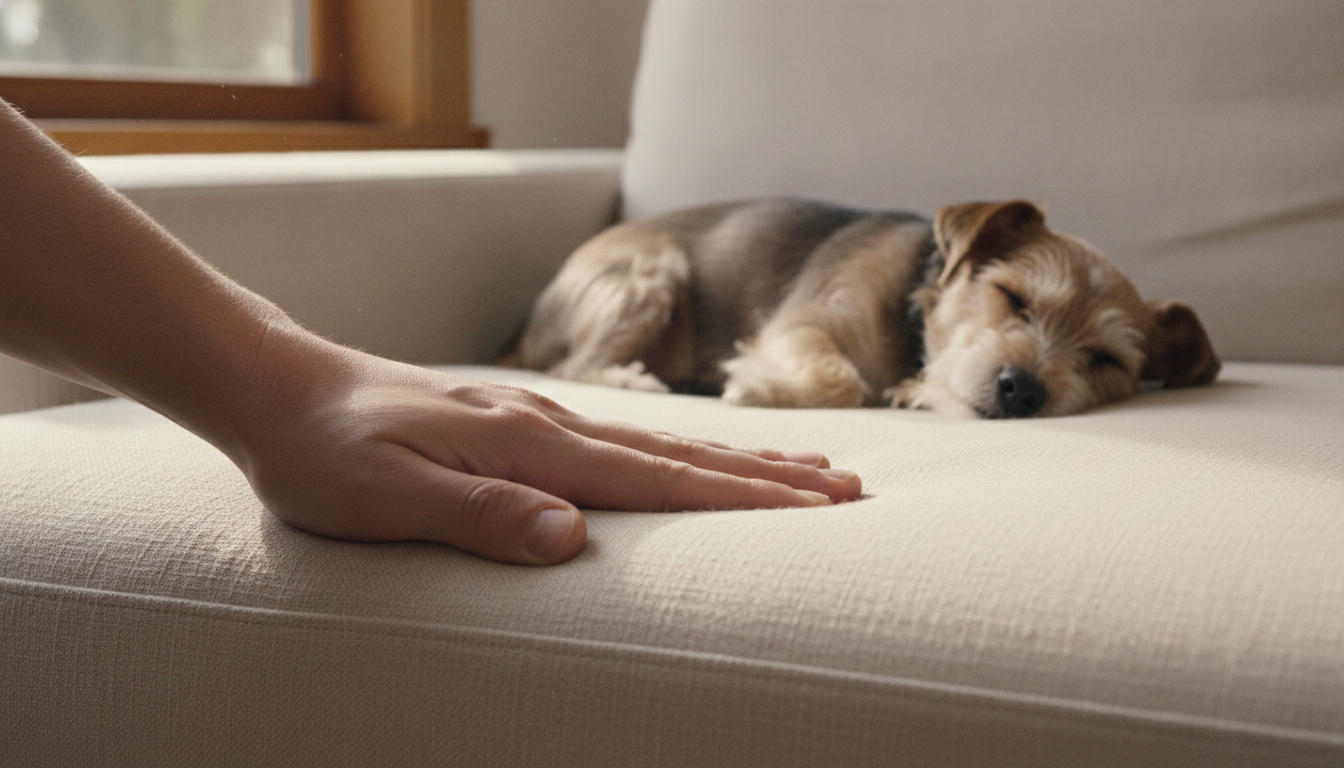
For pet-friendly sofas, you want medium-firm to firm cushions. Look for options with a density of 1.8 PCF (pounds per cubic foot) or higher. High-density foam wrapped in Dacron or polyester batting holds its shape better, meaning fewer indentations from your pet’s favorite sleeping spot. It also resists odors more effectively than softer, less dense foams that can act like sponges.
Frame Construction: The Unseen Foundation
The frame is the skeleton, and it needs to be bulletproof. Opt for frames made from kiln-dried hardwood like maple, ash, or birch. Plywood or engineered wood frames are okay if they’re at least 11-13 layers thick. Avoid particleboard or softwoods like pine, which can warp or crack over time. Joints should be secured with dowels, corner blocks, and glue — not just staples. A sturdy frame prevents wobbles and squeaks, giving your sofa a much longer lifespan against daily pet antics.
The Fabric Face-Off: What Actually Holds Up?
This is where most pet owners make or break their sofa choice. You need materials that resist snags, repel stains, and are easy to clean. Here’s a realistic rundown:
Performance Fabrics: The Modern Marvels
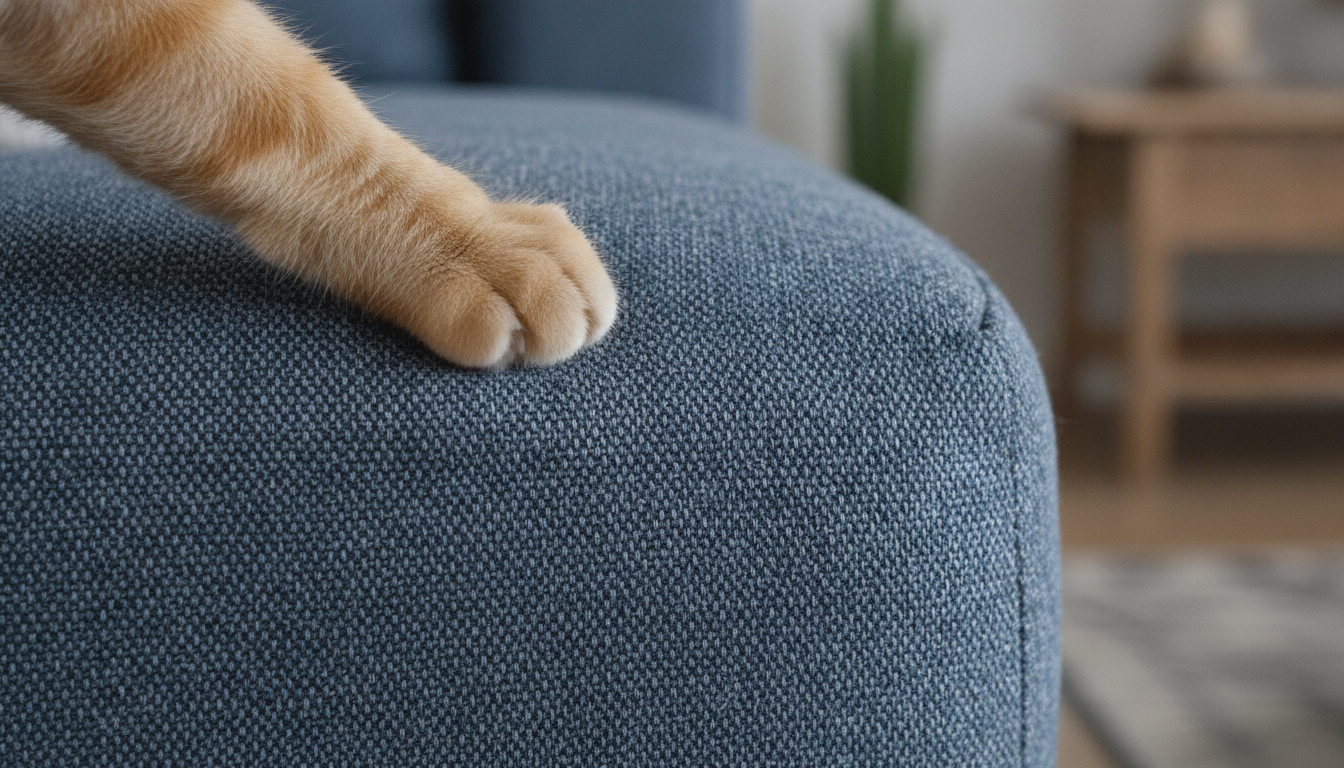
These aren’t just buzzwords anymore; modern performance fabrics are genuinely designed for high-traffic, high-abuse environments. Look for acrylics, solution-dyed synthetics, or specific brands like Sunbrella or Crypton. They’re typically woven tightly, which means fewer loops for claws to snag, and they often come with built-in stain and moisture resistance. Many boast rub counts of 50,000 to 100,000 double rubs, which means they can withstand significant wear before showing signs of distress.
Microfiber (Polyester): The Hair Magnet, But Oh So Cleanable
Tightly woven polyester microfiber is a perennial favorite for a reason. It’s incredibly soft, durable, and excellent at resisting stains. Spills often bead up, giving you time to blot them away. The downside? It’s a notorious pet hair magnet. You’ll need a good lint roller or a specific pet hair removal glove. However, for sheer cleanability and affordability, it’s tough to beat.
Leather & Faux Leather: The Scratch & Puncture Debate
Genuine leather (especially full-grain or top-grain) can be surprisingly pet-friendly if you embrace its natural patina. Scratches happen, but they often blend into the material over time, creating a lived-in look. It’s also easy to wipe clean and doesn’t absorb odors easily. Bonded leather, however, is a hard pass; it peels and cracks quickly. Faux leather or vegan leather (often PVC or polyurethane) can be a good, more budget-friendly alternative. Look for thicker, high-quality faux leather with a strong backing. It offers similar wipe-clean benefits but can be more prone to puncture tears from sharp claws. Test a sample if you can.
Denim & Canvas: Rugged & Ready
Thick, durable fabrics like denim or canvas blends are excellent choices. They’re hard-wearing, often tightly woven, and handle heavy use well. They might not feel as luxurious, but they’re incredibly practical. Most are machine washable if the covers are removable, which is a massive plus for deep cleaning. Look for cotton-poly blends for added stain resistance and less wrinkling.
Steer Clear Of:
- Velvet or Chenille: Loop piles are snag heavens. While some synthetic velvets are marketed as pet-friendly, proceed with caution.
- Linen or loosely woven natural fibers: Too prone to snags and stains.
- Silk or Rayon: Fragile, hard to clean, and just asking for trouble.
Color & Pattern: Hiding the Evidence
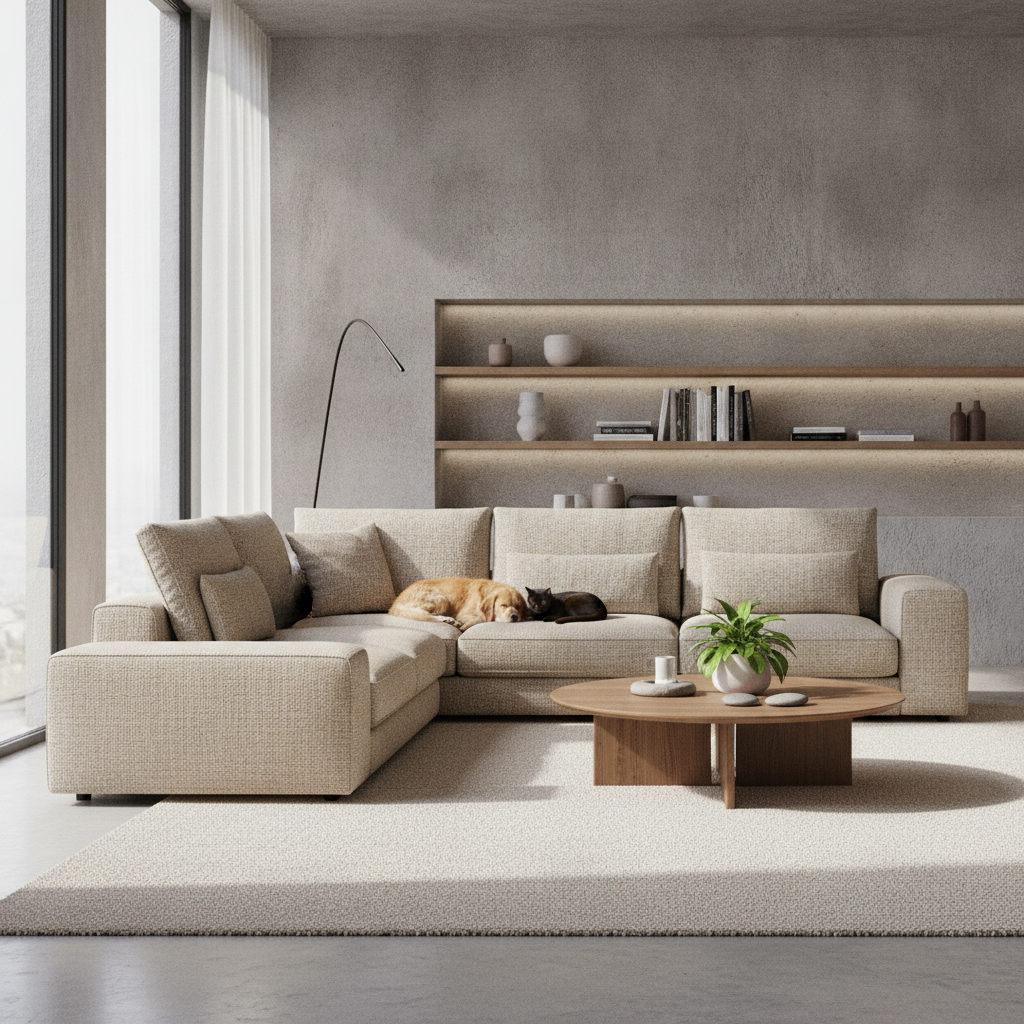
This might seem minor, but it’s a huge contributor to how “clean” your sofa looks day-to-day. If you have a black lab, a light beige sofa is going to highlight every single hair. Pick a color that closely matches your pet’s fur. Or, better yet, choose a textured, multi-tonal fabric or a subtle pattern. These are masters at camouflaging hair, minor stains, and even small imperfections until cleaning day.
Removable & Washable Covers: The Ultimate Convenience
This is probably the single most valuable feature for pet owners. If you can take off the cushion covers and throw them in the washing machine, you’ve won half the battle. Check the care instructions carefully — ‘spot clean only’ on a sofa meant for pets is a recipe for regret. Many modern performance fabrics also offer this feature, making them a fantastic dual threat.
Comparison Table: Pet-Friendly Sofa Trade-Offs
| Fabric Type | Durability | Stain Resistance | Pet Hair Visibility | Comfort | Price Point | Best For |
|---|---|---|---|---|---|---|
| Performance Fabrics (e.g., Sunbrella, Crypton) | Excellent (50k+ rubs) | Excellent | Low-Medium | Medium-Firm | High | Active homes, heavy use, style-conscious |
| Microfiber (Polyester) | Very Good | Excellent | High (hair magnet) | Soft-Medium | Low-Medium | Budget-conscious, easy cleaning, hiding liquids |
| Thick Faux Leather | Good (puncture risk) | Very Good | Very Low | Medium-Firm | Medium | Sleek look, easy wipe-down, modern apartments |
| Genuine Top-Grain Leather | Excellent (scratches patina) | Good | Very Low | Medium-Firm | High | Luxury feel, long-term investment, classic style |
| Denim/Canvas Blends | Excellent | Medium | Low-Medium | Firm | Low-Medium | Casual homes, removable covers, rugged look |
FAQ: Your Pet-Friendly Sofa Questions Answered
Q1: Is real leather good for cats?
It’s complicated. Cats *will* scratch leather. The good news is that high-quality, full-grain leather often develops a beautiful, lived-in patina from these scratches rather than ripping through. It’s also super easy to wipe clean, doesn’t trap odors, and hair brushes off easily. If you can accept a ‘distressed’ look, it’s a solid choice. If you want pristine, avoid it or invest heavily in scratch deterrents and scratching posts.
Q2: How do I remove pet hair from my sofa effectively?
For most fabrics, start with a stiff-bristled brush or a rubber squeegee. These tools create static that helps lift hair from the fabric. A damp rubber glove also works wonders. For microfiber, a damp sponge can gather hair into clumps. A good quality pet vacuum attachment is invaluable for regular maintenance.
Q3: What’s the best sofa color to hide pet hair and dirt?
The trick here is to match your pet’s fur color as closely as possible. If you have a fawn-colored pug, a beige or light brown sofa is your friend. A black cat owner might opt for charcoal or deep navy. Multi-tonal fabrics or subtle patterns (think tweed or herringbone) are excellent at camouflaging both hair and minor spills. Avoid solid, contrasting colors and anything too light or too dark if your pet’s fur is the opposite.