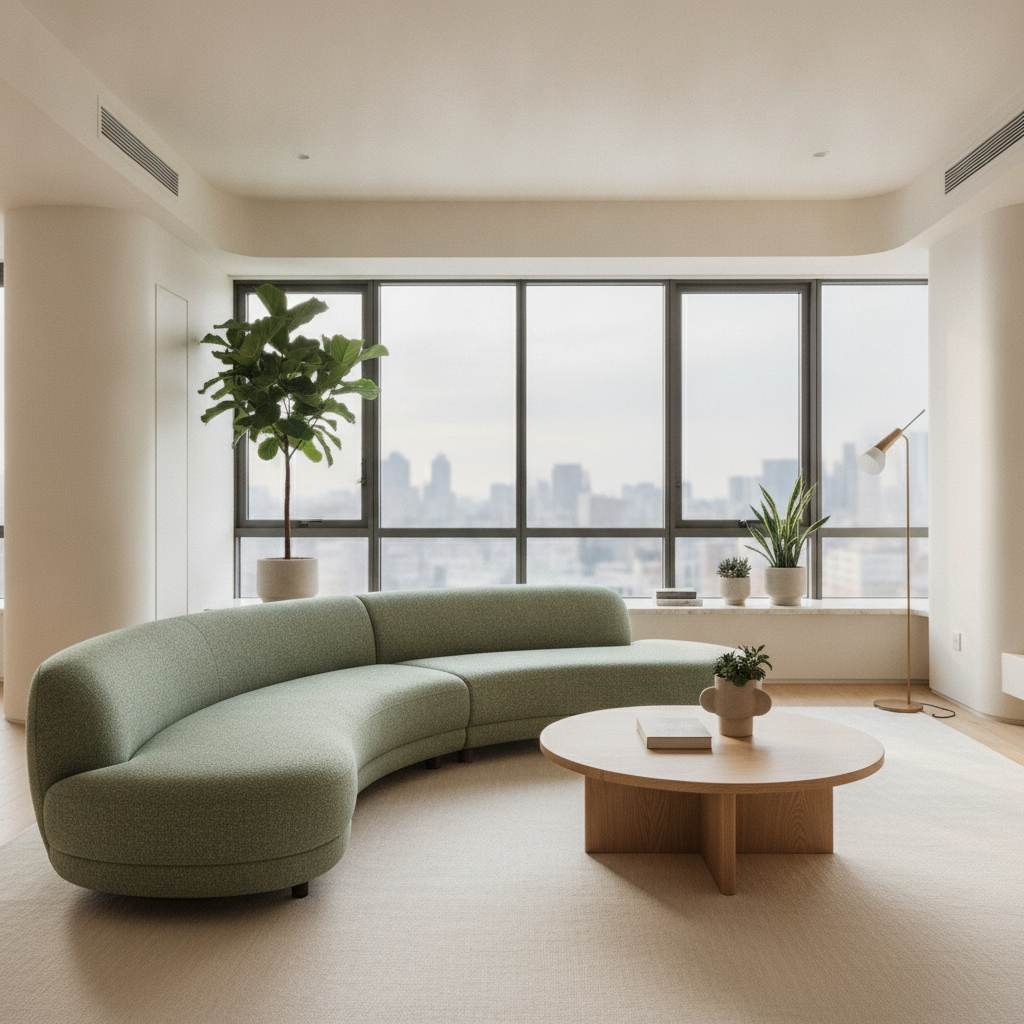
Nature’s Embrace: Biophilic Sofa Designs and Wellness Lounging Trends for 2026
Choosing a new sofa, especially for an apartment, isn’t just about picking something that fits. It’s about selecting a piece that genuinely enhances your daily life, and for 2026, that means looking at biophilic design. This isn’t just a fleeting trend; it’s a smart approach to creating a home environment that actively supports your well-being, even when you’re dealing with tight stairwells, limited floor plans, and a tight budget. We’re talking about sofas that connect you to nature’s calming influence, without turning your living room into a jungle.
Biophilic Design: More Than Just Plants
Biophilic design, at its core, is about integrating natural elements and processes into built environments. Think about how you feel after a walk in the park versus sitting in a sterile office. That’s the difference. For apartment dwellers, who might not have a sprawling garden, bringing nature indoors, even subtly, can make a huge impact on stress levels and mood. It’s not just about adding a few potted plants; it’s about how light, materials, and forms mimic the natural world.
Why Biophilic Sofas Matter for Apartment Living
Your sofa is often the largest piece of furniture in your living space, making it a prime candidate to introduce biophilic principles. A biophilic sofa can become a focal point, a grounding element that helps you unwind. It’s about creating a personal retreat. For those in smaller spaces, every item needs to earn its keep, and a biophilic sofa isn’t just seating; it’s a piece of your personal wellness strategy. It needs to be comfortable, durable, easy to move, and ideally, offer some clever storage solutions. The good news? You don’t have to break the bank for this kind of comfort and style.
Key Elements of Biophilic Sofa Design for 2026
So, what exactly goes into a biophilic sofa? It’s a blend of thoughtful material choices, organic shapes, and a palette inspired by the outdoors.
Natural Materials: Beyond the Surface
The foundation of any good biophilic sofa lies in its materials. We’re talking about what you see and touch, but also what’s hidden beneath the upholstery. Sustainable, natural materials are key.
- Frame Construction: Look for frames made from solid wood, like kiln-dried birch or sustainably sourced oak. These frames are typically joined with dowels, corner blocks, and reinforced with screws, not just staples. A robust frame means your sofa will last, reducing waste and standing up to years of use.
- Upholstery Fabrics: This is where you can really feel the difference. Opt for natural fibers or blends that evoke a sense of calm and tactile pleasure. Think about linen, wool blends, or even hemp. These fabrics breathe better than many synthetics and have a natural texture that feels good against the skin. For pet owners, tightly woven natural blends or performance fabrics with a high rub count (30,000+ double rubs) are your best bet. More on this later.
- Fillings: While all-natural fillings can be pricey, look for cushions with a high-density foam core (1.8 to 2.2 PCF) wrapped in a feather or down blend. This gives you the supportive structure needed for longevity and the plush softness associated with natural comfort.
Organic Forms and Soft Lines
Straight lines and sharp angles feel industrial. Biophilic design embraces the curves and irregularities found in nature. For sofas in 2026, this means:
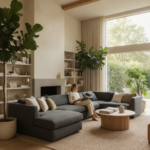
- Curved Sofas: A gently curved sectional or a standalone sofa with rounded edges can create a softer, more inviting atmosphere. These shapes encourage conversation and provide a sense of enclosure, much like a sheltered spot in nature. They also cleverly break up rectangular rooms, making small spaces feel more dynamic.
- Modular Units: The flexibility of modular designs is a huge win for apartment living. Individual pieces can be arranged to fit different room layouts or even moved into different rooms as your needs change. This adaptability mirrors the fluidity of natural systems.
- Low-Slung Profiles: Many biophilic designs feature lower profiles, which helps open up a room and connect it more to the ground, creating a sense of groundedness. This can also make a smaller apartment feel less cramped.
Earth-Toned and Calming Palettes
Color is a powerful tool for connection to nature. For your biophilic sofa, think about:
- Greens and Blues: Hues that evoke forests, moss, and sky are naturally calming. Deep forest green, muted sage, or a soft, misty blue can instantly anchor a space.
- Warm Neutrals: Cream, beige, sand, and terracotta shades mimic natural clays and stone. These colors create a warm, inviting base that pairs beautifully with other natural elements.
- Subtle Patterns: If you’re into patterns, look for abstract, organic designs rather than geometric ones. Think subtle leaf motifs, gentle waves, or mottled textures that mimic rock or bark.
Practicality Meets Comfort: Choosing Your Biophilic Sofa
A sofa might look good, but if it doesn’t function well in your apartment, it’s just a pretty obstacle. Practical considerations are paramount.
Size and Layout Considerations
Before you even think about materials, measure your space – and your doorways and stairwells. A gorgeous curved sectional is useless if you can’t get it past your third-floor landing. Modular sofas are champions here; individual pieces are far easier to maneuver. Consider:
- Overall Dimensions: Map out the sofa’s footprint with painter’s tape on your floor. Don’t forget space for walking paths around it.
- Stairwell Navigation: If you live in an older building with tight turns, look for sofas with removable legs or, better yet, multi-piece modular designs. These are a lifesaver.
- Traffic Flow: A curved sofa can surprisingly improve flow in a rectangular room by gently guiding movement around it, rather than creating a hard stop.
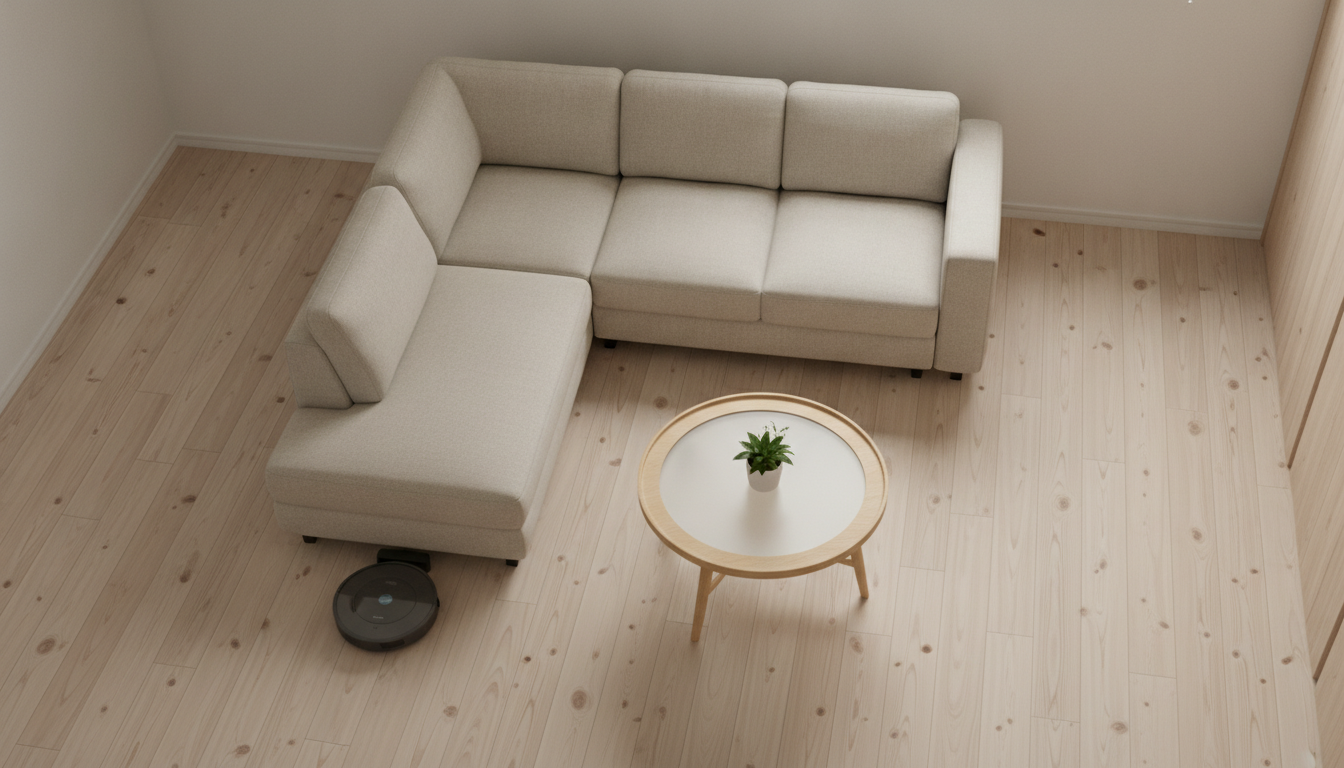
Form and Dimension Guidance
Comfort is subjective, but certain dimensions generally work well for most people.
- Seat Depth: This is crucial. A standard seat depth usually ranges from 20 to 22 inches. For lounging, you might prefer a deeper seat, around 24 to 28 inches. If you’re on the shorter side or prefer a more upright sit, aim for the shallower end. Deeper seats are great for curling up but might require extra throw pillows for back support if you’re not planning to fully recline.
- Seat Height: Most sofas sit between 17 to 19 inches high. Taller folks might prefer 20 inches. Test it out: your feet should be flat on the floor or comfortably supported by a slight bend in your knees.
- Clearance Underneath: For ease of cleaning and robot vacuum access, look for at least 4-6 inches of clearance under the sofa. This also helps make the room feel a bit more open.
- Cushion Firmness: This is often overlooked.
- Soft: Often uses low-density foam (e.g., 1.5 PCF) or all-down/feather fills. You’ll sink right in, which can be cozy but might not offer enough support for long periods. Not ideal for those with back issues.
- Medium: The most common and often best compromise. Uses higher-density foam (e.g., 1.8-2.0 PCF) wrapped in fiber, down blend, or batting. Offers good support with some give.
- Firm: Typically uses high-density foam (2.0-2.2+ PCF) and less wrapping. Provides maximum support and minimal sinking. Best for formal seating or those who prefer a very upright posture.
- Storage Ottomans: Many biophilic designs pair well with standalone or integrated storage ottomans. These are perfect for stashing extra blankets, board games, or seasonal items, keeping clutter out of sight.
- Sleeper Sofas: If you occasionally host guests, consider a sleeper sofa with a quality mattress. Many modern designs hide a comfortable bed without compromising the sofa’s aesthetic or comfort during its primary use. Look for pull-out mechanisms that operate smoothly and don’t require immense upper body strength.
- Durability for Value: Investing in a sofa isn’t just about the initial cost; it’s about cost per year of use. A sofa with a solid wood frame, high-quality joinery (dowels and corner blocks), and performance fabric with a high rub count (30,000+ is good, 50,000+ is excellent) will outlast cheaper alternatives, saving you money in the long run.
- Fabric Selection: Tightly woven fabrics are key. Look for microfibers, certain velvets (especially performance velvets), or tightly woven canvas or linen blends. Avoid loose weaves, boucle, or chenille, which can snag easily. Performance fabrics specifically designed for durability and stain resistance are a godsend. Check the fabric’s double-rub rating; anything above 30,000 is considered heavy-duty.
- Color & Pattern: Choose colors that blend with your pet’s fur color to make shedding less noticeable. Subtle patterns or textured fabrics can also help camouflage minor pet-related wear and tear.
- Washable Covers: If possible, opt for a sofa with removable, washable cushion covers. This makes cleaning up accidents or general pet grime a breeze.
- Solid Frame: Non-negotiable. It’s the skeleton of your sofa.
- High-Density Cushions: They’ll maintain their shape and support.
- Durable Fabric: Especially if you have pets or a busy household. Look for performance ratings.
Always try to sit on a sofa before you buy it, and pay attention to how quickly the cushions bounce back after you stand up. Good quality foam will recover well.
Multi-functional Storage and Smart Value
Apartment living demands ingenuity. A biophilic sofa can also be a storage hero.
Pet-Friendly Biophilic Choices
Our furry friends are family, but their claws and hair aren’t always kind to furniture. Biophilic design can still be pet-friendly.

Comparison Table: Biophilic Sofa Styles
| Sofa Style | Space Efficiency | Comfort Level | Aesthetic Appeal | Typical Price Range | Practical Trade-offs |
|---|---|---|---|---|---|
| Modular Sectional | Excellent (adaptable) | High (customizable) | Modern, versatile | $$ – $$$$ | Can be heavy; requires commitment to arrangement. |
| Compact Curved Sofa | Good (breaks up space) | Medium-High (intimate) | Elegant, artistic | $$$ – $$$$ | Less seating than straight sofa of similar footprint; can be tricky to place. |
| Low-Profile Daybed/Lounge | Very Good (multi-use) | High (relaxed) | Minimalist, open | $$ – $$$ | Can feel less formal; might need additional back support cushions. |
| Wooden Frame Sofa w/ Natural Cushions | Medium (fixed frame) | Medium (firm support) | Rustic, authentic | $$$ – $$$$ | Can be heavier; less plush; wood frame can show wear. |
The Cost Factor: Investing Wisely
Let’s be real: quality biophilic design isn’t always cheap upfront. But thinking budget-consciously means looking beyond the sticker price. A cheaper sofa might seem like a win, but if it sags in two years or the fabric pills relentlessly, you’ll be replacing it sooner, costing you more in the long run. Prioritize:
Sometimes, buying a mid-range sofa that’s well-constructed and then upgrading specific elements later (like adding new, high-quality natural throw pillows or a cozy, durable throw blanket) can be a smart play. Also, keep an eye out for sales or floor models from reputable retailers. Don’t be afraid to ask about warranty details for both the frame and the cushions.
FAQ: Your Biophilic Sofa Questions Answered
Q1: Can biophilic sofas really fit into a small apartment without feeling cluttered?
Absolutely. Biophilic design actually lends itself well to smaller spaces. Focusing on organic shapes, lower profiles, and a calming color palette can make a room feel more expansive and serene. Modular designs are perfect because you can tailor the exact configuration to your unique footprint. Using lighter-colored natural fabrics also helps to open up a room visually, preventing it from feeling too heavy.
Q2: Are natural fiber sofa fabrics durable enough for everyday apartment life and pets?
Yes, many natural fiber blends are surprisingly durable. While 100% linen might wrinkle easily, a linen-cotton blend or a tightly woven wool blend can stand up to significant wear. The key is the weave and density. Look for fabrics with a high double-rub count (above 30,000 for heavy-duty use). For pets, consider a performance natural blend or even a tightly woven synthetic like microfiber, which mimics natural textures and is very resistant to snags and stains. Regular vacuuming and spot cleaning are also essential for longevity.
Q3: What’s the best way to incorporate real plants with a biophilic sofa for a cohesive look?
Integrating real plants thoughtfully enhances the biophilic aesthetic. Place taller, architectural plants like a snake plant or a fiddle-leaf fig next to the sofa to add verticality and mimic natural canopy. Smaller plants, like a trailing pothos or a compact fern, can sit on side tables or nearby shelves. Choose planters made from natural materials like terracotta, ceramic, or woven baskets. Grouping plants in odd numbers often looks more natural, and varying heights and leaf textures creates visual interest that complements your sofa’s organic forms and natural materials.