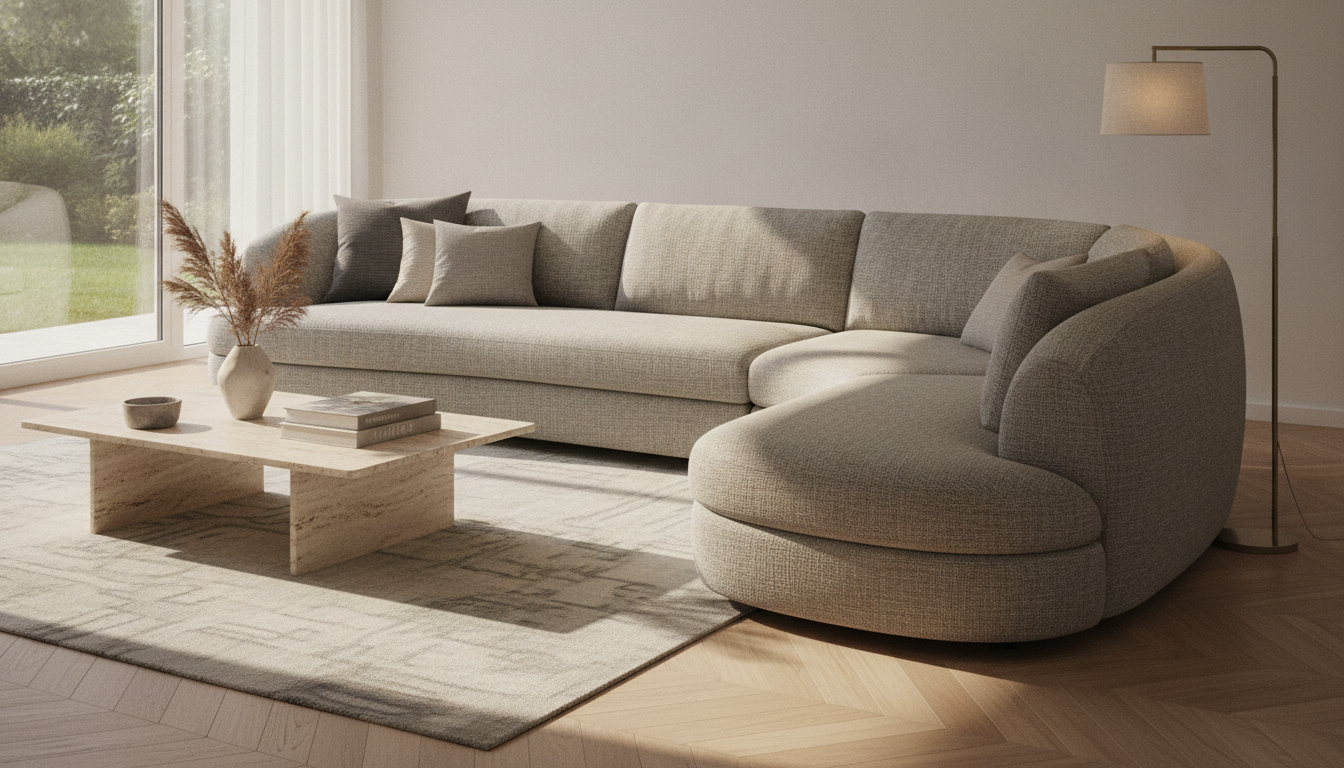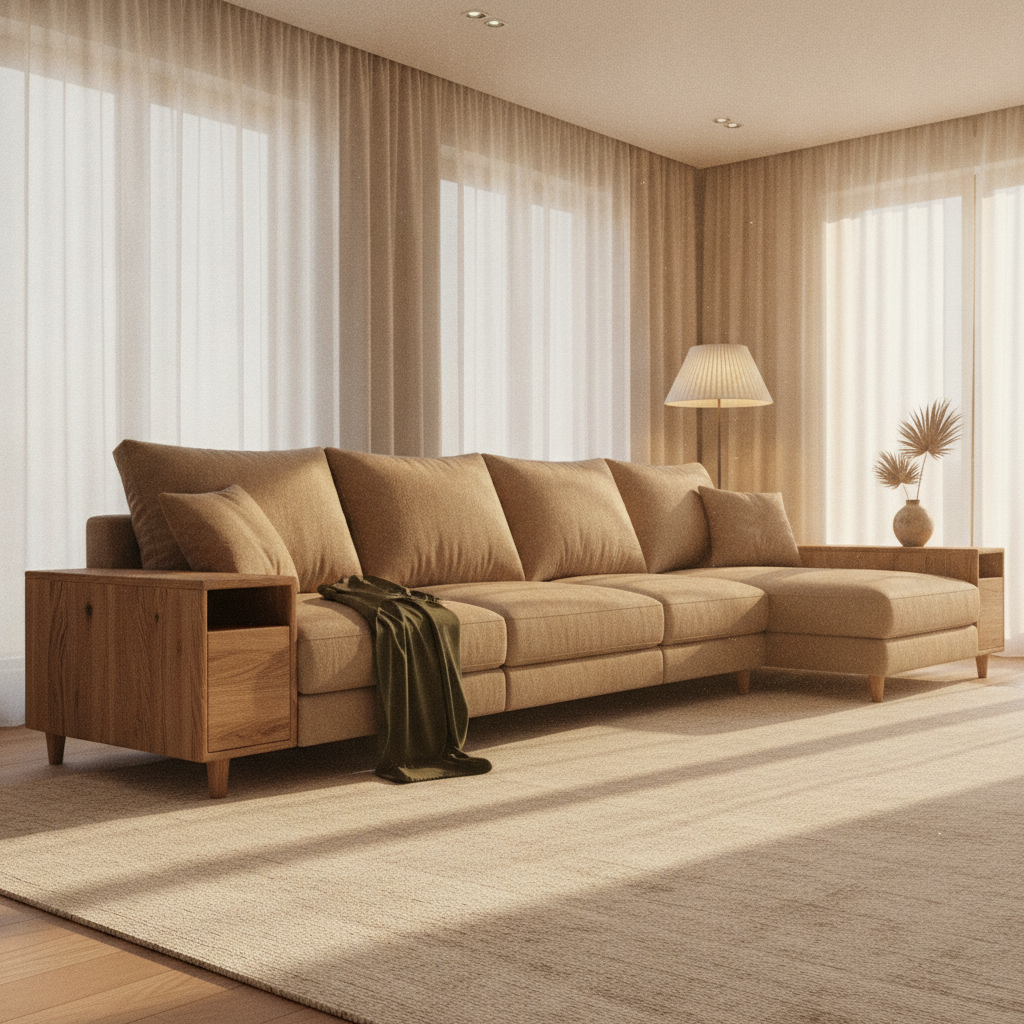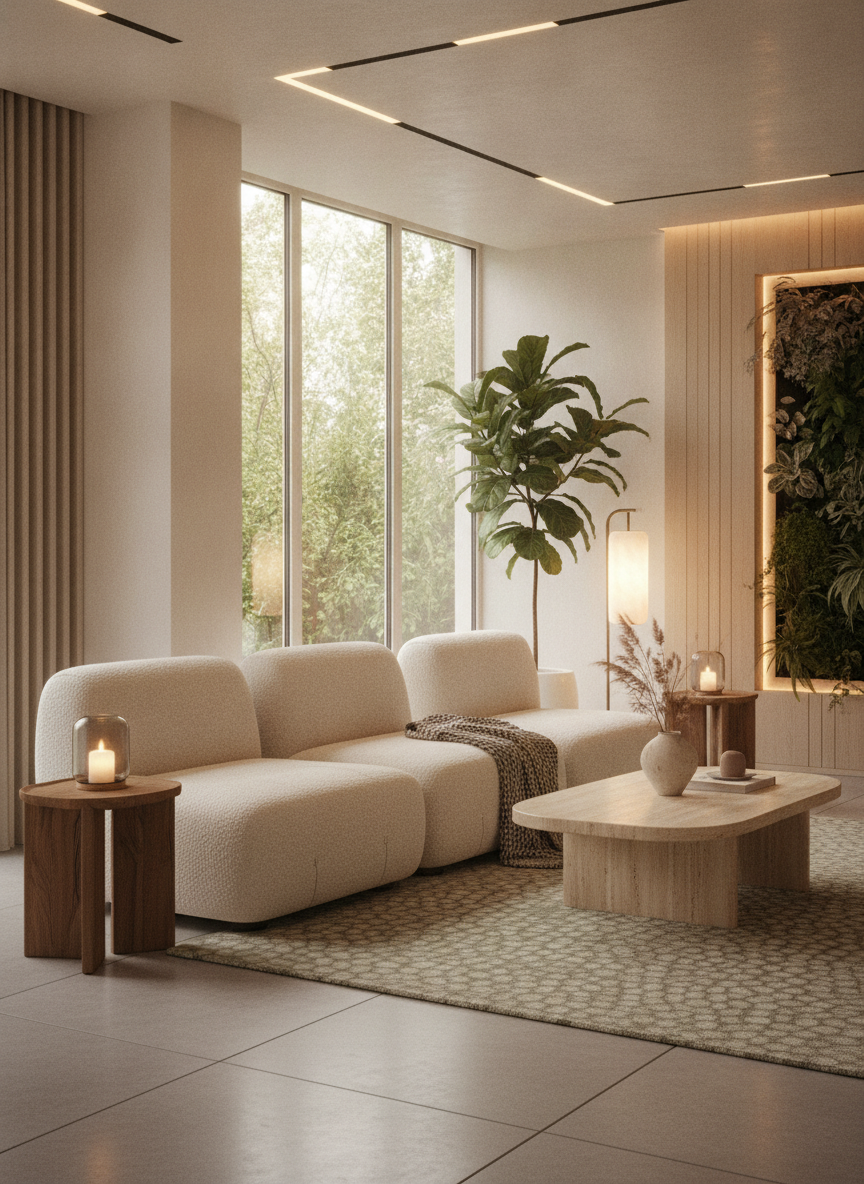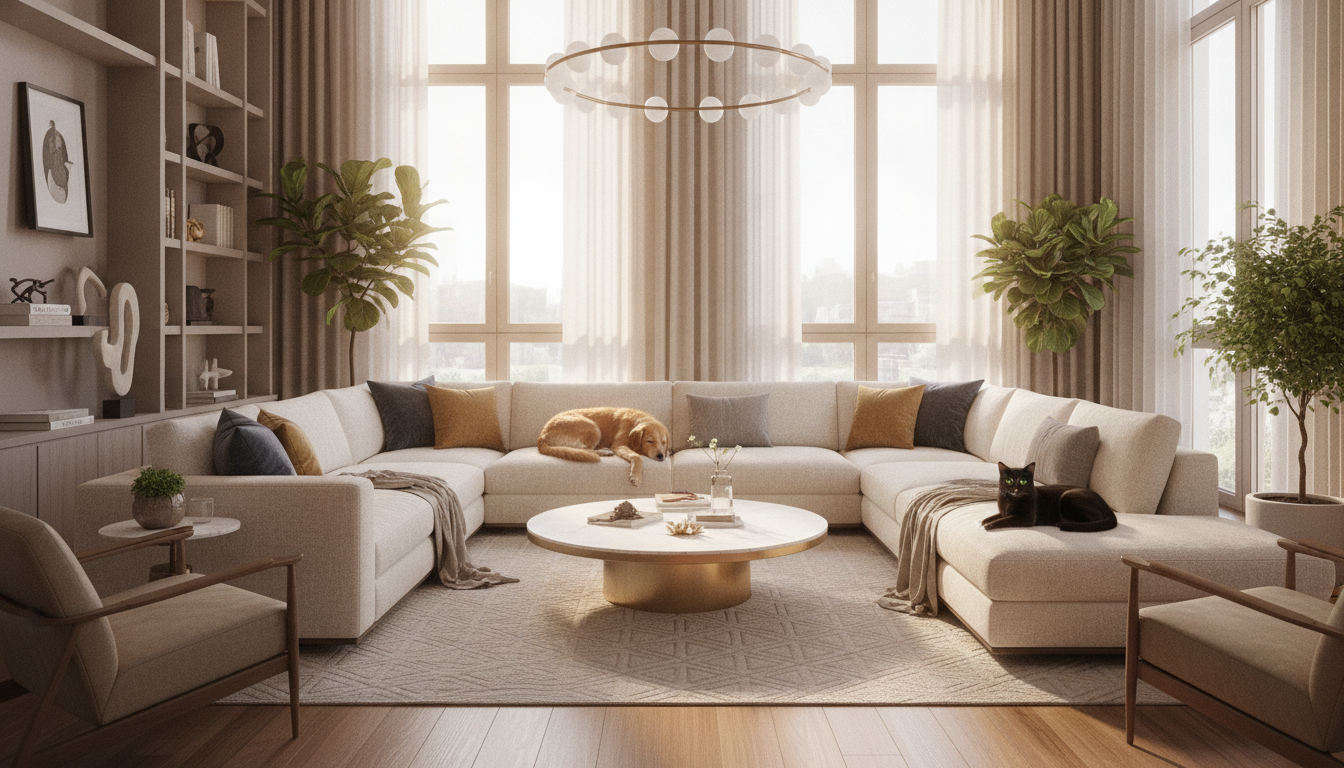
Pet-Proof Perfection: Luxury Sofas Designed for Furry Friends & Stylish Homes

For many of us, our pets aren’t just animals; they’re cherished members of the family. They bring boundless joy, unconditional love, and, let’s be honest, a little bit of chaos into our homes. And where do our beloved companions often want to curl up? Right next to us, on the sofa. The challenge, then, becomes clear: how do you maintain a chic, luxurious living space without sacrificing comfort or constantly worrying about your furniture? The answer lies in the evolution of pet-friendly sofas.

Gone are the days when ‘pet-proof’ meant sacrificing style for practicality. As we look towards 2026, the market is brimming with innovative, durable sofas for pets that flawlessly blend high-end aesthetics with unparalleled resilience. This guide is your ultimate resource to finding that perfect balance, ensuring both your two-legged and four-legged family members can enjoy your living room in harmony.

Why Pet-Proof Sofas are a Must-Have for Modern Homes

The modern home embraces pets as part of daily life, but that doesn’t mean we have to surrender our design aspirations. The need for specialized pet-friendly sofas stems from several common challenges:

  • Fur Everywhere: Shedding is a reality for most furry companions, and traditional fabrics act like magnets.
  • Claw Catastrophe: Sharp claws can quickly turn a beautiful sofa into a shredded mess.
  • Accidental Spills & Stains: From muddy paws to unexpected ‘accidents,’ life with pets often involves spills.
  • Lingering Odors: Pet odors can embed themselves in porous fabrics over time.
  • Wear and Tear: Constant jumping, scratching, and general use by pets can significantly shorten a sofa’s lifespan.

Investing in furniture designed with these challenges in mind isn’t just about protection; it’s about peace of mind. It allows you to relax and enjoy your pet’s company without the constant stress of damage or difficult cleaning. Furthermore, the latest trends in pet-friendly sofas for 2026 ensure that these practical solutions are now more stylish than ever.

Key Features to Look for in a Luxury Pet-Friendly Sofa

Selecting the right sofa involves more than just picking a pretty fabric. For pet owners, it’s about a holistic approach to durability, cleanability, and long-term resilience. Here’s what you should prioritize:

Unrivaled Fabric Durability

The fabric is the first line of defense. When considering durable sofas for pets, certain materials stand out:

  • Microfiber: A perennial favorite for pet owners, microfiber is tightly woven, making it difficult for pet hair to penetrate and claws to snag. It’s also highly stain-resistant and easy to wipe clean. Look for high-performance microfiber for the best results. A great example of a versatile and easy-to-clean option is a Microfiber Sectional Sofa.
  • Performance Velvet: Unlike traditional velvet, performance velvet is engineered with synthetic fibers that offer incredible stain and scratch resistance. It provides a luxurious feel without the fragility.
  • Leather (Corrected-Grain or Bonded): While full-grain leather can be prone to scratches, corrected-grain or bonded leather offers a more robust, easier-to-clean surface. Pet hair is simple to wipe away, and many stains can be cleaned without much effort. For those who love the look, a Faux Leather Sofa can be an excellent alternative.
  • Olefin and Nylon Blends: These synthetic fabrics are incredibly tough, resistant to fading, moisture, and wear. They are often found in outdoor furniture but are increasingly making their way indoors for their impressive durability.
  • Crypton or Sunbrella Fabrics: These brand-name performance fabrics are specially treated to resist stains, moisture, and odors, making them excellent choices for even the most active pets.

Frame Construction & Support

A sofa is only as good as its bones. For maximum longevity, especially with pets who might jump or roughhouse, look for:

  • Solid Hardwood Frames: Oak, maple, or kiln-dried birch are excellent choices. Avoid particleboard or softwoods.
  • Corner-Blocked & Glued Joints: This ensures stability and prevents wobbling and squeaking over time.
  • Reinforced Stress Points: Additional support in areas that experience heavy use.

Cushion Comfort & Resilience

Cushions should be comfortable yet able to withstand repeated use. High-density foam cores wrapped in down alternative or synthetic fibers offer a good balance of support and plushness. Removable and washable cushion covers are an absolute game-changer for pet owners, allowing for easy cleaning and maintenance.

Design & Style that Blends Seamlessly

Luxury means not compromising on aesthetics. Modern pet-friendly sofas come in an array of styles, from minimalist contemporary to classic transitional. Look for designs with slightly raised legs to allow for easy cleaning underneath and prevent dust bunnies and pet toys from getting trapped. Sofas with fewer crevices or tufting can also be easier to clean of pet hair.

Easy Cleanability & Maintenance

This is perhaps the most critical feature. Beyond the fabric itself, consider:

  • Removable, Machine-Washable Covers: For both seat and back cushions, if possible.
  • Stain-Resistant Treatments: Factory-applied or aftermarket treatments can provide an extra layer of protection.
  • Pet Hair Removal: Fabrics that allow for easy vacuuming or wiping of pet hair are preferred. A good pet hair remover like the ChomChom Roller Pet Hair Remover can make a world of difference.

Top Pet-Friendly Sofa Styles for 2026

As we head into 2026, several sofa styles are particularly well-suited for pet owners, offering both practicality and panache.

The Sleek Modern Sectional

Sectionals provide ample seating for both humans and pets, making them ideal for family rooms. Opt for a modular design in performance fabric that can be reconfigured and cleaned easily. Their generous proportions mean there’s room for everyone.

The Elegant Chesterfield (with a Twist)

Traditionally leather-clad, the Chesterfield’s classic, robust form translates beautifully into a pet-friendly option when upholstered in a durable performance velvet or corrected-grain leather. Its rolled arms and deep button-tufting offer a sophisticated look that can withstand pet antics.

The Cozy Cloud Sofa (Pet-Ready Edition)

Known for its plush, inviting aesthetic, the cloud sofa can be pet-friendly if chosen with the right upholstery. Look for versions with washable slipcovers or those upholstered in tightly woven, stain-resistant fabrics that mimic the soft feel without the maintenance headache of traditional linen or cotton. A Washable Slipcover Sofa is a prime example of comfort meets practicality.

Sofa Beds & Sleepers

For homes that frequently host guests (both human and furry), a high-quality sofa bed upholstered in a durable, easy-to-clean fabric offers maximum versatility. Ensure the mattress is protected and the mechanism is robust enough for regular use.
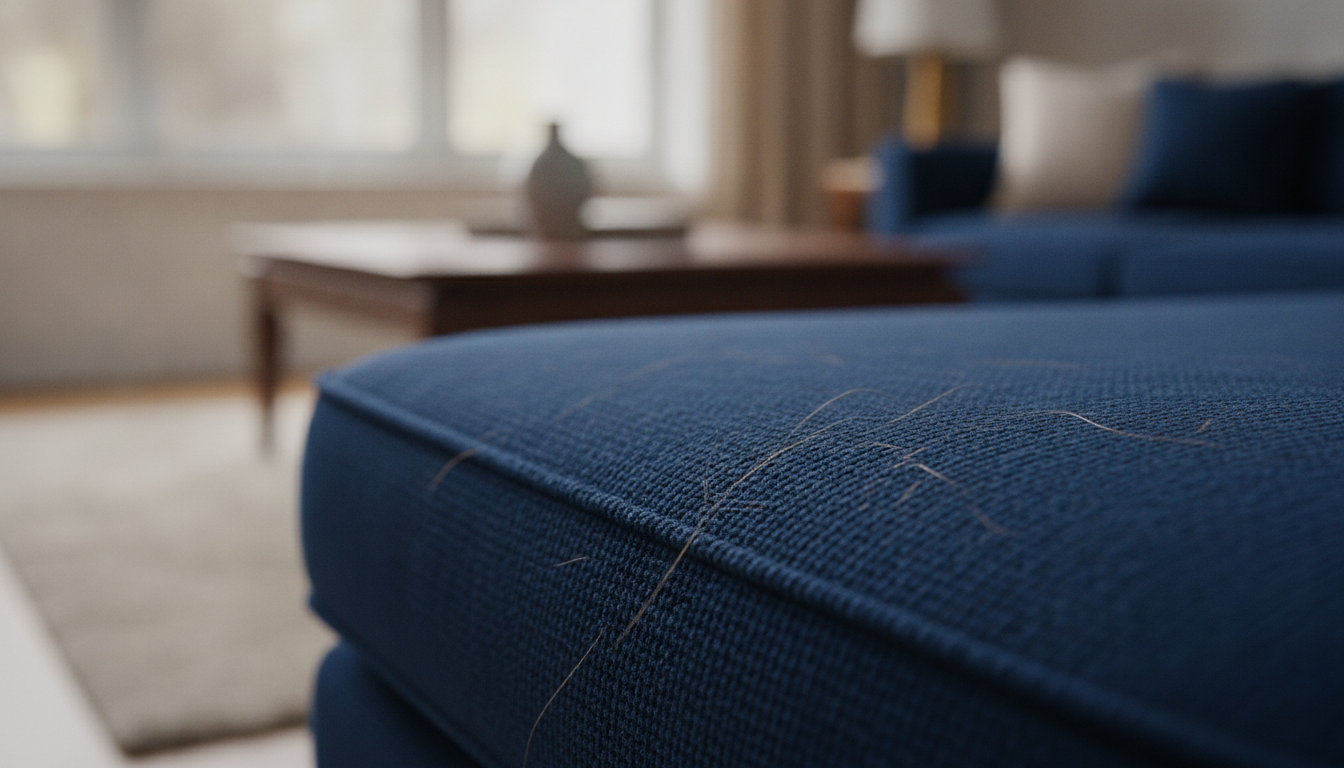
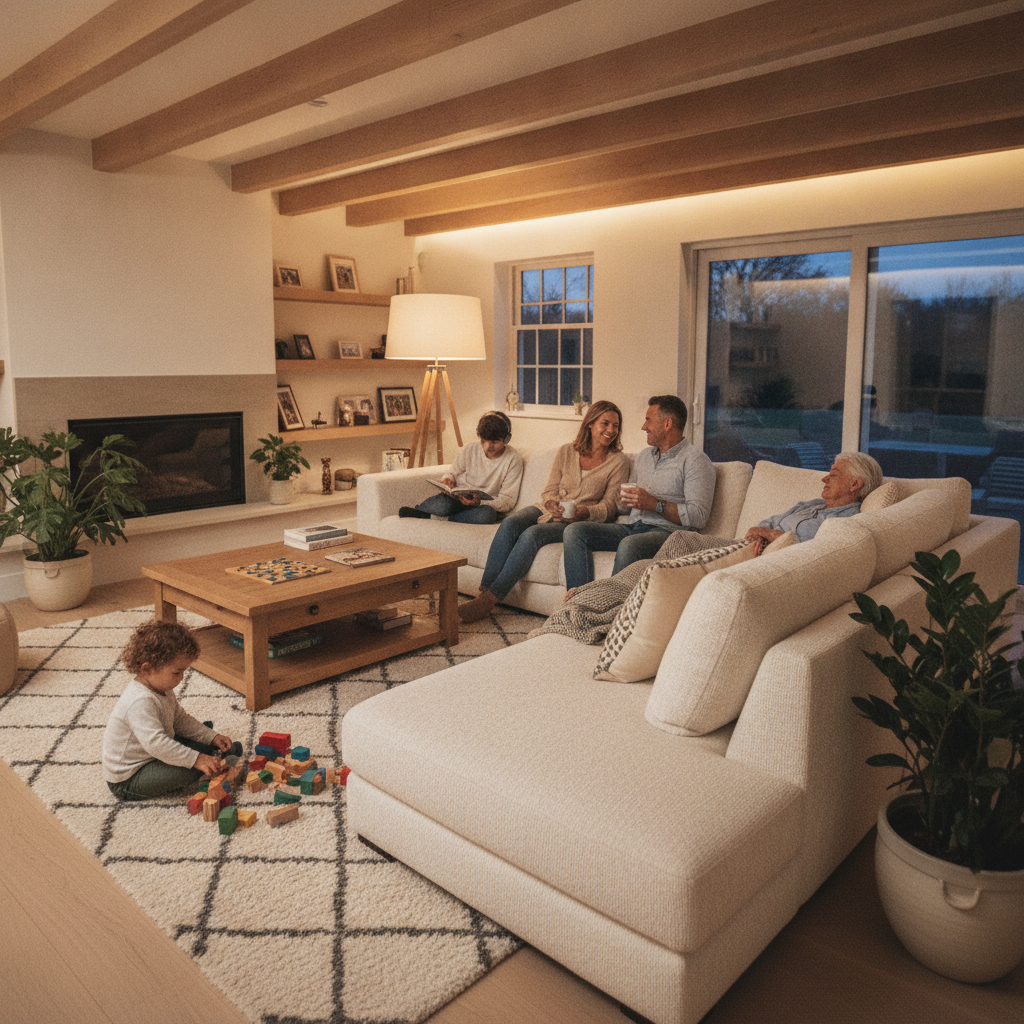
pet-friendly sofas 2026, durable sofas for pets style example
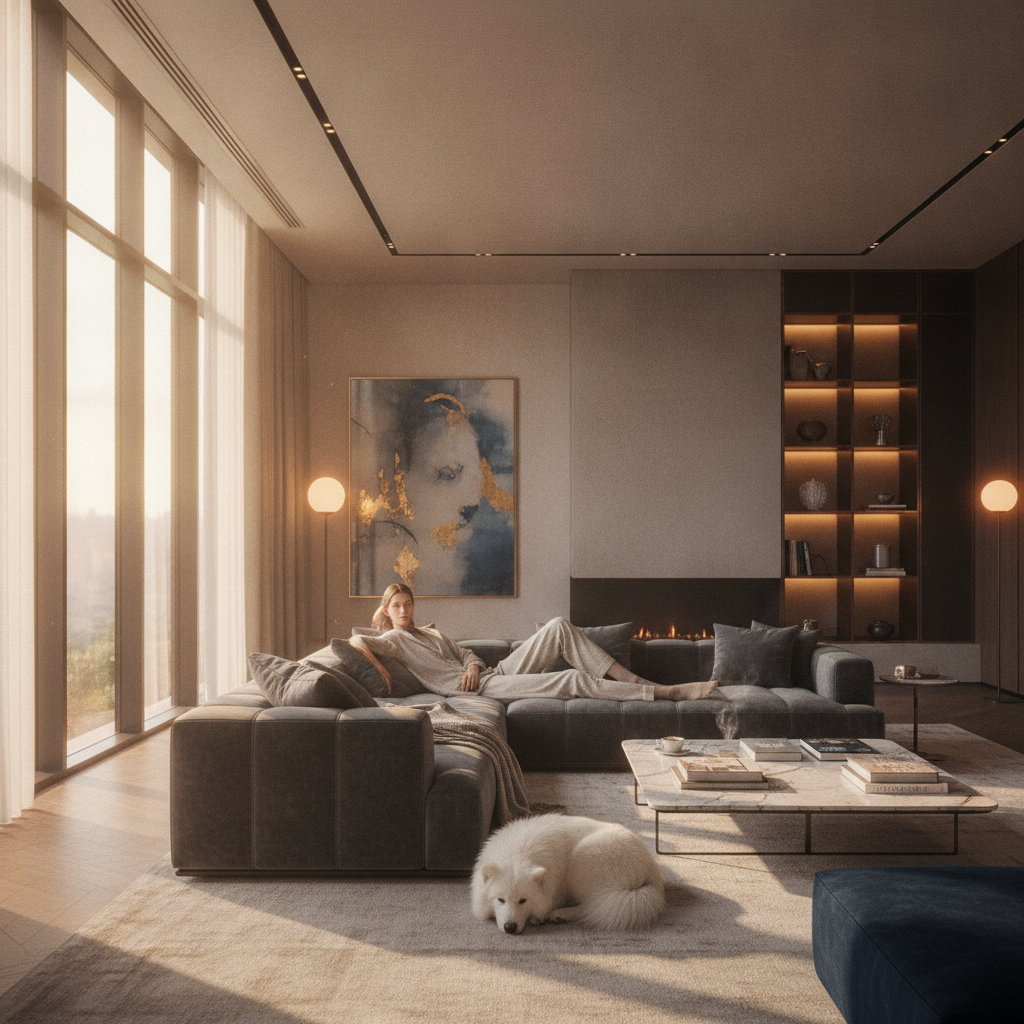
Modern performance fabrics offer both luxurious comfort and easy pet hair removal.

Comparison Table: Our Top Picks for Pet-Friendly Luxury Sofa Features

To help you visualize the ideal attributes, here’s a comparison of features you’ll find in the best pet-friendly sofas on the market:

Feature Category High-End Pet-Friendly Sofa Mid-Range Pet-Friendly Sofa Standard Sofa (Not Pet-Specific)
Primary Fabric Type Crypton, Sunbrella, Performance Velvet, Full-Grain Treated Leather Microfiber, Olefin Blend, Bonded Leather Linen, Cotton, Untreated Wool, Delicate Synthetics
Scratch Resistance Excellent (Tightly woven, robust surface) Very Good (Resistant to snags, easy to clean) Poor (Prone to snags, visible marks)
Stain Resistance Superior (Liquid beads, easy wipe-off, odor-resistant) Good (Most spills cleanable, some staining possible) Poor (Absorbs spills quickly, difficult to clean)
Pet Hair Management Minimal adherence, easy to vacuum/wipe Moderate adherence, good with specialized tools High adherence, difficult to remove
Frame Construction Solid Hardwood (Kiln-Dried), Corner-Blocked, Reinforced Engineered Wood + Solid Wood Accents, Glued/Screwed Particleboard, Softwood, Stapled Joints
Cushion Fill High-Density Foam Core + Down Alternative Wrap, Washable Covers Medium-Density Foam, Polyester Fill, Some Washable Covers Low-Density Foam, Basic Polyester Fill, Non-Removable Covers
Durability for Pets Exceptional (Built to last with multiple pets) Very Good (Suitable for moderate pet activity) Low (Quick wear and tear with pets)
Price Range $$$$ $$$ $$

Essential Tips for Maintaining Your Pet-Friendly Sofa

Even the most durable sofa benefits from a proactive maintenance routine. Here’s how to keep your pet-friendly furniture looking its best for years to come:

  • Regular Vacuuming: Use a brush attachment to pick up pet hair and dander at least once a week.
  • Immediate Spill Cleanup: Address any accidents or spills immediately. Blot, don’t rub, and use appropriate pet-safe cleaners. For general fabric care, a Pet Stain and Odor Remover is indispensable.
  • Trim Pet Nails: Regular nail trims significantly reduce the risk of snags and scratches on upholstery.
  • Provide Alternatives: Offer a comfortable pet bed or a designated throw blanket on the sofa. A Washable Pet Blanket protects your sofa while giving your pet a cozy spot.
  • Professional Cleaning: Schedule professional deep cleaning periodically, especially for larger pieces or tough stains.
  • Rotate Cushions: If possible, rotate and flip cushions regularly to ensure even wear.

Beyond the Sofa: Creating a Harmonious Pet-Friendly Living Space

While the sofa is a focal point, a truly pet-friendly luxury home considers all elements:

  • Durable Rugs: Opt for low-pile, washable rugs made from materials like polypropylene or wool blends that can withstand pet traffic and are easy to clean.
  • Scratch-Resistant Flooring: Hardwood with a durable finish, luxury vinyl plank, or tile are excellent choices for pet owners.
  • Dedicated Pet Zones: Provide a comfortable, designated space for your pet with their own bed, toys, and water bowl to encourage them to stay off certain furniture if desired.

Frequently Asked Questions (FAQs)

What is the most durable sofa fabric for pets?

Microfiber and performance fabrics like Crypton or Sunbrella are generally considered the most durable and pet-friendly. Tightly woven synthetic blends, corrected-grain leather, and high-quality performance velvets also offer excellent resistance to scratches, stains, and pet hair.

Are leather sofas good for pets?

Yes, but with caveats. Corrected-grain or bonded leather is often a good choice because it’s easy to clean, hair doesn’t stick, and it’s more resistant to minor scratches than delicate full-grain leather. However, very sharp claws can still scratch any leather, so regular nail trimming is essential.

How do I remove pet hair from my sofa?

For most fabrics, a good vacuum cleaner with a pet hair attachment, rubber gloves (dampened), a lint roller, or a specialized pet hair removal tool like a ChomChom roller works wonders. For stubborn hair, a slightly damp sponge can also be effective.

Can I really have a luxury sofa with pets?

Absolutely! The market for 2026 is geared towards combining luxury and practicality. By focusing on the right fabrics (performance velvet, treated leather, high-end microfiber), robust frame construction, and smart design features, you can have a sophisticated, comfortable sofa that stands up to your furry friends.

What should I avoid in a pet-friendly sofa?

Avoid delicate fabrics like silk, chenille, loose weaves, or untreated linen that easily snag, stain, or attract pet hair. Light-colored fabrics can also be more challenging with muddy paws. Also, steer clear of sofas with exposed, soft wood legs that can become chew toys for puppies or kittens.

Conclusion

The quest for pet-proof perfection in luxury furniture is no longer a pipe dream. With advancements in fabric technology, smarter design, and a deeper understanding of pet-owner needs, you can truly have the best of both worlds. By choosing wisely from the innovative pet-friendly sofas available in 2026, you’ll create a home that is both effortlessly stylish and wonderfully welcoming for every member of your family – paws and all. Invest in durability, embrace easy maintenance, and reclaim your living room as a sanctuary of comfort and elegance for everyone.
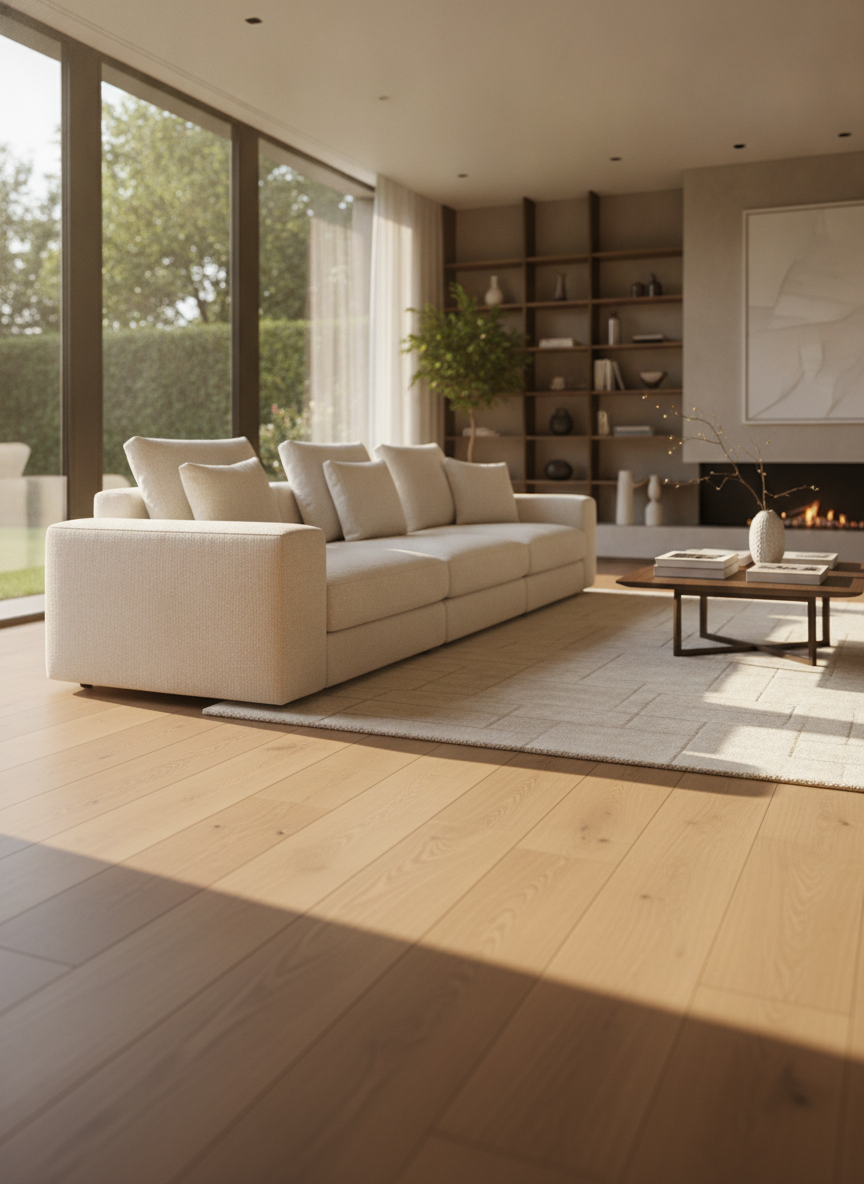
Beyond Spot Cleaning: Advanced Care for Performance Fabrics in 2026

Welcome to the future of sofa care! As we step into 2026, the world of home furnishings continues to evolve, bringing with it incredible innovations in textile technology. Performance fabrics, once a niche, are now the gold standard for durability, stain resistance, and everyday resilience. But owning a performance fabric sofa isn’t just about enjoying its robust nature; it’s about understanding and implementing advanced care routines that go far beyond simple spot cleaning. To truly protect your investment and maintain the pristine condition of your modern upholstery, a sophisticated approach is essential.

This comprehensive guide will delve into the nuances of performance fabric sofa care, equipping you with the knowledge and tools to tackle any challenge. From decoding intricate care labels to employing specialized cleaning agents and preventive measures, we’ll ensure your beloved sofa remains the centerpiece of comfort and style for years to come. Get ready to elevate your cleaning game and discover the secrets to advanced performance fabric maintenance.

What Are Performance Fabrics? A Quick Refresher

Before diving into advanced care, let’s briefly revisit what makes performance fabrics so special. These engineered textiles are designed to withstand the rigors of daily life, offering enhanced durability, fade resistance, and, most notably, superior stain and spill protection. Unlike traditional upholstery, performance fabrics often feature a tight weave, a protective coating, or are made from inherently stain-resistant fibers. Common types include:

  • Polyester: Often blended, known for its durability, wrinkle resistance, and colorfastness. Many modern performance polyesters are treated for water and stain repellency.
  • Olefin (Polypropylene): Highly resistant to moisture, stains, and fading. It’s a popular choice for outdoor furniture but increasingly used indoors for its tough properties.
  • Nylon: Extremely strong and resilient, nylon offers excellent resistance to wear and tear. It can be treated to be water and stain repellent.
  • Acrylic: Mimics the feel of wool but is resistant to fading, mildew, and many chemicals. Often used in blends for added softness and durability.
  • Microfiber: A tightly woven synthetic fabric (usually polyester) known for its soft touch and ability to repel liquids and resist stains when treated.
  • Blends: Many performance fabrics are proprietary blends, combining the best attributes of several fibers to create a super-fabric.

The key takeaway? While resilient, ‘performance’ doesn’t mean ‘indestructible’. Proper care ensures their longevity and preserves their protective qualities, especially for modern upholstery cleaning.

The Evolution of Performance Fabric Care: Why 2026 is Different

The landscape of home living is constantly shifting. With more open-plan living, increased pet ownership, and a greater emphasis on sustainable and hypoallergenic materials, the demands on our sofas are higher than ever. In 2026, performance fabric sofa care isn’t just about cleaning spills; it’s about holistic maintenance that considers environmental factors, indoor air quality, and the specific needs of evolving fabric technologies.

Newer eco-friendly performance fabrics may have different care requirements than their predecessors, and smart home integration can mean new challenges (e.g., automated lighting exposing fade spots more readily). Our cleaning methods must adapt to these advancements, moving beyond reactive spot treatment to proactive, preventative strategies.

Understanding Your Fabric’s DNA: Decoding Care Tags

The absolute first step in any advanced care routine is understanding your specific fabric’s care instructions. Look for the small tag, usually found under a cushion or beneath the sofa. It will contain crucial codes:

  • W: Water-based cleaner only. This is the most common for modern performance fabrics.
  • S: Solvent-based cleaner only (water can cause damage or staining).
  • S/W: Can be cleaned with either water-based or solvent-based cleaners.
  • X: Vacuum only; no liquid cleaners of any kind. Professional cleaning recommended.

Always adhere to these codes to avoid irreversible damage. When in doubt, always patch-test any cleaning solution in an inconspicuous area first.

Essential Tools and Products for Advanced Care

To truly master modern upholstery cleaning, you’ll need more than just a kitchen sponge. Invest in a dedicated toolkit for advanced performance fabric care:

  • High-Quality Microfiber Cloths: Far superior to paper towels, they are highly absorbent and won’t scratch or leave lint. Have several on hand. You can find excellent options like Microfiber Cleaning Cloths on Amazon.
  • Specialized Cleaning Solutions:
    • Water-Based Upholstery Cleaner (Code ‘W’ or ‘S/W’): Look for pH-neutral, non-toxic formulas. A good Water-Based Upholstery Cleaner is essential.
    • Enzyme Cleaner (for Pet Stains/Odors): Biodegradable enzymes break down organic matter, effectively removing stubborn pet stains and lingering odors without harsh chemicals. A strong Pet Stain Enzyme Cleaner is a must-have for pet owners.
    • Fabric Protector Spray: Reapplies a protective barrier, enhancing stain and spill resistance. More on this later. Search for a reliable Fabric Protector Spray.
  • Soft-Bristled Upholstery Brush: Ideal for gently working cleaners into fabric or lifting dried dirt.
  • Vacuum Cleaner with Upholstery Attachment: Essential for regular dry cleaning and removing loose debris. A good Upholstery Vacuum Attachment can make a big difference.
  • Distilled Water: For rinsing and diluting, especially in hard water areas to prevent mineral deposits.

Advanced Cleaning Techniques for Common Performance Fabric Issues

Moving beyond the quick blot, these techniques address specific challenges:

Stain Removal Beyond the Basics

Fresh Spills (The 30-Second Rule): The faster you act, the easier the cleanup. For liquid spills, immediately blot (don’t rub!) with a clean, dry microfiber cloth. Work from the outside of the spill inward to prevent spreading. If the spill is semi-solid (e.g., yogurt, mud), gently scoop up as much as possible with a spoon or dull knife before blotting.

Old or Set Stains: These require more patience and precision.

  • Oil-Based Stains (Grease, Cosmetics): Lightly sprinkle cornstarch or baking soda directly onto the stain. Let it sit for 15-30 minutes to absorb the oil, then gently brush away and vacuum. Follow with a targeted application of a water-based upholstery cleaner if the fabric code allows, blotting carefully.
  • Ink Stains: This is tricky. For fresh ink, dab rubbing alcohol onto a clean microfiber cloth and gently blot the stain. Do not rub, as this can spread the ink. Always patch test alcohol first, as it can affect some dyes.
  • Food Stains (Coffee, Wine, Juice): After blotting excess, apply a small amount of a suitable water-based upholstery cleaner to a microfiber cloth, then gently blot the stain. Rinse by blotting with a cloth dampened with distilled water. Repeat until the stain is gone.
  • Pet Stains (Urine, Vomit): Act immediately. Absorb as much as possible with paper towels. Then, use an enzyme cleaner specifically designed for pet stains. These cleaners break down the uric acid crystals in urine, which are responsible for the lingering odor. Apply according to product instructions, often involving letting it dwell before blotting clean.

Odor Elimination Strategies

Surface cleaning won’t always eliminate deep-seated odors, especially from pets or mildew. For a fresh sofa, consider these advanced strategies:

  • Baking Soda Treatment: Liberally sprinkle baking soda over the entire affected area (or even the whole sofa). Let it sit for several hours, or even overnight, to absorb odors. Vacuum thoroughly afterward. This is a simple yet effective method for general freshness.
  • Professional Odor Removers: Beyond enzyme cleaners, some specialized products target specific odor molecules. Always choose one safe for upholstery and follow directions precisely.
  • Air Circulation: Sometimes, simply airing out the room and moving cushions to allow air to circulate can significantly reduce stale odors.

Deep Cleaning Methods

While often best left to professionals, some deep cleaning can be done at home for significant spills or overall refreshing:

  • Full-Cushion Cleaning (if ‘W’ or ‘S/W’ code): If a cushion cover is removable and the care tag permits, it might be machine washed on a gentle cycle with a mild detergent. However, be extremely cautious; machine washing can alter fabric texture or cause shrinkage, making it impossible to put back on the cushion. Always air dry. If not removable, or if unsure, clean the entire cushion surface by section, using a spray bottle with a diluted upholstery cleaner and blotting with clean cloths. Avoid oversaturating.
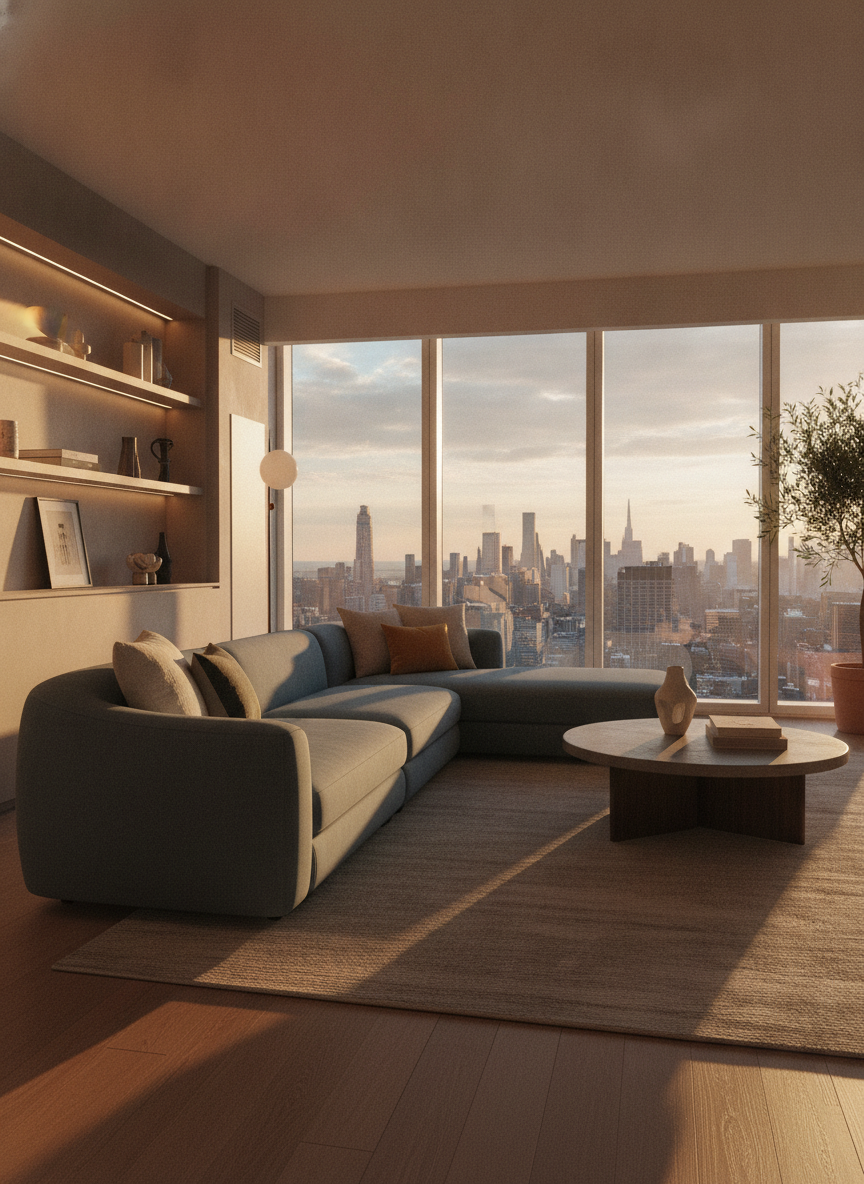
performance fabric sofa care, modern upholstery cleaning style example
Quick action with a microfiber cloth is crucial for fresh spills on performance fabric.

Using a Fabric Steamer (with extreme caution!)

For some performance fabrics, a fabric steamer can refresh and sanitize, but it’s not suitable for all. Only use on ‘W’ or ‘S/W’ coded fabrics, and always test in an inconspicuous area. Hold the steamer several inches away, moving quickly to avoid saturating the fabric. The goal is to lift dirt and kill bacteria with steam, not to soak the sofa. This method can also help release wrinkles. Use only distilled water in your steamer.

Proactive Measures: Protecting Your Investment for the Long Haul

The best defense is a good offense. Advanced performance fabric care isn’t just about cleaning; it’s about prevention.

Regular Maintenance Routine

  • Vacuum Regularly: At least once a week, use your upholstery attachment to vacuum crumbs, dust, and pet hair. This prevents dirt from embedding into the fibers, which can cause premature wear and tear.
  • Rotate Cushions: If your cushions are reversible, flip and rotate them weekly. This ensures even wear and tear, prolonging the life of your sofa and maintaining its shape.
  • Immediate Spill Response: Reinforce the 30-second rule. Train everyone in your household to address spills instantly.

Fabric Protectors and Sealants

Many performance fabrics come with an inherent protective treatment. However, over time, and with cleaning, this protection can wear off. Reapplying a fabric protector can significantly boost its stain and spill resistance. Look for reputable brands of Fabric Protector Spray designed for upholstery.

Application Tips:

  1. Ensure the fabric is perfectly clean and dry before application.
  2. Work in a well-ventilated area.
  3. Follow the manufacturer’s instructions precisely for even coverage and drying times.
  4. Test on an inconspicuous area first to ensure no discoloration or texture change.

These protectors create an invisible barrier that makes liquids bead up on the surface, allowing for easier cleanup and preventing stains from setting in.

Sunlight and Heat Protection

Even performance fabrics can fade over time with prolonged exposure to direct sunlight. Position your sofa away from harsh, direct sun, or use blinds and curtains during peak sunlight hours. Avoid placing your sofa too close to heat sources like radiators or fireplaces, as excessive heat can dry out and weaken fabric fibers.

Performance Fabric Type Comparison for Care

Understanding the nuances of different performance fabric types is crucial for tailored care. Here’s a brief comparison:

Fabric Type Key Benefits Common Cleaning Code Advanced Care Tip
Polyester Durable, wrinkle-resistant, colorfast, often treated for stain resistance. W (Water-based) Prompt attention to oil stains is key; pre-treat with absorbent powder.
Olefin Highly resistant to moisture, stains, fading, and mildew. W (Water-based) Can tolerate diluted bleach for tough stains (test first!), excellent for high-traffic.
Nylon Extremely strong, resilient, resistant to abrasion. W or S/W Vulnerable to dyes; immediate action for colored liquid spills is critical.
Acrylic Soft feel, fade-resistant, mildew-resistant. S/W or S Generally easy to clean, but be careful with heat; avoid excessive steaming.
Microfiber Soft, repels liquids, good stain resistance when treated. W (Water-based) Prone to ‘matting’ if rubbed aggressively; blot gently, use a soft brush to restore nap.

When to Call the Pros: Recognizing Limits

While advanced DIY care can go a long way, there are times when professional help is indispensable. Consider calling upholstery cleaning specialists if:

  • You have a ‘S’ or ‘X’ coded fabric, especially if it’s heavily soiled.
  • The stain is extremely large, old, or resistant to your best efforts.
  • There’s widespread discoloration or mildew growth.
  • You notice deep-seated odors that DIY methods haven’t resolved.
  • You have a delicate or expensive performance fabric that you’re hesitant to treat yourself.

Professionals have access to specialized equipment, stronger (yet safe) cleaning agents, and extensive experience with various fabric types, ensuring a thorough and safe clean.

Frequently Asked Questions (FAQ)

Q: Can I machine wash performance fabric cushion covers?

A: Only if the care tag explicitly states ‘machine washable’ and typically on a gentle cycle with cold water. Even then, exercise caution. Machine washing can sometimes alter the fabric’s texture, cause shrinkage, or compromise its protective coating. Air dry only, and never put them in a dryer.

Q: How often should I deep clean my performance fabric sofa?

A: For general maintenance, vacuum weekly. For deep cleaning, aim for once or twice a year, depending on usage, pets, and children. If you have significant spills or persistent odors, deep clean as needed. Consider professional cleaning every 1-3 years.

Q: Are all performance fabrics stain-proof?

A: No. While highly stain-resistant, no fabric is truly ‘stain-proof’. They provide a greater window of opportunity for cleanup before a stain sets. Certain substances (like permanent marker, strong dyes, or highly acidic liquids) can still stain if not addressed quickly and correctly.

Q: What’s the best way to remove pet hair from performance fabrics?

A: Regular vacuuming with an upholstery attachment is key. For stubborn hair, a lint roller, rubber gloves (dampened slightly), or a dedicated pet hair removal tool can effectively gather hair from the fabric surface.

Q: Can I use a steam cleaner on all performance fabrics?

A: No. Only use a steam cleaner on ‘W’ or ‘S/W’ coded fabrics, and always perform a patch test first. Avoid oversaturating the fabric, as excessive moisture can lead to mildew, water spots, or damage to the cushion’s interior. ‘S’ or ‘X’ coded fabrics should never be steam cleaned.

Conclusion

Investing in a performance fabric sofa is a smart choice for any modern home, promising durability and beauty. However, unlocking its full potential and ensuring its longevity requires moving beyond basic spot cleaning to embrace advanced care strategies. By understanding your fabric’s specific needs, utilizing the right tools, employing targeted cleaning techniques, and prioritizing proactive protection, you can confidently maintain your modern upholstery.

In 2026 and beyond, your performance fabric sofa doesn’t just withstand life; it thrives, remaining a clean, comfortable, and stylish sanctuary thanks to your dedicated and informed care.

Multi-Generational Comfort: Choosing Sofas for Every Age and Lifestyle

In an era where family bonds are cherished more than ever, multi-generational living is making a significant comeback. Grandparents, parents, and children often share the same roof, creating a vibrant, bustling household. While this arrangement offers immense joy and support, it also presents unique challenges, especially when it comes to furnishing a shared space. The living room, in particular, becomes the heart of the home, a place where everyone gathers to relax, connect, and create lasting memories. And at the center of it all? The sofa.

Choosing the right multi-generational sofa isn’t just about picking a stylish piece; it’s about investing in comfort, durability, and functionality that caters to a diverse range of needs. From toddlers taking their first steps to grandparents enjoying a quiet evening, your sofa needs to accommodate everyone. This comprehensive guide will walk you through the essential considerations, popular styles, and practical tips to help you select the perfect sofa for your large family.

Key Considerations for Multi-Generational Sofas

When you’re searching for a sofa that can stand up to the rigors and joys of multi-generational living, several factors come into play beyond aesthetics. Think about the daily life in your home – spilled juice, napping teenagers, movie nights, and elderly family members needing support. Your sofa must be a chameleon, adapting to every scenario.

Durability and Frame

The foundation of any good sofa is its frame. For a multi-generational household, durability is paramount. Look for frames constructed from kiln-dried hardwood (like oak, maple, or birch) or high-quality engineered wood. Avoid particleboard or softwoods, which tend to warp or break down over time under heavy use. Joints should be reinforced with dowels, corner blocks, or screws – not just staples or glue. A robust frame ensures your sofa can withstand years of enthusiastic play, frequent sitting, and countless family gatherings.

Fabric Choices

The upholstery fabric is the sofa’s first line of defense against daily life. For large families, stain-resistant, easy-to-clean, and highly durable fabrics are essential. Consider:

  • Performance Fabrics: These engineered fabrics (e.g., Sunbrella, Crypton, or Revolution) are designed to resist stains, spills, fading, and wear. They’re often spill-proof and remarkably easy to clean, making them ideal for homes with kids and pets.
  • Microfiber: Soft, durable, and highly resistant to stains and moisture, microfiber is a popular choice. It’s also often affordable and comes in various colors.
  • Tightly Woven Synthetics: Polyester blends, nylon, and acrylics can offer good durability and stain resistance. Look for tight weaves that prevent snags and offer a smooth surface.
  • Leather: While an investment, high-quality full-grain or top-grain leather can be incredibly durable, easy to wipe clean, and develops a beautiful patina over time. However, it can be susceptible to scratches from pets.

Always check a fabric’s double-rub count (a measure of its durability); anything over 15,000 is generally good for residential use, but for a busy multi-generational home, aim for 30,000 or higher.

Seating Depth and Height

This is where multi-generational needs truly diverge. A deep sofa might be perfect for lounging teenagers but challenging for an elderly person to get up from. A shallow seat might offer good back support for some but feel uncomfortable for taller individuals. Consider:

  • Medium Depth: A good compromise is a medium seat depth (around 22-24 inches) that can be adjusted with throw pillows for deeper lounging or more lumbar support.
  • Seat Height: Aim for a seat height that allows most adults to place their feet flat on the floor with their knees at a 90-degree angle (typically 18-20 inches). This helps with ease of sitting and standing, especially for seniors.

Support and Firmness

A multi-generational sofa needs to offer a balance of comfort and support. Cushions should be firm enough to provide good posture support but soft enough for comfortable lounging. High-density foam cores wrapped in down or synthetic fibers often provide the best balance. Look for sinuous spring or eight-way hand-tied spring systems in the seating, as these offer superior durability and support compared to webbing or drop-in coils.

Configuration and Layout

Flexibility is key. A sofa that can adapt to different needs and room layouts will serve your family best. Modular and sectional sofas excel here, allowing you to reconfigure the seating arrangement as needed.

Accessibility Features

For elderly family members or those with mobility challenges, certain features can make a world of difference. Power recliners with lift assistance can help individuals stand up with ease. Sofas with higher armrests also provide extra leverage when sitting down or getting up.

Safety

If you have young children, look for sofas with rounded edges to prevent bumps and bruises. Ensure there are no pinch points in reclining mechanisms and that the sofa is stable and doesn’t tip easily.

Top Multi-Generational Sofa Styles

Now that we’ve covered the crucial considerations, let’s explore some of the best sofa styles that naturally lend themselves to multi-generational living.

Modular Sofas

Modular sofas are the epitome of flexibility. Composed of individual pieces (modules) that can be arranged in countless configurations, they allow you to customize your living space as your family’s needs evolve. Need more seating for a party? Add an extra armless chair. Want to create a cozy corner for reading? Arrange two modules into a loveseat. They are fantastic for adapting to different activities and often feature deep, comfortable seating.

Sectional Sofas

Similar to modular sofas but typically with fixed configurations, sectionals offer ample seating for large families. An L-shaped or U-shaped sectional can define a living area and provide enough space for everyone to spread out. Many come with chaises for ultimate lounging, which can be a favorite spot for kids and adults alike. Look for sectionals with a durable frame and stain-resistant fabric to ensure longevity.

Recliners and Motion Sofas

For unparalleled comfort and accessibility, recliners and motion sofas are excellent choices. Power recliners, in particular, allow for effortless adjustment to find the perfect position, which can be a godsend for individuals with back pain or mobility issues. Some motion sofas feature multiple reclining seats, offering individual comfort zones within a single piece of furniture. A

Maximizing Small Spaces: Premium Sofas Perfect for Apartment Living in 2026

Welcome to 2026, where urban living continues to evolve, and so do our homes. For many, that means embracing the charm and challenges of small apartment living. But a compact footprint doesn’t mean sacrificing comfort, style, or luxury. In fact, finding the perfect premium sofa for small apartments is now easier and more exciting than ever before. Gone are the days of settling for bulky, ill-fitting furniture; today’s market is brimming with innovative, chic, and functional sofas designed specifically to thrive in confined spaces.

At lesofa.club, we understand that your sofa is more than just a place to sit; it’s the heart of your living area, a statement of your personal style, and a sanctuary after a long day. This comprehensive guide will navigate you through the best premium sofas for small apartments in 2026, highlighting the crucial features, design trends, and smart solutions that will transform your compact dwelling into a luxurious haven. Get ready to discover how to maximize small spaces without compromising on elegance or comfort.

Why Small Space Sofas Are Different: Beyond Just Size

When searching for sofas for small apartments 2026, it’s important to recognize that these aren’t just smaller versions of standard sofas. They are meticulously designed with a unique set of considerations in mind. Every inch matters, and functionality often goes hand-in-hand with aesthetics. Manufacturers are innovating to provide pieces that offer versatility, smart storage, and ergonomic comfort, all while maintaining a sophisticated look that aligns with luxury small space sofas.

Key Considerations for Apartment Sofas

  • Dimensions and Scale: The most obvious factor, but also the most critical. Measure your space diligently, including doorways and hallways. Look for sofas with slender arms, shallower depths, and leggy designs to create an illusion of space.
  • Multi-Functionality: In a small apartment, your sofa might need to do more than just offer seating. Think about sleeper sofas for guests, storage sofas to declutter, or modular designs that can be reconfigured.
  • Material and Durability: Premium small space sofas demand high-quality materials. Consider durable, easy-to-clean fabrics like performance velvet, high-thread-count linen, or top-grain leather. These materials not only look luxurious but also withstand daily wear and tear in a high-traffic area.
  • Style and Aesthetics: Your sofa sets the tone for your apartment. Modern, minimalist designs often work best, but don’t shy away from elegant mid-century or contemporary pieces. Ensure the color and texture complement your existing decor and create a cohesive look.
  • Assembly and Delivery: Small spaces often come with tight turns and narrow stairwells. Opt for sofas that come in manageable pieces for easier delivery and assembly, or those that offer white-glove service.

Top Trends in Small Apartment Sofas for 2026

The world of furniture design is always evolving, and 2026 brings exciting trends perfectly suited for those seeking luxury small space sofas:

  • Modular Marvels: Flexibility is king. Modular sofas allow you to rearrange sections to fit your current needs, whether it’s an L-shape for movie night or individual seating for entertaining.
  • Sustainable Sophistication: Eco-consciousness is a driving force. Expect to see more sofas crafted from recycled materials, sustainably sourced wood, and organic fabrics, all without compromising on high-end appeal.
  • Smart Integration: While not yet mainstream for sofas, some premium models might integrate subtle tech, like hidden charging ports or ambient lighting, enhancing convenience.
  • Bold Textures and Earthy Tones: Rich textures like bouclé, velvet, and chunky knits are trending, often paired with calming earthy tones or muted jewel colors to add depth without overwhelming a small room.

Our Top Picks: Premium Sofas for Small Apartments (2026 Edition)

Finding the perfect blend of form, function, and luxury in a compact package requires careful consideration. Here are some of lesofa.club’s top recommendations for premium sofas for small apartments in 2026:

The “Nova” Compact Convertible Sofa

Ideal for studios or one-bedroom apartments, the Nova series exemplifies smart design. These sofas effortlessly transition from a comfortable seating area to a cozy bed, perfect for overnight guests. Many models feature high-density foam cushions wrapped in elegant, stain-resistant fabrics. Look for those with hidden storage compartments beneath the seat, offering a discreet solution for blankets or pillows. The “Nova” Compact Convertible Sofa is a masterclass in versatility, making it a front-runner for sofas for small apartments 2026. Its sleek profile and sturdy construction make it a worthy investment.

Discover the versatility: Nova Compact Convertible Sofa

The “Aura” Modular Sectional

Don’t let the term ‘sectional’ intimidate you in a small space. The “Aura” Modular Sectional is designed with individual, lightweight pieces that can be reconfigured to suit any layout. Need a compact L-shape today and two separate chairs tomorrow? No problem. These sections often connect with discreet, easy-to-use latches, making rearrangement a breeze. Crafted with solid wood frames and premium upholstery, the Aura series provides customizable luxury, allowing you to tailor your seating solution precisely to your room’s dimensions and your lifestyle. It’s an excellent choice for those seeking luxury small space sofas that adapt to their evolving needs.

Explore modular flexibility: Aura Modular Sectional

The “Zenith” Storage Loveseat

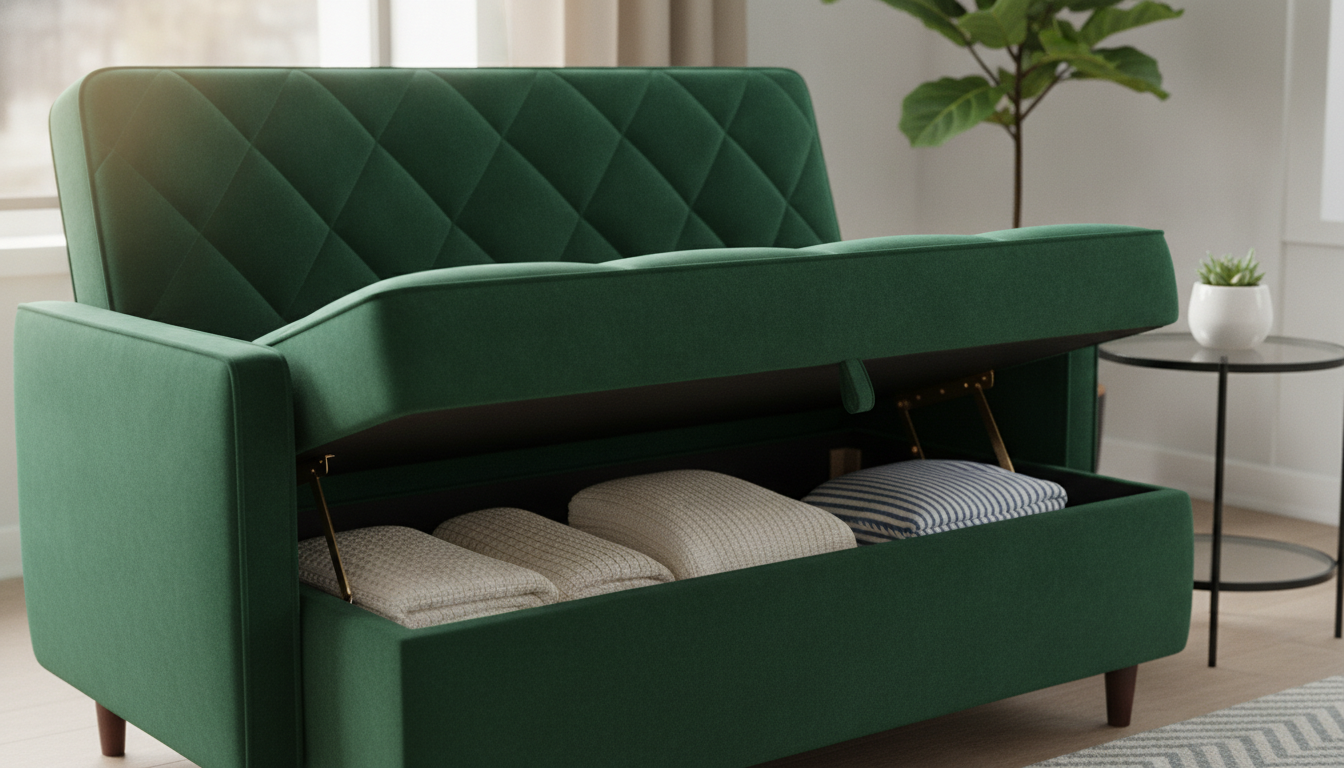
A true game-changer for clutter control, the “Zenith” Storage Loveseat combines elegant design with unparalleled practicality. These aren’t your grandmother’s bulky storage benches; modern Zenith loveseats feature hidden compartments seamlessly integrated into the design – think lift-top seats or side pockets disguised as armrests. Upholstered in sumptuous velvets or durable performance fabrics, they provide comfortable seating for two while keeping your space tidy and chic. This is an essential for anyone whose apartment feels short on storage, making it one of the most functional sofas for small apartments 2026.

sofas for small apartments 2026, luxury small space sofas style example
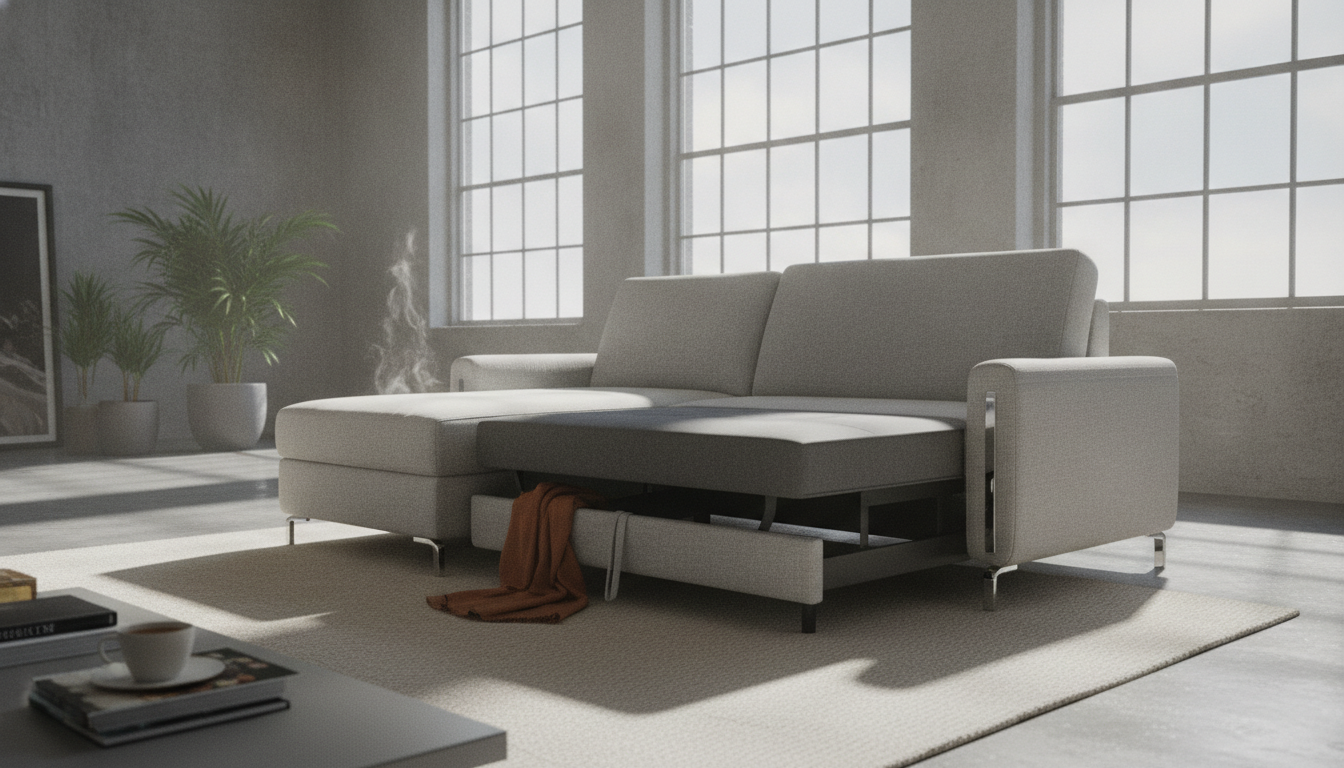
The ‘Zenith’ Storage Loveseat: where luxury meets clever, discreet functionality for small spaces.

Maximize your space with storage: Zenith Storage Loveseat

The “Sleekline” Armless Apartment Sofa

For ultimate space-saving without compromising on style, the “Sleekline” Armless Apartment Sofa is a revelation. By eliminating traditional arms, these sofas offer a wider seating area relative to their overall footprint, making a small room feel more expansive. Their minimalist aesthetic often features clean lines and contemporary fabrics, making them perfect luxury small space sofas. They can also be easily pushed together to create a larger seating arrangement for entertaining, or pulled apart to free up floor space. Many models include subtly angled backs for ergonomic support, proving that armless doesn’t mean less comfortable.

Embrace minimalist elegance: Sleekline Armless Apartment Sofa

The “Harmony” Chaise Lounge Sofa

If you crave lounging comfort but lack the space for a full sectional, the “Harmony” Chaise Lounge Sofa offers the perfect compromise. These sofas feature a built-in chaise that allows you to stretch out, yet their overall footprint is significantly smaller than a traditional sectional. Often designed with reversible chaises, they can adapt to your room’s layout. Upholstered in rich textures like bouclé or top-grain leather, they exude luxury while providing a dedicated spot for relaxation, making them a superb option for individual comfort in small spaces.

Indulge in sophisticated lounging: Harmony Chaise Lounge Sofa

Comparison Table: Premium Small Space Sofas (2026)

Sofa Model Key Feature Ideal For Approx. Dimensions (L x D x H) Material Options Price Range (Est.)
Nova Compact Convertible Sleeper & Storage Studios, guest-ready homes 70″ x 34″ x 30″ Performance Fabric, Velvet $$$
Aura Modular Sectional Reconfigurable Sections Flexible layouts, growing needs Varies (e.g., 85″ x 60″ x 28″) Linen Blend, Bouclé $$$-$$$$
Zenith Storage Loveseat Integrated Storage Decluttering, cozy nooks 55″ x 32″ x 31″ Velvet, Faux Leather $$
Sleekline Armless Sofa Minimalist, Open Feel Ultra-small spaces, modern decor 68″ x 30″ x 29″ Woven Fabric, Leatherette $$
Harmony Chaise Lounge Dedicated Lounging Individual comfort, small families 80″ x 58″ (chaise) x 30″ Textured Weave, Top-Grain Leather $$$

Price Range Guide: $$ = $800-$1500, $$$ = $1500-$2500, $$$$ = $2500+ (estimates are approximate and vary by retailer and customizations).

How to Measure for Your Perfect Apartment Sofa

Accurate measurement is the cornerstone of a successful small space sofa purchase. Don’t just measure the floor space. Measure:

  1. The Room: Length and width, noting any architectural features like radiators, built-ins, or doorways.
  2. Doorways: Width and height of your main entry door, and any interior doors the sofa will pass through.
  3. Hallways & Stairwells: Width, height, and any tight turns or low ceilings.
  4. Elevators: If applicable, measure the interior dimensions.
  5. Sofa Dimensions: Compare these to your pathway measurements. Remember to account for diagonal maneuvering.

Use painter’s tape to outline the sofa’s footprint on your floor. This visual aid is invaluable for understanding how the sofa will sit in your space and how much walking room will be left.

Styling Your Small Space Sofa for Maximum Impact

Once you’ve chosen your luxury small space sofa, styling it correctly can elevate your entire apartment’s aesthetic:

  • Pillows and Throws: Add depth and comfort with a mix of textures and patterns. Choose decorative pillows that complement your sofa’s upholstery without overwhelming it. A soft throw can add a touch of warmth and color.
  • Rugs: A well-placed area rug can define the living area and anchor your sofa, making the space feel more intentional and cohesive.
  • Coffee Tables: Opt for minimalist, clear, or multi-functional coffee tables. Nested tables, ottomans with storage, or tables with slim profiles are excellent choices.
  • Lighting: Strategically placed floor lamps or wall-mounted sconces can enhance the ambiance and make a small room feel brighter and more open.

FAQ: Sofas for Small Apartments 2026

Q: What is the best type of sofa for a small apartment?

A: The best type depends on your specific needs, but generally, modular sofas, convertible sleeper sofas, armless sofas, and loveseats with storage are excellent choices for small apartments due to their versatility and space-saving designs. Always prioritize functionality combined with your personal style.

Q: How do I make a small sofa look luxurious?

A: To make a small sofa look luxurious, choose premium materials like velvet, high-quality linen, or top-grain leather. Opt for sophisticated, muted colors or rich jewel tones. Add elegant throw pillows in complementary textures and patterns, and consider a high-end cashmere throw blanket. Good lighting and surrounding decor also contribute significantly to a luxurious feel.

Q: Can a sectional fit in a small apartment?

A: Yes, absolutely! Modern small modular sectionals are specifically designed for compact spaces. Their reconfigurable pieces allow for flexible layouts that can adapt to tricky corners or small rooms. Always measure carefully and consider chaises with reversible orientations.

Q: What are some space-saving features to look for in a sofa?

A: Look for sofas with built-in storage (under-seat, armrests), convertible functions (sleeper sofas), modular designs, slim arms, shallow depths, and leggy bases that create an illusion of space. Armless designs also maximize seating area within a small footprint.

Q: How often should I clean my apartment sofa?

A: For daily maintenance, vacuum your sofa weekly to remove dust and debris. For deeper cleaning, address spills immediately with a suitable fabric cleaner. A professional deep clean is recommended every 12-18 months, especially for high-traffic sofas or those in homes with pets or children, to maintain its pristine look and longevity.

Conclusion: Your Small Space, Elevated

Choosing the right sofa for small apartments in 2026 doesn’t have to be a compromise between style and practicality. With the innovations in furniture design, luxury small space sofas are more accessible and versatile than ever. By focusing on smart dimensions, multi-functional features, and premium materials, you can transform your compact living area into a chic, comfortable, and highly functional sanctuary. At lesofa.club, we believe every home, no matter its size, deserves a sofa that speaks to luxury and comfort. Happy decorating!

Designing for Dynamic Living: The Best Modular Sofas for 2026

The concept of home has evolved dramatically. Today’s living spaces are not just static rooms; they are dynamic canvases, constantly adapting to our ever-changing lives, whether it’s hosting a bustling family gathering, finding a quiet corner for reading, or transforming into a home office. This evolution calls for furniture that can keep pace, and leading the charge into 2026 are modular sofas. Far from being just a trend, modularity is a fundamental shift in how we approach flexible living room design, offering unparalleled versatility and style.

At Lesofa.club, we believe your sofa should be as adaptable as your life. That’s why we’ve delved deep into the latest innovations and design trends to bring you our comprehensive guide to the best modular sofas for 2026. Get ready to rethink your living room and discover how these ingenious seating solutions can revolutionize your home.

What Exactly is a Modular Sofa?

Before we dive into our top picks, let’s clarify what defines a modular sofa. Unlike traditional sofas or even fixed sectionals, a modular sofa is composed of individual, standalone pieces (modules) that can be arranged and rearranged in countless configurations. Think of them as giant, luxurious building blocks for your living room. These modules can include armless chairs, corner pieces, ottomans, chaises, and even built-in tables, all designed to connect seamlessly.

This inherent flexibility allows you to customize your seating to fit any occasion, space, or mood. Need extra seating for guests? Add another armless chair. Want a cozy lounge for movie night? Combine two ottomans with a corner piece to create a sprawling chaise. The possibilities are truly endless, making them the ultimate choice for flexible living room furniture.

Why Choose a Modular Sofa in 2026? Embrace Flexible Living Room Design

In 2026, the reasons to choose a modular sofa are more compelling than ever. Beyond their undeniable aesthetic appeal, these pieces offer practical advantages that resonate with modern living:

Unmatched Adaptability and Future-Proofing

Life is unpredictable. You might move to a new home, your family size might change, or your needs might simply evolve. A modular sofa adapts to all these shifts. Instead of buying a new sofa every few years, you can simply reconfigure your existing modules or add new ones, making it a sustainable and cost-effective long-term investment in flexible living room design. This adaptability is a core reason why modular sofas are considered among the best furniture solutions for the coming years.

Optimizing Any Space

Whether you live in a sprawling open-plan apartment or a compact urban dwelling, a modular sofa can be tailored to fit. Small spaces can benefit from compact arrangements that maximize seating without overwhelming the room, while larger areas can be transformed into zones for different activities using cleverly arranged modules. This makes finding the best modular sofas for small spaces easier than ever.

Personalized Comfort and Style

Modular sofas allow for a level of personalization that traditional sofas can’t match. You can mix and match fabrics, colors, and even textures to create a truly unique piece that reflects your personal style. Furthermore, by arranging modules, you can create specific comfort zones—a firm seat for working, a plush chaise for lounging, or a supportive back for reading.

Ease of Transport and Assembly

One of the often-overlooked benefits of modular furniture is its ease of transport. Moving a large, rigid sectional can be a nightmare. Modular pieces, being smaller and lighter, are significantly easier to maneuver through doorways and staircases, simplifying moves and reconfigurations.

Key Factors When Choosing Your Best Modular Sofa for 2026

To help you navigate the myriad of options and identify the best modular sofas for your home in 2026, consider these crucial factors:

1. Modularity & Configuration Options

How many different modules are available? Do they offer corner pieces, chaises, ottomans, and armless chairs? The more options, the greater your flexibility. Consider the locking mechanism—do pieces securely connect to prevent shifting, or do they simply butt up against each other?

2. Material & Durability

The fabric and frame are paramount for longevity. Look for sturdy frames made of kiln-dried hardwood. For upholstery, consider your lifestyle. Performance fabrics like stain-resistant polyesters, microfibers, or Crypton are ideal for families with kids and pets. Natural fibers like linen or cotton offer a different aesthetic but may require more care. Velvet and boucle are trending for a luxurious feel.

3. Comfort Level

This is subjective, but generally, look for high-density foam cores with down or fiber wraps for a balance of support and plushness. Test different firmness levels if possible. Some modular sofas offer reversible cushions or even adjustable backrests for personalized comfort.

4. Style & Aesthetics

Modular sofas come in a vast array of styles, from minimalist modern to bohemian chic. Consider how the sofa’s design, lines, and leg style will complement your existing decor and the overall vibe of your flexible living room design. Color choice is also critical—neutrals offer timeless appeal, while bold colors make a statement.

5. Size & Scale

Measure your space carefully! Map out potential configurations with painter’s tape on your floor to visualize how different module arrangements will fit. Don’t forget to account for walking paths and other furniture. A common mistake is buying a sofa that overwhelms the room.

6. Ease of Assembly & Maintenance

While modular sofas are generally easier to move, some require more complex assembly than others. Check reviews for insights into setup difficulty. For maintenance, removable, washable covers are a huge plus, especially for busy households. Look for fabrics that are easy to spot clean.

7. Budget

Modular sofas range widely in price depending on materials, brand, and number of modules. Set a realistic budget and prioritize the features most important to you. Remember, a good modular sofa is an investment in your home’s flexibility and longevity.

Top Picks: The Best Modular Sofas for 2026

Based on our extensive research into emerging trends, user reviews, and design innovation, here are some of the best modular sofas for 2026 that embody adaptability, comfort, and style:

1. The “Cloud Comfort” Modular Sectional

Renowned for its incredibly deep seats and ultra-soft, sink-in comfort, the Cloud Comfort system is perfect for those who prioritize lounging. Its oversized modules can be arranged into expansive U-shapes, sprawling L-shapes, or even individual oversized chairs. Upholstered in a plush, durable velvet or a soft-touch performance fabric, it’s ideal for family movie nights and cozy gatherings. The modular design allows you to expand or contract your seating as your needs change. It’s a top contender for anyone seeking the ultimate in relaxed luxury and is often searched for as a deep seat modular sofa.

2. The “Urban Edge” Convertible Modular Sofa

Designed with city dwellers and smaller living spaces in mind, the Urban Edge offers smart solutions without sacrificing style. Its streamlined profile and firm, supportive cushions make it perfect for both entertaining and everyday use. Key features include hidden storage compartments within select modules and an easy-to-use locking mechanism for quick reconfiguration. Available in durable linen blends and faux leather, it seamlessly integrates into modern, minimalist flexible living room designs. Its versatility often places it high on lists for the best modular sofas for small apartments.

3. The “VersaLuxe” All-Weather Modular System

Breaking the boundaries of indoor-only furniture, the VersaLuxe system is designed for both interior and exterior spaces. Crafted with fade-resistant, water-repellent performance fabrics and robust, rust-proof frames, these modules bring the best of flexible living room design outdoors. Imagine extending your living space onto a patio or deck with identical, interchangeable pieces. This innovation makes it a standout choice for those seeking integrated indoor-outdoor living solutions. Search for an all-weather modular sectional to find similar robust options.

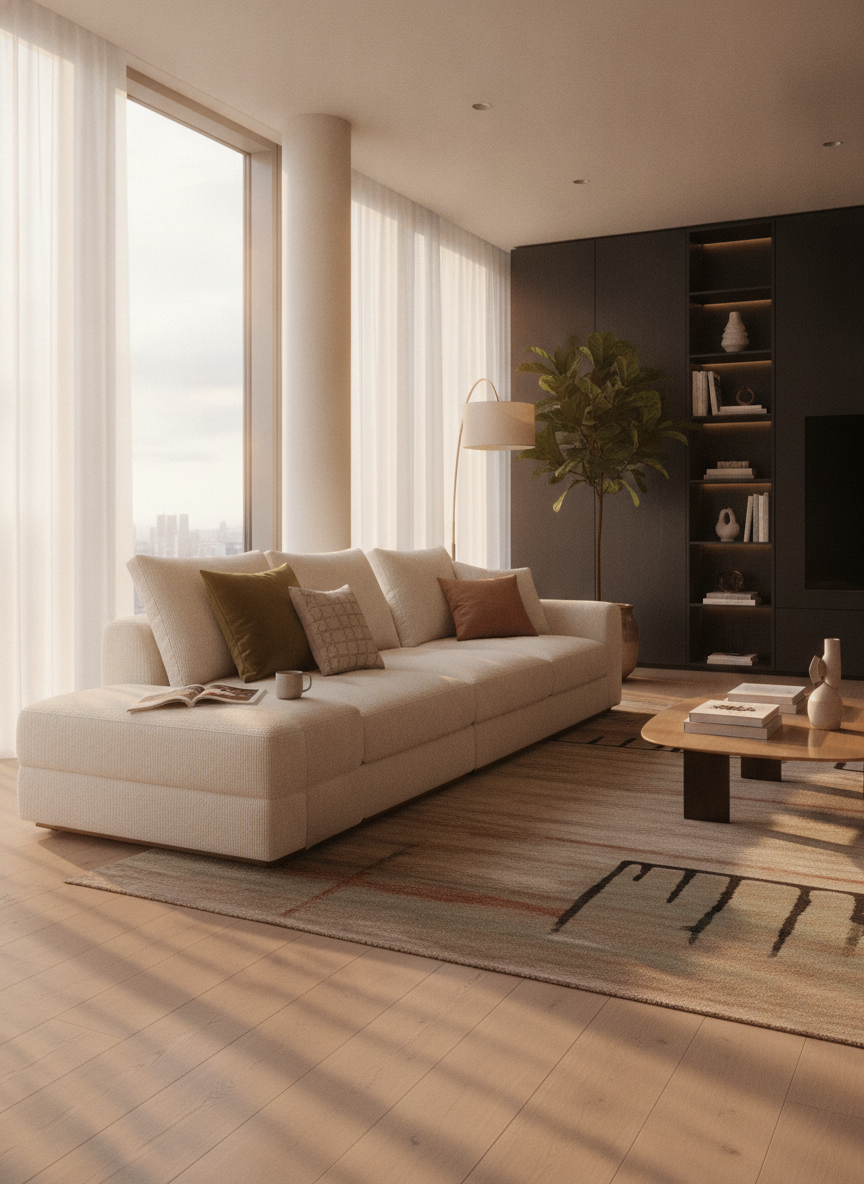
best modular sofas 2026, flexible living room design style example
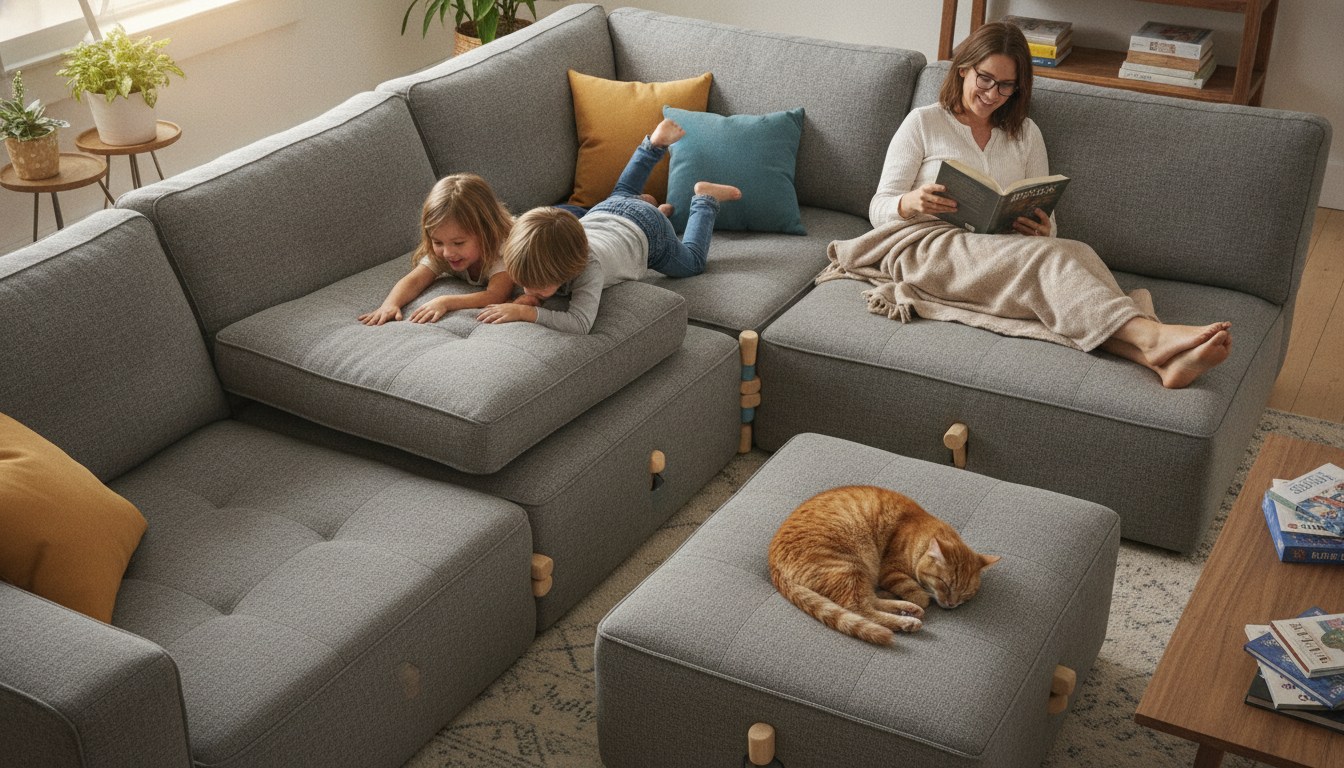
Modular sofas offer flexible seating for every member of the family, pets included!

4. The “ScandiFlex” Modular Sofa with Wood Accents

Embodying the best of Scandinavian design principles, the ScandiFlex modular sofa combines clean lines, natural wood accents (often oak or walnut), and a focus on functionality. Its medium-firm cushions provide excellent support, making it comfortable for long conversations or a quiet reading session. The modularity is intuitive, allowing for easy transitions from a compact loveseat to a spacious L-shape, all while maintaining a sophisticated aesthetic. Perfect for those who appreciate understated elegance and practical design, often appearing when people search for a mid-century modern modular sofa.

5. The “Family Hub” Kid & Pet-Friendly Modular

For bustling homes, the Family Hub is a dream come true. This modular sofa features incredibly resilient, easy-to-clean performance fabrics (often a durable polyester or stain-resistant chenille) and robust construction designed to withstand the rigors of daily life with children and pets. Its deep, inviting seats offer ample room for everyone, and the modular pieces ensure you can always create the perfect configuration for playdates, movie marathons, or just everyday relaxation. Look for pet-friendly modular sofas or washable cover sectionals for similar durability.

Comparison Table: Best Modular Sofas for 2026

Sofa Model Key Feature Material Options Best For Price Range (Estimated)
Cloud Comfort Ultra-deep, plush seating Velvet, Performance Fabric Ultimate Lounging, Large Families $$$$
Urban Edge Compact, hidden storage Linen Blend, Faux Leather Small Apartments, Modern Spaces $$$
VersaLuxe Indoor/Outdoor versatility Weather-resistant Performance Fabric Integrated Living, Patios $$$$$
ScandiFlex Clean lines, wood accents Textured Fabrics, Durable Weaves Minimalist Decor, Flexible Functionality $$$
Family Hub Kid & Pet-friendly durability Stain-Resistant Polyester, Chenille Busy Households, High Traffic $$

Designing Your Dynamic Living Room with a Modular Sofa

Choosing the best modular sofas is just the first step. Here’s how to integrate them into your flexible living room design for maximum impact and functionality:

1. Define Your Zones

Use your modular sofa to create distinct zones within an open-plan space. A corner configuration can define a cozy TV area, while an arrangement of back-to-back chaises could separate a reading nook from a conversation zone. Ottomans can double as coffee tables or extra seating.

2. Embrace Symmetry or Asymmetry

Modular sofas allow you to play with balance. Create a perfectly symmetrical U-shape for a formal look, or embrace an asymmetrical arrangement with a long chaise on one side for a more relaxed, modern vibe. This freedom is at the heart of flexible living room design.

3. Add Texture and Layers

Enhance the comfort and visual appeal of your modular sofa with throws, pillows, and rugs. These elements add warmth, color, and personality, making the space feel more inviting. A plush area rug can anchor the entire seating arrangement.

4. Complement with Smart Side Tables

Since modular sofas often have low profiles, consider nesting side tables or C-shaped tables that can slide over the seats, providing convenient surfaces for drinks and remotes without cluttering the floor plan.

5. Think Vertically

With the flexibility on the floor, consider going vertical with your decor. Tall bookshelves, statement floor lamps, and wall art can draw the eye upwards, adding depth and interest to a room centered around a low-slung modular sofa.

Maintenance Tips for Your Modular Sofa

To ensure your modular sofa remains one of the best modular sofas for years to come, proper care is essential:

  • Vacuum Regularly: Use a brush attachment to remove dust, crumbs, and pet hair.
  • Spot Clean Promptly: Address spills immediately with a clean cloth and appropriate cleaning solution for your fabric type. Always test in an inconspicuous area first.
  • Rotate Cushions: If possible, flip and rotate seat and back cushions regularly to ensure even wear and prolong their lifespan.
  • Check Connections: Periodically ensure all modular connectors are secure to prevent shifting and maintain structural integrity.
  • Professional Cleaning: Depending on the fabric and usage, consider professional cleaning every 1-2 years to refresh and extend the life of your upholstery. A good upholstery cleaner kit can be handy for DIY refreshers.

FAQ: Your Questions About Modular Sofas Answered

Q1: What is the difference between a sectional and a modular sofa?

While often used interchangeably, there’s a key distinction. A sectional is typically a fixed unit composed of a set number of pieces (e.g., a two-piece L-shape) that connect in a specific, often permanent way. A modular sofa, on the other hand, consists of individual, standalone pieces that can be rearranged and reconfigured in virtually endless ways, offering much greater flexibility. All modular sofas are sectionals, but not all sectionals are modular.

Q2: Are modular sofas comfortable?

Absolutely! Comfort is a primary consideration in modern sofa design. The best modular sofas for 2026 offer a wide range of comfort levels, from ultra-plush, sink-in designs to more supportive, firm options. Many even allow you to customize cushion fillings or densities to suit your preference. Their ability to adapt to various lounging positions (e.g., long chaises) often enhances overall comfort.

Q3: How do I clean a modular sofa?

Cleaning depends heavily on the fabric. Always check the manufacturer’s care instructions first. Many modular sofas, especially those designed for families, feature performance fabrics that are easy to spot clean with mild soap and water. Some even have removable, machine-washable covers. For more delicate fabrics, professional cleaning or specialized upholstery cleaners may be required. Regularly vacuuming and prompt spot treatment are key for all types.

Q4: Can I add more pieces to my modular sofa later?

This is one of the biggest advantages of modular sofas! Most manufacturers design their lines to allow for future expansion. You can typically purchase additional armless chairs, corner pieces, or ottomans separately to expand your seating as your needs change. It’s always a good idea to confirm availability and consistency of dye lots if you plan to expand years down the line.

Q5: Are modular sofas good for small spaces?

Yes, modular sofas are excellent for small spaces. Their inherent flexibility allows you to configure them precisely to fit awkward corners, narrow rooms, or multi-functional areas. You can create compact loveseat arrangements during the day and extend them with an ottoman for lounging at night. Their ability to adapt means you’re not stuck with a fixed, bulky piece of furniture, making them ideal for maximizing utility in compact living environments.

Conclusion: Your Dynamic Living Awaits with the Best Modular Sofas of 2026

As we look to 2026, the demand for adaptable, stylish, and sustainable home furnishings continues to grow. Modular sofas perfectly embody these desires, offering a revolutionary approach to flexible living room design. They are more than just furniture; they are an investment in a dynamic, comfortable, and ever-evolving lifestyle.

Whether you’re furnishing a new home, renovating an existing space, or simply seeking more versatility, exploring the best modular sofas will unlock a world of possibilities for your living room. Embrace the freedom to design a space that truly works for you, today and for many years to come.

Smart Sofas & Integrated Tech: Lounging Innovations to Expect in 2026

The living room, once a static space, is rapidly evolving into a dynamic hub of connectivity and comfort. At the heart of this transformation? The humble sofa, now reimagined as a ‘smart sofa.’ As we approach 2026, integrated sofa technology is no longer a futuristic pipe dream but a tangible reality, promising to revolutionize how we relax, work, and interact within our homes. Forget mere reclining mechanisms; the next generation of smart sofas is about intelligent design, personalized wellness, and seamless integration with our digital lives.

For years, our sofas have served as silent witnesses to our lives, absorbing spills, supporting our movie nights, and providing a soft landing after a long day. But what if your sofa could do more than just offer a place to sit? What if it could monitor your health, charge your devices, adjust to your posture, and even interact with your smart home ecosystem? That’s the promise of smart sofas 2026, blending cutting-edge technology with the timeless need for comfort and style.

What Defines a Smart Sofa Today, and Where Are We Headed?

Today’s ‘smart’ sofas often feature basics like USB charging ports, power recliners, and maybe built-in cup holders. While convenient, these are just the appetizers before the main course. The true vision for smart sofas 2026 involves a much deeper level of integrated sofa technology. We’re talking about sophisticated sensors, AI-driven personalization, advanced material science, and ubiquitous connectivity that will make your living room the most intelligent space in your home.

The goal is to create a piece of furniture that doesn’t just occupy space but actively enhances your well-being and daily routine. This evolution is driven by our increasingly connected lifestyles, the demand for personalized experiences, and a growing emphasis on health and sustainability. The era of truly intelligent furniture is upon us, and the sofa is leading the charge.

Key Innovations to Expect in Smart Sofas by 2026

The pace of technological advancement means that by 2026, the features we consider futuristic today will likely be standard. Here’s a deeper dive into the innovations set to define the next generation of smart sofas.

Health & Wellness Integration: Your Personal Wellness Hub

Imagine a sofa that’s an active participant in your health journey. By 2026, smart sofas will move beyond simple relaxation to become sophisticated wellness hubs:

  • Biometric Sensors: Integrated into the fabric and cushioning, these sensors will discreetly monitor your heart rate, breathing patterns, and even body temperature. This data can be synced with your fitness trackers or health apps, providing insights into stress levels or sleep quality during a nap.
  • Posture Correction & Support: No more slouching! AI-powered sensors will detect poor posture and gently adjust the sofa’s lumbar support or headrest to encourage better alignment. Imagine a ‘posture coaching’ feature, guiding you to sit healthier while you watch TV or read.
  • Stress Reduction Features: Built-in haptic feedback systems can offer gentle massages, while integrated aromatherapy diffusers release calming scents. Some models may even incorporate chromotherapy lighting, using subtle color changes to influence mood.
  • Sleep Tracking & Napping Optimization: For those impromptu naps, smart sofas will monitor sleep cycles and gently wake you at the optimal moment, ensuring you feel refreshed rather than groggy.

Advanced Connectivity & Automation: The Brains of Your Living Room

The true intelligence of smart sofas 2026 will lie in their connectivity and automation capabilities:

  • Seamless Smart Home Integration: Your smart sofa won’t just exist in isolation. It will be a central node in your smart home, communicating with lighting, thermostats, and entertainment systems. For instance, reclining the sofa could automatically dim the lights and start your favorite streaming service.
  • Voice Control & AI Assistants: Built-in microphones and speakers will allow you to control your sofa’s functions, adjust smart home settings, or even order groceries with simple voice commands, all without reaching for a remote or phone.
  • Personalized User Profiles: Each family member will have a profile, allowing the sofa to instantly recall preferred seating positions, massage settings, and even ambient lighting preferences upon recognition.
  • Over-the-Air (OTA) Updates: Like your smartphone, smart sofas will receive software updates, adding new features and improving performance over time, ensuring your investment remains cutting-edge.

Personalized Comfort & Customization: Tailored to Your Every Whim

The ultimate luxury is personalization, and smart sofas 2026 will deliver:

  • Adaptive Cushioning Systems: Utilizing air bladders or advanced memory foam, the sofa will dynamically adjust its firmness and contour to your body shape and preferences, providing unparalleled ergonomic support.
  • Individualized Climate Control: Imagine individual heating and cooling zones for each seat, allowing you and your partner to enjoy perfect comfort regardless of your personal temperature preferences.
  • Modular & Reconfigurable Designs: Sofas will feature easily reconfigurable modules that can be rearranged to suit different occasions – a cozy two-seater for a quiet evening, or a sprawling sectional for entertaining guests. Automated systems might even assist in these transformations.
  • Dynamic Lumbar & Headrest Support: Beyond simple recline, these elements will adjust precisely to your body, offering targeted support whether you’re reading, watching TV, or taking a nap.

Enhanced Entertainment & Productivity: More Than Just a Seat

Your sofa will evolve into an entertainment and productivity hub:

  • Integrated Sound Systems: High-fidelity speakers discreetly built into the sofa will provide immersive audio experiences, whether for movies, music, or gaming, eliminating the need for external soundbars.
  • Retractable Screens & Projectors: Some high-end models may feature integrated, pop-up screens or short-throw projectors, turning any wall into a cinema screen with the touch of a button.
  • Wireless Charging & Power Outlets: Abundant wireless charging pads and discreet USB-C ports will ensure all your devices stay powered without a tangle of cables. Consider an integrated wireless charging pad for your tech.
  • Fold-out Work Surfaces: For those who blend work and relaxation, discreetly hidden tables or stands will emerge, providing a stable surface for laptops or tablets.

Sustainable & Smart Materials: The Eco-Conscious Future

Innovation extends to the very fabric and frame of the sofa:

  • Self-Cleaning & Stain-Resistant Fabrics: Advanced nanotech coatings will repel spills and dirt, making maintenance a breeze. Some fabrics might even have antimicrobial properties.
  • Durable & Eco-Friendly Materials: Expect frames made from recycled composites and upholstery from sustainable, rapidly renewable resources.
  • Sensors for Wear & Tear: Integrated sensors could even alert you to potential wear and tear, suggesting timely repairs or maintenance for increased longevity. A good smart sofa fabric protector can also extend life.

How to Choose Your Future Smart Sofa

As smart sofas 2026 become more prevalent, selecting the right one will involve new considerations:

  1. Define Your Needs: Prioritize what’s most important – health tracking, entertainment, productivity, or maximum comfort?
  2. Budget: Integrated sofa technology comes at a price. Establish your budget early.
  3. Smart Home Compatibility: Ensure the sofa integrates seamlessly with your existing smart home ecosystem (e.g., Apple HomeKit, Google Home, Amazon Alexa).
  4. Privacy & Data Security: Inquire about how biometric and usage data is collected, stored, and protected.
  5. User Interface: Look for intuitive controls, whether via voice, app, or physical buttons.
  6. Modular & Upgradeable: Consider if the sofa’s components can be upgraded or rearranged in the future.

Comparison Table: Glimpse into the Future of Smart Sofas 2026

Feature/Model LumbarFlow 5000 Zenith AI Lounge Apex Connect Sectional
Key Focus Ergonomic Health & Posture Wellness & Stress Reduction Ultimate Connectivity & Entertainment
Biometric Sensors Heart Rate, Posture, Breathing Heart Rate, Breathing, Stress Level Basic Occupancy Sensor
Posture Correction Active Lumbar Adjustments Gentle Haptic Reminders N/A
Climate Control Heated Seats (Individual) Heated & Cooled Seats (Individual) N/A
Sound System Basic Integrated Speakers Premium Dolby Atmos (Hidden) Integrated Soundbar + Subwoofer
Voice Control Yes (Alexa/Google compatible) Built-in AI Assistant Yes (Alexa/Google compatible)
Wireless Charging 2 pads per seat 4 pads, Fast Charging 4 pads, plus 2 USB-C ports
Special Features Personalized Exercise Routines Aromatherapy Diffuser, Sleep Mode Retractable Projector Screen
Expected Price Range $$ $$$ $$$
smart sofas 2026, integrated sofa technology style example
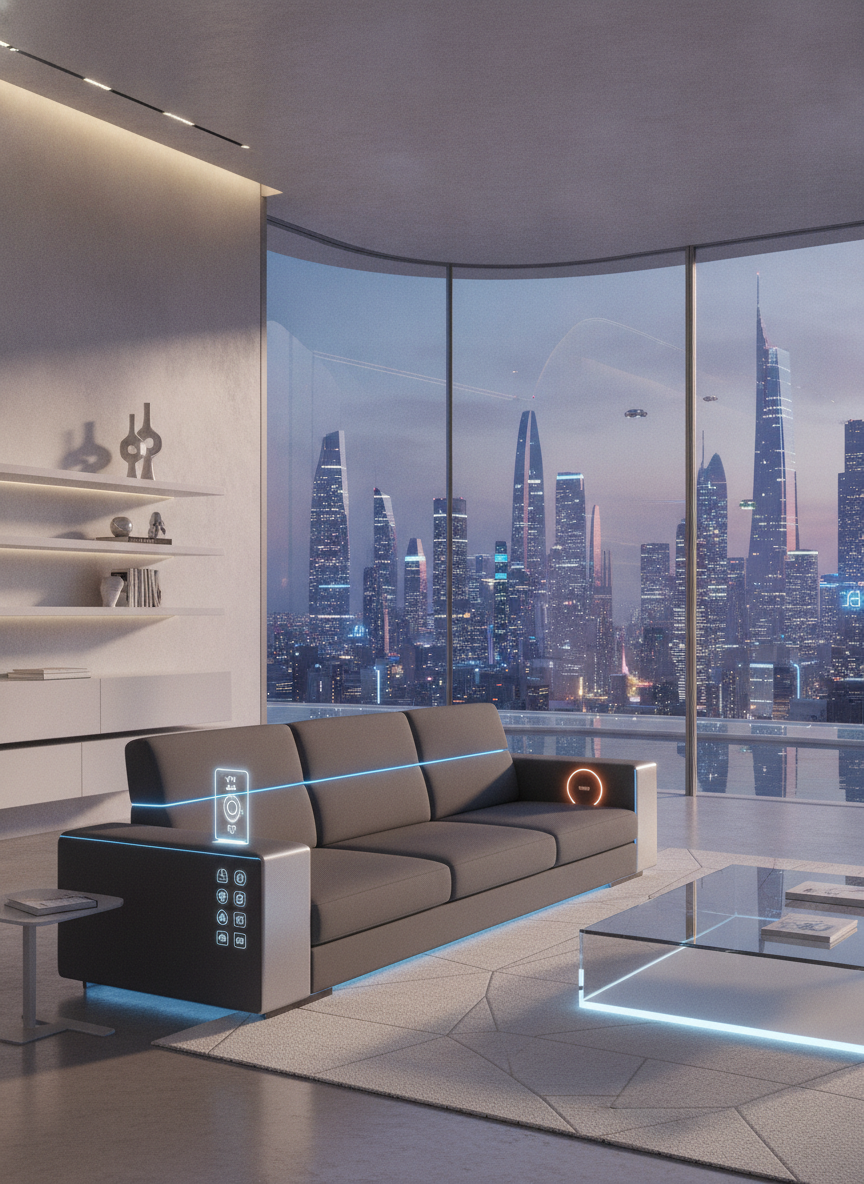
Experience a blend of technology and comfort: a smart sofa reimagines your living space.

Experience a blend of technology and comfort: a smart sofa reimagines your living space.

The Impact of Integrated Sofa Technology on Daily Life

The introduction of advanced smart sofas 2026 isn’t just about new gadgets; it’s about fundamentally reshaping our interaction with our living environments. These intelligent pieces of furniture will make our homes more responsive, our relaxation more profound, and our daily routines more streamlined.

Imagine a morning where your sofa gently vibrates to wake you from a perfect nap, then plays your favorite podcast as you stretch. Or an evening where it intuitively adjusts to your preferred movie-watching position, dims the lights, and ensures your phone is fully charged. This integrated sofa technology removes friction, automates comfort, and provides data-driven insights into our well-being, creating a truly symbiotic relationship between furniture and inhabitant. It’s about more than just convenience; it’s about creating a living space that actively contributes to a healthier, happier lifestyle.

Challenges and Considerations for the Smart Sofa Revolution

While the future of smart sofas is exciting, there are important challenges to address:

  • Privacy Concerns: With biometric data collection, robust data security and transparent privacy policies will be paramount. Users must feel confident their personal information is protected.
  • Cost: Advanced integrated sofa technology will undoubtedly command a premium price, potentially making these innovations inaccessible to a wider audience initially.
  • Obsolescence: Technology evolves rapidly. How will manufacturers ensure smart sofas remain relevant and functional for the lifespan of a traditional sofa? Modular designs and software updates will be key.
  • Repairability & Sustainability: The complex electronics introduce new challenges for repair and recycling. Manufacturers must prioritize sustainable design and end-of-life solutions.
  • User Adoption: Educating consumers on the benefits and ease of use will be crucial for widespread adoption.

The Future Beyond 2026: What’s Next for Smart Lounging?

Even as we anticipate smart sofas 2026, the horizon extends further. Imagine self-cleaning internal mechanisms, truly autonomous reconfigurations based on guest detection, or even haptic communication for virtual reality experiences. Future smart sofas might seamlessly integrate with augmented reality overlays, projecting information or entertainment directly onto your environment. The possibilities are truly endless, pointing towards a future where our furniture is not just functional, but an active, intelligent partner in our homes.

FAQ: Your Burning Questions About Smart Sofas 2026

Q1: What is a smart sofa?

A smart sofa is a piece of furniture equipped with integrated technology beyond basic reclining, such as sensors for health monitoring, wireless charging, voice control, smart home integration, and adaptive comfort features.

Q2: Will smart sofas be compatible with all smart home systems?

Most smart sofas 2026 are expected to offer broad compatibility with major smart home ecosystems like Amazon Alexa, Google Home, and potentially Apple HomeKit, allowing for seamless integration and control.

Q3: Are smart sofas difficult to maintain?

While the electronics add complexity, many smart sofas will feature advanced stain-resistant and self-cleaning fabrics to simplify everyday maintenance. Software updates will also ensure optimal performance. Regular cleaning with a smart sofa cleaner is still recommended.

Q4: How do smart sofas monitor health?

Integrated sensors within the cushioning and fabric can discreetly track vital signs like heart rate, breathing patterns, and posture. This data is then typically synced with companion apps or existing health platforms.

Q5: What are the privacy implications of integrated sofa technology?

Manufacturers will need to implement robust data encryption and clear privacy policies. Users should review these policies to understand how their biometric and usage data is collected, stored, and utilized.

Q6: Can I upgrade my current sofa to a smart sofa?

While you can add smart accessories like smart lighting strips or USB charging hubs, a full upgrade to a truly integrated smart sofa is generally not possible. These features are built into the sofa’s core design.

Conclusion: The Future of Lounging is Intelligent

The journey from basic furniture to sophisticated smart sofas 2026 is a testament to human ingenuity and our continuous quest for comfort and convenience. Integrated sofa technology is set to transform our living spaces into dynamic, responsive environments that cater to our every need, from health monitoring to personalized entertainment. While challenges remain, the vision of a truly intelligent, empathetic sofa is rapidly becoming a reality, promising a future where lounging is not just relaxing, but also enriching and utterly seamless. Get ready to rethink your living room; the future of relaxation is here.

The Rise of Bio-Fabric Sofas: Sustainable Luxury for 2026 Interiors

The world of interior design is in constant evolution, but few shifts have been as profound and impactful as the movement towards sustainability. As we look towards 2026, a clear frontrunner in this eco-conscious revolution is emerging: the bio-fabric sofa. More than just a trend, bio-fabric sofas represent a commitment to environmental responsibility, health, and a sophisticated aesthetic that doesn’t compromise on comfort or style. They are the epitome of sustainable luxury, offering a guilt-free indulgence that aligns perfectly with modern values.

For years, the furniture industry has grappled with its environmental footprint, from deforestation for frames to chemical-laden fabrics and non-biodegradable fills. But with growing consumer awareness and innovative textile science, a new era is dawning. Bio-fabric sofas are at the forefront, transforming living spaces into havens of natural beauty and ecological integrity. This isn’t just about ‘going green’; it’s about embracing a higher standard of living, where elegance and ethics coexist seamlessly.

What Are Bio-Fabric Sofas? Understanding the Sustainable Revolution

At its core, a bio-fabric sofa is one upholstered with materials derived from natural, renewable resources or highly sustainable processes that minimize environmental harm. This goes far beyond simply ‘natural fibers.’ While traditional natural fibers like cotton and linen are foundational, bio-fabrics encompass a broader, more innovative spectrum, including organically grown materials, recycled content, and cutting-edge plant-based alternatives that push the boundaries of eco-textile technology.

The Environmental Imperative: Why Bio-Fabrics Matter

The push for bio-fabrics is driven by a critical need to reduce the environmental impact of textile production. Traditional synthetic fabrics often rely on fossil fuels, leading to high energy consumption and greenhouse gas emissions. Conventional natural fibers, while biodegradable, can be resource-intensive, requiring vast amounts of water, pesticides, and fertilizers. Bio-fabrics offer a compelling alternative:

  • Reduced Carbon Footprint: Many bio-fabrics require less energy to produce and process, leading to lower carbon emissions.
  • Sustainable Sourcing: They come from renewable resources that are grown or harvested responsibly, minimizing damage to ecosystems.
  • Biodegradability & Recyclability: At the end of their life, many bio-fabrics can naturally decompose or be recycled, preventing landfill waste.
  • Fewer Chemicals: Organic and naturally processed bio-fabrics significantly reduce the use of harmful pesticides, dyes, and finishing agents, protecting both workers and the environment.
  • Water Conservation: Innovations in bio-fabric production often focus on minimizing water usage, a critical resource worldwide.

By choosing a bio-fabric sofa, consumers directly support sustainable agriculture, ethical manufacturing practices, and a circular economy, making a tangible difference for the planet.

Beyond Green: Unpacking the Benefits for Your Home

The advantages of bio-fabric sofas extend far beyond their environmental credentials. They bring a host of benefits that enhance comfort, health, and the overall aesthetic of your living space:

  • Unparalleled Comfort: Natural fibers are known for their breathability, softness, and luxurious feel against the skin. Unlike some synthetics, bio-fabrics adapt to body temperature, offering comfort in all seasons.
  • Hypoallergenic Properties: Free from harsh chemicals, synthetic dyes, and irritants, bio-fabrics are an excellent choice for individuals with allergies, sensitive skin, or respiratory concerns, promoting a healthier indoor air quality.
  • Durability and Longevity: High-quality bio-fabrics, especially hemp and certain organic cotton weaves, are remarkably durable and resistant to wear and tear. Their natural resilience often means a longer lifespan for your sofa, reducing the need for frequent replacements.
  • Timeless Aesthetic Appeal: Bio-fabrics inherently possess a natural beauty, with rich textures and organic hues that exude a calming, sophisticated elegance. They seamlessly integrate into various design styles, from minimalist to bohemian, adding warmth and authenticity.
  • Fade Resistance: Many natural and organic dyes used in bio-fabrics offer superior colorfastness, ensuring your sofa retains its vibrant or subtle shades for years to come.

Top Bio-Fabric Trends for 2026: Materials, Colors, and Styles

As 2026 approaches, the world of bio-fabric sofas is evolving with exciting new materials and design directions. Designers are marrying innovative textiles with timeless aesthetics, creating pieces that are both sustainable and cutting-edge.

Emerging Bio-Fabric Materials and Technologies

  • Organic Cotton & Linen: Still pillars of the bio-fabric movement, certified organic cotton and linen continue to be popular choices for their softness, breathability, and classic appeal. Advancements in weaving are creating even more durable and interesting textures. For a foundational piece, consider an organic cotton sofa.
  • Hemp: Known for its incredible strength, durability, and minimal environmental impact (requiring little water or pesticides), hemp is gaining significant traction. Modern hemp blends offer a softer hand than traditional iterations, making them ideal for upholstery. Explore a hemp blend sofa for unparalleled resilience.
  • Tencel™ Lyocell: Derived from sustainably sourced wood pulp, Tencel™ is celebrated for its silky smooth texture, excellent breathability, and moisture-wicking properties. Its closed-loop production process is highly efficient, minimizing waste and resource use.
  • Recycled Polyester (rPET): While still synthetic, recycled polyester made from plastic bottles diverts waste from landfills and oceans, significantly reducing the carbon footprint compared to virgin polyester. Innovations are making rPET increasingly soft and durable, mimicking natural fibers.
  • Piñatex™ & Mushroom Leather: These innovative plant-based leathers, made from pineapple leaf fibers (Piñatex™) or mycelium (mushroom leather), offer luxurious, animal-free alternatives with impressive durability and a reduced environmental impact compared to traditional leather.
  • Wool & Alpaca (Ethically Sourced): When sourced ethically from humanely treated animals and processed without harsh chemicals, wool and alpaca offer incredible warmth, durability, and natural flame resistance.

Color Palettes and Design Aesthetics for 2026

The design landscape for bio-fabric sofas in 2026 is heavily influenced by biophilia and a desire for calm, grounding spaces.

  • Earthy Neutrals: Think soft beiges, warm greys, sage greens, terracotta, and muted blues. These colors create a serene backdrop that connects interiors to the natural world.
  • Deep Jewel Tones: For those seeking a touch of drama, deep emeralds, sapphire blues, and rich ochre yellows, often achieved with natural dyes, will add sophisticated pops of color.
  • Texture-Rich Surfaces: Expect to see a strong emphasis on texture – chunky weaves, slubby linens, bouclé-style organic cottons, and subtly ribbed fabrics will add depth and interest.
  • Organic Silhouettes: Sofas will feature softer, more rounded edges, sculptural forms, and modular designs that prioritize comfort and adaptability. Curves, once a niche trend, are becoming mainstream.
  • Japandi & Biophilic Styles: The fusion of Japanese minimalism and Scandinavian warmth (Japandi) continues its reign, perfectly complemented by bio-fabrics. Biophilic design, which seeks to connect occupants with nature, finds its ultimate expression in these sustainable materials and natural color schemes.

Choosing Your Sustainable Sofa: A Guide for the Eco-Conscious Buyer

Investing in a bio-fabric sofa is a decision that impacts your home, your health, and the planet. Here’s what to consider to make the most informed choice.

What to Look For Beyond the Fabric

While the upholstery is crucial, a truly sustainable sofa considers every component:

  • Frame Materials: Opt for frames made from certified sustainable wood (FSC-certified) or recycled metal. Avoid particle board or plywood containing formaldehyde.
  • Fill Materials: Look for natural latex, organic cotton batting, wool, or recycled foam. Avoid conventional polyurethane foam where possible, as it’s petroleum-based and off-gasses VOCs.
  • Certifications: Seek out certifications like GOTS (Global Organic Textile Standard) for organic fabrics, Oeko-Tex Standard 100 for absence of harmful substances, and FSC (Forest Stewardship Council) for wood frames.
  • Manufacturing Practices: Research brands that prioritize ethical labor practices, fair wages, and minimize waste in their production processes.
  • Longevity and Repairability: A truly sustainable piece of furniture is one that lasts. Choose well-constructed sofas with replaceable components, supporting a circular economy.

bio-fabric sofas 2026, sustainable sofa trends style example
Explore the rich textures and natural beauty of bio-fabrics, from organic cotton to innovative plant-based leathers.

Caring for Your Bio-Fabric Sofa: Maintenance Tips

Bio-fabrics are generally robust, but like any fine material, they benefit from proper care. Regular maintenance will preserve their beauty and extend their lifespan:

  • Regular Vacuuming: Use a soft brush attachment to vacuum your sofa regularly (weekly or bi-weekly) to remove dust and loose debris, preventing it from embedding into the fibers.
  • Spot Cleaning: Address spills immediately. Blot, don’t rub, with a clean, white cloth. Use a mild, pH-neutral eco-friendly fabric cleaner, testing it on an inconspicuous area first. Avoid harsh chemicals that can damage natural fibers or leave residues.
  • Professional Cleaning: Consider professional cleaning every 12-24 months, especially for heavily used sofas. Ensure the cleaner specializes in organic and delicate fabrics.
  • Protection from Sunlight: Direct sunlight can fade natural dyes over time. Position your sofa away from direct sun or use blinds/curtains during peak hours.
  • Fluffing Cushions: Regularly rotate and fluff cushions to maintain their shape and even out wear.

Comparison Table: Leading Bio-Fabric Sofas for 2026

Here’s a look at some exemplary (hypothetical, but representative) bio-fabric sofas that embody the sustainable luxury trend for 2026. Remember to check individual product specifications and certifications when making your purchase.

Model Bio-Fabric Type Key Features Style Estimated Price Range
The Earthweave Sectional GOTS Organic Cotton Blend Modular design, removable slipcovers, natural latex fill, FSC-certified wood frame. Modern, Biophilic $$$$ – Check Prices
The Evergreen Loveseat Pure Hemp Linen Exceptional durability, naturally antibacterial, high-density recycled foam core, solid oak legs. Japandi, Minimalist $$$ – Check Prices
The Canopy Sofa Tencel™ Lyocell Velvet Silky soft touch, vibrant natural dyes, hypoallergenic, feather-wrapped organic cotton fill. Luxurious, Contemporary $$$$ – Check Prices
The Reclaimed Relaxer Recycled Polyester (rPET) Blend Stain-resistant, pet-friendly, made from recycled plastic bottles, solid pine frame. Casual, Family-friendly $$ – Check Prices
The Mycelium Lounge Plant-Based Mushroom Leather Vegan luxury, unique texture, highly durable, sustainable wood and natural fiber fill. Avant-garde, Luxe Eco $$$$$ – Check Prices

Frequently Asked Questions About Bio-Fabric Sofas

What exactly are bio-fabrics?

Bio-fabrics are textiles derived from natural, renewable resources or produced through highly sustainable processes. This includes organic fibers like cotton, linen, and hemp, as well as innovative materials like Tencel™ (from wood pulp), Piñatex™ (from pineapple leaves), mushroom leather, and even recycled materials like rPET (recycled polyester from plastic bottles).

Are bio-fabric sofas as durable as traditional ones?

Absolutely, often more so. Many bio-fabrics, particularly hemp, organic cotton, and ethically sourced wool, are known for their exceptional strength, resilience, and longevity. When combined with sustainably sourced, well-constructed frames, bio-fabric sofas are built to last, often outperforming their conventional counterparts.

Are bio-fabric sofas more expensive?

Initially, bio-fabric sofas might have a slightly higher upfront cost due to sustainable sourcing, ethical manufacturing processes, and the innovation involved. However, their superior durability, health benefits, and positive environmental impact often represent a better long-term value. Consider it an investment in quality, health, and the planet.

How do I clean and maintain a bio-fabric sofa?

Maintenance is similar to traditional high-quality furniture. Regular vacuuming with a soft brush attachment is key. For spills, blot immediately with a clean, white cloth and use a mild, pH-neutral, eco-friendly upholstery cleaner, always testing in an inconspicuous area first. Professional cleaning by a specialist in natural fabrics every 1-2 years is also recommended.

Are there bio-fabric sofa options suitable for homes with pets or children?

Yes! Many bio-fabrics are excellent for busy homes. Hemp and tightly woven organic cotton blends are naturally durable and resistant to wear. Some recycled polyesters (rPET) are specifically engineered to be stain and scratch-resistant. Look for removable, washable slipcovers, which are a game-changer for families with pets and children. Consider a washable slipcover sofa for ultimate convenience.

The Future is Fabric: Embracing Sustainable Luxury

The rise of bio-fabric sofas for 2026 is more than just a passing trend; it signifies a pivotal shift towards conscious consumerism and a deeper understanding of how our choices impact the world. These sofas offer a harmonious blend of aesthetic beauty, superior comfort, and undeniable ethical credentials. By choosing a bio-fabric sofa, you’re not just furnishing a room; you’re making a statement about your values, investing in a healthier home, and contributing to a more sustainable future for generations to come. The era of sustainable luxury is here, and it’s looking exceptionally comfortable.

Beyond the Basics: A 2026 Guide to Convertible & Space-Saving Sofas

In the dynamic landscape of modern living, where urban spaces shrink and flexibility reigns supreme, the humble sofa has undergone a remarkable evolution. No longer just a place to sit, today’s sofas are multi-functional marvels designed to adapt to your lifestyle. As we look to 2026, the demand for smart, space-saving, and versatile furniture continues to surge, making convertible sofas a cornerstone of contemporary home design. But with so many options, how do you find the best convertible sofas 2026 has to offer?

This comprehensive guide from lesofa.club will take you beyond the basic pull-out couch. We’ll explore the innovative designs, cutting-edge materials, and smart features that define the next generation of convertible and space-saving sofas, helping you make an informed decision for your home.

Why Convertible Sofas are Essential in 2026

The reasons for the enduring popularity and necessity of convertible sofas are more pronounced than ever:

Urbanization and Smaller Living Spaces

City living often means maximizing every square foot. A convertible sofa transforms a living room into a guest bedroom or a home office into a lounge area, all within moments. This adaptability is crucial for apartments, condos, and even smaller homes where dedicated guest rooms are a luxury.

Multi-functional Lifestyles

Our homes are no longer just places to eat and sleep; they’re offices, gyms, entertainment hubs, and social spaces. Furniture that can seamlessly transition between these roles is invaluable. A sofa that can host movie nights, then convert into a comfortable bed for an overnight guest, embodies this versatility.

Sustainability and Conscious Consumption

Investing in furniture that serves multiple purposes reduces the need for additional pieces, aligning with sustainable living principles. Buying one high-quality, convertible item rather than two or three separate pieces is a more environmentally friendly choice.

Understanding the Types of Convertible Sofas

The term ‘convertible sofa’ is broad, encompassing various mechanisms and designs. Here are the main categories you’ll encounter:

Sofa Beds (Sleepers)

The most traditional form, these typically feature a mattress folded within the sofa frame. Modern sofa beds have vastly improved in comfort and ease of use. You’ll find:

  • Pull-out Mechanisms: The cushions are removed, and a mattress frame pulls out and unfolds. High-quality mechanisms ensure smooth operation and better support. Consider a Queen Sofa Bed for ample sleeping space.
  • Click-Clack Sofas: These convert by simply pushing the backrest forward until it ‘clicks’ and then lowering it flat. Ideal for smaller spaces due to their simple mechanism, offering a firm sleeping surface. A Click-Clack Futon is a great example.

Futon Sofa Beds

Originating from Japan, futons are typically simpler frames with a foldable mattress. They are often more affordable and offer a firmer sleeping experience. Modern futons come in various styles, from minimalist wooden frames to sleek metal designs, perfect for a Modern Futon Sofa in a studio apartment.

Modular Sofas with Convertible Elements

These highly customizable sofas consist of individual pieces that can be rearranged. Some modules might include pull-out beds, storage ottomans, or recliners. They are perfect for tailoring your seating and sleeping arrangements to specific needs, making them incredibly versatile for evolving spaces. Explore options like a Modular Sleeper Sectional.

Daybeds

Designed primarily for lounging during the day, daybeds can also serve as a twin-size bed for overnight guests. Many come with trundles, offering an additional pull-out sleeping surface. They often blend seamlessly into living rooms or home offices, such as a stylish Tufted Daybed with Trundle.

Key Features to Look For in 2026’s Best Convertible Sofas

Choosing the right convertible sofa requires more than just picking a style. Consider these crucial features:

Comfort: Seating & Sleeping

The ultimate test for any convertible sofa is its comfort in both forms. For seating, evaluate cushion density and back support. For sleeping, examine the mattress quality. Is it an innerspring, memory foam, or gel foam mattress? A thicker, higher-density mattress will provide superior comfort for regular use. Look for a minimum of 4-5 inches for a truly comfortable sleep. Don’t compromise on comfort, especially if it’s for frequent use.

Durability & Construction

A convertible sofa undergoes more stress than a traditional sofa due to its moving parts. Prioritize robust construction:

  • Frame Material: Look for kiln-dried hardwood or sturdy metal frames. Avoid particleboard if you seek longevity.
  • Mechanism: The conversion mechanism should feel solid and operate smoothly without catching or excessive noise. Test it multiple times.
  • Upholstery: Choose durable, easy-to-clean fabrics like polyester blends, microfibers, or performance fabrics that resist stains and wear. A Performance Fabric Sofa can withstand daily life.

Ease of Conversion

How quickly and effortlessly can the sofa transform? Some mechanisms require more strength or multiple steps. If you plan frequent conversions, opt for a smooth, single-motion system. This is a critical factor for daily usability.

Design & Aesthetics

A convertible sofa should integrate seamlessly with your home’s decor. Consider the style (modern, minimalist, traditional), color, and overall footprint. Does it look like a regular, stylish sofa, or does its dual function compromise its appearance? The best designs hide their convertibility well.

Smart Features & Innovations

The year 2026 brings exciting technological integrations:

  • Integrated USB Ports/Outlets: Convenient charging for devices.
  • Hidden Storage: Compartments for blankets, pillows, or even remotes. Many Sectional Sofas with Storage offer this.
  • Adjustable Headrests/Armrests: For personalized comfort.
  • Wireless Charging Pads: A subtle integration for modern tech.

Sustainability and Eco-Friendly Materials

Consumers are increasingly seeking furniture made with responsibly sourced materials, non-toxic finishes, and sustainable manufacturing processes. Look for certifications or brands transparent about their environmental impact.

best convertible sofas 2026 style example
Modern convertible sofa designs seamlessly blend comfort and innovative space-saving functionality for 2026.

Comparison Table: Top Convertible Sofa Styles for 2026

To help you navigate your options, here’s a comparison of popular convertible sofa types:

Feature Luxury Pull-Out Sleeper Compact Click-Clack Futon Modular Storage Sectional Modern Daybed with Trundle
Type Sofa Bed Futon/Sleeper Sofa Sectional Sofa Daybed
Mechanism Traditional pull-out mattress Backrest folds flat Individual modules connect/rearrange; some with pull-out or lift-top storage Converts by removing back cushions; trundle slides out
Seating Comfort Excellent, often rivals regular sofas Firm to medium-firm, depending on mattress Highly customizable, can be plush or firm Comfortable for lounging, firm seat
Sleeping Comfort Very good, often with memory foam or innerspring mattress Medium-firm, best for occasional use or those preferring a firm surface Good, specific sleeping modules offer dedicated mattresses Good for single sleepers, trundle offers second bed
Special Features Thick mattress, easy glide mechanism, often available in luxury fabrics Space-saving, often very affordable, minimalist design Customizable configurations, integrated storage, USB ports often available Dual-purpose lounge/bed, extra trundle bed for guests
Best For Frequent guest use, primary sleeping in studios Small apartments, dorms, budget-conscious buyers Families, dynamic living spaces, extensive storage needs Guest rooms, kids’ rooms, reading nooks

Top Picks for Best Convertible Sofas 2026 (Generic Examples)

While specific models come and go, certain types consistently represent the pinnacle of convertible sofa design. Here are some categories to look out for:

The Urban Dweller’s Dream: The ‘Flexi-Sleeper Pro’

Designed for compact city living, this model typically features a robust, easy-to-operate pull-out mechanism with a high-density memory foam mattress. Its sleek profile and neutral color options make it a versatile choice for any modern apartment. Look for a Urban Sleeper Sofa with Memory Foam if this sounds like your ideal fit.

Budget-Friendly Brilliance: The ‘Compact Click-Clack 3.0’

An updated classic, this click-clack futon offers surprising comfort and durability for its price point. Ideal for students, first-time homeowners, or as an extra seating/sleeping solution in a home office. Many come with durable linen or polyester upholstery and a sturdy metal frame. A good search term would be Affordable Convertible Futon.

Modular Masterpiece: The ‘Adaptable Ascent Sectional’

This type of modular sectional allows for endless configurations, from a standard L-shape to separate chairs and a pull-out queen bed. Its innovative design often includes hidden storage within ottomans and integrated charging ports. It’s perfect for families who need flexibility. Consider an Adaptable Modular Sleeper Sectional with Storage for maximum versatility.

Luxury Lounging: The ‘Cloud Convertible Sleeper’

For those who refuse to compromise on either style or comfort, this premium sofa bed often boasts a luxurious innerspring or gel-infused memory foam mattress, plush seating, and high-end upholstery options like velvet or top-grain leather. It looks and feels like a high-end stationary sofa until you convert it. Search for a Luxury Sleeper Sofa with Memory Foam to find similar options.

Care and Maintenance Tips for Your Convertible Sofa

To ensure your convertible sofa remains a functional and beautiful centerpiece for years to come, follow these care tips:

  • Regular Cleaning: Vacuum regularly to remove dust and debris. Spot clean spills immediately according to the fabric care instructions. For general upholstery care, a reliable Upholstery Cleaner can be invaluable.
  • Mattress Care: If your sofa has a pull-out mattress, rotate it periodically to ensure even wear. Air it out when guests leave.
  • Mechanism Maintenance: Periodically check and gently lubricate the moving parts of the conversion mechanism (if recommended by the manufacturer) to ensure smooth operation.
  • Cushion Fluffing: Regularly fluff and rotate seat and back cushions to maintain their shape and extend their lifespan.
  • Avoid Overloading: Do not exceed the manufacturer’s recommended weight limits for both sitting and sleeping positions.

Making the Right Choice: Your Personal Checklist

Before making a purchase, ask yourself these questions:

  • How often will it be converted? Daily use demands a more robust and easier mechanism than occasional use.
  • Who will be sleeping on it? Regular guests or family members might require a higher level of mattress comfort.
  • What’s my budget? Quality convertible sofas range widely in price. Determine your budget but consider it an investment in versatility.
  • What size do I need? Measure your space carefully, considering both sofa and bed dimensions when converted.
  • Does it match my decor? The sofa should complement your existing interior design.

FAQ: Your Questions About Convertible Sofas Answered

Q1: Are convertible sofas comfortable for everyday sleeping?

A: While many modern convertible sofas, especially those with high-quality memory foam or innerspring mattresses, can be comfortable for occasional use, they are generally not designed for everyday sleeping as a primary bed. For daily use, consider models specifically marketed for primary sleeping or invest in a high-end model with a thick, supportive mattress. Regular sofa beds tend to be firmer than dedicated mattresses.

Q2: What’s the difference between a sofa bed and a futon?

A: A sofa bed (or sleeper sofa) typically hides a separate mattress within its frame, which pulls out when converted. The sofa cushions are usually removed before conversion. A futon, on the other hand, uses its sitting cushions (often a single, thicker mattress) as the sleeping surface, which folds flat with the frame. Futons are generally simpler, more lightweight, and often more budget-friendly.

Q3: How do I clean a convertible sofa?

A: Always refer to the manufacturer’s cleaning instructions for your specific sofa’s upholstery. Generally, vacuum regularly. For spills, blot immediately with a clean, dry cloth. Most fabrics can be spot cleaned with a mild detergent and water solution, but always test on an inconspicuous area first. Some covers might be removable and machine washable, but this is less common for full sofa upholstery. For tougher stains, consider a professional upholstery cleaning service or a dedicated Fabric Sofa Spot Cleaner.

Q4: Can I replace the mattress in a sofa bed?

A: Yes, in most traditional pull-out sofa beds, the mattress can be replaced. This is a great way to upgrade comfort without buying an entirely new sofa. Measure your existing mattress carefully before purchasing a replacement to ensure a perfect fit. You can find replacement options like a Sofa Bed Replacement Mattress online.

Q5: What materials are most durable for convertible sofas?

A: For the frame, kiln-dried hardwood (like oak or maple) and steel are highly durable. For upholstery, look for high-performance fabrics like polyester blends, microfibers, or tightly woven synthetics, which are resistant to wear, pilling, and stains. Leather can also be very durable but requires specific care. Avoid delicate fabrics like silk if the sofa will see frequent use.

Q6: Are there smart convertible sofas with technology integration?

A: Absolutely! As we move into 2026, many high-end and even mid-range convertible sofas are incorporating smart features. These can include integrated USB charging ports, wireless charging pads, hidden storage compartments with soft-close hinges, adjustable headrests/armrests, and even built-in lighting. These features enhance convenience and functionality, making them truly modern pieces of furniture.

Conclusion

The journey to find the best convertible sofas 2026 offers is an exciting one, full of innovative designs and thoughtful features. Whether you’re furnishing a compact studio, a bustling family home, or simply seeking to maximize your living potential, there’s a convertible sofa out there that’s perfect for your needs. By considering comfort, durability, ease of use, and aesthetic appeal, you can invest in a piece of furniture that brings unparalleled flexibility and style to your home. Happy sofa hunting!

Curated Comfort: Styling Deep-Seated Sofas for Ultimate Relaxation in 2026

The deep-seated sofa isn’t just a piece of furniture; it’s an invitation. An invitation to sink in, unwind, and experience unparalleled comfort. As we move further into 2026, the allure of these generously proportioned seating options continues to grow, transforming living spaces into true sanctuaries of relaxation. But owning one is just the first step; mastering the art of styling deep-seated sofas is where the magic truly happens.

At Lesofa.club, we believe your home should reflect your personal style while offering supreme comfort. This comprehensive guide will walk you through everything you need to know about enhancing the aesthetic and functionality of your deep-seated sofa, ensuring it remains the undisputed centerpiece of your living area for years to come.

Understanding the Allure of Deep-Seated Sofas

Why have deep-seated sofas captured the hearts of homeowners and designers alike? It’s simple: they offer a unique blend of luxurious comfort and versatile style. Unlike their more upright counterparts, deep-seated sofas feature extra-deep cushions and frames, allowing you to recline, lounge, or even curl up completely. This design choice inherently promotes relaxation, making them perfect for movie nights, long conversations, or simply unwinding with a good book.

Their generous proportions also lend themselves beautifully to various interior design themes, from minimalist modern to cozy bohemian. The challenge, and indeed the joy, lies in understanding how to leverage these characteristics through thoughtful styling deep-seated sofas to create a cohesive and inviting environment.

The Foundation: Choosing Your Deep-Seated Sofa

Before diving into the intricate details of styling, let’s briefly touch upon choosing the right deep-seated sofa itself, as this forms the bedrock of your design. Considerations such as material, color, and configuration are paramount.

  • Material Matters: The fabric you choose sets the tone. Plush velvets evoke luxury, while natural linens offer a relaxed, airy feel. Durable performance fabrics are ideal for busy households. Consider a Velvet Deep-Seated Sofa for a touch of opulence or a Linen Blend Deep-Seated Sofa for a more casual elegance.
  • Color Palette: Neutrals like greys, creams, and whites provide a timeless canvas, allowing you to experiment with accessories. Bolder colors, such as deep blues, emerald greens, or terracotta, can make a powerful statement.
  • Configuration: A deep-seated sectional can maximize seating and create distinct zones in an open-plan living space, while a classic three-seater offers a more traditional appeal.

Mastering the Art of Styling Deep-Seated Sofas

Now for the exciting part: transforming your deep-seated sofa into a stylish haven. Here’s how to approach styling deep-seated sofas with expert precision.

Layering with Textiles: Pillows and Throws

Pillows and throws are your secret weapons for adding texture, color, and even more comfort. Because deep-seated sofas are so generous, you can afford to use more and larger cushions than on a standard sofa. The key is to vary sizes, shapes, and textures for a dynamic look.

  • Pillows: Mix and match square, lumbar, and bolster pillows. Combine different fabrics like chunky knits, faux fur, silk, and linen. For a truly luxurious feel, consider oversized Velvet Throw Pillows and complement them with a few smaller, patterned ones. Don’t be afraid to use 5-7 pillows on a large sectional.
  • Throws: A beautifully draped throw blanket not only adds warmth but also introduces a sense of relaxed elegance. Opt for materials like cashmere, chunky wool, or faux shearling. A Chunky Knit Throw Blanket casually tossed over one arm or folded neatly across the back instantly elevates the look.

Grounding Your Space: Area Rugs

An area rug is crucial for defining the living area and providing a soft landing underfoot. For deep-seated sofas, especially larger sectionals, ensure your rug is generously sized. Ideally, all front legs of the sofa should sit on the rug, or at least the front two legs, with the rug extending several inches beyond the sides of the sofa.

  • Size: Too small a rug can make your space feel disjointed. Measure carefully!
  • Material: A plush wool rug adds warmth and sound absorption, while a jute or sisal rug brings in natural texture. A Large Jute Area Rug can provide a neutral, earthy base.
  • Color & Pattern: Use the rug to either complement your sofa’s color or introduce a contrasting element.

Illuminating with Style: Lighting Solutions

Thoughtful lighting enhances the ambiance and functionality of your deep-seated sofa area. Layering different types of lighting is key.

  • Floor Lamps: A tall, arching floor lamp can provide task lighting for reading and add a sculptural element. Look for one with a wide reach to illuminate the deepest parts of your sofa. A Modern Arc Floor Lamp is both stylish and functional.
  • Table Lamps: Place smaller table lamps on adjacent side tables to create soft, ambient light, perfect for evening relaxation.
  • Dimmer Switches: Install dimmer switches to control the intensity of your lighting, allowing you to adjust the mood effortlessly.

Accessorizing for Impact: Coffee Tables and Side Tables

The scale of your accompanying furniture is vital when styling deep-seated sofas. Because these sofas are substantial, you need furniture that can hold its own without looking dwarfed.

  • Coffee Tables: Opt for a coffee table that is large enough to serve the entire seating area. Round or oval tables can soften the angularity of some deep-seated designs. Consider a Large Round Wood Coffee Table for a warm, inviting focal point.
  • Side Tables: Ensure side tables are proportionate to the height and depth of your sofa. They should be easily reachable for drinks, books, and remote controls.

styling deep-seated sofas style example
Layering various textures and sizes of pillows and throws elevates deep-seated sofa comfort.

Bringing Nature Indoors: Plants and Greenery

Introducing plants brings life, color, and a sense of freshness to your living space. Large, architectural plants can help fill vertical space and balance the scale of a deep-seated sofa.

  • Tall Plants: A Fiddle Leaf Fig or a Monstera Deliciosa can make a striking statement next to your sofa.
  • Smaller Plants: Place smaller potted plants or succulents on coffee tables or side tables to add natural accents.
  • Vases with Fresh Flowers: A rotating display of fresh flowers adds an instant touch of luxury and fragrance.

Personal Touches: Art and Decor

Finally, infuse your personality into the space with carefully chosen art and decorative objects. These elements pull the room together and make it uniquely yours.

  • Wall Art: A large piece of art or a gallery wall above the sofa can serve as a powerful focal point. Choose pieces that resonate with your style and color scheme.
  • Sculptural Elements: Add unique sculptures, decorative bowls, or curated book stacks on your coffee table or shelves.
  • Books: Artfully arranged books are not only decorative but also invite conversation and coziness.

Deep-Seated Sofa Models Comparison Table

To help you visualize the variety available, here’s a comparison of popular deep-seated sofa styles that respond well to thoughtful styling:

Model/Style Key Feature Material Recommendation Best For
The Cloud Sectional Modular design, ultra-soft, deep cushions Linen blend, performance fabric Families, large living rooms, ultimate lounging
Modern Minimalist Deep Sofa Clean lines, low profile, substantial depth Textured boucle, velvet Contemporary spaces, sophisticated comfort
Classic Chesterfield Deep Tufted back and arms, rolled arms, deep seat Aged leather, rich velvet Traditional, transitional, library/den aesthetic
Bohemian Deep Chaise Extra-long chaise, relaxed silhouette, plush Washed cotton, woven fabric Casual, eclectic, smaller spaces needing a lounge zone

Practical Styling Tips for Different Room Sizes

The size of your room significantly influences how you approach styling deep-seated sofas.

  • Small Spaces: Even in compact rooms, a deep-seated sofa can work. Opt for a modular design that can be rearranged, or a single deep-seated loveseat. Use lighter colors and avoid too many busy patterns. Keep accessories minimal and select pieces that offer both style and storage, like a coffee table with hidden compartments. Vertical elements, such as tall, slender floor lamps, can draw the eye upwards and make the room feel larger.
  • Large Open-Plan Areas: Deep-seated sectionals truly shine here, helping to define distinct zones within a larger space. Use multiple rugs to delineate seating areas, and don’t be afraid of larger, bolder art pieces. You can layer more textures and patterns without overwhelming the space. Consider placing the sofa away from the wall to create a walk-around pathway, enhancing the sense of spaciousness.

Deep Dive into Deep-Seated Sofa Care

To ensure your beautifully styled deep-seated sofa remains a source of comfort and elegance, proper care is essential. Regular maintenance extends its life and keeps it looking fresh.

  • Regular Vacuuming: Use a brush attachment to vacuum crumbs, dust, and pet hair from cushions and crevices.
  • Spot Cleaning: Address spills immediately. For fabric sofas, use a mild fabric cleaner designed for upholstery. Always test on an inconspicuous area first. A good Upholstery Spot Cleaner for Fabric Sofas is a must-have.
  • Fluffing Cushions: Regularly fluff and rotate seat and back cushions to maintain their shape and prevent premature wear.
  • Professional Cleaning: Depending on usage, consider professional cleaning every 12-18 months to deep clean and refresh the fabric.

FAQ: Styling Deep-Seated Sofas

Q1: How do I prevent my deep-seated sofa from looking too bulky?

A1: To counteract bulkiness, focus on visual lightness in other elements. Choose legs that lift the sofa off the ground, even slightly. Incorporate airy textiles like linen and cotton for throws and pillows. Use a large, light-colored area rug to expand the perceived space, and include slender, vertical elements like tall floor lamps or plants. Strategic placement of a mirror can also help open up the room.

Q2: What’s the ideal number of throw pillows for a large deep-seated sectional?

A2: For a large deep-seated sectional, aim for 5-7 throw pillows. The generous depth allows for more cushions without feeling cramped. Vary their sizes (large squares, lumbar, bolsters), textures (velvet, knit, faux fur), and patterns to create visual interest and a layered, inviting look.

Q3: Can deep-seated sofas work in small apartments?

A3: Absolutely! While they require careful planning, deep-seated sofas can be incredibly cozy in small spaces. Opt for a deep-seated loveseat or a compact sectional. Choose lighter neutral colors, ensure legs lift the sofa, and pair it with minimalist furniture. Use wall-mounted shelving or floating side tables to save floor space, and always prioritize functionality and scale.

Q4: How do I choose the right coffee table for a deep-seated sofa?

A4: For a deep-seated sofa, select a coffee table that is substantial enough not to be dwarfed. Aim for one that is roughly two-thirds the length of your sofa and within 1-2 inches of the sofa’s seat height. Consider round or oval shapes to soften lines, or a large rectangular table that can service multiple seats. Materials like solid wood, marble, or metal can provide the necessary visual weight.

Q5: What’s the best way to maintain the comfort of deep-seated cushions?

A5: Regular maintenance is key. Fluff and rotate your deep-seated cushions weekly to help them retain their shape and loft. If your cushions are removable, flip them over occasionally. For feather-filled cushions, a good ‘karate chop’ to the edges can help redistribute the filling. If cushions start to sag significantly, you might consider having them re-stuffed or replacing the foam cores for renewed support.

Conclusion

Styling deep-seated sofas is an art form that blends comfort with aesthetic appeal. By carefully considering textiles, rugs, lighting, companion furniture, and personal touches, you can transform your deep-seated sofa into a captivating focal point that exudes warmth and invitation. Whether your style is minimalist chic or bohemian lush, remember that the goal is always to create a space where relaxation reigns supreme. Embrace the depth, layer with intention, and let your deep-seated sofa truly anchor the comfort and beauty of your home in 2026 and beyond.

The Rise of Wellness Sofas: Ergonomic Design & Mindful Lounging in 2026

The concept of ‘home’ has undergone a profound transformation. No longer just a place to live, it’s become a sanctuary, a workspace, a gym, and increasingly, a wellness hub. As we navigate the complexities of modern life, our furniture is evolving to support not just our physical comfort but our holistic well-being. Enter the wellness sofa – a burgeoning trend set to redefine mindful lounging in 2026 and beyond.

Forget conventional couches; wellness sofas are engineered from the ground up to promote better posture, reduce stress, and integrate seamlessly into a health-conscious lifestyle. This isn’t merely about aesthetics; it’s a paradigm shift towards furniture that actively contributes to your mental and physical health. From advanced ergonomics to sustainable materials and smart technology, the wellness sofa trends 2026 are all about creating spaces that nurture and restore.

What Defines a Wellness Sofa?

A wellness sofa is more than just a comfortable place to sit. It’s a carefully curated piece designed with an understanding of human physiology and psychological needs. It prioritizes support, health-conscious materials, and often integrates technology to enhance the user experience.

Ergonomics at its Core

At the heart of every wellness sofa lies impeccable ergonomic design. This means features that adapt to your body’s natural contours, providing optimal support for your spine, neck, and limbs. Look for adjustable lumbar support, reclining mechanisms that offer a ‘zero-gravity’ feel, and armrests designed to support various sitting positions without strain. Many models will feature individualized adjustability, allowing each user to customize their comfort settings. Think of it as a personal comfort zone that moves with you, preventing aches and promoting healthy posture during prolonged lounging or even working from your sofa. Consider integrating an ergonomic lumbar support pillow with your existing furniture for a taste of this comfort.

Materials for Mindful Living

The choice of materials is crucial for wellness sofas, focusing on natural, non-toxic, and hypoallergenic options. Expect to see a surge in upholstery made from organic cotton, linen, hemp, and recycled fabrics. Fillings are moving away from harsh chemicals, embracing natural latex, memory foam free of harmful substances, and responsibly sourced down alternatives. These materials not only reduce your exposure to volatile organic compounds (VOCs) but also contribute to a healthier indoor air quality, which is paramount for overall well-being. Furthermore, durability and ease of cleaning will be key considerations, ensuring longevity and hygiene.

Smart Tech Integration

The wellness sofa of 2026 seamlessly blends comfort with intelligent technology. Imagine sofas with integrated heating and cooling systems to regulate your body temperature, built-in massage functions to soothe tired muscles, or discreet wireless charging pads for your devices. Some advanced models might even include air purification systems or ambient lighting that adjusts to your circadian rhythm, promoting relaxation and better sleep. These smart features are not mere gimmicks; they are designed to enhance your comfort, convenience, and overall sense of tranquility within your living space. A smart sofa side table with charger can bring some of this tech into any home.

Key Wellness Sofa Trends for 2026

The future of lounging is looking brighter, more ergonomic, and more mindful. Here’s what’s shaping the wellness sofa trends 2026:

The Biophilic Connection

Bringing the outdoors in is a powerful way to enhance well-being, and wellness sofas are embracing biophilia. Expect designs that incorporate natural wood elements, earthy color palettes, and textures inspired by nature. Sofas might feature integrated planters for small indoor greenery or be designed to complement views of nature, creating a serene and grounding environment. This trend aims to reduce stress and improve cognitive function by fostering a deeper connection with the natural world. Pairing your wellness sofa with natural wood indoor plant stands can amplify this effect.

Modular Versatility

Flexibility is key in modern living. Wellness sofas are increasingly modular, allowing users to reconfigure their lounging experience to suit different activities – from solo relaxation to social gatherings or even a makeshift home office. Components can be easily moved, added, or removed, making these sofas highly adaptable to changing needs and spaces. This versatility also extends to integrated storage solutions and convertible elements, maximizing functionality without compromising on style or comfort. A highly adjustable modular sectional sofa exemplifies this trend.

Sustainable & Ethical Sourcing

Conscious consumerism is driving demand for products that are not only good for us but also good for the planet. Wellness sofas in 2026 will prominently feature certifications for sustainable forestry, fair labor practices, and materials with low environmental impact. Companies will be more transparent about their supply chains, ensuring that every component, from the frame to the stuffing, meets rigorous ethical and environmental standards. This commitment extends to circular design principles, where sofas are built for longevity and eventual recycling or repurposing. Maintaining these materials with an eco-friendly furniture cleaner is a must.

Personalized Comfort Systems

The ‘one-size-fits-all’ approach is a thing of the past. Wellness sofas are moving towards hyper-personalization. This could involve app-controlled air chambers that adjust firmness, memory settings for preferred reclining angles, or even biometric sensors that adapt support based on your body’s pressure points. The goal is to create a seating experience that is uniquely tailored to each individual’s posture, weight, and comfort preferences, ensuring maximum support and relaxation every time. The future is about a sofa that understands *you*.

The Sleep-Optimizing Sofa

With sleep quality becoming a major health focus, some wellness sofas are designed to actively aid rest and recovery. Beyond typical recliners, these might incorporate features like gentle vibration therapies, integrated white noise machines, or even aromatherapy diffusers to create an optimal environment for napping or unwinding before bed. Paired with ergonomic support that promotes spinal alignment, these sofas blur the line between a comfortable lounge spot and a restorative sleep aid. Consider adding a quality aromatherapy diffuser for sleep near your relaxation zone.

wellness sofa trends 2026 style example
Customizing comfort with intuitive controls on a cutting-edge wellness sofa.

Comparing Top Wellness Sofa Models (2026 Edition)

As the market for wellness sofas expands, several innovative models are emerging as front-runners for 2026, each offering a unique blend of ergonomic design, mindful materials, and smart features. Here’s a look at some hypothetical, yet highly representative, models:

Model Name Key Feature Ergonomics Materials Smart Tech Price Range
Zenith Ergonomic Lounger Zero-Gravity Recline Multi-point lumbar support, fully adjustable recline, headrest articulation Organic linen, natural latex foam, FSC-certified wood frame Integrated heating/cooling, USB-C charging $$$$
Verdant Modular Recliner Biophilic Integration Customizable firmness, individual recline, deep seating for meditation Recycled PET fabric, bamboo accents, hypoallergenic fill Ambient light integration, modular configurations $$$
Aura Smart Comfort Sofa Personalized Biometric Support Pressure-sensing cushions, dynamic postural adjustment, adjustable armrests Eco-suede, memory foam (low VOC), steel frame App-controlled massage, guided meditation modes, air purification $$$$$

These examples illustrate the exciting diversity and advanced capabilities we can expect from wellness sofa trends 2026, catering to a wide range of needs and preferences.

Investing in Your Well-being: Choosing the Right Wellness Sofa

Selecting the perfect wellness sofa is an investment in your health and comfort. Here’s how to make an informed decision:

Assess Your Needs

Consider your daily routine, existing health concerns (e.g., back pain), and how you typically use your sofa. Do you often work from it? Do you nap? Is it primarily for family movie nights or quiet reading? Your answers will guide your choice of features like recline options, firmness levels, and size. For those with limited space, a compact ergonomic sofa might be ideal.

Prioritize Material Quality

Always opt for high-quality, non-toxic, and durable materials. Research certifications for sustainability and ensure fabrics are easy to clean and maintain. Hypoallergenic options are a bonus, especially for those with allergies or sensitivities. Remember, your sofa is a significant surface area in your home, and its materials impact your health every day.

Test Drive (If Possible)

If you can, visit showrooms to physically test different models. Sit, recline, and adjust. Pay attention to how your body feels after several minutes. Does it offer adequate support? Does it feel comfortable for extended periods? No amount of online research can replace the experience of trying it out in person.

FAQs about Wellness Sofas

What is a wellness sofa?

A wellness sofa is a modern seating solution designed with a primary focus on user health and comfort. It integrates ergonomic principles, uses health-conscious materials, and often includes smart technology to enhance physical support, promote relaxation, and contribute to overall well-being. It goes beyond basic comfort to actively support a healthy lifestyle.

How do wellness sofas differ from regular sofas?

While both aim for comfort, wellness sofas are distinguished by their intentional design for health benefits. They feature superior ergonomics (e.g., adjustable lumbar, zero-gravity recline), often use sustainable and non-toxic materials, and incorporate smart tech like massage, climate control, or wireless charging. Regular sofas primarily focus on aesthetics and general comfort without the same level of health-centric engineering.

Are wellness sofas expensive?

Generally, wellness sofas tend to be more expensive than conventional sofas due to their advanced engineering, high-quality materials, and integrated technology. However, prices vary widely depending on brand, features, and size. Consider it an investment in your long-term health and comfort, similar to an ergonomic mattress or office chair. You can find excellent premium ergonomic furniture options at various price points.

Can a wellness sofa improve my posture?

Yes, absolutely. One of the core benefits of a wellness sofa is its ergonomic design, which is specifically engineered to support the natural curve of your spine and promote healthy posture. Features like adjustable lumbar support, headrests, and proper seat depth help align your body, reducing strain and encouraging better sitting habits over time, which can significantly improve posture.

How do I clean and maintain a wellness sofa?

Maintenance depends on the specific materials. Always refer to the manufacturer’s care instructions. Generally, natural fabrics like organic cotton or linen require gentle, non-toxic cleaners. Many models feature removable, washable covers. Smart tech components usually require only a soft cloth for dusting. Regular vacuuming and immediate spot treatment are key to keeping your wellness sofa pristine. Using an upholstery protection spray can also extend the life of your fabric.

Embrace the Future of Mindful Living

The wellness sofa trends 2026 are not just about new furniture; they represent a fundamental shift in how we view and interact with our living spaces. As we increasingly prioritize health, sustainability, and mindful living, our furniture will play an ever more crucial role in supporting these values. Investing in a wellness sofa means investing in a healthier, more comfortable, and more balanced lifestyle. Get ready to experience lounging like never before – where every moment on your sofa contributes to your overall well-being.

Lounge in Luxury: Finding the Perfect Sofa Dimensions for Tall People (2026 Edition)

For too long, taller individuals have endured the discomfort of standard-sized sofas – knees jutting out, heads unsupported, and a constant search for that elusive sweet spot of relaxation. If you’re tired of feeling like you’re sitting in a child’s chair, you’re in the right place. Finding the best sofas for tall people isn’t just about aesthetics; it’s about investing in comfort, proper posture, and truly enjoying your downtime. In this comprehensive 2026 guide, we’ll dive deep into the critical dimensions and features that make a sofa truly accommodating for those with longer limbs and statures, ensuring your next lounge experience is nothing short of luxurious.

We understand the unique challenges: a seat that’s too shallow, a backrest that barely reaches your shoulders, or armrests that offer no support. This guide aims to demystify the process, providing you with the knowledge to select a sofa that feels tailor-made. From seat depth to backrest height, and everything in between, we’ll equip you with the insights needed to make an informed decision and finally find the perfect perch for your tall frame.

Why Standard Sofas Fall Short for Taller Individuals

The vast majority of sofas on the market are designed with an ‘average’ height in mind, which typically means individuals between 5’4″ and 5’9″. While this works for many, it leaves a significant portion of the population literally out in the cold – or rather, out of comfortable seating. The core issues tall people face with standard sofas include:

  • Insufficient Seat Depth: The most common complaint. With a shallow seat, your knees are forced into an acute angle, leaving your legs unsupported and often dangling off the edge. This can lead to discomfort, poor circulation, and even hip or back pain over time.
  • Low Backrests: Many stylish modern sofas feature low-profile backrests. While visually appealing, they offer no support for the upper back, neck, or head of a tall person. This forces you to slouch or constantly adjust to find a comfortable, albeit temporary, position.
  • Inadequate Seat Height: A seat that’s too low can make getting in and out of the sofa a struggle, placing undue strain on knees and hips. Conversely, a seat that’s too high can leave your feet dangling, putting pressure on the back of your thighs.
  • Short Overall Length: If you enjoy stretching out for a nap or lounging with your legs extended, a standard sofa often won’t allow for it, forcing you to curl up uncomfortably.
  • Mismatched Armrest Height: Armrests that are too low or too high can prevent natural arm and shoulder relaxation, leading to tension.

These seemingly minor discrepancies accumulate, turning what should be a haven of relaxation into a source of frustration. But fear not, the market for the best sofas for tall people is growing, and with the right knowledge, you can navigate it successfully.

Key Dimensions to Prioritize for Tall People

When searching for the best sofas for tall people, a tape measure will be your best friend. Here are the crucial dimensions you need to consider:

Seat Depth: The Ultimate Legroom Factor

This is arguably the most critical dimension for tall individuals. Seat depth is measured from the front edge of the seat cushion to the backrest. For average-height individuals, 20-22 inches is standard. For tall people, you’ll want significantly more:

  • Recommended Range: 23 to 28 inches or more.
  • Why it Matters: Adequate seat depth allows your entire thigh to be supported by the cushion, with your knees comfortably bent and your feet flat on the floor (or gently resting). This prevents pressure points and ensures proper circulation. Look for an

Paw-Proof & Stylish: The Best Pet-Friendly Sofas for Your Home in 2026

As pet owners, we understand the delicate balance between wanting a beautiful, inviting living space and the inevitable reality of muddy paws, shedding fur, and occasional accidents. Your sofa, often the centerpiece of your home, takes the brunt of this love. But what if you didn’t have to choose between style and pet-friendliness? What if you could have both?

Welcome to 2026, where furniture innovation means you no longer need to sacrifice aesthetics for durability. This comprehensive buying guide from lesofa.club is dedicated to helping you find the best sofas for pet owners 2026, designed to withstand the rigors of pet life while seamlessly complementing your home décor. Get ready to discover sofas that are not just furniture, but a peace of mind.

Why Pet-Friendly Sofas Matter More Than Ever

Your sofa is more than just a place to sit; it’s where memories are made, where you unwind after a long day, and where your beloved pets often curl up right beside you. Standard sofas, however, aren’t built for the unique challenges pets present. Think about:

  • Durability: Scratches from claws, general wear and tear from jumping on and off.
  • Cleanability: Mud, dirt, pet hair, and unexpected spills or accidents.
  • Odor Retention: Fabrics can absorb pet odors over time, becoming less inviting.
  • Allergens: Pet dander can accumulate in certain fabrics, exacerbating allergies.

Investing in a pet-friendly sofa means investing in longevity, hygiene, and ultimately, a more harmonious home for everyone – two-legged and four-legged alike. With advancements in fabric technology and design, finding a durable, easy-to-maintain, and stylish sofa that stands up to your furry companions is no longer a pipe dream.

Key Features to Look For in a Pet-Friendly Sofa

1. Unrivaled Durability

The first line of defense against pet wear and tear is a robust construction. Look for frames made from kiln-dried hardwood, which resists warping and provides a sturdy foundation. Joints should be glued, doweled, or screwed, not just stapled. As for cushions, high-density foam wrapped in down or synthetic fibers offers comfort that holds its shape, even after countless pet naps.

2. The Right Fabric: Your Pet-Proof Shield

Fabric choice is perhaps the most critical decision. It needs to be tough, resistant to snags, easy to clean, and ideally, not a magnet for fur. Here’s what to prioritize:

  • Tight Weave: Fabrics with a tight weave (like microfiber or canvas) are less likely to snag on claws and deter pet hair from burrowing deep into the fibers. Avoid loose weaves like tweed or chunky knits.
  • Stain Resistance: Look for fabrics treated with stain-resistant coatings or naturally resistant materials. This is crucial for quick clean-ups.
  • Color and Pattern: Darker colors or patterned fabrics can cleverly camouflage pet hair and minor stains between cleanings.
  • Hypoallergenic Properties: Some fabrics are better at resisting allergens, which is a bonus for allergy sufferers.

3. Effortless Cleanability

Life with pets is messy. Your sofa should be easy to clean. Removable, machine-washable cushion covers are a godsend. For non-removable upholstery, stain-resistant fabrics that can be spot-cleaned with mild soap and water or a pet stain and odor remover are essential.

4. Comfort for All

While durability is key, comfort shouldn’t be compromised. A good pet-friendly sofa should be comfortable for you, your family, and your furry friends. Look for supportive cushioning and ergonomic designs that invite lounging.

5. Style That Fits Your Home

Pet-friendly doesn’t mean sacrificing style. Modern furniture brands offer a vast array of designs, from sleek contemporary sectional sofas to classic mid-century modern couches, all crafted with pet-friendly features. Choose a style that genuinely reflects your personal taste and complements your existing decor.

Top Pet-Friendly Sofa Materials for 2026

Let’s dive deeper into the specific fabrics that stand out for pet owners in 2026:

Microfiber (or Micro-suede)

Often considered the gold standard for pet-friendly upholstery. Its tightly woven synthetic fibers are incredibly durable, resistant to scratches, and surprisingly soft. Pet hair tends to sit on the surface rather than weaving into the fabric, making it easy to vacuum or brush off. Many microfibers are also highly stain-resistant and easy to spot clean. If you want a comfortable yet practical option, a microfiber pet-friendly sofa is an excellent choice.

Leather and Faux Leather

Genuine leather is remarkably durable and easy to clean. Pet hair wipes right off, and spills can be quickly cleaned without soaking in. Scratches, especially on distressed or aged leather, can even add character. Faux leather offers similar benefits at a lower price point, though it may not be as long-lasting as high-quality genuine leather. Both options are great for homes looking for a sophisticated, easy-maintenance solution.

Canvas and Denim

These natural, tightly woven fabrics are incredibly strong and have a casual, rustic appeal. They are resistant to tears and snags and become softer with age. While they might not be as stain-resistant as performance fabrics, they are generally easy to clean and can often have removable, washable covers. They offer a great combination of durability and a relaxed aesthetic, making them a top contender for the best sofas for pet owners 2026.

Crypton and Other Performance Fabrics

These engineered fabrics are the epitome of pet-friendliness. Crypton, for example, is inherently stain, odor, and moisture-resistant thanks to a permanent barrier woven into the fibers. Other brands offer similar performance features. They come in a wide range of textures and colors, meaning you don’t have to compromise on style for ultimate protection. They are usually more expensive but offer unparalleled peace of mind.

Our Top Picks: Best Sofas for Pet Owners 2026

To help you narrow down your choices, we’ve curated a list of some of the leading pet-friendly sofas available in 2026, considering their construction, fabric, and overall suitability for homes with animals.

Finding the best sofas for pet owners in 2026 means combining durability with irresistible comfort for everyone.

When selecting your ideal sofa, consider not just the initial cost but the long-term value in terms of durability and ease of maintenance. A slightly higher upfront investment in a truly pet-proof sofa can save you significant money and headaches down the line.

Comparison Table: Leading Pet-Friendly Sofas 2026

Sofa Model/Type Key Fabric Pet-Friendly Features Pros Cons Ideal For
The "EverLounge" Performance Sectional Crypton (Various finishes) Stain, odor, moisture-resistant; Tight weave Ultimate protection, luxurious feel, wide color range Higher price point High-traffic homes, multiple pets, messy eaters
The "DurableDream" Microfiber Sofa Heavy-Duty Microfiber Scratch-resistant, easy to clean pet hair, soft touch Affordable, very soft, good against claws, lightweight Can show water marks if not cleaned properly Small to medium pets, budget-conscious buyers
The "RusticRetreat" Canvas Sofa Thick Woven Canvas Extremely tough, removable/washable covers (on some models), natural look Highly durable, holds up to active pets, unique aesthetic Less stain-resistant than synthetics, can be firm initially Active dogs, farmhouse/rustic decor
The "UrbanChic" Faux Leather Loveseat High-Quality Faux Leather Wipes clean easily, hair slides off, sleek look Modern style, very easy to clean, hypoallergenic Can puncture with very sharp claws, less breathable than fabric Small pets, allergy sufferers, modern interiors
The "FamilyFavorite" Upholstered Sofa Polyester Blend (with stain guard) Durable, good resilience, often includes stain protection Versatile, comfortable, many styles available Performance varies by specific blend and treatment General family use, mild pet activity

Beyond the Sofa: Creating a Truly Pet-Friendly Living Space

Your sofa is a big step, but creating a harmonious home with pets involves a holistic approach. Consider these additions:

  • Durable Rugs: Opt for low-pile or outdoor-friendly rugs that are easy to clean and hide pet hair. Look for specific pet-friendly washable rugs made from synthetic fibers like polypropylene.
  • Dedicated Pet Beds: Encourage your pets to use their own comfortable orthopedic dog bed or cat condo. This can reduce fur and dander on your furniture.
  • Easy-Clean Flooring: Hardwood, laminate, or tile floors are much easier to clean than carpet in a pet-friendly home.
  • Effective Cleaning Tools: A good quality pet hair vacuum cleaner and a lint roller are your best friends. Keep enzymatic cleaners on hand for accidents.

Maintenance Tips for Your Pet-Friendly Sofa

Even the most durable sofa needs a little love to stay pristine:

  • Regular Vacuuming: Vacuum your sofa regularly, using the upholstery attachment, to remove loose fur and dander.
  • Immediate Stain Treatment: Blot spills immediately with a clean cloth. For tougher stains, use a pet-specific enzymatic cleaner as directed.
  • Protect with Throws: If your pet has a favorite spot, consider covering it with a washable throw blanket or a waterproof sofa cover for extra protection.
  • Trim Nails: Regularly trim your pet’s nails to minimize accidental scratches and snags.
  • Professional Cleaning: Depending on the fabric, occasional professional cleaning can help maintain its appearance and extend its life.

Frequently Asked Questions About Pet-Friendly Sofas

Q: What is the absolute best fabric for a sofa with dogs?

A: For dogs, especially active ones, Crypton or high-quality microfiber are often considered the best. Crypton offers superior stain and odor resistance, while microfiber is excellent for resisting scratches and is easy to clean of fur. Both have tight weaves that deter claw snags.

Q: Is leather a good choice for cat owners?

A: It can be! While cats can scratch leather, superficial marks can often be buffed out or blend into the leather’s natural patina, especially with distressed finishes. Pet hair and dander are incredibly easy to wipe off. However, if your cat is a dedicated scratcher, they might still damage it. Faux leather offers a similar look and easy maintenance at a lower cost, though it might tear more easily if heavily scratched.

Q: How often should I clean a pet-friendly sofa?

A: It depends on your pets and lifestyle. General maintenance like vacuuming should be done weekly or bi-weekly. Spot clean spills immediately. If your sofa has removable covers, washing them every few months (or more often if needed) is a good idea. Professional cleaning every 1-2 years can also help.

Q: Are "performance fabrics" truly pet-proof?

A: While no fabric is 100% indestructible, performance fabrics like Crypton or Sunbrella come very close. They are engineered to resist stains, odors, fading, and wear significantly better than traditional upholstery, making them highly pet-resistant and an excellent investment for pet owners.

Q: Can I still have a light-colored sofa with pets?

A: Yes, with the right fabric choice! Performance fabrics are available in light colors and offer excellent stain resistance. If you choose a natural fabric, ensure it has removable, washable covers. Lightly patterned fabrics can also help camouflage minor imperfections more effectively than a solid light color.

Conclusion: Style, Comfort, and Peace of Mind in 2026

Choosing the best sofas for pet owners in 2026 means embracing innovation. You no longer have to compromise between a stylish home and a pet-friendly environment. By focusing on durability, easy-to-clean fabrics, and smart design, you can find a sofa that beautifully integrates into your life and withstands the playful energy of your beloved companions.

Ready to transform your living room into a haven for both you and your furry friends? Start exploring the options today and invest in a sofa that brings comfort, style, and lasting joy for years to come. Your perfect pet-proof sofa awaits!

Find Your Perfect Pet-Friendly Sofa on Amazon Today!

Future-Proof Your Sofa: Essential Care for 2026’s Advanced Fabrics

Your sofa isn’t just a piece of furniture; it’s the heart of your living space, a sanctuary for relaxation, and a silent witness to countless memories. In 2026, with an exciting array of advanced fabrics gracing our homes, ensuring its longevity and pristine condition requires more than just a quick wipe. Modern sofa fabrics are designed for durability and beauty, but proper care is paramount to maintaining their advanced properties. This comprehensive guide from lesofa.club will navigate you through the nuances of modern sofa fabric care, ensuring your cherished centerpiece remains a stylish and comfortable focal point for years to come.

The New Era of Sofa Fabrics: Why 2026 Demands a Smarter Approach

The world of upholstery has evolved dramatically. Gone are the days when ‘durable’ simply meant ‘stiff’ or ‘unattractive’. Today’s fabrics blend cutting-edge technology with luxurious aesthetics, offering solutions that are stain-resistant, pet-friendly, eco-conscious, and incredibly soft. Understanding these advancements is the first step in mastering proper care.

Beyond Basic Comfort: Performance Meets Panache

Modern consumers demand more from their furniture. We want sofas that can withstand the rigors of daily life—pets, kids, spills, and constant use—without compromising on style or comfort. Fabric innovations like solution-dyed acrylics, high-tech polyester blends, and specialized treatments have given rise to ‘performance fabrics’ that repel moisture, resist fading, and stand up to heavy wear. This shift means traditional cleaning methods might not always be appropriate or effective; a smarter, more informed approach to modern sofa fabric care products is now essential.

Decoding Your Sofa’s DNA: Common Modern Fabric Types

  • Performance Fabrics (e.g., Crypton, Sunbrella, Revolution): Engineered for exceptional durability, stain resistance, and easy cleaning. Often used for outdoor furniture but increasingly popular indoors.
  • Velvet & Chenille: Luxurious, soft, and trendy. Modern versions often have synthetic bases (polyester) making them more durable than traditional silk or cotton velvets, but still require gentle care.
  • Linen & Cotton Blends: Natural, breathable, and timeless. Modern blends often incorporate synthetics to reduce wrinkling and increase strength.
  • Microfiber: A tightly woven synthetic fabric known for its ultra-soft feel, durability, and surprising resistance to spills, making it a dream for easy clean sofa fabric.
  • Bouclé: Characterized by its looped, textured yarn, bouclé is gaining immense popularity. It offers a cozy, high-end look but can be prone to snagging.
  • Vegan Leather / Faux Leather: Environmentally conscious alternatives offering the look and feel of real leather without animal products. Modern versions are remarkably durable and easy to maintain.

Core Principles of Modern Sofa Fabric Care

Regardless of the specific fabric, several fundamental principles underpin effective modern sofa fabric cleaning and maintenance.

Daily Defense: Regular Maintenance is Your First Line of Attack

Consistency is key. Regular, light maintenance prevents dirt and grime from building up and becoming embedded in the fabric fibers.

  • Vacuuming: Use a soft brush attachment on your handheld upholstery vacuum weekly or bi-weekly to remove dust, crumbs, and pet hair. This is crucial for all fabric types, especially textured ones like bouclé and velvet, where debris can get trapped.
  • Fluff and Rotate: Regularly fluff cushions and rotate them if possible. This helps maintain their shape and prevents uneven wear, distributing stress points across different areas.
  • Dusting/Light Brushing: For fabrics like velvet, a soft brush can help maintain the nap and remove superficial dust.

The Spill Strategy: Act Fast, Act Smart

Accidents happen. How you react to a spill can make all the difference in preventing a permanent stain.

  • Blot, Don’t Rub: As soon as a spill occurs, grab a clean, white cloth (like these microfiber cleaning cloths) or paper towel and gently blot the liquid. Rubbing can spread the stain, push it deeper into the fibers, or even damage the fabric.
  • Work from Outside In: When tackling a stain, start blotting from the outer edges and work your way towards the center. This prevents the stain from spreading outwards.
  • Consult the Care Tag: Always check your sofa’s care tag (usually under a cushion). It will provide a cleaning code (W for water-based, S for solvent-based, WS for both, X for professional cleaning only) which is vital for choosing the right upholstery spot cleaner kit.

The No-No List: What to Avoid

Some common cleaning practices can be detrimental to modern sofa fabrics:

  • Harsh Chemicals: Bleach, ammonia-based cleaners, or strong detergents can strip fabric finishes, alter colors, or damage fibers. Stick to mild, pH-neutral cleaners specifically designed for upholstery.
  • Excessive Moisture: Over-wetting can lead to water rings, mildew growth, and damage to cushion fillings. Always use as little liquid as possible and ensure thorough drying.
  • Direct Sunlight: Prolonged exposure to direct sunlight can cause even the most fade-resistant fabrics to deteriorate and lose color over time. Position your sofa away from harsh sunbeams or use UV-blocking curtains.

Advanced Care for Advanced Fabrics: Tailored Solutions

While general principles apply, specific fabric types benefit from tailored care routines.

Performance Powerhouses (e.g., Crypton, Sunbrella)

These fabrics are your best friends if you have a busy household. They are typically engineered to resist stains, moisture, and odors from the fiber up. For most spills, a simple blotting with a clean cloth and a mild soap-and-water solution is sufficient. For tougher stains, specific cleaning instructions are usually provided by the manufacturer. Always test any cleaner on an inconspicuous area first.

Luxurious & Delicate (Velvet, Bouclé)

Velvet and bouclé exude elegance but require gentle handling. For daily care, a soft brush can help maintain their texture and remove dust. For spills on velvet, blot immediately; never rub. For bouclé, be mindful of snags from pet claws or sharp objects. Professional cleaning is often recommended for deep cleaning these luxurious fabrics to preserve their unique textures and prevent damage.

Natural & Breathable (Linen, Cotton Blends)

These fabrics are prone to wrinkling and can absorb liquids quickly. Immediate spill response is critical. Use water-based cleaners sparingly, blot thoroughly, and allow to air dry completely. For deeper cleaning, professional upholstery cleaning services are often the safest bet to avoid water marks or shrinking.

Synthetic Savvy (Microfiber, Faux Leather)

Microfiber is a champion for spill resistance and ease of cleaning. Most spills can be blotted up, and many microfiber sofas can be spot cleaned with a mild soap and water solution, or even rubbing alcohol for tougher grease stains (always test first!). Faux leather is generally easy to maintain; simply wipe it down with a damp cloth and mild soap. Avoid abrasive cleaners that can damage the surface.

Mastering modern sofa fabric care starts with quick, gentle spill removal.

Prevention is Key: Guarding Against Wear and Tear

The best cleaning routine is one that minimizes the need for heavy-duty cleaning in the first place.

Proactive Protection: Fabric Sprays & Covers

Consider applying a high-quality fabric protector spray designed for upholstery. These sprays create an invisible barrier that helps repel liquids and stains, giving you more time to clean up spills. For high-traffic sofas or homes with pets and children, a stylish and washable stretch sofa slipcover can be a practical investment, protecting your original upholstery while allowing for easy cleaning.

Environmental Factors: Sun, Pets, and Humidity

  • UV Damage: As mentioned, direct sunlight causes fading and degradation. Use curtains, blinds, or strategically place your sofa to minimize exposure.
  • Pet Care: Regularly brush your pets to reduce shedding. Provide them with their own designated beds or blankets to prevent hair and oils from transferring to the sofa. Consider washable pet blankets to protect specific areas.
  • Humidity Control: High humidity can encourage mildew growth, especially in natural fabrics. Ensure good air circulation and consider a dehumidifier in very damp climates.

Comparing Modern Sofa Fabrics: A Quick Guide

Here’s a comparison to help you choose and care for your modern sofa fabric:

Fabric Type Durability Cleaning Difficulty Key Feature for 2026
Performance Fabrics (e.g., Crypton) Excellent (High Traffic) Easy (Spot Clean) Stain & Odor Resistance
Velvet (Synthetic) Good (Moderate Traffic) Moderate (Gentle Brush, Blot) Luxe Feel, Rich Color
Linen/Cotton Blends Good (Moderate Traffic) Moderate (Careful Spot Clean, Professional Recommended) Natural Aesthetic, Breathable
Microfiber Very Good (High Traffic) Easy (Wipe, Mild Cleaner) Softness, Durability
Bouclé Moderate (Low-Moderate Traffic) Moderate (Vacuum, Professional Recommended) Textural Interest, Cozy
Vegan/Faux Leather Very Good (High Traffic) Easy (Wipe Clean) Modern Look, Eco-Friendly

When to Call the Pros: DIY vs. Professional Cleaning

While many daily care tasks can be handled at home, there are times when professional help is indispensable. For deep-seated dirt, stubborn stains, or general refresh every 12-18 months, professional upholstery cleaners possess the equipment and expertise to safely and effectively clean your modern sofa. They can handle delicate fabrics, extract deep-seated allergens, and restore your sofa’s vibrancy without risking damage that DIY methods might entail. If your sofa’s care tag specifies ‘X’ (professional cleaning only), do not attempt to clean it yourself with water or solvents.

The Future of Modern Sofa Fabric Care: Innovations on the Horizon

As we look to the future, sofa care will become even more intuitive. Expect advancements in self-cleaning fabrics, enhanced eco-friendly treatments, and smart textiles that can monitor their own condition. The goal remains the same: beautiful, long-lasting furniture with minimal effort. By embracing today’s best practices, you’re already ahead of the curve in preparing for tomorrow’s innovations in futuristic sofa cleaning.

Frequently Asked Questions (FAQs) about Modern Sofa Fabric Care

Q1: How often should I deep clean my modern sofa?

For most modern sofas, a professional deep cleaning every 12-18 months is recommended, especially for sofas in high-traffic areas or homes with pets and children. Regular vacuuming and immediate spot treatment will help extend the time between deep cleans.

Q2: Can I use a steam cleaner on all modern fabrics?

No. Steam cleaners can be too harsh for some delicate fabrics like velvet or natural fibers like linen, potentially causing shrinking, water spots, or damage to the pile. Always check your sofa’s care tag and consult the manufacturer’s guidelines before using a steam cleaner. Performance fabrics might tolerate it better, but caution is always advised.

Q3: What’s the best way to remove pet hair from my sofa?

A good quality upholstery vacuum with a pet hair attachment is highly effective. For stubborn hair, rubber gloves or a lint roller can work wonders. Some find a slightly damp sponge or rubber squeegee can also help gather hair into clumps for easy removal.

Q4: How do I protect my sofa from fading due to sunlight?

Position your sofa away from direct sunlight, especially during peak hours. Use UV-filtering window treatments like blinds, curtains, or sheer drapes to block harmful rays without completely darkening your room. Rotating cushions can also help ensure even exposure if some fading is unavoidable.

Q5: Is it safe to use household cleaners like dish soap on my modern sofa?

While mild dish soap can sometimes be used in a diluted form for spot cleaning, it’s generally safer to use cleaners specifically formulated for upholstery. Household cleaners can leave residues, alter fabric pH, or contain ingredients that might be too harsh for specialized modern fabrics. Always test in an inconspicuous area first and refer to your sofa’s care instructions.

Your Sofa, Reimagined: A Call to Action

Investing in a modern sofa is investing in your home’s comfort and style. By adopting these essential modern sofa fabric care practices, you’re not just cleaning; you’re preserving its beauty, extending its life, and ensuring it remains a cherished part of your home for many years to come. Embrace these tips and let your sofa stand the test of time, beautifully.

The Multigenerational Haven: Designing Inclusive Living Rooms with the Right Sofa

In an era where families are increasingly choosing to live under one roof, the concept of a ‘multigenerational home’ has moved from trend to tradition. These vibrant households, often encompassing grandparents, parents, and children, are rich in shared experiences, support, and love. However, they also present unique challenges when it comes to interior design, especially in the heart of the home: the living room. This communal space needs to be a haven for everyone, accommodating diverse needs, preferences, and mobility levels. The cornerstone of such a space? The right selection of sofas for multigenerational homes.

Choosing a sofa for a household with varying age groups isn’t just about aesthetics; it’s about creating an inclusive, comfortable, and safe environment that fosters connection and relaxation for all. From toddlers taking their first steps to grandparents seeking ergonomic support, every family member deserves a seat that feels just right. Join us as we explore how to design a living room that truly caters to everyone, starting with the ultimate centerpiece: the sofa.

Understanding the Needs of a Multigenerational Household

Before diving into specific sofa features, it’s crucial to understand the distinct requirements of each generation present in your home. A one-size-fits-all approach simply won’t work.

Young Children

For the little ones, durability and safety are paramount. Sofas should be made from easy-to-clean fabrics, resistant to spills and accidental marks. Low-to-the-ground designs can be safer for climbing, and sturdy construction is a must to withstand energetic play. Rounded edges are a bonus for preventing bumps and bruises.

Teenagers/Young Adults

This group often prioritizes comfort for lounging, screen time, and socializing. Deep seats, plush cushions, and ample space to stretch out are key. They might also appreciate built-in charging ports or cup holders for convenience. The sofa needs to be resilient enough to handle their active lifestyle and frequent use.

Adults/Parents

Parents balance comfort with practicality. They need a sofa that can withstand daily wear and tear from kids and pets, maintain its shape, and still offer a stylish anchor for the living room. Ease of cleaning and long-term durability are significant factors.

Seniors/Grandparents

Accessibility, support, and ease of use are critical for seniors. Sofas with firmer cushions provide better support for joints and make it easier to get up and down. A moderate seat height (not too low, not too high) and sturdy armrests are essential aids for mobility. Reclining features can offer therapeutic comfort, while fabrics should be soft yet supportive.

Key Features to Look for in Sofas for Multigenerational Homes

Now that we understand the diverse needs, let’s break down the specific features that make a sofa ideal for a multigenerational household.

Durability and Material Choices

The fabric choice is perhaps the most critical decision for a high-traffic, multigenerational living room. Look for materials known for their resilience and ease of maintenance. Performance fabric sofas are a game-changer, engineered to resist stains, fading, and wear. Options like Crypton, Sunbrella, or even microfiber offer incredible durability. Leather is another excellent choice; it’s incredibly tough, develops a beautiful patina over time, and can be wiped clean relatively easily. Avoid delicate silks or highly textured fabrics that can trap dirt or snag easily.

Comfort and Support

A truly inclusive sofa provides a balance of comfort and support. Soft, sink-in cushions might appeal to some, but they can be challenging for others, especially seniors. Opt for cushions that offer medium to firm support, maintaining their shape while still feeling comfortable. High-density foam cores wrapped in down or synthetic fibers can provide this ideal balance. Consider sofas with adjustable backrests or lumbar support options, or complement with decorative pillows that offer extra cushioning where needed. The depth of the seat is also important; a medium depth can accommodate both shorter and taller individuals comfortably. For those needing extra help getting up, a sofa with firm cushions can make a significant difference.

Accessibility and Safety

Universal design principles should guide your selection. A seat height of around 18-20 inches is often considered ideal, allowing most adults to sit with their feet flat on the floor and stand up with ease. Sturdy, well-padded armrests are crucial for leverage when sitting down or standing up, especially for seniors. Avoid sofas with sharp corners or exposed hard edges. Heavy, stable frames prevent tipping, a vital safety consideration for homes with active children. Consider sofas with non-slip feet to prevent sliding on hard floors.

Configuration and Versatility

The layout of your living room and the number of family members will dictate the ideal sofa configuration. Modular sectional sofas are incredibly versatile, allowing you to reconfigure sections to suit different activities or even future living arrangements. An L-shaped or U-shaped sectional can provide ample seating and create natural conversation zones. Sleeper sofas or sofa beds are excellent for accommodating overnight guests, offering flexibility without sacrificing style. Reclining sofas, especially power recliners, provide personalized comfort at the touch of a button, a feature often appreciated by all generations.

Style and Aesthetics

While functionality is key, style shouldn’t be overlooked. Choose a sofa design that complements your home’s aesthetic and appeals to a broad range of tastes. Timeless, classic designs in neutral colors tend to be the most versatile and can be updated with throws and pillows. Avoid overly trendy or specific styles that might quickly date or clash with future decor changes. The goal is a welcoming, comfortable, and aesthetically pleasing space for everyone.
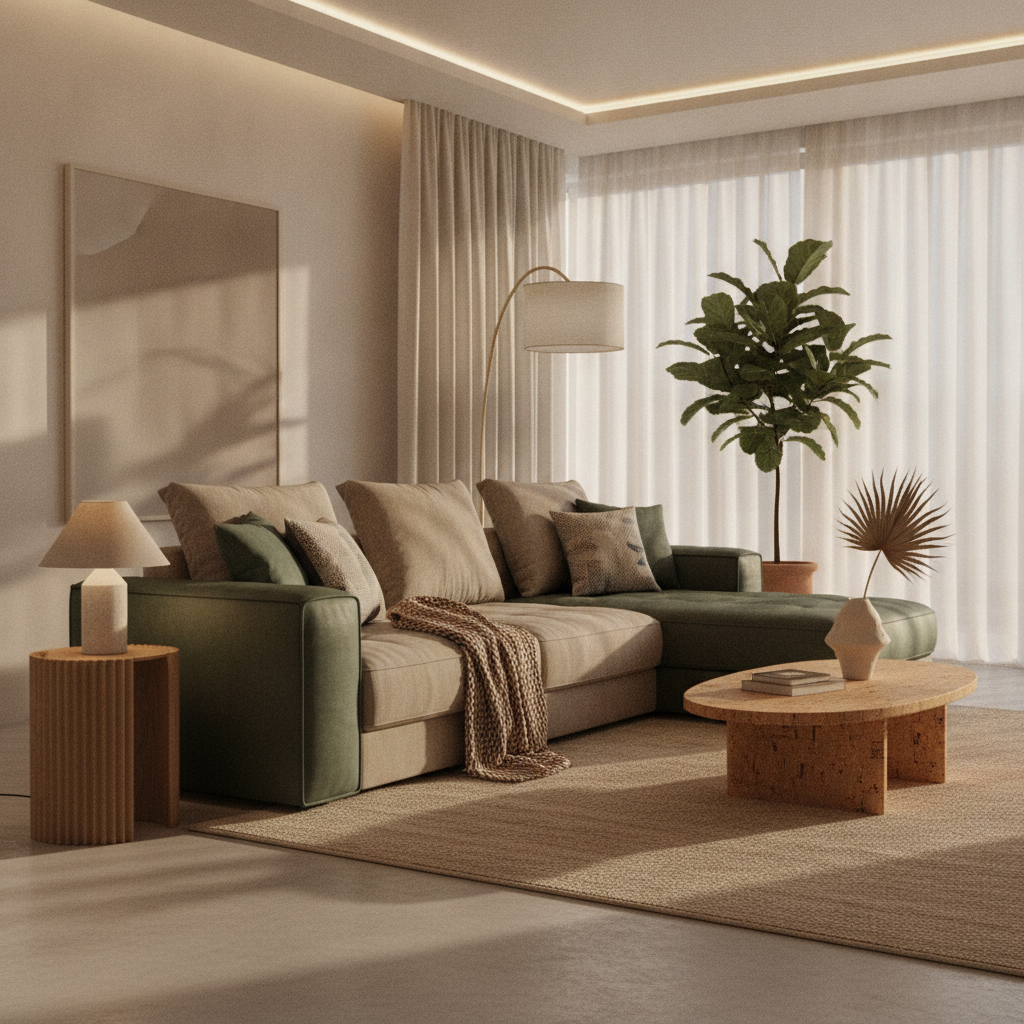
Top Sofa Styles for Multigenerational Living

Let’s look at specific sofa styles that shine in a multigenerational setting:

  • Sectional Sofas: These are king for large families. An L-shaped or U-shaped sectional provides maximum seating, allowing family members to spread out yet remain connected. The ability to reconfigure modular sectionals makes them adaptable to various room sizes and needs.
  • Modular Sofas: Offering ultimate flexibility, modular pieces can be moved and rearranged to create different seating configurations. This is perfect for households where needs might change over time or for creating distinct zones within a larger room.
  • Sleeper Sofas/Sofa Beds: A practical addition for accommodating guests, modern sleeper sofas no longer compromise on comfort. Look for high-quality mechanisms and comfortable mattresses.
  • Reclining Sofas: Power recliners offer individual comfort adjustments, making them a favorite for seniors and anyone seeking to relax deeply. Ensure they operate smoothly and are easy to use.
  • Loveseats and Armchairs: Complementing a larger sofa with individual loveseats or armchairs provides additional, personalized seating options, perfect for reading or quiet moments. Consider swivel chairs or comfortable accent chairs.

Creating a Cohesive and Functional Layout

The sofa is just one piece of the puzzle. The overall living room layout must also be inclusive.

Zone Planning

Divide your living room into distinct zones for different activities: a main conversation area around the sofa, a reading nook, a play area for children, or even a quiet corner for meditation. Use area rugs, low bookshelves, or console tables to delineate these zones without building physical barriers.

Traffic Flow

Ensure clear, wide pathways between furniture pieces. This is vital for easy movement, especially for those using mobility aids. Avoid overcrowding the room with too much furniture.

Lighting

Implement a layered lighting scheme. A mix of ambient (ceiling lights), task (reading lamps), and accent lighting can cater to different visual needs. Dimmers are a great feature, allowing you to adjust brightness. Ensure adequate lighting in all areas, especially near seating.

Storage Solutions

Multigenerational homes often come with more ‘stuff’. Integrate smart storage solutions like ottomans with hidden storage, media consoles, or wall-mounted shelving to keep clutter at bay and maintain a serene environment.

Rugs

An inviting washable area rug can anchor your seating area, add warmth, and provide a soft landing for children. Choose low-pile rugs to prevent tripping and ensure they are secured with non-slip pads.

The perfect modular design offers adaptable and durable sofas for multigenerational homes.

Beyond the Sofa: Complementary Furniture and Decor

Thoughtful additions can elevate your multigenerational living room:

  • Coffee Tables: Opt for sturdy, round, or oval coffee tables to minimize sharp edges. Consider lift-top tables for easy access or those with built-in storage.
  • End Tables: Ensure they are within easy reach of seating and stable enough to support lamps, drinks, and personal items.
  • Ottomans: A large ottoman can serve as an extra seat, a footrest, or even a soft coffee table (especially with a tray). Choose one with storage for blankets or toys.
  • Media Console: A well-organized media console keeps electronics tidy and can offer additional storage.
  • Bookshelves: Open shelving or closed cabinets can display cherished items or store books and games for all ages.

Maintenance and Longevity: Keeping Your Multigenerational Sofa Pristine

Investing in a high-quality sofa for a multigenerational home means also investing in its longevity. Regular maintenance is key.

  1. Daily Care: Vacuum your sofa regularly to remove dust, crumbs, and pet hair. Fluff cushions and rotate them if possible to ensure even wear.
  2. Immediate Stain Treatment: Address spills immediately. Blot, don’t rub, and use appropriate cleaning solutions for your fabric type. A good upholstery cleaner designed for performance fabrics can be a lifesaver.
  3. Professional Cleaning: Depending on usage, consider professional cleaning every 1-2 years to refresh your sofa and extend its life.
  4. Protective Measures: Use slipcovers for high-traffic areas or during messy activities. Consider fabric protectors if your sofa isn’t already treated.

Comparison Table: Choosing Your Multigenerational Sofa: A Quick Guide

Sofa Type Best For Key Features Pros Cons
Sectional Sofa Large families, open-plan living Ample seating, L/U-shaped configurations Maximizes seating, defines space, comfortable for groups Can be bulky, less flexible for redecorating
Modular Sofa Adapting to changing needs, flexible layouts Individual movable pieces, customizable shapes Highly versatile, easy to reconfigure, personalized comfort Pieces can shift, may require more effort to clean between sections
Sleeper Sofa Guest accommodation, smaller homes Converts to a bed, various mattress types Dual functionality, space-saving for guests Can be heavier, mattress comfort varies, mechanism adds cost
Reclining Sofa Comfort-seekers, individuals with mobility needs Adjustable backrests/footrests, manual or power options Personalized relaxation, excellent support, ease of use for seniors Can be more expensive, requires space to recline, may look less streamlined
Traditional Sofa + Armchairs Formal living rooms, balanced seating Classic design, fixed seating capacity Timeless aesthetic, easy to clean underneath, individual seating Less casual lounging space, can feel less cohesive than a sectional

Frequently Asked Questions (FAQ)

Q1: What is the ideal seat height for a multigenerational sofa?

A seat height between 18 to 20 inches is generally considered ideal. This range allows most adults, including seniors, to sit down and stand up comfortably without excessive effort, and children can often manage with a footstool if needed.

Q2: Are modular sofas truly durable enough for a busy family?

Absolutely. Modern modular sofas are designed with robust frames and durable upholstery options, including performance fabrics. Their ability to be reconfigured can actually extend their life, as individual sections can be moved or replaced if one area experiences more wear than another. Look for reputable brands and high-density foam cushions.

Q3: How do I choose a fabric that’s both stylish and practical for kids and pets?

Prioritize performance fabrics such as Crypton, Sunbrella, or tightly woven microfiber. These materials are engineered for stain, fade, and wear resistance, making them easy to clean and maintain. Leather is another excellent, durable option. Always request fabric swatches to test in your home for look and feel.

Q4: Can a sleeper sofa be comfortable for everyday use?

While historically sleeper sofas have had a reputation for discomfort, modern designs have vastly improved. Look for models with high-quality, gel-infused memory foam mattresses or air-coil systems. While they might not replace a dedicated bed for everyday primary sleeping, many offer excellent comfort for regular lounging and occasional overnight guests.

Q5: What’s the best way to maintain my multigenerational sofa?

Regular vacuuming and fluffing of cushions are essential. Address spills immediately by blotting (not rubbing) with a clean cloth. For tougher stains, use a cleaning solution recommended for your specific fabric type. Consider a professional deep clean every 1-2 years to keep it looking fresh and extend its lifespan.

Conclusion: Your Multigenerational Haven Awaits

Designing a living room that truly embraces every member of a multigenerational household is a rewarding endeavor. By carefully considering the diverse needs of each age group, prioritizing durability, comfort, and accessibility, and selecting the right sofas for multigenerational homes, you can create a space that is not only beautiful but also deeply functional and inclusive. Your living room will transform into a true haven where stories are shared, laughter echoes, and memories are made, fostering connection and comfort for generations to come.

Ready to create your perfect multigenerational living space? Explore our curated selection of sofas and complementary furniture to find pieces that resonate with your family’s unique style and needs. A harmonious home is just a click away!

Mastering Modular: Sofas That Adapt to Every Modern Lifestyle in 2026

In the dynamic landscape of contemporary interior design, where flexibility and personal expression reign supreme, one furniture piece has emerged as the undeniable champion: the modular sofa. As we look towards 2026, the concept of modular sofas modern living isn’t just a trend; it’s a foundational element of thoughtful, adaptable home design. Gone are the days of rigid, one-size-fits-all couches. Today’s homeowners demand furniture that evolves with their needs, space, and aesthetic preferences. This comprehensive guide will delve into why modular sofas are not just a smart choice but an essential investment for anyone seeking to create a truly flexible and stylish home.

From impromptu movie nights with the family to sophisticated gatherings with friends, or even a quiet afternoon with a book, the ability to reconfigure your seating to suit the moment is revolutionary. Modular sofas offer unparalleled freedom, allowing you to create countless arrangements from individual, interchangeable pieces. Whether you’re navigating the challenges of a compact city apartment or furnishing a sprawling open-plan living area, modularity provides the solution. Let’s explore how these ingenious seating systems are redefining comfort, style, and functionality for the modern era.

The Evolution of Seating: Why Modular Sofas Are Dominating Modern Living

For centuries, the sofa has been a static centerpiece of the living room, a symbol of stability and tradition. However, the demands of modern life – smaller living spaces, frequent relocations, and a desire for personalized aesthetics – have necessitated a furniture revolution. The modular sofa is at the forefront of this change, offering a dynamic alternative to its monolithic predecessors. Its ascendancy isn’t merely about novelty; it’s rooted in practical advantages that resonate deeply with today’s homeowners.

The primary appeal of modular sofas lies in their inherent flexibility. Unlike traditional sofas that come as a fixed unit, modular pieces consist of individual components – armless chairs, corner units, chaises, and ottomans – that can be arranged and rearranged with ease. This means your living room furniture can transform from a sprawling L-shape sectional perfect for entertaining, to two separate loveseats, or even individual chairs, all within minutes. This adaptability is particularly crucial for urban dwellers who often face space constraints and need furniture that can perform multiple functions without compromising on style or comfort. Imagine transforming your cozy reading nook into a spacious seating area for guests, simply by moving a few pieces. This is the power of versatile modular sofa design.

Unpacking the Versatility: Types of Modular Sofa Configurations

The beauty of modular sofas lies in their diverse range of components, each designed to serve a specific purpose and contribute to an overall cohesive look. Understanding these components is key to unlocking the full potential of your modular setup:

  • Armless Chairs: These are the workhorses of any modular system, easily placed between other units or used as standalone seating.
  • Corner Units: Essential for creating L-shaped or U-shaped sectionals, they define the spatial boundaries of your seating arrangement.
  • Chaises: Perfect for lounging, chaises offer extended leg support and can be positioned on either side of the sofa for maximum comfort.
  • Ottomans: More than just footrests, ottomans can double as extra seating, coffee tables (with a tray), or simply extend a seat.
  • Left/Right Arm Units: These define the ends of a modular configuration, providing structural completion and comfort.

By combining these elements, you can craft anything from a compact two-seater for a minimalist apartment to a grand U-shaped sectional that can comfortably seat a large family. This bespoke approach to furniture means your sofa truly reflects your lifestyle and the ever-changing demands of your home.

Beyond the Basics: Features to Look for in Your 2026 Modular Sofa

As the market for modular sofas expands, so too does the range of features and considerations. Investing in a modular sofa for modern living isn’t just about aesthetics; it’s about durability, comfort, and long-term value. Here’s what you should be looking for:

Material Durability and Aesthetics

The fabric or leather you choose significantly impacts both the look and longevity of your modular sofa. Performance fabrics like treated polyesters, microfibers, or blends offer excellent resistance to spills and stains, making them ideal for families with children or pets. For a touch of luxury, consider high-quality full-grain leather, which develops a beautiful patina over time. If you’re after a specific aesthetic, a velvet modular sofa can add significant elegance and a soft touch to your space. Always check for high rub counts (Martindale test) to ensure the fabric can withstand daily wear and tear.

Frame Construction

The internal frame is the skeleton of your sofa, and its quality dictates the overall durability. Look for frames made from kiln-dried hardwood (like oak or maple) or steel. These materials prevent warping and provide a robust foundation. Avoid particleboard or softwoods, which can degrade quickly. Joints should be reinforced with corner blocks, dowels, or screws, not just glue or staples.

Cushioning and Comfort

Comfort is subjective, but quality cushioning makes a difference. High-density foam wrapped in down or synthetic fibers offers a good balance of support and softness. Memory foam options are also increasingly popular for their contouring properties. Test different firmness levels to find what suits you best. Removable cushion covers are a practical feature for cleaning, extending the life and freshness of your sofa.

Ease of Assembly and Disassembly

One of the practical benefits of modular furniture is its ease of transport and setup. Ensure the connecting mechanisms are intuitive and secure, allowing for quick changes without needing tools or excessive effort. This is particularly important for those who might frequently reconfigure their space or move residences.

Maintenance and Longevity

Beyond initial purchase, consider how easy your modular sofa will be to maintain. Removable, machine-washable covers are a huge plus for fabric sofas. For tougher stains or general upkeep, having an effective upholstery cleaner on hand can be invaluable. Regular vacuuming and spot cleaning will keep your sofa looking new for years to come. Some brands also offer stain-resistant treatments or fabric protection plans.

Adapting effortlessly, modular sofas redefine modern living with their endless configuration possibilities.

Styling Your Modular Sofa for Modern Living

A modular sofa, by its very nature, is a statement piece. But its true potential is realized when seamlessly integrated into your overall decor. Here’s how to style your modular masterpiece to perfection:

Color Palettes and Textures

Modular sofas often come in neutral tones (grays, beiges, whites, navys) which serve as an excellent canvas. Introduce personality through accessories. Throw pillows in contrasting colors or bold patterns can instantly update the look. Experiment with different textures – a chunky knit throw, a faux fur cushion, or linen pillows – to add depth and warmth. Don’t shy away from incorporating a vibrant abstract area rug to anchor the space and define the seating area, especially in open-plan layouts.

Layering and Lighting

Beyond the sofa itself, consider the surrounding elements. An elegant floor lamp can illuminate a reading corner, while side tables offer practical surfaces for drinks and books. Layering different light sources – ambient, task, and accent lighting – can dramatically enhance the mood and functionality of your living space. Artwork, plants, and decorative objects also play a crucial role in creating a cohesive and inviting environment.

Maximizing Small Spaces with Modular Magic

For those living in apartments or smaller homes, modular sofas are a game-changer. Their ability to adapt means you don’t have to compromise on comfort or style. Opt for armless units to reduce visual bulk and maximize seating area. Choose pieces that can be easily moved to create temporary dining setups, guest sleeping arrangements (if convertible units are chosen, like a modular sofa bed), or clear space for activities. An ottoman with hidden storage is another excellent feature for decluttering small areas.

Comparison Table: Popular Modular Sofa Styles for 2026

To help you navigate the myriad options, here’s a comparison of some popular modular sofa styles and their key characteristics:

Feature/Style Minimalist Modern Boho Chic Industrial Loft Family-Friendly
Key Aesthetics Clean lines, low profile, neutral colors Soft textures, natural materials, relaxed vibe Exposed frames, dark leathers, metal accents Plush cushions, durable fabrics, rounded edges
Typical Materials Linen, performance fabric, sleek leather Cotton, velvet, boucle, rattan elements Distressed leather, strong canvas, metal legs Stain-resistant fabrics, microfibers, corduroy
Best For Urban apartments, contemporary homes Eclectic interiors, cozy reading nooks Open-plan lofts, bachelor pads Homes with kids/pets, frequent entertaining
Configuration Focus Symmetrical, streamlined L-shapes or individual units Asymmetrical, inviting U-shapes, chaises Robust sectionals, individual armchairs Large sectionals, ottomans, deep seating
Price Range (Est.) $$$ $$ $$$$ $$ – $$$

Maintaining Your Modular Masterpiece

To ensure your modular sofa continues to adapt and impress for years to come, proper maintenance is crucial. Regular care will not only preserve its appearance but also extend its lifespan:

  • Vacuum Regularly: Use an upholstery attachment to remove dust, crumbs, and pet hair at least once a week.
  • Spot Clean Spills Immediately: Blot (don’t rub) spills with a clean, dry cloth. For tougher stains, consult the manufacturer’s cleaning guide or use a gentle, fabric-appropriate cleaning solution.
  • Rotate Cushions: To ensure even wear, regularly flip and rotate seat and back cushions.
  • Check Connectors: Periodically ensure all modular connectors are securely fastened.
  • Protect from Sun: Direct sunlight can fade fabrics and crack leather over time. Position your sofa away from harsh sunbeams or use blinds/curtains.

The Future of Flex: Modular Sofas in Smart Homes

As technology continues to integrate into every aspect of our lives, modular sofas are also evolving. We’re beginning to see innovations like integrated charging ports, ambient lighting, and even smart fabrics that monitor posture or temperature. The future of modular sofas for modern living promises even greater customization, with virtual reality tools allowing homeowners to design and visualize their perfect configuration before purchase. Imagine a sofa that not only adapts its shape but also its firmness, temperature, or even plays personalized soundscapes. The possibilities are endless, further solidifying the modular sofa’s role as a cornerstone of the intelligent home.

Frequently Asked Questions About Modular Sofas

Q1: What defines a modular sofa?

A modular sofa is composed of independent, interchangeable pieces (modules) like armless chairs, corner units, chaises, and ottomans that can be arranged in various configurations to suit different spaces and needs.

Q2: Are modular sofas good for small spaces?

Absolutely! Modular sofas are exceptionally good for small spaces because they can be configured to fit exact dimensions, maximizing seating without overwhelming the room. Armless units are particularly space-efficient.

Q3: How do I clean a modular sofa?

Cleaning depends on the material. Many fabric modular sofas come with removable, machine-washable covers. For non-removable covers or leather, spot clean spills immediately and use appropriate upholstery cleaners as per the manufacturer’s instructions. Regular vacuuming is always recommended.

Q4: Can I add pieces to my modular sofa later?

Yes, one of the significant advantages of modular sofas is the ability to purchase additional modules later to expand or reconfigure your existing setup, provided the model is still available or the brand offers compatible pieces.

Q5: What’s the average lifespan of a modular sofa?

The lifespan varies greatly depending on the quality of materials (frame, fabric, cushioning) and how well it’s maintained. A high-quality modular sofa with a solid frame and durable fabric can last anywhere from 7 to 15+ years, often longer than traditional sofas due to the ability to replace individual worn modules.

Conclusion: Embrace the Adaptability of Modular Sofas for Modern Living

As we navigate the evolving demands of modern life, our homes must become sanctuaries of comfort, style, and adaptability. Modular sofas stand out as the ideal solution, embodying the very essence of flexibility required in 2026 and beyond. They offer an unparalleled opportunity to customize, reconfigure, and truly make your living space your own. Whether you’re a minimalist, a maximalist, a growing family, or a city dweller, there’s a modular configuration perfectly suited for you.

Investing in a modular sofa is more than just buying furniture; it’s investing in a dynamic, long-lasting solution that will adapt alongside your lifestyle, ensuring your living room remains both functional and fashionable. So, embrace the modular revolution and discover how these innovative sofas can transform your home into a truly versatile and modern sanctuary. Ready to redefine your living space? Explore the endless possibilities of modular sectionals and bring adaptive design into your home today.

Performance Fabrics Evolved: The Must-Have Sofa Textures of 2026

In the dynamic world of interior design, few elements combine form and function quite like the sofa. It’s the centerpiece of our living spaces, a silent witness to family gatherings, movie nights, and quiet moments of contemplation. But as our lives become more demanding and our expectations for home furnishings soar, the very fabric of our sofas is undergoing a revolutionary transformation. Welcome to the era of performance fabrics evolved – where the textures and technologies of 2026 are setting new benchmarks for durability, sustainability, and sheer aesthetic pleasure.

Gone are the days when ‘performance’ meant sacrificing softness for resilience or aesthetics for practicality. The performance sofa fabrics of today, and certainly of 2026, are a testament to relentless innovation. They’re engineered to withstand the rigors of everyday life – spills, pets, children, and constant use – all while maintaining a luxurious feel and sophisticated look. This isn’t just about stain resistance anymore; it’s about an integrated approach to textile design that considers every aspect of how we live.

The Rise of Smart Textiles: What Defines Performance in 2026

What exactly makes a fabric ‘performance-oriented’ in 2026? It’s a multi-faceted answer that extends beyond basic stain-repellency. The next generation of smart textiles offers:

  • Advanced Stain & Spill Resistance: Utilizing molecular-level treatments that prevent liquids from penetrating fibers, making cleanup a breeze.
  • Exceptional Durability: High abrasion resistance to withstand heavy use without pilling, fading, or wearing thin.
  • Fade Resistance: Engineered to hold color vibrancy even in sun-drenched rooms, often with UV inhibitors.
  • Pet & Child Friendliness: Tightly woven structures and robust fibers that resist snagging, scratching, and general wear from furry friends and active little ones.
  • Antimicrobial Properties: Some fabrics now incorporate technologies to inhibit the growth of bacteria, mold, and mildew, contributing to a healthier home environment.
  • Sustainability: A growing focus on eco-friendly production, recycled materials, and reduced environmental impact.

Let’s dive into the specific textures and types that are poised to dominate the market in 2026, combining these cutting-edge features with unparalleled style.

Stain-Resistant Velvets: Luxurious and Practical

Velvet has long been synonymous with luxury and opulence, but its delicate nature often relegated it to formal, low-traffic areas. Not anymore. The performance velvets of 2026 retain all the sumptuous softness and rich visual depth but are now fortified with advanced stain and spill protection. These are velvets you can actually live with, offering an indulgent tactile experience without the anxiety of spills. Imagine a deep emerald or sapphire stain-resistant velvet sofa that commands attention, knowing it can shrug off life’s little accidents with ease. The secret lies in innovative fiber treatments and weaving techniques that create a barrier while maintaining the fabric’s signature pile and sheen.

Durable Chenille Blends: Softness Meets Resilience

Chenille, known for its distinctive soft, fuzzy texture and iridescent sheen, is another classic making a strong comeback with a performance upgrade. Modern chenille blends utilize a mix of synthetic and natural fibers, often with added treatments, to enhance their durability and stain resistance. The result is a wonderfully tactile fabric that offers the cozy, inviting feel of traditional chenille but with significantly improved resilience against wear and tear. This makes a durable chenille fabric sofa an ideal choice for family rooms and highly used seating areas, providing comfort and style that lasts.

Eco-Friendly Recycled Synthetics: Sustainability in Style

The conversation around sustainability is paramount, and performance fabrics are leading the charge. 2026 will see a surge in beautifully crafted textiles made from recycled materials, particularly recycled polyester derived from post-consumer waste like plastic bottles. These fabrics not only reduce landfill waste but are engineered to be incredibly strong, colorfast, and often inherently resistant to stains and moisture. Advancements in recycling processes mean these eco-conscious options no longer compromise on feel or appearance. A eco-friendly recycled sofa fabric offers a guilt-free luxury, proving that responsible choices can also be incredibly stylish.

Outdoor-Inspired Performance Linens: Breezy Elegance, Indoors

Bringing the durability of outdoor textiles indoors is a major trend for 2026. Imagine the relaxed, breathable feel of linen, but with the inherent strength and resistance typically found in patio furniture fabrics. These ‘indoor-outdoor’ inspired performance linens offer a natural, airy aesthetic combined with incredible resilience against fading, mildew, and spills. They are perfect for homes with abundant natural light, sunrooms, or for those who simply crave a breezy, comfortable yet highly functional living space. These fabrics often feature a slubby, organic texture that adds character while remaining remarkably easy to maintain.

Advanced Crypton and Sunbrella Alternatives: The Gold Standard Evolved

Brands like Crypton and Sunbrella set the original benchmarks for high-performance fabrics, offering unparalleled stain, odor, and moisture resistance. In 2026, while these pioneers continue to innovate, a new generation of alternatives and advancements build upon their legacy. These fabrics incorporate state-of-the-art technologies, often at the fiber level, to create integrated barriers that prevent liquids and odors from penetrating. Expect even greater variety in textures, patterns, and color palettes, ensuring that top-tier performance doesn’t limit your design choices. For ultimate peace of mind and simplified maintenance, keeping a dedicated Crypton fabric cleaner or similar specialized solution on hand is always a smart move for any performance textile.

Comparison Table: Must-Have Performance Sofa Fabrics of 2026

Fabric Type Key Characteristics Durability Stain Resistance Feel & Aesthetics Eco-Friendliness Best For
Stain-Resistant Velvets Luxurious pile, vibrant color depth, liquid-repellent treatment. High (modern versions) Excellent Soft, rich, opulent Moderate (depends on base fiber) Elegant living rooms, accent pieces
Durable Chenille Blends Soft, fuzzy texture, iridescent sheen, blended for strength. High Very Good Plush, cozy, inviting Moderate (synthetic blends) Family rooms, high-traffic areas, cozy lounges
Eco-Friendly Recycled Synthetics Made from recycled materials (e.g., PET), strong, colorfast. Excellent Excellent Varied, often soft and smooth High (sustainable sourcing) Conscious consumers, active households
Outdoor-Inspired Performance Linens Breathable, natural linen look with advanced resistance to elements. Very High Excellent Textured, airy, relaxed Moderate to High (some use recycled content) Sunrooms, casual living spaces, homes with pets
Advanced Barrier Fabrics (e.g., Crypton-alikes) Integrated moisture barrier, antimicrobial, highly durable. Superior Superior Varied (from soft to textured) Moderate (focus on longevity) Ultimate protection, commercial settings, busy families

The innovation doesn’t stop at technical performance; it extends into the sensory experience. Modern performance fabrics are designed to be as pleasing to the touch as they are to the eye. We’re seeing a rise in nuanced textures – subtle bouclés, refined basketweaves, and elegant slub fabrics that add depth and character without compromising on durability. Color palettes are becoming more sophisticated, moving beyond basic neutrals to include richly saturated jewel tones and earthy, organic hues, all engineered to resist fading. The visual distinction between a ‘regular’ fabric and a ‘performance’ fabric is rapidly disappearing, allowing designers and homeowners more freedom than ever to create truly personalized and resilient spaces.

Beyond Durability: Aesthetic & Tactile Innovations

One of the most exciting shifts in performance fabrics for 2026 is the blurring of lines between highly functional textiles and high-fashion aesthetics. Designers are no longer forced to choose between a fabric that looks stunning and one that can withstand a busy household. Today’s innovations are delivering both in spades. Expect to see sophisticated textures like refined bouclé, subtle herringbones, and luxurious sateens, all imbued with incredible performance properties. The tactile experience is paramount, with fabrics designed to feel soft, inviting, and utterly comfortable, inviting you to sink in and relax without a second thought about potential spills or wear.

Maintaining Your Performance Sofa: Tips for Longevity

While performance fabrics are inherently low-maintenance, a few simple practices can significantly extend their life and keep them looking pristine:

  • Regular Vacuuming: Use a soft brush attachment to regularly vacuum your sofa. This removes loose dirt and prevents it from settling into the fibers, which can cause premature wear.
  • Prompt Spill Cleanup: The key to performance fabrics is their repellency. For spills, act quickly. Blot (don’t rub) with a clean, dry microfiber cleaning cloths. Most liquids will bead up, allowing for easy removal.
  • Spot Cleaning: For tougher spots, consult your fabric’s specific care instructions. Many performance fabrics can be gently cleaned with a mild soap and water solution, or a specialized fabric upholstery cleaner designed for synthetics. Always test in an inconspicuous area first.
  • Avoid Harsh Chemicals: Steer clear of bleach, abrasive cleaners, or stiff brushes, which can damage the fabric’s protective coating or fibers.
  • Professional Cleaning (Infrequent): While not often necessary, a professional upholstery cleaning every few years can help refresh your sofa and remove deep-seated grime. Ensure the professional is experienced with performance fabrics.

By following these simple steps, your performance sofa will remain a beautiful, durable, and comfortable centerpiece for years to come.

The Future is Now: Investing in Longevity and Style

The evolution of performance fabrics is more than just a trend; it’s a fundamental shift in how we approach furniture design and living. In 2026, choosing a sofa upholstered in a cutting-edge performance fabric means investing in peace of mind, enduring style, and a home that truly caters to your lifestyle. It’s about creating spaces where comfort and beauty coexist with the realities of daily life, without compromise.

Whether you’re furnishing a bustling family home, a pet-friendly apartment, or simply desire a low-maintenance yet luxurious aesthetic, the must-have sofa textures of 2026 offer an unparalleled blend of sophistication and resilience. Embrace the future of living – where your sofa is not just a piece of furniture, but a testament to intelligent design and effortless elegance.

Frequently Asked Questions About Performance Sofa Fabrics

Q1: What exactly makes a fabric ‘performance’ in 2026?

A1: In 2026, ‘performance’ extends beyond basic stain resistance. It encompasses superior durability (abrasion, pilling, fading), advanced spill and stain repellency, often antimicrobial properties, and a growing emphasis on sustainable production and eco-friendly materials. These fabrics are engineered at a fiber or molecular level to withstand the rigors of daily life while maintaining aesthetic appeal and tactile comfort.

Q2: Are performance fabrics still expensive compared to traditional upholstery?

A2: While initial costs for some advanced performance fabrics can be slightly higher than entry-level traditional options, the long-term value often far outweighs the difference. Their exceptional durability and ease of cleaning mean less need for frequent replacement or costly professional treatments, ultimately making them a cost-effective choice over the lifespan of your furniture. The market also offers a wider range of price points now, making them more accessible.

Q3: Can I really use performance fabrics with pets and kids without worry?

A3: Absolutely. Performance fabrics are specifically designed with active households in mind. Their tight weaves resist snagging from pet claws, and their stain-resistant properties make spills from kids’ snacks or drinks easy to clean. Many also offer odor resistance, making them ideal for homes with pets. While no fabric is indestructible, performance options significantly reduce the stress associated with pet and child-related wear and tear.

Q4: How do I clean my performance fabric sofa if it does get stained?

A4: For most performance fabrics, immediate blotting of spills with a clean, dry cloth is usually sufficient. For tougher stains, use a mild solution of soap and water or a specialized upholstery cleaner, gently dabbing the affected area. Always refer to the manufacturer’s specific care instructions, as cleaning methods can vary slightly between fabric types and treatments. Avoid harsh chemicals or excessive rubbing.

Q5: Are performance fabrics truly eco-friendly?

A5: The eco-friendliness of performance fabrics is a growing focus for 2026. Many are now made from recycled content (like post-consumer plastic bottles), reducing waste and resource consumption. The extended lifespan of these durable fabrics also contributes to sustainability by decreasing furniture turnover. Look for certifications and specific material information when choosing to ensure you’re making an environmentally conscious decision.

Explore the possibilities. Find your perfect performance sofa today and redefine comfort and durability in your home.

Eco-Chic Lounging: Sustainable Sofa Materials Dominating 2026

As the world gravitates towards more conscious living, our choices in home furnishings are undergoing a profound transformation. The furniture industry, traditionally resource-intensive, is now at the forefront of innovation, driven by a growing demand for eco-friendly alternatives. In 2026, the landscape of interior design will be significantly shaped by a powerful wave of sustainable sofa materials, redefining what it means to lounge in style and comfort without compromising the planet.

Gone are the days when sustainability meant sacrificing aesthetics or durability. Today’s pioneers in furniture design are proving that eco-chic is not just a trend but a lifestyle choice that blends seamlessly with modern living. This comprehensive guide will delve into the most impactful sustainable sofa materials 2026 has to offer, equipping you with the knowledge to make informed, environmentally responsible decisions for your home.

Why Sustainability Matters in Furniture

The environmental footprint of conventional furniture is substantial. From deforestation and intensive chemical use in material processing to significant waste generation at the end of a product’s life cycle, the impact is far-reaching. Traditional sofas often rely on synthetic foams, petroleum-based fabrics, and non-FSC certified timber, contributing to pollution, habitat destruction, and greenhouse gas emissions.

Choosing sustainable sofa materials is a direct way to counteract these negative effects. It supports responsible forestry, reduces reliance on fossil fuels, minimizes chemical exposure in your home, and promotes a circular economy where resources are reused and recycled. Beyond the environmental benefits, sustainable furniture often boasts superior quality, durability, and a unique story, making it a valuable investment for your space.

The Rise of Eco-Conscious Consumers

The shift towards sustainable consumption is not a niche movement; it’s a global phenomenon. Consumers are increasingly scrutinizing the origins and composition of the products they bring into their homes, demanding transparency and ethical practices from brands. This heightened awareness has spurred manufacturers and designers to innovate, leading to an exciting array of new materials and production methods that prioritize planetary health.

By 2026, this demand will have cemented its place in the mainstream, making sustainable options not just available but highly sought after. People are realizing that their sofas aren’t just pieces of furniture; they’re an integral part of their home’s ecosystem, influencing everything from air quality to material waste. Opting for organic cotton sofa or one upholstered in recycled fabrics means investing in a healthier future.

Key Sustainable Sofa Materials Dominating 2026

Let’s explore the leading materials that are set to define the sustainable furniture landscape in the coming years.

Organic Cotton and Linen

Organic cotton and linen are perennial favorites for their natural feel and breathability. Grown without harmful pesticides or synthetic fertilizers, organic cotton cultivation significantly reduces water usage and preserves soil health. Linen, derived from the flax plant, is incredibly strong, naturally pest-resistant, and requires even less water than cotton. Both offer a soft, comfortable, and hypoallergenic surface that’s ideal for sensitive skin and allergy sufferers.

In 2026, expect to see these fabrics offered in a wider array of weaves, textures, and natural dyes, moving beyond the traditional farmhouse aesthetic into sleek, modern designs. Their inherent durability ensures a long lifespan, reducing the need for frequent replacements. When you choose a sofa upholstered in organic cotton or linen, you’re embracing timeless elegance coupled with impeccable eco-credentials.

Recycled Polyester (RPET)

Recycled polyester, often referred to as RPET, is a game-changer in the world of sustainable textiles. Made from discarded plastic bottles and other plastic waste, RPET diverts tons of plastic from landfills and oceans, transforming it into durable and versatile fabric. The production of RPET requires significantly less energy and water compared to virgin polyester, making it an excellent choice for environmental impact reduction.

By 2026, innovations in RPET manufacturing will yield even softer, more luxurious textures that mimic natural fibers, addressing previous concerns about its feel. Its inherent stain and fade resistance also contribute to a longer product life, making it a highly practical and sustainable option for busy households. Look for sofas featuring recycled polyester upholstery fabric as a leading trend for durability and eco-responsibility.

Hemp Fabric

Hemp is arguably one of the most sustainable crops on the planet. It grows rapidly, requires minimal water and no pesticides, and naturally enriches the soil. Hemp fibers are incredibly strong, making them an exceptionally durable choice for upholstery. Sofas made with hemp fabric are known for their resilience, resistance to pilling, and natural antimicrobial properties, contributing to a healthier home environment.

While historically associated with a rougher texture, advancements in processing techniques are yielding softer, more pliable hemp fabrics that retain their legendary strength. In 2026, hemp will be celebrated not only for its robust ecological profile but also for its evolving aesthetic versatility, offering a unique, earthy elegance to any living space.

Bamboo Fabric

Bamboo is another incredibly fast-growing and renewable resource that requires no pesticides or excessive water. As a fabric, bamboo can be processed into a soft, breathable, and even silky material. It’s naturally hypoallergenic and has excellent moisture-wicking properties, making it a comfortable choice for upholstery, especially in warmer climates.

The key to bamboo’s sustainability lies in its processing. While mechanically processed bamboo (bamboo linen) is very eco-friendly, chemically processed bamboo (bamboo viscose or rayon) can be more impactful. Consumers in 2026 will increasingly seek out bamboo fabrics made with closed-loop systems, such as the Lyocell process, which recover and reuse solvents, ensuring a truly green product. This innovative approach to textile production is pushing the boundaries of what’s possible with sustainable sofa materials 2026.

Natural Latex Foam

Beyond fabrics, the internal components of a sofa are just as crucial for sustainability. Natural latex foam, derived from the sap of rubber trees, offers a superb eco-friendly alternative to petroleum-based polyurethane foams. It’s naturally hypoallergenic, resistant to dust mites and mold, and incredibly durable, maintaining its shape and support for many years.

Unlike synthetic foams that off-gas volatile organic compounds (VOCs), natural latex is a healthier choice for indoor air quality. It’s also biodegradable, completing its life cycle responsibly. As people prioritize healthier homes, expect natural latex to become a standard in high-quality, sustainable sofas. Many find the comfort and support comparable to a natural latex mattress topper, showcasing its superior performance.

Recycled Wood and FSC-Certified Timber

The frame is the skeleton of any sofa, and its sourcing is paramount to sustainability. Recycled wood, reclaimed from old buildings, barns, or furniture, gives new life to existing materials, reducing demand for virgin timber and preventing waste. FSC-certified timber (Forest Stewardship Council) guarantees that wood comes from responsibly managed forests, promoting ecological biodiversity and ethical practices.

By 2026, the use of reclaimed and FSC-certified woods will be a non-negotiable standard for leading sustainable furniture brands. These materials not only provide structural integrity but also add character and a unique story to each piece, highlighting a commitment to a circular economy.

Upcycled and Repurposed Materials

Innovation knows no bounds when it comes to sustainability. Designers are increasingly experimenting with upcycled and repurposed materials, transforming waste into beautiful and functional components. This can include everything from denim scraps woven into new fabrics to industrial waste reimagined as decorative elements or even structural components.

These materials offer unique aesthetics and contribute significantly to waste reduction, embodying the pinnacle of creative sustainability. While perhaps not dominating in sheer volume, upcycled materials will inspire and push the boundaries of design, showcasing the incredible potential of circular design principles.

Comparison of Sustainable Sofa Materials 2026

Material Sustainability Score Durability Comfort Cost (Relative) Maintenance Key Feature
Organic Cotton High Medium High Medium Moderate Soft, breathable, hypoallergenic
Recycled Polyester (RPET) High High Medium Low-Medium Low Stain-resistant, versatile, waste reduction
Hemp Fabric Very High Very High Medium Medium-High Moderate Extremely strong, antimicrobial, low impact
Bamboo Fabric High Medium-High High Medium-High Moderate Soft, moisture-wicking, rapid renewal
Natural Latex Foam High Very High High High Low Hypoallergenic, supportive, biodegradable
Recycled Wood / FSC Timber High High N/A (Frame) Medium Low Sturdy frame, circular economy, responsible sourcing

Beyond Materials: Holistic Sustainability in Sofa Design

While the choice of materials is crucial, true sustainability in sofa design extends beyond individual components. It encompasses the entire product lifecycle, from sourcing and manufacturing to transportation, longevity, and end-of-life disposal. Brands committed to holistic sustainability will:

  • Prioritize Ethical Production: Ensuring fair labor practices and safe working conditions.
  • Minimize Waste: Implementing lean manufacturing processes and reducing scrap materials.
  • Use Non-Toxic Adhesives and Finishes: Avoiding harmful chemicals that off-gas into your home.
  • Design for Disassembly: Creating sofas that can be easily taken apart for repair, component replacement, or recycling.
  • Offer Repair and Refurbishment Services: Extending the life of their products and promoting a repair culture.

Understanding these broader aspects of sustainability allows consumers to support brands that truly embody eco-conscious values, not just greenwashing tactics. The shift towards sustainable sofa materials 2026 is part of a larger movement towards fully transparent and responsible manufacturing.

Maintenance and Longevity: Extending Your Sofa’s Lifespan

One of the most sustainable actions you can take is to make your furniture last longer. Proper care and maintenance are essential, especially for sofas made from natural or recycled fibers.

  • Regular Cleaning: Vacuum regularly to remove dust and debris.
  • Spot Treatment: Address spills immediately with a clean cloth and an appropriate cleaner. Opt for an eco-friendly fabric cleaner that is gentle on natural fibers and free from harsh chemicals.
  • Professional Cleaning: Depending on the fabric, occasional professional cleaning may be necessary.
  • Protection from Sunlight: Prolonged exposure to direct sunlight can fade fabrics, even natural ones.
  • Fluffing Cushions: Regularly fluffing and rotating cushions helps maintain their shape and extends their life.

By investing in high-quality, sustainable sofa materials 2026 and committing to their care, you not only reduce your environmental impact but also enjoy your beautiful, comfortable furniture for years to come.

The Future of Eco-Chic Lounging

The trajectory for sustainable sofa materials in 2026 and beyond is one of continuous innovation and integration. We can anticipate further advancements in bio-based materials, sophisticated recycling technologies for textiles, and increased standardization of certifications that make it easier for consumers to identify truly sustainable products. The future of eco-chic lounging is bright, promising a harmonious blend of style, comfort, and environmental responsibility.

As conscious consumers, our choices have immense power. By opting for sofas crafted from these pioneering materials, we actively participate in building a more sustainable future for our homes and our planet. Embrace the elegance of eco-conscious design and transform your living space into a sanctuary that reflects your values.

Frequently Asked Questions About Sustainable Sofa Materials 2026

Q: What makes a sofa truly “sustainable”?

A: A truly sustainable sofa considers its entire lifecycle, from the ethical sourcing of raw materials (e.g., organic cotton, FSC-certified wood, recycled content) and eco-friendly manufacturing processes to its durability, repairability, and end-of-life recyclability or biodegradability. It also means minimizing chemical use and ensuring fair labor practices.

Q: Are sustainable sofas more expensive?

A: While some sustainable sofas may have a higher upfront cost due to premium materials and ethical production methods, they often represent a better long-term investment. Their superior durability and timeless design mean they last longer, reducing the need for frequent replacements. Moreover, the long-term environmental and health benefits outweigh any initial price difference.

Q: How do I care for a sofa made from sustainable materials?

A: Care instructions vary by material. Generally, regular vacuuming, immediate spot cleaning with eco-friendly products, and protecting from direct sunlight are recommended. Always check the manufacturer’s specific care guide. Natural fibers like linen or hemp may require different care than recycled polyester blends.

Q: What certifications should I look for when buying sustainable sofas?

A: Look for certifications like GOTS (Global Organic Textile Standard) for organic cotton and linen, GRS (Global Recycled Standard) for recycled materials, FSC (Forest Stewardship Council) for wood, and Oeko-Tex Standard 100 for textile safety. These certifications provide independent verification of environmental and social responsibility.

Q: Can I find sustainable sofas in different styles?

A: Absolutely! The world of sustainable furniture has evolved dramatically. Today, you can find eco-friendly sofas in virtually every style, from minimalist modern and Scandinavian to classic traditional and bohemian. Brands are increasingly prioritizing both sustainability and diverse aesthetic appeal, making it easy to find an eco-chic sofa that perfectly matches your decor, perhaps even paired with a beautiful jute rug.

Conclusion

The future of furniture is unequivocally sustainable, and the innovations in sustainable sofa materials 2026 are a testament to this transformative shift. By embracing organic cotton, recycled polyester, hemp, natural latex, and responsibly sourced wood, we’re not just buying furniture; we’re investing in a healthier planet and a more conscious way of living. Make your next sofa choice a step towards a greener, more beautiful home.

Ready to elevate your home with eco-chic design? Explore the incredible range of sustainable sofas and start building your conscious sanctuary today!

The Longevity Lab: Investing in Your Premium Sofa’s Future (2026 Guide)

Your premium sofa isn’t just a piece of furniture; it’s an investment, a sanctuary, and often the focal point of your home. In an era where quality craftsmanship meets sophisticated design, ensuring the longevity of your beloved couch is paramount. This 2026 guide from lesofa.club delves deep into the art and science of sofa care, offering comprehensive premium sofa longevity tips designed to keep your cherished piece looking and feeling luxurious for years, even decades, to come.

From the moment your new sectional sofa with chaise arrives, its journey begins. The choices you make regarding its placement, daily use, cleaning routines, and protective measures all contribute to its ultimate lifespan. Ignoring these factors can lead to premature wear, fading, and structural issues, diminishing both its aesthetic appeal and comfort. Let’s embark on this journey to preserve your investment.

Understanding Your Sofa’s Anatomy: The Foundation of Longevity

Before diving into care routines, it’s crucial to understand what makes your sofa tick. Premium sofas are engineered with a combination of high-quality materials, each requiring specific attention:

  • Frame: Often made from kiln-dried hardwood (like maple, oak, or birch), a sturdy frame is the skeleton of your sofa. It dictates stability and prevents warping.
  • Suspension: This determines the comfort and durability of your seat. Options range from eight-way hand-tied springs (the gold standard) to sinuous springs and webbing.
  • Cushions: High-density foam, down, feathers, or a combination provide the plushness. The density and resilience of these materials significantly impact how well cushions hold their shape.
  • Upholstery: The outer skin of your sofa, whether it’s sumptuous velvet, durable linen, supple leather, or resilient synthetic blends, is the most visible and vulnerable component.

Knowing these components helps you identify potential issues early and apply the right care. For instance, a sagging cushion might need a foam core replacement, while a worn fabric might indicate the need for a professional re-upholstery.

Strategic Placement: Protecting Your Sofa from Environmental Stressors

Where you place your sofa profoundly impacts its longevity. Environmental factors can be surprisingly harsh:

  • Sunlight: Direct sunlight is the nemesis of most upholstery fabrics, causing fading and weakening fibers over time. Position your sofa away from windows or invest in UV-blocking curtains or blinds.
  • Heat Sources: Radiators, fireplaces, and heating vents can dry out leather and fabrics, making them brittle and prone to cracking. Maintain a safe distance.
  • Humidity: Extreme fluctuations in humidity can affect wooden frames, causing expansion and contraction. Aim for a consistent indoor humidity level (ideally between 40-60%). A good home humidifier or dehumidifier can help maintain this balance.
  • Traffic Areas: Placing your sofa in a high-traffic zone increases the likelihood of spills, snags, and general wear and tear. Consider using protective throws or strategically placed durable area rugs to delineate space and protect against foot traffic.

The Daily Rituals: Simple Steps for Lasting Beauty

Consistent, gentle care goes a long way. Incorporate these habits into your routine:

1. Regular Vacuuming and Dusting

Dust, dirt, pet dander, and crumbs can accumulate, acting as abrasives that wear down fabric fibers. Vacuum your sofa weekly, using the upholstery attachment for crevices and seams. For leather, a soft, dry cloth is usually sufficient for dusting.

2. Fluffing and Rotating Cushions

This is perhaps one of the most underrated sofa maintenance tips. Daily fluffing of back and seat cushions prevents permanent indentations and ensures even wear. Rotate reversible cushions monthly to distribute pressure evenly and prolong their life. If your cushions are not reversible, consider rotating them front-to-back.

3. Spot Cleaning Spills Immediately

Time is of the essence when it comes to spills. Blot, don’t rub, with a clean, white cloth. Always test any cleaning solution on an inconspicuous area first. For specific fabric types, refer to the manufacturer’s care tag (W for water-based, S for solvent-based, WS for both, X for vacuum only).

Deep Cleaning and Protection: Beyond the Surface

While daily care maintains surface appeal, periodic deep cleaning and protection are vital.

Professional Cleaning vs. DIY

Depending on your sofa’s fabric and your comfort level, you might opt for professional cleaning every 12-24 months. Professionals have specialized equipment and knowledge to deep clean without damaging delicate fabrics. If you prefer DIY, ensure you use products specifically designed for upholstery and follow instructions meticulously. For example, a quality upholstery steam cleaner can be effective for many fabric types, but avoid oversaturation.

Fabric Protection Sprays

For new sofas, consider applying a fabric protector spray. These create an invisible barrier that repels spills and makes cleaning easier. Ensure the product is suitable for your specific upholstery material. Reapply every 1-2 years as needed.

Material-Specific Care: Tailoring Your Approach

Each upholstery material has its unique characteristics and care requirements:

Comparison Table: Sofa Upholstery Care Guide

Material Key Characteristics Daily Care Deep Cleaning & Protection Longevity Tips
Leather Durable, ages beautifully, spills wipe off easily. Dust with a soft cloth. Condition every 6-12 months. Use specialized leather cleaner and conditioner. Avoid harsh chemicals. Keep away from direct sunlight/heat. Clean spills immediately.
Velvet Luxurious, soft, prone to crushing/matting. Gentle vacuuming with brush attachment. Brush pile periodically. Professional cleaning recommended. Spot clean with W/S solvent. Avoid heavy pressure. Keep pets off. Use throws in high-wear areas.
Linen/Cotton Breathable, natural, can wrinkle/stain easily. Regular vacuuming. Prompt spot cleaning. Professional cleaning or gentle shampooing (W code). Pre-treat stains. Consider slipcovers for heavy use. Protect from sunlight.
Synthetics (Polyester, Microfiber) Durable, stain-resistant, fade-resistant, easy to clean. Vacuum regularly. Spot clean with mild soap and water. Can be machine washed (if slipcover) or shampooed (W/S code). Excellent for high-traffic homes. Very forgiving.
Wool Durable, naturally resistant to dirt and wear, good resilience. Vacuum regularly. Blot spills immediately. Professional cleaning recommended. Use wool-specific detergents for spots. Avoid excessive moisture. Protect from moths with cedar.

Leather Sofas

Leather is renowned for its durability and ability to develop a beautiful patina over time. However, it’s not maintenance-free. Regular dusting with a soft cloth prevents abrasive dirt buildup. More importantly, leather needs conditioning to prevent drying and cracking. Use a high-quality leather conditioner every 6-12 months, especially in dry climates. Avoid harsh chemical cleaners, as these can strip the natural oils and finish. For spills, blot immediately with a clean cloth.

Fabric Sofas (Velvet, Linen, Cotton, Synthetics)

The care code on your sofa’s tag is your best friend here:

  • W (Water-based cleaner): Use distilled water with a mild detergent.
  • S (Solvent-based cleaner): Requires specific cleaning solvents; often best left to professionals.
  • WS (Water/Solvent): Can use either, offering more flexibility.
  • X (Vacuum only): Very delicate; no liquid cleaners. Professional dry cleaning is usually the only option for deep cleaning.

For fabrics prone to pilling (small balls of fiber), a fabric shaver can gently remove them without damaging the upholstery. For velour or velvet, a soft brush can help restore the pile. For pet owners, investing in a good pet hair remover for furniture is a game-changer.

Structural Integrity: Beyond the Fabric

Sofa longevity isn’t just about the upholstery; the internal structure is equally vital. Pay attention to:

  • Frame Stability: If your sofa creaks or wobbles, it might indicate loose joints. Tightening screws (if accessible) or calling a professional furniture repair specialist can prevent further damage.
  • Suspension System: Over time, springs can stretch or break. If your sofa feels uneven or sags excessively in one spot, it might be time for suspension repair or replacement.
  • Cushion Fill: Even high-density foam eventually loses its resilience. Most premium sofas allow for cushion re-stuffing or replacement of foam cores, extending the life of the entire piece significantly.

When to Call the Professionals: Expert Intervention

While DIY care is effective for routine maintenance, some situations warrant professional help:

  • Stubborn Stains: If you’ve tried spot cleaning and a stain persists, a professional has stronger, specialized solutions and equipment.
  • Deep Cleaning Delicate Fabrics: Materials like silk, vintage velvet, or some chenilles are best handled by experts to avoid shrinkage or damage.
  • Repairing Structural Damage: A broken frame, damaged suspension, or significant upholstery tears require skilled repair.
  • Re-upholstery: If the fabric is beyond repair but the frame is sound, re-upholstering can give your sofa a new lease on life, often at a fraction of the cost of buying a new premium sofa.

Investing in Accessories for Protection and Style

Thoughtful accessories can further enhance your sofa’s longevity:

  • Throws and Blankets: These add a layer of protection against spills, pet hair, and general wear, especially in high-use areas. They also offer an easy way to refresh your decor.
  • Slipcovers: For families with pets or young children, a custom-fit slipcover can be a game-changer, providing full protection and easy washing.
  • Armrest Covers: The armrests are often high-contact areas. Covers can shield them from oils, dirt, and friction.
  • Coasters: To prevent water rings or scratches from drinks on wooden parts of the sofa frame, always use coasters.

FAQ: Your Top Questions About Sofa Longevity Answered

Q1: How often should I professionally clean my premium sofa?

A: For most premium sofas, professional cleaning every 12-24 months is recommended, depending on usage, presence of pets/children, and fabric type. High-traffic sofas or those in homes with allergens might benefit from annual cleaning.

Q2: Can I use a regular carpet cleaner on my sofa?

A: Generally, no. Carpet cleaners are often too harsh for delicate upholstery fabrics and can lead to oversaturation, shrinkage, or discoloration. Always use products specifically designed for upholstery, and check your sofa’s care tag (W, S, WS, X code).

Q3: My sofa cushions are sagging. Can they be fixed?

A: Yes, in many cases! If the frame and suspension are still good, cushions can often be re-stuffed with higher-density foam or a down/feather blend, restoring their original loft and comfort. This is a common and effective way to extend your sofa’s life.

Q4: How do I protect my leather sofa from pet scratches?

A: The best approach is prevention. Keep pet nails trimmed and provide designated scratching posts. For existing scratches, minor ones can sometimes be buffed out with a leather repair kit, while deeper scratches may require professional repair or re-dyeing. Using throws can also offer a protective barrier.

Q5: Is it worth investing in a fabric protection treatment for my new sofa?

A: Absolutely. A good quality fabric protection treatment (applied by the manufacturer or professionally post-purchase) creates a barrier against spills and stains, making cleanup much easier and significantly extending the life of your upholstery, especially for lighter fabrics or those in busy households.

The Final Word: A Future of Comfort and Style

Investing in a premium sofa is a decision rooted in a desire for quality, comfort, and enduring style. By implementing these comprehensive sofa care and maintenance strategies, you’re not just preserving a piece of furniture; you’re safeguarding a focal point of your home, ensuring it continues to bring joy and elegance for many years to come. Remember, a little proactive care today guarantees a lifetime of luxury tomorrow.

Ready to ensure your sofa’s lasting beauty?

Explore lesofa.club for more expert guides, recommended cleaning products, and tips on maintaining your home’s most cherished pieces. Start your journey to a more beautiful and enduring living space today!

The Reclaimed Revolution: Eco-Conscious Sofas & Sustainable Wood Frames for 2026

The world of interior design is undergoing a significant transformation, driven by an increasing awareness of environmental impact and a collective desire for more responsible consumption. As we look towards 2026 and beyond, the furniture industry is poised at the precipice of a reclaimed revolution, with eco-conscious sofas and sustainable wood frames leading the charge. This isn’t just a fleeting trend; it’s a fundamental shift towards ethical craftsmanship, durable materials, and designs that respect our planet. At lesofa.club, we believe that style and sustainability can, and should, coexist beautifully in your home.

For too long, furniture production has been a major contributor to deforestation, pollution, and waste. The allure of fast furniture, often made from low-quality materials destined for landfill, has dominated the market. However, a new generation of designers, manufacturers, and discerning consumers are demanding better. They’re seeking pieces that tell a story, built with integrity from materials that don’t cost the Earth. This comprehensive guide will delve into the exciting advancements in eco-friendly furniture, focusing specifically on how you can find the perfect sustainable sofa frames for 2026 and create a truly green living space.

Why Sustainable Sofa Frames are No Longer a Niche, But a Necessity

The choice of a sofa is one of the most significant furniture investments you’ll make for your home. It’s the centerpiece of your living room, a hub for relaxation, entertainment, and connection. Opting for a sofa with a sustainable frame offers a multitude of benefits that extend far beyond aesthetics:

  • Environmental Protection: The most obvious benefit. Sustainable frames typically come from responsibly managed forests (FSC-certified), reclaimed wood, or rapidly renewable resources. This reduces deforestation, preserves biodiversity, and minimizes the carbon footprint associated with logging and transportation.
  • Durability and Longevity: Eco-friendly doesn’t mean fragile. In fact, many sustainable woods and manufacturing processes result in frames that are incredibly robust and built to last. This means fewer replacements over time, reducing waste and saving you money in the long run.
  • Healthier Home Environment: Sustainable frames often involve fewer harmful chemicals, glues, and finishes compared to conventional furniture. This contributes to better indoor air quality, reducing exposure to volatile organic compounds (VOCs) that can negatively impact health.
  • Ethical Sourcing: Beyond environmental considerations, many sustainable brands prioritize fair labor practices and transparent supply chains, ensuring that your purchase supports ethical production from start to finish.
  • Unique Aesthetic and Character: Reclaimed wood, in particular, offers unparalleled character with its natural imperfections, knots, and grain variations, giving your sofa a unique story and rustic charm that cannot be replicated.

Understanding the Materials: The Backbone of Sustainable Sofas

When searching for sustainable sofa frames 2026, it’s crucial to understand the materials that make them truly eco-conscious. Here’s a breakdown of the leading contenders:

1. FSC-Certified Wood

The Forest Stewardship Council (FSC) is a global non-profit organization that sets standards for responsible forest management. When you see the FSC label, it means the wood used in your sofa frame comes from forests that are managed in an environmentally appropriate, socially beneficial, and economically viable manner. This includes protecting biodiversity, ensuring sustainable harvesting levels, and respecting the rights of indigenous peoples and local communities. Common FSC-certified woods include oak, maple, ash, and pine.

2. Reclaimed and Recycled Wood

Perhaps the epitome of circular economy principles, reclaimed wood is salvaged from old buildings, barns, factories, or even sunken logs. By giving this wood a second life, we prevent it from ending up in landfills and reduce the demand for new timber. Recycled wood takes this a step further, often involving processing and remanufacturing waste wood into new products. Each piece of reclaimed wood carries its own history, offering a unique aesthetic that is impossible to replicate. Look for a reclaimed wood sofa frame for truly unparalleled character.

3. Bamboo and Other Rapidly Renewable Resources

Bamboo is technically a grass, not a tree, and it’s one of the fastest-growing plants on Earth. Its rapid growth rate, minimal need for water, and ability to thrive without pesticides make it an exceptionally sustainable material for furniture frames. It’s also incredibly strong and durable, rivaling many hardwoods. Other rapidly renewable resources include cork and rattan, though they are more commonly used for accents or lighter furniture pieces.

4. Recycled Metal Frames

While wood is often the star of sustainable frames, recycled metals like steel and aluminum also play a vital role. Metals can be recycled repeatedly without significant loss of quality, significantly reducing the energy and resources required compared to producing new metal from raw ore. A sofa with a recycled metal frame offers a modern, industrial aesthetic and exceptional strength.

Beyond the Frame: Upholstery and Fillings

A truly eco-conscious sofa doesn’t stop at the frame. The upholstery and internal fillings are equally important considerations:

  • Natural Fabrics: Opt for organic cotton, linen, hemp, or wool. These natural fibers are breathable, durable, and biodegradable, often produced with fewer chemicals and less water than synthetic alternatives.
  • Recycled Fabrics: Many innovative textiles are now made from recycled PET plastic bottles, transforming waste into durable and attractive upholstery.
  • Natural Fillings: Look for cushions filled with natural latex, wool, kapok, or recycled down alternatives, avoiding petroleum-based polyurethane foams that off-gas harmful chemicals and are difficult to recycle.

Choosing Your Sustainable Sofa: What to Look For

Navigating the market for sustainable furniture can be overwhelming. Here’s a checklist to guide your decision-making process for finding the best sustainable sofa frames 2026:

  1. Certifications: Look for recognized third-party certifications like FSC for wood, GOTS (Global Organic Textile Standard) for organic fabrics, and CertiPUR-US for foams (if you can’t avoid them entirely, this certifies they are made without certain harmful chemicals).
  2. Transparency: Reputable brands will be open about their sourcing, manufacturing processes, and supply chain. Don’t hesitate to ask questions.
  3. Durability and Construction: A sustainable sofa is one that lasts. Look for frames joined with mortise-and-tenon or dowel joints, not just staples or screws. Solid wood construction is always preferable to particleboard or MDF (unless made from recycled content).
  4. Local Sourcing: While not always possible, furniture made locally reduces transportation emissions and supports local economies.
  5. Modular Design: Some sustainable sofas are designed with modular components, allowing you to replace individual parts (like a cushion cover or a specific section) rather than the entire piece, extending its lifespan.
  6. End-of-Life Planning: Consider if the sofa components can be easily disassembled for recycling or repurposing at the end of its long life.

Comparison Table: Sustainable Sofa Frame Materials

Material Type Sustainability Benefits Key Considerations Aesthetic Durability
FSC-Certified Hardwoods (Oak, Maple, Ash) Responsibly managed forests, protects biodiversity, fair labor. Requires new timber, though sourced sustainably. Classic, timeless, versatile. Excellent (Very High)
Reclaimed Wood (Pine, Douglas Fir, Barn Wood) Diverts waste from landfills, no new deforestation, unique character. Sourcing can be varied, may have minor imperfections. Rustic, industrial, unique grain. High (often from old-growth trees)
Bamboo Rapidly renewable, minimal water/pesticides, carbon sequestration. Often processed, sourcing transparency. Modern, clean, light-toned. High (strong and flexible)
Recycled Metal (Steel, Aluminum) Reduces energy/resource use, infinitely recyclable. Energy required for recycling. Modern, industrial, sleek. Excellent (Very High)

Maintenance for Longevity: Caring for Your Eco-Sofa

A key aspect of sustainability is longevity. The longer your sofa lasts, the smaller its environmental footprint. Proper care and maintenance are essential:

  • Regular Cleaning: Vacuum your sofa regularly to remove dust and debris that can wear down fabric fibers. For spills, act quickly and use appropriate eco-friendly fabric cleaner specifically designed for your upholstery type.
  • Rotate Cushions: To ensure even wear, regularly flip and rotate seat and back cushions.
  • Protect from Sun: Direct sunlight can fade fabrics and dry out wood over time. Position your sofa away from harsh, direct light or use curtains to filter it.
  • Wood Care: For exposed wooden frames, periodically wipe with a damp cloth and use a natural wood conditioner to prevent drying and cracking.
  • Professional Cleaning: Depending on use, consider professional eco-friendly upholstery cleaning every 1-2 years.

The Future is Green: Trends for Sustainable Sofas in 2026 and Beyond

Looking ahead to 2026, we anticipate several exciting trends in sustainable furniture:

  • Modular and Customizable Designs: Sofas that adapt to changing needs, allowing for easy replacement of worn parts or reconfiguration of layouts.
  • Bio-Based Materials: Innovation in materials science will bring more bio-based foams, textiles derived from agricultural waste, and even mushroom-based components.
  • Hyper-Local Production: A greater emphasis on regional manufacturing to reduce shipping distances and support local craftsmanship.
  • Digital Transparency: Enhanced use of technology (like QR codes) to provide consumers with detailed information about a product’s supply chain and environmental impact.
  • Rental and Circular Models: A growth in furniture rental services and take-back programs, fostering a truly circular economy where materials are constantly reused and recycled.

FAQs: Your Questions About Sustainable Sofas Answered

Q1: Are sustainable sofas more expensive than traditional ones?

Initially, a high-quality sustainable sofa might have a higher upfront cost due to ethical sourcing, premium materials, and skilled craftsmanship. However, their superior durability and longevity mean they often prove to be a more cost-effective investment in the long run, reducing the need for frequent replacements.

Q2: How can I verify if a sofa’s frame is truly sustainable?

Look for third-party certifications like FSC for wood. Reputable brands will clearly state their material sourcing and sustainability practices on their websites or product descriptions. Don’t hesitate to contact customer service for more details.

Q3: What’s the difference between reclaimed wood and recycled wood?

Reclaimed wood is salvaged directly from old structures and repurposed with minimal processing, retaining its original character. Recycled wood typically involves breaking down waste wood (like scraps or old pallets) and re-manufacturing it into new composite materials or products. Both are excellent sustainable choices.

Q4: Can I make my current sofa more sustainable?

Absolutely! You can extend its life by repairing minor damages, reupholstering with organic or recycled fabrics, and replacing old foam cushions with natural latex or recycled alternatives. Don’t forget proper cleaning and maintenance as well.

Q5: What should I avoid when buying a sustainable sofa?

Avoid frames made from particleboard or MDF without clear indications of recycled content or low-VOC glues. Steer clear of petroleum-based polyurethane foams without CertiPUR-US certification. Be wary of brands that make vague ‘green’ claims without specific certifications or transparency.

Join the Reclaimed Revolution Today

The movement towards eco-conscious sofas and sustainable wood frames for 2026 is more than a trend; it’s a commitment to a healthier planet and a more thoughtful approach to our living spaces. By choosing furniture that aligns with your values, you’re not just decorating a room; you’re making a statement about the kind of future you want to create. Embrace durability, ethical sourcing, and timeless design, and transform your home into a haven of sustainable style.

Ready to elevate your living space with intention? Explore lesofa.club for curated selections and expert advice on building a beautiful, sustainable home.

Creating Serenity: Sofas and Biophilic Design Trends for 2026 Wellness Lounges

In an increasingly fast-paced and digitally saturated world, the quest for tranquility within our homes has become more vital than ever. As we look towards 2026, interior design is not just about aesthetics; it’s about fostering well-being, enhancing mental clarity, and creating personal sanctuaries that resonate with our innate human connection to nature. This profound shift is driving the widespread adoption of biophilic design, especially when it comes to the heart of any living space: the sofa. Welcome to the era of biophilic sofa design 2026, where comfort meets conscious living, transforming your lounge into a true wellness haven.

What is Biophilic Design and Why is it Essential for 2026?

Biophilic design is an innovative approach that seeks to connect building occupants more closely to nature. It involves incorporating natural elements, patterns, and processes into the built environment. From direct connections like plants and natural light to indirect connections through materials, colors, and views of nature, biophilia acknowledges our inherent desire to be near life and living systems.

The essence of biophilic design has been recognized for its profound benefits: reducing stress, improving cognitive function and creativity, enhancing mood, and even accelerating healing. In a world still navigating the aftermath of global changes, where homes have become multi-functional hubs for work, relaxation, and family life, these benefits are no longer luxuries but necessities. For 2026, this design philosophy moves from niche to mainstream, with a particular focus on furniture that actively contributes to this connection, making biophilic sofa design a cornerstone of modern wellness lounges. It’s about creating spaces that don’t just look good, but make you feel good, promoting a sense of calm and rejuvenation.

The Sofa as a Sanctuary: Core Principles of Biophilic Sofa Design 2026

The sofa, traditionally a place for rest, is now evolving into a central pillar of wellness. Biophilic sofa design for 2026 rethinks its form, function, and materials to maximize its connection to nature.

Embracing Natural Forms and Organic Shapes

One of the most striking characteristics of biophilic sofas in 2026 is their departure from rigid, rectilinear forms. Inspired by natural landscapes – the gentle curve of a river, the smooth contours of a pebble, or the organic shape of a cloud – these sofas feature soft, inviting lines. Expect to see flowing silhouettes, rounded edges, and sinuous configurations that mimic the ease and grace found in nature. A curved sectional sofa, for instance, not only encourages natural conversation flow but also softens the visual landscape of a room, creating a more harmonious and less confrontational environment. This organic fluidity helps to reduce visual stress and promotes a sense of enveloping comfort, inviting users to truly unwind.

Textures and Materials: A Touch of the Wild

The tactile experience is paramount in biophilic design. For 2026, sofas will heavily feature natural fibers that appeal to the touch and connect us to the earth’s bounty. Think lush wool, breathable linen, soft cotton, and durable hemp. These materials are chosen not just for their aesthetic appeal but also for their authenticity and sustainability. A luxurious linen sofa, for example, offers a subtle texture that hints at its natural origins, providing a grounding sensation. Furthermore, the base structures often utilize ethically sourced timber, like FSC-certified wood, emphasizing an enduring connection to forests. The goal is to create a sensory richness that mimics the varied textures found outdoors, from rough bark to smooth stones, enriching the overall experience of rest and relaxation.

Color Palettes Inspired by Nature

Color plays a crucial role in setting the mood of a space. Biophilic sofa design 2026 draws its palette directly from nature. Muted greens (sage, moss, olive), tranquil blues (sky, ocean, deep teal), warm earthy browns, soft creams, and sandy beiges will dominate. These colors have a calming effect, evoking the vastness of oceans, the serenity of forests, or the warmth of sun-drenched landscapes. They are chosen to reduce visual stimulation and promote a sense of peace, allowing the mind to relax and rejuvenate. Avoiding harsh or overly saturated artificial colors is key; instead, the focus is on natural dyes and pigments that feel inherently harmonious and soothing.

Integration with Greenery: Living Sofas

One of the most direct ways to incorporate biophilia is through living elements. For 2026, we’ll see more innovative ways to integrate greenery directly with sofa designs. This might manifest as planters subtly built into side tables or armrests, allowing small plants to thrive adjacent to the seating area. Alternatively, sofas might be strategically positioned to maximize views of outdoor landscapes or be surrounded by carefully curated indoor gardens and vertical plant walls. The proximity to living plants not only enhances air quality but also provides dynamic visual interest and a continuous connection to the rhythms of nature. Imagine sinking into a sofa surrounded by the gentle rustle of leaves – a truly immersive natural experience.

Key Biophilic Sofa Design Trends for 2026

Beyond the core principles, several exciting trends are emerging that define the future of biophilic sofa design.

Modular and Adaptable Biophilic Sofas

Flexibility is a hallmark of modern living. In 2026, biophilic sofas will increasingly feature modular designs that can be reconfigured to suit various needs and preferences. This adaptability reflects nature’s own constant evolution and allows users to tailor their wellness lounge to different activities – from solo meditation to family gatherings. An modular sofa can transform from an expansive L-shape to individual seating pods, mimicking the versatility found in natural environments. This trend supports mindful living by providing spaces that can fluidly adapt to the moment, fostering comfort and utility without sacrificing natural aesthetics.

Integrated Technology, Discreetly Hidden

While biophilic design emphasizes nature, it doesn’t shun technology. Instead, it integrates it thoughtfully and discreetly. Expect to find subtle features like wireless charging pads seamlessly embedded within armrests, built-in air purifiers that enhance indoor air quality, and ambient lighting strips that mimic natural daylight cycles. The key is that technology serves to enhance the wellness experience without drawing attention away from the natural elements. It’s about smart design that supports a healthier lifestyle, rather than creating distractions.

Sustainable and Ethical Sourcing

The conversation around sustainability is no longer optional; it’s fundamental. For biophilic sofa design 2026, this translates into a strong emphasis on materials that are not only natural but also ethically sourced, recycled, or upcycled. Manufacturers are increasingly transparent about their supply chains, focusing on low-impact production methods, non-toxic finishes, and durable construction that ensures longevity. Choosing a sofa made from recycled plastics or reclaimed wood, for instance, contributes to a circular economy and reduces environmental impact, aligning perfectly with the ethos of living harmoniously with nature.

Multi-Sensory Experience

Biophilic design goes beyond what meets the eye. The wellness lounge of 2026 will engage all senses. The tactile pleasure of natural fabrics, the visual calm of organic shapes and natural colors, the subtle sounds of a nearby water feature or soft nature-inspired music, and even the gentle scent of essential oils diffused through the air. Sofas are positioned to maximize natural light and views, becoming focal points in a holistic sensory experience designed to soothe and rejuvenate.

Experience the future of relaxation with innovative biophilic sofa design 2026, blending nature seamlessly.

Complementary Elements for a Biophilic Wellness Lounge

A truly immersive biophilic experience extends beyond the sofa. Surrounding elements play a crucial role in completing the wellness lounge.

Rugs: Grounding the Space

Just as the earth grounds us, natural fiber rugs ground the biophilic living space. Materials like jute, sisal, wool, and seagrass bring warmth, texture, and a connection to the natural world underfoot. Organic patterns or subtle variations in weave mimic natural formations. A jute area rug, for example, not only defines the seating area but also adds a grounding, earthy texture that enhances the overall natural aesthetic.

Lighting: Mimicking Natural Rhythms

Maximizing natural light is paramount. Large windows, skylights, and strategically placed mirrors can enhance daylight penetration. For artificial lighting, circadian lighting systems that adjust color temperature and brightness throughout the day to mimic natural light cycles are gaining popularity. Soft, diffused light from natural materials like linen or rice paper shades can create a warm, inviting glow that avoids harsh contrasts.

Indoor Plants: The Heart of Biophilia

No biophilic space is complete without a generous presence of indoor plants. Beyond just aesthetics, plants improve air quality, reduce stress, and create a vibrant, living atmosphere. Consider a mix of sizes and types: tall, sculptural plants like a Fiddle Leaf Fig or Snake Plant, smaller tabletop plants, and cascading varieties like Pothos or Philodendron. Vertical gardens and living walls are also excellent ways to integrate extensive greenery, especially in smaller spaces, transforming a wall into a dynamic natural feature.

Natural Wood Accents and Furniture

Complement your biophilic sofa with other furniture pieces crafted from natural wood. Live-edge coffee tables, simple wooden side tables, and shelving units made from oak, walnut, or maple add warmth, authenticity, and biomorphic interest. These pieces highlight the inherent beauty of wood grain and connect the space to the forest, reinforcing the overall natural theme.

Comparison Table: Traditional vs. Biophilic Sofa Design 2026

Feature Traditional Sofa Design (Common) Biophilic Sofa Design 2026 (Wellness Lounge)
Shape & Form Often rigid, rectilinear, sharp angles Organic, curved, flowing, rounded edges, biomorphic shapes
Materials Synthetic fabrics (polyester, microfiber), treated wood, metal Natural fibers (linen, wool, hemp, cotton), sustainably sourced wood, non-toxic finishes
Color Palette Wide range, often includes bright, artificial, or bold colors Earthy tones, muted greens, tranquil blues, creams, browns, natural dyes
Functionality Primarily seating, fixed configurations Seating, relaxation, promotes well-being; often modular, adaptable, integrated tech (subtle)
Wellness Impact Focus on comfort, style; minimal direct wellness benefits Significantly reduces stress, improves mood, enhances cognitive function, fosters nature connection
Integration with Nature Limited; possibly a potted plant nearby Seamless integration with living plants, natural light, views of nature; multi-sensory engagement
Sustainability Varies; often not a primary consideration Core principle; recycled, ethically sourced, durable, low-impact production

Creating Your Own Biophilic Sofa Sanctuary: A Step-by-Step Guide

Transforming your living space into a biophilic wellness lounge doesn’t have to be daunting. Here’s a simple guide:

  1. Assess Your Space and Light: Observe how natural light enters your room throughout the day. Plan your sofa placement to maximize this connection.
  2. Choose Your Focal Sofa: Select a biophilic sofa with organic shapes, natural materials, and a calming color palette. Consider modularity for future adaptability.
  3. Layer with Natural Textures: Introduce complementary elements like a natural fiber rug, wool throw blankets, and linen cushions to enhance the tactile experience.
  4. Incorporate Plants Strategically: Place a mix of indoor plants around your sofa. Consider a large floor plant, a few smaller plants on side tables, or a living wall.
  5. Address Sensory Details: Think about soft, dimmable lighting, perhaps a small indoor water feature for ambient sound, and natural scents from essential oils.
  6. Declutter and Simplify: A biophilic space thrives on clarity. Minimize unnecessary items to create a sense of calm and order, allowing the natural elements to shine.

FAQs about Biophilic Sofa Design 2026

Q: What are the main benefits of biophilic sofa design?

A: The primary benefits include reduced stress and anxiety, improved mood and cognitive function, enhanced creativity, better air quality (especially with integrated plants), and a stronger overall sense of well-being and connection to nature. It transforms a simple seating area into a restorative sanctuary.

Q: How do I choose the right sofa color for a biophilic space?

A: Opt for colors found in nature. Muted greens (sage, olive), tranquil blues (sky, ocean), earthy browns, sandy beiges, and soft creams are ideal. Avoid overly bright or artificial colors that can be visually jarring and detract from the calming atmosphere.

Q: Can biophilic design be integrated into small apartments?

A: Absolutely! Biophilic design is highly adaptable. In smaller spaces, focus on key elements like a compact biophilic sofa, vertical gardens, carefully chosen plants, natural textures in throws and cushions, and maximizing natural light. Even a small corner can become a biophilic retreat.

Q: Are biophilic sofas more expensive?

A: While some high-end biophilic sofas, particularly those using sustainably sourced, premium natural materials, might have a higher initial cost, their durability and timeless appeal often make them a worthwhile investment. The focus on quality materials and ethical production can sometimes lead to a slightly higher price point compared to mass-produced synthetic alternatives, but the long-term benefits for well-being are invaluable.

Q: What’s the best way to clean a biophilic sofa made of natural materials?

A: For natural materials like linen, wool, or cotton, gentle care is key. Always check the manufacturer’s specific cleaning instructions. Generally, vacuum regularly, blot spills immediately with a clean cloth, and use a specialized, gentle natural fabric sofa cleaner if necessary. Avoid harsh chemicals that can damage natural fibers and diminish their integrity.

Conclusion

As we anticipate 2026, the evolution of the home into a wellness sanctuary is undeniable. Biophilic sofa design 2026 stands at the forefront of this movement, offering more than just a place to sit; it provides a direct conduit to nature’s restorative power. By embracing organic forms, natural materials, soothing palettes, and thoughtful integration with living elements, you can transform your lounge into a space that nurtures your body, mind, and spirit. It’s an investment not just in your home’s aesthetic, but in your daily well-being.

Explore our curated selections and transform your living space into a haven of tranquility, deeply connected to the natural world.