The Multigenerational Haven: Designing Inclusive Living Rooms with the Right Sofa
In an era where families are increasingly choosing to live under one roof, the concept of a ‘multigenerational home’ has moved from trend to tradition. These vibrant households, often encompassing grandparents, parents, and children, are rich in shared experiences, support, and love. However, they also present unique challenges when it comes to interior design, especially in the heart of the home: the living room. This communal space needs to be a haven for everyone, accommodating diverse needs, preferences, and mobility levels. The cornerstone of such a space? The right selection of sofas for multigenerational homes.
Choosing a sofa for a household with varying age groups isn’t just about aesthetics; it’s about creating an inclusive, comfortable, and safe environment that fosters connection and relaxation for all. From toddlers taking their first steps to grandparents seeking ergonomic support, every family member deserves a seat that feels just right. Join us as we explore how to design a living room that truly caters to everyone, starting with the ultimate centerpiece: the sofa.
Understanding the Needs of a Multigenerational Household
Before diving into specific sofa features, it’s crucial to understand the distinct requirements of each generation present in your home. A one-size-fits-all approach simply won’t work.
Young Children
For the little ones, durability and safety are paramount. Sofas should be made from easy-to-clean fabrics, resistant to spills and accidental marks. Low-to-the-ground designs can be safer for climbing, and sturdy construction is a must to withstand energetic play. Rounded edges are a bonus for preventing bumps and bruises.
Teenagers/Young Adults
This group often prioritizes comfort for lounging, screen time, and socializing. Deep seats, plush cushions, and ample space to stretch out are key. They might also appreciate built-in charging ports or cup holders for convenience. The sofa needs to be resilient enough to handle their active lifestyle and frequent use.
Adults/Parents
Parents balance comfort with practicality. They need a sofa that can withstand daily wear and tear from kids and pets, maintain its shape, and still offer a stylish anchor for the living room. Ease of cleaning and long-term durability are significant factors.
Seniors/Grandparents
Accessibility, support, and ease of use are critical for seniors. Sofas with firmer cushions provide better support for joints and make it easier to get up and down. A moderate seat height (not too low, not too high) and sturdy armrests are essential aids for mobility. Reclining features can offer therapeutic comfort, while fabrics should be soft yet supportive.
Key Features to Look for in Sofas for Multigenerational Homes
Now that we understand the diverse needs, let’s break down the specific features that make a sofa ideal for a multigenerational household.
Durability and Material Choices
The fabric choice is perhaps the most critical decision for a high-traffic, multigenerational living room. Look for materials known for their resilience and ease of maintenance. Performance fabric sofas are a game-changer, engineered to resist stains, fading, and wear. Options like Crypton, Sunbrella, or even microfiber offer incredible durability. Leather is another excellent choice; it’s incredibly tough, develops a beautiful patina over time, and can be wiped clean relatively easily. Avoid delicate silks or highly textured fabrics that can trap dirt or snag easily.
Comfort and Support
A truly inclusive sofa provides a balance of comfort and support. Soft, sink-in cushions might appeal to some, but they can be challenging for others, especially seniors. Opt for cushions that offer medium to firm support, maintaining their shape while still feeling comfortable. High-density foam cores wrapped in down or synthetic fibers can provide this ideal balance. Consider sofas with adjustable backrests or lumbar support options, or complement with decorative pillows that offer extra cushioning where needed. The depth of the seat is also important; a medium depth can accommodate both shorter and taller individuals comfortably. For those needing extra help getting up, a sofa with firm cushions can make a significant difference.
Accessibility and Safety
Universal design principles should guide your selection. A seat height of around 18-20 inches is often considered ideal, allowing most adults to sit with their feet flat on the floor and stand up with ease. Sturdy, well-padded armrests are crucial for leverage when sitting down or standing up, especially for seniors. Avoid sofas with sharp corners or exposed hard edges. Heavy, stable frames prevent tipping, a vital safety consideration for homes with active children. Consider sofas with non-slip feet to prevent sliding on hard floors.
Configuration and Versatility
The layout of your living room and the number of family members will dictate the ideal sofa configuration. Modular sectional sofas are incredibly versatile, allowing you to reconfigure sections to suit different activities or even future living arrangements. An L-shaped or U-shaped sectional can provide ample seating and create natural conversation zones. Sleeper sofas or sofa beds are excellent for accommodating overnight guests, offering flexibility without sacrificing style. Reclining sofas, especially power recliners, provide personalized comfort at the touch of a button, a feature often appreciated by all generations.
Style and Aesthetics
While functionality is key, style shouldn’t be overlooked. Choose a sofa design that complements your home’s aesthetic and appeals to a broad range of tastes. Timeless, classic designs in neutral colors tend to be the most versatile and can be updated with throws and pillows. Avoid overly trendy or specific styles that might quickly date or clash with future decor changes. The goal is a welcoming, comfortable, and aesthetically pleasing space for everyone.
Top Sofa Styles for Multigenerational Living
Let’s look at specific sofa styles that shine in a multigenerational setting:
- Sectional Sofas: These are king for large families. An L-shaped or U-shaped sectional provides maximum seating, allowing family members to spread out yet remain connected. The ability to reconfigure modular sectionals makes them adaptable to various room sizes and needs.
- Modular Sofas: Offering ultimate flexibility, modular pieces can be moved and rearranged to create different seating configurations. This is perfect for households where needs might change over time or for creating distinct zones within a larger room.
- Sleeper Sofas/Sofa Beds: A practical addition for accommodating guests, modern sleeper sofas no longer compromise on comfort. Look for high-quality mechanisms and comfortable mattresses.
- Reclining Sofas: Power recliners offer individual comfort adjustments, making them a favorite for seniors and anyone seeking to relax deeply. Ensure they operate smoothly and are easy to use.
- Loveseats and Armchairs: Complementing a larger sofa with individual loveseats or armchairs provides additional, personalized seating options, perfect for reading or quiet moments. Consider swivel chairs or comfortable accent chairs.
Creating a Cohesive and Functional Layout
The sofa is just one piece of the puzzle. The overall living room layout must also be inclusive.
Zone Planning
Divide your living room into distinct zones for different activities: a main conversation area around the sofa, a reading nook, a play area for children, or even a quiet corner for meditation. Use area rugs, low bookshelves, or console tables to delineate these zones without building physical barriers.
Traffic Flow
Ensure clear, wide pathways between furniture pieces. This is vital for easy movement, especially for those using mobility aids. Avoid overcrowding the room with too much furniture.
Lighting
Implement a layered lighting scheme. A mix of ambient (ceiling lights), task (reading lamps), and accent lighting can cater to different visual needs. Dimmers are a great feature, allowing you to adjust brightness. Ensure adequate lighting in all areas, especially near seating.
Storage Solutions
Multigenerational homes often come with more ‘stuff’. Integrate smart storage solutions like ottomans with hidden storage, media consoles, or wall-mounted shelving to keep clutter at bay and maintain a serene environment.
Rugs
An inviting washable area rug can anchor your seating area, add warmth, and provide a soft landing for children. Choose low-pile rugs to prevent tripping and ensure they are secured with non-slip pads.
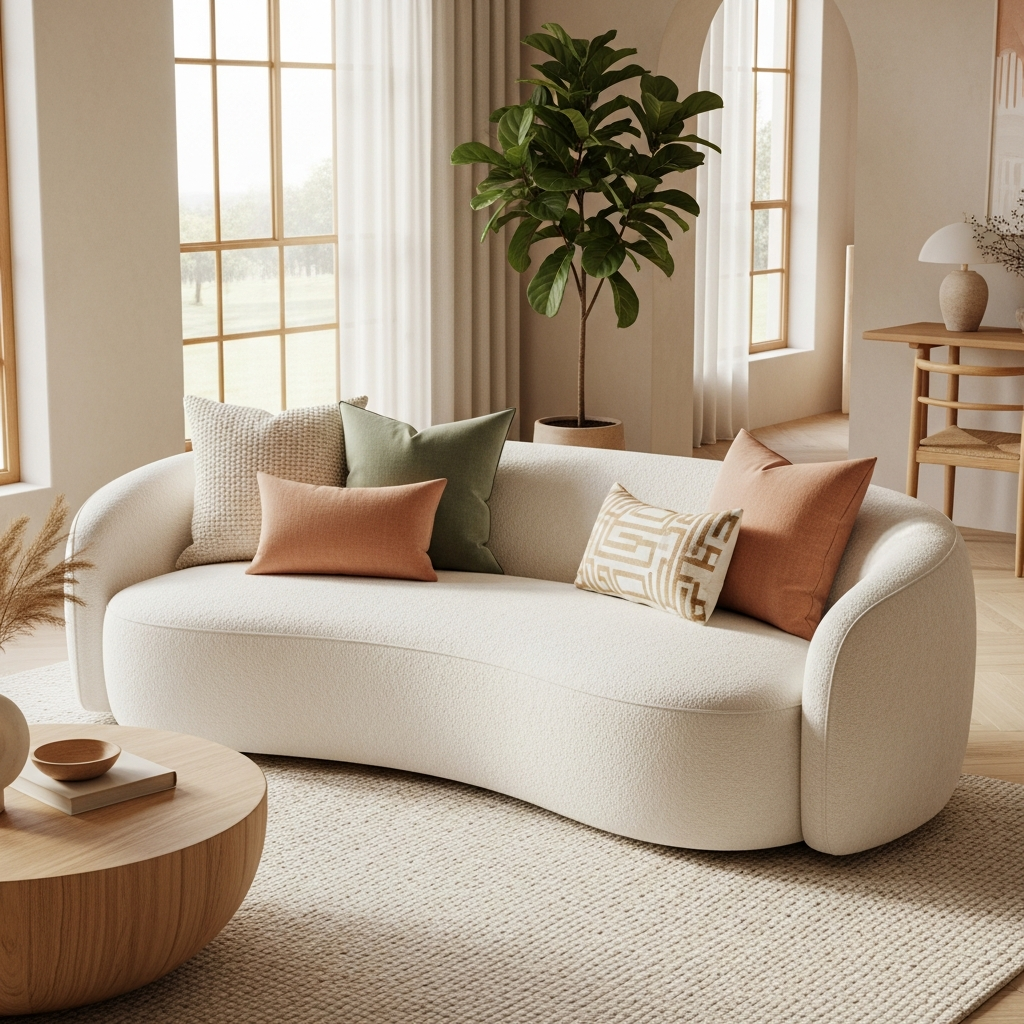
The perfect modular design offers adaptable and durable sofas for multigenerational homes.
Beyond the Sofa: Complementary Furniture and Decor
Thoughtful additions can elevate your multigenerational living room:
- Coffee Tables: Opt for sturdy, round, or oval coffee tables to minimize sharp edges. Consider lift-top tables for easy access or those with built-in storage.
- End Tables: Ensure they are within easy reach of seating and stable enough to support lamps, drinks, and personal items.
- Ottomans: A large ottoman can serve as an extra seat, a footrest, or even a soft coffee table (especially with a tray). Choose one with storage for blankets or toys.
- Media Console: A well-organized media console keeps electronics tidy and can offer additional storage.
- Bookshelves: Open shelving or closed cabinets can display cherished items or store books and games for all ages.
Maintenance and Longevity: Keeping Your Multigenerational Sofa Pristine
Investing in a high-quality sofa for a multigenerational home means also investing in its longevity. Regular maintenance is key.
- Daily Care: Vacuum your sofa regularly to remove dust, crumbs, and pet hair. Fluff cushions and rotate them if possible to ensure even wear.
- Immediate Stain Treatment: Address spills immediately. Blot, don’t rub, and use appropriate cleaning solutions for your fabric type. A good upholstery cleaner designed for performance fabrics can be a lifesaver.
- Professional Cleaning: Depending on usage, consider professional cleaning every 1-2 years to refresh your sofa and extend its life.
- Protective Measures: Use slipcovers for high-traffic areas or during messy activities. Consider fabric protectors if your sofa isn’t already treated.
Comparison Table: Choosing Your Multigenerational Sofa: A Quick Guide
| Sofa Type | Best For | Key Features | Pros | Cons |
|---|---|---|---|---|
| Sectional Sofa | Large families, open-plan living | Ample seating, L/U-shaped configurations | Maximizes seating, defines space, comfortable for groups | Can be bulky, less flexible for redecorating |
| Modular Sofa | Adapting to changing needs, flexible layouts | Individual movable pieces, customizable shapes | Highly versatile, easy to reconfigure, personalized comfort | Pieces can shift, may require more effort to clean between sections |
| Sleeper Sofa | Guest accommodation, smaller homes | Converts to a bed, various mattress types | Dual functionality, space-saving for guests | Can be heavier, mattress comfort varies, mechanism adds cost |
| Reclining Sofa | Comfort-seekers, individuals with mobility needs | Adjustable backrests/footrests, manual or power options | Personalized relaxation, excellent support, ease of use for seniors | Can be more expensive, requires space to recline, may look less streamlined |
| Traditional Sofa + Armchairs | Formal living rooms, balanced seating | Classic design, fixed seating capacity | Timeless aesthetic, easy to clean underneath, individual seating | Less casual lounging space, can feel less cohesive than a sectional |
Frequently Asked Questions (FAQ)
Q1: What is the ideal seat height for a multigenerational sofa?
A seat height between 18 to 20 inches is generally considered ideal. This range allows most adults, including seniors, to sit down and stand up comfortably without excessive effort, and children can often manage with a footstool if needed.
Q2: Are modular sofas truly durable enough for a busy family?
Absolutely. Modern modular sofas are designed with robust frames and durable upholstery options, including performance fabrics. Their ability to be reconfigured can actually extend their life, as individual sections can be moved or replaced if one area experiences more wear than another. Look for reputable brands and high-density foam cushions.
Q3: How do I choose a fabric that’s both stylish and practical for kids and pets?
Prioritize performance fabrics such as Crypton, Sunbrella, or tightly woven microfiber. These materials are engineered for stain, fade, and wear resistance, making them easy to clean and maintain. Leather is another excellent, durable option. Always request fabric swatches to test in your home for look and feel.
Q4: Can a sleeper sofa be comfortable for everyday use?
While historically sleeper sofas have had a reputation for discomfort, modern designs have vastly improved. Look for models with high-quality, gel-infused memory foam mattresses or air-coil systems. While they might not replace a dedicated bed for everyday primary sleeping, many offer excellent comfort for regular lounging and occasional overnight guests.
Q5: What’s the best way to maintain my multigenerational sofa?
Regular vacuuming and fluffing of cushions are essential. Address spills immediately by blotting (not rubbing) with a clean cloth. For tougher stains, use a cleaning solution recommended for your specific fabric type. Consider a professional deep clean every 1-2 years to keep it looking fresh and extend its lifespan.
Conclusion: Your Multigenerational Haven Awaits
Designing a living room that truly embraces every member of a multigenerational household is a rewarding endeavor. By carefully considering the diverse needs of each age group, prioritizing durability, comfort, and accessibility, and selecting the right sofas for multigenerational homes, you can create a space that is not only beautiful but also deeply functional and inclusive. Your living room will transform into a true haven where stories are shared, laughter echoes, and memories are made, fostering connection and comfort for generations to come.
Ready to create your perfect multigenerational living space? Explore our curated selection of sofas and complementary furniture to find pieces that resonate with your family’s unique style and needs. A harmonious home is just a click away!