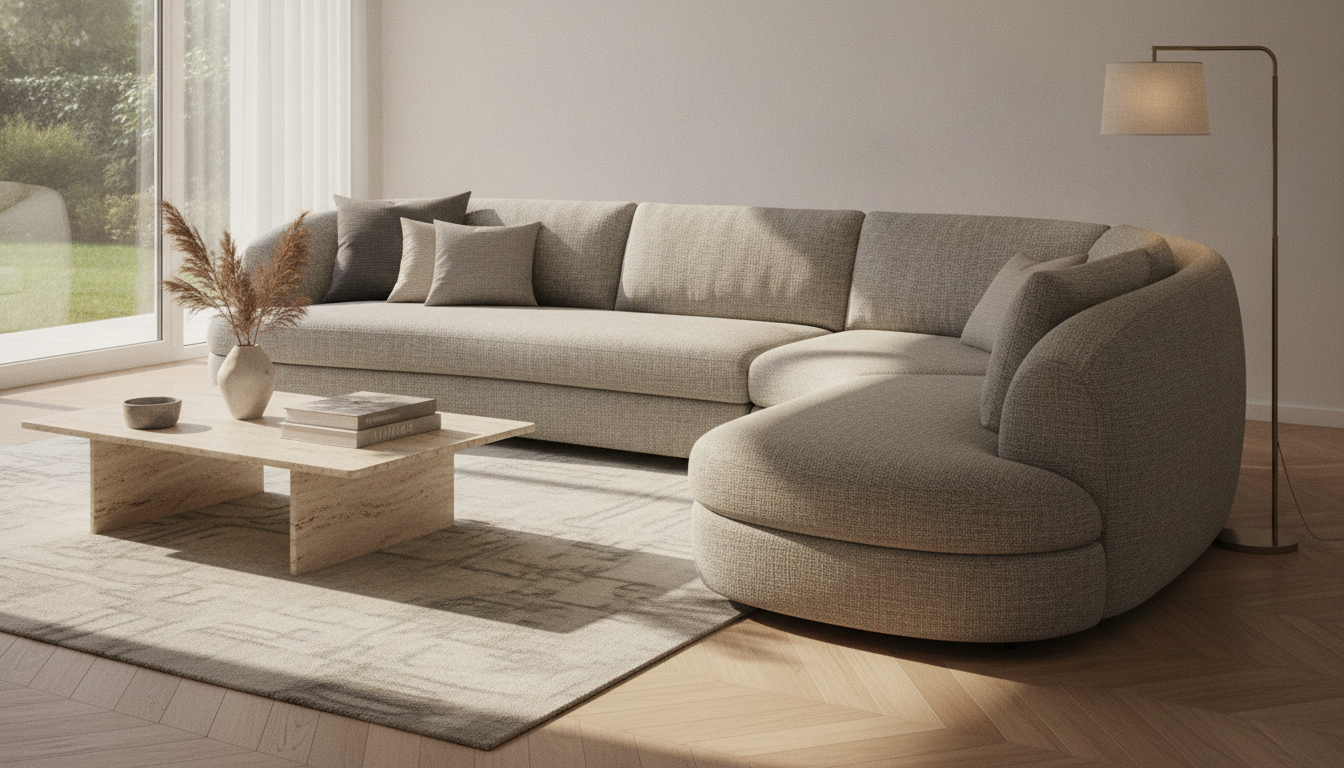
Performance Fabrics Evolved: The Must-Have Sofa Textures of 2026

In the dynamic world of interior design, few elements combine form and function quite like the sofa. It’s the centerpiece of our living spaces, a silent witness to family gatherings, movie nights, and quiet moments of contemplation. But as our lives become more demanding and our expectations for home furnishings soar, the very fabric of our sofas is undergoing a revolutionary transformation. Welcome to the era of performance fabrics evolved – where the textures and technologies of 2026 are setting new benchmarks for durability, sustainability, and sheer aesthetic pleasure.

Gone are the days when ‘performance’ meant sacrificing softness for resilience or aesthetics for practicality. The performance sofa fabrics of today, and certainly of 2026, are a testament to relentless innovation. They’re engineered to withstand the rigors of everyday life – spills, pets, children, and constant use – all while maintaining a luxurious feel and sophisticated look. This isn’t just about stain resistance anymore; it’s about an integrated approach to textile design that considers every aspect of how we live.

The Rise of Smart Textiles: What Defines Performance in 2026

What exactly makes a fabric ‘performance-oriented’ in 2026? It’s a multi-faceted answer that extends beyond basic stain-repellency. The next generation of smart textiles offers:

  • Advanced Stain & Spill Resistance: Utilizing molecular-level treatments that prevent liquids from penetrating fibers, making cleanup a breeze.
  • Exceptional Durability: High abrasion resistance to withstand heavy use without pilling, fading, or wearing thin.
  • Fade Resistance: Engineered to hold color vibrancy even in sun-drenched rooms, often with UV inhibitors.
  • Pet & Child Friendliness: Tightly woven structures and robust fibers that resist snagging, scratching, and general wear from furry friends and active little ones.
  • Antimicrobial Properties: Some fabrics now incorporate technologies to inhibit the growth of bacteria, mold, and mildew, contributing to a healthier home environment.
  • Sustainability: A growing focus on eco-friendly production, recycled materials, and reduced environmental impact.

Let’s dive into the specific textures and types that are poised to dominate the market in 2026, combining these cutting-edge features with unparalleled style.

Stain-Resistant Velvets: Luxurious and Practical

Velvet has long been synonymous with luxury and opulence, but its delicate nature often relegated it to formal, low-traffic areas. Not anymore. The performance velvets of 2026 retain all the sumptuous softness and rich visual depth but are now fortified with advanced stain and spill protection. These are velvets you can actually live with, offering an indulgent tactile experience without the anxiety of spills. Imagine a deep emerald or sapphire stain-resistant velvet sofa that commands attention, knowing it can shrug off life’s little accidents with ease. The secret lies in innovative fiber treatments and weaving techniques that create a barrier while maintaining the fabric’s signature pile and sheen.

Durable Chenille Blends: Softness Meets Resilience

Chenille, known for its distinctive soft, fuzzy texture and iridescent sheen, is another classic making a strong comeback with a performance upgrade. Modern chenille blends utilize a mix of synthetic and natural fibers, often with added treatments, to enhance their durability and stain resistance. The result is a wonderfully tactile fabric that offers the cozy, inviting feel of traditional chenille but with significantly improved resilience against wear and tear. This makes a durable chenille fabric sofa an ideal choice for family rooms and highly used seating areas, providing comfort and style that lasts.

Eco-Friendly Recycled Synthetics: Sustainability in Style

The conversation around sustainability is paramount, and performance fabrics are leading the charge. 2026 will see a surge in beautifully crafted textiles made from recycled materials, particularly recycled polyester derived from post-consumer waste like plastic bottles. These fabrics not only reduce landfill waste but are engineered to be incredibly strong, colorfast, and often inherently resistant to stains and moisture. Advancements in recycling processes mean these eco-conscious options no longer compromise on feel or appearance. A eco-friendly recycled sofa fabric offers a guilt-free luxury, proving that responsible choices can also be incredibly stylish.

Outdoor-Inspired Performance Linens: Breezy Elegance, Indoors

Bringing the durability of outdoor textiles indoors is a major trend for 2026. Imagine the relaxed, breathable feel of linen, but with the inherent strength and resistance typically found in patio furniture fabrics. These ‘indoor-outdoor’ inspired performance linens offer a natural, airy aesthetic combined with incredible resilience against fading, mildew, and spills. They are perfect for homes with abundant natural light, sunrooms, or for those who simply crave a breezy, comfortable yet highly functional living space. These fabrics often feature a slubby, organic texture that adds character while remaining remarkably easy to maintain.

Advanced Crypton and Sunbrella Alternatives: The Gold Standard Evolved

Brands like Crypton and Sunbrella set the original benchmarks for high-performance fabrics, offering unparalleled stain, odor, and moisture resistance. In 2026, while these pioneers continue to innovate, a new generation of alternatives and advancements build upon their legacy. These fabrics incorporate state-of-the-art technologies, often at the fiber level, to create integrated barriers that prevent liquids and odors from penetrating. Expect even greater variety in textures, patterns, and color palettes, ensuring that top-tier performance doesn’t limit your design choices. For ultimate peace of mind and simplified maintenance, keeping a dedicated Crypton fabric cleaner or similar specialized solution on hand is always a smart move for any performance textile.

Comparison Table: Must-Have Performance Sofa Fabrics of 2026

Fabric Type Key Characteristics Durability Stain Resistance Feel & Aesthetics Eco-Friendliness Best For
Stain-Resistant Velvets Luxurious pile, vibrant color depth, liquid-repellent treatment. High (modern versions) Excellent Soft, rich, opulent Moderate (depends on base fiber) Elegant living rooms, accent pieces
Durable Chenille Blends Soft, fuzzy texture, iridescent sheen, blended for strength. High Very Good Plush, cozy, inviting Moderate (synthetic blends) Family rooms, high-traffic areas, cozy lounges
Eco-Friendly Recycled Synthetics Made from recycled materials (e.g., PET), strong, colorfast. Excellent Excellent Varied, often soft and smooth High (sustainable sourcing) Conscious consumers, active households
Outdoor-Inspired Performance Linens Breathable, natural linen look with advanced resistance to elements. Very High Excellent Textured, airy, relaxed Moderate to High (some use recycled content) Sunrooms, casual living spaces, homes with pets
Advanced Barrier Fabrics (e.g., Crypton-alikes) Integrated moisture barrier, antimicrobial, highly durable. Superior Superior Varied (from soft to textured) Moderate (focus on longevity) Ultimate protection, commercial settings, busy families

The innovation doesn’t stop at technical performance; it extends into the sensory experience. Modern performance fabrics are designed to be as pleasing to the touch as they are to the eye. We’re seeing a rise in nuanced textures – subtle bouclés, refined basketweaves, and elegant slub fabrics that add depth and character without compromising on durability. Color palettes are becoming more sophisticated, moving beyond basic neutrals to include richly saturated jewel tones and earthy, organic hues, all engineered to resist fading. The visual distinction between a ‘regular’ fabric and a ‘performance’ fabric is rapidly disappearing, allowing designers and homeowners more freedom than ever to create truly personalized and resilient spaces.

Beyond Durability: Aesthetic & Tactile Innovations

One of the most exciting shifts in performance fabrics for 2026 is the blurring of lines between highly functional textiles and high-fashion aesthetics. Designers are no longer forced to choose between a fabric that looks stunning and one that can withstand a busy household. Today’s innovations are delivering both in spades. Expect to see sophisticated textures like refined bouclé, subtle herringbones, and luxurious sateens, all imbued with incredible performance properties. The tactile experience is paramount, with fabrics designed to feel soft, inviting, and utterly comfortable, inviting you to sink in and relax without a second thought about potential spills or wear.

Maintaining Your Performance Sofa: Tips for Longevity

While performance fabrics are inherently low-maintenance, a few simple practices can significantly extend their life and keep them looking pristine:

  • Regular Vacuuming: Use a soft brush attachment to regularly vacuum your sofa. This removes loose dirt and prevents it from settling into the fibers, which can cause premature wear.
  • Prompt Spill Cleanup: The key to performance fabrics is their repellency. For spills, act quickly. Blot (don’t rub) with a clean, dry microfiber cleaning cloths. Most liquids will bead up, allowing for easy removal.
  • Spot Cleaning: For tougher spots, consult your fabric’s specific care instructions. Many performance fabrics can be gently cleaned with a mild soap and water solution, or a specialized fabric upholstery cleaner designed for synthetics. Always test in an inconspicuous area first.
  • Avoid Harsh Chemicals: Steer clear of bleach, abrasive cleaners, or stiff brushes, which can damage the fabric’s protective coating or fibers.
  • Professional Cleaning (Infrequent): While not often necessary, a professional upholstery cleaning every few years can help refresh your sofa and remove deep-seated grime. Ensure the professional is experienced with performance fabrics.

By following these simple steps, your performance sofa will remain a beautiful, durable, and comfortable centerpiece for years to come.

The Future is Now: Investing in Longevity and Style

The evolution of performance fabrics is more than just a trend; it’s a fundamental shift in how we approach furniture design and living. In 2026, choosing a sofa upholstered in a cutting-edge performance fabric means investing in peace of mind, enduring style, and a home that truly caters to your lifestyle. It’s about creating spaces where comfort and beauty coexist with the realities of daily life, without compromise.

Whether you’re furnishing a bustling family home, a pet-friendly apartment, or simply desire a low-maintenance yet luxurious aesthetic, the must-have sofa textures of 2026 offer an unparalleled blend of sophistication and resilience. Embrace the future of living – where your sofa is not just a piece of furniture, but a testament to intelligent design and effortless elegance.

Frequently Asked Questions About Performance Sofa Fabrics

Q1: What exactly makes a fabric ‘performance’ in 2026?

A1: In 2026, ‘performance’ extends beyond basic stain resistance. It encompasses superior durability (abrasion, pilling, fading), advanced spill and stain repellency, often antimicrobial properties, and a growing emphasis on sustainable production and eco-friendly materials. These fabrics are engineered at a fiber or molecular level to withstand the rigors of daily life while maintaining aesthetic appeal and tactile comfort.

Q2: Are performance fabrics still expensive compared to traditional upholstery?

A2: While initial costs for some advanced performance fabrics can be slightly higher than entry-level traditional options, the long-term value often far outweighs the difference. Their exceptional durability and ease of cleaning mean less need for frequent replacement or costly professional treatments, ultimately making them a cost-effective choice over the lifespan of your furniture. The market also offers a wider range of price points now, making them more accessible.

Q3: Can I really use performance fabrics with pets and kids without worry?

A3: Absolutely. Performance fabrics are specifically designed with active households in mind. Their tight weaves resist snagging from pet claws, and their stain-resistant properties make spills from kids’ snacks or drinks easy to clean. Many also offer odor resistance, making them ideal for homes with pets. While no fabric is indestructible, performance options significantly reduce the stress associated with pet and child-related wear and tear.

Q4: How do I clean my performance fabric sofa if it does get stained?

A4: For most performance fabrics, immediate blotting of spills with a clean, dry cloth is usually sufficient. For tougher stains, use a mild solution of soap and water or a specialized upholstery cleaner, gently dabbing the affected area. Always refer to the manufacturer’s specific care instructions, as cleaning methods can vary slightly between fabric types and treatments. Avoid harsh chemicals or excessive rubbing.

Q5: Are performance fabrics truly eco-friendly?

A5: The eco-friendliness of performance fabrics is a growing focus for 2026. Many are now made from recycled content (like post-consumer plastic bottles), reducing waste and resource consumption. The extended lifespan of these durable fabrics also contributes to sustainability by decreasing furniture turnover. Look for certifications and specific material information when choosing to ensure you’re making an environmentally conscious decision.
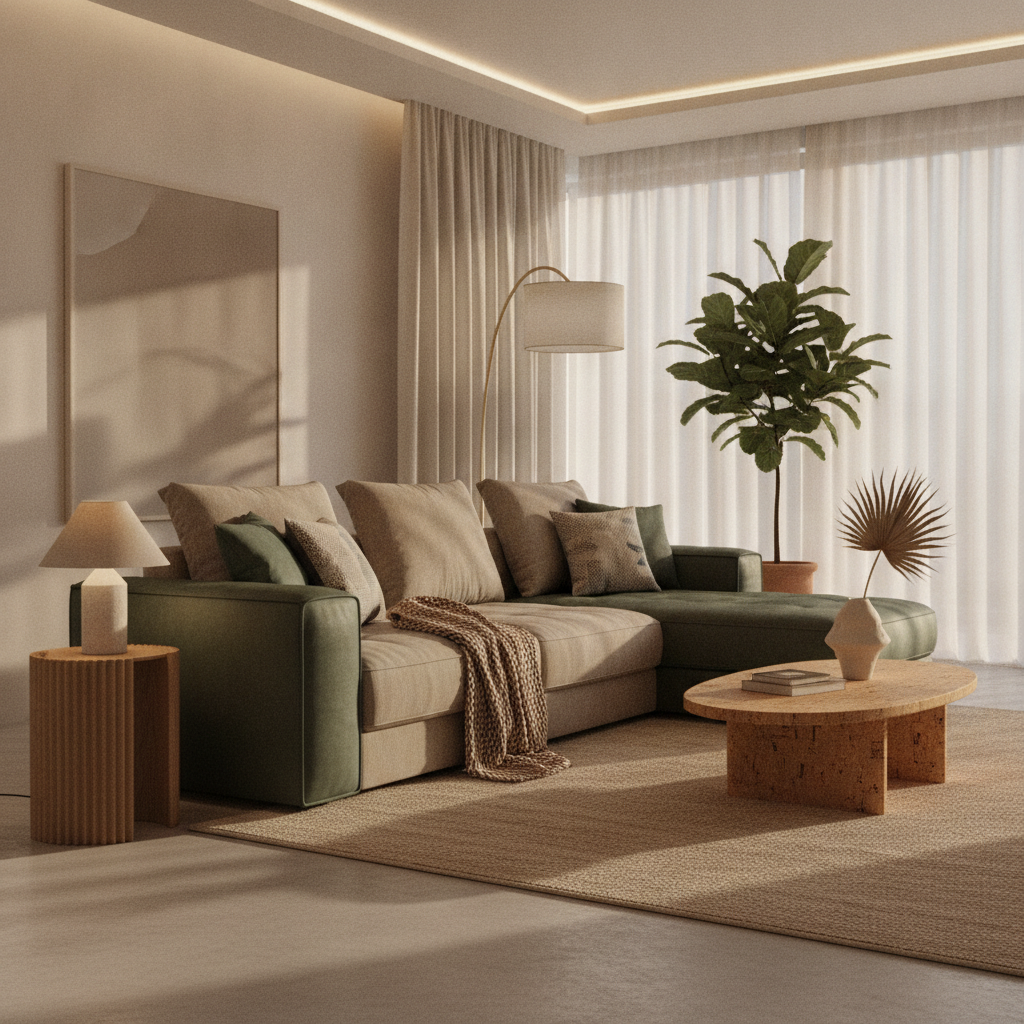
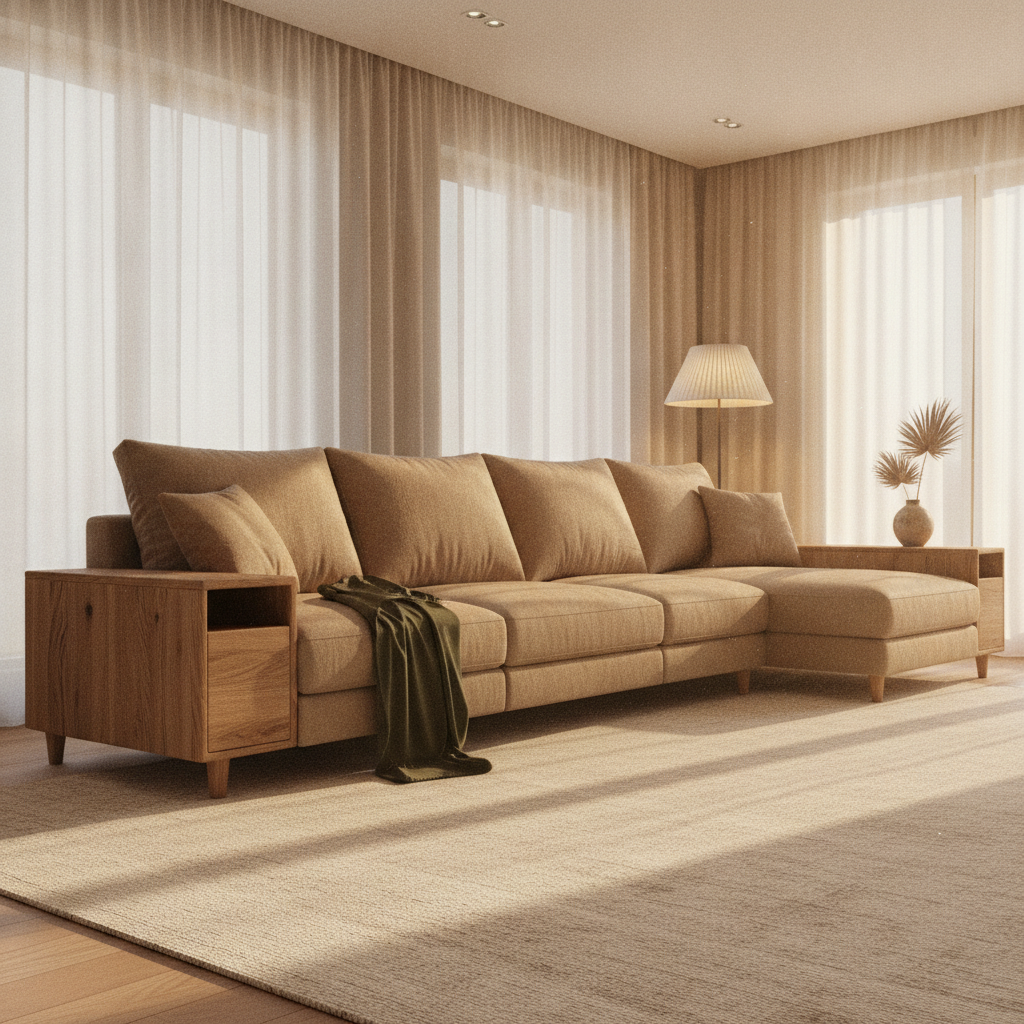
Explore the possibilities. Find your perfect performance sofa today and redefine comfort and durability in your home.

Eco-Chic Lounging: Sustainable Sofa Materials Dominating 2026

As the world gravitates towards more conscious living, our choices in home furnishings are undergoing a profound transformation. The furniture industry, traditionally resource-intensive, is now at the forefront of innovation, driven by a growing demand for eco-friendly alternatives. In 2026, the landscape of interior design will be significantly shaped by a powerful wave of sustainable sofa materials, redefining what it means to lounge in style and comfort without compromising the planet.

Gone are the days when sustainability meant sacrificing aesthetics or durability. Today’s pioneers in furniture design are proving that eco-chic is not just a trend but a lifestyle choice that blends seamlessly with modern living. This comprehensive guide will delve into the most impactful sustainable sofa materials 2026 has to offer, equipping you with the knowledge to make informed, environmentally responsible decisions for your home.

Why Sustainability Matters in Furniture

The environmental footprint of conventional furniture is substantial. From deforestation and intensive chemical use in material processing to significant waste generation at the end of a product’s life cycle, the impact is far-reaching. Traditional sofas often rely on synthetic foams, petroleum-based fabrics, and non-FSC certified timber, contributing to pollution, habitat destruction, and greenhouse gas emissions.

Choosing sustainable sofa materials is a direct way to counteract these negative effects. It supports responsible forestry, reduces reliance on fossil fuels, minimizes chemical exposure in your home, and promotes a circular economy where resources are reused and recycled. Beyond the environmental benefits, sustainable furniture often boasts superior quality, durability, and a unique story, making it a valuable investment for your space.

The Rise of Eco-Conscious Consumers

The shift towards sustainable consumption is not a niche movement; it’s a global phenomenon. Consumers are increasingly scrutinizing the origins and composition of the products they bring into their homes, demanding transparency and ethical practices from brands. This heightened awareness has spurred manufacturers and designers to innovate, leading to an exciting array of new materials and production methods that prioritize planetary health.

By 2026, this demand will have cemented its place in the mainstream, making sustainable options not just available but highly sought after. People are realizing that their sofas aren’t just pieces of furniture; they’re an integral part of their home’s ecosystem, influencing everything from air quality to material waste. Opting for organic cotton sofa or one upholstered in recycled fabrics means investing in a healthier future.

Key Sustainable Sofa Materials Dominating 2026

Let’s explore the leading materials that are set to define the sustainable furniture landscape in the coming years.

Organic Cotton and Linen

Organic cotton and linen are perennial favorites for their natural feel and breathability. Grown without harmful pesticides or synthetic fertilizers, organic cotton cultivation significantly reduces water usage and preserves soil health. Linen, derived from the flax plant, is incredibly strong, naturally pest-resistant, and requires even less water than cotton. Both offer a soft, comfortable, and hypoallergenic surface that’s ideal for sensitive skin and allergy sufferers.

In 2026, expect to see these fabrics offered in a wider array of weaves, textures, and natural dyes, moving beyond the traditional farmhouse aesthetic into sleek, modern designs. Their inherent durability ensures a long lifespan, reducing the need for frequent replacements. When you choose a sofa upholstered in organic cotton or linen, you’re embracing timeless elegance coupled with impeccable eco-credentials.

Recycled Polyester (RPET)

Recycled polyester, often referred to as RPET, is a game-changer in the world of sustainable textiles. Made from discarded plastic bottles and other plastic waste, RPET diverts tons of plastic from landfills and oceans, transforming it into durable and versatile fabric. The production of RPET requires significantly less energy and water compared to virgin polyester, making it an excellent choice for environmental impact reduction.

By 2026, innovations in RPET manufacturing will yield even softer, more luxurious textures that mimic natural fibers, addressing previous concerns about its feel. Its inherent stain and fade resistance also contribute to a longer product life, making it a highly practical and sustainable option for busy households. Look for sofas featuring recycled polyester upholstery fabric as a leading trend for durability and eco-responsibility.

Hemp Fabric

Hemp is arguably one of the most sustainable crops on the planet. It grows rapidly, requires minimal water and no pesticides, and naturally enriches the soil. Hemp fibers are incredibly strong, making them an exceptionally durable choice for upholstery. Sofas made with hemp fabric are known for their resilience, resistance to pilling, and natural antimicrobial properties, contributing to a healthier home environment.

While historically associated with a rougher texture, advancements in processing techniques are yielding softer, more pliable hemp fabrics that retain their legendary strength. In 2026, hemp will be celebrated not only for its robust ecological profile but also for its evolving aesthetic versatility, offering a unique, earthy elegance to any living space.

Bamboo Fabric

Bamboo is another incredibly fast-growing and renewable resource that requires no pesticides or excessive water. As a fabric, bamboo can be processed into a soft, breathable, and even silky material. It’s naturally hypoallergenic and has excellent moisture-wicking properties, making it a comfortable choice for upholstery, especially in warmer climates.

The key to bamboo’s sustainability lies in its processing. While mechanically processed bamboo (bamboo linen) is very eco-friendly, chemically processed bamboo (bamboo viscose or rayon) can be more impactful. Consumers in 2026 will increasingly seek out bamboo fabrics made with closed-loop systems, such as the Lyocell process, which recover and reuse solvents, ensuring a truly green product. This innovative approach to textile production is pushing the boundaries of what’s possible with sustainable sofa materials 2026.

Natural Latex Foam

Beyond fabrics, the internal components of a sofa are just as crucial for sustainability. Natural latex foam, derived from the sap of rubber trees, offers a superb eco-friendly alternative to petroleum-based polyurethane foams. It’s naturally hypoallergenic, resistant to dust mites and mold, and incredibly durable, maintaining its shape and support for many years.

Unlike synthetic foams that off-gas volatile organic compounds (VOCs), natural latex is a healthier choice for indoor air quality. It’s also biodegradable, completing its life cycle responsibly. As people prioritize healthier homes, expect natural latex to become a standard in high-quality, sustainable sofas. Many find the comfort and support comparable to a natural latex mattress topper, showcasing its superior performance.

Recycled Wood and FSC-Certified Timber

The frame is the skeleton of any sofa, and its sourcing is paramount to sustainability. Recycled wood, reclaimed from old buildings, barns, or furniture, gives new life to existing materials, reducing demand for virgin timber and preventing waste. FSC-certified timber (Forest Stewardship Council) guarantees that wood comes from responsibly managed forests, promoting ecological biodiversity and ethical practices.

By 2026, the use of reclaimed and FSC-certified woods will be a non-negotiable standard for leading sustainable furniture brands. These materials not only provide structural integrity but also add character and a unique story to each piece, highlighting a commitment to a circular economy.

Upcycled and Repurposed Materials

Innovation knows no bounds when it comes to sustainability. Designers are increasingly experimenting with upcycled and repurposed materials, transforming waste into beautiful and functional components. This can include everything from denim scraps woven into new fabrics to industrial waste reimagined as decorative elements or even structural components.

These materials offer unique aesthetics and contribute significantly to waste reduction, embodying the pinnacle of creative sustainability. While perhaps not dominating in sheer volume, upcycled materials will inspire and push the boundaries of design, showcasing the incredible potential of circular design principles.

Comparison of Sustainable Sofa Materials 2026

Material Sustainability Score Durability Comfort Cost (Relative) Maintenance Key Feature
Organic Cotton High Medium High Medium Moderate Soft, breathable, hypoallergenic
Recycled Polyester (RPET) High High Medium Low-Medium Low Stain-resistant, versatile, waste reduction
Hemp Fabric Very High Very High Medium Medium-High Moderate Extremely strong, antimicrobial, low impact
Bamboo Fabric High Medium-High High Medium-High Moderate Soft, moisture-wicking, rapid renewal
Natural Latex Foam High Very High High High Low Hypoallergenic, supportive, biodegradable
Recycled Wood / FSC Timber High High N/A (Frame) Medium Low Sturdy frame, circular economy, responsible sourcing

Beyond Materials: Holistic Sustainability in Sofa Design

While the choice of materials is crucial, true sustainability in sofa design extends beyond individual components. It encompasses the entire product lifecycle, from sourcing and manufacturing to transportation, longevity, and end-of-life disposal. Brands committed to holistic sustainability will:

  • Prioritize Ethical Production: Ensuring fair labor practices and safe working conditions.
  • Minimize Waste: Implementing lean manufacturing processes and reducing scrap materials.
  • Use Non-Toxic Adhesives and Finishes: Avoiding harmful chemicals that off-gas into your home.
  • Design for Disassembly: Creating sofas that can be easily taken apart for repair, component replacement, or recycling.
  • Offer Repair and Refurbishment Services: Extending the life of their products and promoting a repair culture.

Understanding these broader aspects of sustainability allows consumers to support brands that truly embody eco-conscious values, not just greenwashing tactics. The shift towards sustainable sofa materials 2026 is part of a larger movement towards fully transparent and responsible manufacturing.

Maintenance and Longevity: Extending Your Sofa’s Lifespan

One of the most sustainable actions you can take is to make your furniture last longer. Proper care and maintenance are essential, especially for sofas made from natural or recycled fibers.

  • Regular Cleaning: Vacuum regularly to remove dust and debris.
  • Spot Treatment: Address spills immediately with a clean cloth and an appropriate cleaner. Opt for an eco-friendly fabric cleaner that is gentle on natural fibers and free from harsh chemicals.
  • Professional Cleaning: Depending on the fabric, occasional professional cleaning may be necessary.
  • Protection from Sunlight: Prolonged exposure to direct sunlight can fade fabrics, even natural ones.
  • Fluffing Cushions: Regularly fluffing and rotating cushions helps maintain their shape and extends their life.

By investing in high-quality, sustainable sofa materials 2026 and committing to their care, you not only reduce your environmental impact but also enjoy your beautiful, comfortable furniture for years to come.

The Future of Eco-Chic Lounging

The trajectory for sustainable sofa materials in 2026 and beyond is one of continuous innovation and integration. We can anticipate further advancements in bio-based materials, sophisticated recycling technologies for textiles, and increased standardization of certifications that make it easier for consumers to identify truly sustainable products. The future of eco-chic lounging is bright, promising a harmonious blend of style, comfort, and environmental responsibility.

As conscious consumers, our choices have immense power. By opting for sofas crafted from these pioneering materials, we actively participate in building a more sustainable future for our homes and our planet. Embrace the elegance of eco-conscious design and transform your living space into a sanctuary that reflects your values.

Frequently Asked Questions About Sustainable Sofa Materials 2026

Q: What makes a sofa truly “sustainable”?

A: A truly sustainable sofa considers its entire lifecycle, from the ethical sourcing of raw materials (e.g., organic cotton, FSC-certified wood, recycled content) and eco-friendly manufacturing processes to its durability, repairability, and end-of-life recyclability or biodegradability. It also means minimizing chemical use and ensuring fair labor practices.

Q: Are sustainable sofas more expensive?

A: While some sustainable sofas may have a higher upfront cost due to premium materials and ethical production methods, they often represent a better long-term investment. Their superior durability and timeless design mean they last longer, reducing the need for frequent replacements. Moreover, the long-term environmental and health benefits outweigh any initial price difference.

Q: How do I care for a sofa made from sustainable materials?

A: Care instructions vary by material. Generally, regular vacuuming, immediate spot cleaning with eco-friendly products, and protecting from direct sunlight are recommended. Always check the manufacturer’s specific care guide. Natural fibers like linen or hemp may require different care than recycled polyester blends.

Q: What certifications should I look for when buying sustainable sofas?

A: Look for certifications like GOTS (Global Organic Textile Standard) for organic cotton and linen, GRS (Global Recycled Standard) for recycled materials, FSC (Forest Stewardship Council) for wood, and Oeko-Tex Standard 100 for textile safety. These certifications provide independent verification of environmental and social responsibility.

Q: Can I find sustainable sofas in different styles?

A: Absolutely! The world of sustainable furniture has evolved dramatically. Today, you can find eco-friendly sofas in virtually every style, from minimalist modern and Scandinavian to classic traditional and bohemian. Brands are increasingly prioritizing both sustainability and diverse aesthetic appeal, making it easy to find an eco-chic sofa that perfectly matches your decor, perhaps even paired with a beautiful jute rug.

Conclusion

The future of furniture is unequivocally sustainable, and the innovations in sustainable sofa materials 2026 are a testament to this transformative shift. By embracing organic cotton, recycled polyester, hemp, natural latex, and responsibly sourced wood, we’re not just buying furniture; we’re investing in a healthier planet and a more conscious way of living. Make your next sofa choice a step towards a greener, more beautiful home.

Ready to elevate your home with eco-chic design? Explore the incredible range of sustainable sofas and start building your conscious sanctuary today!

The Reclaimed Revolution: Eco-Conscious Sofas & Sustainable Wood Frames for 2026

The world of interior design is undergoing a significant transformation, driven by an increasing awareness of environmental impact and a collective desire for more responsible consumption. As we look towards 2026 and beyond, the furniture industry is poised at the precipice of a reclaimed revolution, with eco-conscious sofas and sustainable wood frames leading the charge. This isn’t just a fleeting trend; it’s a fundamental shift towards ethical craftsmanship, durable materials, and designs that respect our planet. At lesofa.club, we believe that style and sustainability can, and should, coexist beautifully in your home.

For too long, furniture production has been a major contributor to deforestation, pollution, and waste. The allure of fast furniture, often made from low-quality materials destined for landfill, has dominated the market. However, a new generation of designers, manufacturers, and discerning consumers are demanding better. They’re seeking pieces that tell a story, built with integrity from materials that don’t cost the Earth. This comprehensive guide will delve into the exciting advancements in eco-friendly furniture, focusing specifically on how you can find the perfect sustainable sofa frames for 2026 and create a truly green living space.

Why Sustainable Sofa Frames are No Longer a Niche, But a Necessity

The choice of a sofa is one of the most significant furniture investments you’ll make for your home. It’s the centerpiece of your living room, a hub for relaxation, entertainment, and connection. Opting for a sofa with a sustainable frame offers a multitude of benefits that extend far beyond aesthetics:

  • Environmental Protection: The most obvious benefit. Sustainable frames typically come from responsibly managed forests (FSC-certified), reclaimed wood, or rapidly renewable resources. This reduces deforestation, preserves biodiversity, and minimizes the carbon footprint associated with logging and transportation.
  • Durability and Longevity: Eco-friendly doesn’t mean fragile. In fact, many sustainable woods and manufacturing processes result in frames that are incredibly robust and built to last. This means fewer replacements over time, reducing waste and saving you money in the long run.
  • Healthier Home Environment: Sustainable frames often involve fewer harmful chemicals, glues, and finishes compared to conventional furniture. This contributes to better indoor air quality, reducing exposure to volatile organic compounds (VOCs) that can negatively impact health.
  • Ethical Sourcing: Beyond environmental considerations, many sustainable brands prioritize fair labor practices and transparent supply chains, ensuring that your purchase supports ethical production from start to finish.
  • Unique Aesthetic and Character: Reclaimed wood, in particular, offers unparalleled character with its natural imperfections, knots, and grain variations, giving your sofa a unique story and rustic charm that cannot be replicated.

Understanding the Materials: The Backbone of Sustainable Sofas

When searching for sustainable sofa frames 2026, it’s crucial to understand the materials that make them truly eco-conscious. Here’s a breakdown of the leading contenders:

1. FSC-Certified Wood

The Forest Stewardship Council (FSC) is a global non-profit organization that sets standards for responsible forest management. When you see the FSC label, it means the wood used in your sofa frame comes from forests that are managed in an environmentally appropriate, socially beneficial, and economically viable manner. This includes protecting biodiversity, ensuring sustainable harvesting levels, and respecting the rights of indigenous peoples and local communities. Common FSC-certified woods include oak, maple, ash, and pine.

2. Reclaimed and Recycled Wood

Perhaps the epitome of circular economy principles, reclaimed wood is salvaged from old buildings, barns, factories, or even sunken logs. By giving this wood a second life, we prevent it from ending up in landfills and reduce the demand for new timber. Recycled wood takes this a step further, often involving processing and remanufacturing waste wood into new products. Each piece of reclaimed wood carries its own history, offering a unique aesthetic that is impossible to replicate. Look for a reclaimed wood sofa frame for truly unparalleled character.

3. Bamboo and Other Rapidly Renewable Resources

Bamboo is technically a grass, not a tree, and it’s one of the fastest-growing plants on Earth. Its rapid growth rate, minimal need for water, and ability to thrive without pesticides make it an exceptionally sustainable material for furniture frames. It’s also incredibly strong and durable, rivaling many hardwoods. Other rapidly renewable resources include cork and rattan, though they are more commonly used for accents or lighter furniture pieces.

4. Recycled Metal Frames

While wood is often the star of sustainable frames, recycled metals like steel and aluminum also play a vital role. Metals can be recycled repeatedly without significant loss of quality, significantly reducing the energy and resources required compared to producing new metal from raw ore. A sofa with a recycled metal frame offers a modern, industrial aesthetic and exceptional strength.

Beyond the Frame: Upholstery and Fillings

A truly eco-conscious sofa doesn’t stop at the frame. The upholstery and internal fillings are equally important considerations:

  • Natural Fabrics: Opt for organic cotton, linen, hemp, or wool. These natural fibers are breathable, durable, and biodegradable, often produced with fewer chemicals and less water than synthetic alternatives.
  • Recycled Fabrics: Many innovative textiles are now made from recycled PET plastic bottles, transforming waste into durable and attractive upholstery.
  • Natural Fillings: Look for cushions filled with natural latex, wool, kapok, or recycled down alternatives, avoiding petroleum-based polyurethane foams that off-gas harmful chemicals and are difficult to recycle.

Choosing Your Sustainable Sofa: What to Look For

Navigating the market for sustainable furniture can be overwhelming. Here’s a checklist to guide your decision-making process for finding the best sustainable sofa frames 2026:

  1. Certifications: Look for recognized third-party certifications like FSC for wood, GOTS (Global Organic Textile Standard) for organic fabrics, and CertiPUR-US for foams (if you can’t avoid them entirely, this certifies they are made without certain harmful chemicals).
  2. Transparency: Reputable brands will be open about their sourcing, manufacturing processes, and supply chain. Don’t hesitate to ask questions.
  3. Durability and Construction: A sustainable sofa is one that lasts. Look for frames joined with mortise-and-tenon or dowel joints, not just staples or screws. Solid wood construction is always preferable to particleboard or MDF (unless made from recycled content).
  4. Local Sourcing: While not always possible, furniture made locally reduces transportation emissions and supports local economies.
  5. Modular Design: Some sustainable sofas are designed with modular components, allowing you to replace individual parts (like a cushion cover or a specific section) rather than the entire piece, extending its lifespan.
  6. End-of-Life Planning: Consider if the sofa components can be easily disassembled for recycling or repurposing at the end of its long life.

Comparison Table: Sustainable Sofa Frame Materials

Material Type Sustainability Benefits Key Considerations Aesthetic Durability
FSC-Certified Hardwoods (Oak, Maple, Ash) Responsibly managed forests, protects biodiversity, fair labor. Requires new timber, though sourced sustainably. Classic, timeless, versatile. Excellent (Very High)
Reclaimed Wood (Pine, Douglas Fir, Barn Wood) Diverts waste from landfills, no new deforestation, unique character. Sourcing can be varied, may have minor imperfections. Rustic, industrial, unique grain. High (often from old-growth trees)
Bamboo Rapidly renewable, minimal water/pesticides, carbon sequestration. Often processed, sourcing transparency. Modern, clean, light-toned. High (strong and flexible)
Recycled Metal (Steel, Aluminum) Reduces energy/resource use, infinitely recyclable. Energy required for recycling. Modern, industrial, sleek. Excellent (Very High)

Maintenance for Longevity: Caring for Your Eco-Sofa

A key aspect of sustainability is longevity. The longer your sofa lasts, the smaller its environmental footprint. Proper care and maintenance are essential:

  • Regular Cleaning: Vacuum your sofa regularly to remove dust and debris that can wear down fabric fibers. For spills, act quickly and use appropriate eco-friendly fabric cleaner specifically designed for your upholstery type.
  • Rotate Cushions: To ensure even wear, regularly flip and rotate seat and back cushions.
  • Protect from Sun: Direct sunlight can fade fabrics and dry out wood over time. Position your sofa away from harsh, direct light or use curtains to filter it.
  • Wood Care: For exposed wooden frames, periodically wipe with a damp cloth and use a natural wood conditioner to prevent drying and cracking.
  • Professional Cleaning: Depending on use, consider professional eco-friendly upholstery cleaning every 1-2 years.

The Future is Green: Trends for Sustainable Sofas in 2026 and Beyond

Looking ahead to 2026, we anticipate several exciting trends in sustainable furniture:

  • Modular and Customizable Designs: Sofas that adapt to changing needs, allowing for easy replacement of worn parts or reconfiguration of layouts.
  • Bio-Based Materials: Innovation in materials science will bring more bio-based foams, textiles derived from agricultural waste, and even mushroom-based components.
  • Hyper-Local Production: A greater emphasis on regional manufacturing to reduce shipping distances and support local craftsmanship.
  • Digital Transparency: Enhanced use of technology (like QR codes) to provide consumers with detailed information about a product’s supply chain and environmental impact.
  • Rental and Circular Models: A growth in furniture rental services and take-back programs, fostering a truly circular economy where materials are constantly reused and recycled.

FAQs: Your Questions About Sustainable Sofas Answered

Q1: Are sustainable sofas more expensive than traditional ones?

Initially, a high-quality sustainable sofa might have a higher upfront cost due to ethical sourcing, premium materials, and skilled craftsmanship. However, their superior durability and longevity mean they often prove to be a more cost-effective investment in the long run, reducing the need for frequent replacements.

Q2: How can I verify if a sofa’s frame is truly sustainable?

Look for third-party certifications like FSC for wood. Reputable brands will clearly state their material sourcing and sustainability practices on their websites or product descriptions. Don’t hesitate to contact customer service for more details.

Q3: What’s the difference between reclaimed wood and recycled wood?

Reclaimed wood is salvaged directly from old structures and repurposed with minimal processing, retaining its original character. Recycled wood typically involves breaking down waste wood (like scraps or old pallets) and re-manufacturing it into new composite materials or products. Both are excellent sustainable choices.

Q4: Can I make my current sofa more sustainable?

Absolutely! You can extend its life by repairing minor damages, reupholstering with organic or recycled fabrics, and replacing old foam cushions with natural latex or recycled alternatives. Don’t forget proper cleaning and maintenance as well.

Q5: What should I avoid when buying a sustainable sofa?

Avoid frames made from particleboard or MDF without clear indications of recycled content or low-VOC glues. Steer clear of petroleum-based polyurethane foams without CertiPUR-US certification. Be wary of brands that make vague ‘green’ claims without specific certifications or transparency.

Join the Reclaimed Revolution Today

The movement towards eco-conscious sofas and sustainable wood frames for 2026 is more than a trend; it’s a commitment to a healthier planet and a more thoughtful approach to our living spaces. By choosing furniture that aligns with your values, you’re not just decorating a room; you’re making a statement about the kind of future you want to create. Embrace durability, ethical sourcing, and timeless design, and transform your home into a haven of sustainable style.

Ready to elevate your living space with intention? Explore lesofa.club for curated selections and expert advice on building a beautiful, sustainable home.

The Rise of Bio-Fabrics: Sustainable Sofa Materials Dominating 2026

In a world increasingly conscious of its environmental footprint, the furniture industry is undergoing a profound transformation. Gone are the days when comfort and aesthetics were the sole considerations for purchasing a sofa. Today, consumers demand more: sustainability, ethical sourcing, and minimal environmental impact. This shift has paved the way for a new era of materials, with bio-fabrics emerging as the frontrunners. By 2026, these innovative, planet-friendly textiles are set to redefine our living spaces, making sustainable sofa fabrics 2026 not just a niche market, but the industry standard. This comprehensive guide will delve into the exciting world of bio-fabrics, exploring why they matter, what they offer, and how they are shaping the future of home furnishings.

Why Sustainability Matters More Than Ever in Furniture

The urgency for sustainable practices is undeniable across all sectors, and furniture is no exception. Traditional textile production, particularly for synthetic fabrics like polyester and nylon, is heavily reliant on fossil fuels, leading to significant carbon emissions. Conventional cotton farming, while natural, often involves intensive water usage and harmful pesticides that degrade soil health and pollute waterways. Even materials like leather, while durable, raise ethical concerns and involve resource-intensive tanning processes.

The environmental impact extends beyond production. Many conventional fabrics release microplastics into our oceans during washing, contributing to plastic pollution. Furthermore, the sheer volume of furniture discarded annually fills landfills, often because materials are not designed for recycling or biodegradation. Consumers are increasingly aware of these issues and are actively seeking alternatives that align with their values. A truly sustainable home begins with conscious choices, and the sofa, often the centerpiece of a living room, represents a significant opportunity for positive change.

Deciphering Bio-Fabrics: What Are They?

At its core, a bio-fabric is a material derived from biological sources, such as plants, fungi, or even algae, rather than petroleum-based chemicals. However, the term encompasses more than just natural origin. True bio-fabrics are distinguished by their sustainable cultivation, harvesting, and processing methods, often involving closed-loop systems, reduced water usage, and minimal chemical inputs. They stand apart from conventional ‘natural’ fabrics by emphasizing environmental responsibility throughout their entire lifecycle.

The beauty of bio-fabrics lies in their diversity and innovation. They range from enhanced versions of ancient fibers like hemp and organic cotton to cutting-edge materials grown from mycelium or pineapple leaves. These advancements not only offer compelling alternatives to traditional materials but often surpass them in performance, offering unique textures, superior durability, and inherent breathability, all while minimizing harm to the planet.

Leading the Charge: Top Sustainable Sofa Fabrics for 2026

Organic Cotton & Linen Redefined

Organic cotton and linen are not new players in the textile world, but their sustainable iterations are gaining significant traction. Organic cotton is cultivated without synthetic pesticides, fertilizers, or GMOs, preserving biodiversity and soil health. When combined with GOTS (Global Organic Textile Standard) certification, it ensures not only organic farming practices but also environmentally and socially responsible manufacturing. Similarly, organic linen, derived from the flax plant, is renowned for its strength, breathability, and natural resistance to pilling. Both offer a soft, luxurious feel and excellent durability for sofa upholstery. For those looking to transition to more eco-friendly options, even something as simple as an organic cotton sofa cover can make a noticeable difference.

Hemp: The Resilient Innovator

Hemp has made a remarkable comeback, establishing itself as a powerhouse in sustainable textiles. This incredible plant requires significantly less water than cotton to grow, thrives without pesticides, and actually enriches the soil it grows in. Hemp fibers are exceptionally strong, making them ideal for durable upholstery that can withstand years of use. It’s also naturally resistant to mold, mildew, and UV light, ensuring longevity and minimal maintenance. As a fabric, hemp softens beautifully with age, developing a unique character that adds a rustic yet refined touch to any living space.

Lyocell (Tencel™): The Silky Smooth Eco-Warrior

Lyocell, particularly under the brand name Tencel™, is a rayon fiber made from wood pulp, typically eucalyptus or bamboo. What makes it a standout bio-fabric is its revolutionary closed-loop production process. Over 99% of the non-toxic solvents used in manufacturing are recovered and reused, dramatically reducing waste and environmental impact. Lyocell fabrics are celebrated for their incredible softness, smooth drape, and excellent moisture-wicking properties, making them incredibly comfortable and breathable for sofa upholstery. They are also naturally wrinkle-resistant and biodegradable. If you’re exploring the benefits of Lyocell for bedding, a Tencel mattress protector can offer a glimpse into its luxurious feel and practical advantages.

Piñatex (Pineapple Leather): Exotic and Ethical

Hailing from the Philippines, Piñatex is an innovative, natural, and sustainable non-woven textile made from the waste leaves of the pineapple plant. These leaves are typically discarded after the fruit harvest, making Piñatex an ingenious example of upcycling agricultural waste into a valuable material. The fibers are extracted, processed, and combined with a corn-based polylactic acid (PLA) to create a durable, flexible fabric that remarkably mimics the look and feel of leather. It’s an ideal choice for ethical consumers seeking a cruelty-free, vegan alternative for their sofa upholstery, offering a unique texture and robust performance.

Mushroom Leather (Mycelium): The Next Frontier

Perhaps one of the most exciting innovations in bio-fabrics is mushroom leather, derived from mycelium – the root structure of fungi. Mycelium can be grown in controlled environments using agricultural waste as a feedstock, with astonishing speed and minimal resource input. The resulting material is biodegradable, incredibly strong, and can be engineered to possess various textures, from soft and supple to robust and leathery. Companies are rapidly advancing this technology, promising a future where your sofa could literally be ‘grown’ from mushrooms. Its versatility and low environmental impact position it as a truly transformative material for furniture in the coming years.

Algae-Based Fabrics: Diving Deep into Innovation

While still in relatively early stages of commercialization for upholstery, algae-based fabrics represent a fascinating potential future for sustainable textiles. Algae grows rapidly, requires minimal land, and, crucially, consumes carbon dioxide from the atmosphere, making it a carbon-negative resource. Researchers are exploring methods to extract cellulose from algae biomass to create fibers that can be woven into textiles. Imagine a sofa fabric that not only looks beautiful but also contributes to cleaning the air and water during its lifecycle. This is the promise of algae-based bio-fabrics.

Recycled Polyester (rPET) & Upcycled Materials (Brief Mention)

While the focus here is on newly emerging bio-fabrics, it’s important to acknowledge the continued role of recycled and upcycled materials. Recycled polyester (rPET), made from post-consumer plastic bottles, significantly reduces waste and the demand for virgin petroleum. When combined with other sustainable practices, it remains a viable option for durability and stain resistance. Similarly, upcycled fabrics – giving new life to discarded textiles – contribute to a circular economy. A durable recycled polyester rug can be a great companion to your sustainable sofa.

sustainable sofa fabrics 2026 style example
Explore the exquisite, tactile beauty of sustainable sofa fabrics 2026, where nature meets innovation.

Comparison Table: Sustainable Sofa Fabrics 2026 at a Glance

To help you navigate the options, here’s a quick comparison of some of the leading sustainable sofa fabrics expected to dominate in 2026:

Fabric Primary Source Key Benefits Durability Environmental Impact Price Point (Relative)
Organic Cotton Organic Cotton Plant Soft, breathable, hypoallergenic, biodegradable Medium-High Low (GOTS certified) $$
Hemp Hemp Plant Extremely strong, low water/pesticide use, mold-resistant, soil enriching High Very Low $$$
Lyocell (Tencel™) Wood Pulp (Eucalyptus, Bamboo) Silky soft, breathable, moisture-wicking, closed-loop production Medium-High Very Low $$$
Piñatex Pineapple Leaf Fibers Vegan leather alternative, uses agricultural waste, unique texture Medium-High Low $$$$
Mushroom Leather (Mycelium) Mycelium (Fungi Roots) Grown rapidly, biodegradable, versatile, mimics leather, low resource input High Very Low $$$$$ (Emerging)
Recycled Polyester (rPET) Recycled Plastic Bottles Reduces landfill waste, durable, stain-resistant High Medium (depending on recycling process) $

Beyond Fabric: A Holistic Approach to Sustainable Sofas

While the choice of fabric is paramount, a truly sustainable sofa extends beyond its upholstery. Manufacturers and consumers alike are increasingly considering the entire lifecycle and components of a piece of furniture:

  • Frame Materials: Look for frames made from FSC-certified wood, ensuring it comes from responsibly managed forests. Recycled metal frames are another excellent option.
  • Fillings: Traditional foam often contains petroleum-based chemicals and can off-gas VOCs. Sustainable alternatives include natural latex (derived from rubber trees), wool, kapok, or recycled down/fibers.
  • Manufacturing Practices: Support brands that demonstrate ethical labor practices, use renewable energy in their factories, and implement waste reduction programs. Local production also reduces transportation emissions.
  • Longevity & Circularity: A truly sustainable sofa is built to last. It should be repairable, and ideally, designed for disassembly so its components can be recycled or repurposed at the end of its life.
  • Care & Maintenance: Prolong the life of your sustainable sofa by using eco-friendly cleaning products and following care instructions carefully. An eco-friendly fabric cleaner is a must-have for maintaining these precious materials.

By considering these factors, you contribute to a more circular and responsible furniture economy, minimizing your environmental impact from purchase to disposal.

The Future is Bright: What to Expect by 2026 and Beyond

The trajectory for sustainable sofa fabrics is clear: continuous innovation, increased accessibility, and broader adoption. By 2026, we can expect to see bio-fabrics move from niche offerings to mainstream options. As technology advances, production costs will likely decrease, making these materials more affordable without compromising quality or sustainability.

Designers and manufacturers are embracing these materials, creating stunning and durable sofas that don’t force consumers to choose between style and sustainability. The collaboration between material scientists, textile engineers, and furniture designers is fostering an ecosystem where eco-conscious design is not just a trend but a fundamental principle. Consumers will have more choices than ever before, empowering them to furnish their homes with products that genuinely reflect a commitment to a healthier planet.

FAQ: Your Questions About Sustainable Sofa Fabrics Answered

Q1: Are sustainable fabrics durable enough for everyday use?

Absolutely. Many bio-fabrics like hemp, organic linen, and even mushroom leather are inherently robust and designed to withstand the rigors of daily life. Advances in textile technology mean that these materials are engineered for longevity, often surpassing conventional fabrics in specific performance metrics. Their natural fibers also tend to age gracefully, developing character over time.

Q2: Are sofas with bio-fabrics more expensive?

Initially, some cutting-edge bio-fabrics can come with a higher price tag due to innovative research, specialized production processes, and smaller scale manufacturing. However, as demand grows and production scales up, prices are becoming more competitive. Furthermore, investing in a durable, high-quality sustainable sofa often proves to be more cost-effective in the long run, as it will last longer and may require less frequent replacement.

Q3: How do I care for a sofa upholstered with bio-fabrics?

Care instructions can vary depending on the specific fabric. Generally, gentle cleaning methods are recommended. Many natural and bio-fabrics benefit from spot cleaning with mild, pH-neutral, eco-friendly cleaners and regular vacuuming. Always refer to the manufacturer’s specific care guide to ensure the longevity of your upholstery.

Q4: Do these fabrics contain harmful fire retardants?

A significant advantage of choosing sustainable sofa fabrics is the opportunity to avoid harmful chemical fire retardants. Many eco-conscious manufacturers utilize natural fire barriers like wool, or design their furniture to inherently meet fire safety standards without the need for toxic chemicals, especially in regions where regulations allow for such alternatives. Always inquire about the fire retardant status and materials used when purchasing.

Q5: Where can I find sofas made with these sustainable fabrics?

The market for sustainable furniture is rapidly expanding. Look for specialized eco-furniture brands, reputable retailers with a dedicated sustainability section, and online platforms that vet their products for environmental claims. Reading product descriptions thoroughly and checking for certifications (like GOTS, FSC, Oeko-Tex) will help you identify genuine sustainable options.

Embrace the Future of Sustainable Living

The evolution of bio-fabrics marks an exciting chapter in home design, offering a harmonious blend of style, comfort, and environmental responsibility. By choosing sofas upholstered in materials like organic cotton, hemp, Lyocell, or innovative mushroom leather, you’re not just decorating your home; you’re making a conscious statement about your values and contributing to a healthier planet. The year 2026 promises to be a pivotal moment for these sustainable sofa fabrics, establishing them as the benchmark for eco-conscious living. It’s time to embrace this change and make informed choices for a greener, more beautiful home. Explore sustainable sofa options for your next purchase and visit lesofa.club for more expert guides and inspiration.