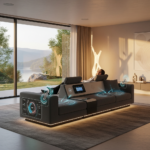
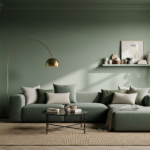
The Rise of Bio-Fabric Sofas: Sustainable Luxury for 2026 Interiors
The world of interior design is in constant evolution, but few shifts have been as profound and impactful as the movement towards sustainability. As we look towards 2026, a clear frontrunner in this eco-conscious revolution is emerging: the bio-fabric sofa. More than just a trend, bio-fabric sofas represent a commitment to environmental responsibility, health, and a sophisticated aesthetic that doesn’t compromise on comfort or style. They are the epitome of sustainable luxury, offering a guilt-free indulgence that aligns perfectly with modern values.
For years, the furniture industry has grappled with its environmental footprint, from deforestation for frames to chemical-laden fabrics and non-biodegradable fills. But with growing consumer awareness and innovative textile science, a new era is dawning. Bio-fabric sofas are at the forefront, transforming living spaces into havens of natural beauty and ecological integrity. This isn’t just about ‘going green’; it’s about embracing a higher standard of living, where elegance and ethics coexist seamlessly.
What Are Bio-Fabric Sofas? Understanding the Sustainable Revolution
At its core, a bio-fabric sofa is one upholstered with materials derived from natural, renewable resources or highly sustainable processes that minimize environmental harm. This goes far beyond simply ‘natural fibers.’ While traditional natural fibers like cotton and linen are foundational, bio-fabrics encompass a broader, more innovative spectrum, including organically grown materials, recycled content, and cutting-edge plant-based alternatives that push the boundaries of eco-textile technology.
The Environmental Imperative: Why Bio-Fabrics Matter
The push for bio-fabrics is driven by a critical need to reduce the environmental impact of textile production. Traditional synthetic fabrics often rely on fossil fuels, leading to high energy consumption and greenhouse gas emissions. Conventional natural fibers, while biodegradable, can be resource-intensive, requiring vast amounts of water, pesticides, and fertilizers. Bio-fabrics offer a compelling alternative:
- Reduced Carbon Footprint: Many bio-fabrics require less energy to produce and process, leading to lower carbon emissions.
- Sustainable Sourcing: They come from renewable resources that are grown or harvested responsibly, minimizing damage to ecosystems.
- Biodegradability & Recyclability: At the end of their life, many bio-fabrics can naturally decompose or be recycled, preventing landfill waste.
- Fewer Chemicals: Organic and naturally processed bio-fabrics significantly reduce the use of harmful pesticides, dyes, and finishing agents, protecting both workers and the environment.
- Water Conservation: Innovations in bio-fabric production often focus on minimizing water usage, a critical resource worldwide.
By choosing a bio-fabric sofa, consumers directly support sustainable agriculture, ethical manufacturing practices, and a circular economy, making a tangible difference for the planet.
Beyond Green: Unpacking the Benefits for Your Home
The advantages of bio-fabric sofas extend far beyond their environmental credentials. They bring a host of benefits that enhance comfort, health, and the overall aesthetic of your living space:
- Unparalleled Comfort: Natural fibers are known for their breathability, softness, and luxurious feel against the skin. Unlike some synthetics, bio-fabrics adapt to body temperature, offering comfort in all seasons.
- Hypoallergenic Properties: Free from harsh chemicals, synthetic dyes, and irritants, bio-fabrics are an excellent choice for individuals with allergies, sensitive skin, or respiratory concerns, promoting a healthier indoor air quality.
- Durability and Longevity: High-quality bio-fabrics, especially hemp and certain organic cotton weaves, are remarkably durable and resistant to wear and tear. Their natural resilience often means a longer lifespan for your sofa, reducing the need for frequent replacements.
- Timeless Aesthetic Appeal: Bio-fabrics inherently possess a natural beauty, with rich textures and organic hues that exude a calming, sophisticated elegance. They seamlessly integrate into various design styles, from minimalist to bohemian, adding warmth and authenticity.
- Fade Resistance: Many natural and organic dyes used in bio-fabrics offer superior colorfastness, ensuring your sofa retains its vibrant or subtle shades for years to come.
Top Bio-Fabric Trends for 2026: Materials, Colors, and Styles
As 2026 approaches, the world of bio-fabric sofas is evolving with exciting new materials and design directions. Designers are marrying innovative textiles with timeless aesthetics, creating pieces that are both sustainable and cutting-edge.
Emerging Bio-Fabric Materials and Technologies
- Organic Cotton & Linen: Still pillars of the bio-fabric movement, certified organic cotton and linen continue to be popular choices for their softness, breathability, and classic appeal. Advancements in weaving are creating even more durable and interesting textures. For a foundational piece, consider an organic cotton sofa.
- Hemp: Known for its incredible strength, durability, and minimal environmental impact (requiring little water or pesticides), hemp is gaining significant traction. Modern hemp blends offer a softer hand than traditional iterations, making them ideal for upholstery. Explore a hemp blend sofa for unparalleled resilience.
- Tencel™ Lyocell: Derived from sustainably sourced wood pulp, Tencel™ is celebrated for its silky smooth texture, excellent breathability, and moisture-wicking properties. Its closed-loop production process is highly efficient, minimizing waste and resource use.
- Recycled Polyester (rPET): While still synthetic, recycled polyester made from plastic bottles diverts waste from landfills and oceans, significantly reducing the carbon footprint compared to virgin polyester. Innovations are making rPET increasingly soft and durable, mimicking natural fibers.
- Piñatex™ & Mushroom Leather: These innovative plant-based leathers, made from pineapple leaf fibers (Piñatex™) or mycelium (mushroom leather), offer luxurious, animal-free alternatives with impressive durability and a reduced environmental impact compared to traditional leather.
- Wool & Alpaca (Ethically Sourced): When sourced ethically from humanely treated animals and processed without harsh chemicals, wool and alpaca offer incredible warmth, durability, and natural flame resistance.
Color Palettes and Design Aesthetics for 2026
The design landscape for bio-fabric sofas in 2026 is heavily influenced by biophilia and a desire for calm, grounding spaces.
- Earthy Neutrals: Think soft beiges, warm greys, sage greens, terracotta, and muted blues. These colors create a serene backdrop that connects interiors to the natural world.
- Deep Jewel Tones: For those seeking a touch of drama, deep emeralds, sapphire blues, and rich ochre yellows, often achieved with natural dyes, will add sophisticated pops of color.
- Texture-Rich Surfaces: Expect to see a strong emphasis on texture – chunky weaves, slubby linens, bouclé-style organic cottons, and subtly ribbed fabrics will add depth and interest.
- Organic Silhouettes: Sofas will feature softer, more rounded edges, sculptural forms, and modular designs that prioritize comfort and adaptability. Curves, once a niche trend, are becoming mainstream.
- Japandi & Biophilic Styles: The fusion of Japanese minimalism and Scandinavian warmth (Japandi) continues its reign, perfectly complemented by bio-fabrics. Biophilic design, which seeks to connect occupants with nature, finds its ultimate expression in these sustainable materials and natural color schemes.
Choosing Your Sustainable Sofa: A Guide for the Eco-Conscious Buyer
Investing in a bio-fabric sofa is a decision that impacts your home, your health, and the planet. Here’s what to consider to make the most informed choice.
What to Look For Beyond the Fabric
While the upholstery is crucial, a truly sustainable sofa considers every component:
- Frame Materials: Opt for frames made from certified sustainable wood (FSC-certified) or recycled metal. Avoid particle board or plywood containing formaldehyde.
- Fill Materials: Look for natural latex, organic cotton batting, wool, or recycled foam. Avoid conventional polyurethane foam where possible, as it’s petroleum-based and off-gasses VOCs.
- Certifications: Seek out certifications like GOTS (Global Organic Textile Standard) for organic fabrics, Oeko-Tex Standard 100 for absence of harmful substances, and FSC (Forest Stewardship Council) for wood frames.
- Manufacturing Practices: Research brands that prioritize ethical labor practices, fair wages, and minimize waste in their production processes.
- Longevity and Repairability: A truly sustainable piece of furniture is one that lasts. Choose well-constructed sofas with replaceable components, supporting a circular economy.

Caring for Your Bio-Fabric Sofa: Maintenance Tips
Bio-fabrics are generally robust, but like any fine material, they benefit from proper care. Regular maintenance will preserve their beauty and extend their lifespan:
- Regular Vacuuming: Use a soft brush attachment to vacuum your sofa regularly (weekly or bi-weekly) to remove dust and loose debris, preventing it from embedding into the fibers.
- Spot Cleaning: Address spills immediately. Blot, don’t rub, with a clean, white cloth. Use a mild, pH-neutral eco-friendly fabric cleaner, testing it on an inconspicuous area first. Avoid harsh chemicals that can damage natural fibers or leave residues.
- Professional Cleaning: Consider professional cleaning every 12-24 months, especially for heavily used sofas. Ensure the cleaner specializes in organic and delicate fabrics.
- Protection from Sunlight: Direct sunlight can fade natural dyes over time. Position your sofa away from direct sun or use blinds/curtains during peak hours.
- Fluffing Cushions: Regularly rotate and fluff cushions to maintain their shape and even out wear.
Comparison Table: Leading Bio-Fabric Sofas for 2026
Here’s a look at some exemplary (hypothetical, but representative) bio-fabric sofas that embody the sustainable luxury trend for 2026. Remember to check individual product specifications and certifications when making your purchase.
| Model | Bio-Fabric Type | Key Features | Style | Estimated Price Range |
|---|---|---|---|---|
| The Earthweave Sectional | GOTS Organic Cotton Blend | Modular design, removable slipcovers, natural latex fill, FSC-certified wood frame. | Modern, Biophilic | $$$$ – Check Prices |
| The Evergreen Loveseat | Pure Hemp Linen | Exceptional durability, naturally antibacterial, high-density recycled foam core, solid oak legs. | Japandi, Minimalist | $$$ – Check Prices |
| The Canopy Sofa | Tencel™ Lyocell Velvet | Silky soft touch, vibrant natural dyes, hypoallergenic, feather-wrapped organic cotton fill. | Luxurious, Contemporary | $$$$ – Check Prices |
| The Reclaimed Relaxer | Recycled Polyester (rPET) Blend | Stain-resistant, pet-friendly, made from recycled plastic bottles, solid pine frame. | Casual, Family-friendly | $$ – Check Prices |
| The Mycelium Lounge | Plant-Based Mushroom Leather | Vegan luxury, unique texture, highly durable, sustainable wood and natural fiber fill. | Avant-garde, Luxe Eco | $$$$$ – Check Prices |
Frequently Asked Questions About Bio-Fabric Sofas
What exactly are bio-fabrics?
Bio-fabrics are textiles derived from natural, renewable resources or produced through highly sustainable processes. This includes organic fibers like cotton, linen, and hemp, as well as innovative materials like Tencel™ (from wood pulp), Piñatex™ (from pineapple leaves), mushroom leather, and even recycled materials like rPET (recycled polyester from plastic bottles).
Are bio-fabric sofas as durable as traditional ones?
Absolutely, often more so. Many bio-fabrics, particularly hemp, organic cotton, and ethically sourced wool, are known for their exceptional strength, resilience, and longevity. When combined with sustainably sourced, well-constructed frames, bio-fabric sofas are built to last, often outperforming their conventional counterparts.
Are bio-fabric sofas more expensive?
Initially, bio-fabric sofas might have a slightly higher upfront cost due to sustainable sourcing, ethical manufacturing processes, and the innovation involved. However, their superior durability, health benefits, and positive environmental impact often represent a better long-term value. Consider it an investment in quality, health, and the planet.
How do I clean and maintain a bio-fabric sofa?
Maintenance is similar to traditional high-quality furniture. Regular vacuuming with a soft brush attachment is key. For spills, blot immediately with a clean, white cloth and use a mild, pH-neutral, eco-friendly upholstery cleaner, always testing in an inconspicuous area first. Professional cleaning by a specialist in natural fabrics every 1-2 years is also recommended.
Are there bio-fabric sofa options suitable for homes with pets or children?
Yes! Many bio-fabrics are excellent for busy homes. Hemp and tightly woven organic cotton blends are naturally durable and resistant to wear. Some recycled polyesters (rPET) are specifically engineered to be stain and scratch-resistant. Look for removable, washable slipcovers, which are a game-changer for families with pets and children. Consider a washable slipcover sofa for ultimate convenience.
The Future is Fabric: Embracing Sustainable Luxury
The rise of bio-fabric sofas for 2026 is more than just a passing trend; it signifies a pivotal shift towards conscious consumerism and a deeper understanding of how our choices impact the world. These sofas offer a harmonious blend of aesthetic beauty, superior comfort, and undeniable ethical credentials. By choosing a bio-fabric sofa, you’re not just furnishing a room; you’re making a statement about your values, investing in a healthier home, and contributing to a more sustainable future for generations to come. The era of sustainable luxury is here, and it’s looking exceptionally comfortable.