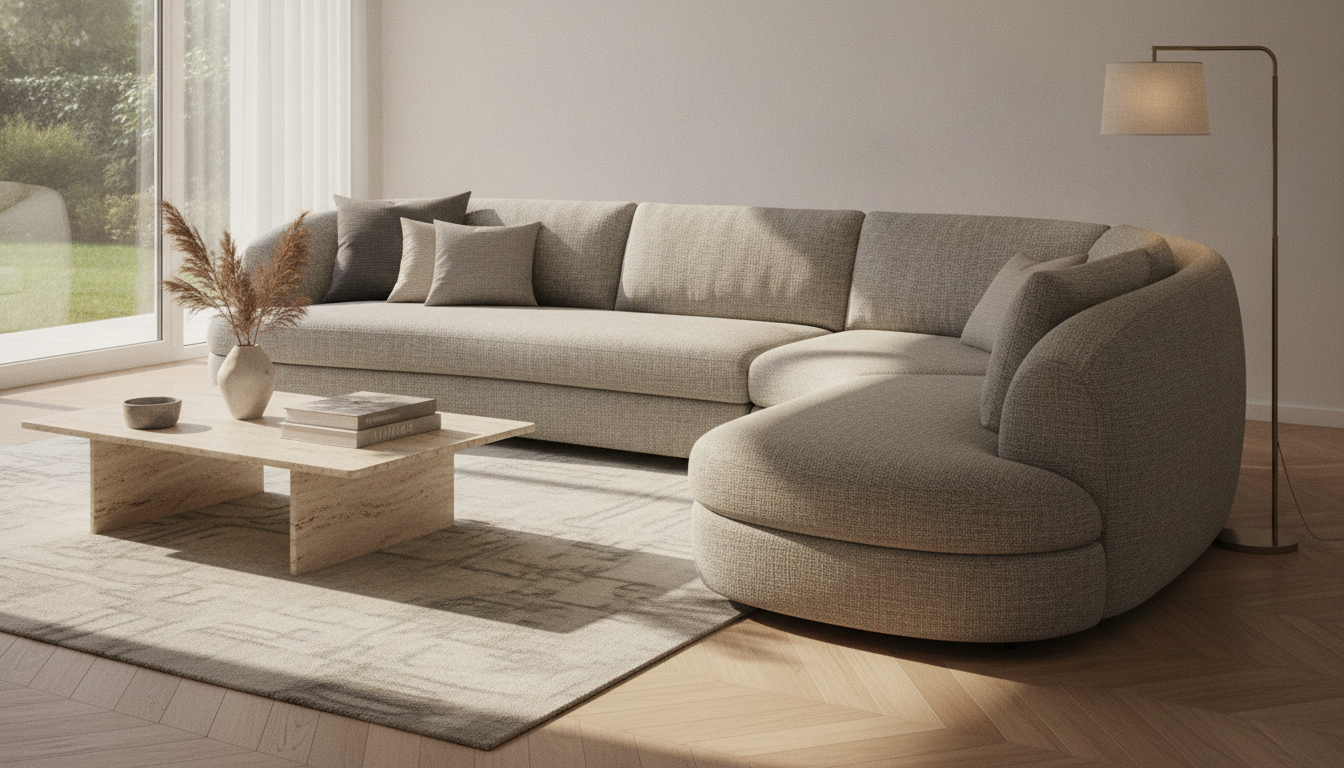
Performance Fabrics Evolved: The Must-Have Sofa Textures of 2026

In the dynamic world of interior design, few elements combine form and function quite like the sofa. It’s the centerpiece of our living spaces, a silent witness to family gatherings, movie nights, and quiet moments of contemplation. But as our lives become more demanding and our expectations for home furnishings soar, the very fabric of our sofas is undergoing a revolutionary transformation. Welcome to the era of performance fabrics evolved – where the textures and technologies of 2026 are setting new benchmarks for durability, sustainability, and sheer aesthetic pleasure.

Gone are the days when ‘performance’ meant sacrificing softness for resilience or aesthetics for practicality. The performance sofa fabrics of today, and certainly of 2026, are a testament to relentless innovation. They’re engineered to withstand the rigors of everyday life – spills, pets, children, and constant use – all while maintaining a luxurious feel and sophisticated look. This isn’t just about stain resistance anymore; it’s about an integrated approach to textile design that considers every aspect of how we live.

The Rise of Smart Textiles: What Defines Performance in 2026

What exactly makes a fabric ‘performance-oriented’ in 2026? It’s a multi-faceted answer that extends beyond basic stain-repellency. The next generation of smart textiles offers:

  • Advanced Stain & Spill Resistance: Utilizing molecular-level treatments that prevent liquids from penetrating fibers, making cleanup a breeze.
  • Exceptional Durability: High abrasion resistance to withstand heavy use without pilling, fading, or wearing thin.
  • Fade Resistance: Engineered to hold color vibrancy even in sun-drenched rooms, often with UV inhibitors.
  • Pet & Child Friendliness: Tightly woven structures and robust fibers that resist snagging, scratching, and general wear from furry friends and active little ones.
  • Antimicrobial Properties: Some fabrics now incorporate technologies to inhibit the growth of bacteria, mold, and mildew, contributing to a healthier home environment.
  • Sustainability: A growing focus on eco-friendly production, recycled materials, and reduced environmental impact.

Let’s dive into the specific textures and types that are poised to dominate the market in 2026, combining these cutting-edge features with unparalleled style.

Stain-Resistant Velvets: Luxurious and Practical

Velvet has long been synonymous with luxury and opulence, but its delicate nature often relegated it to formal, low-traffic areas. Not anymore. The performance velvets of 2026 retain all the sumptuous softness and rich visual depth but are now fortified with advanced stain and spill protection. These are velvets you can actually live with, offering an indulgent tactile experience without the anxiety of spills. Imagine a deep emerald or sapphire stain-resistant velvet sofa that commands attention, knowing it can shrug off life’s little accidents with ease. The secret lies in innovative fiber treatments and weaving techniques that create a barrier while maintaining the fabric’s signature pile and sheen.

Durable Chenille Blends: Softness Meets Resilience

Chenille, known for its distinctive soft, fuzzy texture and iridescent sheen, is another classic making a strong comeback with a performance upgrade. Modern chenille blends utilize a mix of synthetic and natural fibers, often with added treatments, to enhance their durability and stain resistance. The result is a wonderfully tactile fabric that offers the cozy, inviting feel of traditional chenille but with significantly improved resilience against wear and tear. This makes a durable chenille fabric sofa an ideal choice for family rooms and highly used seating areas, providing comfort and style that lasts.

Eco-Friendly Recycled Synthetics: Sustainability in Style

The conversation around sustainability is paramount, and performance fabrics are leading the charge. 2026 will see a surge in beautifully crafted textiles made from recycled materials, particularly recycled polyester derived from post-consumer waste like plastic bottles. These fabrics not only reduce landfill waste but are engineered to be incredibly strong, colorfast, and often inherently resistant to stains and moisture. Advancements in recycling processes mean these eco-conscious options no longer compromise on feel or appearance. A eco-friendly recycled sofa fabric offers a guilt-free luxury, proving that responsible choices can also be incredibly stylish.

Outdoor-Inspired Performance Linens: Breezy Elegance, Indoors

Bringing the durability of outdoor textiles indoors is a major trend for 2026. Imagine the relaxed, breathable feel of linen, but with the inherent strength and resistance typically found in patio furniture fabrics. These ‘indoor-outdoor’ inspired performance linens offer a natural, airy aesthetic combined with incredible resilience against fading, mildew, and spills. They are perfect for homes with abundant natural light, sunrooms, or for those who simply crave a breezy, comfortable yet highly functional living space. These fabrics often feature a slubby, organic texture that adds character while remaining remarkably easy to maintain.

Advanced Crypton and Sunbrella Alternatives: The Gold Standard Evolved

Brands like Crypton and Sunbrella set the original benchmarks for high-performance fabrics, offering unparalleled stain, odor, and moisture resistance. In 2026, while these pioneers continue to innovate, a new generation of alternatives and advancements build upon their legacy. These fabrics incorporate state-of-the-art technologies, often at the fiber level, to create integrated barriers that prevent liquids and odors from penetrating. Expect even greater variety in textures, patterns, and color palettes, ensuring that top-tier performance doesn’t limit your design choices. For ultimate peace of mind and simplified maintenance, keeping a dedicated Crypton fabric cleaner or similar specialized solution on hand is always a smart move for any performance textile.

Comparison Table: Must-Have Performance Sofa Fabrics of 2026

Fabric Type Key Characteristics Durability Stain Resistance Feel & Aesthetics Eco-Friendliness Best For
Stain-Resistant Velvets Luxurious pile, vibrant color depth, liquid-repellent treatment. High (modern versions) Excellent Soft, rich, opulent Moderate (depends on base fiber) Elegant living rooms, accent pieces
Durable Chenille Blends Soft, fuzzy texture, iridescent sheen, blended for strength. High Very Good Plush, cozy, inviting Moderate (synthetic blends) Family rooms, high-traffic areas, cozy lounges
Eco-Friendly Recycled Synthetics Made from recycled materials (e.g., PET), strong, colorfast. Excellent Excellent Varied, often soft and smooth High (sustainable sourcing) Conscious consumers, active households
Outdoor-Inspired Performance Linens Breathable, natural linen look with advanced resistance to elements. Very High Excellent Textured, airy, relaxed Moderate to High (some use recycled content) Sunrooms, casual living spaces, homes with pets
Advanced Barrier Fabrics (e.g., Crypton-alikes) Integrated moisture barrier, antimicrobial, highly durable. Superior Superior Varied (from soft to textured) Moderate (focus on longevity) Ultimate protection, commercial settings, busy families

The innovation doesn’t stop at technical performance; it extends into the sensory experience. Modern performance fabrics are designed to be as pleasing to the touch as they are to the eye. We’re seeing a rise in nuanced textures – subtle bouclés, refined basketweaves, and elegant slub fabrics that add depth and character without compromising on durability. Color palettes are becoming more sophisticated, moving beyond basic neutrals to include richly saturated jewel tones and earthy, organic hues, all engineered to resist fading. The visual distinction between a ‘regular’ fabric and a ‘performance’ fabric is rapidly disappearing, allowing designers and homeowners more freedom than ever to create truly personalized and resilient spaces.

Beyond Durability: Aesthetic & Tactile Innovations

One of the most exciting shifts in performance fabrics for 2026 is the blurring of lines between highly functional textiles and high-fashion aesthetics. Designers are no longer forced to choose between a fabric that looks stunning and one that can withstand a busy household. Today’s innovations are delivering both in spades. Expect to see sophisticated textures like refined bouclé, subtle herringbones, and luxurious sateens, all imbued with incredible performance properties. The tactile experience is paramount, with fabrics designed to feel soft, inviting, and utterly comfortable, inviting you to sink in and relax without a second thought about potential spills or wear.

Maintaining Your Performance Sofa: Tips for Longevity

While performance fabrics are inherently low-maintenance, a few simple practices can significantly extend their life and keep them looking pristine:

  • Regular Vacuuming: Use a soft brush attachment to regularly vacuum your sofa. This removes loose dirt and prevents it from settling into the fibers, which can cause premature wear.
  • Prompt Spill Cleanup: The key to performance fabrics is their repellency. For spills, act quickly. Blot (don’t rub) with a clean, dry microfiber cleaning cloths. Most liquids will bead up, allowing for easy removal.
  • Spot Cleaning: For tougher spots, consult your fabric’s specific care instructions. Many performance fabrics can be gently cleaned with a mild soap and water solution, or a specialized fabric upholstery cleaner designed for synthetics. Always test in an inconspicuous area first.
  • Avoid Harsh Chemicals: Steer clear of bleach, abrasive cleaners, or stiff brushes, which can damage the fabric’s protective coating or fibers.
  • Professional Cleaning (Infrequent): While not often necessary, a professional upholstery cleaning every few years can help refresh your sofa and remove deep-seated grime. Ensure the professional is experienced with performance fabrics.

By following these simple steps, your performance sofa will remain a beautiful, durable, and comfortable centerpiece for years to come.

The Future is Now: Investing in Longevity and Style

The evolution of performance fabrics is more than just a trend; it’s a fundamental shift in how we approach furniture design and living. In 2026, choosing a sofa upholstered in a cutting-edge performance fabric means investing in peace of mind, enduring style, and a home that truly caters to your lifestyle. It’s about creating spaces where comfort and beauty coexist with the realities of daily life, without compromise.

Whether you’re furnishing a bustling family home, a pet-friendly apartment, or simply desire a low-maintenance yet luxurious aesthetic, the must-have sofa textures of 2026 offer an unparalleled blend of sophistication and resilience. Embrace the future of living – where your sofa is not just a piece of furniture, but a testament to intelligent design and effortless elegance.

Frequently Asked Questions About Performance Sofa Fabrics

Q1: What exactly makes a fabric ‘performance’ in 2026?

A1: In 2026, ‘performance’ extends beyond basic stain resistance. It encompasses superior durability (abrasion, pilling, fading), advanced spill and stain repellency, often antimicrobial properties, and a growing emphasis on sustainable production and eco-friendly materials. These fabrics are engineered at a fiber or molecular level to withstand the rigors of daily life while maintaining aesthetic appeal and tactile comfort.

Q2: Are performance fabrics still expensive compared to traditional upholstery?

A2: While initial costs for some advanced performance fabrics can be slightly higher than entry-level traditional options, the long-term value often far outweighs the difference. Their exceptional durability and ease of cleaning mean less need for frequent replacement or costly professional treatments, ultimately making them a cost-effective choice over the lifespan of your furniture. The market also offers a wider range of price points now, making them more accessible.

Q3: Can I really use performance fabrics with pets and kids without worry?

A3: Absolutely. Performance fabrics are specifically designed with active households in mind. Their tight weaves resist snagging from pet claws, and their stain-resistant properties make spills from kids’ snacks or drinks easy to clean. Many also offer odor resistance, making them ideal for homes with pets. While no fabric is indestructible, performance options significantly reduce the stress associated with pet and child-related wear and tear.

Q4: How do I clean my performance fabric sofa if it does get stained?

A4: For most performance fabrics, immediate blotting of spills with a clean, dry cloth is usually sufficient. For tougher stains, use a mild solution of soap and water or a specialized upholstery cleaner, gently dabbing the affected area. Always refer to the manufacturer’s specific care instructions, as cleaning methods can vary slightly between fabric types and treatments. Avoid harsh chemicals or excessive rubbing.

Q5: Are performance fabrics truly eco-friendly?

A5: The eco-friendliness of performance fabrics is a growing focus for 2026. Many are now made from recycled content (like post-consumer plastic bottles), reducing waste and resource consumption. The extended lifespan of these durable fabrics also contributes to sustainability by decreasing furniture turnover. Look for certifications and specific material information when choosing to ensure you’re making an environmentally conscious decision.
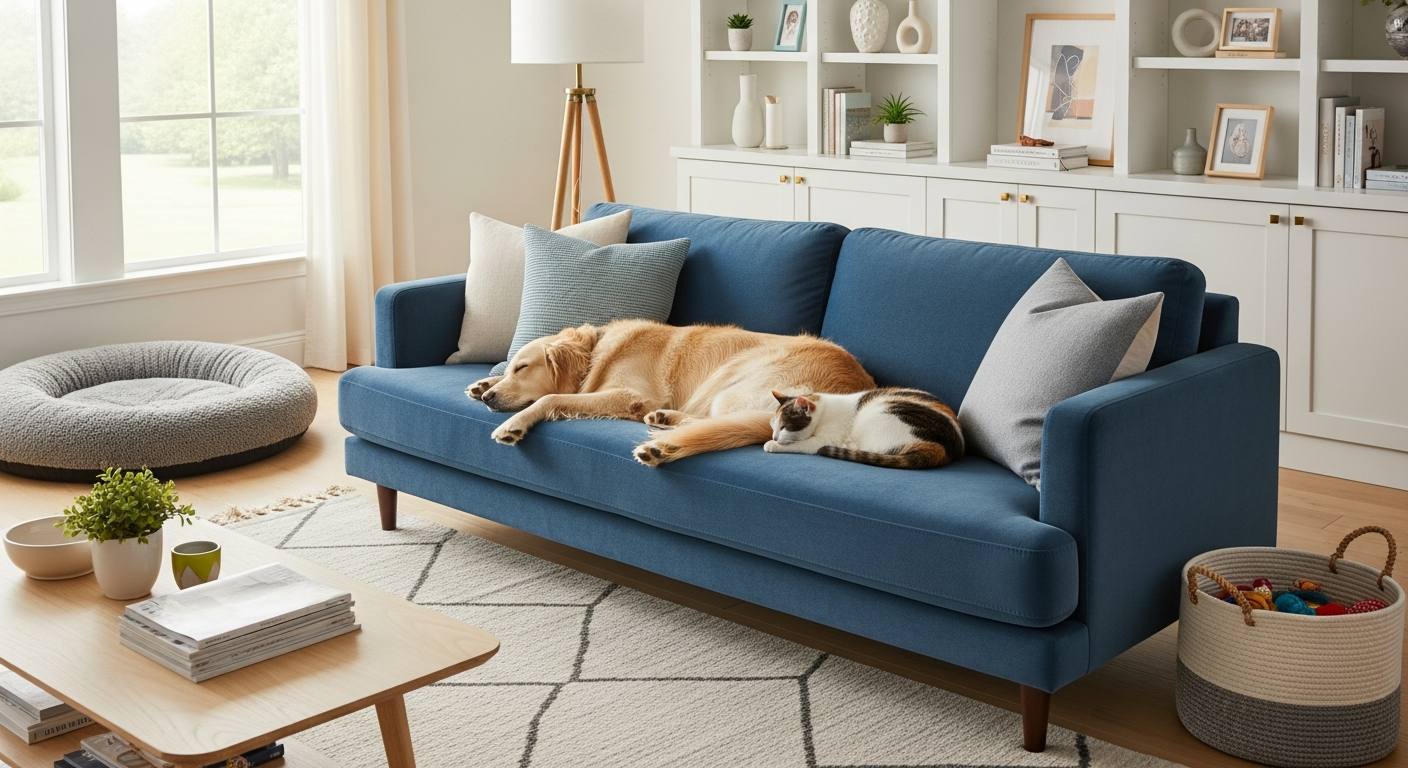
Explore the possibilities. Find your perfect performance sofa today and redefine comfort and durability in your home.

Pet-Friendly Fabrics: Sofas That Withstand Cats and Dogs

As pet parents, we adore our furry companions, but admit it – they can be tough on furniture. From playful claws to muddy paws and the inevitable shedding, our sofas bear the brunt of their affection. The quest for the best pet friendly sofa often begins and ends with its fabric. Choosing the right upholstery isn’t just about aesthetics; it’s about durability, ease of cleaning, and maintaining a harmonious home where both humans and pets can relax without worry.

Pet-Friendly Fabrics: Sofas That Withstand Cats and Dogs

At lesofa.club, we understand this dilemma intimately. We’ve delved deep into the world of textiles to bring you a comprehensive guide on pet-friendly fabrics that not only withstand the daily wear and tear from your beloved cats and dogs but also look fantastic and last for years. Say goodbye to snagged threads, stubborn stains, and perpetually hairy cushions, and welcome a new era of pet-proof comfort!

Understanding the Enemy: Pet-Related Sofa Damage

Before we explore solutions, let’s identify the common culprits that turn our dream sofas into pet battlegrounds:

  • Claws and Scratches: Cats, in particular, see upholstery as an irresistible scratching post, while even dogs can inadvertently scuff fabric with their paws.
  • Fur and Dander: Shedding is a reality for most pets. Fur clings to certain fabrics like a magnet, and dander can accumulate, affecting air quality and cleanliness.
  • Stains and Spills: Accidents happen – muddy paws, drool, regurgitated treats, or even urinary mishaps. Your sofa needs to be able to bounce back.
  • Odors: Over time, pet odors can permeate fabrics, making your living space smell less than fresh if not properly addressed.
  • Wear and Tear: Repeated jumping, lounging, and general pet activity can accelerate fabric breakdown, leading to thinning spots or faded areas.

The Holy Grail: What Makes a Sofa Fabric Pet-Friendly?

The ideal pet-friendly fabric balances several critical attributes:

  1. Durability and Tight Weave: Fabrics with a tight weave are less likely to snag from claws and are generally more resistant to abrasion. High rub counts (e.g., 50,000+ double rubs on the Wyzenbeek test) indicate superior durability.
  2. Stain Resistance: The ability to repel liquids and resist absorption is paramount. Treated fabrics or naturally resistant materials are key.
  3. Easy to Clean: Spills and dirt should wipe away easily, and many pet-friendly fabrics are designed to be machine washable (if slipcovers) or cleanable with simple soap and water.
  4. Odor Resistance: Some fabrics inherently resist odors, while others may be treated to prevent microbial growth.
  5. Hair Resistance: Fabrics with a smooth surface or short pile tend to release pet hair more readily than those with textured, open weaves.
  6. Comfort: While practical, the fabric should still feel good to the touch and contribute to a comfortable living environment for both pets and their humans.

Top Pet-Friendly Fabric Choices: Our Editor’s Picks

1. Microfiber (Synthetic Suede)

Microfiber consistently tops lists for pet-friendly upholstery, and for good reason. This synthetic fabric is made from finely woven synthetic fibers, typically polyester, creating a smooth, soft, and dense surface.

  • Pros: Extremely durable, incredibly stain-resistant due to its tight weave, easy to clean (most spills bead up), relatively inexpensive, and comfortable. Pet hair tends to sit on the surface rather than weaving into the fabric, making it easy to vacuum or wipe away. It’s also scratch-resistant because there are no loops for claws to catch. Consider a microfiber sleeper sofa for ultimate versatility.
  • Cons: Can sometimes develop a ‘patina’ or shading from prolonged pressure; some perceive it as less luxurious than natural fibers.
  • Why it’s great for pets: Its non-looped construction means claws slide right off. Stains are rarely absorbed, making clean-up a breeze for muddy paws or spills.

2. Performance Fabrics (Crypton, Sunbrella, Revolution Fabrics)

This category represents the pinnacle of modern fabric technology. Brands like Crypton, Sunbrella, and Revolution Fabrics are engineered for extreme durability, stain resistance, and often, odor resistance. Originally developed for commercial or outdoor use, their benefits have seamlessly transitioned indoors.

  • Crypton: Features an integrated moisture barrier and infused stain and odor protection, making it virtually impervious to spills and smells. A Crypton fabric armchair is a wise investment for a high-traffic area.
  • Sunbrella: Known for its fade and weather resistance, Sunbrella is also incredibly durable and easy to clean. It’s often solution-dyed, meaning the color goes all the way through the fiber, resisting fading even after vigorous cleaning.
  • Revolution Fabrics: Made from upcycled materials, Revolution Fabrics are inherently stain-resistant without chemical treatments, using polypropylene which is easy to clean and doesn’t absorb moisture.
  • Pros: Unrivaled stain, odor, and moisture resistance; incredibly durable against wear and tear; easy to clean with just soap and water; wide range of styles and textures.
  • Cons: Can be more expensive than conventional fabrics; some may find the texture slightly stiffer than very soft natural fibers.
  • Why it’s great for pets: These fabrics are almost indestructible. They resist everything from pet accidents to clawing, making them a top choice for busy pet households.

3. Heavy-Duty Cotton (Canvas/Denim)

When treated or in very heavy weights, cotton can be surprisingly pet-friendly, especially in canvas or denim forms.

  • Pros: Natural fiber, breathable, comfortable, and relatively affordable. Canvas and denim are tightly woven, offering good scratch resistance. Cotton slipcovers are often machine washable, a huge plus for pet owners. Look for a heavy duty cotton slipcover sofa.
  • Cons: Untreated cotton can stain easily and absorb odors. Wrinkles can be an issue. May not be as durable as synthetics over many years of heavy pet use without proper care.
  • Why it’s great for pets: Tightly woven cotton limits snagging, and machine-washable slipcovers mean you can completely refresh your sofa after major pet incidents.

4. Leather or Faux Leather

Leather is often debated in pet-friendly circles, but it has distinct advantages, especially specific types.

  • Real Leather:
    • Pros: Extremely durable, easy to wipe clean of fur and most spills, doesn’t absorb odors quickly, develops a beautiful patina over time. A good quality, protected (pigmented or top-grain) leather can handle a lot.
    • Cons: Can be susceptible to scratches, especially aniline or unprotected leathers (which show every mark). More expensive. Cats might still use it as a scratching post if not trained.
  • Faux Leather (Vinyl, Pleather, Vegan Leather):
    • Pros: Mimics leather’s look and feel, highly stain-resistant, very easy to clean (just wipe), more affordable than real leather, doesn’t scratch or puncture as easily as some delicate leathers. A faux leather sectional can be a practical choice for a busy family room.
    • Cons: Can sometimes crack or peel over time, especially with direct sunlight exposure or harsh cleaning chemicals. Doesn’t develop a patina like real leather.
  • Why it’s great for pets: Both options resist pet hair clinging and are incredibly easy to clean. Protected leather or faux leather offers a smooth, impermeable surface.

5. Performance Velvet

Surprisingly, velvet – specifically performance velvet – has emerged as a strong contender for pet-friendly fabric. Unlike traditional velvet with its delicate silk or rayon pile, performance velvet is typically made from polyester or other synthetics.

  • Pros: Tight, short pile means claws are less likely to snag (they tend to glide over it). Luxuriously soft, hides pet hair remarkably well (due to its pile and sheen), often treated for stain resistance. Durable and stylish. You can find beautiful performance velvet sofas in a range of colors.
  • Cons: Can show imprints from heavy objects or prolonged pressure. Not all velvets are created equal; ensure it’s specifically ‘performance’ or ‘polyester’ velvet.
  • Why it’s great for pets: The dense, low pile makes it highly resistant to snagging and, surprisingly, an excellent choice for camouflaging pet hair. Many are also stain-resistant.

Fabrics to Avoid (or Approach with Caution)

While some fabrics are champions, others are best avoided in a pet-filled home:

  • Chenille: Its looped pile is an open invitation for claws to snag, leading to pulls and runs.
  • Tweed and Linen (Loose Weave): Similar to chenille, these fabrics have open, textured weaves that are prone to snagging and collecting pet hair deep within the fibers. Linen also stains and wrinkles easily.
  • Silk and Delicate Fabrics: Beautiful but utterly impractical. They stain, snag, and tear with minimal pet interaction.
  • Velvet (Traditional/Non-Performance): While performance velvet is good, traditional velvet (especially silk or rayon-based) can be delicate, stain easily, and attract pet hair.

Beyond Fabric: Other Pet-Friendly Sofa Features

Choosing the right fabric is critical, but other design elements can boost your sofa’s pet-friendliness:

  • Removable, Washable Covers: For fabrics like heavy cotton or certain blends, machine washable couch covers are a lifesaver for tackling major spills or accumulated pet odors.
  • Durable Frame: A sturdy frame (e.g., kiln-dried hardwood) ensures your sofa can withstand years of pets jumping on and off without creaking or wobbling.
  • Leg Design: Avoid delicate, thin legs that could be tempting chew toys or easily scratched. Sturdy, thicker legs or a skirted design are often better.
  • Color and Pattern: Opt for colors that blend with your pet’s fur color to make shedding less noticeable. Patterns can also effectively camouflage minor stains or fur between cleanings. Multi-tonal fabrics are excellent at hiding dirt.
  • High Legs: Sofas with higher legs allow for easy vacuuming underneath, preventing dust bunnies and pet hair from accumulating.

Comparison Table: Pet-Friendly Fabrics at a Glance

Fabric Type Scratch Resistance Stain Resistance Hair Resistance Ease of Cleaning Durability
Microfiber Excellent Excellent Good Excellent Excellent
Performance Fabrics (Crypton, Sunbrella) Excellent Excellent Very Good Excellent Excellent
Heavy-Duty Cotton (Canvas) Good Fair to Good (better with slipcovers) Good Good (especially slipcovers) Good
Protected Leather Good (can show marks) Excellent Excellent Excellent Excellent
Faux Leather Very Good Excellent Excellent Excellent Very Good
Performance Velvet Excellent Very Good Good (hides well) Good Very Good

Maintenance Tips for Your Pet-Friendly Sofa

Even with the best pet-friendly fabric, a little maintenance goes a long way in preserving your sofa’s beauty and longevity:

  • Regular Vacuuming: Use your vacuum’s upholstery attachment or a specialized pet hair vacuum for upholstery regularly to remove loose fur and dirt.
  • Immediate Stain Treatment: Address spills and accidents promptly. Blot, don’t rub. Use pet-specific cleaners like an enzyme cleaner for pet stains as directed.
  • Protective Throws or Covers: For extra protection, especially in high-traffic areas or during shedding season, consider washable blankets or waterproof sofa protectors.
  • Nail Trimming: Keep your pet’s nails trimmed and filed to minimize potential scratches.
  • Training: Encourage pets to use designated scratching posts or beds instead of the sofa. A cat scratching post furniture combination can be a great distraction.
  • Professional Cleaning: Depending on fabric type, consider periodic professional upholstery cleaning to refresh and deep clean your sofa.

Frequently Asked Questions (FAQ)

Is leather truly pet-friendly?

Yes, especially certain types. Protected or pigmented leather is generally quite pet-friendly. It resists stains and odors well, and pet hair can be easily wiped off. However, it can show scratches, especially from cat claws. For high-traffic areas, consider a robust, top-grain leather or a high-quality faux leather that offers similar benefits without the premium price and maintenance.

What’s the absolute best fabric for cats?

For cats, the most crucial factor is snag resistance due to their claws. Microfiber and performance fabrics (like Crypton or Sunbrella) are arguably the best choices. Their tight, dense weaves prevent claws from penetrating and causing damage. Performance velvet is also a surprisingly excellent choice for similar reasons.

How do I remove pet hair from my sofa?

Regular vacuuming with an upholstery attachment is key. For stubborn hair, rubber gloves (lightly dampened), lint rollers, or specialized pet hair remover tools for couches can work wonders. Some fabrics, like leather or performance fabrics, release hair much more easily than others.

Can I make my existing sofa more pet-friendly?

Absolutely! Invest in washable sofa covers or throws to protect your current upholstery. Use a scratch deterrent spray for furniture or sticky Paws strips if cats are scratching. Provide attractive alternatives like scratching posts or pet beds near the sofa to redirect their attention.

Are dark or light colors better for pet owners?

This depends on your pet’s fur color! Generally, medium tones that match your pet’s fur are ideal for camouflaging shedding. Multi-tonal fabrics or patterns are also excellent at hiding minor stains and fur. Dark fabrics can show light fur prominently, and very light fabrics will show dark fur and dirt more easily.

Conclusion: Your Pet-Friendly Haven Awaits

Choosing the best pet friendly sofa fabric doesn’t mean sacrificing style or comfort. With advancements in textile technology, a wide array of options now exist that elegantly blend durability, cleanability, and aesthetic appeal. By prioritizing fabrics like microfiber, performance textiles, heavy-duty cotton slipcovers, or protected leather/faux leather, you can create a living space where both you and your furry family members can relax in ultimate comfort and style, without the constant worry of damage.

We hope this guide empowers you to make an informed decision and find the perfect sofa that stands up to the demands of pet ownership while remaining a beautiful centerpiece in your home. Happy lounging!