Mastering Modular: Sofas That Adapt to Every Modern Lifestyle in 2026
In the dynamic landscape of contemporary interior design, where flexibility and personal expression reign supreme, one furniture piece has emerged as the undeniable champion: the modular sofa. As we look towards 2026, the concept of modular sofas modern living isn’t just a trend; it’s a foundational element of thoughtful, adaptable home design. Gone are the days of rigid, one-size-fits-all couches. Today’s homeowners demand furniture that evolves with their needs, space, and aesthetic preferences. This comprehensive guide will delve into why modular sofas are not just a smart choice but an essential investment for anyone seeking to create a truly flexible and stylish home.
From impromptu movie nights with the family to sophisticated gatherings with friends, or even a quiet afternoon with a book, the ability to reconfigure your seating to suit the moment is revolutionary. Modular sofas offer unparalleled freedom, allowing you to create countless arrangements from individual, interchangeable pieces. Whether you’re navigating the challenges of a compact city apartment or furnishing a sprawling open-plan living area, modularity provides the solution. Let’s explore how these ingenious seating systems are redefining comfort, style, and functionality for the modern era.
The Evolution of Seating: Why Modular Sofas Are Dominating Modern Living
For centuries, the sofa has been a static centerpiece of the living room, a symbol of stability and tradition. However, the demands of modern life – smaller living spaces, frequent relocations, and a desire for personalized aesthetics – have necessitated a furniture revolution. The modular sofa is at the forefront of this change, offering a dynamic alternative to its monolithic predecessors. Its ascendancy isn’t merely about novelty; it’s rooted in practical advantages that resonate deeply with today’s homeowners.
The primary appeal of modular sofas lies in their inherent flexibility. Unlike traditional sofas that come as a fixed unit, modular pieces consist of individual components – armless chairs, corner units, chaises, and ottomans – that can be arranged and rearranged with ease. This means your living room furniture can transform from a sprawling L-shape sectional perfect for entertaining, to two separate loveseats, or even individual chairs, all within minutes. This adaptability is particularly crucial for urban dwellers who often face space constraints and need furniture that can perform multiple functions without compromising on style or comfort. Imagine transforming your cozy reading nook into a spacious seating area for guests, simply by moving a few pieces. This is the power of versatile modular sofa design.
Unpacking the Versatility: Types of Modular Sofa Configurations
The beauty of modular sofas lies in their diverse range of components, each designed to serve a specific purpose and contribute to an overall cohesive look. Understanding these components is key to unlocking the full potential of your modular setup:
- Armless Chairs: These are the workhorses of any modular system, easily placed between other units or used as standalone seating.
- Corner Units: Essential for creating L-shaped or U-shaped sectionals, they define the spatial boundaries of your seating arrangement.
- Chaises: Perfect for lounging, chaises offer extended leg support and can be positioned on either side of the sofa for maximum comfort.
- Ottomans: More than just footrests, ottomans can double as extra seating, coffee tables (with a tray), or simply extend a seat.
- Left/Right Arm Units: These define the ends of a modular configuration, providing structural completion and comfort.
By combining these elements, you can craft anything from a compact two-seater for a minimalist apartment to a grand U-shaped sectional that can comfortably seat a large family. This bespoke approach to furniture means your sofa truly reflects your lifestyle and the ever-changing demands of your home.
Beyond the Basics: Features to Look for in Your 2026 Modular Sofa
As the market for modular sofas expands, so too does the range of features and considerations. Investing in a modular sofa for modern living isn’t just about aesthetics; it’s about durability, comfort, and long-term value. Here’s what you should be looking for:
Material Durability and Aesthetics
The fabric or leather you choose significantly impacts both the look and longevity of your modular sofa. Performance fabrics like treated polyesters, microfibers, or blends offer excellent resistance to spills and stains, making them ideal for families with children or pets. For a touch of luxury, consider high-quality full-grain leather, which develops a beautiful patina over time. If you’re after a specific aesthetic, a velvet modular sofa can add significant elegance and a soft touch to your space. Always check for high rub counts (Martindale test) to ensure the fabric can withstand daily wear and tear.
Frame Construction
The internal frame is the skeleton of your sofa, and its quality dictates the overall durability. Look for frames made from kiln-dried hardwood (like oak or maple) or steel. These materials prevent warping and provide a robust foundation. Avoid particleboard or softwoods, which can degrade quickly. Joints should be reinforced with corner blocks, dowels, or screws, not just glue or staples.
Cushioning and Comfort
Comfort is subjective, but quality cushioning makes a difference. High-density foam wrapped in down or synthetic fibers offers a good balance of support and softness. Memory foam options are also increasingly popular for their contouring properties. Test different firmness levels to find what suits you best. Removable cushion covers are a practical feature for cleaning, extending the life and freshness of your sofa.
Ease of Assembly and Disassembly
One of the practical benefits of modular furniture is its ease of transport and setup. Ensure the connecting mechanisms are intuitive and secure, allowing for quick changes without needing tools or excessive effort. This is particularly important for those who might frequently reconfigure their space or move residences.
Maintenance and Longevity
Beyond initial purchase, consider how easy your modular sofa will be to maintain. Removable, machine-washable covers are a huge plus for fabric sofas. For tougher stains or general upkeep, having an effective upholstery cleaner on hand can be invaluable. Regular vacuuming and spot cleaning will keep your sofa looking new for years to come. Some brands also offer stain-resistant treatments or fabric protection plans.
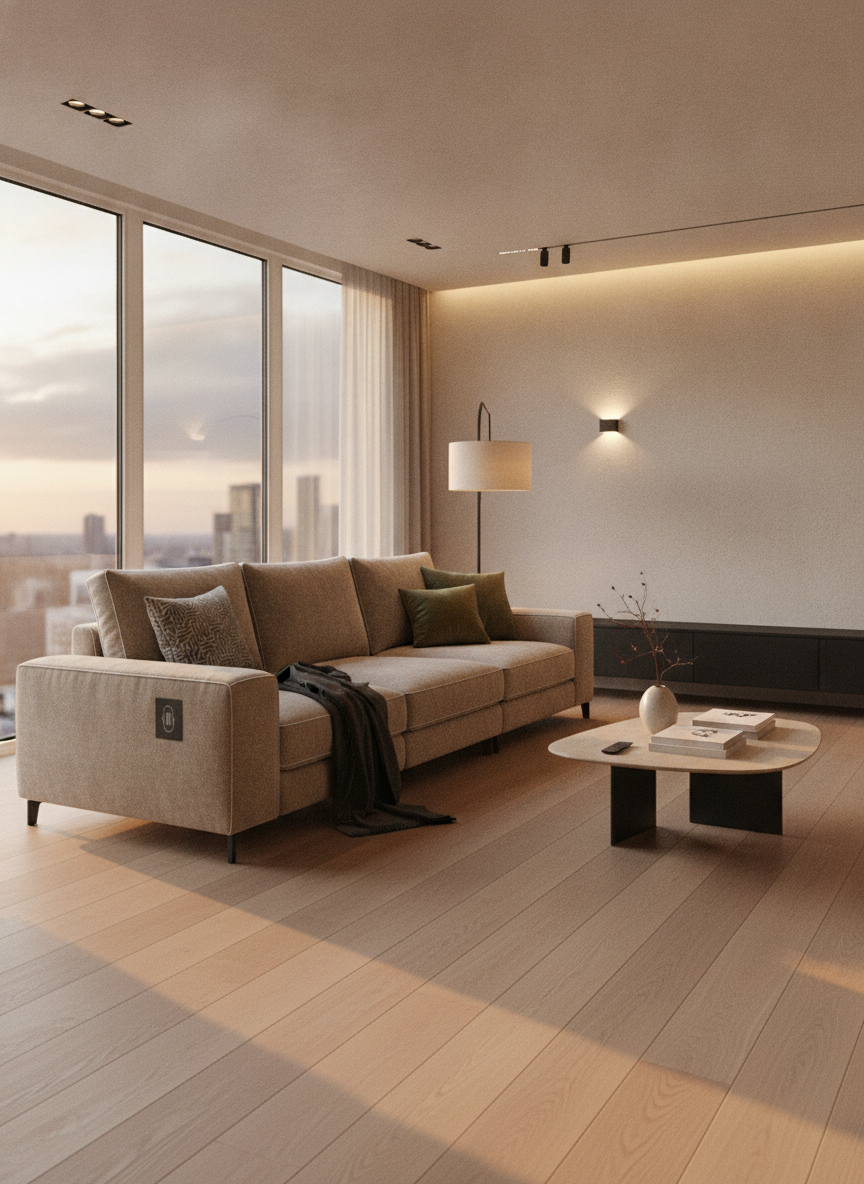
Adapting effortlessly, modular sofas redefine modern living with their endless configuration possibilities.
Styling Your Modular Sofa for Modern Living
A modular sofa, by its very nature, is a statement piece. But its true potential is realized when seamlessly integrated into your overall decor. Here’s how to style your modular masterpiece to perfection:
Color Palettes and Textures
Modular sofas often come in neutral tones (grays, beiges, whites, navys) which serve as an excellent canvas. Introduce personality through accessories. Throw pillows in contrasting colors or bold patterns can instantly update the look. Experiment with different textures – a chunky knit throw, a faux fur cushion, or linen pillows – to add depth and warmth. Don’t shy away from incorporating a vibrant abstract area rug to anchor the space and define the seating area, especially in open-plan layouts.
Layering and Lighting
Beyond the sofa itself, consider the surrounding elements. An elegant floor lamp can illuminate a reading corner, while side tables offer practical surfaces for drinks and books. Layering different light sources – ambient, task, and accent lighting – can dramatically enhance the mood and functionality of your living space. Artwork, plants, and decorative objects also play a crucial role in creating a cohesive and inviting environment.
Maximizing Small Spaces with Modular Magic
For those living in apartments or smaller homes, modular sofas are a game-changer. Their ability to adapt means you don’t have to compromise on comfort or style. Opt for armless units to reduce visual bulk and maximize seating area. Choose pieces that can be easily moved to create temporary dining setups, guest sleeping arrangements (if convertible units are chosen, like a modular sofa bed), or clear space for activities. An ottoman with hidden storage is another excellent feature for decluttering small areas.
Comparison Table: Popular Modular Sofa Styles for 2026
To help you navigate the myriad options, here’s a comparison of some popular modular sofa styles and their key characteristics:
| Feature/Style | Minimalist Modern | Boho Chic | Industrial Loft | Family-Friendly |
|---|---|---|---|---|
| Key Aesthetics | Clean lines, low profile, neutral colors | Soft textures, natural materials, relaxed vibe | Exposed frames, dark leathers, metal accents | Plush cushions, durable fabrics, rounded edges |
| Typical Materials | Linen, performance fabric, sleek leather | Cotton, velvet, boucle, rattan elements | Distressed leather, strong canvas, metal legs | Stain-resistant fabrics, microfibers, corduroy |
| Best For | Urban apartments, contemporary homes | Eclectic interiors, cozy reading nooks | Open-plan lofts, bachelor pads | Homes with kids/pets, frequent entertaining |
| Configuration Focus | Symmetrical, streamlined L-shapes or individual units | Asymmetrical, inviting U-shapes, chaises | Robust sectionals, individual armchairs | Large sectionals, ottomans, deep seating |
| Price Range (Est.) | $$$ | $$ | $$$$ | $$ – $$$ |
Maintaining Your Modular Masterpiece
To ensure your modular sofa continues to adapt and impress for years to come, proper maintenance is crucial. Regular care will not only preserve its appearance but also extend its lifespan:
- Vacuum Regularly: Use an upholstery attachment to remove dust, crumbs, and pet hair at least once a week.
- Spot Clean Spills Immediately: Blot (don’t rub) spills with a clean, dry cloth. For tougher stains, consult the manufacturer’s cleaning guide or use a gentle, fabric-appropriate cleaning solution.
- Rotate Cushions: To ensure even wear, regularly flip and rotate seat and back cushions.
- Check Connectors: Periodically ensure all modular connectors are securely fastened.
- Protect from Sun: Direct sunlight can fade fabrics and crack leather over time. Position your sofa away from harsh sunbeams or use blinds/curtains.
The Future of Flex: Modular Sofas in Smart Homes
As technology continues to integrate into every aspect of our lives, modular sofas are also evolving. We’re beginning to see innovations like integrated charging ports, ambient lighting, and even smart fabrics that monitor posture or temperature. The future of modular sofas for modern living promises even greater customization, with virtual reality tools allowing homeowners to design and visualize their perfect configuration before purchase. Imagine a sofa that not only adapts its shape but also its firmness, temperature, or even plays personalized soundscapes. The possibilities are endless, further solidifying the modular sofa’s role as a cornerstone of the intelligent home.
Frequently Asked Questions About Modular Sofas
Q1: What defines a modular sofa?
A modular sofa is composed of independent, interchangeable pieces (modules) like armless chairs, corner units, chaises, and ottomans that can be arranged in various configurations to suit different spaces and needs.
Q2: Are modular sofas good for small spaces?
Absolutely! Modular sofas are exceptionally good for small spaces because they can be configured to fit exact dimensions, maximizing seating without overwhelming the room. Armless units are particularly space-efficient.
Q3: How do I clean a modular sofa?
Cleaning depends on the material. Many fabric modular sofas come with removable, machine-washable covers. For non-removable covers or leather, spot clean spills immediately and use appropriate upholstery cleaners as per the manufacturer’s instructions. Regular vacuuming is always recommended.
Q4: Can I add pieces to my modular sofa later?
Yes, one of the significant advantages of modular sofas is the ability to purchase additional modules later to expand or reconfigure your existing setup, provided the model is still available or the brand offers compatible pieces.
Q5: What’s the average lifespan of a modular sofa?
The lifespan varies greatly depending on the quality of materials (frame, fabric, cushioning) and how well it’s maintained. A high-quality modular sofa with a solid frame and durable fabric can last anywhere from 7 to 15+ years, often longer than traditional sofas due to the ability to replace individual worn modules.
Conclusion: Embrace the Adaptability of Modular Sofas for Modern Living
As we navigate the evolving demands of modern life, our homes must become sanctuaries of comfort, style, and adaptability. Modular sofas stand out as the ideal solution, embodying the very essence of flexibility required in 2026 and beyond. They offer an unparalleled opportunity to customize, reconfigure, and truly make your living space your own. Whether you’re a minimalist, a maximalist, a growing family, or a city dweller, there’s a modular configuration perfectly suited for you.
Investing in a modular sofa is more than just buying furniture; it’s investing in a dynamic, long-lasting solution that will adapt alongside your lifestyle, ensuring your living room remains both functional and fashionable. So, embrace the modular revolution and discover how these innovative sofas can transform your home into a truly versatile and modern sanctuary. Ready to redefine your living space? Explore the endless possibilities of modular sectionals and bring adaptive design into your home today.