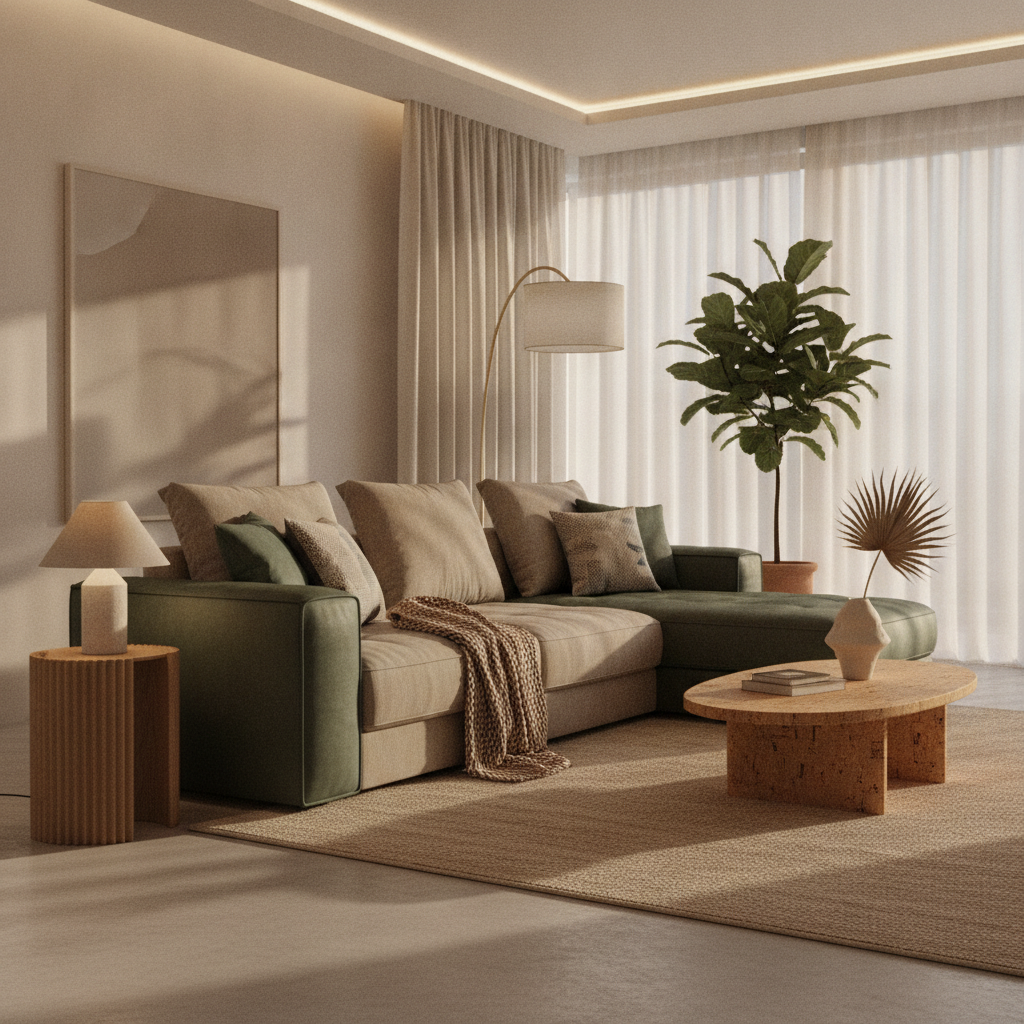
Eco-Chic Lounging: Sustainable Sofa Materials Dominating 2026
As the world gravitates towards more conscious living, our choices in home furnishings are undergoing a profound transformation. The furniture industry, traditionally resource-intensive, is now at the forefront of innovation, driven by a growing demand for eco-friendly alternatives. In 2026, the landscape of interior design will be significantly shaped by a powerful wave of sustainable sofa materials, redefining what it means to lounge in style and comfort without compromising the planet.
Gone are the days when sustainability meant sacrificing aesthetics or durability. Today’s pioneers in furniture design are proving that eco-chic is not just a trend but a lifestyle choice that blends seamlessly with modern living. This comprehensive guide will delve into the most impactful sustainable sofa materials 2026 has to offer, equipping you with the knowledge to make informed, environmentally responsible decisions for your home.
Why Sustainability Matters in Furniture
The environmental footprint of conventional furniture is substantial. From deforestation and intensive chemical use in material processing to significant waste generation at the end of a product’s life cycle, the impact is far-reaching. Traditional sofas often rely on synthetic foams, petroleum-based fabrics, and non-FSC certified timber, contributing to pollution, habitat destruction, and greenhouse gas emissions.
Choosing sustainable sofa materials is a direct way to counteract these negative effects. It supports responsible forestry, reduces reliance on fossil fuels, minimizes chemical exposure in your home, and promotes a circular economy where resources are reused and recycled. Beyond the environmental benefits, sustainable furniture often boasts superior quality, durability, and a unique story, making it a valuable investment for your space.
The Rise of Eco-Conscious Consumers
The shift towards sustainable consumption is not a niche movement; it’s a global phenomenon. Consumers are increasingly scrutinizing the origins and composition of the products they bring into their homes, demanding transparency and ethical practices from brands. This heightened awareness has spurred manufacturers and designers to innovate, leading to an exciting array of new materials and production methods that prioritize planetary health.
By 2026, this demand will have cemented its place in the mainstream, making sustainable options not just available but highly sought after. People are realizing that their sofas aren’t just pieces of furniture; they’re an integral part of their home’s ecosystem, influencing everything from air quality to material waste. Opting for organic cotton sofa or one upholstered in recycled fabrics means investing in a healthier future.
Key Sustainable Sofa Materials Dominating 2026
Let’s explore the leading materials that are set to define the sustainable furniture landscape in the coming years.
Organic Cotton and Linen
Organic cotton and linen are perennial favorites for their natural feel and breathability. Grown without harmful pesticides or synthetic fertilizers, organic cotton cultivation significantly reduces water usage and preserves soil health. Linen, derived from the flax plant, is incredibly strong, naturally pest-resistant, and requires even less water than cotton. Both offer a soft, comfortable, and hypoallergenic surface that’s ideal for sensitive skin and allergy sufferers.
In 2026, expect to see these fabrics offered in a wider array of weaves, textures, and natural dyes, moving beyond the traditional farmhouse aesthetic into sleek, modern designs. Their inherent durability ensures a long lifespan, reducing the need for frequent replacements. When you choose a sofa upholstered in organic cotton or linen, you’re embracing timeless elegance coupled with impeccable eco-credentials.
Recycled Polyester (RPET)
Recycled polyester, often referred to as RPET, is a game-changer in the world of sustainable textiles. Made from discarded plastic bottles and other plastic waste, RPET diverts tons of plastic from landfills and oceans, transforming it into durable and versatile fabric. The production of RPET requires significantly less energy and water compared to virgin polyester, making it an excellent choice for environmental impact reduction.
By 2026, innovations in RPET manufacturing will yield even softer, more luxurious textures that mimic natural fibers, addressing previous concerns about its feel. Its inherent stain and fade resistance also contribute to a longer product life, making it a highly practical and sustainable option for busy households. Look for sofas featuring recycled polyester upholstery fabric as a leading trend for durability and eco-responsibility.
Hemp Fabric
Hemp is arguably one of the most sustainable crops on the planet. It grows rapidly, requires minimal water and no pesticides, and naturally enriches the soil. Hemp fibers are incredibly strong, making them an exceptionally durable choice for upholstery. Sofas made with hemp fabric are known for their resilience, resistance to pilling, and natural antimicrobial properties, contributing to a healthier home environment.
While historically associated with a rougher texture, advancements in processing techniques are yielding softer, more pliable hemp fabrics that retain their legendary strength. In 2026, hemp will be celebrated not only for its robust ecological profile but also for its evolving aesthetic versatility, offering a unique, earthy elegance to any living space.
Bamboo Fabric
Bamboo is another incredibly fast-growing and renewable resource that requires no pesticides or excessive water. As a fabric, bamboo can be processed into a soft, breathable, and even silky material. It’s naturally hypoallergenic and has excellent moisture-wicking properties, making it a comfortable choice for upholstery, especially in warmer climates.
The key to bamboo’s sustainability lies in its processing. While mechanically processed bamboo (bamboo linen) is very eco-friendly, chemically processed bamboo (bamboo viscose or rayon) can be more impactful. Consumers in 2026 will increasingly seek out bamboo fabrics made with closed-loop systems, such as the Lyocell process, which recover and reuse solvents, ensuring a truly green product. This innovative approach to textile production is pushing the boundaries of what’s possible with sustainable sofa materials 2026.
Natural Latex Foam
Beyond fabrics, the internal components of a sofa are just as crucial for sustainability. Natural latex foam, derived from the sap of rubber trees, offers a superb eco-friendly alternative to petroleum-based polyurethane foams. It’s naturally hypoallergenic, resistant to dust mites and mold, and incredibly durable, maintaining its shape and support for many years.
Unlike synthetic foams that off-gas volatile organic compounds (VOCs), natural latex is a healthier choice for indoor air quality. It’s also biodegradable, completing its life cycle responsibly. As people prioritize healthier homes, expect natural latex to become a standard in high-quality, sustainable sofas. Many find the comfort and support comparable to a natural latex mattress topper, showcasing its superior performance.
Recycled Wood and FSC-Certified Timber
The frame is the skeleton of any sofa, and its sourcing is paramount to sustainability. Recycled wood, reclaimed from old buildings, barns, or furniture, gives new life to existing materials, reducing demand for virgin timber and preventing waste. FSC-certified timber (Forest Stewardship Council) guarantees that wood comes from responsibly managed forests, promoting ecological biodiversity and ethical practices.
By 2026, the use of reclaimed and FSC-certified woods will be a non-negotiable standard for leading sustainable furniture brands. These materials not only provide structural integrity but also add character and a unique story to each piece, highlighting a commitment to a circular economy.
Upcycled and Repurposed Materials
Innovation knows no bounds when it comes to sustainability. Designers are increasingly experimenting with upcycled and repurposed materials, transforming waste into beautiful and functional components. This can include everything from denim scraps woven into new fabrics to industrial waste reimagined as decorative elements or even structural components.
These materials offer unique aesthetics and contribute significantly to waste reduction, embodying the pinnacle of creative sustainability. While perhaps not dominating in sheer volume, upcycled materials will inspire and push the boundaries of design, showcasing the incredible potential of circular design principles.
Comparison of Sustainable Sofa Materials 2026
| Material | Sustainability Score | Durability | Comfort | Cost (Relative) | Maintenance | Key Feature |
|---|---|---|---|---|---|---|
| Organic Cotton | High | Medium | High | Medium | Moderate | Soft, breathable, hypoallergenic |
| Recycled Polyester (RPET) | High | High | Medium | Low-Medium | Low | Stain-resistant, versatile, waste reduction |
| Hemp Fabric | Very High | Very High | Medium | Medium-High | Moderate | Extremely strong, antimicrobial, low impact |
| Bamboo Fabric | High | Medium-High | High | Medium-High | Moderate | Soft, moisture-wicking, rapid renewal |
| Natural Latex Foam | High | Very High | High | High | Low | Hypoallergenic, supportive, biodegradable |
| Recycled Wood / FSC Timber | High | High | N/A (Frame) | Medium | Low | Sturdy frame, circular economy, responsible sourcing |
Beyond Materials: Holistic Sustainability in Sofa Design
While the choice of materials is crucial, true sustainability in sofa design extends beyond individual components. It encompasses the entire product lifecycle, from sourcing and manufacturing to transportation, longevity, and end-of-life disposal. Brands committed to holistic sustainability will:
- Prioritize Ethical Production: Ensuring fair labor practices and safe working conditions.
- Minimize Waste: Implementing lean manufacturing processes and reducing scrap materials.
- Use Non-Toxic Adhesives and Finishes: Avoiding harmful chemicals that off-gas into your home.
- Design for Disassembly: Creating sofas that can be easily taken apart for repair, component replacement, or recycling.
- Offer Repair and Refurbishment Services: Extending the life of their products and promoting a repair culture.
Understanding these broader aspects of sustainability allows consumers to support brands that truly embody eco-conscious values, not just greenwashing tactics. The shift towards sustainable sofa materials 2026 is part of a larger movement towards fully transparent and responsible manufacturing.
Maintenance and Longevity: Extending Your Sofa’s Lifespan
One of the most sustainable actions you can take is to make your furniture last longer. Proper care and maintenance are essential, especially for sofas made from natural or recycled fibers.
- Regular Cleaning: Vacuum regularly to remove dust and debris.
- Spot Treatment: Address spills immediately with a clean cloth and an appropriate cleaner. Opt for an eco-friendly fabric cleaner that is gentle on natural fibers and free from harsh chemicals.
- Professional Cleaning: Depending on the fabric, occasional professional cleaning may be necessary.
- Protection from Sunlight: Prolonged exposure to direct sunlight can fade fabrics, even natural ones.
- Fluffing Cushions: Regularly fluffing and rotating cushions helps maintain their shape and extends their life.
By investing in high-quality, sustainable sofa materials 2026 and committing to their care, you not only reduce your environmental impact but also enjoy your beautiful, comfortable furniture for years to come.
The Future of Eco-Chic Lounging
The trajectory for sustainable sofa materials in 2026 and beyond is one of continuous innovation and integration. We can anticipate further advancements in bio-based materials, sophisticated recycling technologies for textiles, and increased standardization of certifications that make it easier for consumers to identify truly sustainable products. The future of eco-chic lounging is bright, promising a harmonious blend of style, comfort, and environmental responsibility.
As conscious consumers, our choices have immense power. By opting for sofas crafted from these pioneering materials, we actively participate in building a more sustainable future for our homes and our planet. Embrace the elegance of eco-conscious design and transform your living space into a sanctuary that reflects your values.
Frequently Asked Questions About Sustainable Sofa Materials 2026
Q: What makes a sofa truly “sustainable”?
A: A truly sustainable sofa considers its entire lifecycle, from the ethical sourcing of raw materials (e.g., organic cotton, FSC-certified wood, recycled content) and eco-friendly manufacturing processes to its durability, repairability, and end-of-life recyclability or biodegradability. It also means minimizing chemical use and ensuring fair labor practices.
Q: Are sustainable sofas more expensive?
A: While some sustainable sofas may have a higher upfront cost due to premium materials and ethical production methods, they often represent a better long-term investment. Their superior durability and timeless design mean they last longer, reducing the need for frequent replacements. Moreover, the long-term environmental and health benefits outweigh any initial price difference.
Q: How do I care for a sofa made from sustainable materials?
A: Care instructions vary by material. Generally, regular vacuuming, immediate spot cleaning with eco-friendly products, and protecting from direct sunlight are recommended. Always check the manufacturer’s specific care guide. Natural fibers like linen or hemp may require different care than recycled polyester blends.
Q: What certifications should I look for when buying sustainable sofas?
A: Look for certifications like GOTS (Global Organic Textile Standard) for organic cotton and linen, GRS (Global Recycled Standard) for recycled materials, FSC (Forest Stewardship Council) for wood, and Oeko-Tex Standard 100 for textile safety. These certifications provide independent verification of environmental and social responsibility.
Q: Can I find sustainable sofas in different styles?
A: Absolutely! The world of sustainable furniture has evolved dramatically. Today, you can find eco-friendly sofas in virtually every style, from minimalist modern and Scandinavian to classic traditional and bohemian. Brands are increasingly prioritizing both sustainability and diverse aesthetic appeal, making it easy to find an eco-chic sofa that perfectly matches your decor, perhaps even paired with a beautiful jute rug.
Conclusion
The future of furniture is unequivocally sustainable, and the innovations in sustainable sofa materials 2026 are a testament to this transformative shift. By embracing organic cotton, recycled polyester, hemp, natural latex, and responsibly sourced wood, we’re not just buying furniture; we’re investing in a healthier planet and a more conscious way of living. Make your next sofa choice a step towards a greener, more beautiful home.
Ready to elevate your home with eco-chic design? Explore the incredible range of sustainable sofas and start building your conscious sanctuary today!