Creating Serenity: Sofas and Biophilic Design Trends for 2026 Wellness Lounges
In an increasingly fast-paced and digitally saturated world, the quest for tranquility within our homes has become more vital than ever. As we look towards 2026, interior design is not just about aesthetics; it’s about fostering well-being, enhancing mental clarity, and creating personal sanctuaries that resonate with our innate human connection to nature. This profound shift is driving the widespread adoption of biophilic design, especially when it comes to the heart of any living space: the sofa. Welcome to the era of biophilic sofa design 2026, where comfort meets conscious living, transforming your lounge into a true wellness haven.
What is Biophilic Design and Why is it Essential for 2026?
Biophilic design is an innovative approach that seeks to connect building occupants more closely to nature. It involves incorporating natural elements, patterns, and processes into the built environment. From direct connections like plants and natural light to indirect connections through materials, colors, and views of nature, biophilia acknowledges our inherent desire to be near life and living systems.
The essence of biophilic design has been recognized for its profound benefits: reducing stress, improving cognitive function and creativity, enhancing mood, and even accelerating healing. In a world still navigating the aftermath of global changes, where homes have become multi-functional hubs for work, relaxation, and family life, these benefits are no longer luxuries but necessities. For 2026, this design philosophy moves from niche to mainstream, with a particular focus on furniture that actively contributes to this connection, making biophilic sofa design a cornerstone of modern wellness lounges. It’s about creating spaces that don’t just look good, but make you feel good, promoting a sense of calm and rejuvenation.
The Sofa as a Sanctuary: Core Principles of Biophilic Sofa Design 2026
The sofa, traditionally a place for rest, is now evolving into a central pillar of wellness. Biophilic sofa design for 2026 rethinks its form, function, and materials to maximize its connection to nature.
Embracing Natural Forms and Organic Shapes
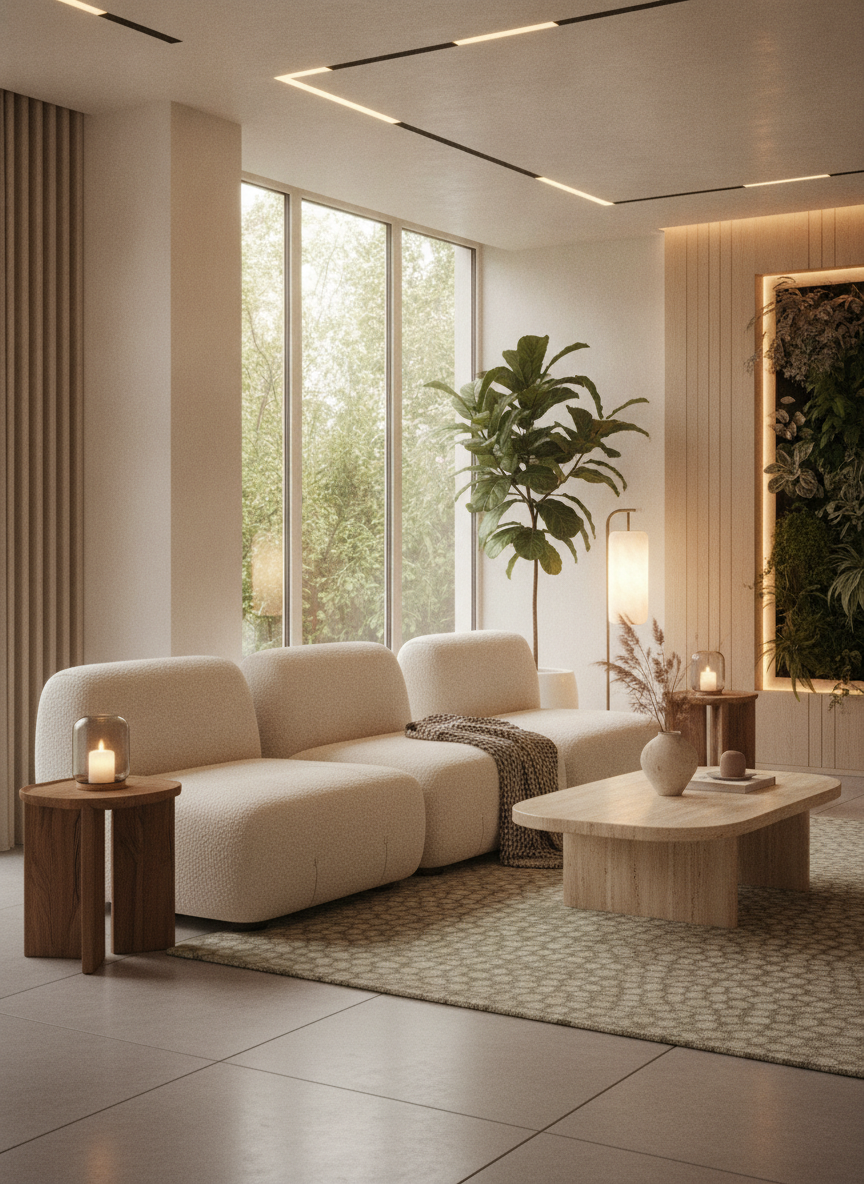
One of the most striking characteristics of biophilic sofas in 2026 is their departure from rigid, rectilinear forms. Inspired by natural landscapes – the gentle curve of a river, the smooth contours of a pebble, or the organic shape of a cloud – these sofas feature soft, inviting lines. Expect to see flowing silhouettes, rounded edges, and sinuous configurations that mimic the ease and grace found in nature. A curved sectional sofa, for instance, not only encourages natural conversation flow but also softens the visual landscape of a room, creating a more harmonious and less confrontational environment. This organic fluidity helps to reduce visual stress and promotes a sense of enveloping comfort, inviting users to truly unwind.
Textures and Materials: A Touch of the Wild
The tactile experience is paramount in biophilic design. For 2026, sofas will heavily feature natural fibers that appeal to the touch and connect us to the earth’s bounty. Think lush wool, breathable linen, soft cotton, and durable hemp. These materials are chosen not just for their aesthetic appeal but also for their authenticity and sustainability. A luxurious linen sofa, for example, offers a subtle texture that hints at its natural origins, providing a grounding sensation. Furthermore, the base structures often utilize ethically sourced timber, like FSC-certified wood, emphasizing an enduring connection to forests. The goal is to create a sensory richness that mimics the varied textures found outdoors, from rough bark to smooth stones, enriching the overall experience of rest and relaxation.
Color Palettes Inspired by Nature
Color plays a crucial role in setting the mood of a space. Biophilic sofa design 2026 draws its palette directly from nature. Muted greens (sage, moss, olive), tranquil blues (sky, ocean, deep teal), warm earthy browns, soft creams, and sandy beiges will dominate. These colors have a calming effect, evoking the vastness of oceans, the serenity of forests, or the warmth of sun-drenched landscapes. They are chosen to reduce visual stimulation and promote a sense of peace, allowing the mind to relax and rejuvenate. Avoiding harsh or overly saturated artificial colors is key; instead, the focus is on natural dyes and pigments that feel inherently harmonious and soothing.
Integration with Greenery: Living Sofas
One of the most direct ways to incorporate biophilia is through living elements. For 2026, we’ll see more innovative ways to integrate greenery directly with sofa designs. This might manifest as planters subtly built into side tables or armrests, allowing small plants to thrive adjacent to the seating area. Alternatively, sofas might be strategically positioned to maximize views of outdoor landscapes or be surrounded by carefully curated indoor gardens and vertical plant walls. The proximity to living plants not only enhances air quality but also provides dynamic visual interest and a continuous connection to the rhythms of nature. Imagine sinking into a sofa surrounded by the gentle rustle of leaves – a truly immersive natural experience.
Key Biophilic Sofa Design Trends for 2026
Beyond the core principles, several exciting trends are emerging that define the future of biophilic sofa design.
Modular and Adaptable Biophilic Sofas
Flexibility is a hallmark of modern living. In 2026, biophilic sofas will increasingly feature modular designs that can be reconfigured to suit various needs and preferences. This adaptability reflects nature’s own constant evolution and allows users to tailor their wellness lounge to different activities – from solo meditation to family gatherings. An modular sofa can transform from an expansive L-shape to individual seating pods, mimicking the versatility found in natural environments. This trend supports mindful living by providing spaces that can fluidly adapt to the moment, fostering comfort and utility without sacrificing natural aesthetics.
Integrated Technology, Discreetly Hidden
While biophilic design emphasizes nature, it doesn’t shun technology. Instead, it integrates it thoughtfully and discreetly. Expect to find subtle features like wireless charging pads seamlessly embedded within armrests, built-in air purifiers that enhance indoor air quality, and ambient lighting strips that mimic natural daylight cycles. The key is that technology serves to enhance the wellness experience without drawing attention away from the natural elements. It’s about smart design that supports a healthier lifestyle, rather than creating distractions.
Sustainable and Ethical Sourcing
The conversation around sustainability is no longer optional; it’s fundamental. For biophilic sofa design 2026, this translates into a strong emphasis on materials that are not only natural but also ethically sourced, recycled, or upcycled. Manufacturers are increasingly transparent about their supply chains, focusing on low-impact production methods, non-toxic finishes, and durable construction that ensures longevity. Choosing a sofa made from recycled plastics or reclaimed wood, for instance, contributes to a circular economy and reduces environmental impact, aligning perfectly with the ethos of living harmoniously with nature.
Multi-Sensory Experience
Biophilic design goes beyond what meets the eye. The wellness lounge of 2026 will engage all senses. The tactile pleasure of natural fabrics, the visual calm of organic shapes and natural colors, the subtle sounds of a nearby water feature or soft nature-inspired music, and even the gentle scent of essential oils diffused through the air. Sofas are positioned to maximize natural light and views, becoming focal points in a holistic sensory experience designed to soothe and rejuvenate.
Experience the future of relaxation with innovative biophilic sofa design 2026, blending nature seamlessly.
Complementary Elements for a Biophilic Wellness Lounge
A truly immersive biophilic experience extends beyond the sofa. Surrounding elements play a crucial role in completing the wellness lounge.
Rugs: Grounding the Space
Just as the earth grounds us, natural fiber rugs ground the biophilic living space. Materials like jute, sisal, wool, and seagrass bring warmth, texture, and a connection to the natural world underfoot. Organic patterns or subtle variations in weave mimic natural formations. A jute area rug, for example, not only defines the seating area but also adds a grounding, earthy texture that enhances the overall natural aesthetic.
Lighting: Mimicking Natural Rhythms
Maximizing natural light is paramount. Large windows, skylights, and strategically placed mirrors can enhance daylight penetration. For artificial lighting, circadian lighting systems that adjust color temperature and brightness throughout the day to mimic natural light cycles are gaining popularity. Soft, diffused light from natural materials like linen or rice paper shades can create a warm, inviting glow that avoids harsh contrasts.
Indoor Plants: The Heart of Biophilia
No biophilic space is complete without a generous presence of indoor plants. Beyond just aesthetics, plants improve air quality, reduce stress, and create a vibrant, living atmosphere. Consider a mix of sizes and types: tall, sculptural plants like a Fiddle Leaf Fig or Snake Plant, smaller tabletop plants, and cascading varieties like Pothos or Philodendron. Vertical gardens and living walls are also excellent ways to integrate extensive greenery, especially in smaller spaces, transforming a wall into a dynamic natural feature.
Natural Wood Accents and Furniture
Complement your biophilic sofa with other furniture pieces crafted from natural wood. Live-edge coffee tables, simple wooden side tables, and shelving units made from oak, walnut, or maple add warmth, authenticity, and biomorphic interest. These pieces highlight the inherent beauty of wood grain and connect the space to the forest, reinforcing the overall natural theme.
Comparison Table: Traditional vs. Biophilic Sofa Design 2026
| Feature | Traditional Sofa Design (Common) | Biophilic Sofa Design 2026 (Wellness Lounge) |
|---|---|---|
| Shape & Form | Often rigid, rectilinear, sharp angles | Organic, curved, flowing, rounded edges, biomorphic shapes |
| Materials | Synthetic fabrics (polyester, microfiber), treated wood, metal | Natural fibers (linen, wool, hemp, cotton), sustainably sourced wood, non-toxic finishes |
| Color Palette | Wide range, often includes bright, artificial, or bold colors | Earthy tones, muted greens, tranquil blues, creams, browns, natural dyes |
| Functionality | Primarily seating, fixed configurations | Seating, relaxation, promotes well-being; often modular, adaptable, integrated tech (subtle) |
| Wellness Impact | Focus on comfort, style; minimal direct wellness benefits | Significantly reduces stress, improves mood, enhances cognitive function, fosters nature connection |
| Integration with Nature | Limited; possibly a potted plant nearby | Seamless integration with living plants, natural light, views of nature; multi-sensory engagement |
| Sustainability | Varies; often not a primary consideration | Core principle; recycled, ethically sourced, durable, low-impact production |
Creating Your Own Biophilic Sofa Sanctuary: A Step-by-Step Guide
Transforming your living space into a biophilic wellness lounge doesn’t have to be daunting. Here’s a simple guide:
- Assess Your Space and Light: Observe how natural light enters your room throughout the day. Plan your sofa placement to maximize this connection.
- Choose Your Focal Sofa: Select a biophilic sofa with organic shapes, natural materials, and a calming color palette. Consider modularity for future adaptability.
- Layer with Natural Textures: Introduce complementary elements like a natural fiber rug, wool throw blankets, and linen cushions to enhance the tactile experience.
- Incorporate Plants Strategically: Place a mix of indoor plants around your sofa. Consider a large floor plant, a few smaller plants on side tables, or a living wall.
- Address Sensory Details: Think about soft, dimmable lighting, perhaps a small indoor water feature for ambient sound, and natural scents from essential oils.
- Declutter and Simplify: A biophilic space thrives on clarity. Minimize unnecessary items to create a sense of calm and order, allowing the natural elements to shine.
FAQs about Biophilic Sofa Design 2026
Q: What are the main benefits of biophilic sofa design?
A: The primary benefits include reduced stress and anxiety, improved mood and cognitive function, enhanced creativity, better air quality (especially with integrated plants), and a stronger overall sense of well-being and connection to nature. It transforms a simple seating area into a restorative sanctuary.
Q: How do I choose the right sofa color for a biophilic space?
A: Opt for colors found in nature. Muted greens (sage, olive), tranquil blues (sky, ocean), earthy browns, sandy beiges, and soft creams are ideal. Avoid overly bright or artificial colors that can be visually jarring and detract from the calming atmosphere.
Q: Can biophilic design be integrated into small apartments?
A: Absolutely! Biophilic design is highly adaptable. In smaller spaces, focus on key elements like a compact biophilic sofa, vertical gardens, carefully chosen plants, natural textures in throws and cushions, and maximizing natural light. Even a small corner can become a biophilic retreat.
Q: Are biophilic sofas more expensive?
A: While some high-end biophilic sofas, particularly those using sustainably sourced, premium natural materials, might have a higher initial cost, their durability and timeless appeal often make them a worthwhile investment. The focus on quality materials and ethical production can sometimes lead to a slightly higher price point compared to mass-produced synthetic alternatives, but the long-term benefits for well-being are invaluable.
Q: What’s the best way to clean a biophilic sofa made of natural materials?
A: For natural materials like linen, wool, or cotton, gentle care is key. Always check the manufacturer’s specific cleaning instructions. Generally, vacuum regularly, blot spills immediately with a clean cloth, and use a specialized, gentle natural fabric sofa cleaner if necessary. Avoid harsh chemicals that can damage natural fibers and diminish their integrity.
Conclusion
As we anticipate 2026, the evolution of the home into a wellness sanctuary is undeniable. Biophilic sofa design 2026 stands at the forefront of this movement, offering more than just a place to sit; it provides a direct conduit to nature’s restorative power. By embracing organic forms, natural materials, soothing palettes, and thoughtful integration with living elements, you can transform your lounge into a space that nurtures your body, mind, and spirit. It’s an investment not just in your home’s aesthetic, but in your daily well-being.
Explore our curated selections and transform your living space into a haven of tranquility, deeply connected to the natural world.