Lounging for All Ages: Designing Multigenerational Living Rooms with Smart Sofas

In an era where family dynamics are evolving, multigenerational living is making a significant comeback. More families are choosing to live together, bringing diverse needs and lifestyles under one roof. This beautiful arrangement fosters stronger bonds and shared experiences, but it also presents unique design challenges, especially in the heart of the home: the living room. How do you create a space that offers comfort, functionality, and aesthetic appeal for toddlers, teens, working adults, and beloved elders all at once? The answer lies in thoughtful planning and, increasingly, in the innovative world of smart sofas – the cornerstone of effective multigenerational sofa design.

This comprehensive guide will explore how to transform your living room into an inclusive haven that caters to every family member. We’ll delve into the concept of smart sofas, examining their features, benefits, and how they contribute to a harmonious shared space. From adjustable components to durable fabrics and integrated technology, discover how the right sofa can elevate your home, making it a true gathering place for all generations.

The Rise of Multigenerational Households

The trend of multigenerational living is more than just a passing phase; it’s a growing societal shift driven by economic factors, cultural preferences, and a desire for stronger family support systems. Whether it’s young adults returning home, aging parents moving in, or a blend of both, these households are diverse and dynamic. With multiple generations coexisting, the living room naturally becomes the central hub for relaxation, entertainment, and connection. It’s where stories are shared, games are played, and quiet moments of reflection occur. Therefore, designing this space requires a holistic approach that considers the varied physical, cognitive, and social needs of its occupants.

A poorly designed living room can become a source of frustration, with seating that’s uncomfortable for some, difficult to access for others, or simply inadequate for the group. Conversely, a well-designed space, anchored by intelligent furniture choices, can enhance interaction, promote individual well-being, and foster a sense of belonging for everyone. This is where the concept of multigenerational sofa design truly shines, offering solutions that adapt and accommodate, rather than restrict.

What Makes a Sofa “Smart” for Multigenerational Living?

When we talk about a “smart sofa” in the context of multigenerational living, we’re not just referring to voice-activated features or app connectivity (though these can certainly be part of it). Primarily, a smart sofa for a diverse household is one that offers adaptability, enhanced comfort, superior durability, and thoughtful integration of convenience features. It’s a piece of furniture designed to meet a wide spectrum of needs without compromising on style.

Consider the varying requirements: a toddler needs a safe, soft space to play; a teenager might crave a comfortable spot for gaming or homework; adults need supportive seating for long conversations or movie nights; and seniors require ergonomic support, ease of access, and often firmer cushioning to aid mobility. A truly smart sofa bridges these gaps, providing a versatile foundation for shared living. Its ‘intelligence’ lies in its ability to offer customizable comfort and practical solutions that cater to everyone, making it an indispensable element of contemporary living room planning.

Comfort for Every Age: Ergonomics and Support

Comfort is paramount, but what feels comfortable can differ greatly across age groups. Seniors often benefit from firmer cushions that make getting up easier and provide better back support, while children and younger adults might prefer softer, more plush seating for lounging. A smart sofa addresses this through varying seat depths, adjustable lumbar support, and different cushion densities within the same unit. Some models offer power recline features, allowing individuals to find their perfect angle for relaxation, alleviating pressure points and providing optimal support for aching joints. Look for sofas with medium-firm density foam that offers a good balance – supportive enough for elders but comfortable enough for extended lounging by younger family members. The best multigenerational sofa design prioritizes universal comfort without compromise.

Durability and Maintenance: A Lifelong Investment

In a bustling multigenerational home, spills, wear, and tear are inevitable. A sofa that can withstand the rigors of daily life, from pet claws to sticky fingers, is not just a luxury but a necessity. Modern performance fabrics have revolutionized sofa durability, offering resistance to stains, fading, and pilling. These materials, such as microfibers, treated polyesters, or natural fibers with protective coatings, are designed to be easy to clean and maintain their appearance over time. When selecting a sofa, prioritize those made with a high-quality performance fabric sofa that can stand up to heavy use. Many feature removable, washable cushion covers, simplifying the cleaning process. Beyond fabric, a sturdy frame made from solid hardwood or steel is crucial for longevity, ensuring the sofa remains stable and safe for all users for years to come. For tougher spots, a reliable upholstery cleaner can be a lifesaver, keeping your investment looking pristine.

Adaptability and Modularity: Sofas That Grow With You

Family sizes and needs can change over time. A modular or sectional sofa offers unparalleled adaptability, allowing you to reconfigure the layout to suit different occasions or evolving household dynamics. You can separate sections for individual seating, combine them for a large gathering, or create a cozy lounge area. This flexibility is a hallmark of excellent multigenerational sofa design. Imagine being able to transform your living room from an intimate conversation space to a sprawling movie-watching area with minimal effort. Look for a modular sectional sofa that allows for easy rearrangement of components – chaises, armless chairs, and corner pieces – to create custom configurations. This ensures your living room furniture can adapt as your family grows and changes, preventing the need for frequent replacements and providing long-term value.

Tech Integration: Seamless Convenience

In our connected world, integrated technology in furniture is no longer a futuristic concept. Smart sofas often come equipped with built-in USB charging ports, wireless charging pads, and even discreet power outlets, making it convenient for everyone to charge their devices without searching for wall outlets or messy extension cords. Some advanced models might include integrated speakers for immersive sound, subtle LED lighting for ambiance or reading, or even control panels for adjusting recline and other features. For seniors, easily accessible controls for power recline are particularly beneficial, eliminating strain. For tech-savvy teens and adults, these features are simply a convenient addition to modern living. A power reclining sofa with USB exemplifies this blend of comfort and connectivity.
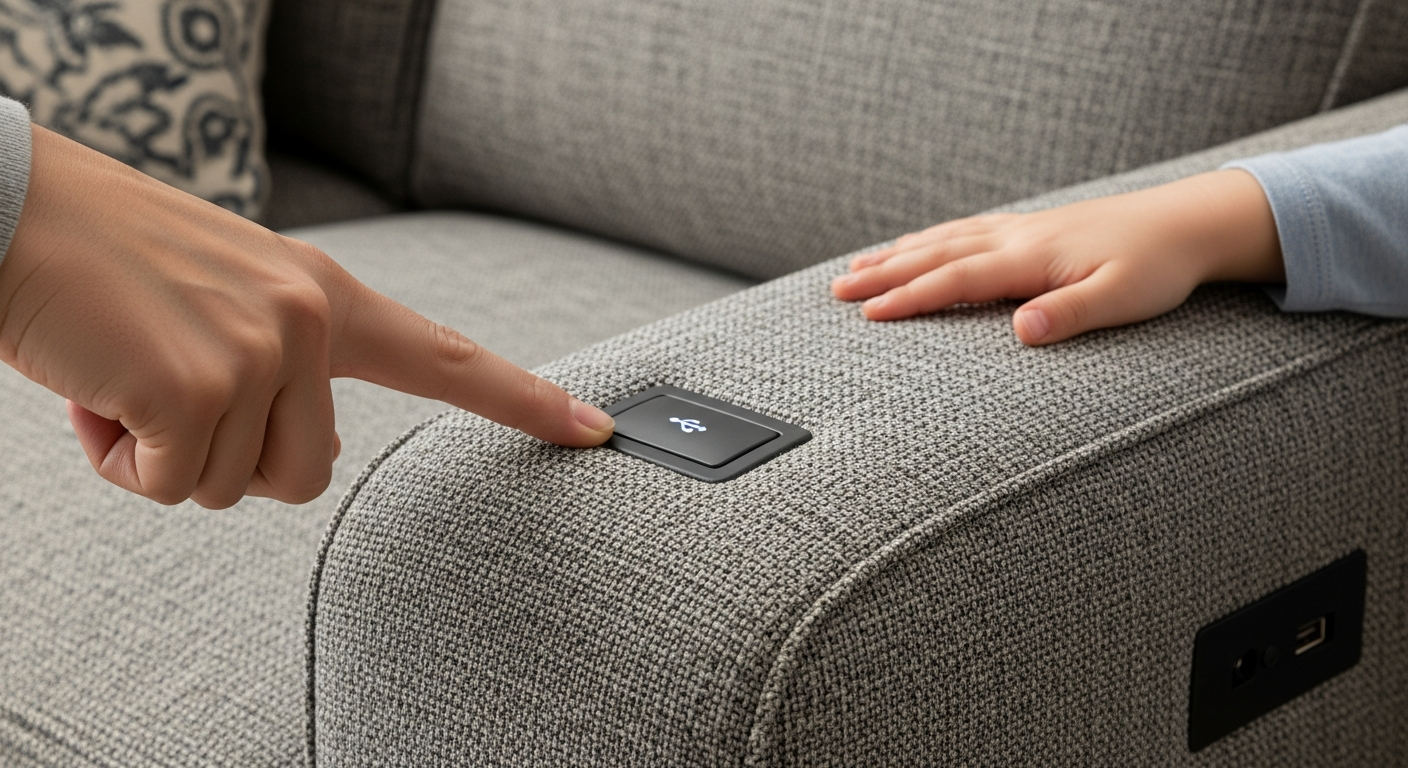
multigenerational sofa design style example
This smart sofa exemplifies thoughtful multigenerational sofa design, blending comfort, technology, and durability for all.

Key Features to Look For in a Multigenerational Sofa Design

When selecting a sofa for your multigenerational home, consider these specific features that enhance comfort, safety, and functionality for everyone:

  • Adjustable Components: Look for sofas with adjustable headrests, footrests, and even lumbar support. Power recliners with easy-to-reach buttons are excellent for seniors and anyone needing to shift positions comfortably.
  • Varying Seat Depths: Some modular sofas offer sections with deeper seats for lounging and other sections with shallower seats for those who prefer to sit upright, or whose shorter stature benefits from closer proximity to the floor.
  • Armrest Design: Wide, sturdy armrests can serve multiple purposes: a stable place to push off when standing, a temporary side table for a drink, or a comfortable perch for a child. Ensure they are well-padded and free from sharp edges.
  • Seat Height: A moderate seat height (typically 18-20 inches) is ideal. Too low, and it’s difficult for seniors to get up; too high, and children might struggle to sit comfortably.
  • Firmness of Cushions: While plush is inviting, overly soft cushions can be difficult for mobility-challenged individuals. A medium-firm density provides support while still being comfortable for all.
  • Safety Features: Rounded edges on frame elements and stable bases reduce the risk of bumps and tipping, especially important for active children and those with unsteady gaits. Non-slip feet can also prevent the sofa from shifting on smooth floors.
  • Integrated Storage: Hidden storage compartments in ottomans or chaises can be invaluable for tidying away blankets, toys, or magazines, keeping the living room clutter-free and safe.
  • Accessibility: Ensure there’s enough clearance around the sofa for movement, especially if anyone in the household uses mobility aids.

Designing Your Multigenerational Living Room: Beyond the Sofa

While the sofa is central to your multigenerational sofa design, the surrounding elements of the living room are equally important in creating an inclusive and functional space. Consider these additional aspects:

  • Layout and Traffic Flow: Plan a layout that allows for clear pathways, minimizing obstacles. Create distinct zones for different activities – a quiet reading nook, a lively play area, and a central conversation space.
  • Coffee Tables and Side Tables: Opt for tables with rounded edges to prevent accidental bumps. Ensure they are at an accessible height and within easy reach from the sofa. Storage coffee tables can help manage clutter.
  • Lighting: Incorporate a mix of ambient, task, and accent lighting. Dimmable lights can set various moods, while reading lamps next to seating areas cater to different visual needs.
  • Rugs: A soft, well-secured rug can add warmth and define zones. Choose a low-pile rug to prevent tripping hazards and ensure it’s anchored with a non-slip rug pad underneath.
  • Additional Seating: Complement your smart sofa with a comfortable recliner, a pair of armchairs, or even beanbags for kids, providing diverse seating options for individual preferences.
  • Entertainment: Mount televisions at an appropriate height for comfortable viewing from various seating positions. Ensure sound systems are clear and accessible.
  • Personalization: Encourage each family member to contribute to the decor, whether through artwork, photos, or cherished objects, to foster a sense of shared ownership and belonging.

Comparison Table: Popular Multigenerational Sofa Features

To help visualize the benefits of smart multigenerational sofa design, here’s a comparison of key features and how they cater to various age groups:

Feature Benefit for Seniors Benefit for Adults Benefit for Children
Power Recline/Adjustable Headrests Eases movement, reduces joint strain, personalized comfort. Optimal movie watching, ergonomic support for reading. Fun, comfortable spot for snuggling during story time.
Modular Configuration Allows for clear pathways, adaptable seating arrangements. Flexible for entertaining, easy to reconfigure for activities. Creates large play zones or cozy nooks.
Performance Fabric Easy to clean, maintains appearance, hygienic. Durability against daily wear, less worry about spills. Resistant to stains from snacks, art projects, and playtime messes.
Integrated USB/Wireless Charging Convenient for charging devices without bending over. Keeps devices powered for work, entertainment, and communication. Easy access for tablets or gaming controllers (with supervision).
Moderate Seat Height & Firmness Easier to get up and sit down, better posture support. Comfortable for long periods, supportive for general use. Sufficient leg support, easy to climb on safely.

Frequently Asked Questions About Multigenerational Sofa Design

Q1: What is the ideal fabric for a multigenerational sofa?

The ideal fabric is a high-performance, durable, and easy-to-clean material. Look for options like treated microfibers, synthetic blends, or fabrics specifically labeled as stain-resistant or pet-friendly. These materials typically repel liquids, resist fading, and are less prone to snagging, making them perfect for homes with children, pets, and frequent use. Natural fibers treated with protective coatings can also be a good choice, balancing durability with a luxurious feel.

Q2: How can I ensure safety for young children and seniors around a sofa?

Safety is paramount. Choose sofas with rounded edges to minimize injury from bumps. Ensure the sofa is stable and heavy enough not to tip over, especially with children climbing on it. If it’s a modular sofa, ensure the sections connect securely. For seniors, a moderate seat height and firm cushioning make it easier to get up and down. Clear pathways around the sofa prevent falls. Avoid very low-profile furniture that might be hard to see or reach. Furthermore, any integrated tech, like power recline buttons, should be easily identifiable and within reach without excessive leaning.

Q3: Are smart sofas expensive?

The cost of smart sofas can vary widely depending on the brand, features, materials, and overall size. While some high-end models with extensive tech integration and premium materials can be a significant investment, many manufacturers now offer mid-range options that incorporate essential smart features like USB charging, power recline, and modularity at accessible price points. Consider the long-term value: a durable, adaptable sofa that meets everyone’s needs can be more cost-effective than buying multiple pieces or replacing furniture frequently.

Q4: Can a small living room accommodate a multigenerational sofa?

Absolutely! The key is to opt for modular or compact sectional designs. Instead of a sprawling L-shape, you might choose a two-seater with a movable ottoman that can serve as a chaise, or a compact sectional that fits snugly into a corner. Look for pieces with clean lines and lighter colors to make the room feel more expansive. Multi-functional features like hidden storage can also help maximize space in smaller living areas, making thoughtful multigenerational sofa design achievable in any size room.

Q5: How often should I clean my multigenerational sofa?

Regular cleaning is essential in a busy multigenerational home. Aim for weekly vacuuming with an upholstery attachment to remove crumbs, dust, and pet hair. Address spills immediately according to the fabric manufacturer’s instructions to prevent stains from setting. For a deeper clean, most sofas benefit from a professional cleaning every 12-18 months. If your sofa has removable covers, follow their specific washing instructions. Consistent care will extend the life and maintain the appearance of your sofa.

Conclusion: Creating a Harmonious Home for Everyone

Designing a living room for a multigenerational household is a rewarding endeavor that culminates in a space truly lived in and loved by all. By embracing the principles of smart multigenerational sofa design, you can create an environment that is not only stylish and inviting but also incredibly functional, comfortable, and safe for every age and ability. From the adaptable configurations of modular seating to the convenience of integrated technology and the resilience of performance fabrics, the right sofa empowers your family to connect, relax, and thrive together.

Ready to Transform Your Living Room?

Investing in a smart sofa is an investment in your family’s comfort and well-being. Explore the vast array of options available today and find the perfect pieces that blend innovative features with timeless style. Create a living room that truly celebrates every generation under your roof, fostering cherished memories for years to come.
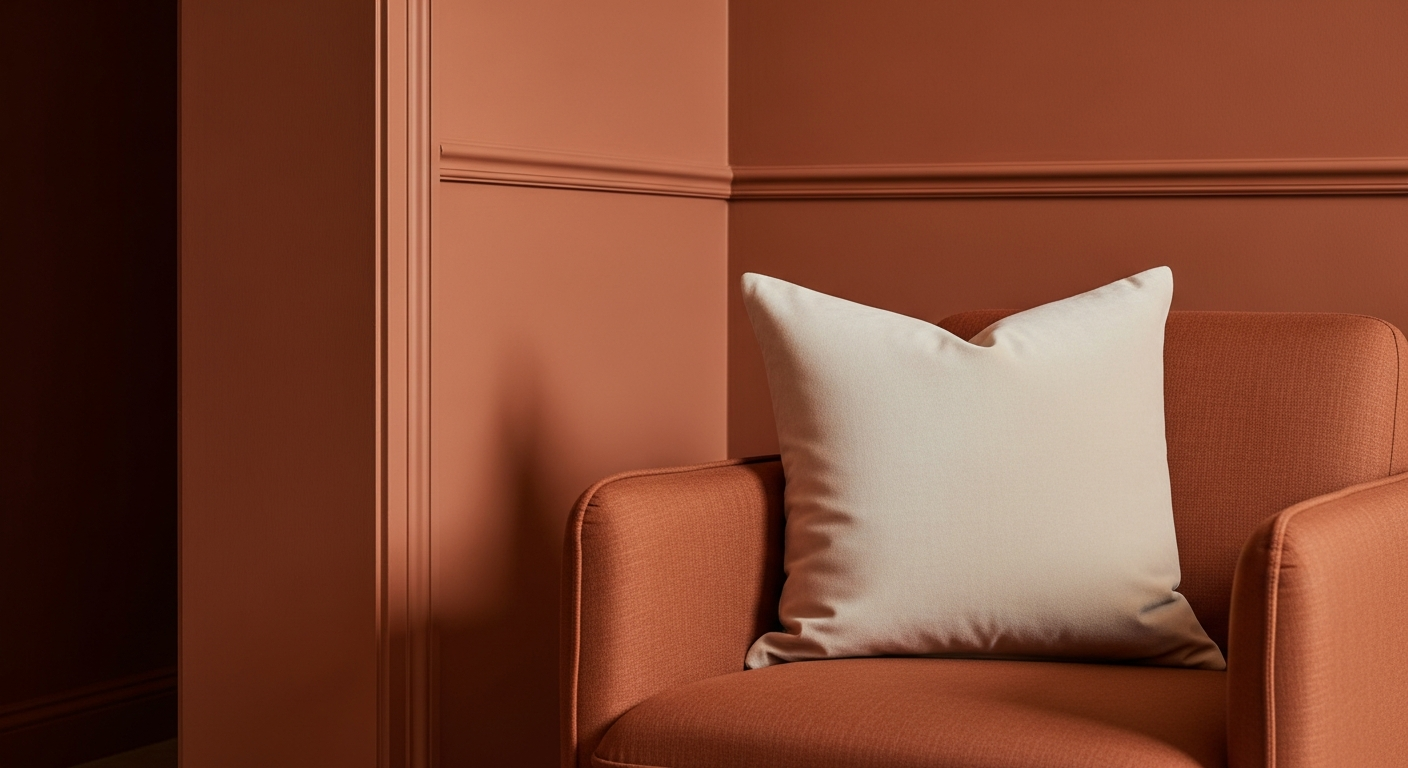
Color Drenching Your Living Room: A Step-by-Step Guide

Welcome to lesofa.club, where we explore the art of creating stunning, comfortable living spaces. Today, we’re diving into one of the most impactful and on-trend design techniques: color drenching. If you’re tired of predictable interiors and crave a living room that makes a powerful, immersive statement, this comprehensive color drenching living room guide is for you. From selecting the perfect hue to painting every surface, we’ll walk you through transforming your space into a cohesive sanctuary of color.

What Exactly is Color Drenching?

At its heart, color drenching is the art of immersing a room in a single shade, extending it beyond just the walls to encompass the ceiling, trim, doors, and sometimes even furniture and textiles. Unlike a monochromatic scheme that plays with various shades and tones of one color, color drenching aims for a seamless, all-encompassing wash of a specific hue. The result is a sophisticated, enveloping atmosphere that feels both modern and incredibly chic.

Why Embrace Color Drenching in Your Living Room?

  • Creates Cohesion: By blurring the lines between surfaces, a room feels larger and more unified.
  • Elevates Sophistication: It’s a bold design choice that exudes confidence and a designer aesthetic.
  • Enhances Mood: A single, enveloping color can profoundly impact the emotional feel of a space, from tranquil blues to energizing reds.
  • Highlights Texture: When color is consistent, the focus shifts to the tactile qualities of your furnishings and architectural details.
  • Offers a Unique Backdrop: Art and decorative objects pop against a singular color backdrop in a way they wouldn’t against a multi-colored or neutral palette.

Step 1: Choosing Your Signature Shade

This is arguably the most critical step in your color drenching journey. The right color will define the mood and success of your living room. Consider the following:

Understanding Color Psychology

  • Cool Tones (Blues, Greens, Purples): Often evoke calmness, tranquility, and expansiveness. A deep navy blue paint could create a sophisticated, cozy den.
  • Warm Tones (Reds, Oranges, Yellows): Can stimulate energy, warmth, and conversation. A muted terracotta or a rich burnt orange paint can make a living room feel incredibly inviting.
  • Neutrals (Grays, Beiges, Whites): While seemingly safe, a drench in a rich charcoal or a warm greige can be incredibly elegant and understated, allowing textures to truly shine.

Factors to Consider for Your Living Room

  • Natural Light: Rooms with ample natural light can handle deeper, more saturated colors without feeling small. North-facing rooms might benefit from warmer tones to counteract cooler light, while south-facing rooms can embrace cooler hues.
  • Room Size: Darker colors tend to make a room feel cozier and more intimate, while lighter colors can make it feel more expansive. However, in color drenching, even a dark color can make a small room feel grand and intentional rather than cramped.
  • Existing Elements: Do you have a beloved piece of art, a unique fireplace, or a stunning view? Your chosen color should complement these elements, not compete with them.
  • Your Personal Style: Ultimately, this is your home. Choose a color that genuinely resonates with you and makes you feel good.

Pro Tip: Don’t just pick a color from a tiny swatch. Buy several sample pots of paint – ideally in varying finishes (matte, eggshell, satin) – and paint large swatches on different walls, including the ceiling, if possible. Observe them throughout the day in different lighting conditions. This is an investment that will save you from costly mistakes.

Step 2: Preparing Your Living Room for the Drench

Preparation is key to a flawless finish. Don’t rush this stage!

Clearing and Cleaning

  • Remove all furniture, art, and accessories. If large pieces can’t be removed, gather them in the center of the room and cover them thoroughly with drop cloths.
  • Clean your walls, ceiling, and trim meticulously. Dust, cobwebs, and grime will show through fresh paint. Use a mild all-purpose cleaner and a damp cloth, then rinse and allow to dry completely.

Patching and Priming

  • Fill any holes or cracks with spackle. Sand smooth once dry.
  • For unpainted or dark surfaces, or if you’re making a dramatic color change, priming is essential. A good quality interior paint primer ensures better adhesion, truer color, and a more uniform finish, especially with rich, saturated hues. Consider a tinted primer close to your final color.

Taping and Protecting

  • Use high-quality painter’s tape to protect windows, door hardware, and light fixtures you don’t intend to paint.
  • Cover floors thoroughly with drop cloths or plastic sheeting.

Step 3: The Art of Painting – Walls, Ceiling, and Trim

Now for the fun part! While traditionally ceilings are white and trim is contrasting, color drenching demands a unified approach.

Painting Order

  1. Ceiling: Start here to catch any drips on the walls below. Use an extension pole for rollers to ensure even coverage.
  2. Trim (Baseboards, Door Frames, Window Frames): Paint these next. Don’t worry about being perfectly neat against the walls, as you’ll be painting the walls with the same color.
  3. Walls: Begin by cutting in around the edges with a brush, then use a roller for the main surfaces. Apply thin, even coats to avoid drips and streaks.
  4. Doors: Paint both sides of any interior doors in the room.

Choosing the Right Paint Finish

The finish dramatically affects how your chosen color appears and reflects light. Experiment with samples!

  • Matte/Flat: Offers a sophisticated, velvety look that absorbs light. Great for hiding imperfections and creating a dramatic, museum-like feel.
  • Eggshell/Satin: A popular choice for living rooms, offering a subtle sheen that is more durable and easier to clean than matte.
  • Semi-Gloss/High-Gloss: Highly reflective and durable, these finishes can create a dramatic, almost lacquered effect, particularly striking on trim or doors to add subtle depth within the same color.
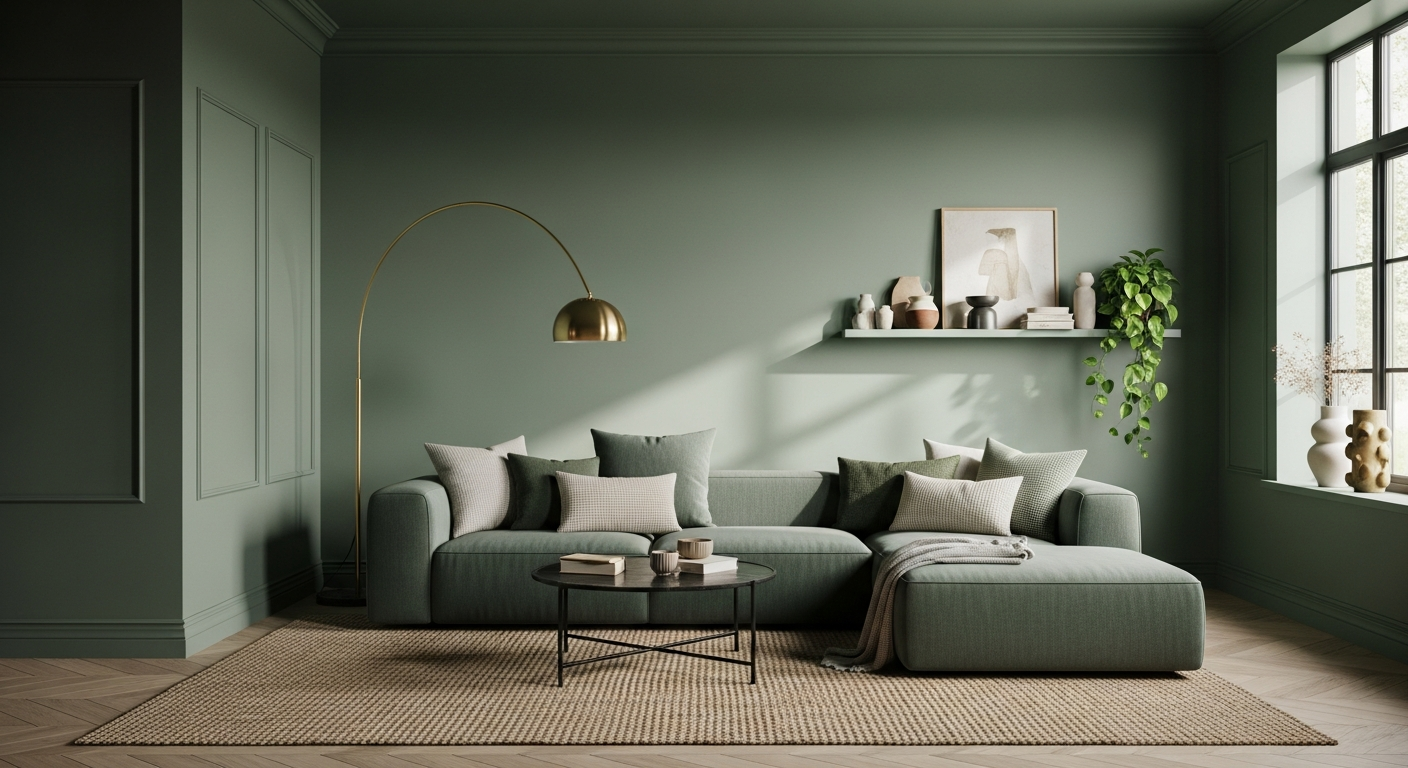
color drenching living room guide style example
Achieve a cohesive look with this color drenching living room guide.

Achieve a cohesive look with this color drenching living room guide.

Step 4: Integrating Furniture and Accessories

Once the paint is dry, the real magic of color drenching comes to life as you bring in your furnishings. The goal is to let your selected color be the dominant force, allowing textures and subtle variations to create interest.

Furniture Choices

  • Seamless Integration: If possible, choose furniture pieces (especially larger ones like a sectional sofa in blue or an accent chair) in the same or a very closely related shade as your walls. This creates a powerful, enveloping effect.
  • Contrasting Textures: If your sofa is the exact color of the walls, introduce texture through its fabric – think velvet, linen, or bouclé.
  • Subtle Contrast: Alternatively, use furniture in a slightly darker or lighter tone of your main color for subtle depth, or introduce a complementary neutral like a deep charcoal against a forest green, or a soft beige against a blush pink.

Layering with Textiles and Decor

This is where you prevent the room from feeling flat. Since the color is unified, textures, patterns, and subtle sheen variations become crucial.

  • Rugs: A large wool area rug in a complementary neutral, a texture-rich jute, or even a subtly patterned rug in a similar color palette will ground the space.
  • Throw Pillows & Blankets: Use various fabrics like faux fur, knit, silk, or chenille. Opt for pillows in the drenching color, a complementary neutral, or a subtle pattern that incorporates your main hue.
  • Curtains: Floor-to-ceiling curtains in the same color as your walls will enhance the drenching effect, making the room feel taller and more luxurious. Alternatively, opt for sheers in a subtle tone.
  • Art & Mirrors: These are your opportunity to introduce different colors, metallics, or reflective surfaces that truly pop against the unified backdrop. Consider gallery walls with frames in metallic finishes or art with a dominant complementary color.
  • Lighting: Introduce various light sources – floor lamps, table lamps, and ceiling fixtures – to create different moods and highlight specific areas. Metallics (brass, chrome, black iron) or ceramic bases can add visual interest.

Step 5: Maintaining Your Drenched Living Room

A beautifully drenched room requires ongoing care to look its best, especially with light colors or high-traffic areas.

  • Regular Cleaning: Dust walls and trim gently with a microfiber cloth. For marks, spot clean carefully with a damp cloth and mild soap.
  • Touch-ups: Keep a small amount of your chosen paint for touch-ups. Nicks and scuffs will be less noticeable on a uniformly colored surface, but addressing them promptly keeps the look pristine.
  • Fabric Care: For sofas and upholstered items, follow manufacturer cleaning instructions. For general spills, a good quality upholstery cleaner stain remover can be a lifesaver.

Color Drenching Living Room Guide: Comparison Table

Design Style Color Approach Key Characteristics Impact
Color Drenching Single, saturated hue across walls, ceiling, trim, and often furniture. Immersive, cohesive, sophisticated, bold. Blurs architectural lines. Creates an enveloping, unified, and often dramatic atmosphere. Feels larger, highlights texture.
Monochromatic Varying shades, tints, and tones of a single color. Layered, subtle, harmonious, elegant. Uses different values of one hue. Calm, refined, and visually spacious without being overwhelming. Depth through variation.
Accented / Contrasting Main neutral or base color with one or more contrasting accent colors. Dynamic, energetic, traditional. Walls are often neutral, accents pop. Adds visual interest and focal points. Can feel less unified but more vibrant.

Common Mistakes to Avoid

  • Skipping Samples: Never guess! Colors look drastically different on a small swatch than on a large surface.
  • Neglecting Finishes: The paint finish is as important as the color. A matte finish will look very different from a satin or semi-gloss in the same shade.
  • Ignoring Lighting: Natural and artificial light sources dramatically impact how a color appears throughout the day and night.
  • Forgetting Texture: Without variations in texture, a color-drenched room can feel flat. Layer materials!
  • Over-Decorating: Let the color be the star. Choose accessories thoughtfully to complement rather than clutter.

Frequently Asked Questions About Color Drenching

Q1: Can I color drench a small living room?

Absolutely! Color drenching is particularly effective in small spaces. By painting everything the same color, you eliminate visual breaks, making the room feel more expansive and purposeful, rather than cramped. A dark color can make a small room feel like a jewel box.

Q2: Do I have to paint the ceiling the exact same color?

For a true color drenching effect, yes. Painting the ceiling the same color as the walls creates the seamless, enveloping feel that defines this technique. If you’re hesitant, consider a slightly lighter tint of your chosen color for the ceiling, but aim for minimal contrast.

Q3: What if I have white trim already? Do I have to paint it?

To achieve the full color drenching impact, painting the trim (baseboards, window frames, door frames) the same color as the walls is highly recommended. White trim would break up the visual flow, counteracting the seamless effect you’re trying to create.

Q4: How do I prevent a color-drenched room from feeling too dark or monotonous?

The key is layering and texture! Introduce variations in texture through textiles (rugs, throws, pillows), furniture materials (wood, metal, leather), and decorative objects. Use reflective surfaces like mirrors, glass, and metallic accents to bounce light around. Incorporate varied lighting sources and consider a few pieces of art that offer a pop of complementary or contrasting color.

Q5: Is color drenching just a trend, or is it here to stay?

While the term ‘color drenching’ is trendy, the concept of immersive color has roots in traditional design. It’s a sophisticated technique that offers a unique sense of calm and luxury. Its versatility, allowing for both bold statements and subtle elegance, suggests it will remain a cherished design choice for those seeking impactful interiors beyond passing fads.

Conclusion: Embrace the Power of Immersive Color

Color drenching is more than just a painting technique; it’s a design philosophy that transforms your living room into a truly immersive and personal space. By following this color drenching living room guide, you have the tools to create a cohesive, sophisticated, and deeply atmospheric environment that reflects your style. Don’t be afraid to be bold, trust your instincts, and prepare to fall in love with your newly drenched living room. Happy painting!

Discover more design inspiration and quality home furnishings at lesofa.club.

Styling Throw Pillows on a Puffy Sculptural Couch

Welcome to lesofa.club, where we celebrate the art of comfortable living and sophisticated design. Today, we’re diving deep into a fascinating design challenge: how to style pillows on curved sofa, specifically those luxurious, puffy, and wonderfully sculptural couches that have become the darlings of modern interiors. These aren’t your grandmother’s straight-lined sectionals; these are statement pieces, works of art that demand a thoughtful, nuanced approach to accessorizing.

A sculptural sofa, with its organic curves, voluptuous forms, and often monolithic presence, offers unparalleled comfort and visual intrigue. But its very uniqueness can make traditional pillow styling rules feel… restrictive. How do you enhance its inherent beauty without creating a cluttered or awkward look? How do you ensure the pillows don’t fight against the sofa’s natural flow? Fear not, fellow design enthusiasts! We’re here to unlock the secrets to achieving a harmonious, inviting, and effortlessly chic pillow arrangement that truly complements your sculptural masterpiece.

The Allure of the Sculptural Couch

What Makes Them Unique?

Puffy sculptural couches are defined by their soft, rounded edges, deep seating, and often asymmetrical or biomorphic shapes. They shun sharp angles in favor of gentle undulations, inviting you to sink in and relax. Think cloud-like comfort married with artistic flair. They are conversation starters, often becoming the focal point of a living space. Their design philosophy is often rooted in comfort and fluidity, making them perfect for creating cozy, yet undeniably stylish, environments.

The Styling Conundrum

The very features that make these sofas so captivating — their curves, their depth, their unique silhouettes — are precisely what make styling them a delightful puzzle. Traditional methods of placing two matching pillows at either end, or lining up a symmetrical array, simply won’t work. Forcing straight lines onto a curved form can look jarring and detract from the sofa’s sculptural quality. The key to mastering how to style pillows on a curved sofa lies in understanding and respecting its intrinsic shape, rather than trying to impose a rigid structure upon it.

The Fundamentals of Pillow Styling for Curved Sofas

Understanding Your Sofa’s Geometry

Before you even think about pillow colors or textures, take a moment to truly observe your sofa. Trace its curves with your eyes. Where are the deepest points? Where does it naturally invite a lean? The goal is to enhance these natural invitations, not to obstruct them. Pillows should flow with the sofa, not against it. Think of them as soft, movable sculptures that complement the larger sculptural form of the couch itself.

The Power of Asymmetry

Embrace asymmetry! It’s your best friend when learning how to style pillows on curved sofa designs. A perfectly symmetrical arrangement on a curved piece often feels forced. Instead, aim for balance. This might mean placing a cluster of three pillows on one side and a single, elongated bolster pillow on the other, or varying the sizes and shapes within a grouping. The eye should be led gently along the sofa’s form, discovering interesting vignettes along the way.

Less is More

While a generous sofa might seem to call for an abundance of pillows, resist the urge to overstuff. Too many pillows will obscure the beautiful lines of your sculptural couch and make it look cluttered, rather than inviting. The ‘less is more’ approach allows both the sofa and the carefully chosen pillows to breathe and truly shine. Aim for impact through quality and thoughtful placement, rather than sheer quantity.

Choosing the Perfect Pillows: A Curated Selection

The right pillows can transform a good sofa into a great one. For sculptural couches, selection is paramount.

Texture Play

Texture adds depth, warmth, and a tactile dimension that is crucial for puffy sofas. Consider a mix of textures to create visual interest: a plush velvet throw pillow for luxury, a chunky knit for coziness, a crisp linen for a touch of natural elegance, or a tactile boucle for contemporary chic. These varying textures invite touch and add layers to your arrangement.

Color Palette

When selecting colors, you have a few powerful options:

  • Monochromatic Harmony: Choose pillows in varying shades and textures of your sofa’s color. This creates a sophisticated, understated look that highlights the forms rather than contrasting colors.
  • Complementary Accents: Introduce a few pillows in a color that subtly contrasts or complements your sofa. If your sofa is a warm neutral, a soft sage green or muted blue could provide a calming contrast.
  • Bold Statements: For the adventurous, a single vibrant pillow in a striking color can act as a focal point. Just ensure it harmonizes with the overall room palette.

Size Matters

Varying pillow sizes prevents a monolithic, uniform look. Start with a larger base pillow (around 22-24 inches for a generous sofa), then layer with a smaller square (18-20 inches), and perhaps an even smaller lumbar or round pillow. This creates visual hierarchy and depth, making the arrangement feel more organic and less rigid.

Shape Shifters

This is where sculptural sofas truly shine. While standard squares are a good starting point, don’t shy away from unique shapes:

  • Lumbar Pillows: Excellent for lower back support and adding an elongated line that can echo the sofa’s curve.
  • Round Pillows: Soften angles (even if they’re already soft) and add a playful, modern touch.
  • Bolster Pillows: Can be placed in the crook of an arm or along a deeper curve for support and a touch of sophistication.
  • Knot or Irregular Shapes: These add a contemporary, artistic flair, perfectly mirroring the sculptural nature of your couch.

Material Considerations

Beyond aesthetics, consider the practicality of your pillow materials. Are they durable? Easy to clean? For high-traffic areas, washable covers are a blessing. For an outdoor sculptural sofa, look for specific outdoor pillows made with weather-resistant fabrics. A good quality fabric cleaner can be a lifesaver for unexpected spills.

Arrangement Techniques for Puffy Sculptural Couches

Now that you’ve got your perfect pillow collection, how do you arrange them to enhance, rather than detract from, your sofa’s unique form?

The “Nestled” Approach

Instead of stacking pillows, think about nestling them. Allow them to gently sink into the curves and crevices of the sofa. This creates a more integrated look, as if the pillows were custom-made for the couch. Place a larger pillow deep into a corner, then a smaller one slightly in front, angled to follow the sofa’s line.

The “Layered” Look

Layering creates depth and visual interest. Start with a larger, perhaps more textured pillow at the back, then lean a smaller, smoother one against it. This adds dimension and prevents a flat, one-dimensional appearance. Experiment with slight overlaps to create an effortless, lived-in feel.

The “Pop” Method

Sometimes, all you need is a strategic ‘pop’. This could be a single, unusually shaped pillow placed in a key spot, or a vibrant color that draws the eye. This method works especially well if your sofa itself is a strong design statement and you want the pillows to complement it without overwhelming.

The “Minimalist” Elegance

For some sculptural sofas, the best approach is surprisingly minimalist. One or two carefully chosen pillows can speak volumes. This allows the sofa’s form to take center stage, with the pillows acting as subtle, supportive accents rather than dominant features. This is particularly effective for highly architectural or dramatically curved pieces.

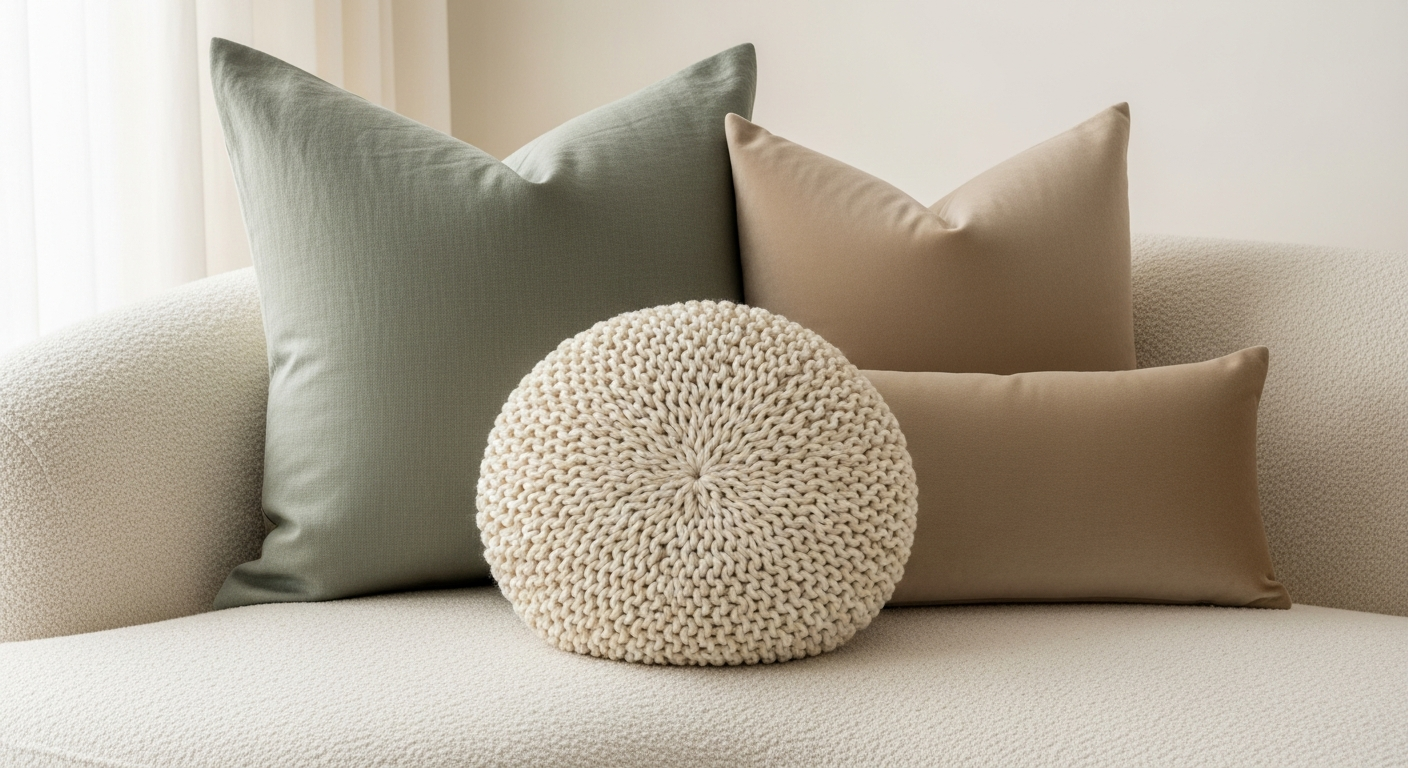
how to style pillows on curved sofa style example
Mastering how to style pillows on a curved sofa enhances both comfort and aesthetic.

Mastering how to style pillows on a curved sofa enhances both comfort and aesthetic.

Comparison Table: Pillow Styles for Your Curved Sofa

Pillow Type Best For Aesthetic Contribution Pros Cons
Square (20-24″) Base layer, support Classic, grounding Versatile, good back support Can look too rigid if not carefully placed on curves
Lumbar Lower back support, elongated lines Modern, sleek, functional Excellent comfort, reinforces horizontal flow Can slip down easily if not substantial enough
Round Softening edges, adding organic shape Playful, contemporary, soft Breaks up linear forms, inviting Less back support than squares/lumbars
Bolster Armrest accent, neck support Sophisticated, architectural Functional for napping/leaning, stylish Can feel formal, takes up more linear space
Knot/Sculptural Unique accent, artistic touch Avant-garde, conversation starter High visual interest, complements sofa’s form Less practical for comfort, can be pricey

Maintenance and Care for Your Sculptural Sofa and Pillows

To keep your beautifully styled sculptural sofa and its accompanying pillows looking their best, a little maintenance goes a long way:

  • Regular Fluffing: Pillows, especially those with down or down alternative inserts, benefit from daily fluffing to maintain their shape and loft.
  • Spot Cleaning: Address spills immediately. For removable covers, follow the care instructions. For non-removable covers or the sofa itself, use a gentle upholstery cleaner suitable for your fabric type.
  • Rotation: If you have multiple pillows, rotate their positions occasionally to ensure even wear and tear.
  • Protect from Sun: Direct sunlight can fade fabrics over time. Consider UV-protective window treatments if your sofa is in a sunny spot.

Frequently Asked Questions (FAQ)

How many pillows should I put on a curved sofa?

For a standard 3-seater curved sofa, aim for 3-5 pillows. The key is to avoid overcrowding. For larger sculptural sectionals, you might use 5-7, but always prioritize allowing the sofa’s shape to be visible and ensure comfortable seating remains.

Can I use contrasting colors when styling pillows on a curved sofa?

Absolutely! Contrasting colors can add dynamic interest. Just ensure the colors are harmonious with other elements in the room. A good rule of thumb is to use one main accent color with varying shades and textures, alongside neutrals.

Are patterned pillows a good idea for sculptural couches?

Yes, but use them judiciously. A single bold patterned pillow can be a fantastic focal point. If using multiple patterns, ensure they share a common color palette or theme to prevent visual chaos. Often, a mix of textures with minimal patterns works best on a sculptural sofa.

Are lumbar pillows suitable for curved sofas?

Lumbar pillows are excellent for curved sofas. Their elongated shape naturally follows and complements the sofa’s curves, providing both aesthetic appeal and practical back support. They can be placed centrally or nestled into the sofa’s contours.

What’s the best way to clean my throw pillows?

Always check the care label on your pillow covers. Many are machine washable on a delicate cycle, while others may require dry cleaning or spot cleaning. For inserts, often spot cleaning or airing out is sufficient, unless they are specifically designed for machine washing.

Conclusion: Your Curved Sofa, Masterfully Styled

Styling throw pillows on a puffy sculptural couch is more an art than a science. It’s about feeling the flow, understanding balance, and embracing asymmetry. By carefully selecting textures, colors, shapes, and sizes, and employing thoughtful arrangement techniques, you can transform your already stunning sofa into an even more inviting and visually captivating centerpiece. Don’t be afraid to experiment, trust your eye, and most importantly, have fun creating a space that truly reflects your unique style.

Embrace the curves, play with textures, and let your personality shine through. Your sculptural sofa isn’t just a place to sit; it’s a canvas for comfort and design. Happy styling, and remember to visit lesofa.club for more expert tips and inspiration!

Integrating Meditation Spaces into Your Living Room Layout: A Path to Serenity

In our fast-paced world, finding moments of peace and quiet has become more crucial than ever. For many, the idea of a dedicated meditation room feels like an unattainable luxury. But what if you could carve out a tranquil sanctuary right within the heart of your home? Welcome to the concept of an integrated meditation space living room – a harmonious blend of mindfulness and modern living.

The living room, often the most dynamic and communal area in a home, might seem an unlikely candidate for a contemplative corner. However, with thoughtful design and strategic placement, it can transform into a profound haven for daily practice, offering immediate accessibility to calm and focus. This comprehensive guide from lesofa.club will walk you through the why, how, and what of creating a beautiful and functional meditation space that seamlessly complements your living room layout, enhancing both your home’s aesthetic and your personal well-being.

The Why and How: Benefits of a Dedicated Meditation Space

Integrating a meditation space into your living room offers a myriad of benefits that extend beyond just convenience:

  • Increased Practice Consistency: A visible, designated spot acts as a constant, gentle reminder to pause and practice, making mindfulness a more consistent part of your routine.
  • Enhanced Mental Well-being: Regular meditation reduces stress, improves focus, and fosters emotional resilience. Having a dedicated area signals to your brain that it’s time to unwind.
  • Optimized Home Aesthetics: Far from being an awkward addition, a well-designed meditation nook can elevate your living room’s style, adding an element of serene sophistication.
  • Multi-functional Space: Even a small corner can serve as both a personal retreat and a beautifully curated design feature, proving that you don’t need an entire room to find your zen.

Dispelling the myth that meditation requires a monastery-like setting, we aim to show you how everyday items and clever design can turn an ordinary corner into an extraordinary escape.

Planning Your Meditation Nook: Key Considerations

Before you start moving furniture, consider these foundational elements to ensure your meditation space is both effective and aesthetically pleasing.

Location, Location, Location: Finding Your Spot

The success of your meditation space living room largely depends on its placement. Look for:

  • A Quiet Corner: Ideally, choose a spot away from high-traffic pathways, television glare, and noisy windows. A corner often provides a sense of enclosure and privacy.
  • Natural Light: Proximity to a window can be wonderfully uplifting, connecting you with the outside world while maintaining a sense of inner calm. However, ensure direct harsh sunlight can be diffused with blinds or sheer curtains.
  • Minimal Distractions: Avoid placing your space directly opposite busy shelves or distracting decor. Simplicity is key here.

Size Matters (or Doesn’t): Maximizing Small Spaces

You don’t need a sprawling area. Even a modest 3×3 foot section can be transformed. Consider:

  • Behind a Sofa: The back of a large sofa can naturally create a secluded alcove.
  • Between Bookcases: A gap between two tall bookshelves can become a cozy, contemplative niche.
  • Alcoves or Bay Windows: These architectural features are naturally conducive to creating distinct zones.

Aesthetic and Ambiance: Setting the Mood

The visual and sensory elements play a crucial role in creating a calming atmosphere.

  • Color Palette: Opt for soothing, natural colors like soft blues, gentle greens, warm grays, or earthy tones. These colors promote relaxation and focus.
  • Lighting: Harsh overhead lights are a no-go. Think soft, ambient lighting. Dimmers, strategically placed lamps, or even candlelight can create a warm, inviting glow.
  • Scents and Sounds: Subtle elements can deepen your practice. Consider an essential oil diffuser with lavender or sandalwood, or a small water feature for gentle background noise.

Essential Elements for Your Meditation Space Living Room

Once you’ve identified your spot, it’s time to furnish it with items that support your practice and enhance the serene atmosphere.

Comfortable Seating: Grounding Your Practice

The right seating is paramount for comfort during meditation, allowing you to focus on your breath rather than discomfort.

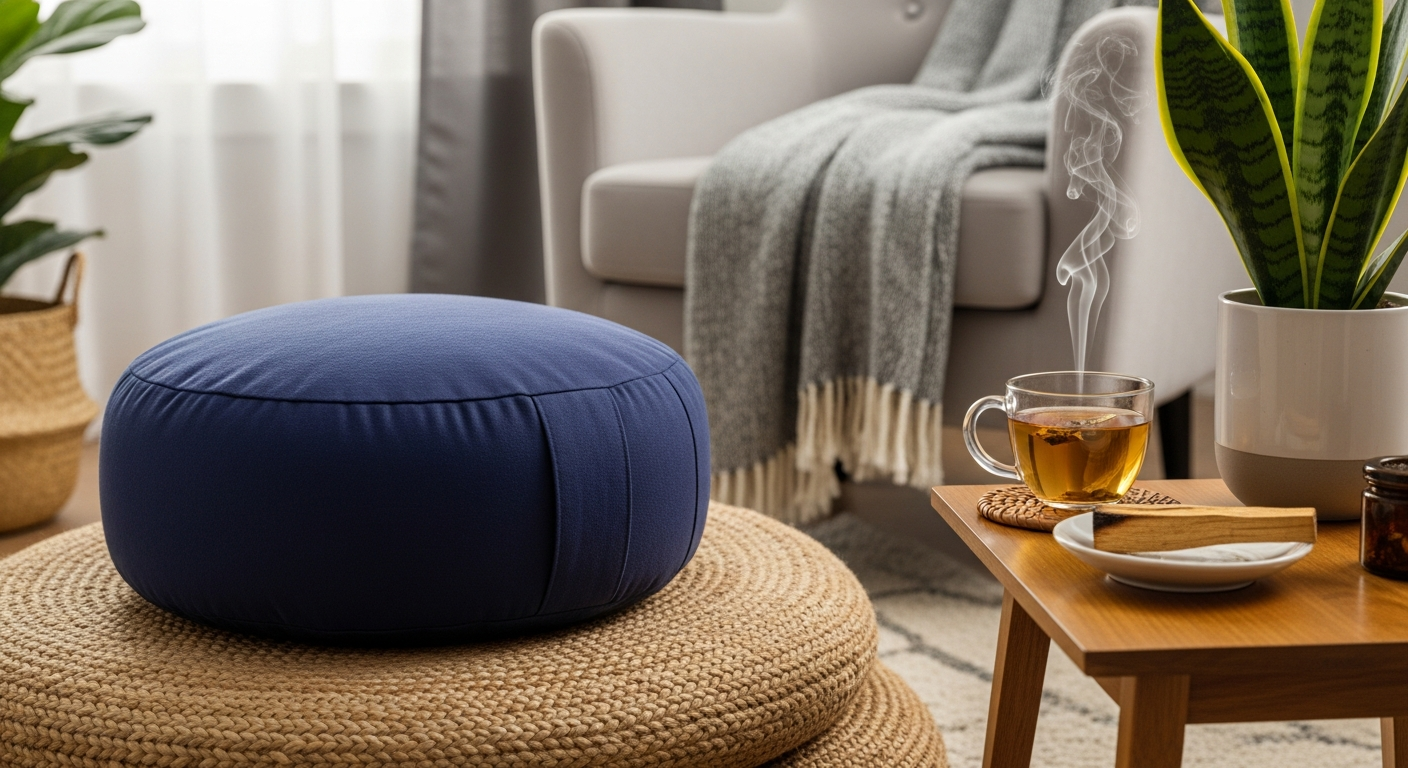
  • Meditation Cushions (Zafus and Zabutons): A meditation cushion (zafu) provides elevation for your hips, aligning your spine and promoting good posture. A zabuton is a larger, flat mat placed under the zafu to cushion your knees and ankles. Together, they create a comfortable base for sitting.
  • Meditation Benches: For those who prefer kneeling, a meditation bench can relieve pressure on the knees and ankles, providing a stable and comfortable upright posture.
  • Floor Pillows or Low Chairs: If traditional meditation seating isn’t for you, large, firm floor pillows or a low, comfortable accent chair can offer a good alternative, especially if your practice involves light stretching or a more relaxed posture.

Sensory Enhancements: Engaging Your Senses

Appeal to your senses to create a truly immersive and peaceful environment.

  • Lighting: Beyond dimmers, consider a Himalayan salt lamp for its soft, warm glow and purported air-purifying properties. Flameless LED candles offer a safe alternative to real flames, while string lights can add a magical touch.
  • Sound: A small, tabletop water fountain, gentle wind chimes, or a Bluetooth speaker playing calming ambient music or guided meditations can help block out household noise and deepen your focus.
  • Scent: An essential oil diffuser with calming scents like lavender, frankincense, or bergamot can significantly enhance relaxation. Incense sticks or palo santo wood can also be used, but ensure good ventilation.

Decorative Touches: Inspiring Serenity

Thoughtful decor can turn your meditation space into a visual anchor for peace.

  • Plants: Living plants like a snake plant, peace lily, or a small bonsai tree bring nature indoors, improve air quality, and add a touch of tranquility.
  • Art and Mandalas: A simple, calming piece of art, a mandala tapestry, or a sculpture can serve as a focal point for contemplation.
  • Rugs: A soft, textured rug, such as a plush area rug, can define your space, add warmth, and provide extra comfort underfoot. Choose natural fibers like cotton, wool, or jute.

Integrating with Your Existing Living Room Layout

The trick to a successful meditation space living room is seamless integration, making it feel like an intentional part of the whole, rather than an afterthought.

Seamless Blending: Aesthetics and Functionality

To avoid your meditation nook looking out of place, ensure it harmonizes with your existing living room decor.

  • Cohesive Color Schemes: Use similar colors, textures, or materials from your main living room decor in your meditation space to create visual continuity.
  • Room Dividers: For open-plan living rooms or if you desire more privacy, a decorative screen, a sheer curtain, or even a tall plant can subtly demarcate your meditation area without completely closing it off.
  • Furniture Placement: Arrange your existing living room furniture in a way that naturally cradles or frames your meditation spot, making it feel like a part of the overall design.

Storage Solutions: Keeping it Tidy

A clutter-free space is essential for a clear mind. Incorporate smart storage to keep your meditation essentials organized and out of sight when not in use.

  • Baskets and Bins: A beautiful wicker storage basket or decorative fabric bin can hold extra cushions, blankets, or journals.
  • Storage Ottomans: A multi-functional ottoman can serve as extra seating for guests and hide away your meditation gear.
  • Shelving: A small wall-mounted shelf or a slim console table can hold your essential oil diffuser, a small plant, or a meaningful object without taking up floor space.
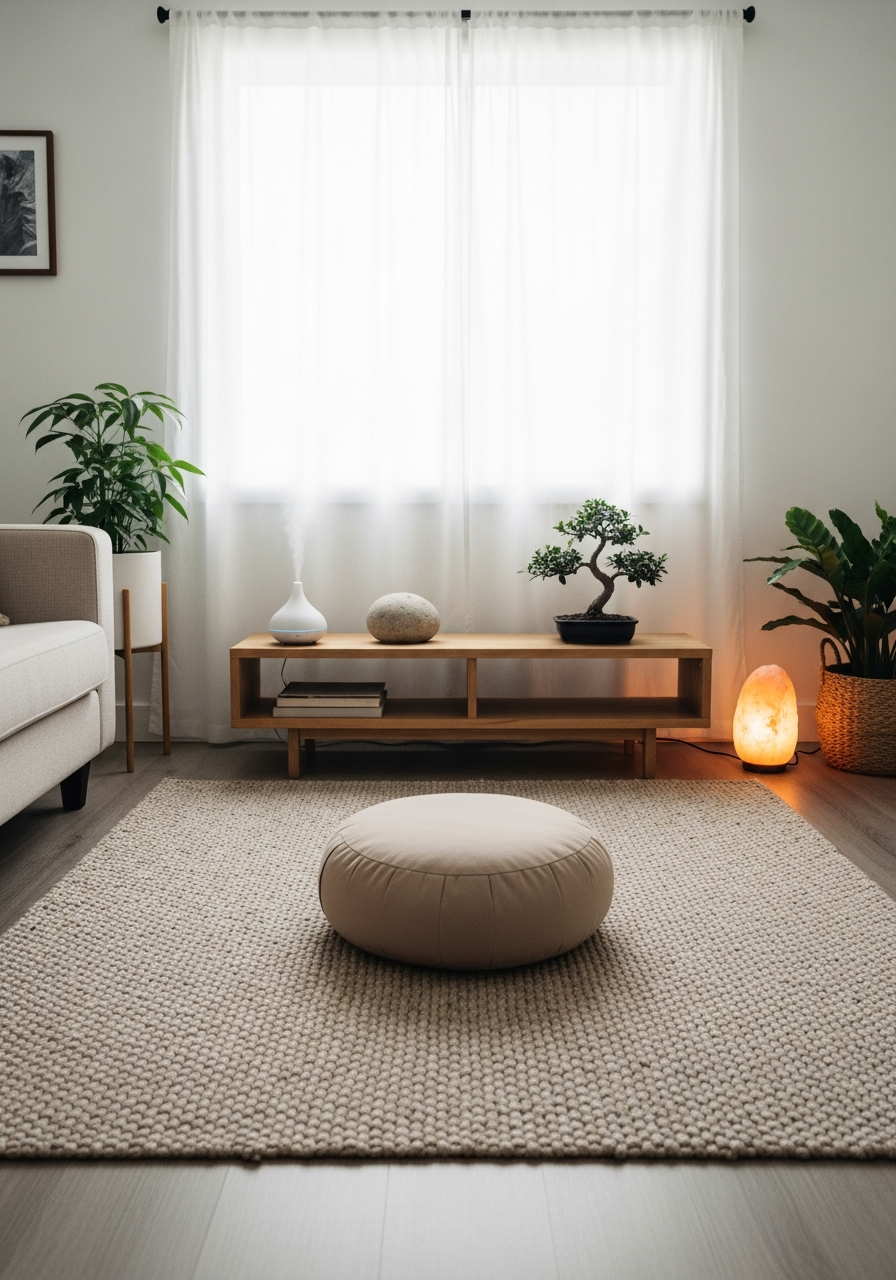
meditation space living room style example
This inviting corner demonstrates how a dedicated meditation space living room can blend seamlessly.

This inviting corner demonstrates how a dedicated meditation space living room can blend seamlessly with existing decor, offering a peaceful retreat without sacrificing style.

Multi-Functional Furniture: The Smart Approach

For truly compact living rooms, consider furniture that serves a dual purpose:

  • Daybeds or Sofas with Chaise: A section of a daybed or a sofa with a chaise can be temporarily cleared for meditation, then returned to its usual function.
  • Console Tables: A slim console table can serve as an altar during meditation, holding candles or statues, and then revert to holding remotes or decor items.
  • Large Ottomans: A generously sized ottoman can double as a floor cushion or a surface for a singing bowl.

Meditation Space Styles & Their Living Room Integration

Here’s a quick comparison of different meditation space styles and how they can be integrated into various living room layouts:

Style Key Elements Best for Living Room Type Integration Tips
Minimalist Zen Clean lines, neutral colors, natural materials (wood, stone), single plant, simple cushion. Modern, contemporary, or small living rooms. Maintain open space. Use a low platform or simple cushion. Hide clutter in sleek storage. Natural light is key.
Bohemian Retreat Layered textiles, floor cushions, lush plants, tapestries, warm lighting, natural textures. Eclectic, artistic, or cozy living rooms. Blend with existing textures and patterns. Use an area rug to define the zone. Add floor pillows and throws.
Modern Sanctuary Comfortable lounge chair, subtle lighting, sophisticated diffuser, curated art, soft rug, smart tech. Transitional, luxurious, or spacious living rooms. Choose high-quality, comfortable pieces. Integrate smart home lighting. Ensure electronics are discreetly placed.

DIY Hacks and Budget-Friendly Ideas

Creating a beautiful meditation space doesn’t have to break the bank. Here are some savvy tips:

  • Repurpose and Upcycle: An old chest can become storage, a sturdy wooden box can be a makeshift meditation bench, or old blankets can be restitched into floor cushions.
  • Thrift Store Finds: Look for unique vases for plants, interesting sculptures, or decorative trays at local thrift stores.
  • Natural Elements: Collect smooth stones, beautiful branches, or pinecones from nature to decorate your space for free.
  • DIY Lighting: String fairy lights around a plant or inside a glass jar for a magical glow.

Maintaining Your Sacred Space

Once your meditation space is established, a little maintenance goes a long way in preserving its tranquility.

  • Regular Decluttering: Keep the area free of non-meditation-related items. A tidy space promotes a clear mind.
  • Cleaning: Regularly dust surfaces and vacuum the rug or floor cushions. For a quick refresh, consider an eco-friendly all-purpose cleaner that leaves a subtle, pleasant scent without harsh chemicals.
  • Refresh Elements: Periodically change essential oil scents, swap out plants, or rotate art to keep the space feeling fresh and inspiring.
  • Energy Clearing: Some people like to periodically “clear” the energy of their space using sage, palo santo, or simply by opening a window to let in fresh air.

Frequently Asked Questions (FAQ)

Here are answers to common questions about creating a meditation space living room:

Q1: How much space do I really need for a meditation area?

A: Very little! Even a small 3×3 foot corner is often sufficient. The key is to create a distinct zone, not necessarily a large one. Focus on verticality if floor space is limited, using wall-mounted shelves or tall plants.

Q2: Can I just use my existing couch for meditation?

A: While possible, a couch may not provide the optimal posture for seated meditation. A dedicated cushion or bench helps align your spine, making long periods of sitting more comfortable and conducive to focus. However, for lying meditations or short moments of reflection, a comfortable sofa is perfectly fine.

Q3: What colors are best for a meditation space?

A: Calming, natural tones work best. Think soft blues, greens, grays, creams, and earthy browns. Avoid overly bright or stimulating colors, which can be distracting.

Q4: How do I deal with noise and distractions in a busy living room?

A: Strategic placement away from high-traffic zones helps. Noise-canceling headphones, ambient nature sounds, or a white noise machine can also be very effective. Setting clear boundaries with family members about your meditation time is also crucial.

Q5: What if I have pets or young children who might disturb the space?

A: This requires some gentle management. Consider a portable screen or a decorative room divider during your meditation time. For pets, provide them with their own comfy spot nearby. For children, you might involve them by teaching them about mindfulness, or choose times when they are napping or engaged in other activities.

Conclusion: Your Path to Inner Peace Begins at Home

Creating a meditation space living room is more than just a home decor project; it’s an investment in your mental, emotional, and spiritual well-being. By thoughtfully integrating a serene nook into your living area, you create a constant invitation to pause, breathe, and reconnect with yourself amidst the rhythms of daily life. It proves that tranquility isn’t just for secluded retreats, but can be a cherished part of your everyday home experience.

Begin your journey today and discover the profound impact a dedicated space can have on your mindfulness practice and overall quality of life. Share your tips and creations with the lesofa.club community in the comments below – we’d love to see how you bring serenity into your living room!

How to Arrange Two Sofas Facing Each Other for Conversation

The living room is the heart of any home – a space for relaxation, entertainment, and most importantly, connection. While many opt for an L-shaped sectional or a single sofa with accent chairs, there’s a timeless and incredibly effective arrangement that often gets overlooked: two sofas facing each other. This setup doesn’t just look elegant; it’s a design power move, purposefully crafted to foster intimacy and engaging dialogue. If you’re looking to transform your living space into a hub for genuine interaction, mastering how to arrange two sofas facing each other is your secret weapon.

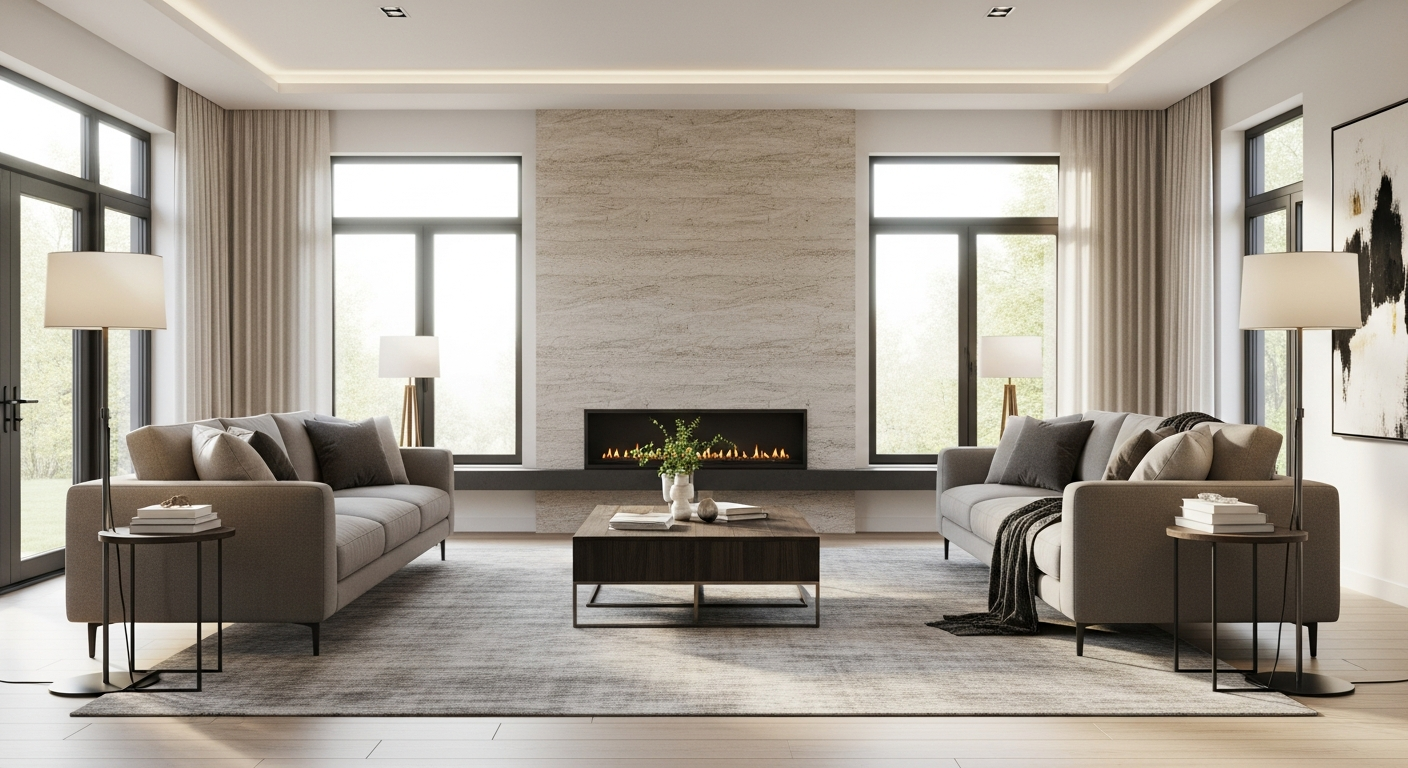
How to Arrange Two Sofas Facing Each Other for Conversation

At lesofa.club, we believe that furniture should not only be beautiful but also functional, enhancing your lifestyle. A face-to-face sofa configuration creates a naturally balanced and symmetrical aesthetic, drawing people together into a dedicated conversation zone. It promotes eye contact, making it easier for guests to converse without straining their necks or feeling excluded. Beyond its social benefits, this arrangement exudes sophistication and can make even the most expansive rooms feel cozy and defined. Let’s dive into the ultimate guide to perfecting this classic layout.

Why Choose a Facing Sofa Arrangement?

Before we delve into the ‘how,’ let’s understand the ‘why.’ The appeal of two sofas facing each other extends beyond mere aesthetics. It’s about designing a space that serves a specific, cherished purpose.

  • Promotes Conversation: This is the most obvious and perhaps most valuable benefit. By placing sofas opposite one another, you eliminate the awkward angles and distances that often hinder natural dialogue. Everyone is equally engaged and visible, encouraging lively discussions.
  • Creates Symmetry and Balance: A symmetrical layout is inherently pleasing to the eye. Two identical or complementary sofas facing each other bring a sense of order, harmony, and grandiosity to your living room. It’s a hallmark of classic design that never goes out of style.
  • Defines Space: In open-concept homes, defining distinct zones can be a challenge. Two sofas facing each other act as natural room dividers, clearly demarcating the conversation area from other functions like dining or a home office, without the need for physical walls.
  • Adds Elegance and Formality: There’s an undeniable air of sophistication to this arrangement. It evokes images of chic Parisian salons or stately libraries, making your living room feel more refined and upscale. A well-chosen velvet sofa modern or a pair of classic chesterfields can elevate this look further.
  • Versatile for Various Room Shapes: While often associated with larger, rectangular rooms, this setup can be adapted for square or even some smaller spaces with careful planning.

Essential Considerations Before You Begin

Successful furniture arrangement is all about planning. Before you start pushing furniture around, take a moment to consider these crucial factors:

  • Room Size and Shape: The dimensions of your room are paramount. A grand, spacious living room can easily accommodate two large sofas with ample walking space. Smaller rooms might require more compact sofas or even a sofa facing a loveseat to maintain balance without feeling cramped. Consider whether your room is long and narrow, square, or an irregular shape.
  • Sofa Style and Size: Will your sofas be identical? Or will you opt for complementary styles and colors? Matching sofas offer a cohesive, formal look, while contrasting pieces can introduce personality and visual interest. Ensure the scale of the sofas is appropriate for the room – an oversized sofa in a small room is a common design misstep.
  • Traffic Flow: Always visualize pathways. You need clear, unobstructed routes to doors, windows, and other areas of the room or adjacent rooms. Avoid placing sofas in a way that creates bottlenecks or forces people to squeeze past furniture.
  • Focal Point: Every successful room design has a focal point – a fireplace, a large window with a view, a prominent piece of art, or a TV. Your sofa arrangement should ideally complement or emphasize this focal point. The sofas typically face each other, with the focal point positioned at one end of this imaginary rectangle.
  • Lighting: Both natural and artificial lighting play a huge role in how a room feels. Ensure your sofa arrangement doesn’t block natural light sources. Plan for ambient, task, and accent lighting around your seating area for a well-lit and inviting atmosphere. Elegant floor lamps for living room modern or sophisticated table lamps can drastically improve the mood.
  • Rug Selection: An area rug is often the anchor of a seating arrangement. It defines the space, adds warmth, and introduces color and texture. Its size is critical: ideally, all front legs of the sofas (and any accompanying chairs) should rest on the rug.
  • Coffee Table: This central piece is not just for drinks; it completes the conversation zone. Its size and shape should be proportionate to the space between the sofas and easily accessible from both.
  • Accent Chairs/Ottomans: Don’t forget these supporting actors. They can be used to fill in corners, add extra seating, or introduce contrasting elements to your symmetrical sofa setup.

Step-by-Step Guide to Arranging Two Sofas Facing Each Other

Now that we’ve covered the groundwork, let’s walk through the practical steps to bring your vision to life.

Step 1: Measure Your Space and Sofas

Before moving any furniture, grab a measuring tape, graph paper, and a pencil. Measure the length and width of your room. Then, measure the length, width, and height of both your sofas. Sketch a basic floor plan and draw in your sofas to scale. This helps you visualize the arrangement and determine if your chosen pieces will fit comfortably.

Step 2: Determine Your Focal Point

Identify the natural focal point of your room. Is it a fireplace? A large window? A television? If you have a TV, consider where it will be placed. The sofas will typically be arranged to face each other, with the focal point at one end of this seating arrangement, creating a natural point of interest for those seated.

Step 3: Position the First Sofa

Begin by placing your first sofa. If your room has a natural long wall, it often works well to place one sofa parallel to it. Consider its relationship to the focal point; it should typically face it or be perpendicular to it, depending on your room’s layout. Ensure there’s enough space behind it if it’s not against a wall for traffic flow or a console table.

Step 4: Place the Second Sofa

Now, position the second sofa directly opposite the first. This is where the magic happens. The distance between the two sofas is critical for fostering conversation. Aim for 5 to 8 feet (1.5 to 2.4 meters) between the front edges of the sofas. This distance allows for comfortable conversation without shouting, but also enough space for a coffee table and easy movement. Too close, and it feels cramped; too far, and intimacy is lost.

Step 5: Introduce the Coffee Table

Place your coffee table in the center of the two facing sofas. It should be easily reachable from both sofas, typically around 18 inches (45 cm) from each. The coffee table should be roughly two-thirds the length of one sofa to maintain visual balance. A functional ottoman coffee table with storage can add versatility and keep clutter at bay.

Step 6: Define with a Rug

Roll out your area rug. As mentioned, it should be large enough to at least fit the front legs of both sofas. An ideal rug size will extend beyond the sofas, encompassing the entire conversation area, including any accent chairs. A large geometric area rug can add a modern touch and ground the entire arrangement.

Step 7: Add Accent Furniture

With your main seating in place, fill in the perimeter. Place accent chairs (one or two) at either end of the sofa arrangement, perpendicular to the sofas, to complete a U-shape. This creates even more seating and defines the boundaries of your conversation zone. Side tables next to the accent chairs or at the ends of the sofas provide surfaces for drinks and lamps.

Step 8: Layer with Lighting and Accessories

Finally, bring in the finishing touches. Add table lamps to side tables and floor lamps to corners to create a warm, layered lighting scheme. Introduce throw pillows and blankets to add comfort, texture, and pops of color. Incorporate art, plants, and decorative objects to personalize the space and reflect your style. Remember, accessories are the jewelry of your room, making it feel complete and lived-in.

Creative Variations and Advanced Tips

While the classic symmetrical setup is popular, don’t be afraid to experiment:

  • Sofa Facing a Loveseat: If your room is smaller, consider pairing a full-size sofa with a matching or complementary loveseat. This still achieves the conversational effect but with a lighter footprint.
  • Mixed Sofa Styles: While matching sofas create a formal look, two different but harmonious sofas can add character. For example, a sleek modern sofa facing a more traditional, tufted one can create an eclectic yet sophisticated vibe.
  • Incorporating a Console Table: If one sofa isn’t against a wall, a console table behind it can be a fantastic addition. It offers a surface for lamps, books, and decor, and can help define the space.
  • Creating Multiple Zones: In very large rooms, you might create two distinct conversation areas, one with two facing sofas and another with a sectional or chairs around a different focal point.
  • Movable Seating: Consider incorporating ottomans or poufs that can be easily moved around to accommodate extra guests or simply for propping up feet.

Comparison Table: Sofa Arrangement Styles

To help you compare, here’s how the ‘two sofas facing each other’ arrangement stacks up against other popular layouts:

Arrangement Type Best For Pros Cons
Two Sofas Facing Each Other Formal & intimate conversation, symmetrical rooms, defining open spaces. Excellent for conversation, elegant, balanced, classic aesthetic, defines zones. Requires more space, can feel formal, less ideal for TV watching (unless TV is main focal point).
L-Shape Sectional Casual lounging, maximizing seating in a corner, TV watching. Comfortable for stretching out, good for small groups, efficient use of corners. Can feel bulky, less flexible for rearrangement, can limit conversation.
Sofa + Two Accent Chairs Versatile, smaller rooms, creating visual interest with varied pieces. Flexible, allows for different styles, good for mixed activities. Chairs can feel less integrated, less formal than two facing sofas for conversation.
U-Shape (Sectional or multiple sofas) Large gatherings, family rooms, dedicated entertainment areas. Maximizes seating, very inclusive, great for large families. Requires a very large room, can feel overwhelming, less formal.

Common Pitfalls to Avoid

Even with the best intentions, certain mistakes can undermine your efforts:

  • Overcrowding the Room: The biggest mistake is trying to fit too much furniture into a space. Leave breathing room around your sofas and tables.
  • Blocking Traffic Flow: Always ensure clear pathways. If people have to navigate an obstacle course, your design is flawed.
  • Choosing Disproportionate Furniture: A tiny coffee table between two grand sofas looks awkward, as does an enormous rug in a small space. Scale and proportion are key.
  • Ignoring the Focal Point: If your sofas don’t relate to a focal point, the room can feel aimless and unbalanced.
  • Poor Lighting: A beautiful arrangement can fall flat in bad lighting. Plan for ambient, task, and accent lighting.

FAQs about Arranging Facing Sofas

Q1: How much space should be between two facing sofas?

A: Ideally, aim for 5 to 8 feet (1.5 to 2.4 meters) between the front edges of the sofas. This allows for comfortable conversation without shouting and provides enough space for a coffee table and easy movement around the seating area.

Q2: Can I use different style sofas facing each other?

A: Yes, absolutely! While identical sofas create a formal, symmetrical look, using two different but complementary styles can add character and visual interest. Ensure they share some common elements, like a similar height, leg style, or color palette, to maintain cohesion.

Q3: What if my room is very small?

A: In a smaller room, consider using two smaller sofas (e.g., apartment-sized sofas or loveseats) or pairing one full-size sofa with a loveseat or two accent chairs. Focus on compact designs, minimal arms, and light colors to prevent the space from feeling cramped. You might also need to reduce the distance between them slightly, but ensure it’s still comfortable for conversation.

Q4: How do I incorporate a TV with two facing sofas?

A: There are a few ways. You can make the TV your focal point, placing it on a wall at one end of the sofa arrangement. Alternatively, if your TV isn’t the primary focal point (e.g., you have a fireplace), you can place the TV on an adjacent wall, allowing guests to turn slightly to watch, or use a swivel mount. Some people even opt for no TV in their primary conversation area, reserving it for other rooms to emphasize face-to-face interaction.

Q5: What kind of rug works best with this arrangement?

A: A large area rug is crucial. It should be big enough so that at least the front legs of both sofas rest on it. Ideally, it should extend beyond the sofas and any accent chairs, encompassing the entire conversation zone. This grounds the arrangement and makes the space feel cohesive and complete. Choose a rug that complements your room’s color scheme and texture palette.

Conclusion

Arranging two sofas facing each other is more than just a decorating choice; it’s a statement about how you want your living space to function. It prioritizes human connection, fosters engaging conversation, and brings an undeniable sense of elegance and balance to your home. By thoughtfully considering your room’s dimensions, focal points, and the flow of traffic, you can create a sophisticated and inviting environment where memories are made and conversations flourish.

Take the plunge and reimagine your living room. The reward is a space that is not only beautiful but also deeply functional, truly serving as the heart of your home.

Ready to transform your living room? Explore our other expert guides for more design inspiration and furniture arrangement tips!

Brown is the New Grey: Styling a Chocolate Leather Couch

For years, grey reigned supreme in interior design, a dependable neutral that offered a cool, sophisticated backdrop to countless homes. But a quiet revolution has been brewing, a warm embrace of depth and richness that is ushering in a new era of style. Enter the chocolate brown leather couch – a statement piece that exudes warmth, timeless elegance, and unexpected versatility. If you’re looking to redefine your living space and move beyond the monochrome, learning how to style a chocolate brown leather sofa is your next design adventure. This comprehensive guide will walk you through every step, from selecting the perfect palette to curating the finest accessories, ensuring your brown beauty shines as the heart of your home.

Brown is the New Grey: Styling a Chocolate Leather Couch

Why Choose a Chocolate Leather Couch?

The allure of a chocolate leather couch goes beyond its striking appearance. It’s a piece that promises longevity, character, and a grounding presence that instantly makes a room feel more substantial and inviting. Unlike its lighter counterparts, brown leather develops a beautiful patina over time, telling a story with every mark and crease. This natural aging process only enhances its charm, making it a truly living piece of furniture.

From a practical standpoint, leather is incredibly durable and surprisingly easy to maintain. It resists spills better than many fabrics, and with proper care, it can last for decades. Aesthetically, brown is a fundamental color in nature, making it inherently soothing and easy to integrate into a wide array of design styles, from rustic farmhouse to sleek industrial, and everything in between. Its deep, earthy tones provide a comforting anchor, allowing you to experiment with bolder colors and textures elsewhere in the room without overwhelming the space.

Furthermore, a chocolate leather sofa offers a rich, grounding presence that can elevate a room from merely functional to truly luxurious. It’s a statement of confidence, a nod to classic design principles, and an investment in enduring style.

Mastering the Palette: Color Schemes with Chocolate Brown

The secret to successfully styling a chocolate brown leather couch lies in understanding how to pair it with the right colors. Brown, particularly a deep chocolate, acts as a sophisticated neutral, much like grey, but with an inherent warmth that makes it incredibly welcoming. This allows for an extensive range of color schemes, each creating a distinct mood.

Warm & Cozy: Earth Tones and Naturals

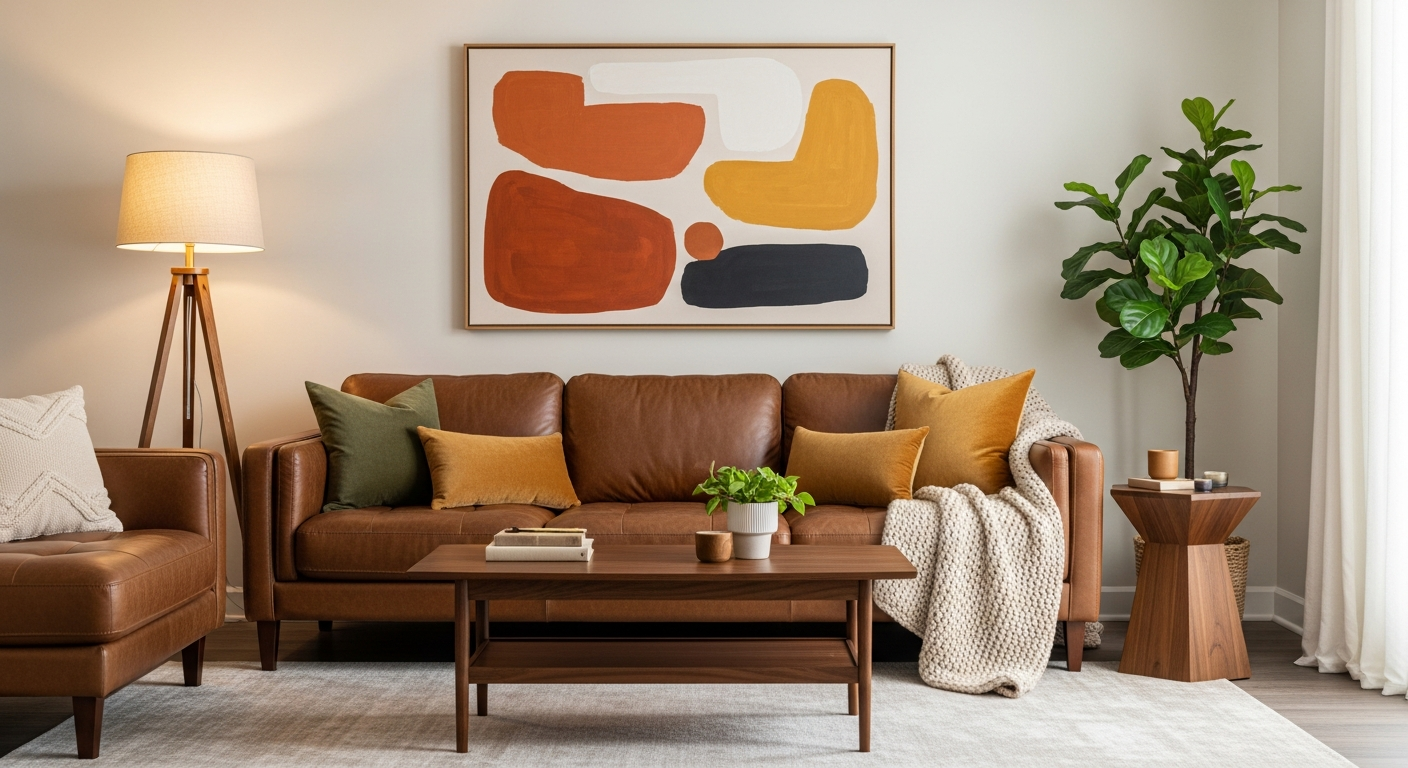
Embrace the innate warmth of your chocolate leather by surrounding it with an array of complementary earth tones. Think rich creams, sandy beiges, terracotta, olive greens, and muted oranges. These colors evoke a sense of comfort and nature, creating an inviting and serene atmosphere. Imagine layering textures with a soft beige wool rug, cream-colored throw pillows, and wooden accents. This palette is perfect for creating a sanctuary-like living room, ideal for relaxation and intimate gatherings.

Consider introducing natural elements like potted plants, distressed wood furniture, and woven baskets. These organic textures and colors will enhance the earthy feel and create a harmonious, balanced space that feels both grounded and fresh. A warm palette ensures your chocolate brown couch feels perfectly at home, providing a rich foundation for the entire room.

Modern & Sophisticated: Neutrals and Metallics

For a more contemporary and polished look, pair your chocolate leather sofa with cooler neutrals and metallic accents. Think crisp whites, charcoal greys, deep navy blues, and sleek blacks. These colors create a striking contrast with the warm brown, lending a sophisticated and edgy vibe. Silver, brass, or even matte black metallics can introduce a touch of glamour without overpowering the space.

A minimalist approach with clean lines and geometric patterns will further enhance this modern aesthetic. Picture stark white walls, a dark grey area rug, and chrome or brass floor lamps. The chocolate leather provides a beautiful anchor, preventing the cool tones from feeling too sterile and injecting a dose of understated luxury. This combination is particularly effective in urban settings or homes with an industrial-chic influence.

Bold & Eclectic: Pops of Color

Don’t shy away from incorporating vibrant hues into your scheme. Chocolate brown is an excellent foundation for bold pops of color, allowing them to truly stand out. Consider jewel tones like emerald green, sapphire blue, ruby red, or even a vibrant mustard yellow. These colors will create an energetic and playful environment, perfect for those who love to express their personality through design.

A few strategically placed accessories in these vivid shades can transform the entire room. Think about bright throw pillows, a colorful piece of abstract art, or a unique accent chair. The key is balance – let the chocolate brown sofa ground the space, while the pops of color add excitement and visual interest. This eclectic approach allows for endless creativity, making your living room a true reflection of your unique style.

Texture Play: Adding Depth and Interest

Texture is paramount when styling a chocolate leather couch. Its smooth, often shiny surface begs for contrast. Introducing a variety of textures will prevent your room from feeling flat and add layers of visual and tactile interest.

Plush Throws and Pillows

Nothing softens the robust presence of leather quite like plush textiles. Drape a chunky knit throw blanket in cream or a deep olive green over one arm of the sofa. Pile on an assortment of throw pillows in varying fabrics – think linen, velvet, faux fur, or even embroidered patterns. These additions not only enhance comfort but also provide opportunities to introduce different colors and patterns, breaking up the expanse of brown leather.

Using velvet throw pillows, for instance, adds a touch of luxury and softness, while a sheepskin throw can bring a rustic, cozy feel. Experiment with different shapes and sizes to create a dynamic arrangement that invites you to sink in and relax.

Rugs to Anchor Your Space

An area rug is essential for grounding your living room and defining the space around your chocolate leather couch. It’s also a fantastic way to introduce texture and color. For a warm, inviting feel, consider a wool rug with a subtle pattern or a plush shag rug. If you’re leaning into a more natural or bohemian aesthetic, complementing it with a jute area rug adds an organic, earthy feel.

For modern spaces, a geometric pattern or a short-pile rug in a contrasting neutral like grey or cream can work wonders. Persian or Oriental rugs, with their intricate patterns and rich colors, can add an exquisite layer of history and sophistication, perfectly complementing the timeless nature of leather.

Wooden Accents and Greenery

Wood is a natural companion to leather. Incorporate wooden coffee tables, side tables, bookshelves, or accent chairs in varying tones, from light oak to dark walnut. The natural grain of wood adds warmth and an organic texture that beautifully complements the leather.

Don’t forget the power of greenery. Indoor plants not only add a pop of fresh color but also introduce a vibrant, living texture. Large potted plants like a Fiddle Leaf Fig or a Snake Plant can add height and architectural interest, while smaller succulents or trailing plants on shelves bring delicate texture and life to your space. The deep green of foliage against chocolate brown is a classic and calming combination.

Lighting: Setting the Mood

Lighting is a crucial element in any living room design, and it plays a particularly important role in highlighting the beauty of a chocolate leather couch. Proper lighting can enhance the richness of the leather, create ambiance, and make the space feel more inviting.

Ambient, Task, and Accent Lighting

Aim for a layered lighting scheme that includes ambient, task, and accent lighting. Ambient lighting, often from overhead fixtures or large floor lamps, provides overall illumination. Task lighting, such as a reading lamp next to the sofa, serves a specific purpose. Accent lighting, like picture lights or small table lamps, highlights decorative elements and creates visual interest.

Warm-toned bulbs (2700K-3000K) are ideal for complementing chocolate brown leather, as they enhance its warmth and create a cozy, inviting glow. Consider dimmer switches to allow for flexibility in mood and brightness. Strategically placed lighting can draw attention to the sofa, highlighting its texture and color, and making it the undeniable focal point of your room.

Accessorizing Your Chocolate Leather Sofa

The right accessories can tie your entire living room together, harmonizing with your chocolate leather couch and reflecting your personal style. They are the finishing touches that transform a house into a home.

Art and Wall Decor

The walls surrounding your chocolate leather sofa offer a blank canvas for expression. Choose artwork that complements your chosen color palette. For a modern look, consider large abstract pieces with bold colors or monochromatic photography. For a more traditional feel, landscape paintings or framed prints with warm tones work beautifully.

A gallery wall above the sofa can be a fantastic way to combine different styles, frames, and mediums. Ensure the scale of your art is appropriate for the wall space, preventing it from looking too small or overwhelming the sofa. Mirrors can also be excellent choices, reflecting light and making the room feel larger while adding a touch of elegance.

Coffee Tables and Side Tables

The choice of coffee table and side tables can significantly impact the overall aesthetic. For a rustic or farmhouse look, a reclaimed wood coffee table or a robust trunk can add character. If you’re aiming for modern elegance, a glass-top table with a metal frame or a sleek mid-century modern coffee table can be a perfect fit. Marble or stone tops add a touch of luxury and contrast beautifully with the leather.

Side tables provide practical surfaces for drinks and lamps while offering another opportunity for stylistic expression. Mix and match materials and styles to create a dynamic and curated look. For instance, a wooden coffee table paired with a metallic side table can add depth and interest.

Bookshelves and Display Units

Bookshelves and display units are not just for storage; they are prime real estate for showcasing your personality. Fill them with a mix of books, decorative objects, personal mementos, and small plants. Arrange items thoughtfully, varying heights and textures to create visual appeal. Use these units to echo the colors and textures present in your throw pillows and artwork, creating a cohesive design narrative throughout the room.

Consider the material of your shelves too. Dark wood can amplify the rich tones of your leather sofa, while lighter woods or open metal shelving can create a more airy, contemporary feel. The goal is to create vignettes that are both beautiful and personal, enhancing the overall comfort and style of your living space.

Maintenance and Care for Your Leather Sofa

While leather is durable, proper care is essential to maintain its beauty and extend its lifespan. A well-cared-for leather couch will only grow more beautiful with age.

Cleaning Tips

Regular dusting and wiping with a soft, dry cloth will prevent dirt buildup. For spills, act quickly. Blot, don’t rub, with a clean, absorbent cloth. For more stubborn marks, use a specialized leather cleaner, always testing it on an inconspicuous area first. Avoid harsh chemicals, abrasive cleaners, or excessive water, as these can damage the leather.

Protecting Your Investment

Position your sofa away from direct sunlight and heat sources (like radiators or fireplaces) to prevent drying, fading, and cracking. Rotate cushions periodically to ensure even wear. Every 6-12 months, apply a high-quality leather conditioner kit to keep the leather supple and prevent it from drying out. This simple step can significantly prolong the life and beauty of your chocolate leather couch, preserving its rich texture and color for years to come.

Comparison Table: Chocolate Leather vs. Grey Fabric Sofa

To help you solidify your choice or appreciate the unique advantages of a chocolate leather sofa, here’s a quick comparison with the once-ubiquitous grey fabric sofa:

Feature Chocolate Leather Sofa Grey Fabric Sofa
Aesthetic Rich, timeless, luxurious, warm; develops beautiful patina over time. Modern, versatile, cool, clean; can sometimes feel sterile without warmth.
Durability Highly durable, resists tears and punctures well; long lifespan with care. Durability varies greatly by fabric type; prone to pilling and snagging.
Maintenance Easy to wipe clean; resists spills; requires conditioning. Can absorb spills; often requires professional cleaning for deep stains.
Versatility Adapts to many styles (traditional, modern, rustic, industrial). Excellent for minimalist, Scandinavian, or contemporary styles.
Feel Smooth, cool to the touch initially, softens and warms with use. Soft, cozy, inviting depending on fabric; can be prone to pet hair.

Frequently Asked Questions (FAQs)

H3: How do I clean a chocolate leather sofa?

For general cleaning, wipe with a soft, dry cloth weekly to remove dust. For spills, blot immediately with a clean, absorbent cloth. For deeper cleaning or stubborn marks, use a leather-specific cleaner. Always test the product on an inconspicuous area first and follow the manufacturer’s instructions. Avoid using harsh chemicals or abrasive cleaners.

H3: What colors go well with chocolate brown leather?

Chocolate brown is incredibly versatile. It pairs beautifully with warm earth tones (creams, beiges, olive green, terracotta), cool neutrals (crisp whites, charcoal greys, navy blue), and bold jewel tones (emerald, sapphire, ruby, mustard yellow). The choice depends on the mood and style you want to create.

H3: Is chocolate leather out of style?

Absolutely not! While grey had a long reign, brown leather is making a powerful comeback as a sophisticated, warm, and timeless choice. Its ability to adapt to various design aesthetics and its inherent classic appeal ensure it remains a stylish and coveted option for discerning homeowners.

H3: How do I protect a leather sofa from pets?

The best way to protect your leather sofa from pets is through training and preventative measures. Consider placing a soft, durable throw blanket where your pets prefer to sit. Keep their nails trimmed to minimize scratches. Some owners use furniture covers when not at home, or even provide a designated pet bed nearby as an alternative.

H3: Can I mix modern and traditional pieces with a leather sofa?

Yes, mixing styles is an excellent way to create a unique and personalized space. A chocolate leather sofa, being a classic piece, can beautifully bridge modern and traditional elements. Pair it with a sleek, modern coffee table and contemporary art, or with antique side tables and traditional patterned rugs. The key is to find balance and cohesiveness through color, texture, and scale.

Conclusion

The chocolate brown leather couch is far more than just a piece of furniture; it’s a foundation for creating a living space that feels rich, inviting, and deeply personal. By thoughtfully considering your color palette, layering various textures, mastering your lighting, and curating meaningful accessories, you can transform your living room into a sanctuary of style and comfort. Move over, grey – brown is here, and it’s bringing a luxurious warmth that promises to endure for years to come.

Embrace the depth, character, and versatility of your chocolate leather sofa, and let it inspire a home that truly reflects your unique taste. Share your chocolate leather styling journey with us!