Beyond Linen: The Sustainable Sofa Fabrics Dominating 2026 Interiors
The living room, often the heart of our homes, is undergoing a profound transformation. As global consciousness shifts towards environmental responsibility, our choices in home decor are evolving beyond mere aesthetics. In 2026, the demand for sustainable options isn’t just a niche trend – it’s the new standard, especially when it comes to furniture. At lesofa.club, we’ve observed a significant pivot from conventional materials to innovative, eco-friendly alternatives that promise both beauty and planetary well-being. This comprehensive guide will take you on a deep dive into the sustainable sofa fabrics dominating 2026 interiors, offering insights into their benefits, aesthetics, and why they’re poised to revolutionize your space.
Gone are the days when sustainability meant compromising on style or comfort. Today’s eco-conscious fabrics are at the forefront of design, offering luxurious textures, vibrant colors, and unparalleled durability. We’re moving beyond traditional linen, exploring a new frontier of textiles that minimize environmental impact while maximizing sophisticated living. Join us as we unpack the materials set to define the next generation of upholstered furniture.
The Green Revolution in Your Living Room: Why Sustainability Matters Now More Than Ever
The call for sustainability isn’t just a buzzword; it’s a critical response to pressing environmental concerns. From resource depletion to chemical pollution, the manufacturing of traditional textiles often leaves a heavy footprint. Choosing sustainable sofa fabrics 2026 isn’t merely a design choice; it’s an investment in a healthier planet and a healthier home.
Environmental Impact: Reducing Our Footprint
The production of conventional fabrics can be incredibly resource-intensive, requiring vast amounts of water, energy, and often relying on petrochemicals. Synthetic materials like virgin polyester contribute to plastic pollution and are not biodegradable, leading to microplastic shedding in our oceans and landfills. Sustainable fabrics, on the other hand, aim to mitigate these issues. They often come from renewable resources, utilize closed-loop manufacturing processes that recycle water and chemicals, or repurpose waste materials, significantly reducing their carbon footprint and overall environmental burden.
Health Benefits: A Breath of Fresh Air
Beyond the planet, sustainable fabrics offer tangible benefits for personal health. Many conventional textiles are treated with harsh chemicals, flame retardants, and dyes that can off-gas volatile organic compounds (VOCs) into your home environment. These substances are linked to respiratory issues, allergies, and other health concerns. Opting for natural, organically grown, or certified eco-friendly fabrics ensures fewer chemical exposures, contributing to better indoor air quality and a safer space for you and your family.
Longevity & Durability: An Investment in Lasting Quality
Paradoxically, many sustainable sofa fabrics are designed for exceptional durability and longevity. Materials like hemp and recycled polyester are renowned for their resilience, stain resistance, and ability to withstand the rigors of daily life. This longevity directly translates to less waste, as furniture doesn’t need to be replaced as frequently. Investing in a high-quality, eco-friendly piece means choosing furniture that stands the test of time, both in style and structure, further enhancing its sustainability credentials. When you choose an eco-friendly durable sofa, you’re embracing a philosophy of mindful consumption.
Top Sustainable Sofa Fabrics Dominating 2026 Interiors
Recycled Polyester (rPET)
Leading the charge in waste reduction is recycled polyester, often known as rPET. This innovative fabric transforms discarded plastic bottles and other post-consumer plastics into durable, versatile upholstery. The process significantly reduces landfill waste and the energy needed to produce virgin polyester. rPET offers excellent stain resistance, fade resistance, and is surprisingly soft, making it an ideal choice for busy households seeking sustainable sofa fabrics 2026. If you’re looking for resilient and eco-conscious upholstery, consider a sofa featuring recycled polyester sofa upholstery.
Organic Cotton
A classic reborn, organic cotton is cultivated without synthetic pesticides, fertilizers, or genetically modified organisms (GMOs). This not only protects farmers and ecosystems but also ensures a purer fiber free from harmful chemical residues. Organic cotton is celebrated for its breathability, exceptional softness, and hypoallergenic properties, making it perfect for sensitive individuals. Certifications like GOTS (Global Organic Textile Standard) provide assurance of its organic integrity throughout the supply chain. For a touch of natural comfort, even in accessories, an organic cotton throw blanket is a fantastic sustainable choice.
Hemp
Hemp is truly a miracle plant for sustainable textiles. It grows rapidly, requires minimal water and no pesticides, and enriches the soil it grows in. The fibers are incredibly strong and durable, making hemp fabric highly resistant to wear and tear, mildew, and UV light. Though initially feeling a bit coarse, hemp softens beautifully with age and use, developing a lovely drape and texture akin to linen. Its natural aesthetic and longevity make it a standout among sustainable sofa fabrics 2026.
Linen
While the title suggests going ‘beyond linen’, it’s important to acknowledge linen’s inherent sustainability. Derived from the flax plant, linen is naturally biodegradable and requires less water and fewer pesticides than cotton to grow. Its fibers are strong, breathable, and lint-free, offering a relaxed elegance that never goes out of style. Many sustainable furniture brands continue to use linen, especially when sourced from responsible European flax growers, as a cornerstone of their eco-friendly collections.
Tencel™ Lyocell & Modal
Developed by Lenzing AG, Tencel™ Lyocell and Modal fibers are derived from sustainably sourced wood pulp (e.g., eucalyptus, beech) using an innovative closed-loop production process. This means solvents used to convert wood pulp into fiber are recycled, minimizing waste and emissions. Tencel fabrics are renowned for their exceptional softness, smoothness, excellent moisture-wicking properties, and natural breathability. They offer a luxurious feel with a strong commitment to environmental stewardship, making them a cutting-edge option for sustainable upholstery.
Vegan Leather Alternatives
For those seeking the look and feel of leather without animal products, vegan leather alternatives are gaining significant traction. These innovative materials are evolving beyond traditional PU (polyurethane) leathers, which often have their own environmental drawbacks. Exciting advancements include Piñatex (made from pineapple leaf fibers), mushroom leather, and apple leather, all offering a cruelty-free and often more sustainable alternative. These materials are becoming increasingly sophisticated in their texture, durability, and aesthetic appeal, providing stylish options for a truly ethical living space.
Upcycled & Repurposed Materials
Embracing the circular economy, upcycled and repurposed fabrics breathe new life into existing materials. This could involve using discarded denim, old industrial textiles, or even vintage tapestries to create unique, one-of-a-kind sofa coverings. This approach drastically reduces waste, conserves resources, and allows for incredible creative expression, resulting in furniture pieces with rich stories and unique character. It’s a testament to how creative ingenuity is shaping the landscape of sustainable sofa fabrics 2026.
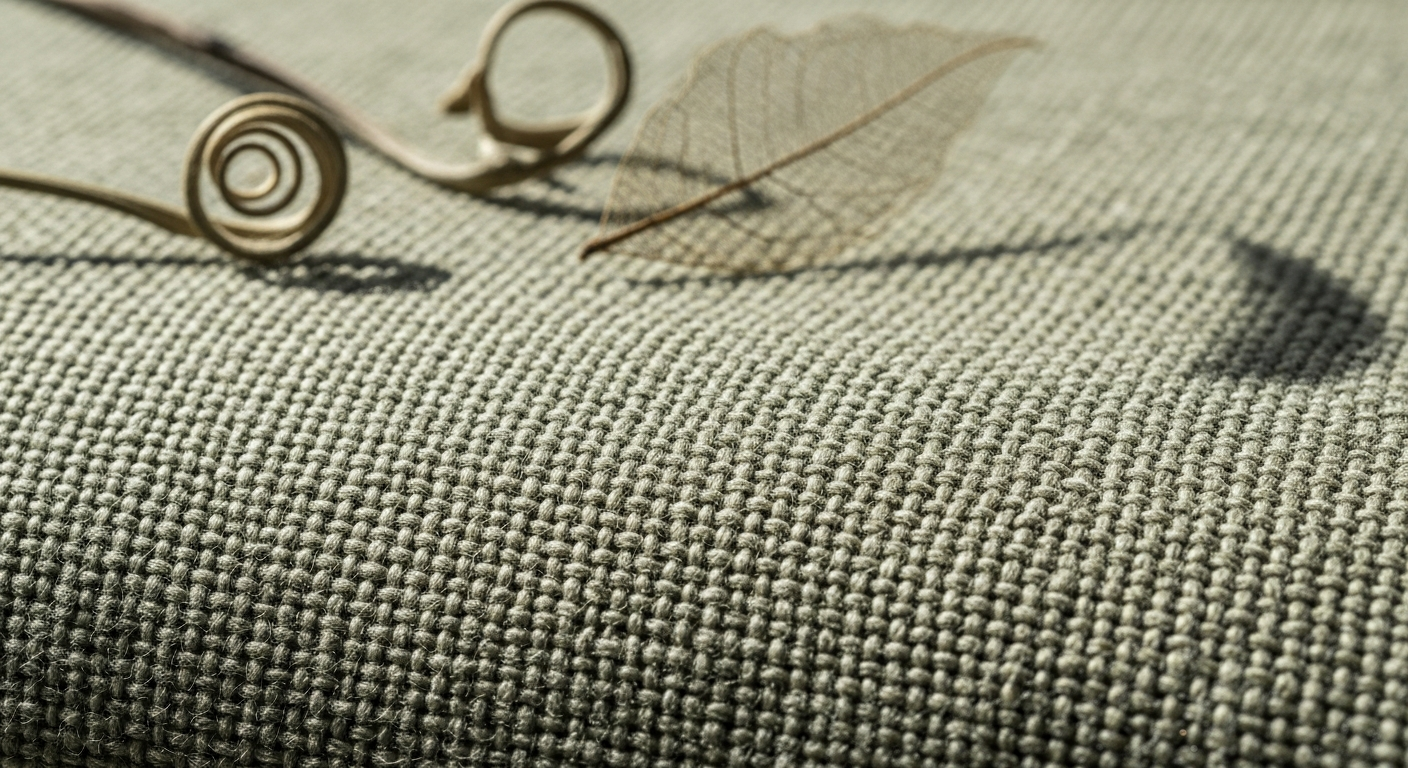
Discover the exquisite textures of sustainable sofa fabrics 2026, combining beauty with eco-consciousness.
Comparison Table: Sustainable Sofa Fabrics at a Glance
| Fabric | Durability | Softness | Stain Resistance | Environmental Impact | Price Range |
|---|---|---|---|---|---|
| Recycled Polyester (rPET) | High | Medium-High | High | Low (repurposes waste) | $$ – $$$ |
| Organic Cotton | Medium | High | Medium | Low (no pesticides) | $$ – $$$ |
| Hemp | Very High | Medium (softens with age) | Medium-High | Very Low (low water, no pesticides) | $$$ |
| Linen | High | Medium | Medium | Low (low water, biodegradable) | $$ – $$$ |
| Tencel™ Lyocell | Medium-High | Very High | Medium | Very Low (closed-loop) | $$$ |
| Vegan Leather | Medium-High | Medium | High | Varies (new plant-based options are best) | $$$ – $$$$ |
Choosing the Right Sustainable Sofa Fabric for Your Home
Selecting the perfect sustainable sofa fabric involves more than just its eco-credentials. It’s about finding the right balance that suits your lifestyle, aesthetic preferences, and practical needs.
Considerations: Durability, Lifestyle, Aesthetics, Budget
- Durability: For high-traffic areas, homes with children or pets, fabrics like hemp or rPET offer superior resilience. Their ability to withstand wear and tear ensures your investment lasts longer, further enhancing its sustainability.
- Lifestyle: Do you need something easy to clean? Recycled polyester and some vegan leathers excel in stain resistance. If allergies are a concern, organic cotton or hemp, free from harsh chemicals, are excellent hypoallergenic choices.
- Aesthetics: Each fabric offers a distinct look and feel. Linen and hemp provide a natural, textured, and relaxed vibe, while Tencel offers a smooth, luxurious sheen. Vegan leathers can mimic various animal leathers, offering a sleek, modern, or rustic appeal. Consider how the fabric’s texture and drape will integrate with your existing decor.
- Budget: While sustainable options might sometimes have a higher upfront cost due to ethical sourcing and innovative manufacturing, their longevity and reduced environmental impact offer long-term value. View it as an investment in quality, health, and the planet.
Care and Maintenance for Your Eco-Friendly Upholstery
Proper care is crucial to maintaining the beauty and extending the lifespan of your sustainable sofa fabrics. While specific instructions will vary by fabric type, here are some general tips:
- Regular Vacuuming: Use a brush attachment to gently vacuum your sofa weekly to remove dust and loose debris, preventing dirt from embedding into the fibers.
- Spot Cleaning: Address spills immediately. Blot, don’t rub, with a clean, white cloth. For most sustainable fabrics, a mild, pH-neutral soap diluted in water is effective. Test any cleaning solution on an inconspicuous area first.
- Avoid Harsh Chemicals: Steer clear of bleach, ammonia-based cleaners, or strong detergents, as these can damage eco-friendly fibers and coatings.
- Professional Cleaning: For deeper cleaning, consult a professional upholstery cleaner who specializes in sustainable fabrics and uses non-toxic methods.
- Read Labels: Always refer to the manufacturer’s care instructions, as some fabrics may require specific care routines. For general cleaning, an eco-friendly fabric cleaner is always a safe bet for your sustainable sofa fabrics 2026.
The Future is Fabric: What’s Next for Sustainable Upholstery?
The journey towards truly sustainable furniture is ongoing, with exciting innovations constantly on the horizon. Researchers are exploring biomaterials derived from algae, agricultural waste, and even lab-grown textiles that promise to further reduce environmental impact. Circular design principles, where products are designed for disassembly and recycling from the outset, will become standard. Smart fabrics with embedded sensors for durability monitoring or self-cleaning properties are also on the horizon. The commitment to sustainable sofa fabrics 2026 is just the beginning; the future of upholstery is bright, green, and endlessly inventive.
Frequently Asked Questions (FAQ)
Q1: Are sustainable sofa fabrics truly durable?
A: Absolutely! Many sustainable fabrics, such as hemp and recycled polyester, are engineered for exceptional strength and longevity. Their durability often rivals or surpasses conventional options, ensuring your sofa stands the test of time.
Q2: How do I clean eco-friendly upholstery?
A: General care involves regular vacuuming and immediate spot cleaning with a mild, pH-neutral cleaner. Always check the manufacturer’s specific care instructions, as cleaning methods can vary depending on the fabric type.
Q3: Is sustainable fabric more expensive?
A: While the initial purchase price might sometimes be slightly higher due to ethical sourcing and advanced manufacturing processes, the long-term value often outweighs this. Sustainable fabrics are designed for durability, reducing the need for frequent replacement, and offer health benefits that are priceless.
Q4: Where can I buy sofas with sustainable fabrics?
A: A growing number of furniture brands are specializing in sustainable options. Look for brands that explicitly state their commitment to eco-friendly materials and certifications like GOTS, OEKO-TEX, or FSC. Online retailers and local artisanal workshops are excellent places to start your search for sustainable sofa fabrics 2026.
Conclusion: Make an Impact with Your Interior Choices
As we navigate towards 2026, the shift towards sustainable sofa fabrics is more than a fleeting trend – it’s a fundamental change in how we furnish our homes and interact with our planet. By choosing innovative materials like recycled polyester, organic cotton, hemp, Tencel, and vegan leather alternatives, you’re not just making a design statement; you’re making a conscious decision to support ethical production, reduce environmental impact, and foster a healthier living environment.
At lesofa.club, we believe that beautiful interiors should never come at the expense of our planet. Embrace the future of home decor with confidence, knowing that your choices in sustainable sofa fabrics 2026 contribute to a greener, more responsible world. Explore these incredible options and transform your living space into a haven of style, comfort, and sustainability. Your home – and the planet – will thank you.