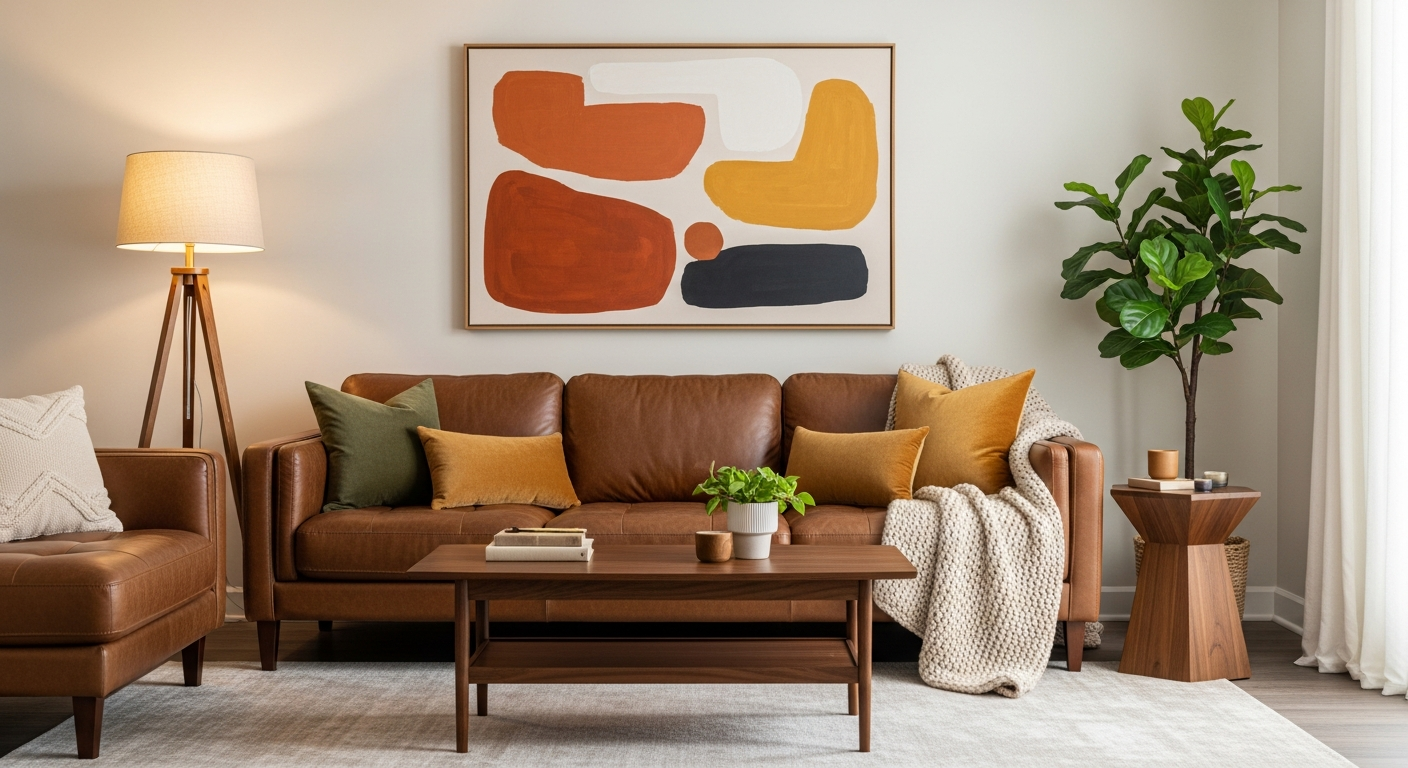
Brown is the New Grey: Styling a Chocolate Leather Couch

For years, grey reigned supreme in interior design, a dependable neutral that offered a cool, sophisticated backdrop to countless homes. But a quiet revolution has been brewing, a warm embrace of depth and richness that is ushering in a new era of style. Enter the chocolate brown leather couch – a statement piece that exudes warmth, timeless elegance, and unexpected versatility. If you’re looking to redefine your living space and move beyond the monochrome, learning how to style a chocolate brown leather sofa is your next design adventure. This comprehensive guide will walk you through every step, from selecting the perfect palette to curating the finest accessories, ensuring your brown beauty shines as the heart of your home.

Brown is the New Grey: Styling a Chocolate Leather Couch

Why Choose a Chocolate Leather Couch?

The allure of a chocolate leather couch goes beyond its striking appearance. It’s a piece that promises longevity, character, and a grounding presence that instantly makes a room feel more substantial and inviting. Unlike its lighter counterparts, brown leather develops a beautiful patina over time, telling a story with every mark and crease. This natural aging process only enhances its charm, making it a truly living piece of furniture.

From a practical standpoint, leather is incredibly durable and surprisingly easy to maintain. It resists spills better than many fabrics, and with proper care, it can last for decades. Aesthetically, brown is a fundamental color in nature, making it inherently soothing and easy to integrate into a wide array of design styles, from rustic farmhouse to sleek industrial, and everything in between. Its deep, earthy tones provide a comforting anchor, allowing you to experiment with bolder colors and textures elsewhere in the room without overwhelming the space.

Furthermore, a chocolate leather sofa offers a rich, grounding presence that can elevate a room from merely functional to truly luxurious. It’s a statement of confidence, a nod to classic design principles, and an investment in enduring style.

Mastering the Palette: Color Schemes with Chocolate Brown

The secret to successfully styling a chocolate brown leather couch lies in understanding how to pair it with the right colors. Brown, particularly a deep chocolate, acts as a sophisticated neutral, much like grey, but with an inherent warmth that makes it incredibly welcoming. This allows for an extensive range of color schemes, each creating a distinct mood.

Warm & Cozy: Earth Tones and Naturals

Embrace the innate warmth of your chocolate leather by surrounding it with an array of complementary earth tones. Think rich creams, sandy beiges, terracotta, olive greens, and muted oranges. These colors evoke a sense of comfort and nature, creating an inviting and serene atmosphere. Imagine layering textures with a soft beige wool rug, cream-colored throw pillows, and wooden accents. This palette is perfect for creating a sanctuary-like living room, ideal for relaxation and intimate gatherings.

Consider introducing natural elements like potted plants, distressed wood furniture, and woven baskets. These organic textures and colors will enhance the earthy feel and create a harmonious, balanced space that feels both grounded and fresh. A warm palette ensures your chocolate brown couch feels perfectly at home, providing a rich foundation for the entire room.

Modern & Sophisticated: Neutrals and Metallics

For a more contemporary and polished look, pair your chocolate leather sofa with cooler neutrals and metallic accents. Think crisp whites, charcoal greys, deep navy blues, and sleek blacks. These colors create a striking contrast with the warm brown, lending a sophisticated and edgy vibe. Silver, brass, or even matte black metallics can introduce a touch of glamour without overpowering the space.

A minimalist approach with clean lines and geometric patterns will further enhance this modern aesthetic. Picture stark white walls, a dark grey area rug, and chrome or brass floor lamps. The chocolate leather provides a beautiful anchor, preventing the cool tones from feeling too sterile and injecting a dose of understated luxury. This combination is particularly effective in urban settings or homes with an industrial-chic influence.

Bold & Eclectic: Pops of Color

Don’t shy away from incorporating vibrant hues into your scheme. Chocolate brown is an excellent foundation for bold pops of color, allowing them to truly stand out. Consider jewel tones like emerald green, sapphire blue, ruby red, or even a vibrant mustard yellow. These colors will create an energetic and playful environment, perfect for those who love to express their personality through design.

A few strategically placed accessories in these vivid shades can transform the entire room. Think about bright throw pillows, a colorful piece of abstract art, or a unique accent chair. The key is balance – let the chocolate brown sofa ground the space, while the pops of color add excitement and visual interest. This eclectic approach allows for endless creativity, making your living room a true reflection of your unique style.

Texture Play: Adding Depth and Interest

Texture is paramount when styling a chocolate leather couch. Its smooth, often shiny surface begs for contrast. Introducing a variety of textures will prevent your room from feeling flat and add layers of visual and tactile interest.

Plush Throws and Pillows

Nothing softens the robust presence of leather quite like plush textiles. Drape a chunky knit throw blanket in cream or a deep olive green over one arm of the sofa. Pile on an assortment of throw pillows in varying fabrics – think linen, velvet, faux fur, or even embroidered patterns. These additions not only enhance comfort but also provide opportunities to introduce different colors and patterns, breaking up the expanse of brown leather.

Using velvet throw pillows, for instance, adds a touch of luxury and softness, while a sheepskin throw can bring a rustic, cozy feel. Experiment with different shapes and sizes to create a dynamic arrangement that invites you to sink in and relax.

Rugs to Anchor Your Space

An area rug is essential for grounding your living room and defining the space around your chocolate leather couch. It’s also a fantastic way to introduce texture and color. For a warm, inviting feel, consider a wool rug with a subtle pattern or a plush shag rug. If you’re leaning into a more natural or bohemian aesthetic, complementing it with a jute area rug adds an organic, earthy feel.

For modern spaces, a geometric pattern or a short-pile rug in a contrasting neutral like grey or cream can work wonders. Persian or Oriental rugs, with their intricate patterns and rich colors, can add an exquisite layer of history and sophistication, perfectly complementing the timeless nature of leather.

Wooden Accents and Greenery

Wood is a natural companion to leather. Incorporate wooden coffee tables, side tables, bookshelves, or accent chairs in varying tones, from light oak to dark walnut. The natural grain of wood adds warmth and an organic texture that beautifully complements the leather.

Don’t forget the power of greenery. Indoor plants not only add a pop of fresh color but also introduce a vibrant, living texture. Large potted plants like a Fiddle Leaf Fig or a Snake Plant can add height and architectural interest, while smaller succulents or trailing plants on shelves bring delicate texture and life to your space. The deep green of foliage against chocolate brown is a classic and calming combination.

Lighting: Setting the Mood

Lighting is a crucial element in any living room design, and it plays a particularly important role in highlighting the beauty of a chocolate leather couch. Proper lighting can enhance the richness of the leather, create ambiance, and make the space feel more inviting.

Ambient, Task, and Accent Lighting

Aim for a layered lighting scheme that includes ambient, task, and accent lighting. Ambient lighting, often from overhead fixtures or large floor lamps, provides overall illumination. Task lighting, such as a reading lamp next to the sofa, serves a specific purpose. Accent lighting, like picture lights or small table lamps, highlights decorative elements and creates visual interest.

Warm-toned bulbs (2700K-3000K) are ideal for complementing chocolate brown leather, as they enhance its warmth and create a cozy, inviting glow. Consider dimmer switches to allow for flexibility in mood and brightness. Strategically placed lighting can draw attention to the sofa, highlighting its texture and color, and making it the undeniable focal point of your room.

Accessorizing Your Chocolate Leather Sofa

The right accessories can tie your entire living room together, harmonizing with your chocolate leather couch and reflecting your personal style. They are the finishing touches that transform a house into a home.

Art and Wall Decor

The walls surrounding your chocolate leather sofa offer a blank canvas for expression. Choose artwork that complements your chosen color palette. For a modern look, consider large abstract pieces with bold colors or monochromatic photography. For a more traditional feel, landscape paintings or framed prints with warm tones work beautifully.

A gallery wall above the sofa can be a fantastic way to combine different styles, frames, and mediums. Ensure the scale of your art is appropriate for the wall space, preventing it from looking too small or overwhelming the sofa. Mirrors can also be excellent choices, reflecting light and making the room feel larger while adding a touch of elegance.

Coffee Tables and Side Tables

The choice of coffee table and side tables can significantly impact the overall aesthetic. For a rustic or farmhouse look, a reclaimed wood coffee table or a robust trunk can add character. If you’re aiming for modern elegance, a glass-top table with a metal frame or a sleek mid-century modern coffee table can be a perfect fit. Marble or stone tops add a touch of luxury and contrast beautifully with the leather.

Side tables provide practical surfaces for drinks and lamps while offering another opportunity for stylistic expression. Mix and match materials and styles to create a dynamic and curated look. For instance, a wooden coffee table paired with a metallic side table can add depth and interest.

Bookshelves and Display Units

Bookshelves and display units are not just for storage; they are prime real estate for showcasing your personality. Fill them with a mix of books, decorative objects, personal mementos, and small plants. Arrange items thoughtfully, varying heights and textures to create visual appeal. Use these units to echo the colors and textures present in your throw pillows and artwork, creating a cohesive design narrative throughout the room.

Consider the material of your shelves too. Dark wood can amplify the rich tones of your leather sofa, while lighter woods or open metal shelving can create a more airy, contemporary feel. The goal is to create vignettes that are both beautiful and personal, enhancing the overall comfort and style of your living space.

Maintenance and Care for Your Leather Sofa

While leather is durable, proper care is essential to maintain its beauty and extend its lifespan. A well-cared-for leather couch will only grow more beautiful with age.

Cleaning Tips

Regular dusting and wiping with a soft, dry cloth will prevent dirt buildup. For spills, act quickly. Blot, don’t rub, with a clean, absorbent cloth. For more stubborn marks, use a specialized leather cleaner, always testing it on an inconspicuous area first. Avoid harsh chemicals, abrasive cleaners, or excessive water, as these can damage the leather.

Protecting Your Investment

Position your sofa away from direct sunlight and heat sources (like radiators or fireplaces) to prevent drying, fading, and cracking. Rotate cushions periodically to ensure even wear. Every 6-12 months, apply a high-quality leather conditioner kit to keep the leather supple and prevent it from drying out. This simple step can significantly prolong the life and beauty of your chocolate leather couch, preserving its rich texture and color for years to come.

Comparison Table: Chocolate Leather vs. Grey Fabric Sofa

To help you solidify your choice or appreciate the unique advantages of a chocolate leather sofa, here’s a quick comparison with the once-ubiquitous grey fabric sofa:

Feature Chocolate Leather Sofa Grey Fabric Sofa
Aesthetic Rich, timeless, luxurious, warm; develops beautiful patina over time. Modern, versatile, cool, clean; can sometimes feel sterile without warmth.
Durability Highly durable, resists tears and punctures well; long lifespan with care. Durability varies greatly by fabric type; prone to pilling and snagging.
Maintenance Easy to wipe clean; resists spills; requires conditioning. Can absorb spills; often requires professional cleaning for deep stains.
Versatility Adapts to many styles (traditional, modern, rustic, industrial). Excellent for minimalist, Scandinavian, or contemporary styles.
Feel Smooth, cool to the touch initially, softens and warms with use. Soft, cozy, inviting depending on fabric; can be prone to pet hair.

Frequently Asked Questions (FAQs)

H3: How do I clean a chocolate leather sofa?

For general cleaning, wipe with a soft, dry cloth weekly to remove dust. For spills, blot immediately with a clean, absorbent cloth. For deeper cleaning or stubborn marks, use a leather-specific cleaner. Always test the product on an inconspicuous area first and follow the manufacturer’s instructions. Avoid using harsh chemicals or abrasive cleaners.

H3: What colors go well with chocolate brown leather?

Chocolate brown is incredibly versatile. It pairs beautifully with warm earth tones (creams, beiges, olive green, terracotta), cool neutrals (crisp whites, charcoal greys, navy blue), and bold jewel tones (emerald, sapphire, ruby, mustard yellow). The choice depends on the mood and style you want to create.

H3: Is chocolate leather out of style?

Absolutely not! While grey had a long reign, brown leather is making a powerful comeback as a sophisticated, warm, and timeless choice. Its ability to adapt to various design aesthetics and its inherent classic appeal ensure it remains a stylish and coveted option for discerning homeowners.

H3: How do I protect a leather sofa from pets?

The best way to protect your leather sofa from pets is through training and preventative measures. Consider placing a soft, durable throw blanket where your pets prefer to sit. Keep their nails trimmed to minimize scratches. Some owners use furniture covers when not at home, or even provide a designated pet bed nearby as an alternative.

H3: Can I mix modern and traditional pieces with a leather sofa?

Yes, mixing styles is an excellent way to create a unique and personalized space. A chocolate leather sofa, being a classic piece, can beautifully bridge modern and traditional elements. Pair it with a sleek, modern coffee table and contemporary art, or with antique side tables and traditional patterned rugs. The key is to find balance and cohesiveness through color, texture, and scale.

Conclusion

The chocolate brown leather couch is far more than just a piece of furniture; it’s a foundation for creating a living space that feels rich, inviting, and deeply personal. By thoughtfully considering your color palette, layering various textures, mastering your lighting, and curating meaningful accessories, you can transform your living room into a sanctuary of style and comfort. Move over, grey – brown is here, and it’s bringing a luxurious warmth that promises to endure for years to come.

Embrace the depth, character, and versatility of your chocolate leather sofa, and let it inspire a home that truly reflects your unique taste. Share your chocolate leather styling journey with us!
Why Armless and Modular Sofas Are Dominating Open Plan Homes

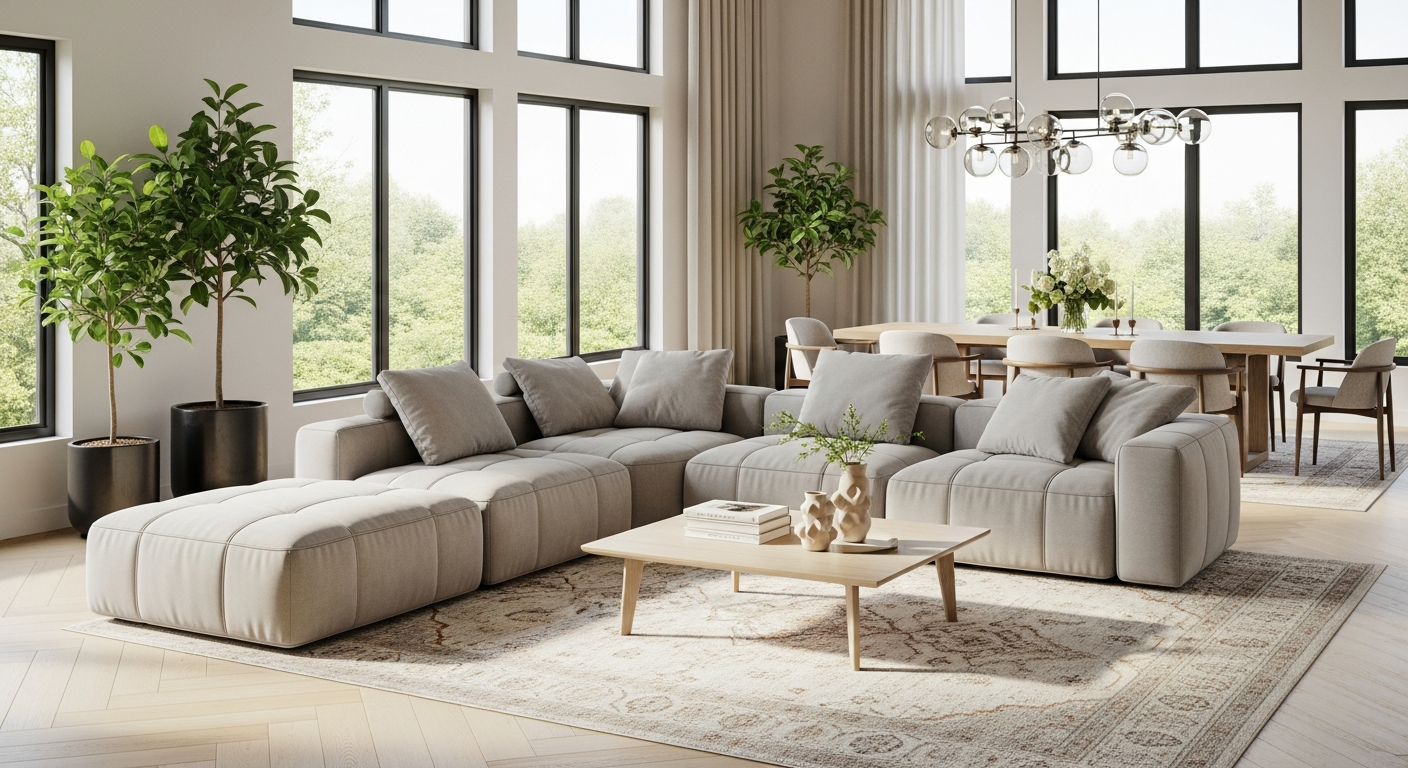
The modern home has undergone a remarkable transformation. Gone are the days of rigid, compartmentalized rooms, replaced by expansive, flowing open-plan layouts that encourage connection, light, and a sense of spaciousness. This shift in architectural design, however, presents a unique challenge when it comes to furniture selection. Traditional, bulky sofas with fixed arms and immovable structures often disrupt the visual flow and limit the versatility that open spaces promise. Enter the armless modular sofa – a revolutionary design concept that isn’t just adapting to open-plan living, but actively defining it. At lesofa.club, we’ve seen firsthand how these innovative seating solutions are becoming the cornerstone of contemporary interior design, offering unparalleled flexibility, aesthetic appeal, and functional brilliance for the modern homeowner.

Why Armless and Modular Sofas Are Dominating Open Plan Homes

The Rise of Open-Plan Living: A Modern Design Imperative

Open-plan living is more than just a trend; it’s a lifestyle choice. By combining living, dining, and kitchen areas into a single, cohesive space, homeowners achieve a myriad of benefits. Enhanced natural light floods deeper into the home, creating a brighter, more uplifting atmosphere. The visual continuity makes even smaller homes feel larger and more expansive. Communication and interaction among family members are naturally fostered, turning everyday activities into shared experiences. Moreover, open plans offer unparalleled flexibility for entertaining, allowing hosts to engage with guests while preparing meals, breaking down the traditional barriers between different areas of the home. This fluid environment demands furniture that can keep pace with its dynamic nature.

Why Traditional Sofas Fall Short in Open Plans

While beloved for their classic comfort, traditional sofas often become an impediment in open-plan settings. Their fixed, often cumbersome designs typically feature prominent armrests that consume valuable floor space and create visual blockages. In a sprawling room, a single, monolithic sofa can feel isolated, failing to define distinct zones or invite interaction. Reconfiguration is usually out of the question, leaving homeowners stuck with a static layout that might not adapt to evolving needs or social gatherings. The bulkiness of traditional pieces can also overwhelm a space, making it feel crowded rather than open and airy. For modern dwellers seeking versatility and sophisticated aesthetics, a different approach to seating is crucial.

Enter the Armless Modular Sofa: A Paradigm Shift

The armless modular sofa emerges as the quintessential solution for open-plan homes, perfectly embodying the principles of flexibility, space efficiency, and modern design. It’s a concept that breaks free from the constraints of conventional furniture, offering a dynamic and adaptable approach to seating.

Unparalleled Flexibility and Customization

At the heart of the modular sofa’s appeal is its extraordinary flexibility. Composed of individual, independent units—such as corner pieces, armless chairs, and ottomans—these sofas can be arranged and rearranged in countless configurations. Imagine transforming a sprawling U-shape for movie nights into two distinct L-shapes for a lively dinner party, or even scattering individual pieces to create intimate conversational nooks. This adaptability means your living space can effortlessly evolve with your lifestyle, whether you’re hosting a large gathering, seeking a cozy spot for reading, or simply refreshing your decor. A versatile configurable sectional sofa offers endless possibilities.

Maximizing Space and Visual Flow

The absence of armrests is not merely an aesthetic choice; it’s a stroke of genius in terms of functionality. Armless units instantly create a lighter, more streamlined profile, allowing your eye to sweep uninterrupted across the room. This visual continuity is paramount in open-plan spaces, fostering a sense of expansive flow. Without bulky arms, you gain precious inches of seating area, making the sofa feel more spacious and inviting, especially in homes where every square foot counts. Furthermore, armless designs allow for seamless integration with other furniture pieces, as there are no hard boundaries to contend with. This design philosophy maximizes both perceived and actual space, a critical advantage in modern interiors.

Effortless Adaptability to Evolving Needs

Life is dynamic, and your home should be too. A key advantage of the armless modular sofa is its ability to adapt over time. Starting with a smaller configuration, you can easily add more modules as your family grows or your needs change. Conversely, if you downsize or want to open up space, modules can be removed or repurposed. This longevity and adaptability make it a wise, long-term investment, ensuring your sofa remains relevant and functional for years to come. It’s furniture that grows with you, not just sits there.

Aesthetic Versatility and Modern Appeal

The clean lines and understated elegance of armless modular sofas perfectly complement contemporary aesthetics. Whether your style is minimalist, industrial, Scandinavian, or a sophisticated blend, these sofas provide a sleek, uncluttered foundation. They often serve as a canvas, allowing you to introduce personality through cushions, throws, and complementary accent pieces. Their inherent modernity ensures they never look out of place in a cutting-edge open-plan design. A sleek mid-century modern armless sofa, for instance, can anchor an entire living area with understated elegance.

Key Features to Look for in an Armless Modular Sofa

Investing in a modular sofa requires thoughtful consideration of several key features to ensure it meets your specific needs and stands the test of time:

  • Frame Material: Look for sturdy construction. Kiln-dried hardwood frames (like oak or birch) are preferred for their durability and resistance to warping. Metal frames also offer excellent longevity and a modern aesthetic.
  • Upholstery: The fabric choice impacts both aesthetics and practicality. Performance fabrics (e.g., solution-dyed acrylics, Crypton) are excellent for high-traffic areas and homes with children or pets, offering stain and fade resistance. Natural fibers like linen or cotton offer breathability and a softer feel but may require more delicate care. For a touch of luxury, consider a durable performance velvet sofa.
  • Cushioning: A combination of high-density foam for support and down or feather blend for softness provides the best of both worlds. Ensure cushions are reversible for even wear.
  • Connectors: Secure, easy-to-use connectors are crucial for modular pieces. Look for robust interlocking mechanisms that keep modules firmly in place while allowing for effortless rearrangement.
  • Ease of Cleaning: Removable, machine-washable covers are a huge plus. If not, ensure the fabric is easily spot-cleaned or can withstand professional cleaning. To keep your upholstery pristine, a reliable upholstery cleaner is essential.

Armless vs. Modular: Understanding the Nuances

While often discussed together, it’s important to understand that ‘armless’ and ‘modular’ are distinct features that, when combined, create the ultimate open-plan seating solution.

  • Armless Sofas: These are simply sofas designed without traditional armrests. They can be fixed-length sofas, not necessarily modular. Their primary benefit is a streamlined look and maximum seating space for their footprint.
  • Modular Sofas: These are sofas made up of individual, separable units that can be rearranged. They can have arms on some units (e.g., an end piece with one arm) or be entirely armless. Their primary benefit is flexibility and customization.

The magic truly happens when these two concepts merge. An armless modular sofa offers the unhindered visual flow and maximal seating area of an armless design, combined with the unparalleled reconfigurability of modular units. This potent combination is what makes them ideal for the fluid demands of open-plan homes.

Comparison Table: Sofa Types in Open Plan Homes

Feature Traditional Fixed Sofa Armless Fixed Sofa Armless Modular Sofa
Flexibility/Reconfigurability Very Low (fixed) Low (fixed) Very High (endless arrangements)
Space Efficiency Low (arms consume space) Medium-High (no arms) Very High (no arms, adaptable footprint)
Visual Flow in Open Plan Can be obstructive Good, streamlined Excellent, seamless
Aesthetic Adaptability Classic, less modern Modern, minimalist Highly versatile, modern
Ability to Zone Spaces Limited Limited Excellent (create distinct areas)
Investment (typically) Medium to High Medium to High High (due to design/engineering)
Future-Proofing Low Medium Very High (grows with needs)

Design Tips for Integrating Armless Modular Sofas in Open Plan Homes

To truly harness the power of your armless modular sofa in an open-plan environment, consider these design strategies:

  • Define Zones with Rugs: Use a stylish large area rug to anchor your sofa and visually delineate the living area from the dining or kitchen space. This helps create distinct ‘rooms’ within the open layout.
  • Complementary Furniture: Pair your sofa with low-profile coffee tables and lightweight side tables that don’t obstruct sightlines. Nesting tables are an excellent choice for versatility.
  • Strategic Placement: While modular sofas can be placed against a wall, consider floating them in the middle of the room to act as a natural room divider, defining pathways and separate zones.
  • Pops of Color and Texture: Since armless modular sofas often have clean, neutral lines, use accent pillows and throws to introduce color, pattern, and texture, adding warmth and personality without breaking the visual flow.
  • Lighting Layers: Incorporate various lighting sources—ambient overhead, task lighting (floor lamps), and accent lighting (table lamps)—to enhance the mood and function of different areas around your sofa.

Maintenance and Care for Your Modern Sofa

To ensure your armless modular sofa remains a stunning centerpiece for years to come, proper care is essential:

  • Regular Vacuuming: Vacuum regularly using an upholstery attachment to remove dust and crumbs, preventing them from embedding into the fabric.
  • Spot Cleaning: Address spills immediately. Blot, don’t rub, with a clean white cloth. Always test cleaning solutions on an inconspicuous area first.
  • Cushion Rotation: Rotate and fluff cushions frequently to maintain their shape and ensure even wear.
  • Professional Cleaning: Depending on the fabric, consider professional deep cleaning every 12-18 months to refresh the upholstery and extend its life.

FAQs About Armless Modular Sofas

Q1: Are armless modular sofas comfortable without arms to lean on?

A1: Absolutely! Modern armless modular sofas are designed with comfort in mind. Many feature plush backrests and deep seats. You can also use decorative pillows as additional support, or configure an ottoman next to an armless seat to create a chaise-like lounging experience. The lack of arms often allows for more flexible seating positions, letting you stretch out more freely.

Q2: How do armless modular sofas stay together?

A2: Most modular sofa units come with integrated connectors, often located underneath or on the sides of the frames. These can be alligator clips, metal brackets, or simple interlocking mechanisms that securely hold the pieces together, preventing them from shifting apart. They are typically easy to engage and disengage for reconfiguration.

Q3: Can I add or remove modules from my armless modular sofa later?

A3: Yes, this is one of the primary benefits! As long as the manufacturer offers individual modules for sale, you can typically expand or reduce your sofa configuration over time. It’s always a good idea to check with the retailer or manufacturer about module availability and compatibility before purchase, especially regarding fabric dye lots if you plan to expand much later.

Q4: Are armless modular sofas more expensive than traditional sofas?

A4: The price can vary widely depending on the brand, materials, and number of modules. While a single armless module might seem comparable to a traditional sofa piece, building a large, complex modular configuration can be a significant investment. However, considering their longevity, adaptability, and the value they add to an open-plan space, many find them to be a cost-effective choice in the long run.

Q5: How do I choose the right size armless modular sofa for my open plan?

A5: Start by measuring your space. Use painter’s tape on the floor to visualize different configurations and footprints. Consider traffic flow around the sofa and how it will interact with other zones. An armless design already saves visual space, but ensuring the overall dimensions work within your open plan is crucial. Remember the flexibility – you can always start smaller and add on.

Conclusion: Embrace the Future of Flexible Living

The ascendancy of the armless modular sofa in open-plan homes is no accident. It is a thoughtful response to the evolving needs of modern living, offering a blend of aesthetic elegance, unparalleled flexibility, and clever space utilization that traditional furniture simply cannot match. For homeowners seeking to create dynamic, adaptable, and visually harmonious environments, this innovative seating solution provides the ultimate foundation. At lesofa.club, we wholeheartedly believe that an armless modular sofa isn’t just a piece of furniture; it’s an investment in a more fluid, functional, and aesthetically pleasing lifestyle. Explore the possibilities and redefine your living space today!

Ready to transform your open-plan home? Browse our curated selection of armless modular sofas and discover the perfect configuration to elevate your space!

The Ultimate Authority Guide: How to Clean and Maintain Your Corduroy and Bouclé Sofas for Lasting Beauty

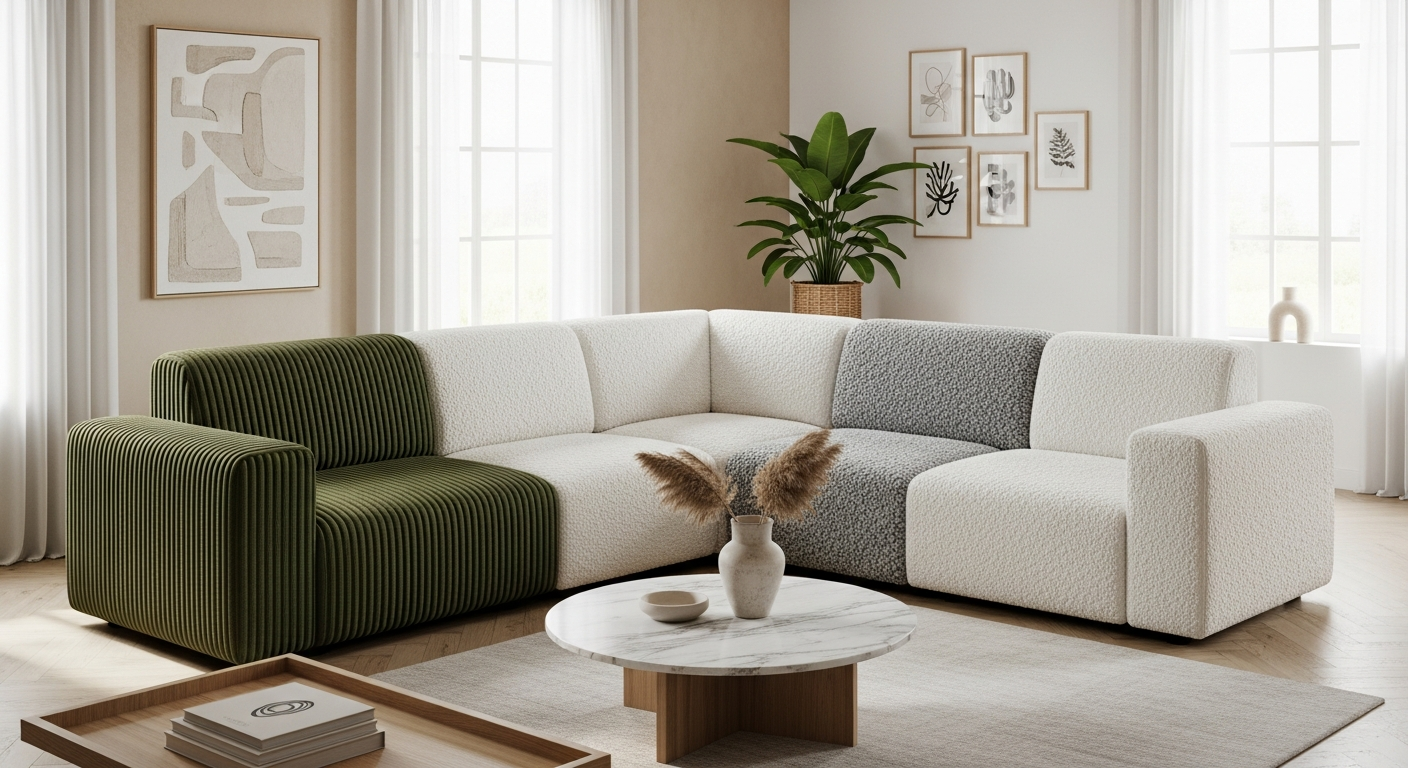
At lesofa.club, we understand that your sofa is more than just a piece of furniture; it’s the heart of your living space, a sanctuary for relaxation, and a reflection of your personal style. Among the myriad of upholstery options, corduroy and bouclé fabrics stand out for their unparalleled warmth, distinctive character, and luxurious tactile appeal. Corduroy, with its iconic ridged texture, whispers tales of vintage comfort and enduring style, while bouclé, with its charming looped surface, exudes contemporary elegance and an irresistible invitation to sink in. Both fabrics, while stunning and incredibly popular, demand a specific, informed approach to cleaning and maintenance to preserve their unique charm and ensure their longevity.

How to Clean and Maintain Corduroy and Bouclé Sofas

This comprehensive, 2000-word authority guide from lesofa.club is meticulously crafted to empower you with the expert knowledge needed to care for these cherished textured fabrics. From routine dusting to tackling the most stubborn spills, we’ll walk you through every nuance, ensuring your corduroy and bouclé sofas remain inviting, pristine, and a source of pride for countless years to come. Understanding how to clean a corduroy sofa and the delicate art of maintaining a bouclé masterpiece is crucial for protecting your investment and upholding the aesthetic integrity of your home.

The Enduring Allure of Textured Fabrics: Why Corduroy and Bouclé Reign Supreme

Textured fabrics add depth, dimension, and an immediate sense of comfort to any interior. Their visual and tactile richness makes them highly sought after in modern and traditional design alike. Let’s delve deeper into what makes corduroy and bouclé so beloved.

Corduroy: A Legacy of Comfort, Durability, and Style

Corduroy, often hailed as the “cord of the king” (from the French ‘corde du roi’), boasts a history steeped in practicality and prestige. Its defining characteristic is the series of parallel, raised cords or ‘wales’ that give it its distinctive ribbed texture. The width of these wales dictates the fabric’s appearance and feel, ranging from the delicate ‘pinwale’ (16-21 wales per inch) to the robust ‘wide-wale’ or ‘jumbo cord’ (6-8 wales per inch), with standard corduroy falling in between. This unique construction provides exceptional durability, making corduroy sofas ideal for high-traffic areas and family homes. Its inherent softness, combined with its ability to drape beautifully, creates an inviting, cozy, and often nostalgic atmosphere.

Understanding Your Corduroy Sofa: Characteristics and Unique Cleaning Challenges

While celebrated for its robustness, corduroy presents specific considerations when it comes to cleaning. The raised wales, while visually appealing, can act as miniature traps for dust, crumbs, and pet dander. Over time, the pile can flatten in heavily used areas, leading to a worn or matted appearance. Liquid spills, if not addressed swiftly, can penetrate deep into the fibers and may leave unsightly watermarks or discoloration, especially on lighter shades. Additionally, aggressive scrubbing can damage the fabric’s pile, altering its texture and overall look. Proper techniques are paramount to preserving the fabric’s uniform appearance and soft hand-feel.

Bouclé: The Epitome of Modern Luxury and Sculptural Elegance

Bouclé, meaning ‘curled’ or ‘looped’ in French, is a textural marvel defined by its distinctive looped, knotty yarn. This creates a wonderfully tactile, often uneven surface that resembles a soft, cloud-like fleece. Originating in the early 20th century, bouclé gained significant popularity through iconic designs like Eero Saarinen’s Womb Chair and Florence Knoll’s furniture, often upholstered in luxurious bouclé by KnollTextiles. Modern bouclé fabrics are typically woven from wool, cotton, linen, or synthetic blends, each offering varying degrees of softness, sheen, and durability. Bouclé adds an immediate sense of sophisticated luxury and contemporary flair, making it a favorite for designer pieces and minimalist interiors.

Navigating Your Bouclé Sofa: Distinctive Traits and Potential Cleaning Pitfalls

The beauty of bouclé lies in its unique looped structure, which also dictates its specific care requirements. The delicate loops are susceptible to snagging on sharp objects, jewelry, or even pet claws, leading to pulls or unraveling. Pilling, the formation of small fiber balls on the surface, can also occur due especially in areas of high friction. Like corduroy, bouclé’s intricate texture can effectively conceal dust and dirt, making thorough cleaning a precise task. Harsh chemicals, abrasive brushes, or vigorous rubbing can irrevocably damage the delicate loops, causing fraying, matting, or distortion of the fabric’s signature texture. Gentle, methodical care is not just recommended but essential for maintaining bouclé’s distinctive look and plush feel.

Mastering the Fundamentals: Essential Pre-Cleaning Steps for Both Fabrics

Before you embark on any spot or deep cleaning endeavor, a series of preparatory steps are crucial for both corduroy and bouclé sofas. These foundational actions ensure effective cleaning and minimize the risk of damage.

Step 1: The Power of Thorough Vacuuming

Regular vacuuming is the cornerstone of upholstery maintenance. It removes loose dirt, dust, crumbs, and pet hair before they can embed deeply into the fabric fibers. For corduroy, always use a handheld vacuum cleaner with a soft brush upholstery attachment and vacuum along the direction of the pile to prevent flattening and to effectively lift trapped debris from between the wales. For bouclé, employ a very gentle touch, using light suction and carefully working around the delicate loops to avoid snagging. A good quality handheld upholstery vacuum designed for delicate fabrics is an invaluable tool for this essential step.

Step 2: Decoding Your Sofa’s Care Tag (W, S, WS, X)

This is arguably the most critical step before any liquid cleaning. The care tag, usually found under a cushion or on the underside of the sofa frame, contains vital cleaning instructions. These codes dictate the type of cleaner you can safely use:

  • ‘W’ (Water-based): Indicates the fabric can be cleaned with water-based solutions.
  • ‘S’ (Solvent-based): Requires solvent-based (water-free) cleaning agents. Water can cause shrinking or staining.
  • ‘WS’ (Water-based or Solvent-based): This versatile fabric can tolerate either type of cleaner.
  • ‘X’ (Vacuum Only): This fabric cannot be cleaned with any liquid solution. Professional cleaning is strongly recommended, or only vacuuming is permitted. Attempting to clean ‘X’ coded fabrics yourself with liquids can cause irreversible damage.

Always adhere strictly to these codes to prevent damage, discoloration, or shrinking of your upholstery.

Step 3: The Indispensable Patch Test

Even if a cleaner is deemed safe for your fabric code, individual dye lots and fabric blends can react differently. Before applying any cleaning solution, always perform a patch test on an inconspicuous area of the sofa. This could be the back of a cushion, the underside of the skirt, or a hidden seam. Apply a tiny amount of the solution, allow it to dry completely, and observe for any adverse reactions such as discoloration, shrinking, watermarks, or textural changes. Proceed only if the test area remains unchanged.

How to Clean a Corduroy Sofa: A Detailed, Step-by-Step Guide

Cleaning your corduroy sofa effectively involves a gentle yet thorough approach, respecting its unique pile and texture.

Spot Cleaning Corduroy Stains: Act Fast, Clean Smart

Immediate action is key to preventing spills from setting into permanent stains.

  1. Blot, Don’t Rub: For liquid spills (e.g., coffee, juice), immediately grab a clean, white microfiber cloth or paper towel. Gently blot the spill, working from the outside edge inwards to prevent spreading. Never rub, as this can push the stain deeper into the fibers, flatten the pile, and potentially damage the fabric.
  2. Prepare a Mild Cleaning Solution: If your care tag is ‘W’ or ‘WS’, mix a small amount (about a teaspoon) of mild, pH-neutral liquid dish soap (free from bleach or harsh chemicals) with a cup of distilled water. For oil-based stains or ‘S’ coded fabrics, use a recommended solvent-based upholstery cleaner (always patch test first). Alternatively, a dedicated gentle fabric upholstery cleaner can be highly effective.
  3. Gentle Application: Dampen a separate clean, white microfiber cloth with your chosen cleaning solution. The cloth should be moist, not saturated. Gently dab the stained area. Continue dabbing, rotating the cloth to a clean section as it picks up the stain. Avoid over-wetting the fabric.
  4. Rinse and Absorb: Dampen a fresh, clean cloth with plain distilled water to ‘rinse’ the area by dabbing away any soap residue. Then, use a dry, absorbent cloth to press firmly and absorb as much moisture as possible from the cleaned area.
  5. Drying and Pile Restoration: Allow the area to air dry completely. You can use a fan to speed up drying, but avoid direct heat sources like hair dryers, which can shrink or scorch the fabric. Once dry, gently brush the pile with a soft-bristled upholstery brush (or even a clean, soft toothbrush) to restore its original texture and lift any flattened wales. Brush in the direction of the pile.

Deep Cleaning Your Corduroy Sofa: Rejuvenating Your Investment

For an overall refresh, tackling larger areas of soiling, or to revitalize a tired-looking sofa:

  • Steam Cleaning (With Utmost Caution for ‘W’ or ‘WS’ Codes): If your corduroy is explicitly ‘W’ or ‘WS’ coded, a handheld garment steamer can be a powerful tool for sanitizing and refreshing the fabric. Hold the steamer a few inches away from the fabric surface and move it steadily across small sections. The steam should be directed along the pile. Never over-saturate the fabric. Steam can effectively loosen dirt, kill bacteria, and help lift flattened piles. After steaming, gently blot with a clean cloth and brush the pile once dry. For consistent and safe performance, consider investing in a reputable upholstery steam cleaner with specialized attachments.
  • Fabric Cleaner Application: If using a commercial spray-on fabric cleaner, always adhere strictly to the product’s instructions. Typically, you’ll spray a fine mist evenly, allow it to dwell for a short period, gently agitate the fabric with a soft brush, and then blot clean with a damp, followed by a dry cloth.
  • Removable Covers: If your corduroy sofa has removable cushion covers and the care tag allows for machine washing (‘W’ code), always wash them on a delicate cycle with cold water and a mild detergent. Air dry or tumble dry on the lowest heat setting to prevent shrinking or damage to the pile. Always replace covers while slightly damp to help them conform to the cushion shape.
  • Professional Cleaning: For heavily soiled sofas, intricate designs, or if you’re uncertain about DIY methods, professional upholstery cleaning is always the safest and most effective option. Professionals possess specialized equipment, cleaning solutions, and expertise to deep clean corduroy without causing damage.

How to Clean a Bouclé Sofa: The Art of Gentle and Precise Care

Bouclé’s delicate, looped texture demands an even gentler and more precise approach than corduroy. Aggressive methods can quickly lead to irreparable damage.

Spot Cleaning Bouclé Stains: Swift and Soft Intervention

Act immediately and with extreme gentleness when spills occur on bouclé.

  1. Immediate, Gentle Blotting: For any liquid spill, use a clean, highly absorbent white cloth or paper towel to blot the area immediately. Apply very light pressure. Resist the urge to rub, as this will fray the loops, push the stain deeper, and spread it.
  2. Minimalist Cleaning Solution: If your bouclé is ‘W’ or ‘WS’ coded, create an extremely mild solution: a single drop of wool-safe detergent or a specialized delicate fabric upholstery cleaner for bouclé in a cup of lukewarm distilled water. For ‘S’ coded bouclé, use a suitable solvent cleaner. Dampen a clean microfibre cloth with this solution, ensuring it is barely moist, not wet. Excessive moisture is the enemy of bouclé.
  3. Feather-Light Dabbing: Gently dab the stained area with the barely moist cloth. Work patiently from the outside of the stain inward to avoid expanding the soiled area. Continuously rotate the cloth to a clean section.
  4. Rinse and Dry with Care: Using a separate, clean cloth dampened only with plain distilled water, gently dab the area to remove any residual cleaning solution. Immediately follow with a dry, absorbent cloth, pressing gently to wick away as much moisture as possible.
  5. Air Dry, No Heat: Allow the bouclé to air dry completely in a well-ventilated area, away from direct sunlight or heat sources. Forced heat can cause shrinkage or damage to the loops.
  6. Address Pilling and Snags: If you notice pilling (small balls of fiber), gently remove them with a high-quality fabric shaver designed for delicate materials, or carefully snip them with small, sharp scissors. For snags, resist pulling. Instead, try to gently push the loop back into the fabric with a blunt needle, or trim it flush with the surface if necessary.

Deep Cleaning Your Bouclé Sofa: The Professional’s Domain

For more extensive cleaning or refreshing an entire bouclé sofa, the risks of DIY methods are significantly higher than with corduroy.

  • Very Gentle Steaming (If ‘W’ or ‘WS’ Coded and Tested): A very light, distant steaming with a garment steamer can help refresh bouclé fabric and loosen surface dust. Hold the steamer a significant distance away (at least 6-8 inches) and move quickly, avoiding direct contact or prolonged exposure to any single area. This is primarily for refreshing, not deep cleaning. Always patch test thoroughly first.
  • Professional Cleaning is Highly Recommended: Due to bouclé’s intricate and delicate looped structure, professional upholstery cleaning is almost always the safest and most effective method for deep cleaning. Professionals possess the specialized tools, knowledge, and experience to clean bouclé without causing damage to its unique texture, ensuring its luxurious appearance is preserved. They understand how to prevent pilling, stretching, and damage to the loops during the cleaning process.
  • Removable Covers (Rare for Bouclé): If your bouclé cushions have removable covers (which is less common for bouclé than corduroy) and the care tag specifically permits machine washing (‘W’ code), use a gentle cycle with cold water and a wool-safe detergent. Air dry flat, shaping the cover as it dries to prevent distortion. Never tumble dry.

Proactive Measures: Preventative Maintenance for Extended Sofa Lifespan

Prevention is the ultimate strategy for maintaining the beauty and longevity of your corduroy and bouclé sofas. By incorporating these habits into your routine, you can significantly reduce the need for intensive cleaning and preserve your investment.

  • Establish a Regular Vacuuming Routine: Make vacuuming with the appropriate upholstery attachment a weekly or bi-weekly habit. This prevents dust, dirt, and allergens from settling deep into the fabric, which is particularly crucial for textured materials.
  • Rotate and Flip Cushions Consistently: If your sofa features reversible or removable cushions, rotate and flip them every few weeks. This ensures even wear, prevents localized flattening (especially common on corduroy), and distributes pressure points, extending the life of the cushions and fabric.
  • Shield from Direct Sunlight: Prolonged exposure to direct sunlight can cause significant fading, discoloration, and even weakening of fabric fibers over time. Position your sofa away from harsh sunbeams, or use blinds, curtains, or UV-filtering window films to protect it.
  • Consider Professional Fabric Protection: Many upholstery cleaning companies offer professional fabric protection treatments (e.g., Scotchgard, Fiber Seal). These treatments create an invisible barrier that helps repel spills and makes future cleaning easier, without altering the feel of the fabric. Inquire about this service for newly purchased sofas or after a professional deep clean.
  • Strategic Pet Care for Sofa Owners: If you share your home with furry friends, consider using washable slipcovers or throws to protect your sofa from pet hair, dander, and potential accidents. Regularly brush your pets to minimize shedding. For inevitable pet accidents, specialized pet stain and odor removers for upholstery can be highly effective, but always remember to patch test.
  • Immediate Spill Treatment: The golden rule of stain removal: never let a spill sit. The faster you attend to a spill, the higher your chances of preventing a permanent stain. Keep appropriate cleaning supplies readily available.
  • Protect from Sharp Objects and Friction: For bouclé especially, be mindful of sharp jewelry, pet claws, or rough clothing that could snag the loops. For both fabrics, avoid placing rough objects directly on the upholstery.
  • Maintain Optimal Indoor Environment: Extreme humidity can encourage mildew growth, while excessively dry air can make fabrics brittle. Aim for moderate indoor humidity and temperature to preserve fabric integrity.

Comparison Table: Corduroy vs. Bouclé Sofa Cleaning Strategies

Here’s a detailed overview comparing the optimal cleaning approaches for these two distinct, yet equally charming, fabrics:

Feature Corduroy Sofa Cleaning Bouclé Sofa Cleaning
Primary Fabric Challenge Pile flattening, dirt & debris trapping in wales, watermarks. Delicate loops prone to snagging & fraying, pilling, deep dirt trapping.
Vacuuming Technique Thoroughly along the pile direction with upholstery attachment. Very gentle, light suction with soft brush upholstery attachment, avoid direct friction.
Spot Cleaning Solution Mild, pH-neutral dish soap & distilled water, or specific fabric cleaner (W/WS codes). Solvent-based for S codes. Extremely mild, wool-safe detergent & distilled water (W/WS codes). Solvent-based for S codes. Minimal moisture is key.
Spot Cleaning Action Blot firmly, dab gently, work from outside-in, rinse by dabbing, blot dry. Blot very gently, dab with minimal solution, work outside-in, rinse very lightly, blot dry with high absorbency.
Deep Cleaning Recommendation Careful steaming (W/WS), fabric cleaner application. Professional recommended for heavy soil or ‘X’ codes. Professional cleaning highly recommended due to delicate loops & complex texture. Minimal, distant steaming (if care code allows & tested).
Pile/Texture Restoration Soft-bristled brush (post-drying) to lift and restore wales. Gentle steaming can assist. Avoid harsh brushing. Use fabric shaver or small scissors for pilling. Gently push snags back in.
Key Precaution Avoid over-wetting, aggressive rubbing, harsh chemicals, or direct heat during drying. Avoid snagging loops, over-wetting, harsh chemicals, aggressive rubbing, or direct heat. Do not pull snags.
Drying Method Air dry completely; use a fan to assist air circulation. Air dry completely and gently; ensure good ventilation without direct heat or sunlight.

Frequently Asked Questions (FAQs) for Corduroy & Bouclé Sofa Care

Q1: Can I use a general-purpose carpet or steam cleaner on my corduroy or bouclé sofa?

A: Generally, no. Carpet cleaners are often too aggressive, designed for more robust fibers, and can over-saturate upholstery fabrics. This can lead to serious issues like watermarks, shrinking, mildew growth, or damage to the fabric structure and dyes. Always use cleaners specifically designed for upholstery, and critically, always adhere to your sofa’s care code (W, S, WS, X).

Q2: How often should I professionally clean my corduroy or bouclé sofa?

A: For most households, professional cleaning every 12-24 months is recommended. However, factors such as high usage, the presence of pets or young children, allergies, or a generally high-traffic environment might warrant annual professional cleaning. Consulting with a professional is always a good idea.

Q3: What should I do if my corduroy pile flattens or appears matted?

A: After thorough cleaning and complete drying, gently brush the flattened area with a soft-bristled upholstery brush, moving in the direction of the pile. A light application of steam from a handheld garment steamer (held a few inches away) can also help to relax the fibers and lift the pile, but be careful not to over-wet the fabric.

Q4: How do I prevent pilling on my bouclé sofa, and what if it occurs?

A: Regular, gentle vacuuming helps remove loose fibers before they can form pills. Avoid friction from rough clothing, blankets, or objects placed directly on the fabric. If pilling does occur, use a high-quality fabric shaver designed for delicate materials. Hold the fabric taut and gently glide the shaver over the pills. Alternatively, small, sharp scissors can be used to carefully snip off individual pills, being extremely cautious not to cut the underlying loops.

Q5: Are there any universal stain removers safe for both fabrics?

A: While some ‘all-purpose’ upholstery cleaners claim broad compatibility, it is always safest to use products specifically formulated for delicate fabrics, or even better, test any cleaner in an inconspicuous spot. For many water-safe fabrics (‘W’ or ‘WS’ codes), a very mild solution of pH-neutral dish soap diluted in distilled water is often a safe and effective first choice. Always be mindful of the fabric code.

Q6: Can I use rubbing alcohol to clean stains on my corduroy or bouclé sofa?

A: While rubbing alcohol can be effective on certain ink or oil-based stains, especially on ‘S’ coded fabrics, it should be used with extreme caution. It can strip dyes, leave rings, or damage delicate fibers. Always perform a patch test in an inconspicuous area first, and use it sparingly, dabbing rather than rubbing.

Conclusion: Embrace the Lasting Beauty of Well-Maintained Texture with lesofa.club

Corduroy and bouclé sofas are more than just furniture; they are statements of comfort, style, and sophistication. Their unique aesthetic and tactile qualities enrich any home, creating spaces that are both inviting and visually captivating. However, their distinct textures also demand specific, thoughtful care. By thoroughly understanding the nuances of each fabric and diligently implementing the comprehensive cleaning and maintenance techniques outlined in this authority guide, you are not just preserving their appearance; you are extending their lifespan, protecting your investment, and ensuring they remain a source of comfort and beauty for many years to come.

Regular care is not a chore but a commitment to excellence, reflecting the enduring charm and quality that textured fabrics bring to your living space. At lesofa.club, we are passionate about helping you maintain your furniture’s pristine condition, empowering you with the knowledge to cherish your treasured pieces.

Ready to Refresh and Protect Your Sofa?

Keep your textured treasures looking their absolute best. Explore our curated selection of premium sofa care and cleaning essentials and discover an array of expert tips, inspiring guides, and the finest furniture selections at lesofa.club. Your journey to a beautifully maintained home starts here.