Mastering Modular: Designing Flexible Living Spaces with 2026’s Smartest Sectionals
Welcome to lesofa.club, your premier destination for all things chic, comfortable, and cutting-edge in home furnishings. As we step into 2026, the concept of home is rapidly evolving, demanding spaces that are not just beautiful but also inherently adaptable. Gone are the days of static furniture arrangements; today’s homeowners crave versatility, comfort, and smart functionality. This is where the smart modular sectional sofa truly shines, emerging as the undisputed champion of flexible living.
Imagine a living room that can transform from an intimate reading nook to a sprawling entertainment hub, or a cozy family gathering spot, all with minimal effort. This isn’t a futuristic fantasy; it’s the reality offered by 2026’s smartest modular sofas. These aren’t just pieces of furniture; they are dynamic systems designed to cater to your ever-changing lifestyle. In this comprehensive guide, we’ll delve deep into the world of modular sofa living 2026, exploring the innovative features, design philosophies, and practical tips to help you master flexible living spaces.
The Irresistible Allure of Modularity: Why Now?
The acceleration of remote work, multi-generational living, and a greater emphasis on personal well-being have collectively reshaped our relationship with our homes. Our living spaces are no longer just places to sleep and eat; they are offices, gyms, classrooms, entertainment centers, and sanctuaries. This profound shift necessitates furniture that can keep pace.
Modular sofas, by their very nature, are designed for change. They consist of individual, reconfigurable units that can be arranged in countless ways. This inherent flexibility makes them ideal for:
- Small Spaces: Maximize every inch by reconfiguring your sofa to suit the task at hand.
- Open-Concept Homes: Define zones and create visual interest without permanent barriers.
- Growing Families: Adapt to new additions or evolving needs by expanding or re-shaping your seating.
- Entertaining: Effortlessly switch from a formal arrangement to a relaxed lounge setup for guests.
The Evolution of Modularity: Beyond the Basics
While modularity isn’t a new concept, the 2026 iteration takes it to an entirely new level. Early modular designs were often basic, focusing purely on function. Today, however, they blend sophisticated aesthetics with cutting-edge technology and sustainable practices. Manufacturers are responding to consumer demand for furniture that is not only adaptable but also smart, eco-conscious, and visually stunning. This has paved the way for a generation of modular sofas that are as beautiful as they are practical, truly embodying the spirit of modular sofa living 2026.
Key Features of 2026’s Smartest Sectionals
What makes a modular sofa ‘smart’ in 2026? It’s a combination of innovative technology, thoughtful design, and a commitment to sustainability. Here’s what to look for:
Smart Tech Integration
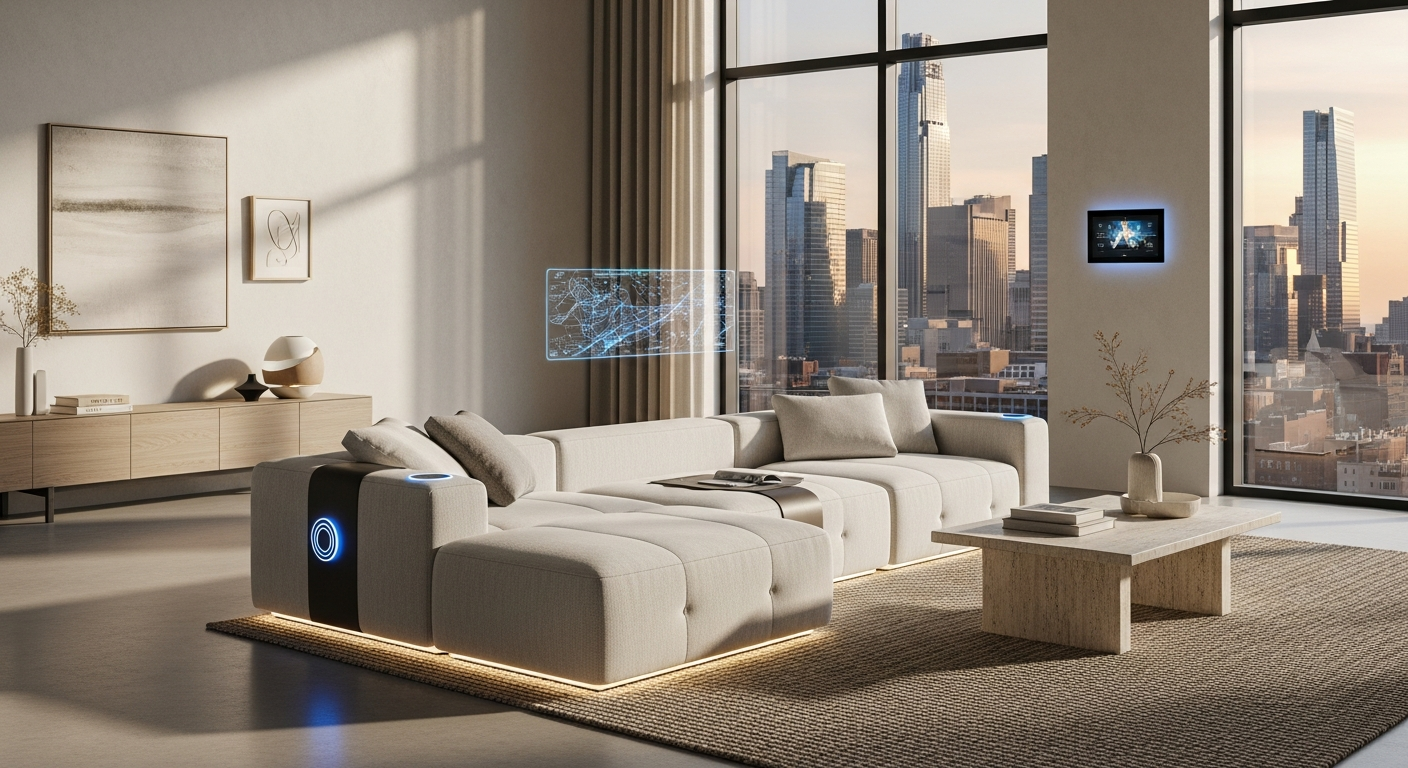
The future of furniture is connected. Many of today’s leading modular sectionals integrate discreet technology to enhance your comfort and convenience. Imagine USB-C charging ports seamlessly integrated into armrests, allowing you to power your devices without unsightly cords. Some models even feature built-in wireless charging pads, hidden speakers for immersive audio, or even small, climate-controlled compartments for beverages. Expect intuitive controls, often via a dedicated app or voice commands, that let you adjust everything from lumbar support to ambient lighting within the sofa unit itself.
Sustainable Materials and Ethical Production
As environmental awareness grows, so does the demand for sustainable home furnishings. 2026’s smartest modular sofas prioritize eco-friendly materials such as recycled fabrics, sustainably sourced wood frames, and plant-based foams. Look for certifications like OEKO-TEX for textiles and FSC for timber. Manufacturers are also focusing on closed-loop production, minimizing waste and ensuring that components can be easily replaced or recycled at the end of the sofa’s life. Investing in a eco-friendly modular sofa is not just a style choice, but a commitment to a greener future.
Unrivaled Customizable Configurations
The core of modularity lies in its customizability. Beyond the basic L-shape or U-shape, 2026’s sectionals offer an unprecedented degree of freedom. Units range from armless chairs and corner pieces to chaises, ottomans with hidden storage, and even single-seat modules that can function independently. Some systems feature innovative locking mechanisms that are easy to use yet incredibly secure, allowing you to rearrange your layout in minutes without tools. This dynamic flexibility ensures your sofa can adapt to any occasion, from a solo movie night to a lively house party.
Durability and Easy Maintenance
A smart investment should last. Modern modular sofas are built with robust internal frames, often made from kiln-dried hardwood or steel, ensuring longevity. Fabrics are engineered for resilience, resisting spills, stains, and fading. Performance fabrics like olefin, acrylic, and certain microfibers are increasingly popular. Many contemporary designs also feature removable, machine-washable cushion covers, making maintenance a breeze. For deeper cleans, having essential tools like a reliable upholstery steam cleaner can extend the life and beauty of your sofa for years.
Designing Your Dream Modular Space
Embracing modular sofa living 2026 is about more than just buying a sofa; it’s about reimagining your entire living environment. Here’s how to design a space that maximizes flexibility and style:
1. Space Planning and Flow
Before you even consider models, map out your space. Measure carefully and consider how traffic flows through the room. Think about how you want to use the room most often (e.g., watching TV, entertaining, reading) and how your sofa can support these activities. Use masking tape on the floor to visualize different configurations. Remember, the beauty of modularity is that you can always change your mind!
2. Fabric Choices and Textures
The fabric you choose will significantly impact the look, feel, and durability of your modular sofa. Consider your lifestyle: Do you have pets or children? Are you prone to spills? Performance fabrics are excellent for high-traffic areas. For a touch of luxury, a soft velvet or plush chenille can elevate the aesthetic. If you’re going for a more casual, minimalist look, consider a textured linen blend or a durable tweed. Swatch samples are your best friend!
3. Color Palette Considerations
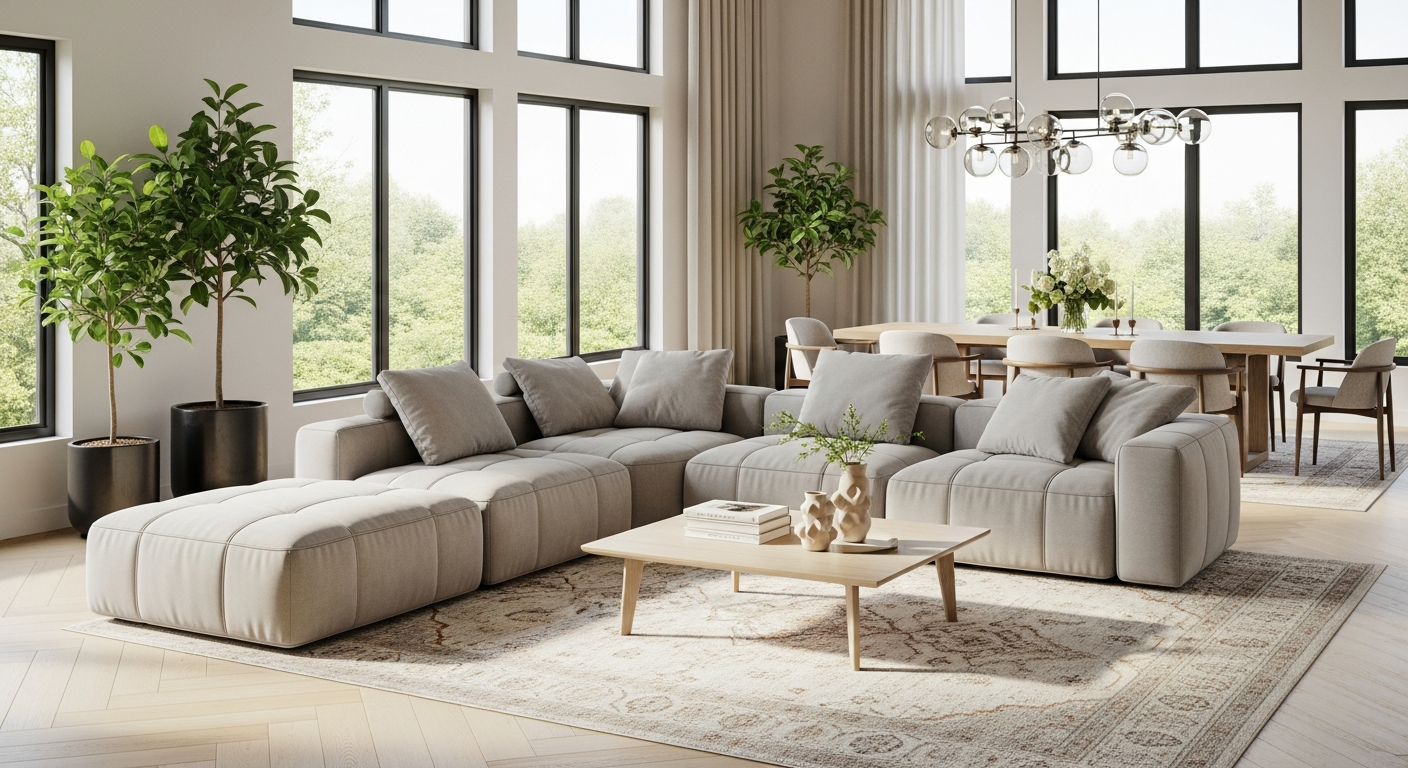
While neutral tones (greys, creams, tans) are popular for their versatility and ability to blend with various decor styles, don’t shy away from bolder hues if they suit your personality. A vibrant blue or a rich emerald green modular sofa can become a stunning focal point. If you prefer a neutral base, introduce color through throw pillows, blankets, and artwork. A classic choice for those seeking understated elegance might be a grey modular sofa, which offers endless styling possibilities.
4. Accessorizing for Impact
Accessories are crucial for tying your flexible living space together. Think about multi-functional coffee tables (perhaps nesting tables or lift-top designs), side tables that can be easily moved, and lighting that offers different moods. Complete the look with a soft, inviting large area rug to anchor your seating arrangement and add warmth. Cushions and throws are excellent for adding pops of color, texture, and personality, and can be easily changed to refresh your decor.
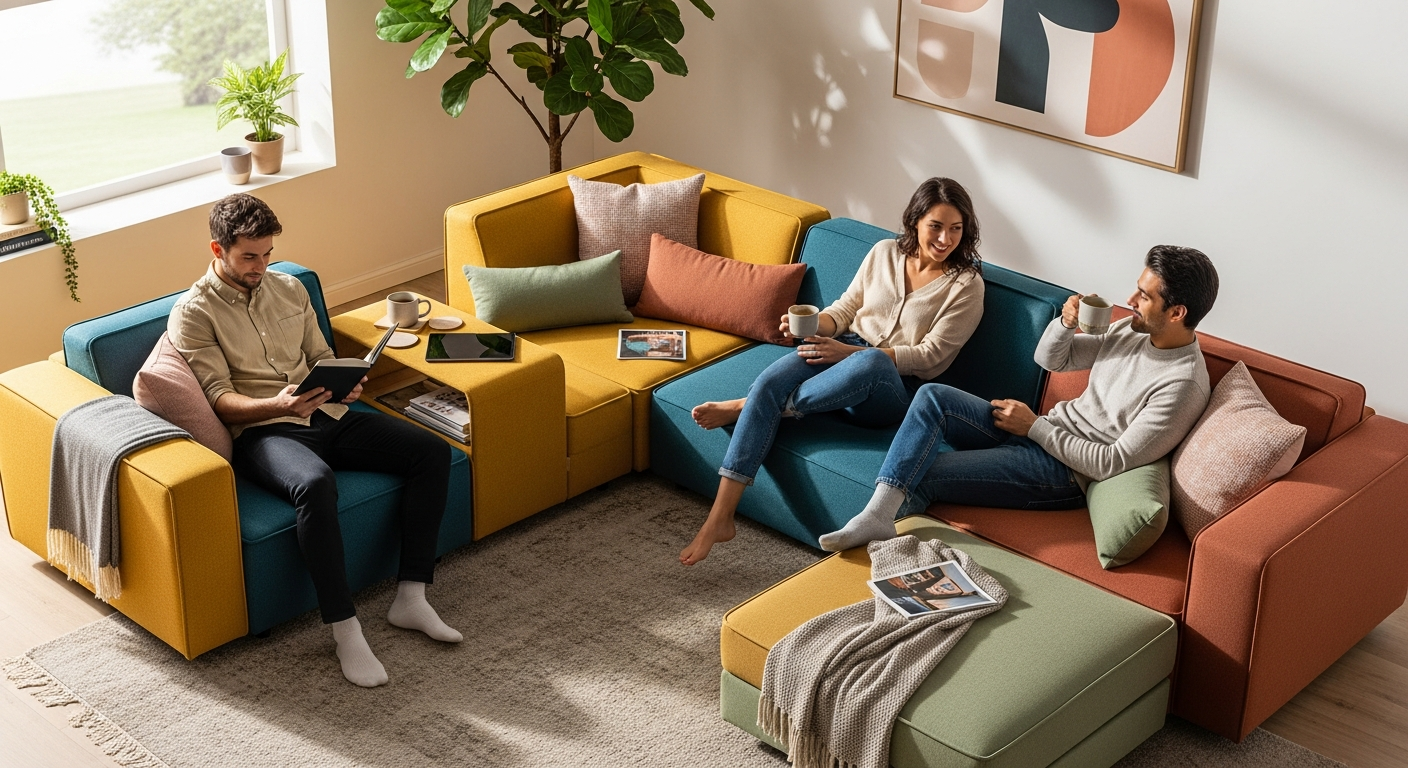
Mastering modular sofa living 2026 for ultimate flexibility.
Top Modular Sofa Trends for 2026
The world of interior design is always evolving, and 2026 brings exciting new directions for modular furniture:
Biophilic Design Integration
Bringing the outdoors in continues to be a dominant trend. Expect modular sofas in earthy tones (forest greens, terracotta, deep blues) and natural textures like linen and cotton. Designs that incorporate elements like built-in planters or organic, curved shapes will blur the lines between furniture and nature, fostering a sense of calm and well-being. Think large, sprawling layouts that mimic natural landscapes.
Multi-functional Modules
Beyond seating, individual modules are becoming increasingly versatile. We’re seeing integrated bookshelves, hidden storage compartments that rise with a touch, fold-out desks for impromptu workspaces, and even pet beds seamlessly built into the sofa structure. This takes modularity beyond mere configuration, turning each piece into a multi-tasking wonder, perfectly suited for compact urban living.
Tech-Integrated Loungers
The focus on ultimate comfort and relaxation is driving the development of specialized modules. Imagine sections with built-in massage features, intelligent heating/cooling systems, or even self-adjusting lumbar support. These ‘smart loungers’ offer personalized comfort experiences, transforming your living room into a private wellness retreat. The marriage of luxury and technology makes modular sofa living 2026 truly exceptional.
Comparison Table: Classic Sectional vs. Modular Sofa 2026
| Feature | Classic Sectional | Modular Sofa (2026) |
|---|---|---|
| Configuration | Fixed L or U-shape, limited rearrangement | Highly reconfigurable individual units, infinite layouts |
| Adaptability | Low; difficult to change with lifestyle needs | High; easily adapts to space changes, guests, or activities |
| Technology | Minimal or none (e.g., USB ports) | Integrated smart tech (charging, speakers, lighting, climate control) |
| Materials | Traditional fabrics, standard framing | Sustainable, high-performance fabrics; eco-friendly frames & foams |
| Maintenance | Often difficult to clean; covers may not be removable | Easy-clean, stain-resistant fabrics; often removable/washable covers |
| Longevity | Good, but can feel dated or impractical over time | Excellent; future-proof design, repairable components, timeless appeal |
| Price Point | Moderate to High | Moderate to Premium (due to technology & sustainability) |
Maintenance and Longevity for Your Modular Masterpiece
To ensure your modular sofa remains a stunning centerpiece for years to come, regular maintenance is key. Vacuum weekly with a brush attachment to remove dust and debris. Address spills immediately using a clean cloth and appropriate fabric cleaner, testing in an inconspicuous area first. If your covers are removable, follow the manufacturer’s washing instructions carefully. Rotating cushions regularly helps maintain their shape and prolongs their life. With proper care, a well-chosen modular sofa can offer enduring style and comfort, making modular sofa living 2026 a long-term investment in your home’s flexibility.
Frequently Asked Questions About Modular Sofas
Q1: Are modular sofas comfortable for everyday use?
A: Absolutely! Modern modular sofas prioritize comfort as much as flexibility. Many feature high-density foam, feather-down blends, or memory foam in their cushions, offering excellent support and plushness. The ability to reconfigure also means you can create the perfect lounging position for any activity.
Q2: How difficult is it to rearrange a modular sofa?
A: It’s surprisingly easy! Most 2026 modular designs feature user-friendly interlocking mechanisms or simply heavy-duty connectors that require no tools. A single person can often rearrange smaller modules, while larger ones might require two people. The design ethos is all about effortless transformation.
Q3: Can I add more modules to my sofa later on?
A: Yes, this is one of the biggest advantages! Many brands offer individual modules for sale separately, allowing you to expand your sofa as your needs or space evolve. It’s always a good idea to check with the manufacturer for availability and compatibility when purchasing.
Q4: Are modular sofas suitable for small apartments?
A: They are perfect for small spaces! Their ability to be reconfigured means you can adapt your seating to the exact dimensions and function needed. Need more floor space for a yoga session? Push modules together. Hosting friends? Spread them out. This makes them incredibly efficient for compact living.
Q5: What’s the difference between a sectional and a modular sofa?
A: While often used interchangeably, there’s a key distinction. A ‘sectional’ typically refers to a sofa made of two or more pieces that form a fixed L-shape or U-shape. ‘Modular’ refers to individual units that can be endlessly reconfigured, not necessarily forming a permanent larger shape. All modular sofas are sectionals, but not all sectionals are truly modular.
Embrace the Future with Modular Sofa Living 2026
The journey to mastering flexible living spaces with 2026’s smartest sectionals is an exciting one. It’s about more than just buying furniture; it’s about investing in a lifestyle of adaptability, comfort, and intelligent design. As our lives continue to evolve at a rapid pace, our homes must evolve with us. Modular sofas offer the ultimate solution, providing the versatility to create a living environment that truly reflects your unique needs and desires. Whether you’re looking for a sprawling lounge for family movie nights or a compact, sophisticated seating arrangement for intimate gatherings, the possibilities are endless.
Ready to transform your living space? Explore the incredible world of modular sofa living 2026 and discover how a smart sectional can elevate your home. Visit lesofa.club for more inspiration and expert advice!