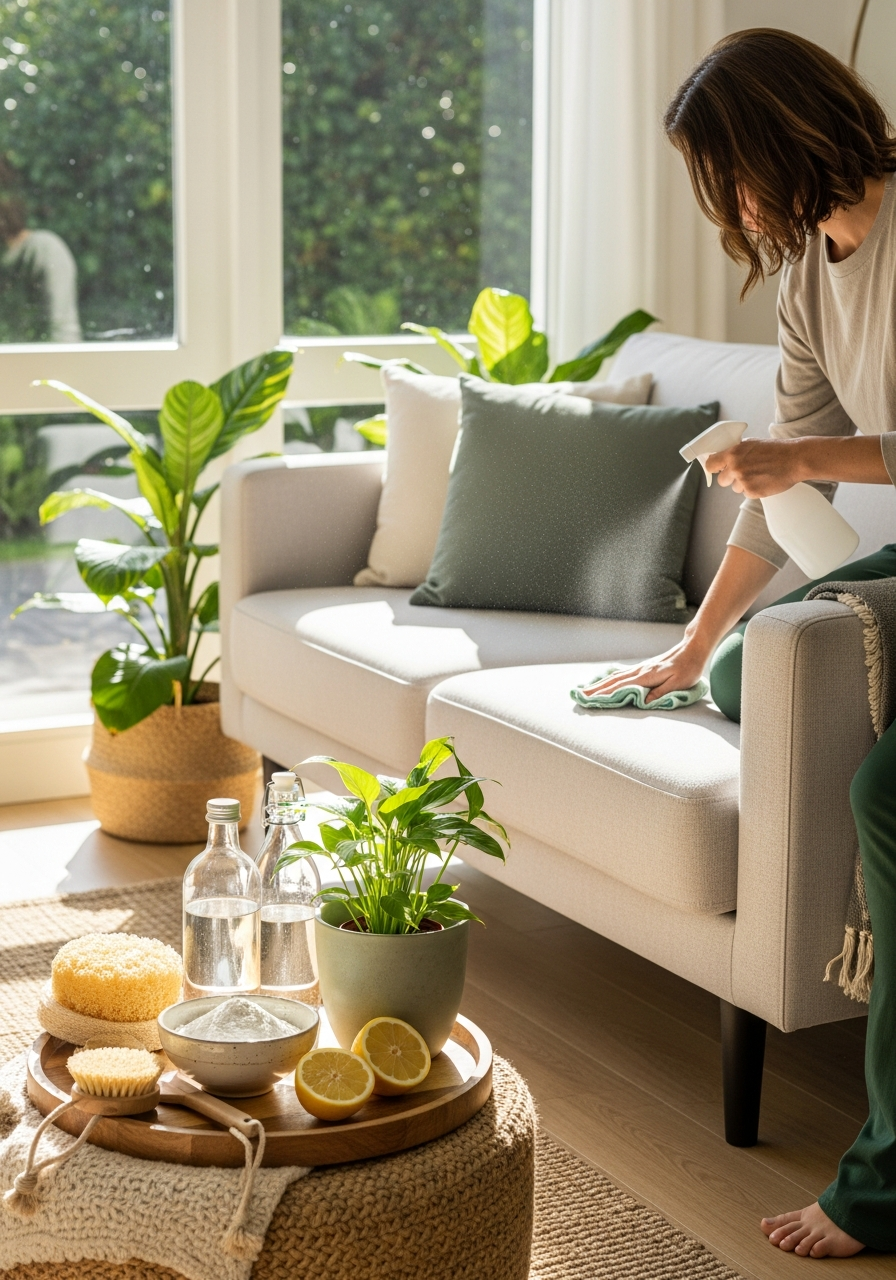
Green Clean: Eco-Friendly Sofa Cleaning Tips for a Sustainable 2026 Home

In an era where sustainability is not just a buzzword but a way of life, extending our eco-conscious choices to every corner of our homes is paramount. As we look towards 2026 and beyond, the pursuit of a greener lifestyle naturally leads us to reconsider our cleaning practices. Our sofas, often the centerpiece of our living spaces, absorb everything from daily grime to spills and allergens. But how do we keep them pristine without resorting to harsh chemicals that harm our health and the planet? The answer lies in eco-friendly sofa cleaning, a method that promises a sparkling clean without the environmental guilt or the health risks.

This comprehensive guide from lesofa.club will walk you through the world of sustainable sofa care. We’ll explore why going green with your cleaning products is more beneficial than you might think, delve into the essential steps for different fabric types, and equip you with the knowledge to maintain a fresh, healthy, and inviting sofa that contributes to a truly sustainable home.

Why Choose Eco-Friendly Sofa Cleaning? The Benefits Unveiled

The allure of conventional cleaning products often comes from their immediate, visible results and strong scents, which many equate with cleanliness. However, these products frequently contain volatile organic compounds (VOCs), phthalates, and other hazardous chemicals that can linger in your home’s air and on your furniture, posing risks to human health and the environment.

Health Benefits: Breathing Easier

Opting for eco-friendly sofa cleaning means saying goodbye to respiratory irritants, skin allergens, and potential endocrine disruptors found in traditional cleaners. For households with children, pets, or individuals sensitive to chemicals, this shift is more than a preference—it’s a necessity. Natural ingredients like vinegar, baking soda, and essential oils provide powerful cleaning action without the noxious fumes or residues, contributing to better indoor air quality and a safer living environment. You’ll notice a significant difference in how fresh your home feels, truly clean without the artificial fragrance masking underlying chemical odors.

Environmental Impact: A Lighter Footprint

The lifecycle of eco-friendly cleaning products has a significantly lighter impact on our planet. They are often biodegradable, meaning they break down naturally without polluting waterways or harming aquatic life. Furthermore, many green cleaning solutions come in concentrated forms, reducing plastic waste, or are packaged in recyclable materials. By choosing sustainable options, you’re not just cleaning your sofa; you’re actively participating in the global effort to reduce pollution and conserve natural resources. It’s a small change with a powerful collective impact.

Longevity of Your Sofa: Gentle Yet Effective

Harsh chemicals can strip natural fibers, fade colors, and degrade the integrity of your sofa’s upholstery over time, leading to premature wear and tear. Eco-friendly cleaning methods, conversely, are typically gentler on fabrics. While effective at lifting dirt and stains, they work with the fabric rather than against it, preserving its texture, color, and structural integrity. This means your beloved sofa can maintain its beauty and comfort for much longer, delaying the need for costly replacements and further reducing your consumption footprint.

Cost-Effectiveness: Smart Savings

One of the most appealing aspects of eco-friendly sofa cleaning, especially DIY methods, is its affordability. Many of the most effective green cleaning agents—white vinegar, baking soda, lemon juice, and castile soap—are common household staples that are inexpensive and readily available. Crafting your own cleaning solutions can significantly cut down on your household expenses, offering a budget-friendly alternative to specialized chemical cleaners or professional services. Investing in bulk supplies of large tubs of baking soda or white vinegar is a smart economic and environmental choice.

Understanding Your Sofa Fabric: The First Step to a Green Clean

Before embarking on any cleaning adventure, it’s crucial to identify your sofa’s fabric type and check its care label. This small tag, often hidden under cushions, holds the key to safe and effective cleaning. The codes are universal:

  • W: Water-based cleaner safe.
  • S: Solvent-based cleaner only (water will stain).
  • WS: Both water and solvent-based cleaners are safe.
  • X: Vacuum only; no liquids. Professional cleaning recommended.

Ignoring these codes can lead to irreversible damage, regardless of how eco-friendly your cleaning solution is. Always spot-test any cleaning agent in an inconspicuous area first.

Essential Eco-Friendly Cleaning Arsenal: Your DIY Toolkit

Building your green cleaning kit is simple and inexpensive:

  • Vacuum Cleaner with Upholstery Attachments: Essential for removing loose dirt and debris.
  • High-quality Microfiber Cloths: Absorbent, non-abrasive, and reusable for streak-free cleaning.
  • Spray Bottles: For mixing and applying solutions.
  • Soft Brushes: For gentle scrubbing and lifting dirt from fabric fibers.
  • White Vinegar: A natural disinfectant, deodorizer, and stain remover.
  • Baking Soda: Excellent for absorbing odors and mild abrasive for scrubbing.
  • Castile Soap: A concentrated, plant-based, biodegradable soap that’s gentle yet effective. Dr. Bronner’s castile soap is a popular choice.
  • Hydrogen Peroxide (3%): A natural brightener and disinfectant, especially good for organic stains.
  • Lemon Juice: Natural bleaching agent and fresh scent.
  • Cornstarch: Great for absorbing grease stains.

Step-by-Step Eco-Friendly Sofa Cleaning Guide

Pre-Cleaning: The Foundation of a Flawless Finish

Every effective cleaning routine begins with thorough preparation.

  1. Vacuum Thoroughly: Remove all cushions and use your vacuum’s upholstery attachment to meticulously vacuum every surface, crevice, and corner. This removes loose dirt, pet hair, dust mites, and crumbs, preventing them from turning into mud once wet.
  2. Spot Testing: Always, without exception, test your chosen cleaning solution on an inconspicuous area of the sofa first (e.g., the back or under a cushion). Apply a small amount, let it sit for 5-10 minutes, then blot dry. Check for discoloration, shrinkage, or water rings before proceeding.

Tackling General Dirt and Grime

  1. Baking Soda Sprinkle: For general freshening and odor absorption, sprinkle a generous amount of baking soda over the entire sofa. Let it sit for at least 30 minutes, or even overnight for stubborn odors. Then, vacuum it all up. This method is incredibly effective for revitalizing upholstery.
  2. Vinegar and Water Solution (for W or WS codes): Mix equal parts white vinegar and distilled water in a spray bottle. Lightly mist the sofa’s surface (do not saturate). Use a clean microfiber cloth to gently wipe the area. The vinegar smell will dissipate as it dries, leaving behind a fresh, clean scent.
  3. Castile Soap Solution (for W or WS codes): For a slightly stronger clean, mix a few drops of liquid castile soap with a cup of distilled water. Apply sparingly with a damp (not wet) microfiber cloth, working in small sections. Rinse the cloth frequently and wipe with a separate clean, damp cloth to remove soap residue, then dry with a third clean, dry cloth.
  4. Steam Cleaning (for suitable fabrics): For W or WS fabrics that can tolerate moisture, a handheld steam cleaner can be a powerful eco-friendly tool. The heat and moisture penetrate fibers to lift dirt and sanitize without chemicals. Move the steamer quickly and avoid over-wetting, then follow up with a dry cloth.

Eco-Friendly Spot Treatment Solutions

  • Coffee/Tea: Blot immediately with a clean cloth. Mix 1 part white vinegar with 2 parts water and a tiny drop of castile soap. Apply to the stain with a clean cloth, working from the outside in. Blot, don’t rub.
  • Grease/Oil: Sprinkle cornstarch or baking soda generously over the fresh stain to absorb the oil. Let it sit for at least 15-30 minutes, then vacuum. For remaining residue, apply a tiny amount of diluted castile soap solution and blot.
  • Ink: For fresh ink, a small amount of rubbing alcohol on a clean white cloth can sometimes work (test first!). Blot, don’t rub. For older stains, a paste of baking soda and water may help.
  • Pet Accidents: Blot up as much liquid as possible. Sprinkle baking soda over the area to absorb odor and moisture. Let it sit for several hours or overnight, then vacuum. For urine stains, mix equal parts hydrogen peroxide (3%) and water with a few drops of dish soap. Apply, let sit for 10-15 minutes, then blot.
  • Odors: A liberal sprinkle of baking soda left for several hours (or overnight) is often sufficient. For persistent odors, a light mist of a diluted white vinegar solution can also work wonders.

Deep Dive into Specific Sofa Fabric Care

Natural Fibers (Cotton, Linen, Hemp)

These fabrics are durable but can be prone to water staining or shrinking if over-wet. Stick to methods suitable for ‘W’ or ‘WS’ codes. Light misting with a vinegar or castile soap solution is best. Always ensure thorough drying to prevent mildew. Opening windows or using fans helps considerably. Sunlight is also a natural disinfectant for these robust fibers.

Synthetics (Polyester, Microfiber)

Polyester and microfiber are generally very durable and resistant to water stains. They often carry ‘W’ or ‘WS’ codes. A diluted castile soap solution or vinegar-water mix works well. For microfiber, a simple damp cloth with plain water can often remove most surface dirt. For tougher stains, a small amount of rubbing alcohol can be effective on microfiber (test first, as it’s a solvent).

Delicate Fabrics (Velvet, Silk, Wool)

These fabrics often require professional cleaning (‘S’ or ‘X’ codes) due to their delicate nature. If your care label permits, for velvet (W or WS), avoid saturating it. A dry cleaning powder (eco-friendly formulation) can be gently brushed in and vacuumed out. For light refresh, use a very lightly dampened cloth with plain water for velvet, always brushing in the direction of the pile. Silk and wool are particularly susceptible to water spots and shrinking; if you must attempt DIY, use minimal moisture and quick drying, or consult a professional.

Leather Sofas: A Special Eco-Treatment

Leather requires a different approach. Start by vacuuming thoroughly with a soft brush attachment. Wipe down with a soft, damp cloth. For cleaning, mix a few drops of mild eco-friendly leather cleaner or castile soap with distilled water. Dampen a cloth with the solution and gently wipe the leather, section by section. Follow immediately with a clean, damp cloth to wipe away any residue, then dry with a soft, dry cloth. To condition and protect, mix 1 part white vinegar with 2 parts olive oil. Apply a small amount to a clean cloth and gently rub into the leather in circular motions, then buff with a clean, dry cloth. This restores shine and suppleness.
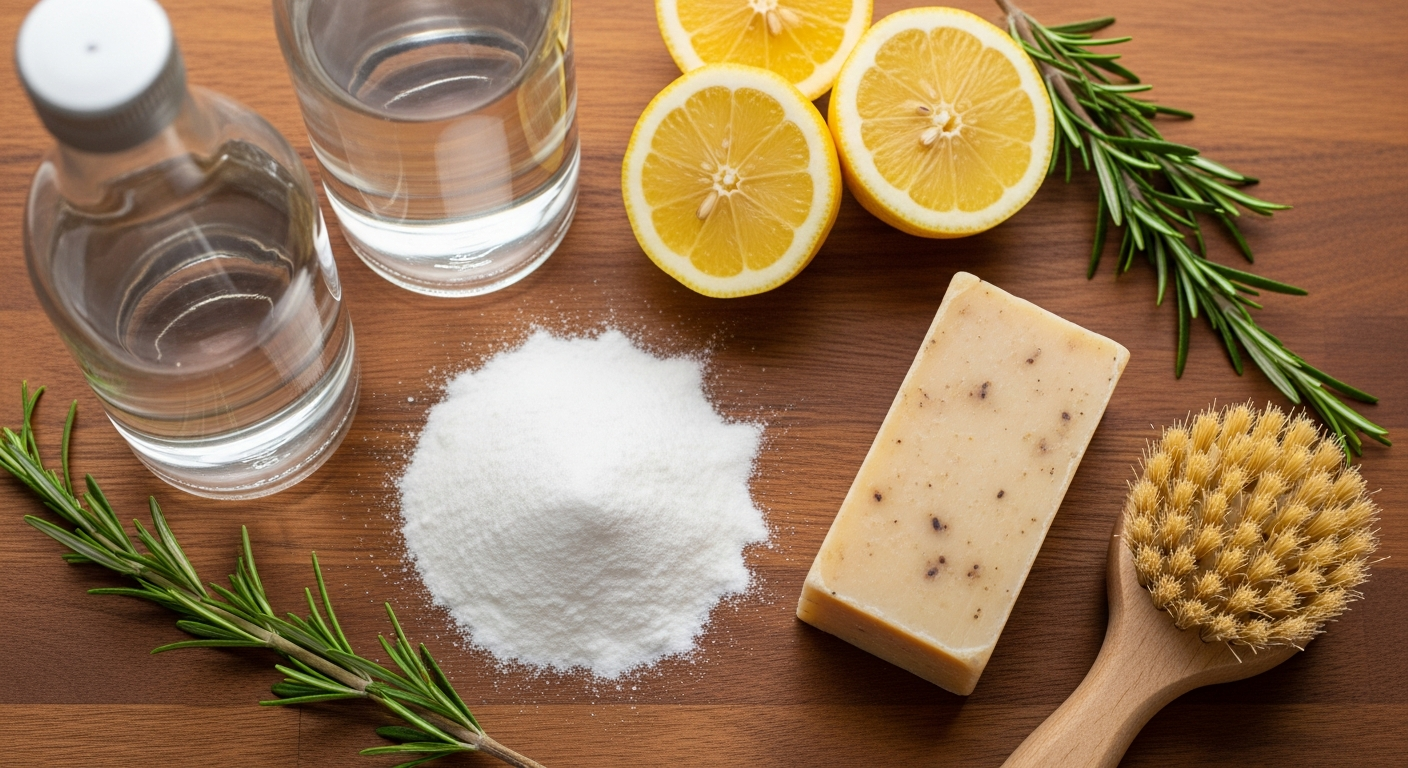
eco-friendly sofa cleaning style example
Your natural toolkit for effective eco-friendly sofa cleaning, using simple household ingredients.

Your natural toolkit for effective eco-friendly sofa cleaning, using simple household ingredients.

Prevention is Key: Maintaining a Clean Sofa, Sustainably

The best cleaning is often preventative. By adopting simple habits, you can significantly reduce the frequency of deep cleaning.

  • Regular Vacuuming: Make it a weekly ritual to vacuum your sofa, removing dust, crumbs, and pet dander before they settle into the fibers.
  • Immediate Spill Clean-up: The faster you address a spill, the less likely it is to set. Always blot, don’t rub.
  • Using Throws/Slipcovers: For high-traffic sofas or those prone to spills (e.g., in homes with kids or pets), washable throws or slipcovers offer an excellent protective barrier.
  • Sunlight Exposure for Sanitization: Periodically remove cushions and let them air out in direct sunlight. UV rays are a natural disinfectant and deodorizer.
  • Pet Grooming: Regularly brush your pets to minimize shedding and dander that can accumulate on your sofa.

Eco-Friendly Cleaning Solutions: DIY vs. Store-Bought

While DIY solutions are incredibly effective and cost-efficient, sometimes convenience or specific fabric requirements call for a store-bought option. Thankfully, the market for certified eco-friendly cleaning products has expanded significantly.

When choosing store-bought options, look for certifications from reputable organizations like the EPA’s Safer Choice program, Ecocert, or Green Seal. These certifications ensure that the products meet rigorous standards for environmental and human health safety. Brands like Seventh Generation upholstery cleaner or ECOS often provide effective, plant-based alternatives that are readily available.

Comparison Table: Eco-Friendly Sofa Cleaning Methods

Method Fabric Suitability Effectiveness Cost Environmental Impact
Baking Soda Sprinkle All fabrics (especially S, X) Excellent for deodorizing, mild freshening Very Low Minimal (biodegradable)
Vinegar & Water Solution W, WS fabrics (Cotton, Linen, Synthetics) Good for general cleaning, light stains, disinfecting Low Minimal (biodegradable, non-toxic)
Castile Soap Solution W, WS fabrics (Synthetics, robust Natural) Good for deeper cleaning, moderate stains Low-Moderate Low (biodegradable)
Hydrogen Peroxide (diluted) W, WS fabrics (spot treatment for organic stains) Good for pet accidents, brightening Low Low (breaks down to water & oxygen)
Eco-Friendly Steam Cleaner W, WS fabrics (Polyester, robust Cotton) Excellent for deep cleaning, sanitizing, lifting dirt Moderate (initial investment) Minimal (uses only water)
Certified Eco-Friendly Product Varies by product (check label) Good to Excellent (convenience factor) Moderate Low (look for certifications like Safer Choice)
Vinegar & Olive Oil (Leather) Leather Cleans, conditions, restores shine Very Low Minimal (natural ingredients)

The Future of Sofa Care: Innovations for a Greener Tomorrow

The quest for sustainability in home care is ongoing, and innovation continues to shape the future of sofa cleaning. We can anticipate even smarter fabrics engineered for stain resistance and easier cleaning, potentially reducing the need for harsh interventions. Self-cleaning technologies, eco-friendly fabric coatings, and advanced biodegradable cleaning tools are on the horizon, promising an even greener approach to maintaining our cherished furniture. These advancements will further empower us to live in harmony with our environment, one clean sofa at a time.

Frequently Asked Questions (FAQs) About Eco-Friendly Sofa Cleaning

Q: Can I use vinegar on all sofa fabrics?

A: No, vinegar is generally safe for ‘W’ and ‘WS’ coded fabrics like cotton, linen, and most synthetics. However, it should be avoided on delicate fabrics like silk, acetate, or rayon, and always spot-test first, especially on darker colors, as it can occasionally affect dyes.

Q: How often should I clean my sofa using eco-friendly methods?

A: For general maintenance, weekly vacuuming and monthly baking soda deodorizing are recommended. Deep cleaning with liquid solutions depends on usage and spills, typically every 3-6 months for high-traffic sofas, or once a year for less used ones. Immediate spot treatment for spills is always crucial.

Q: Are store-bought eco-friendly cleaners truly safe?

A: Most reputable eco-friendly cleaners are significantly safer than conventional ones. Look for third-party certifications like the EPA’s Safer Choice label, Green Seal, or Ecocert, which verify that products meet stringent environmental and health standards. Always read labels and ingredient lists.

Q: What’s the best way to remove pet odors naturally?

A: Baking soda is your best friend for pet odors. Sprinkle it liberally, let it sit for several hours (or overnight), then vacuum thoroughly. For stubborn odors or urine stains, a diluted solution of hydrogen peroxide (3%) and water with a tiny drop of eco-friendly dish soap can be highly effective (always spot-test first!).

Q: When should I call a professional eco-friendly cleaner?

A: If your sofa is an ‘S’ or ‘X’ code fabric, has very old, set-in stains, or you’re unsure about cleaning it yourself, it’s best to call a professional. Many upholstery cleaners now offer green cleaning services that use non-toxic, biodegradable solutions and specialized equipment for deep, safe cleaning.

Conclusion: Embrace a Sustainable Sparkle

Embracing eco-friendly sofa cleaning is more than just a trend; it’s a commitment to a healthier home, a cleaner planet, and a more sustainable lifestyle. By utilizing simple, natural ingredients and adopting mindful cleaning habits, you can keep your sofa looking fresh and inviting without compromising on your values. From a quick freshen-up with baking soda to a deeper clean with vinegar and castile soap, the power to create a sparkling, sustainable home is in your hands.

Ready to transform your home with a sparkling, sustainably clean sofa? Share your favorite eco-friendly cleaning tips in the comments below, or explore our guides for more insights into sustainable living!
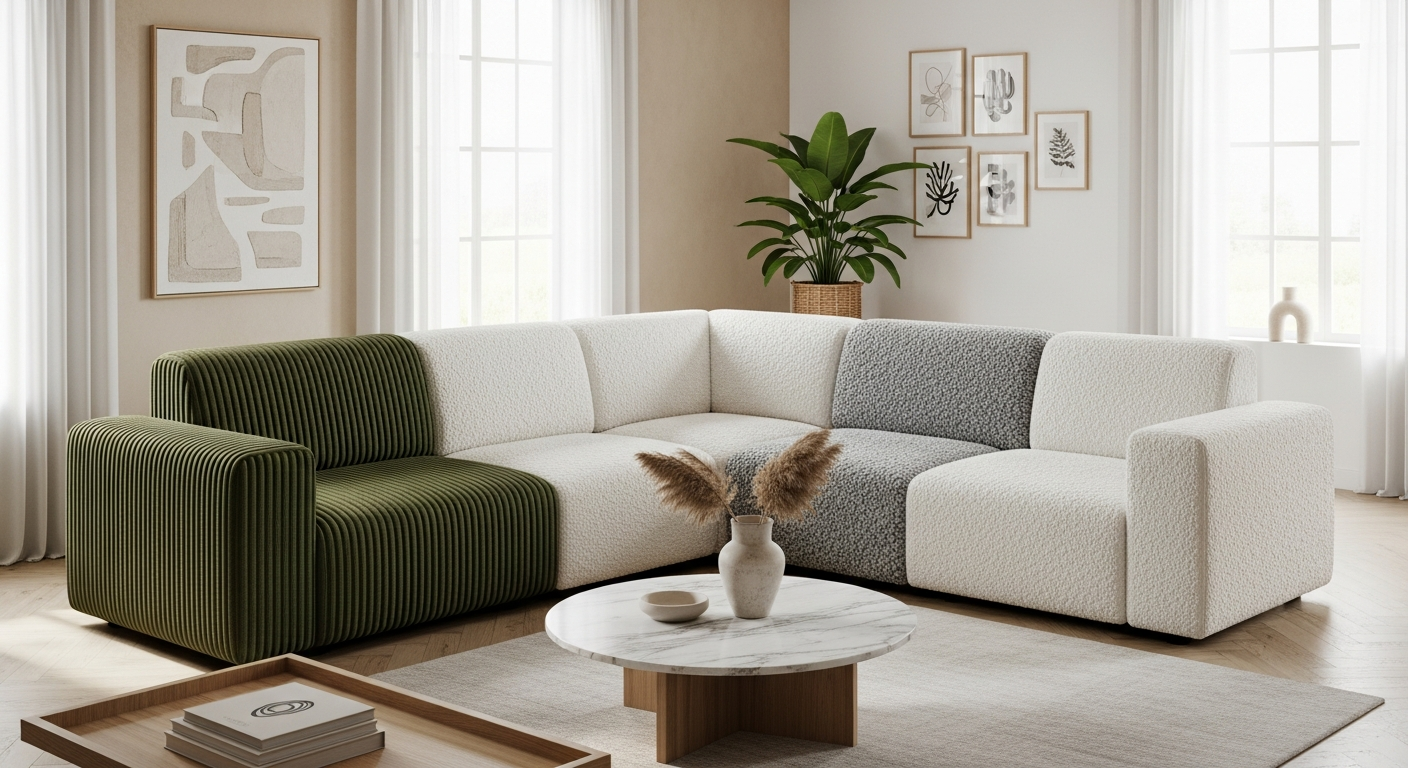
The Ultimate Authority Guide: How to Clean and Maintain Your Corduroy and Bouclé Sofas for Lasting Beauty

At lesofa.club, we understand that your sofa is more than just a piece of furniture; it’s the heart of your living space, a sanctuary for relaxation, and a reflection of your personal style. Among the myriad of upholstery options, corduroy and bouclé fabrics stand out for their unparalleled warmth, distinctive character, and luxurious tactile appeal. Corduroy, with its iconic ridged texture, whispers tales of vintage comfort and enduring style, while bouclé, with its charming looped surface, exudes contemporary elegance and an irresistible invitation to sink in. Both fabrics, while stunning and incredibly popular, demand a specific, informed approach to cleaning and maintenance to preserve their unique charm and ensure their longevity.

How to Clean and Maintain Corduroy and Bouclé Sofas

This comprehensive, 2000-word authority guide from lesofa.club is meticulously crafted to empower you with the expert knowledge needed to care for these cherished textured fabrics. From routine dusting to tackling the most stubborn spills, we’ll walk you through every nuance, ensuring your corduroy and bouclé sofas remain inviting, pristine, and a source of pride for countless years to come. Understanding how to clean a corduroy sofa and the delicate art of maintaining a bouclé masterpiece is crucial for protecting your investment and upholding the aesthetic integrity of your home.

The Enduring Allure of Textured Fabrics: Why Corduroy and Bouclé Reign Supreme

Textured fabrics add depth, dimension, and an immediate sense of comfort to any interior. Their visual and tactile richness makes them highly sought after in modern and traditional design alike. Let’s delve deeper into what makes corduroy and bouclé so beloved.

Corduroy: A Legacy of Comfort, Durability, and Style

Corduroy, often hailed as the “cord of the king” (from the French ‘corde du roi’), boasts a history steeped in practicality and prestige. Its defining characteristic is the series of parallel, raised cords or ‘wales’ that give it its distinctive ribbed texture. The width of these wales dictates the fabric’s appearance and feel, ranging from the delicate ‘pinwale’ (16-21 wales per inch) to the robust ‘wide-wale’ or ‘jumbo cord’ (6-8 wales per inch), with standard corduroy falling in between. This unique construction provides exceptional durability, making corduroy sofas ideal for high-traffic areas and family homes. Its inherent softness, combined with its ability to drape beautifully, creates an inviting, cozy, and often nostalgic atmosphere.

Understanding Your Corduroy Sofa: Characteristics and Unique Cleaning Challenges

While celebrated for its robustness, corduroy presents specific considerations when it comes to cleaning. The raised wales, while visually appealing, can act as miniature traps for dust, crumbs, and pet dander. Over time, the pile can flatten in heavily used areas, leading to a worn or matted appearance. Liquid spills, if not addressed swiftly, can penetrate deep into the fibers and may leave unsightly watermarks or discoloration, especially on lighter shades. Additionally, aggressive scrubbing can damage the fabric’s pile, altering its texture and overall look. Proper techniques are paramount to preserving the fabric’s uniform appearance and soft hand-feel.

Bouclé: The Epitome of Modern Luxury and Sculptural Elegance

Bouclé, meaning ‘curled’ or ‘looped’ in French, is a textural marvel defined by its distinctive looped, knotty yarn. This creates a wonderfully tactile, often uneven surface that resembles a soft, cloud-like fleece. Originating in the early 20th century, bouclé gained significant popularity through iconic designs like Eero Saarinen’s Womb Chair and Florence Knoll’s furniture, often upholstered in luxurious bouclé by KnollTextiles. Modern bouclé fabrics are typically woven from wool, cotton, linen, or synthetic blends, each offering varying degrees of softness, sheen, and durability. Bouclé adds an immediate sense of sophisticated luxury and contemporary flair, making it a favorite for designer pieces and minimalist interiors.

Navigating Your Bouclé Sofa: Distinctive Traits and Potential Cleaning Pitfalls

The beauty of bouclé lies in its unique looped structure, which also dictates its specific care requirements. The delicate loops are susceptible to snagging on sharp objects, jewelry, or even pet claws, leading to pulls or unraveling. Pilling, the formation of small fiber balls on the surface, can also occur due especially in areas of high friction. Like corduroy, bouclé’s intricate texture can effectively conceal dust and dirt, making thorough cleaning a precise task. Harsh chemicals, abrasive brushes, or vigorous rubbing can irrevocably damage the delicate loops, causing fraying, matting, or distortion of the fabric’s signature texture. Gentle, methodical care is not just recommended but essential for maintaining bouclé’s distinctive look and plush feel.

Mastering the Fundamentals: Essential Pre-Cleaning Steps for Both Fabrics

Before you embark on any spot or deep cleaning endeavor, a series of preparatory steps are crucial for both corduroy and bouclé sofas. These foundational actions ensure effective cleaning and minimize the risk of damage.

Step 1: The Power of Thorough Vacuuming

Regular vacuuming is the cornerstone of upholstery maintenance. It removes loose dirt, dust, crumbs, and pet hair before they can embed deeply into the fabric fibers. For corduroy, always use a handheld vacuum cleaner with a soft brush upholstery attachment and vacuum along the direction of the pile to prevent flattening and to effectively lift trapped debris from between the wales. For bouclé, employ a very gentle touch, using light suction and carefully working around the delicate loops to avoid snagging. A good quality handheld upholstery vacuum designed for delicate fabrics is an invaluable tool for this essential step.

Step 2: Decoding Your Sofa’s Care Tag (W, S, WS, X)

This is arguably the most critical step before any liquid cleaning. The care tag, usually found under a cushion or on the underside of the sofa frame, contains vital cleaning instructions. These codes dictate the type of cleaner you can safely use:

  • ‘W’ (Water-based): Indicates the fabric can be cleaned with water-based solutions.
  • ‘S’ (Solvent-based): Requires solvent-based (water-free) cleaning agents. Water can cause shrinking or staining.
  • ‘WS’ (Water-based or Solvent-based): This versatile fabric can tolerate either type of cleaner.
  • ‘X’ (Vacuum Only): This fabric cannot be cleaned with any liquid solution. Professional cleaning is strongly recommended, or only vacuuming is permitted. Attempting to clean ‘X’ coded fabrics yourself with liquids can cause irreversible damage.

Always adhere strictly to these codes to prevent damage, discoloration, or shrinking of your upholstery.

Step 3: The Indispensable Patch Test

Even if a cleaner is deemed safe for your fabric code, individual dye lots and fabric blends can react differently. Before applying any cleaning solution, always perform a patch test on an inconspicuous area of the sofa. This could be the back of a cushion, the underside of the skirt, or a hidden seam. Apply a tiny amount of the solution, allow it to dry completely, and observe for any adverse reactions such as discoloration, shrinking, watermarks, or textural changes. Proceed only if the test area remains unchanged.

How to Clean a Corduroy Sofa: A Detailed, Step-by-Step Guide

Cleaning your corduroy sofa effectively involves a gentle yet thorough approach, respecting its unique pile and texture.

Spot Cleaning Corduroy Stains: Act Fast, Clean Smart

Immediate action is key to preventing spills from setting into permanent stains.

  1. Blot, Don’t Rub: For liquid spills (e.g., coffee, juice), immediately grab a clean, white microfiber cloth or paper towel. Gently blot the spill, working from the outside edge inwards to prevent spreading. Never rub, as this can push the stain deeper into the fibers, flatten the pile, and potentially damage the fabric.
  2. Prepare a Mild Cleaning Solution: If your care tag is ‘W’ or ‘WS’, mix a small amount (about a teaspoon) of mild, pH-neutral liquid dish soap (free from bleach or harsh chemicals) with a cup of distilled water. For oil-based stains or ‘S’ coded fabrics, use a recommended solvent-based upholstery cleaner (always patch test first). Alternatively, a dedicated gentle fabric upholstery cleaner can be highly effective.
  3. Gentle Application: Dampen a separate clean, white microfiber cloth with your chosen cleaning solution. The cloth should be moist, not saturated. Gently dab the stained area. Continue dabbing, rotating the cloth to a clean section as it picks up the stain. Avoid over-wetting the fabric.
  4. Rinse and Absorb: Dampen a fresh, clean cloth with plain distilled water to ‘rinse’ the area by dabbing away any soap residue. Then, use a dry, absorbent cloth to press firmly and absorb as much moisture as possible from the cleaned area.
  5. Drying and Pile Restoration: Allow the area to air dry completely. You can use a fan to speed up drying, but avoid direct heat sources like hair dryers, which can shrink or scorch the fabric. Once dry, gently brush the pile with a soft-bristled upholstery brush (or even a clean, soft toothbrush) to restore its original texture and lift any flattened wales. Brush in the direction of the pile.

Deep Cleaning Your Corduroy Sofa: Rejuvenating Your Investment

For an overall refresh, tackling larger areas of soiling, or to revitalize a tired-looking sofa:

  • Steam Cleaning (With Utmost Caution for ‘W’ or ‘WS’ Codes): If your corduroy is explicitly ‘W’ or ‘WS’ coded, a handheld garment steamer can be a powerful tool for sanitizing and refreshing the fabric. Hold the steamer a few inches away from the fabric surface and move it steadily across small sections. The steam should be directed along the pile. Never over-saturate the fabric. Steam can effectively loosen dirt, kill bacteria, and help lift flattened piles. After steaming, gently blot with a clean cloth and brush the pile once dry. For consistent and safe performance, consider investing in a reputable upholstery steam cleaner with specialized attachments.
  • Fabric Cleaner Application: If using a commercial spray-on fabric cleaner, always adhere strictly to the product’s instructions. Typically, you’ll spray a fine mist evenly, allow it to dwell for a short period, gently agitate the fabric with a soft brush, and then blot clean with a damp, followed by a dry cloth.
  • Removable Covers: If your corduroy sofa has removable cushion covers and the care tag allows for machine washing (‘W’ code), always wash them on a delicate cycle with cold water and a mild detergent. Air dry or tumble dry on the lowest heat setting to prevent shrinking or damage to the pile. Always replace covers while slightly damp to help them conform to the cushion shape.
  • Professional Cleaning: For heavily soiled sofas, intricate designs, or if you’re uncertain about DIY methods, professional upholstery cleaning is always the safest and most effective option. Professionals possess specialized equipment, cleaning solutions, and expertise to deep clean corduroy without causing damage.

How to Clean a Bouclé Sofa: The Art of Gentle and Precise Care

Bouclé’s delicate, looped texture demands an even gentler and more precise approach than corduroy. Aggressive methods can quickly lead to irreparable damage.

Spot Cleaning Bouclé Stains: Swift and Soft Intervention

Act immediately and with extreme gentleness when spills occur on bouclé.

  1. Immediate, Gentle Blotting: For any liquid spill, use a clean, highly absorbent white cloth or paper towel to blot the area immediately. Apply very light pressure. Resist the urge to rub, as this will fray the loops, push the stain deeper, and spread it.
  2. Minimalist Cleaning Solution: If your bouclé is ‘W’ or ‘WS’ coded, create an extremely mild solution: a single drop of wool-safe detergent or a specialized delicate fabric upholstery cleaner for bouclé in a cup of lukewarm distilled water. For ‘S’ coded bouclé, use a suitable solvent cleaner. Dampen a clean microfibre cloth with this solution, ensuring it is barely moist, not wet. Excessive moisture is the enemy of bouclé.
  3. Feather-Light Dabbing: Gently dab the stained area with the barely moist cloth. Work patiently from the outside of the stain inward to avoid expanding the soiled area. Continuously rotate the cloth to a clean section.
  4. Rinse and Dry with Care: Using a separate, clean cloth dampened only with plain distilled water, gently dab the area to remove any residual cleaning solution. Immediately follow with a dry, absorbent cloth, pressing gently to wick away as much moisture as possible.
  5. Air Dry, No Heat: Allow the bouclé to air dry completely in a well-ventilated area, away from direct sunlight or heat sources. Forced heat can cause shrinkage or damage to the loops.
  6. Address Pilling and Snags: If you notice pilling (small balls of fiber), gently remove them with a high-quality fabric shaver designed for delicate materials, or carefully snip them with small, sharp scissors. For snags, resist pulling. Instead, try to gently push the loop back into the fabric with a blunt needle, or trim it flush with the surface if necessary.

Deep Cleaning Your Bouclé Sofa: The Professional’s Domain

For more extensive cleaning or refreshing an entire bouclé sofa, the risks of DIY methods are significantly higher than with corduroy.

  • Very Gentle Steaming (If ‘W’ or ‘WS’ Coded and Tested): A very light, distant steaming with a garment steamer can help refresh bouclé fabric and loosen surface dust. Hold the steamer a significant distance away (at least 6-8 inches) and move quickly, avoiding direct contact or prolonged exposure to any single area. This is primarily for refreshing, not deep cleaning. Always patch test thoroughly first.
  • Professional Cleaning is Highly Recommended: Due to bouclé’s intricate and delicate looped structure, professional upholstery cleaning is almost always the safest and most effective method for deep cleaning. Professionals possess the specialized tools, knowledge, and experience to clean bouclé without causing damage to its unique texture, ensuring its luxurious appearance is preserved. They understand how to prevent pilling, stretching, and damage to the loops during the cleaning process.
  • Removable Covers (Rare for Bouclé): If your bouclé cushions have removable covers (which is less common for bouclé than corduroy) and the care tag specifically permits machine washing (‘W’ code), use a gentle cycle with cold water and a wool-safe detergent. Air dry flat, shaping the cover as it dries to prevent distortion. Never tumble dry.

Proactive Measures: Preventative Maintenance for Extended Sofa Lifespan

Prevention is the ultimate strategy for maintaining the beauty and longevity of your corduroy and bouclé sofas. By incorporating these habits into your routine, you can significantly reduce the need for intensive cleaning and preserve your investment.

  • Establish a Regular Vacuuming Routine: Make vacuuming with the appropriate upholstery attachment a weekly or bi-weekly habit. This prevents dust, dirt, and allergens from settling deep into the fabric, which is particularly crucial for textured materials.
  • Rotate and Flip Cushions Consistently: If your sofa features reversible or removable cushions, rotate and flip them every few weeks. This ensures even wear, prevents localized flattening (especially common on corduroy), and distributes pressure points, extending the life of the cushions and fabric.
  • Shield from Direct Sunlight: Prolonged exposure to direct sunlight can cause significant fading, discoloration, and even weakening of fabric fibers over time. Position your sofa away from harsh sunbeams, or use blinds, curtains, or UV-filtering window films to protect it.
  • Consider Professional Fabric Protection: Many upholstery cleaning companies offer professional fabric protection treatments (e.g., Scotchgard, Fiber Seal). These treatments create an invisible barrier that helps repel spills and makes future cleaning easier, without altering the feel of the fabric. Inquire about this service for newly purchased sofas or after a professional deep clean.
  • Strategic Pet Care for Sofa Owners: If you share your home with furry friends, consider using washable slipcovers or throws to protect your sofa from pet hair, dander, and potential accidents. Regularly brush your pets to minimize shedding. For inevitable pet accidents, specialized pet stain and odor removers for upholstery can be highly effective, but always remember to patch test.
  • Immediate Spill Treatment: The golden rule of stain removal: never let a spill sit. The faster you attend to a spill, the higher your chances of preventing a permanent stain. Keep appropriate cleaning supplies readily available.
  • Protect from Sharp Objects and Friction: For bouclé especially, be mindful of sharp jewelry, pet claws, or rough clothing that could snag the loops. For both fabrics, avoid placing rough objects directly on the upholstery.
  • Maintain Optimal Indoor Environment: Extreme humidity can encourage mildew growth, while excessively dry air can make fabrics brittle. Aim for moderate indoor humidity and temperature to preserve fabric integrity.

Comparison Table: Corduroy vs. Bouclé Sofa Cleaning Strategies

Here’s a detailed overview comparing the optimal cleaning approaches for these two distinct, yet equally charming, fabrics:

Feature Corduroy Sofa Cleaning Bouclé Sofa Cleaning
Primary Fabric Challenge Pile flattening, dirt & debris trapping in wales, watermarks. Delicate loops prone to snagging & fraying, pilling, deep dirt trapping.
Vacuuming Technique Thoroughly along the pile direction with upholstery attachment. Very gentle, light suction with soft brush upholstery attachment, avoid direct friction.
Spot Cleaning Solution Mild, pH-neutral dish soap & distilled water, or specific fabric cleaner (W/WS codes). Solvent-based for S codes. Extremely mild, wool-safe detergent & distilled water (W/WS codes). Solvent-based for S codes. Minimal moisture is key.
Spot Cleaning Action Blot firmly, dab gently, work from outside-in, rinse by dabbing, blot dry. Blot very gently, dab with minimal solution, work outside-in, rinse very lightly, blot dry with high absorbency.
Deep Cleaning Recommendation Careful steaming (W/WS), fabric cleaner application. Professional recommended for heavy soil or ‘X’ codes. Professional cleaning highly recommended due to delicate loops & complex texture. Minimal, distant steaming (if care code allows & tested).
Pile/Texture Restoration Soft-bristled brush (post-drying) to lift and restore wales. Gentle steaming can assist. Avoid harsh brushing. Use fabric shaver or small scissors for pilling. Gently push snags back in.
Key Precaution Avoid over-wetting, aggressive rubbing, harsh chemicals, or direct heat during drying. Avoid snagging loops, over-wetting, harsh chemicals, aggressive rubbing, or direct heat. Do not pull snags.
Drying Method Air dry completely; use a fan to assist air circulation. Air dry completely and gently; ensure good ventilation without direct heat or sunlight.

Frequently Asked Questions (FAQs) for Corduroy & Bouclé Sofa Care

Q1: Can I use a general-purpose carpet or steam cleaner on my corduroy or bouclé sofa?

A: Generally, no. Carpet cleaners are often too aggressive, designed for more robust fibers, and can over-saturate upholstery fabrics. This can lead to serious issues like watermarks, shrinking, mildew growth, or damage to the fabric structure and dyes. Always use cleaners specifically designed for upholstery, and critically, always adhere to your sofa’s care code (W, S, WS, X).

Q2: How often should I professionally clean my corduroy or bouclé sofa?

A: For most households, professional cleaning every 12-24 months is recommended. However, factors such as high usage, the presence of pets or young children, allergies, or a generally high-traffic environment might warrant annual professional cleaning. Consulting with a professional is always a good idea.

Q3: What should I do if my corduroy pile flattens or appears matted?

A: After thorough cleaning and complete drying, gently brush the flattened area with a soft-bristled upholstery brush, moving in the direction of the pile. A light application of steam from a handheld garment steamer (held a few inches away) can also help to relax the fibers and lift the pile, but be careful not to over-wet the fabric.

Q4: How do I prevent pilling on my bouclé sofa, and what if it occurs?

A: Regular, gentle vacuuming helps remove loose fibers before they can form pills. Avoid friction from rough clothing, blankets, or objects placed directly on the fabric. If pilling does occur, use a high-quality fabric shaver designed for delicate materials. Hold the fabric taut and gently glide the shaver over the pills. Alternatively, small, sharp scissors can be used to carefully snip off individual pills, being extremely cautious not to cut the underlying loops.

Q5: Are there any universal stain removers safe for both fabrics?

A: While some ‘all-purpose’ upholstery cleaners claim broad compatibility, it is always safest to use products specifically formulated for delicate fabrics, or even better, test any cleaner in an inconspicuous spot. For many water-safe fabrics (‘W’ or ‘WS’ codes), a very mild solution of pH-neutral dish soap diluted in distilled water is often a safe and effective first choice. Always be mindful of the fabric code.

Q6: Can I use rubbing alcohol to clean stains on my corduroy or bouclé sofa?

A: While rubbing alcohol can be effective on certain ink or oil-based stains, especially on ‘S’ coded fabrics, it should be used with extreme caution. It can strip dyes, leave rings, or damage delicate fibers. Always perform a patch test in an inconspicuous area first, and use it sparingly, dabbing rather than rubbing.

Conclusion: Embrace the Lasting Beauty of Well-Maintained Texture with lesofa.club

Corduroy and bouclé sofas are more than just furniture; they are statements of comfort, style, and sophistication. Their unique aesthetic and tactile qualities enrich any home, creating spaces that are both inviting and visually captivating. However, their distinct textures also demand specific, thoughtful care. By thoroughly understanding the nuances of each fabric and diligently implementing the comprehensive cleaning and maintenance techniques outlined in this authority guide, you are not just preserving their appearance; you are extending their lifespan, protecting your investment, and ensuring they remain a source of comfort and beauty for many years to come.

Regular care is not a chore but a commitment to excellence, reflecting the enduring charm and quality that textured fabrics bring to your living space. At lesofa.club, we are passionate about helping you maintain your furniture’s pristine condition, empowering you with the knowledge to cherish your treasured pieces.

Ready to Refresh and Protect Your Sofa?

Keep your textured treasures looking their absolute best. Explore our curated selection of premium sofa care and cleaning essentials and discover an array of expert tips, inspiring guides, and the finest furniture selections at lesofa.club. Your journey to a beautifully maintained home starts here.