Beyond Minimalism: The Biophilic Design Revolution in 2026 Sofa Trends

For years, minimalism has reigned supreme in interior design, offering clean lines, uncluttered spaces, and a subdued aesthetic. While its appeal is undeniable, a growing movement is emerging, signaling a profound shift towards spaces that not only look good but feel good, deeply connecting us to the natural world. Welcome to the biophilic design revolution, and nowhere is its impact more evident than in the anticipated biophilic sofa design 2026 trends.

As we gaze into the future of home decor, 2026 promises a resurgence of warmth, texture, and organic forms. We’re moving beyond the stark white and gray palettes, embracing a world where our living spaces are extensions of nature, fostering well-being, tranquility, and a sense of grounding. This isn’t just about adding a plant; it’s about fundamentally rethinking how our furniture, especially our sofas, interacts with our inherent human need for nature.

What is Biophilic Design? The Core Philosophy

At its heart, biophilic design is an innovative approach that seeks to integrate natural elements and processes into the built environment. Coined by biologist Edward O. Wilson, ‘biophilia’ means ‘love of life or living systems.’ It posits that humans have an innate tendency to connect with nature and other living things. When applied to interior design, this translates into creating spaces that mimic natural environments, improving physical and mental well-being, reducing stress, and enhancing cognitive function.

The principles of biophilic design include direct experiences of nature (light, air, water, plants, animals), indirect experiences of nature (images, materials, colors, naturalistic shapes), and experience of space and place (prospect, refuge, mystery, risk/peril). In 2026, these principles will profoundly shape our choices for the focal point of any living room: the sofa.

Why the Shift from Minimalism to Biophilia?

The COVID-19 pandemic accelerated a pre-existing trend. Confined to our homes, many of us rediscovered the profound impact our surroundings have on our mood and productivity. The starkness of extreme minimalism, while visually appealing, often lacked the tactile comfort and emotional warmth many craved. People began seeking solace and rejuvenation within their own four walls, leading to a desire for spaces that feel more alive, comforting, and nurturing.

Moreover, there’s a growing global awareness of environmental issues. Consumers are increasingly seeking sustainable, ethically sourced, and durable products. Biophilic design naturally aligns with these values, favoring natural, renewable materials and craftsmanship that respects both people and the planet. This convergence of psychological need and ecological consciousness is fueling the fire for the biophilic sofa design 2026 revolution.

Key Elements of Biophilic Sofa Design in 2026

Forget the boxy, sterile sofas of yesteryear. The future of comfort is organic, textural, and inherently natural. Here’s what to look for:

1. Natural Materials: The Foundation of Biophilia

The bedrock of biophilic sofa design is an unwavering commitment to natural materials. Expect to see an abundance of:

  • Wood: Not just any wood, but reclaimed, sustainably sourced wood with visible grain and imperfections. Think oak, walnut, or even lighter ash for sofa frames and accent details.
  • Rattan and Woven Textures: Lightweight, airy, and inherently natural, materials like rattan, bamboo, and wicker will be integrated into sofa designs, either as full frames or delicate accents. A beautifully crafted rattan sofa can instantly transform a room into a serene sanctuary.
  • Natural Fabrics: Linen, cotton, wool, and hemp will dominate. These fabrics offer a tactile richness, breathability, and a subtle, organic texture that synthetic materials simply cannot replicate. Consider a plush boucle armchair for an extra touch of coziness and visual interest next to your main sofa.
  • Leather (Vegetable-Tanned): When leather is used, it will be the ethical, vegetable-tanned variety, celebrated for its natural patina and durability.

2. Organic Shapes and Forms: Embracing Nature’s Curves

Straight lines are out; gentle curves and sinuous forms are in. Sofas in 2026 will mimic the fluidity of nature – think river stones, rolling hills, or the gentle bend of a tree branch. Soft, rounded edges, undulating backs, and cloud-like profiles will define the aesthetic. Sectionals might feature circular or semicircular modules, encouraging connection and flow within the living space. This embrace of organic shapes contributes significantly to the calming effect of biophilic sofa design 2026.

3. Earthy Color Palettes: A Symphony of Serenity

Color choices will move away from stark contrasts to soothing, harmonious palettes inspired directly by the natural world. Expect deep forest greens, mossy olives, terracotta oranges, warm sandy beiges, muted blues reminiscent of calm waters, and rich, earthy browns. These colors create a sense of calm and stability, providing a gentle backdrop for the textures and forms of biophilic furniture.

4. Integration of Greenery: Bringing Life Indoors

While not strictly part of the sofa itself, the surrounding environment is crucial. Sofas will be designed to complement and integrate with indoor plants. Think built-in planters within modular sofa units, dedicated shelves for trailing plants, or even sofa-side tables designed to cradle large potted specimens. The goal is to blur the lines between indoors and outdoors, making the plant life an extension of the furniture arrangement.

5. Texture and Tactility: A Feast for the Senses

Biophilic design is a multi-sensory experience. Sofas will be rich in texture, inviting touch and interaction. From the nubby weave of a linen sofa to the soft pile of a wool rug, every surface will offer a unique tactile experience. Layering different textures—think a rough-hewn wooden coffee table against a smooth, ceramic planter, or a plush throw over a woven sofa—will be key to creating depth and interest.

6. Sustainability and Ethical Sourcing: Design with Conscience

Underpinning all these elements is a strong commitment to sustainability. Consumers are increasingly demanding transparency about where materials come from and how products are made. Biophilic sofas will often feature certifications for sustainable forestry, recycled content, non-toxic finishes, and fair labor practices. This ethical dimension is not just a trend; it’s a fundamental shift in how furniture is conceived and produced, reflecting a deeper respect for the planet and its resources. Using an eco-friendly fabric cleaner to maintain these natural materials further aligns with the biophilic ethos.

How to Incorporate Biophilic Sofas into Your Home

Ready to invite nature indoors? Here’s how to integrate the biophilic sofa design 2026 trend into your living space:

Choosing the Right Sofa

Look for sofas with:

  • Organic Silhouettes: Curved edges, rounded arms, and flowing lines.
  • Natural Upholstery: Linen, cotton, wool, hemp in earthy tones.
  • Exposed Wood Details: Frames, legs, or armrests made from sustainably sourced timber.
  • Modular Options: For flexibility and to create custom, fluid arrangements.

Complementary Furniture

Pair your biophilic sofa with other pieces that echo its natural aesthetic. Consider:

  • Coffee Tables: Solid wood slabs, pebble-shaped tables, or those made from reclaimed timber.
  • Side Tables: Stools carved from natural wood, or those featuring rattan or ceramic elements.
  • Armchairs: A comfortable curved velvet armchair in a deep green or rust tone can provide a luxurious contrast while maintaining the organic aesthetic.

The goal is to create a cohesive environment where every piece feels like it belongs in a natural setting. Think about the flow and harmony, not just individual statements.

Textiles and Accessories

Layering is crucial. Add:

  • Throws: Chunky knit wool, linen, or organic cotton throws in muted natural colors.
  • Cushions: Mix textures and patterns. Think embroidered linen, textured cotton, or even cushions with botanical prints.
  • Rugs: A jute rug or a soft wool rug provides a grounding element and adds warmth underfoot, mimicking natural earth.
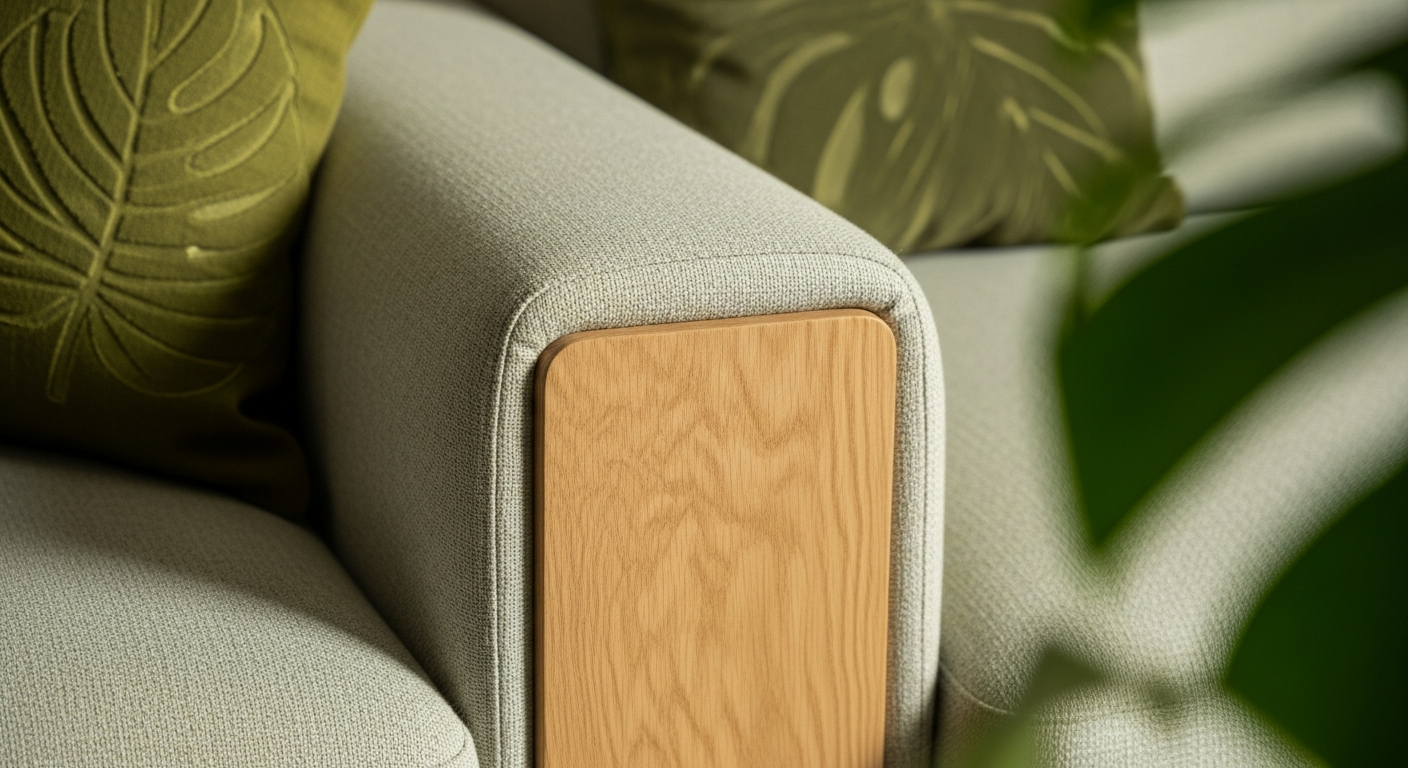
biophilic sofa design 2026 style example
Experience the comfort of biophilic sofa design 2026, embracing natural textures and organic forms.

Lighting

Maximize natural light. Use sheer curtains or blinds that allow sunlight to filter through. For artificial lighting, opt for warm, ambient light fixtures made from natural materials like woven bamboo, ceramic, or paper. Dimmers are excellent for creating different moods throughout the day, mimicking the changing light conditions in nature.

Plants and Greenery

This is where biophilia truly comes alive. Incorporate a variety of indoor plants: large floor plants like Fiddle Leaf Figs or Bird of Paradise, smaller plants on shelves, and trailing plants from hanging planters. Consider creating a living wall for a dramatic statement. The strategic placement of greenery around your biophilic sofa will enhance the feeling of being immersed in nature.

The Benefits of Biophilic Living

Beyond aesthetics, adopting biophilic design principles, particularly with your sofa choices, offers tangible benefits:

  • Reduced Stress and Anxiety: Connecting with nature has been proven to lower cortisol levels.
  • Improved Mood and Cognitive Function: Natural light and organic forms can enhance focus and creativity.
  • Better Air Quality: Indoor plants naturally filter toxins and produce oxygen.
  • Enhanced Well-being: Creating a nurturing environment supports overall mental and physical health.
  • Sustainable Lifestyle: Choosing natural, durable materials contributes to a more eco-conscious home.

The biophilic sofa design 2026 trend is more than just a fleeting style; it’s a mindful approach to living that prioritizes well-being, sustainability, and our inherent connection to the natural world. It invites us to slow down, breathe deeply, and find comfort in the organic beauty that surrounds us.

Comparison Table: Biophilic Sofas vs. Traditional Minimalist Sofas

Feature Biophilic Sofa Design (2026 Trend) Traditional Minimalist Sofa Design
Materials Natural: Linen, cotton, wool, hemp, reclaimed wood, rattan, bamboo, vegetable-tanned leather. Synthetic: Polyester, microfiber, faux leather, chrome or metal frames.
Shapes & Forms Organic, curved, rounded, fluid, cloud-like, pebble-inspired, undulating. Clean lines, sharp angles, geometric, rectangular, boxy.
Color Palette Earthy tones: Greens, browns, terracotta, muted blues, warm neutrals. Monochromatic: Whites, grays, blacks, occasional stark accent colors.
Texture & Tactility Rich, varied, inviting to touch (e.g., boucle, woven, coarse linen). Smooth, uniform, often sleek and industrial.
Environmental Impact High focus on sustainability, ethical sourcing, natural/recycled materials, non-toxic finishes. Varies, but often less emphasis on natural, biodegradable materials.
Overall Feel Nurturing, calming, grounding, connected to nature, warm, inviting. Sleek, uncluttered, sophisticated, sometimes perceived as stark or cool.

Frequently Asked Questions about Biophilic Sofa Design

Q1: Is biophilic design only for homes with lots of natural light and plants?

A: Not at all! While natural light and plants enhance the effect, biophilic design can be adapted for any space. Focus on incorporating natural materials, organic shapes, and earthy color palettes. Even indirect elements like wood grain patterns or botanical-inspired artwork contribute significantly to the biophilic aesthetic. Think about texture and natural light even if it’s artificial warm light.

Q2: How can I ensure my biophilic sofa is durable and easy to maintain?

A: Natural materials like high-quality linen, wool, and sustainably sourced wood are often very durable. Look for fabrics with high rub counts (Martindale test) and consider performance-grade natural fabrics that are treated for stain resistance without compromising their natural feel. Regular vacuuming and spot cleaning with appropriate, eco-friendly cleaners will keep your sofa looking new. Many brands are now offering natural fabrics that are both beautiful and resilient.

Q3: Can biophilic design be integrated with existing modern or minimalist furniture?

A: Absolutely! Biophilic design isn’t about discarding everything you own. You can soften modern lines with biophilic elements. For example, pair a sleek, minimalist coffee table with a new, curved linen sofa, or add an abundance of plants and natural wood accents around your existing furniture. The key is to introduce natural textures, organic shapes, and calming colors to create a more balanced and harmonious environment.

Q4: What’s the budget range for biophilic sofas?

A: Like any design trend, biophilic sofas come in a wide range of price points. Entry-level options might focus on natural cotton or basic wood frames. Mid-range choices often feature better quality linen, wool, or more intricate rattan work. High-end biophilic sofas will utilize premium sustainable materials, expert craftsmanship, and innovative designs, often from bespoke or ethically-focused brands. The investment often reflects the quality, durability, and ethical sourcing of the materials.

Q5: Will biophilic design be a lasting trend or just a fad?

A: Biophilic design is more than a trend; it’s a fundamental principle rooted in human psychology and our innate connection to nature. As urban living continues to disconnect us from the natural world, the need to integrate nature into our homes will only grow stronger. The focus on well-being, sustainability, and authentic materials ensures that biophilic design, and specifically biophilic sofa design 2026, will be a lasting and evolving approach to interior spaces.

Embrace the Revolution

The year 2026 marks a pivotal moment in interior design, ushering in an era where our homes are not just aesthetically pleasing but are vital contributors to our well-being. The biophilic sofa, with its organic forms, natural textures, and commitment to sustainability, stands at the forefront of this revolution. It’s an invitation to create spaces that nurture the soul, ground the spirit, and reconnect us to the timeless beauty of the natural world. Visit lesofa.club to explore more about how to bring this transformative design into your home.

Future-Proof Your Living Room: Top Eco-Friendly Sofa Fabrics for 2026

As we stride further into the 21st century, the call for sustainability resonates louder than ever, transforming every aspect of our lives, from the food we eat to the clothes we wear, and increasingly, the homes we inhabit. The living room, often the heart of the home, is no exception. Homeowners are no longer just looking for style and comfort; they demand responsibility and a reduced environmental footprint. This growing awareness has sparked an exciting revolution in interior design, particularly in the realm of furniture upholstery. If you’re planning to update your living space, understanding the forefront of eco-friendly sofa fabrics 2026 is essential for making choices that are both stylish and responsible.

Gone are the days when ‘eco-friendly’ meant sacrificing aesthetics or durability. Today’s sustainable fabrics are at the cutting edge of textile innovation, offering unparalleled comfort, resilience, and a stunning array of textures and colors. From farm to factory, these materials are designed to minimize environmental impact, reduce waste, and often promote healthier indoor air quality. This comprehensive guide will take you through the leading eco-friendly sofa fabrics set to dominate living rooms in 2026, equipping you with the knowledge to make conscious decisions for a future-proof home.

Why Choose Eco-Friendly Sofa Fabrics?

The benefits of opting for sustainable upholstery extend far beyond mere trend-following; they offer tangible advantages for both the planet and your household:

  • Environmental Stewardship: Eco-friendly fabrics typically involve less water consumption, fewer harmful pesticides and chemicals, and a reduced carbon footprint during production. Many are derived from renewable resources or recycled materials, diverting waste from landfills.
  • Healthier Home Environment: Traditional fabrics can sometimes off-gas volatile organic compounds (VOCs) from dyes, finishes, and fire retardants. Sustainable options often use natural dyes, chemical-free processing, and inherently flame-resistant fibers, leading to better indoor air quality and fewer potential allergens.
  • Durability and Longevity: Often made from naturally strong fibers, many eco-friendly fabrics are inherently durable and designed to last. This reduces the need for frequent replacements, saving resources and money in the long run.
  • Ethical Production: Beyond environmental concerns, many sustainable fabrics are produced with ethical labor practices, ensuring fair wages and safe working conditions for those involved in their creation.
  • Unique Aesthetics: The natural variations and textures of eco-friendly fabrics bring an organic, sophisticated charm to any space, complementing a wide range of interior styles from minimalist to bohemian.

The Leading Eco-Friendly Sofa Fabrics for 2026

Let’s dive into the innovative materials that are redefining sustainable luxury for your sofa:

Organic Cotton

Cotton has long been a staple in upholstery, cherished for its softness and breathability. However, conventional cotton farming is notoriously resource-intensive, requiring vast amounts of water and pesticides. Organic cotton, on the other hand, is grown without synthetic pesticides, herbicides, or genetically modified organisms (GMOs). Its production promotes biodiversity and healthy ecosystems, using significantly less water.

Benefits: Incredibly soft, breathable, hypoallergenic, strong, and easy to dye. It offers a classic, comfortable feel that can be woven into various textures, from smooth sateen to durable canvas. An organic cotton sofa is a fantastic choice for those prioritizing comfort and purity.

Considerations: While durable, organic cotton can be prone to wrinkling and may absorb spills if not treated with a natural, non-toxic stain protector.

Care: Generally machine washable on a gentle cycle for removable covers; spot clean with mild, eco-friendly detergents for fixed upholstery.

Linen (Flax)

Derived from the flax plant, linen is one of the oldest and most sustainable textile fibers. Flax requires minimal water and pesticides to grow and thrives in poor soil. Every part of the flax plant can be used, leaving virtually no waste. Its natural fibers are incredibly strong, making it ideal for durable upholstery.

Benefits: Exceptional strength and durability, highly breathable, naturally hypoallergenic, antibacterial, and moth-resistant. Linen develops a beautiful, soft patina over time and offers a sophisticated, relaxed aesthetic. A linen sofa exudes effortless elegance.

Considerations: Can be prone to wrinkling, though this is often considered part of its charm. Some linen blends may be more resistant to creasing.

Care: Spot clean with a gentle, pH-neutral cleaner. Professional cleaning is recommended for deep cleaning fixed upholstery.

Hemp

Hemp is truly a wonder plant for textiles. It grows rapidly without the need for pesticides or excessive water, enriches the soil it grows in, and produces a strong, long fiber. Its sustainability profile is arguably one of the best among natural fibers.

Benefits: Extremely strong and durable (often compared to linen but even tougher), resistant to UV light, mold, and mildew. It softens beautifully with age and wear, making it a comfortable and long-lasting choice. It has a distinctive, rustic texture that adds character. Choosing a hemp fabric sofa is a bold step towards ultimate sustainability.

Considerations: Can be initially stiff, but softens considerably over time. Its natural color palette tends towards earthy tones, though it can be dyed.

Care: Similar to linen; spot clean with mild soap and water, or opt for professional upholstery cleaning.

Recycled Polyester (rPET)

Recycled polyester, or rPET, is a game-changer in the textile industry. It’s made from recycled plastic bottles and other post-consumer waste, diverting plastics from landfills and oceans. The process of making rPET uses significantly less energy and water compared to virgin polyester production.

Benefits: Highly durable, stain-resistant, fade-resistant, and relatively inexpensive. It offers the performance benefits of synthetic fibers with a vastly improved environmental footprint. Many companies are creating beautiful and soft textures, mimicking natural fibers. A recycled polyester sofa offers both practicality and peace of mind.

Considerations: While recycling plastics is excellent, rPET still originates from plastic, which is a non-renewable resource. It may not be biodegradable at its end of life, though its long lifespan and recyclability offer significant advantages.

Care: Easy to clean; typically spot clean with mild soap and water. Check manufacturer’s instructions for specific care.

Tencel™ Lyocell

Tencel™ Lyocell is a branded lyocell fiber produced by Lenzing AG, derived from sustainably sourced wood pulp, typically eucalyptus. The production process is a ‘closed-loop’ system, meaning that 99% of the solvents and water used are recovered and reused, minimizing waste and environmental impact.

Benefits: Exceptionally soft, smooth, and breathable, with a luxurious drape. It’s highly resistant to wrinkles, very strong, and absorbs moisture efficiently, making it cool in summer and warm in winter. It’s also naturally antibacterial. It’s a fantastic choice for those seeking comfort and a refined aesthetic in their Tencel Lyocell fabric upholstery.

Considerations: Can be more expensive than some other options. Requires careful cleaning to maintain its luxurious feel.

Care: Gentle spot cleaning recommended. Professional cleaning is often advised for optimal maintenance.

Sustainable Wool

Wool, a natural protein fiber, is renewable, biodegradable, and incredibly resilient. Sustainable wool comes from sheep raised using ethical farming practices that prioritize animal welfare, land management, and biodiversity. Look for certifications like Responsible Wool Standard (RWS).

Benefits: Naturally flame-resistant, extremely durable, resistant to dirt and crushing, and offers excellent insulation properties. It’s also breathable and can wick away moisture. Wool brings a sense of warmth and luxury to upholstery, and a high-quality sustainable wool rug can complement a wool-upholstered sofa beautifully.

Considerations: Can be more expensive. Some people may find certain wools to be itchy, though upholstery-grade wool is typically smoother.

Care: Naturally dirt-repellent, so regular vacuuming is often sufficient. Spot clean spills immediately with a mild wool-safe cleaner. Professional cleaning advised.

Innovative Vegan Leathers (Mushroom, Apple, Pineapple)

The innovation in vegan leather alternatives is truly astounding. Materials like ‘Mylo’ (mushroom mycelium), ‘Pinatex’ (pineapple leaf fibers), and ‘AppleSkin’ (apple waste from juice production) are offering luxurious and sustainable alternatives to traditional leather.

Benefits: Cruelty-free, often biodegradable (depending on the specific material and backing), and offers a similar aesthetic and feel to animal leather without the associated environmental and ethical concerns. They are becoming increasingly durable and versatile. A vegan leather sofa made from these materials is a statement in modern sustainability.

Considerations: Still relatively new, so long-term durability may vary between brands and types. Can be more expensive due to innovative production processes.

Care: Typically easy to wipe clean with a damp cloth. Follow manufacturer’s specific instructions for maintenance.

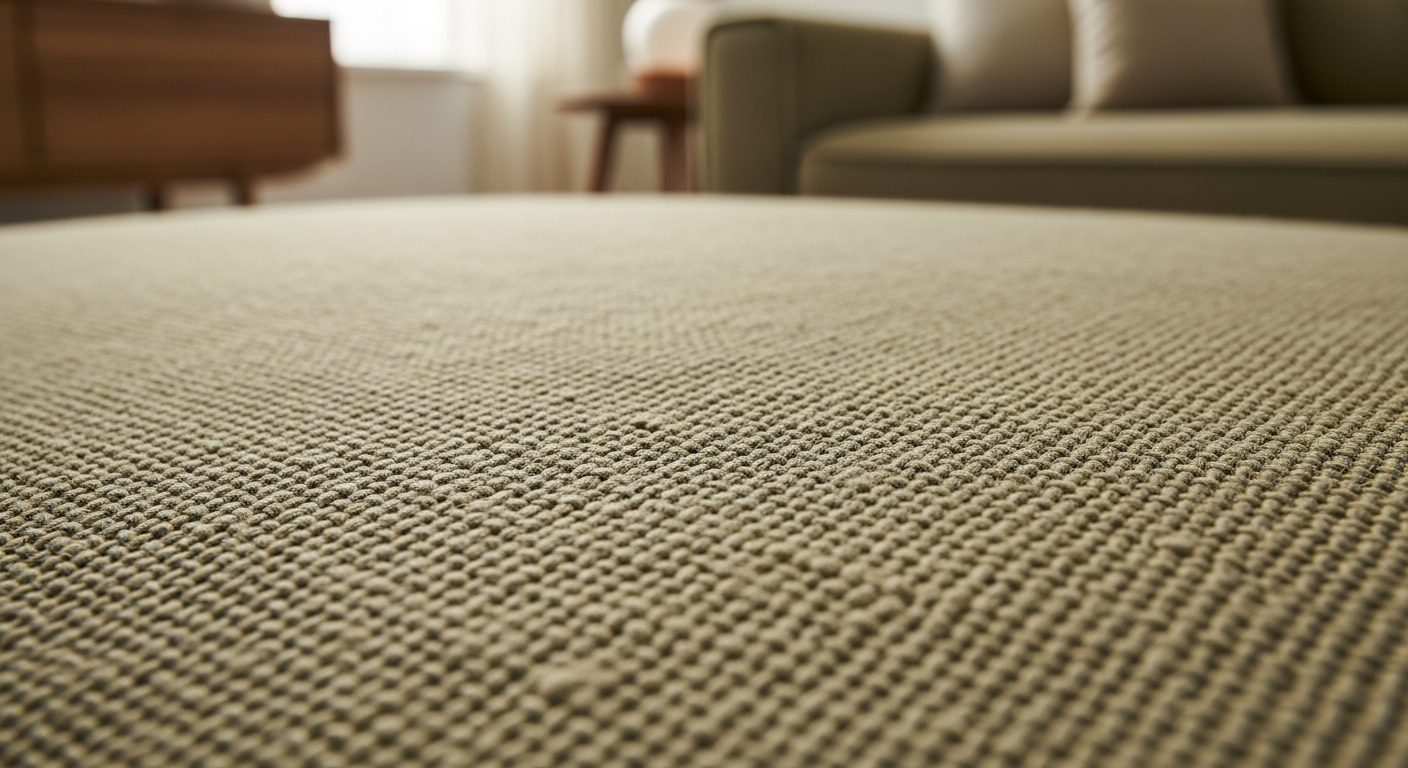
eco-friendly sofa fabrics 2026 style example
Discover the beautiful textures of eco-friendly sofa fabrics 2026, blending style with sustainability.

Choosing the right eco-friendly sofa fabrics for 2026 allows you to embrace sustainability without compromising on style.

Comparison Table: Eco-Friendly Sofa Fabrics at a Glance

Fabric Sustainability Score (1-5) Durability Softness Cost Best For
Organic Cotton 4 Good Excellent Mid Casual, comfortable spaces; allergy sufferers
Linen (Flax) 4.5 Excellent Good (softens with age) Mid-High Elegant, relaxed aesthetics; high-traffic areas
Hemp 5 Exceptional Good (softens significantly with age) Mid-High Extremely durable, rustic/natural looks; heavy use
Recycled Polyester (rPET) 4 Excellent Good Low-Mid Family-friendly, stain-resistant; budget-conscious
Tencel™ Lyocell 4.5 Very Good Excellent (silky) High Luxurious feel, breathability; modern spaces
Sustainable Wool 4 Excellent Good High Warmth, durability, natural fire resistance
Vegan Leathers 4-5 (varies) Good-Excellent Good High Cruelty-free, modern, distinct style

What to Look for When Choosing Eco-Friendly Sofa Fabrics in 2026

Making an informed choice requires looking beyond the label. Here’s what to consider:

  • Certifications: Look for third-party certifications that verify sustainable practices. Key ones include:
    • GOTS (Global Organic Textile Standard): For organic fibers, ensuring ecological and social criteria throughout the supply chain.
    • Oeko-Tex Standard 100: Certifies that textiles are free from harmful substances.
    • GRS (Global Recycled Standard): For recycled content, verifying chain of custody and social/environmental practices.
    • FSC (Forest Stewardship Council): For wood-derived fibers like Tencel, ensuring sustainable forest management.
  • Dyeing Processes: Inquire about low-impact dyes or natural dyes, which significantly reduce water pollution.
  • Durability and Longevity: A truly sustainable product is one that lasts. Choose a fabric that can withstand the wear and tear of your household, reducing the need for premature replacement.
  • Maintenance and Care: Consider the cleaning requirements. Easier-to-care-for fabrics might lead to less use of harsh chemicals or energy-intensive cleaning processes. A good eco-friendly fabric cleaner is a must-have for maintaining your sustainable sofa.
  • Supply Chain Transparency: Reputable brands will be open about their sourcing and manufacturing processes.
  • End-of-Life Considerations: Is the fabric biodegradable, recyclable, or part of a circular economy?

Maintaining Your Eco-Friendly Sofa

Proper care is crucial for extending the life of your eco-friendly sofa and preserving its aesthetic appeal. Regular vacuuming with a soft brush attachment can remove dust and debris before it becomes embedded. Address spills immediately by blotting, not rubbing, with a clean, white cloth. Always test any cleaning product on an inconspicuous area first. For deeper cleaning or stubborn stains, consult the manufacturer’s care guide or a professional upholstery cleaner experienced with sustainable textiles.

FAQs about Eco-Friendly Sofa Fabrics

Q1: Are eco-friendly sofa fabrics truly durable?

A: Absolutely! Many eco-friendly fabrics, such as hemp, linen, and sustainable wool, are known for their exceptional natural strength and resilience. Recycled polyester also offers robust durability comparable to virgin synthetics. Their longevity is a key aspect of their sustainability.

Q2: Are eco-friendly fabrics more expensive than traditional options?

A: Not always. While some cutting-edge materials or certified organic options might have a higher upfront cost due to specialized farming or production processes, many are competitively priced. Considering their durability and positive environmental impact, they often offer better long-term value.

Q3: How do I clean my eco-friendly sofa?

A: Cleaning depends on the specific fabric. Generally, regular vacuuming and immediate spot cleaning with mild, pH-neutral, eco-friendly detergents are recommended. Always refer to your sofa’s care label or manufacturer’s instructions. Professional cleaning may be advised for deeper maintenance.

Q4: What’s the most sustainable sofa fabric option for 2026?

A: Hemp often tops the list due to its minimal resource requirements and incredible durability. However, the ‘most’ sustainable option can depend on various factors, including local sourcing, specific brand practices, and the full lifecycle assessment of the product. All fabrics mentioned above represent excellent sustainable choices.

Q5: Can I find a stylish eco-friendly sofa that fits my aesthetic?

A: Definitely! The market for sustainable home furnishings has exploded, offering a vast array of styles, colors, and textures. Eco-friendly fabrics are now available in sophisticated weaves, vibrant dyes, and luxurious finishes, ensuring you don’t have to compromise on design for sustainability. The choice of eco-friendly sofa fabrics 2026 is wider and more stylish than ever.

Future-Proof Your Living Space with Conscious Choices

The movement towards sustainable living is more than a trend; it’s a fundamental shift in how we approach consumption and design. By choosing eco-friendly sofa fabrics for 2026, you’re not just buying a piece of furniture; you’re investing in a healthier home, a cleaner planet, and a future where style and sustainability coexist harmoniously. The options are diverse, beautiful, and more accessible than ever, empowering you to create a living space that truly reflects your values.

Explore our curated selection of sustainable furniture options and transform your living space today!