Lounging in Luxury: The Ultimate Sofas Designed for Tall People in 2026
For individuals blessed with height, finding furniture that accommodates their stature comfortably can often feel like a quest for the Holy Grail. While the market is awash with beautiful sofas, many are designed with average heights in mind, leaving taller people with dangling legs, unsupported backs, and an overall sense of discomfort rather than relaxation. As your chief editor at lesofa.club, I understand this struggle firsthand. That’s why we’ve curated this ultimate guide to the best sofas for tall people in 2026, ensuring that luxury and ergonomic design go hand-in-hand for those who need a little extra room to stretch out.
Imagine sinking into a sofa after a long day, only to find your knees practically touching your chin, or your head awkwardly unsupported above the backrest. This common scenario is a testament to the design oversight many furniture manufacturers make. But fear not! The furniture industry is evolving, and with it, a new generation of sofas tailored specifically for taller individuals is emerging. From expansive sectionals to power recliners with extended leg rests, the options for truly comfortable seating are more abundant than ever before.
In this comprehensive buying guide, we’ll delve deep into the essential features that make a sofa tall-person-friendly, highlight our top picks for 2026, and provide insights into maintaining your investment. Get ready to transform your living space into a haven of unparalleled comfort.
Why Standard Sofas Fall Short for Tall Individuals
Before we dive into solutions, let’s understand the common pain points taller people experience with conventional sofas:
- Insufficient Seat Depth: This is perhaps the most common issue. Standard seat depths (typically 20-22 inches) leave tall people feeling like they’re perched on the edge, unable to properly settle back and support their thighs.
- Low Backrests: A backrest that ends at your shoulder blades offers no neck or head support. This forces tall individuals to slouch or use multiple pillows, neither of which is truly comfortable or ergonomic.
- Inadequate Armrest Height: Armrests that are too low or too high can lead to awkward posture, strain on the shoulders, and difficulty getting up from a seated position.
- Leg Overhang: While not a comfort issue for everyone, having your feet dangle or resting uncomfortably can detract from the overall lounging experience.
- Poor Lumbar Support: When the body isn’t properly aligned due to inadequate dimensions, the lower back often bears the brunt, leading to stiffness and pain.
These issues don’t just affect comfort; they can contribute to long-term postural problems and diminish the enjoyment of your living space. Investing in an appropriate sofa isn’t just a luxury; it’s an investment in your well-being.
Key Features to Look For in Sofas for Tall People
When searching for the perfect sofa, keeping a few critical dimensions and design elements in mind will guide you toward true comfort. Here’s what to prioritize:
Deep Seat Depth: The Foundation of Comfort
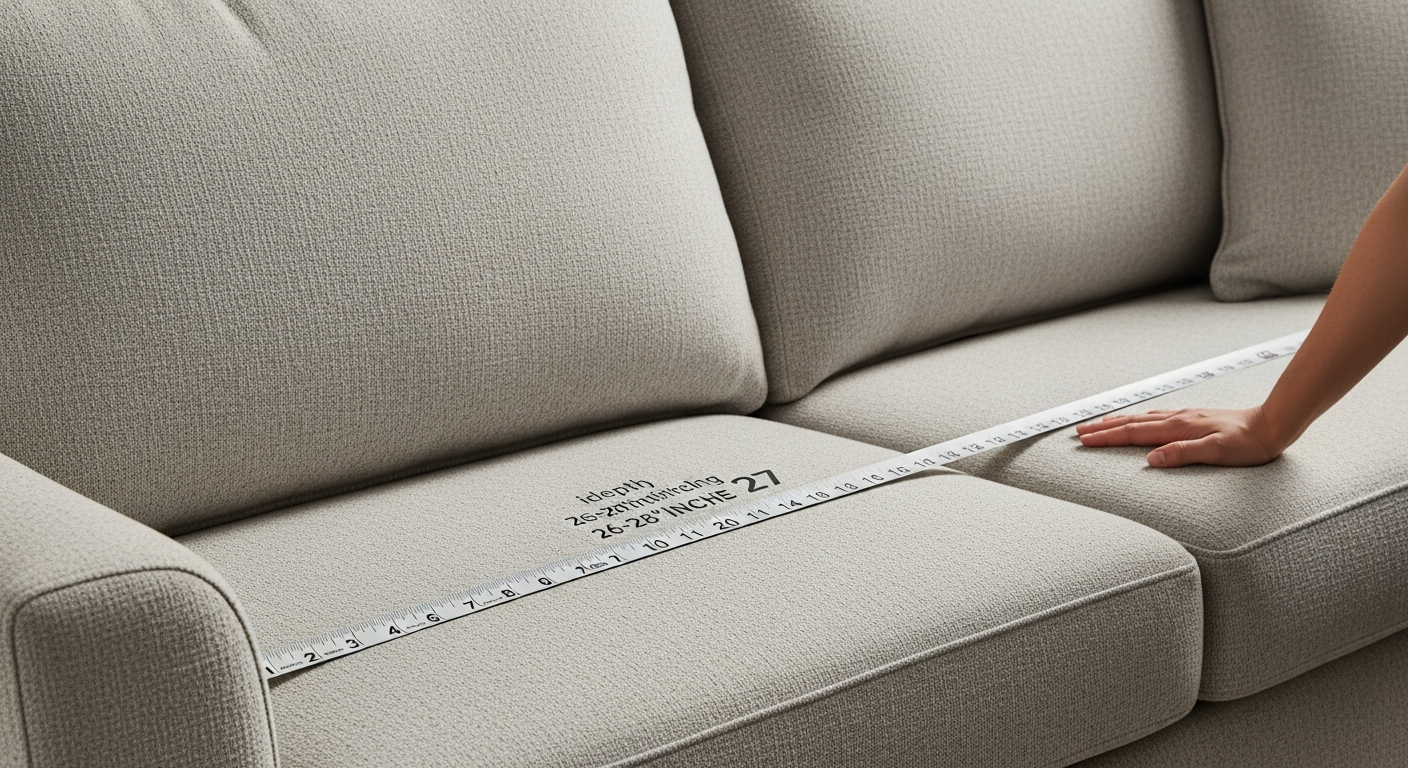
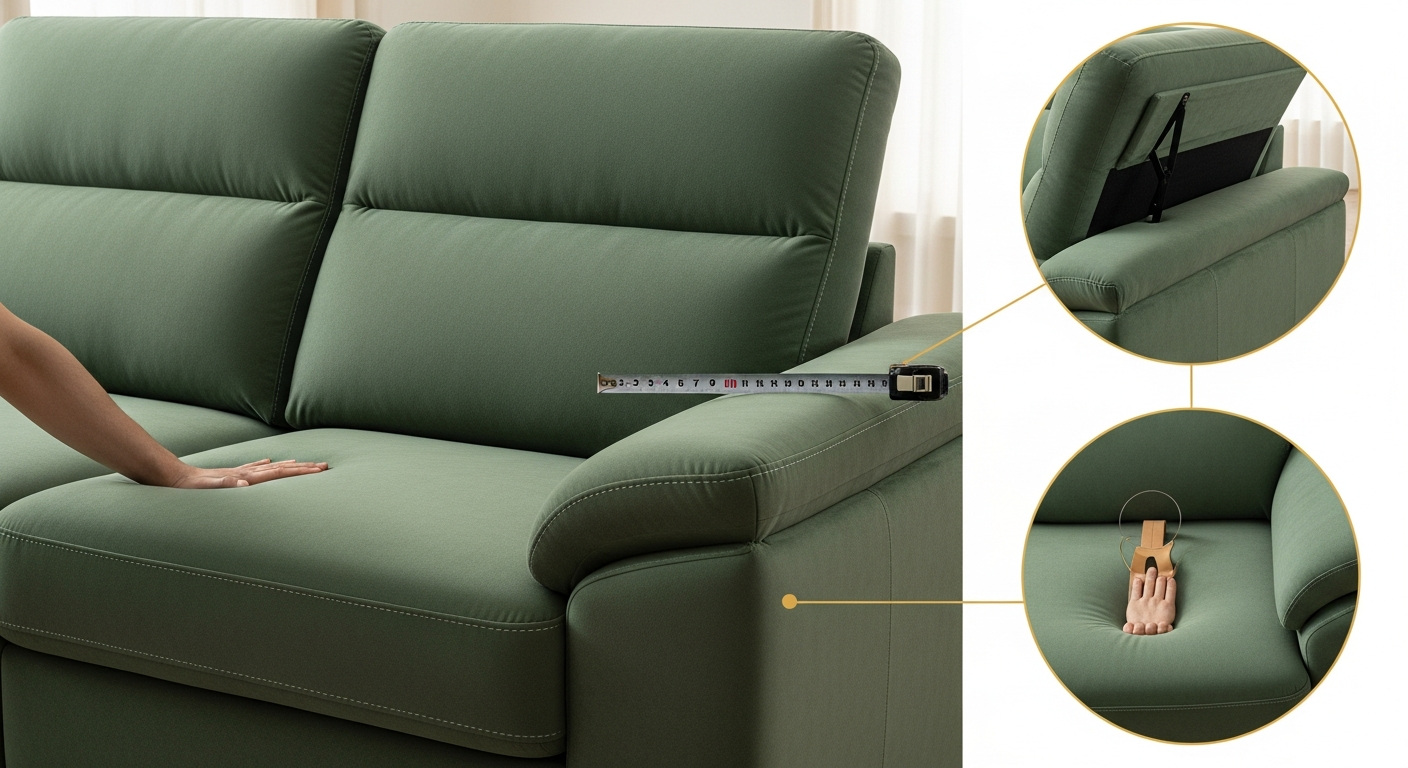
For tall people, seat depth is paramount. Look for sofas with a seat depth of at least 24 inches, with 25-27 inches being ideal for most, and even deeper options available for those over 6’4". This allows your entire thigh to be supported, enabling you to lean back fully and relax without feeling like you’re about to slide off. A deep seat sectional sofa often offers some of the most generous depths, perfect for stretching out.
High Backrests: Essential Head and Neck Support
A backrest should comfortably support your head and neck. Aim for a total backrest height (from the top of the seat cushion to the top of the backrest) of at least 35 inches, with 38-42 inches providing superior support for very tall individuals. Some sofas feature adjustable headrests, which can be a game-changer for customizable comfort. This ensures proper spinal alignment and prevents neck strain.
Sturdy Frame and Durable Upholstery: Built to Last
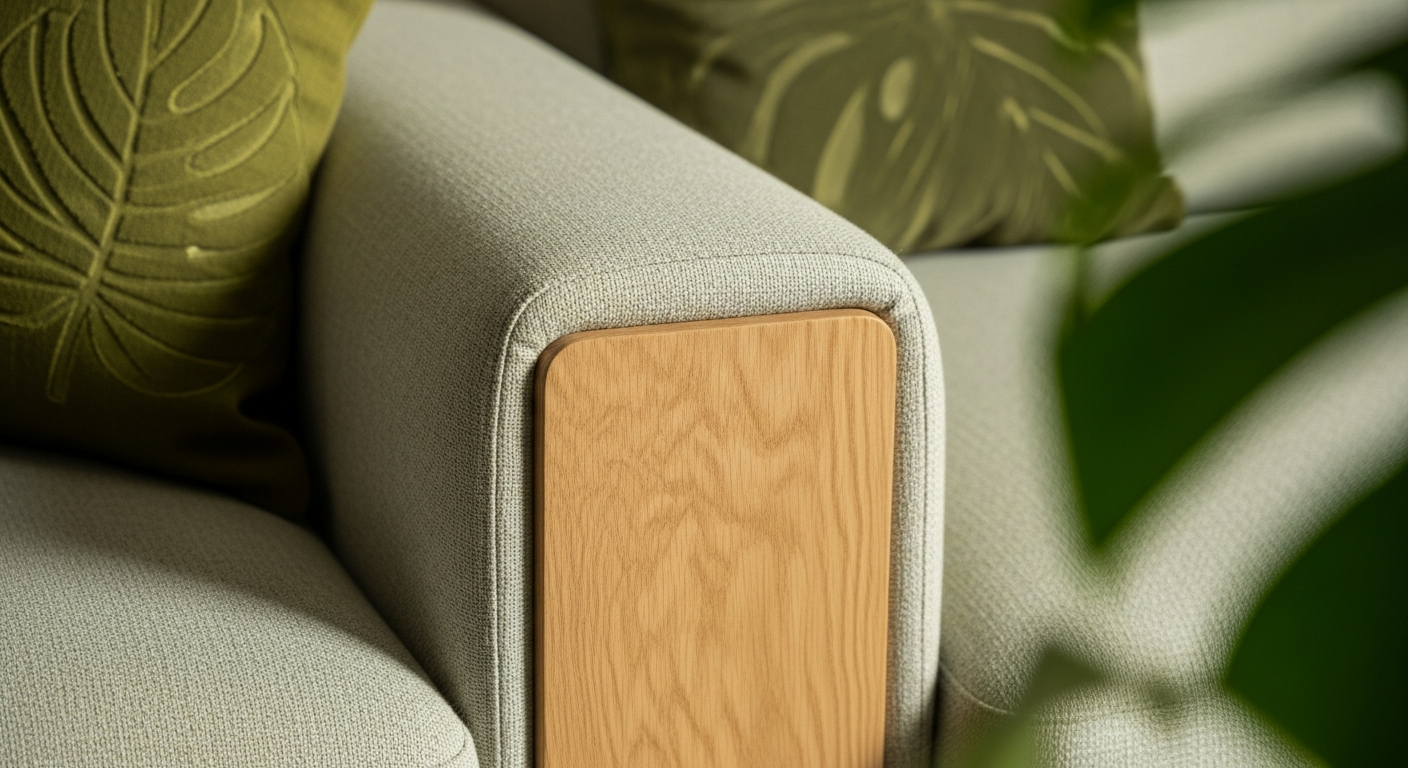
A sofa designed for taller individuals will likely see more expansive use, meaning its construction needs to be robust. Look for frames made from kiln-dried hardwood (like oak or maple) or strong metal. Durable upholstery fabrics such as high-performance polyester blends, thick microfiber, or quality leather will stand up to daily wear and tear. A durable fabric sofa ensures your investment lasts for years.
Ample Armrest Height: Support Where You Need It
Armrests that are too low can strain your shoulders, while those that are too high can feel restrictive. The ideal armrest height allows your arms to rest naturally, supporting your elbows at a comfortable angle. This also aids in providing leverage when getting up from the sofa.
Reclining Functionality: Stretching Out to the Max
For ultimate relaxation, a reclining sofa can offer unparalleled comfort. Look for models with extended footrests or power recline features that allow you to adjust to infinite positions. Many modern reclining sofas also include adjustable headrests and lumbar support, making them exceptionally tall-person-friendly. A power reclining sofa can truly revolutionize your lounging experience, offering custom comfort at the touch of a button.
Modular and Sectional Designs: Customization is Key
Modular sofas and sectionals are often a godsend for tall people. Their inherent design allows for greater flexibility in configuration, often providing deeper seats and longer chaise elements. You can essentially build a sofa that perfectly fits your space and your height requirements, adding or removing pieces as needed. This adaptability makes them a fantastic long-term investment.
Firm Yet Comfortable Cushioning: The Right Balance
While plush, sink-in cushions might sound appealing, for tall individuals, a firmer cushion often provides better long-term support. Look for high-density foam cores wrapped in softer materials or down feathers for a balance of support and comfort. Cushions that retain their shape well prevent the ‘bottoming out’ feeling that can be uncomfortable for anyone, especially those with longer limbs.
Top Picks: The Best Sofas for Tall People in 2026
Based on these crucial features, we’ve identified several types of sofas that consistently deliver for taller individuals. While specific brands and models change, these categories represent the pinnacle of comfort and design for 2026.
The Extra-Deep Sectional Sofa
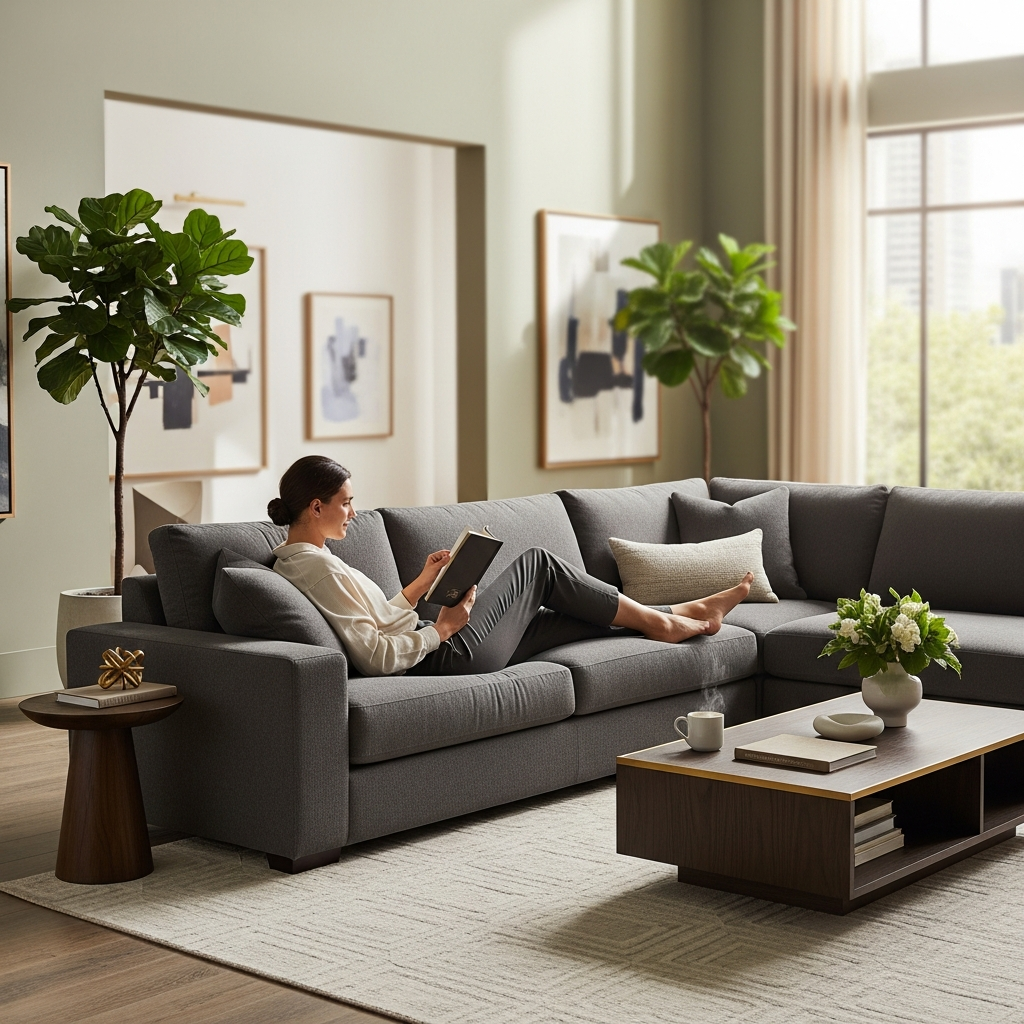
An extra-deep sectional is often the go-to choice for tall families or individuals who love to sprawl. With seat depths frequently exceeding 25 inches and generous overall dimensions, these sofas offer ample room for multiple tall users. Look for L-shaped or U-shaped configurations with an extended chaise lounge for maximum leg room. Many come with high backs, and some even offer adjustable backrests. They are perfect for movie nights, hosting, or simply enjoying unparalleled space. Consider a modular version if you anticipate needing to reconfigure your living space in the future.
The Power Reclining Sofa with Extended Footrest
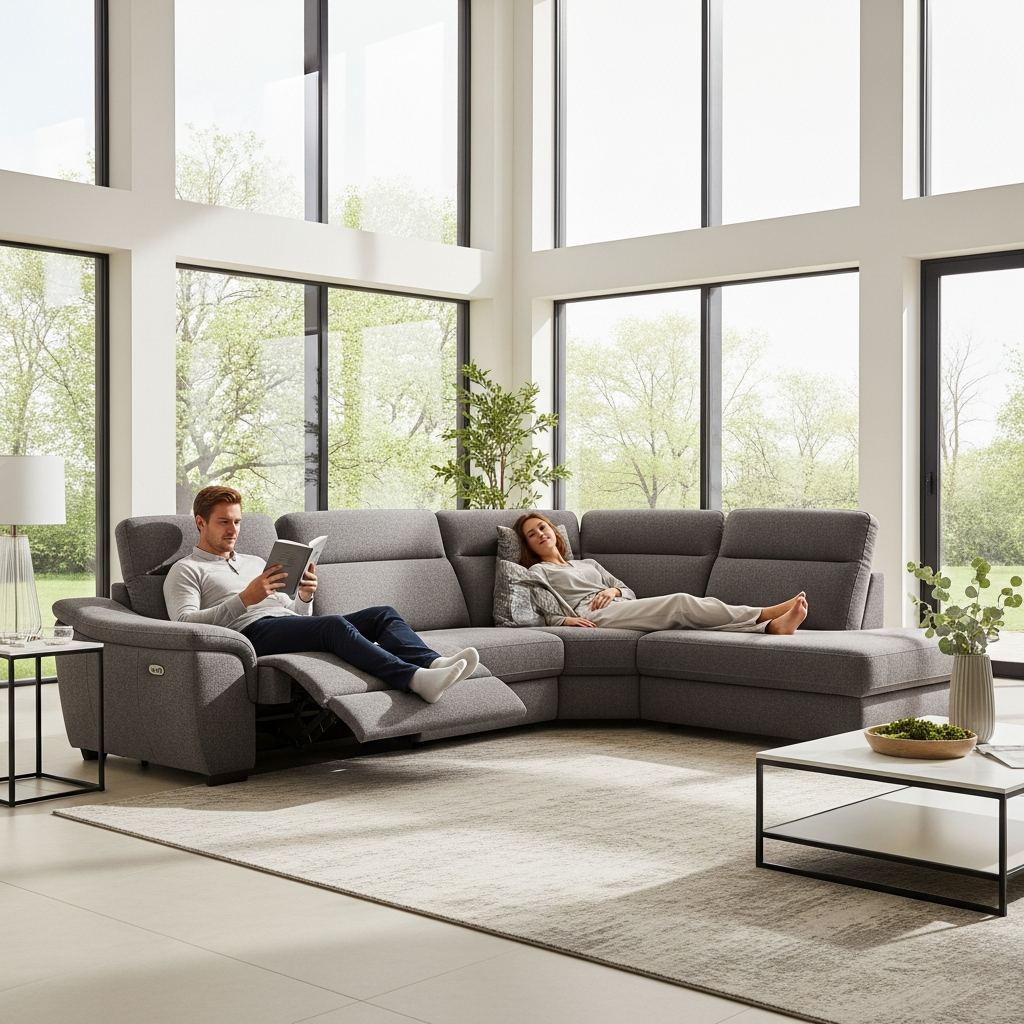
Gone are the days of clunky recliners. Modern power reclining sofas are sleek, sophisticated, and incredibly comfortable. Crucially for tall users, many models feature extended footrests that provide full leg support and adjustable headrests that can be precisely positioned for neck and head comfort. Some high-end options even include power lumbar support and zero-gravity recline functions, offering therapeutic benefits alongside luxurious lounging. These are ideal for those who prioritize personalized comfort and enjoy long periods of relaxation.
The Scandinavian-Inspired Deep Seater
If your aesthetic leans towards minimalist and modern, don’t despair. Many Scandinavian furniture brands are now offering sofas with deeper seats and slightly higher backrests while maintaining their signature clean lines and elegant profiles. These often feature robust, wooden frames and supportive, yet comfortable, cushions. While they might not reach the extreme dimensions of some sectionals, they offer a stylish and comfortable solution for many tall individuals, blending seamlessly into contemporary decor.
The Custom-Configured Modular Sofa System
For those with very specific needs or unconventional living spaces, a modular sofa system is an excellent choice. These allow you to select individual components—like armless chairs, corner pieces, ottomans, and chaises—and arrange them to create a bespoke sofa. This means you can ensure every element, from seat depth to overall length, is perfectly tailored to your requirements. Many brands offer deep-seated modules and high-back options, making it easier to craft the ultimate extra long sofa designed just for you.
Comparison Table: The Best Sofas for Tall People in 2026
To help you visualize the differences and make an informed decision, here’s a comparison of our top sofa types:
| Sofa Type/Category | Key Features for Tall People | Typical Seat Depth (in) | Typical Backrest Height (in) | Pros | Cons | Ideal For |
|---|---|---|---|---|---|---|
| Extra-Deep Sectional | Expansive lounging space, deep seats, often modular, high back options. | 25-30+ | 35-40+ | Unrivaled space, customizable configurations, great for families. | Can dominate smaller rooms, potentially higher cost. | Large families, frequent loungers, spacious living rooms. |
| Power Reclining Sofa | Extended footrest, adjustable headrest & lumbar, infinite recline positions. | 23-26 | 38-42 | Exceptional comfort, personalized support, therapeutic benefits. | Can be bulky, mechanical parts may require maintenance, electrical outlet needed. | Individuals seeking ultimate relaxation, those with specific support needs. |
| Scandinavian Deep-Seated | Clean lines, substantial seat depth, supportive cushions, good width. | 24-28 | 32-37 | Stylish, minimalist aesthetic, comfortable for most tall individuals. | May lack very high backrests, typically fixed configurations. | Modern decor, those prioritizing aesthetic and comfortable functionality. |
| Custom Modular System | Fully customizable components (depth, length, height), adaptable. | 24-30+ | 34-38+ | Tailored to exact needs, future-proof, versatile for any space. | Assembly can be complex, parts often sold separately, higher initial cost. | Dynamic living spaces, evolving needs, very tall individuals with specific requirements. |
Beyond the Sofa: Enhancing Your Lounging Experience
While the sofa itself is crucial, several complementary items can further elevate your comfort:
Ottomans and Chaises: Extending Your Reach
For sofas that don’t have an integrated chaise, a separate ottoman can be a lifesaver for stretching out your legs. Look for ottomans that match the height of your sofa’s seat for seamless integration. Many sectionals come with dedicated chaise sections, which are inherently excellent for leg extension.
Throw Pillows and Lumbar Support: Customizing Comfort
Even the best-designed sofa can benefit from a few well-placed throw pillows. For tall individuals, a dedicated lumbar support pillow can make a significant difference in maintaining good posture, especially during prolonged sitting. Experiment with different densities and sizes to find what works best for your back.
Area Rugs: Anchoring Your Comfort Zone
A large area rug can not only define your living space but also add an extra layer of warmth and comfort underfoot. For taller people whose feet might occasionally touch the floor, a soft rug can make the space feel more inviting and complete. Consider a large area rug for living room to ensure your comfort zone extends beyond the sofa itself.
Cleaning Products: Maintaining Your Investment
To ensure your luxurious, tall-friendly sofa remains pristine for years, proper maintenance is essential. Regular vacuuming, spot cleaning spills immediately, and occasionally deep cleaning can prolong its life. Having a reliable upholstery cleaning solution on hand for your specific fabric type is always a good idea.
Maintenance and Longevity of Your Tall-Friendly Sofa
A high-quality sofa is an investment, and like any investment, it requires care to ensure its longevity. Here are some tips:
- Rotate Cushions Regularly: If possible, flip and rotate your seat and back cushions weekly to ensure even wear and prevent permanent indentations.
- Vacuum Frequently: Use your vacuum’s upholstery attachment to remove dust, crumbs, and pet hair, preventing grime buildup.
- Address Spills Immediately: Blot spills gently with a clean cloth. Avoid rubbing, which can spread the stain. Consult your sofa’s care instructions for specific cleaning agents.
- Keep Away from Direct Sunlight: Prolonged exposure to direct sunlight can fade fabrics and dry out leather, leading to cracks.
- Protect from Pets: While we love our furry friends, pet claws can damage upholstery. Consider throws or pet-friendly covers if your pets frequently share the sofa.
- Professional Cleaning: Depending on the fabric, an annual professional cleaning can keep your sofa looking fresh and extend its lifespan.
Investing in Comfort: Is a Premium Sofa for Tall People Worth It?
The short answer is a resounding yes. While sofas specifically designed for taller individuals might come with a slightly higher price tag, the benefits far outweigh the initial cost. Consider the following:
- Health Benefits: Proper ergonomic support prevents back pain, neck strain, and overall discomfort, contributing to better posture and long-term spinal health.
- Enhanced Relaxation: A sofa that truly fits allows for complete relaxation, transforming your living room into a true sanctuary.
- Longevity: Higher quality materials and construction often mean a longer lifespan for the sofa, making it a more sustainable and economically sound choice in the long run.
- Quality of Life: Being able to comfortably enjoy your home furniture is a fundamental aspect of daily well-being.
Think of it not just as a piece of furniture, but as an investment in your personal comfort, health, and happiness for years to come.
FAQs about Sofas for Tall People
Q1: What’s the most important measurement for a tall person’s sofa?
A: Seat depth is arguably the most crucial measurement. For tall individuals, a seat depth of at least 24 inches (61 cm) is recommended, with 25-27 inches (63.5-68.5 cm) being ideal for maximum thigh support and comfort.
Q2: Can I just add extra pillows to a standard sofa to make it comfortable for a tall person?
A: While extra pillows can offer some temporary relief, they generally don’t address fundamental issues like insufficient seat depth or a low backrest. They might alleviate some symptoms but won’t provide the comprehensive ergonomic support a purpose-built sofa offers.
Q3: Are reclining sofas always good for tall people?
A: Many reclining sofas are excellent for tall people, especially those with extended footrests and adjustable headrests. However, it’s essential to check the specific model’s dimensions and test the recline function to ensure your feet don’t hang off the end and that the backrest provides adequate head support when fully reclined.
Q4: What’s the best type of sofa for a very tall person (6’5″ and above)?
A: For very tall individuals, custom modular sofa systems or extra-deep sectionals with generous chaise elements are often the best options. These allow for maximum customization of depth and length. Power reclining sofas with very long footrests can also be excellent choices.
Q5: How can I tell if a sofa’s backrest is high enough without sitting on it?
A: You can measure the backrest height from the top of the seat cushion to the top of the backrest. Look for a height of at least 35 inches (89 cm), with 38-42 inches (96.5-106.7 cm) being ideal for complete head and neck support for most tall people.
Q6: Should I consider the overall length of the sofa?
A: Yes, especially if you plan to lie down on the sofa. An overall length of at least 90-100 inches (228-254 cm) or more is recommended for taller individuals to stretch out fully. Sectionals with long chaises are particularly good for this.
Conclusion: Embrace Luxury and Comfort Designed for You
Finding the perfect sofa when you’re tall doesn’t have to be a compromise. In 2026, the market offers an impressive array of options that blend style with ergonomic design, ensuring you can truly lounge in luxury. By focusing on key features like deep seat depth, high backrests, and durable construction, you can select a sofa that not only complements your living space but also provides unparalleled comfort and support for your unique stature.
Don’t settle for dangling legs and unsupported backs. Your comfort is paramount, and a well-chosen sofa can be a cornerstone of relaxation in your home. Take the time to measure, explore your options, and invest in a piece that brings you joy and comfort for years to come. Visit lesofa.club’s curated selections and begin your journey to finding the ultimate tall-person-friendly sofa today!