How to Arrange Two Sofas Facing Each Other for Conversation

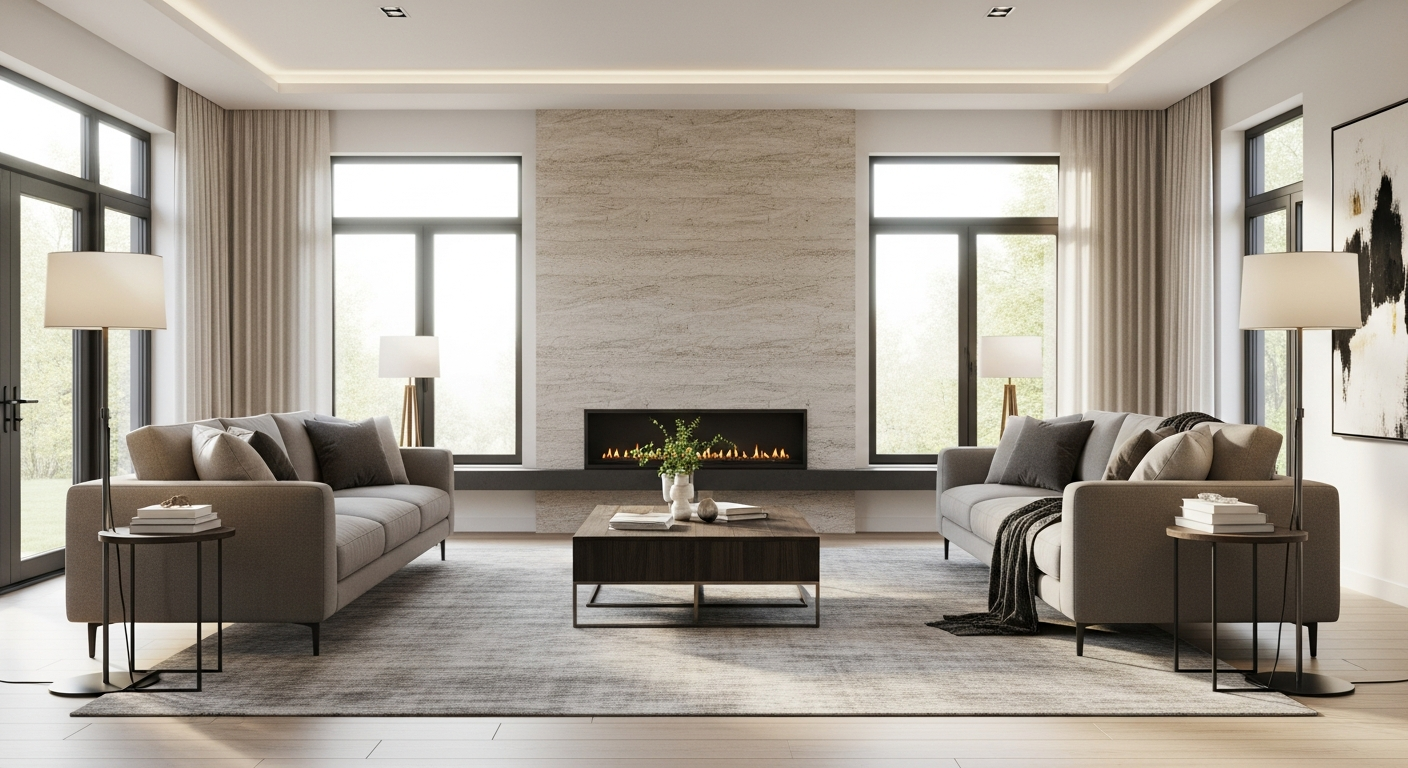
The living room is the heart of any home – a space for relaxation, entertainment, and most importantly, connection. While many opt for an L-shaped sectional or a single sofa with accent chairs, there’s a timeless and incredibly effective arrangement that often gets overlooked: two sofas facing each other. This setup doesn’t just look elegant; it’s a design power move, purposefully crafted to foster intimacy and engaging dialogue. If you’re looking to transform your living space into a hub for genuine interaction, mastering how to arrange two sofas facing each other is your secret weapon.

How to Arrange Two Sofas Facing Each Other for Conversation

At lesofa.club, we believe that furniture should not only be beautiful but also functional, enhancing your lifestyle. A face-to-face sofa configuration creates a naturally balanced and symmetrical aesthetic, drawing people together into a dedicated conversation zone. It promotes eye contact, making it easier for guests to converse without straining their necks or feeling excluded. Beyond its social benefits, this arrangement exudes sophistication and can make even the most expansive rooms feel cozy and defined. Let’s dive into the ultimate guide to perfecting this classic layout.

Why Choose a Facing Sofa Arrangement?

Before we delve into the ‘how,’ let’s understand the ‘why.’ The appeal of two sofas facing each other extends beyond mere aesthetics. It’s about designing a space that serves a specific, cherished purpose.

  • Promotes Conversation: This is the most obvious and perhaps most valuable benefit. By placing sofas opposite one another, you eliminate the awkward angles and distances that often hinder natural dialogue. Everyone is equally engaged and visible, encouraging lively discussions.
  • Creates Symmetry and Balance: A symmetrical layout is inherently pleasing to the eye. Two identical or complementary sofas facing each other bring a sense of order, harmony, and grandiosity to your living room. It’s a hallmark of classic design that never goes out of style.
  • Defines Space: In open-concept homes, defining distinct zones can be a challenge. Two sofas facing each other act as natural room dividers, clearly demarcating the conversation area from other functions like dining or a home office, without the need for physical walls.
  • Adds Elegance and Formality: There’s an undeniable air of sophistication to this arrangement. It evokes images of chic Parisian salons or stately libraries, making your living room feel more refined and upscale. A well-chosen velvet sofa modern or a pair of classic chesterfields can elevate this look further.
  • Versatile for Various Room Shapes: While often associated with larger, rectangular rooms, this setup can be adapted for square or even some smaller spaces with careful planning.

Essential Considerations Before You Begin

Successful furniture arrangement is all about planning. Before you start pushing furniture around, take a moment to consider these crucial factors:

  • Room Size and Shape: The dimensions of your room are paramount. A grand, spacious living room can easily accommodate two large sofas with ample walking space. Smaller rooms might require more compact sofas or even a sofa facing a loveseat to maintain balance without feeling cramped. Consider whether your room is long and narrow, square, or an irregular shape.
  • Sofa Style and Size: Will your sofas be identical? Or will you opt for complementary styles and colors? Matching sofas offer a cohesive, formal look, while contrasting pieces can introduce personality and visual interest. Ensure the scale of the sofas is appropriate for the room – an oversized sofa in a small room is a common design misstep.
  • Traffic Flow: Always visualize pathways. You need clear, unobstructed routes to doors, windows, and other areas of the room or adjacent rooms. Avoid placing sofas in a way that creates bottlenecks or forces people to squeeze past furniture.
  • Focal Point: Every successful room design has a focal point – a fireplace, a large window with a view, a prominent piece of art, or a TV. Your sofa arrangement should ideally complement or emphasize this focal point. The sofas typically face each other, with the focal point positioned at one end of this imaginary rectangle.
  • Lighting: Both natural and artificial lighting play a huge role in how a room feels. Ensure your sofa arrangement doesn’t block natural light sources. Plan for ambient, task, and accent lighting around your seating area for a well-lit and inviting atmosphere. Elegant floor lamps for living room modern or sophisticated table lamps can drastically improve the mood.
  • Rug Selection: An area rug is often the anchor of a seating arrangement. It defines the space, adds warmth, and introduces color and texture. Its size is critical: ideally, all front legs of the sofas (and any accompanying chairs) should rest on the rug.
  • Coffee Table: This central piece is not just for drinks; it completes the conversation zone. Its size and shape should be proportionate to the space between the sofas and easily accessible from both.
  • Accent Chairs/Ottomans: Don’t forget these supporting actors. They can be used to fill in corners, add extra seating, or introduce contrasting elements to your symmetrical sofa setup.

Step-by-Step Guide to Arranging Two Sofas Facing Each Other

Now that we’ve covered the groundwork, let’s walk through the practical steps to bring your vision to life.

Step 1: Measure Your Space and Sofas

Before moving any furniture, grab a measuring tape, graph paper, and a pencil. Measure the length and width of your room. Then, measure the length, width, and height of both your sofas. Sketch a basic floor plan and draw in your sofas to scale. This helps you visualize the arrangement and determine if your chosen pieces will fit comfortably.

Step 2: Determine Your Focal Point

Identify the natural focal point of your room. Is it a fireplace? A large window? A television? If you have a TV, consider where it will be placed. The sofas will typically be arranged to face each other, with the focal point at one end of this seating arrangement, creating a natural point of interest for those seated.

Step 3: Position the First Sofa

Begin by placing your first sofa. If your room has a natural long wall, it often works well to place one sofa parallel to it. Consider its relationship to the focal point; it should typically face it or be perpendicular to it, depending on your room’s layout. Ensure there’s enough space behind it if it’s not against a wall for traffic flow or a console table.

Step 4: Place the Second Sofa

Now, position the second sofa directly opposite the first. This is where the magic happens. The distance between the two sofas is critical for fostering conversation. Aim for 5 to 8 feet (1.5 to 2.4 meters) between the front edges of the sofas. This distance allows for comfortable conversation without shouting, but also enough space for a coffee table and easy movement. Too close, and it feels cramped; too far, and intimacy is lost.

Step 5: Introduce the Coffee Table

Place your coffee table in the center of the two facing sofas. It should be easily reachable from both sofas, typically around 18 inches (45 cm) from each. The coffee table should be roughly two-thirds the length of one sofa to maintain visual balance. A functional ottoman coffee table with storage can add versatility and keep clutter at bay.

Step 6: Define with a Rug

Roll out your area rug. As mentioned, it should be large enough to at least fit the front legs of both sofas. An ideal rug size will extend beyond the sofas, encompassing the entire conversation area, including any accent chairs. A large geometric area rug can add a modern touch and ground the entire arrangement.

Step 7: Add Accent Furniture

With your main seating in place, fill in the perimeter. Place accent chairs (one or two) at either end of the sofa arrangement, perpendicular to the sofas, to complete a U-shape. This creates even more seating and defines the boundaries of your conversation zone. Side tables next to the accent chairs or at the ends of the sofas provide surfaces for drinks and lamps.

Step 8: Layer with Lighting and Accessories

Finally, bring in the finishing touches. Add table lamps to side tables and floor lamps to corners to create a warm, layered lighting scheme. Introduce throw pillows and blankets to add comfort, texture, and pops of color. Incorporate art, plants, and decorative objects to personalize the space and reflect your style. Remember, accessories are the jewelry of your room, making it feel complete and lived-in.

Creative Variations and Advanced Tips

While the classic symmetrical setup is popular, don’t be afraid to experiment:

  • Sofa Facing a Loveseat: If your room is smaller, consider pairing a full-size sofa with a matching or complementary loveseat. This still achieves the conversational effect but with a lighter footprint.
  • Mixed Sofa Styles: While matching sofas create a formal look, two different but harmonious sofas can add character. For example, a sleek modern sofa facing a more traditional, tufted one can create an eclectic yet sophisticated vibe.
  • Incorporating a Console Table: If one sofa isn’t against a wall, a console table behind it can be a fantastic addition. It offers a surface for lamps, books, and decor, and can help define the space.
  • Creating Multiple Zones: In very large rooms, you might create two distinct conversation areas, one with two facing sofas and another with a sectional or chairs around a different focal point.
  • Movable Seating: Consider incorporating ottomans or poufs that can be easily moved around to accommodate extra guests or simply for propping up feet.

Comparison Table: Sofa Arrangement Styles

To help you compare, here’s how the ‘two sofas facing each other’ arrangement stacks up against other popular layouts:

Arrangement Type Best For Pros Cons
Two Sofas Facing Each Other Formal & intimate conversation, symmetrical rooms, defining open spaces. Excellent for conversation, elegant, balanced, classic aesthetic, defines zones. Requires more space, can feel formal, less ideal for TV watching (unless TV is main focal point).
L-Shape Sectional Casual lounging, maximizing seating in a corner, TV watching. Comfortable for stretching out, good for small groups, efficient use of corners. Can feel bulky, less flexible for rearrangement, can limit conversation.
Sofa + Two Accent Chairs Versatile, smaller rooms, creating visual interest with varied pieces. Flexible, allows for different styles, good for mixed activities. Chairs can feel less integrated, less formal than two facing sofas for conversation.
U-Shape (Sectional or multiple sofas) Large gatherings, family rooms, dedicated entertainment areas. Maximizes seating, very inclusive, great for large families. Requires a very large room, can feel overwhelming, less formal.

Common Pitfalls to Avoid

Even with the best intentions, certain mistakes can undermine your efforts:

  • Overcrowding the Room: The biggest mistake is trying to fit too much furniture into a space. Leave breathing room around your sofas and tables.
  • Blocking Traffic Flow: Always ensure clear pathways. If people have to navigate an obstacle course, your design is flawed.
  • Choosing Disproportionate Furniture: A tiny coffee table between two grand sofas looks awkward, as does an enormous rug in a small space. Scale and proportion are key.
  • Ignoring the Focal Point: If your sofas don’t relate to a focal point, the room can feel aimless and unbalanced.
  • Poor Lighting: A beautiful arrangement can fall flat in bad lighting. Plan for ambient, task, and accent lighting.

FAQs about Arranging Facing Sofas

Q1: How much space should be between two facing sofas?

A: Ideally, aim for 5 to 8 feet (1.5 to 2.4 meters) between the front edges of the sofas. This allows for comfortable conversation without shouting and provides enough space for a coffee table and easy movement around the seating area.

Q2: Can I use different style sofas facing each other?

A: Yes, absolutely! While identical sofas create a formal, symmetrical look, using two different but complementary styles can add character and visual interest. Ensure they share some common elements, like a similar height, leg style, or color palette, to maintain cohesion.

Q3: What if my room is very small?

A: In a smaller room, consider using two smaller sofas (e.g., apartment-sized sofas or loveseats) or pairing one full-size sofa with a loveseat or two accent chairs. Focus on compact designs, minimal arms, and light colors to prevent the space from feeling cramped. You might also need to reduce the distance between them slightly, but ensure it’s still comfortable for conversation.

Q4: How do I incorporate a TV with two facing sofas?

A: There are a few ways. You can make the TV your focal point, placing it on a wall at one end of the sofa arrangement. Alternatively, if your TV isn’t the primary focal point (e.g., you have a fireplace), you can place the TV on an adjacent wall, allowing guests to turn slightly to watch, or use a swivel mount. Some people even opt for no TV in their primary conversation area, reserving it for other rooms to emphasize face-to-face interaction.

Q5: What kind of rug works best with this arrangement?

A: A large area rug is crucial. It should be big enough so that at least the front legs of both sofas rest on it. Ideally, it should extend beyond the sofas and any accent chairs, encompassing the entire conversation zone. This grounds the arrangement and makes the space feel cohesive and complete. Choose a rug that complements your room’s color scheme and texture palette.

Conclusion

Arranging two sofas facing each other is more than just a decorating choice; it’s a statement about how you want your living space to function. It prioritizes human connection, fosters engaging conversation, and brings an undeniable sense of elegance and balance to your home. By thoughtfully considering your room’s dimensions, focal points, and the flow of traffic, you can create a sophisticated and inviting environment where memories are made and conversations flourish.

Take the plunge and reimagine your living room. The reward is a space that is not only beautiful but also deeply functional, truly serving as the heart of your home.

Ready to transform your living room? Explore our other expert guides for more design inspiration and furniture arrangement tips!

Brown is the New Grey: Styling a Chocolate Leather Couch

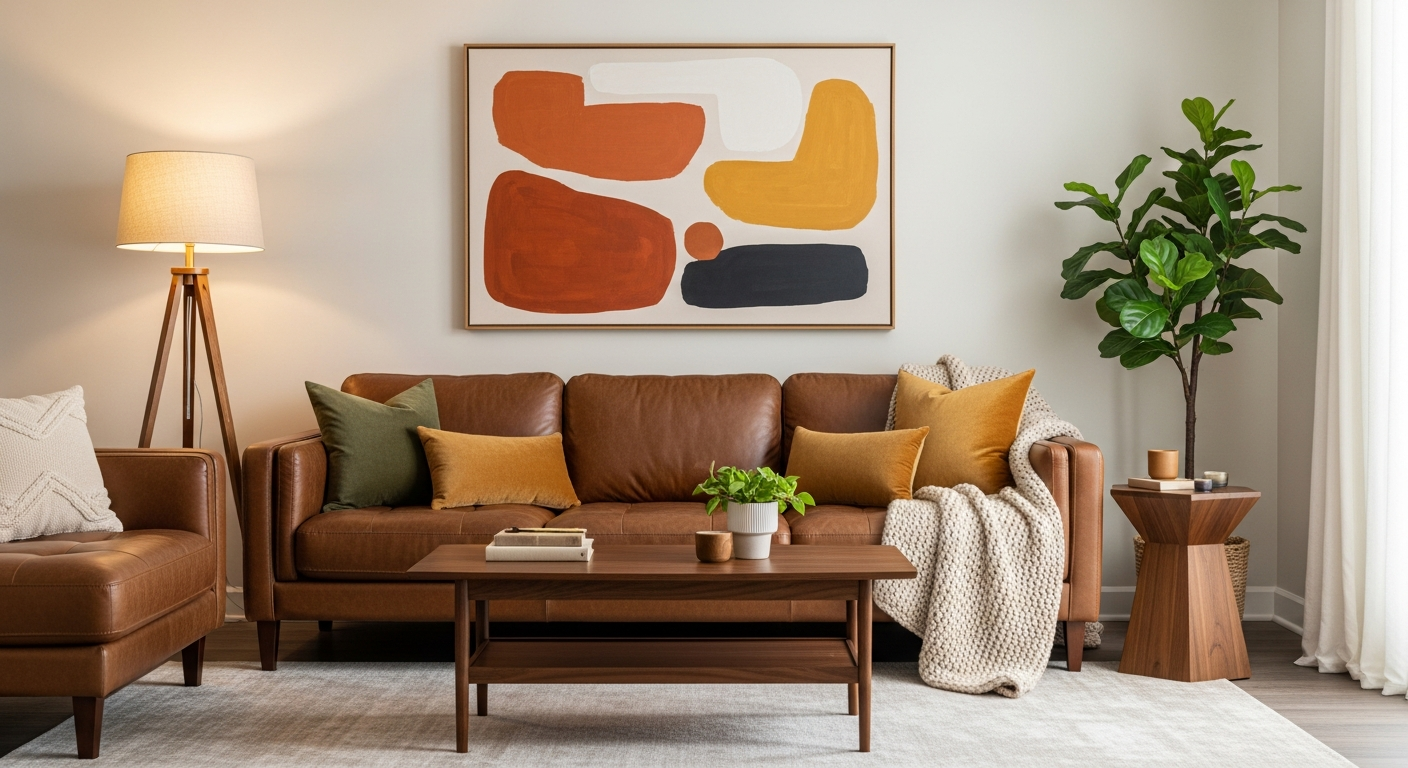
For years, grey reigned supreme in interior design, a dependable neutral that offered a cool, sophisticated backdrop to countless homes. But a quiet revolution has been brewing, a warm embrace of depth and richness that is ushering in a new era of style. Enter the chocolate brown leather couch – a statement piece that exudes warmth, timeless elegance, and unexpected versatility. If you’re looking to redefine your living space and move beyond the monochrome, learning how to style a chocolate brown leather sofa is your next design adventure. This comprehensive guide will walk you through every step, from selecting the perfect palette to curating the finest accessories, ensuring your brown beauty shines as the heart of your home.

Brown is the New Grey: Styling a Chocolate Leather Couch

Why Choose a Chocolate Leather Couch?

The allure of a chocolate leather couch goes beyond its striking appearance. It’s a piece that promises longevity, character, and a grounding presence that instantly makes a room feel more substantial and inviting. Unlike its lighter counterparts, brown leather develops a beautiful patina over time, telling a story with every mark and crease. This natural aging process only enhances its charm, making it a truly living piece of furniture.

From a practical standpoint, leather is incredibly durable and surprisingly easy to maintain. It resists spills better than many fabrics, and with proper care, it can last for decades. Aesthetically, brown is a fundamental color in nature, making it inherently soothing and easy to integrate into a wide array of design styles, from rustic farmhouse to sleek industrial, and everything in between. Its deep, earthy tones provide a comforting anchor, allowing you to experiment with bolder colors and textures elsewhere in the room without overwhelming the space.

Furthermore, a chocolate leather sofa offers a rich, grounding presence that can elevate a room from merely functional to truly luxurious. It’s a statement of confidence, a nod to classic design principles, and an investment in enduring style.

Mastering the Palette: Color Schemes with Chocolate Brown

The secret to successfully styling a chocolate brown leather couch lies in understanding how to pair it with the right colors. Brown, particularly a deep chocolate, acts as a sophisticated neutral, much like grey, but with an inherent warmth that makes it incredibly welcoming. This allows for an extensive range of color schemes, each creating a distinct mood.

Warm & Cozy: Earth Tones and Naturals

Embrace the innate warmth of your chocolate leather by surrounding it with an array of complementary earth tones. Think rich creams, sandy beiges, terracotta, olive greens, and muted oranges. These colors evoke a sense of comfort and nature, creating an inviting and serene atmosphere. Imagine layering textures with a soft beige wool rug, cream-colored throw pillows, and wooden accents. This palette is perfect for creating a sanctuary-like living room, ideal for relaxation and intimate gatherings.

Consider introducing natural elements like potted plants, distressed wood furniture, and woven baskets. These organic textures and colors will enhance the earthy feel and create a harmonious, balanced space that feels both grounded and fresh. A warm palette ensures your chocolate brown couch feels perfectly at home, providing a rich foundation for the entire room.

Modern & Sophisticated: Neutrals and Metallics

For a more contemporary and polished look, pair your chocolate leather sofa with cooler neutrals and metallic accents. Think crisp whites, charcoal greys, deep navy blues, and sleek blacks. These colors create a striking contrast with the warm brown, lending a sophisticated and edgy vibe. Silver, brass, or even matte black metallics can introduce a touch of glamour without overpowering the space.

A minimalist approach with clean lines and geometric patterns will further enhance this modern aesthetic. Picture stark white walls, a dark grey area rug, and chrome or brass floor lamps. The chocolate leather provides a beautiful anchor, preventing the cool tones from feeling too sterile and injecting a dose of understated luxury. This combination is particularly effective in urban settings or homes with an industrial-chic influence.

Bold & Eclectic: Pops of Color

Don’t shy away from incorporating vibrant hues into your scheme. Chocolate brown is an excellent foundation for bold pops of color, allowing them to truly stand out. Consider jewel tones like emerald green, sapphire blue, ruby red, or even a vibrant mustard yellow. These colors will create an energetic and playful environment, perfect for those who love to express their personality through design.

A few strategically placed accessories in these vivid shades can transform the entire room. Think about bright throw pillows, a colorful piece of abstract art, or a unique accent chair. The key is balance – let the chocolate brown sofa ground the space, while the pops of color add excitement and visual interest. This eclectic approach allows for endless creativity, making your living room a true reflection of your unique style.

Texture Play: Adding Depth and Interest

Texture is paramount when styling a chocolate leather couch. Its smooth, often shiny surface begs for contrast. Introducing a variety of textures will prevent your room from feeling flat and add layers of visual and tactile interest.

Plush Throws and Pillows

Nothing softens the robust presence of leather quite like plush textiles. Drape a chunky knit throw blanket in cream or a deep olive green over one arm of the sofa. Pile on an assortment of throw pillows in varying fabrics – think linen, velvet, faux fur, or even embroidered patterns. These additions not only enhance comfort but also provide opportunities to introduce different colors and patterns, breaking up the expanse of brown leather.

Using velvet throw pillows, for instance, adds a touch of luxury and softness, while a sheepskin throw can bring a rustic, cozy feel. Experiment with different shapes and sizes to create a dynamic arrangement that invites you to sink in and relax.

Rugs to Anchor Your Space

An area rug is essential for grounding your living room and defining the space around your chocolate leather couch. It’s also a fantastic way to introduce texture and color. For a warm, inviting feel, consider a wool rug with a subtle pattern or a plush shag rug. If you’re leaning into a more natural or bohemian aesthetic, complementing it with a jute area rug adds an organic, earthy feel.

For modern spaces, a geometric pattern or a short-pile rug in a contrasting neutral like grey or cream can work wonders. Persian or Oriental rugs, with their intricate patterns and rich colors, can add an exquisite layer of history and sophistication, perfectly complementing the timeless nature of leather.

Wooden Accents and Greenery

Wood is a natural companion to leather. Incorporate wooden coffee tables, side tables, bookshelves, or accent chairs in varying tones, from light oak to dark walnut. The natural grain of wood adds warmth and an organic texture that beautifully complements the leather.

Don’t forget the power of greenery. Indoor plants not only add a pop of fresh color but also introduce a vibrant, living texture. Large potted plants like a Fiddle Leaf Fig or a Snake Plant can add height and architectural interest, while smaller succulents or trailing plants on shelves bring delicate texture and life to your space. The deep green of foliage against chocolate brown is a classic and calming combination.

Lighting: Setting the Mood

Lighting is a crucial element in any living room design, and it plays a particularly important role in highlighting the beauty of a chocolate leather couch. Proper lighting can enhance the richness of the leather, create ambiance, and make the space feel more inviting.

Ambient, Task, and Accent Lighting

Aim for a layered lighting scheme that includes ambient, task, and accent lighting. Ambient lighting, often from overhead fixtures or large floor lamps, provides overall illumination. Task lighting, such as a reading lamp next to the sofa, serves a specific purpose. Accent lighting, like picture lights or small table lamps, highlights decorative elements and creates visual interest.

Warm-toned bulbs (2700K-3000K) are ideal for complementing chocolate brown leather, as they enhance its warmth and create a cozy, inviting glow. Consider dimmer switches to allow for flexibility in mood and brightness. Strategically placed lighting can draw attention to the sofa, highlighting its texture and color, and making it the undeniable focal point of your room.

Accessorizing Your Chocolate Leather Sofa

The right accessories can tie your entire living room together, harmonizing with your chocolate leather couch and reflecting your personal style. They are the finishing touches that transform a house into a home.

Art and Wall Decor

The walls surrounding your chocolate leather sofa offer a blank canvas for expression. Choose artwork that complements your chosen color palette. For a modern look, consider large abstract pieces with bold colors or monochromatic photography. For a more traditional feel, landscape paintings or framed prints with warm tones work beautifully.

A gallery wall above the sofa can be a fantastic way to combine different styles, frames, and mediums. Ensure the scale of your art is appropriate for the wall space, preventing it from looking too small or overwhelming the sofa. Mirrors can also be excellent choices, reflecting light and making the room feel larger while adding a touch of elegance.

Coffee Tables and Side Tables

The choice of coffee table and side tables can significantly impact the overall aesthetic. For a rustic or farmhouse look, a reclaimed wood coffee table or a robust trunk can add character. If you’re aiming for modern elegance, a glass-top table with a metal frame or a sleek mid-century modern coffee table can be a perfect fit. Marble or stone tops add a touch of luxury and contrast beautifully with the leather.

Side tables provide practical surfaces for drinks and lamps while offering another opportunity for stylistic expression. Mix and match materials and styles to create a dynamic and curated look. For instance, a wooden coffee table paired with a metallic side table can add depth and interest.

Bookshelves and Display Units

Bookshelves and display units are not just for storage; they are prime real estate for showcasing your personality. Fill them with a mix of books, decorative objects, personal mementos, and small plants. Arrange items thoughtfully, varying heights and textures to create visual appeal. Use these units to echo the colors and textures present in your throw pillows and artwork, creating a cohesive design narrative throughout the room.

Consider the material of your shelves too. Dark wood can amplify the rich tones of your leather sofa, while lighter woods or open metal shelving can create a more airy, contemporary feel. The goal is to create vignettes that are both beautiful and personal, enhancing the overall comfort and style of your living space.

Maintenance and Care for Your Leather Sofa

While leather is durable, proper care is essential to maintain its beauty and extend its lifespan. A well-cared-for leather couch will only grow more beautiful with age.

Cleaning Tips

Regular dusting and wiping with a soft, dry cloth will prevent dirt buildup. For spills, act quickly. Blot, don’t rub, with a clean, absorbent cloth. For more stubborn marks, use a specialized leather cleaner, always testing it on an inconspicuous area first. Avoid harsh chemicals, abrasive cleaners, or excessive water, as these can damage the leather.

Protecting Your Investment

Position your sofa away from direct sunlight and heat sources (like radiators or fireplaces) to prevent drying, fading, and cracking. Rotate cushions periodically to ensure even wear. Every 6-12 months, apply a high-quality leather conditioner kit to keep the leather supple and prevent it from drying out. This simple step can significantly prolong the life and beauty of your chocolate leather couch, preserving its rich texture and color for years to come.

Comparison Table: Chocolate Leather vs. Grey Fabric Sofa

To help you solidify your choice or appreciate the unique advantages of a chocolate leather sofa, here’s a quick comparison with the once-ubiquitous grey fabric sofa:

Feature Chocolate Leather Sofa Grey Fabric Sofa
Aesthetic Rich, timeless, luxurious, warm; develops beautiful patina over time. Modern, versatile, cool, clean; can sometimes feel sterile without warmth.
Durability Highly durable, resists tears and punctures well; long lifespan with care. Durability varies greatly by fabric type; prone to pilling and snagging.
Maintenance Easy to wipe clean; resists spills; requires conditioning. Can absorb spills; often requires professional cleaning for deep stains.
Versatility Adapts to many styles (traditional, modern, rustic, industrial). Excellent for minimalist, Scandinavian, or contemporary styles.
Feel Smooth, cool to the touch initially, softens and warms with use. Soft, cozy, inviting depending on fabric; can be prone to pet hair.

Frequently Asked Questions (FAQs)

H3: How do I clean a chocolate leather sofa?

For general cleaning, wipe with a soft, dry cloth weekly to remove dust. For spills, blot immediately with a clean, absorbent cloth. For deeper cleaning or stubborn marks, use a leather-specific cleaner. Always test the product on an inconspicuous area first and follow the manufacturer’s instructions. Avoid using harsh chemicals or abrasive cleaners.

H3: What colors go well with chocolate brown leather?

Chocolate brown is incredibly versatile. It pairs beautifully with warm earth tones (creams, beiges, olive green, terracotta), cool neutrals (crisp whites, charcoal greys, navy blue), and bold jewel tones (emerald, sapphire, ruby, mustard yellow). The choice depends on the mood and style you want to create.

H3: Is chocolate leather out of style?

Absolutely not! While grey had a long reign, brown leather is making a powerful comeback as a sophisticated, warm, and timeless choice. Its ability to adapt to various design aesthetics and its inherent classic appeal ensure it remains a stylish and coveted option for discerning homeowners.

H3: How do I protect a leather sofa from pets?

The best way to protect your leather sofa from pets is through training and preventative measures. Consider placing a soft, durable throw blanket where your pets prefer to sit. Keep their nails trimmed to minimize scratches. Some owners use furniture covers when not at home, or even provide a designated pet bed nearby as an alternative.

H3: Can I mix modern and traditional pieces with a leather sofa?

Yes, mixing styles is an excellent way to create a unique and personalized space. A chocolate leather sofa, being a classic piece, can beautifully bridge modern and traditional elements. Pair it with a sleek, modern coffee table and contemporary art, or with antique side tables and traditional patterned rugs. The key is to find balance and cohesiveness through color, texture, and scale.

Conclusion

The chocolate brown leather couch is far more than just a piece of furniture; it’s a foundation for creating a living space that feels rich, inviting, and deeply personal. By thoughtfully considering your color palette, layering various textures, mastering your lighting, and curating meaningful accessories, you can transform your living room into a sanctuary of style and comfort. Move over, grey – brown is here, and it’s bringing a luxurious warmth that promises to endure for years to come.

Embrace the depth, character, and versatility of your chocolate leather sofa, and let it inspire a home that truly reflects your unique taste. Share your chocolate leather styling journey with us!