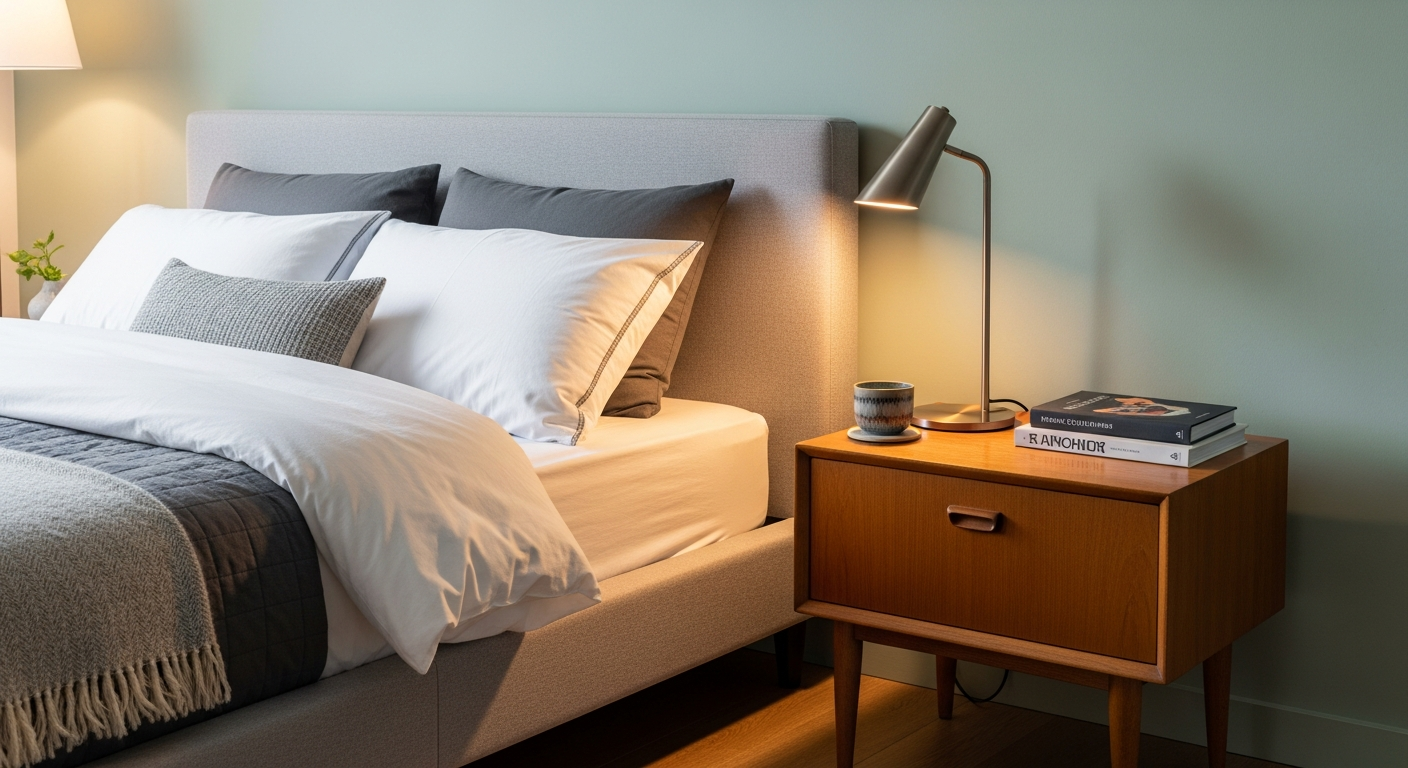
How to Mix and Match Vintage Nightstands with Modern Beds: A Masterclass in Eclectic Style

In the world of interior design, few trends offer as much personality and timeless appeal as the art of mixing vintage and modern elements. It’s a design philosophy that celebrates history while embracing contemporary comfort, creating spaces that feel lived-in, unique, and deeply personal. Today, we’re diving deep into one of the most impactful ways to achieve this look: pairing vintage nightstands with modern beds. This isn’t just about throwing two disparate pieces together; it’s about thoughtful curation, understanding design principles, and creating a bedroom sanctuary that tells your unique story.

How to Mix and Match Vintage Nightstands with Modern Beds: A Masterclass in Eclectic Style

A bedroom should be a retreat, a reflection of your individual style, and a place of ultimate comfort. While a sleek, modern platform bed offers clean lines and minimalist appeal, adding a vintage nightstand can introduce a layer of warmth, character, and intrigue that a purely modern setup might lack. The contrast can be striking, sophisticated, and surprisingly cohesive when done right.

Why Embrace the Mix & Match Approach?

The allure of blending old with new extends beyond mere aesthetics. It’s a sustainable choice, giving new life to pre-loved furniture. It’s an expression of individuality, allowing you to curate a space that truly stands apart. And it’s a testament to good design, proving that quality craftsmanship, regardless of era, can transcend time.

  • Uniqueness: Your bedroom won’t look like it came straight out of a catalogue.
  • Character & Soul: Vintage pieces bring a sense of history and warmth.
  • Sustainability: Repurposing furniture is eco-friendly.
  • Budget-Friendly Options: Often, vintage pieces offer incredible value for their craftsmanship.
  • Visual Interest: The juxtaposition creates dynamic tension and depth.

Understanding Your Vintage Nightstands: A Style Guide

Before you start pairing, it’s crucial to understand the characteristics of different vintage styles. Each era brings its own unique aesthetic that can inform your choices.

Mid-Century Modern (1940s-1960s)

Characteristics: Clean lines, organic shapes, tapered legs, minimalist hardware, often made from teak, walnut, or rosewood. Think functionality meets sleek design.

Why it works: The inherent simplicity and elegant lines of a Mid-Century Modern nightstand make it a natural complement to many contemporary beds. Its timeless appeal allows it to blend seamlessly without clashing.

Art Deco (1920s-1930s)

Characteristics: Geometric patterns, luxurious materials (lacquer, chrome, exotic woods), mirrored surfaces, bold colors, and a sense of glamour and opulence.

Why it works: An Art Deco nightstand can inject a dose of Hollywood Regency flair and dramatic contrast into a minimalist bedroom, creating a focal point of refined elegance.

Victorian/Baroque (Late 19th Century)

Characteristics: Ornate carvings, dark woods (mahogany, oak), heavy proportions, decorative hardware, often with marble tops. Grand and formal.

Why it works: This pairing is for the bold. A heavily detailed Victorian nightstand against a simple, contemporary bed creates a fascinating dialogue between eras, best balanced with restraint in other decor.

Shabby Chic/Farmhouse (Late 20th Century Revival)

Characteristics: Distressed finishes, pastel colors, soft curves, often painted wood, romantic and rustic charm.

Why it works: A shabby chic or farmhouse style nightstand can soften the austerity of an ultra-modern bed, introducing a cozy, lived-in feel and a touch of nostalgic comfort.

Industrial (Early 20th Century / Modern Revival)

Characteristics: Raw materials like metal (iron, steel), reclaimed wood, exposed hardware, utilitarian design, often with a raw, unfinished look.

Why it works: The ruggedness of an industrial nightstand can add an edgy, urban contrast to a sophisticated upholstered bed, bringing an unexpected texture and masculinity.

Bohemian/Eclectic (Global Influences)

Characteristics: Often made from rattan, bamboo, carved wood, or featuring global patterns. Characterized by a relaxed, free-spirited, and well-traveled aesthetic.

Why it works: A bohemian rattan nightstand pairs wonderfully with modern beds, especially those with natural linen or neutral upholstery, adding warmth, texture, and an organic touch.

Understanding Your Modern Beds: A Style Guide

Modern beds prioritize clean lines, functionality, and often, understated elegance. Knowing their characteristics helps in selecting the right vintage counterpoint.

  • Platform Beds: Low profile, often without a box spring, minimalist design, can be wood, upholstered, or metal.
  • Upholstered Beds: Feature fabric-covered headboards and sometimes frames, offering softness and luxury.
  • Minimalist Beds: Extremely simple, often with thin frames and no ornate details, focusing on functionality.
  • Floating Beds: Designed to give the illusion of hovering above the floor, very contemporary and sleek.
  • Canopy Beds (Modern Interpretation): Often with thin, metal frames, not the heavy draped versions of old, providing architectural interest.

The Art of Pairing: Design Principles for Success

Mixing styles isn’t random; it’s an art rooted in foundational design principles. Master these, and your bedroom will sing.

1. Balance & Symmetry (or Intentional Asymmetry)

While traditional bedrooms often feature identical nightstands, a mix-and-match approach thrives on breaking this rule. You can use two different vintage nightstands if they share a common element (e.g., height, material, color, or a similar ‘feeling’). Or, pair one vintage nightstand with a simple, modern side table on the other side. If going asymmetrical, ensure the overall visual weight feels balanced. For instance, a heavier, ornate vintage piece on one side might be balanced by a simpler piece with a larger lamp on the other.

2. Scale & Proportion

This is paramount. A tiny, delicate nightstand will be swallowed by a grand, king-sized upholstered bed, and a bulky, oversized vintage piece will overwhelm a minimalist Japanese-style bed. Ensure your nightstand is proportionate to the bed and the height of the mattress. The top of your nightstand should ideally be level with or slightly below the top of your mattress for functional and aesthetic comfort.

3. Color Harmony & Contrast

You can create harmony by selecting pieces with similar color palettes or complementary tones. For contrast, choose a nightstand in a completely different color, but ensure it’s part of a broader color scheme. For example, a dark wood vintage nightstand can ground a light-colored modern bed, or a vibrant painted piece can inject a pop of color into a neutral room.

4. Texture Play

This is where the magic happens! A rough-hewn wooden vintage nightstand next to a plush, velvet upholstered bed creates a delightful tactile contrast. A mirrored Art Deco piece reflects light and offers a smooth, glamorous counterpoint to a linen bed. Don’t underestimate the power of texture to add depth and interest.

5. Material Matters

Mix materials thoughtfully. Metal, wood, glass, lacquer, rattan – each brings its own character. A metal-framed modern bed might be beautifully offset by a warm wooden vintage nightstand. Or, a wooden modern bed could find intrigue with a chrome and glass Art Deco piece. Look for materials that complement each other rather than fighting for attention.

6. Bridging the Eras with Accessories

Accessories are your secret weapon. A modern lamp on a vintage nightstand, or a vintage alarm clock on a contemporary side table, can serve as visual bridges between the two eras. Artwork, books, and decorative objects can further tie the look together.

Practical Strategies for Mixing Like a Pro

Start with a Cohesive Color Palette

Even if styles differ, a consistent color palette will unite your space. Choose 2-3 main colors and build around them. This doesn’t mean everything has to match perfectly, but rather that the colors work harmoniously together.

Anchor the Room with a Rug

A well-chosen area rug can ground the entire bedroom and pull together disparate elements. A plush neutral bedroom rug can provide a soft base that allows both your modern bed and vintage nightstand to shine, creating a sense of cohesion.

Lighting as a Unifier

The right lighting can bridge stylistic gaps. Consider modern table lamps on vintage nightstands or vintage-inspired lamps on contemporary ones. The light fixture itself can be a statement piece that speaks to both aesthetics.

Curate Thoughtfully

Avoid clutter. Let your chosen pieces breathe. Each item on your nightstand should be there for a reason, whether functional or decorative. A minimalist approach to styling the nightstand itself can help a busy vintage piece feel less overwhelming.

Consider the Overall Room Aesthetic

Think about the other furniture in the room. Are there other vintage pieces? Modern ones? The nightstand and bed pairing should ideally fit within the broader design narrative of the room, even if it introduces an intentional contrast.

Comparison Table: Inspired Pairings

Modern Bed Style Vintage Nightstand Style Why It Works Key Elements to Balance
Minimalist Platform Bed (Wood or Metal) Mid-Century Modern Nightstand Clean lines and functional design complement each other; both value simplicity. Ensure wood tones are complementary; maintain similar height proportions.
Upholstered Bed (Linen/Velvet) Art Deco Mirrored Nightstand Soft textures meet glamorous shine; creates luxurious contrast. Use cohesive color palette; balance ornate details with simpler bedding.
Floating Bed (Sleek, Contemporary) Industrial Metal & Wood Nightstand Architectural modernism meets raw, urban edge; creates dynamic tension. Match metal finishes; ensure nightstand isn’t too bulky for ‘floating’ effect.
Scandi-Style Bed (Light Wood) Bohemian Rattan/Wicker Nightstand Natural materials and organic textures create a warm, inviting, airy feel. Keep other decor light and earthy; use plants to enhance natural vibe.
Contemporary Canopy Bed Shabby Chic Painted Nightstand Modern structure with romantic, rustic charm; unexpected and whimsical. Balance scale; use soft textiles to bridge the styles; avoid overcrowding.

Common Pitfalls to Avoid

  • Ignoring Scale: The biggest mistake. A tiny nightstand beside a grand bed looks awkward.
  • Too Many Competing Statement Pieces: If your bed is a showstopper, your nightstand might need to be more understated, or vice-versa.
  • Clashing Colors or Woods: While contrast is good, clashing hues or wildly different wood tones that don’t complement can create an unsettling effect.
  • Over-accessorizing: Let the furniture speak for itself. A few well-chosen items are better than a cluttered surface.
  • Neglecting Practicality: Does the nightstand provide enough surface area and storage for your needs? Functionality should not be sacrificed for style.

Caring for Your Vintage Treasures

Once you’ve found your perfect vintage nightstand, proper care is essential to preserve its beauty. For wooden pieces, regular dusting and occasional polishing with a gentle wood furniture polish can keep them looking their best. For items with unique finishes like lacquer or metal, research specific cleaning methods to avoid damage. Always test cleaning products on an inconspicuous area first.

FAQ: Mixing Vintage Nightstands & Modern Beds

Q1: Can I use two different vintage nightstands with my modern bed?

A: Absolutely! This is a hallmark of eclectic design. To make it work, ensure they share a unifying element, such as similar height, material (e.g., both wood, even if different styles), color family, or a consistent level of formality. Alternatively, you can embrace asymmetry fully and balance visual weight with lamps or accessories.

Q2: How do I ensure my vintage nightstand doesn’t look out of place next to a very modern bed?

A: Focus on bridging elements. Use accessories (lamps, books, trays) that have a contemporary feel on the vintage piece. A consistent color palette throughout the room can also unite disparate styles. Most importantly, ensure the scale and proportion are correct – a well-proportioned piece will always look intentional.

Q3: What if my vintage nightstand is a different wood tone than my modern wood bed frame?

A: This can create beautiful depth! The key is to ensure the wood tones complement each other rather than clash. Warm woods (like teak or cherry) generally pair well with other warm woods. Cool woods (like ash or gray-toned oaks) complement similar tones. Sometimes, a stark contrast (e.g., very dark vintage wood with very light modern wood) can be stunning. If unsure, consider a bedroom area rug to unify the floor space and provide a neutral base.

Q4: Should the hardware on the nightstand match the bed?

A: Not necessarily. The beauty of mixing and matching is in allowing different eras to coexist. The hardware on your vintage nightstand can be a charming detail that highlights its age. If you’re concerned about cohesion, you can sometimes update vintage hardware to a more modern pull or knob, but often, embracing the original hardware adds to the character.

Q5: Where are the best places to find vintage nightstands?

A: Look for them at flea markets, antique shops, estate sales, online marketplaces (Etsy, eBay, Facebook Marketplace), consignment stores, and even some thrift stores. Be patient; finding the perfect piece can take time, but it’s worth the hunt!

Conclusion: Craft Your Dream Bedroom

Mixing vintage nightstands with modern beds is more than a design trend; it’s a statement of style, sustainability, and personal expression. By understanding the characteristics of different eras, applying fundamental design principles, and curating with intention, you can create a bedroom that is not only beautiful and functional but also uniquely yours. Embrace the journey of discovery, let your personality guide your choices, and enjoy the rich narrative that unfolds when old meets new in perfect harmony. Start your design adventure today and transform your bedroom into a true masterpiece of eclectic elegance!

Ready to Transform Your Space?

Explore our curated selection of modern beds and start envisioning your perfect mix-and-match bedroom. Don’t forget to visit your local vintage shops or browse online for those unique nightstand treasures!
5 Ways to Make a Cheap Sectional Look Like Luxury Furniture

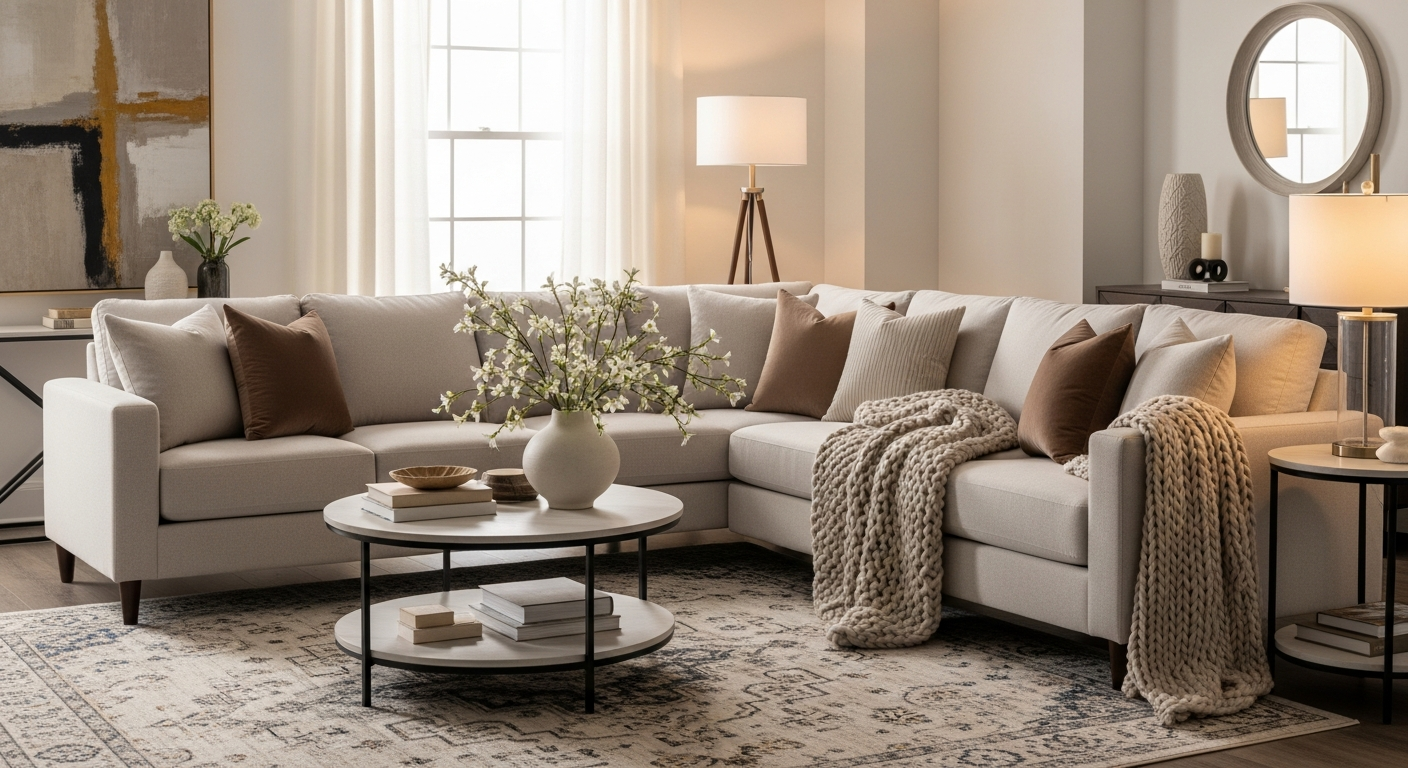
Is your budget-friendly sectional sofa doing more to cramp your style than elevate your living space? You’re not alone. Many homeowners opt for affordable sectionals for their practicality and expansive seating, but often lament their lack of high-end appeal. The good news is, you don’t need to break the bank on a new designer sofa to achieve a sophisticated look. With a few strategic upgrades and clever styling tricks, you can master the art of making a cheap sectional look expensive and effortlessly integrate it into a luxurious home aesthetic. Get ready to transform your ordinary seating into a statement piece!

5 Ways to Make a Cheap Sectional Look Like Luxury Furniture

1. Elevate with High-End Textiles and Pillows

One of the quickest and most impactful ways to make a cheap sectional look expensive is through the strategic use of luxurious textiles. A sectional’s large surface area makes it a perfect canvas for layering rich textures and sophisticated patterns. Forget the flimsy, flat pillows that often come with budget sofas; these are usually the first giveaway of a lower-cost piece.

Invest in Quality Throw Pillows

High-quality throw pillows are paramount. Think beyond the basic square shapes and explore different sizes and forms, such as lumbar or bolster pillows. Opt for covers made from premium materials like velvet, linen, faux fur, or even a soft chenille. The tactile quality and visual depth these fabrics provide instantly upgrade the entire sectional. Mix and match textures rather than sticking to a single fabric type. For instance, combine a couple of plush velvet throw pillows in deep jewel tones with some textured linen pillows in a neutral shade. The key is to create an intentional, layered look that speaks to comfort and elegance. Don’t be afraid to incorporate subtle patterns, but keep them cohesive with your overall room palette. Remember, the inserts matter just as much as the covers. Replace any cheap, lumpy inserts with down feather pillow inserts or high-quality polyester alternatives for a fuller, more substantial look that holds its shape gracefully.

Drape with Luxurious Throws and Blankets

A beautifully draped throw blanket can add immense visual appeal and a sense of inviting comfort. Choose throws made from cashmere, faux fur, chunky knit wool, or a weighty cotton blend. Avoid thin, synthetic fleece blankets that can look cheap. The goal is to select a throw with a substantial feel and an elegant drape. Casually toss one over the armrest or across a corner of the sectional, allowing it to fall naturally. The way it’s styled can convey a sense of effortless luxury, suggesting a curated rather than a neglected piece of furniture. A well-chosen throw adds another layer of texture and color, breaking up the monotony of the sectional’s upholstery and adding depth to your living space. This simple addition can instantly make cheap sectional look expensive.

2. Upgrade the Foundation: Legs and Structural Details

Often, one of the most glaring indicators of a cheap sectional is its legs. Budget furniture frequently comes with flimsy plastic or basic wooden block legs that lack style and substance. Swapping these out is a surprisingly easy and impactful DIY project.

Replace Legs for an Instant Facelift

Measure your existing leg height and threading carefully. Then, explore options like elegant tapered wood legs in a rich walnut or espresso finish, sleek metal legs in brass or black, or even ornate carved designs if they suit your aesthetic. These small changes can dramatically alter the perception of quality. Imagine a sectional sitting on sophisticated decorative brass legs compared to its original plastic stumps – the difference is night and day. This upgrade not only enhances the visual appeal but can also make the sectional feel more stable and substantial. Ensure the new legs are sturdy and properly installed to support the weight of the sectional and its occupants. This is a subtle yet highly effective way to make cheap sectional look expensive.

Consider Trim and Detail Additions

While more advanced, adding decorative trim or details can further elevate your sectional. For example, if your sectional has removable skirt panels, you could replace them with a more tailored, inverted pleat skirt, or even remove them entirely if the base underneath is suitable for new legs. For sectionals with flat arms, consider adding a thin strip of decorative nailhead trim along the base or edges for a custom, upholstered look. This requires a bit more precision and possibly upholstery tools, but the payoff in perceived value is significant. Even a simple piping detail added to cushions can make a vast difference. These types of bespoke touches are usually reserved for high-end pieces, making their addition a brilliant hack to make cheap sectional look expensive.

3. Master the Art of Styling with Thoughtful Accessories

Beyond the sectional itself, the surrounding elements play a crucial role in its perceived luxury. Thoughtful styling can distract from any inherent cheapness and draw attention to a curated, sophisticated environment.

Curate Your Coffee Table and Side Tables

The coffee table in front of your sectional is prime real estate for creating a luxurious vignette. Instead of clutter, aim for a balanced arrangement of a few carefully chosen items. Stack a couple of beautiful designer coffee table books, topped with a decorative object like a sculptural vase or a unique paperweight. Add a small plant or a fresh flower arrangement for a touch of life and color. A stylish tray can gather remotes and coasters, making them look intentional rather than haphazard. On adjacent side tables, place a chic lamp with warm lighting to create ambiance, and perhaps a small, framed piece of art or a personal memento. The goal is to create moments of visual interest that reflect a sophisticated taste, making the entire seating area feel more expensive.

Strategic Lighting and Greenery

Lighting is a powerful tool for setting a luxurious mood. Harsh, overhead lighting can make any space feel less inviting. Incorporate floor lamps and table lamps with warm-toned bulbs around your sectional. A tall, arched floor lamp positioned over the corner of the sectional can provide excellent task lighting for reading and act as a sculptural element. The soft glow from multiple light sources creates depth and coziness, which is a hallmark of high-end design. Don’t underestimate the power of greenery. A large, healthy floor plant next to the sectional, or a smaller potted plant on a side table, adds life, texture, and a sense of freshness. Faux plants have come a long way; choose realistic-looking ones that don’t scream ‘fake’. These organic touches instantly make the space feel more vibrant and expensive.

4. Anchor the Space with a Luxurious Area Rug

An area rug is essential for grounding your sectional and defining the living area. A poorly sized or low-quality rug can undermine all your efforts to make cheap sectional look expensive.

Choose the Right Size and Material

The cardinal rule for rugs under a sectional: it must be large enough. Ideally, at least the front legs of all major pieces of the sectional should rest on the rug. Even better, have all legs on the rug or leave a generous border around the entire sectional. A rug that is too small will make the sectional appear to float awkwardly and diminish the sense of spaciousness. As for material, opt for natural fibers like wool, jute, or sisal for durability and a high-end feel. A beautiful large wool area rug not only adds warmth and texture but also provides excellent sound dampening, contributing to a more comfortable and luxurious environment. Synthetic rugs can also be stylish and durable, but choose ones with a dense pile and a sophisticated pattern or texture rather than thin, shiny options.

Patterns and Textures that Elevate

The pattern and texture of your rug can significantly influence the overall aesthetic. A subtle geometric pattern, a distressed oriental style, or a solid rug with a rich, inviting texture (like a plush shag or a high-low pile) can instantly elevate the room. Avoid overly busy or childish patterns that can cheapen the look. The rug should complement the color palette of your sectional and the rest of your room, either by providing a harmonious backdrop or by introducing a carefully chosen pop of color or pattern. A well-chosen rug ties the entire seating arrangement together, creating a cohesive and polished look that makes your cheap sectional look expensive by association.

5. Refine Comfort and Form with Cushion Upgrades and Slipcovers

The internal components and external finishes of your sectional cushions are often the most telling signs of its quality. Addressing these areas can make a profound difference.

Replace Cushion Inserts for Better Structure

Cheap sectionals often come with low-density foam cushions that quickly flatten, sag, and lose their shape. Replacing these inserts is one of the most effective ways to make cheap sectional look expensive and feel more comfortable. For seat cushions, consider high-density foam wrapped in Dacron for a firm, supportive sit that bounces back. For back cushions, a down-and-feather blend or a high-quality foam and fiber mix will provide a plush, luxurious feel that also maintains its shape. You can often purchase custom-sized foam or feather inserts from upholstery suppliers or online. This upgrade not only improves the comfort of your sectional but also gives it a more structured, tailored appearance that mimics higher-end furniture. Over time, even with a great sectional, cushions will wear out, so knowing how to upgrade them is a fantastic long-term strategy for maintaining a luxurious feel.

Invest in a Custom-Fit Slipcover

If your sectional’s original upholstery is faded, stained, or simply not to your taste, a custom-fit slipcover can work wonders. This isn’t about throwing a baggy sheet over your sofa; we’re talking about tailored slipcovers designed specifically for your sectional’s dimensions. Many companies offer slipcovers in a wide array of high-quality fabrics, from durable linens and cottons to luxurious velvets. A well-made slipcover can completely transform the look, making it appear like a brand-new, high-end piece of furniture. While it’s an investment, it’s significantly cheaper than buying a new sectional and offers the flexibility to change your sectional’s look with the seasons or evolving trends. Additionally, a slipcover makes cleaning much easier, especially if you have pets or children, as many are machine washable. This practical luxury helps maintain the pristine look, meaning your cheap sectional can look expensive for longer. And don’t forget the occasional need for a premium fabric cleaning spray to keep those new textiles fresh.

Comparison Table: Quick Fix vs. Investment Upgrade

Here’s a breakdown of the impact and cost-effectiveness of various upgrades to make cheap sectional look expensive:

Upgrade Method Impact on Luxury Look Estimated Cost Range Ease of DIY
High-Quality Throw Pillows & Blankets High – Immediate visual and tactile improvement. $50 – $300+ Very Easy
Replacing Sofa Legs High – Fundamental change to silhouette and stability. $40 – $200+ Easy to Moderate
Thoughtful Accessories (Trays, Books, Plants, Lamps) Medium to High – Creates a curated, styled environment. $100 – $500+ Easy
Luxurious Area Rug High – Grounds the space, adds warmth and definition. $150 – $1000+ Easy
Upgrading Cushion Inserts Very High – Improves comfort, structure, and longevity. $200 – $800+ Moderate
Custom-Fit Slipcover Very High – Complete transformation of appearance. $300 – $1500+ Moderate (installation)

FAQs: Making Your Cheap Sectional Look Expensive

Got more questions about transforming your budget sectional? Here are some common queries:

Q: Can I really make an old, worn-out sectional look new again?

A: Absolutely! While some structural issues might require professional help, many aesthetic flaws can be hidden or completely revamped. A custom-fit slipcover is your best friend here, as it covers everything from stains to outdated fabric. Combine this with new cushion inserts and updated legs, and your sectional can feel practically brand new. The key is to address the elements that are giving away its age or low price point.

Q: What’s the most impactful single change I can make on a tight budget?

A: If you can only do one thing, focus on high-quality throw pillows and a luxurious throw blanket. These items are relatively inexpensive compared to a new sectional or custom slipcover, but they provide an immediate visual and tactile upgrade. They can introduce texture, color, and a sense of plush comfort that instantly makes cheap sectional look expensive.

Q: How do I choose the right color scheme for my sectional upgrades?

A: Start with your room’s existing palette. If your sectional is a neutral color (grey, beige, white), you have a wide range of options. You can introduce pops of color through pillows and throws, or keep it monochrome with varying textures for a sophisticated look. If your sectional has a specific color, choose accent colors that complement it – either analogous colors for a harmonious feel or contrasting colors for a more dynamic look. Always consider the overall mood you want to create in the room.

Q: Are slipcovers difficult to clean?

A: It depends on the fabric. Many modern slipcovers are designed for easy care, with options for machine washing. Always check the care instructions provided by the manufacturer. Choosing a durable, washable fabric like performance linen or a poly-blend can make maintenance a breeze, allowing you to keep your sectional looking pristine without much effort.

Q: Should I hire a professional for any of these upgrades?

A: While many of these upgrades are DIY-friendly, some, like adding decorative trim or ensuring custom slipcovers fit perfectly, might benefit from professional assistance if you’re not confident in your skills. Replacing cushion inserts is typically a straightforward DIY, but if you want specific foam densities or custom feather blends, an upholstery shop might be able to provide better guidance and materials.

Conclusion: Your Path to a High-End Sectional

Transforming a cheap sectional into a piece that exudes luxury is entirely within reach, even on a budget. By focusing on quality textiles, upgrading fundamental components like legs and cushion inserts, and mastering the art of thoughtful styling, you can dramatically elevate your living space. Each of these five strategies offers a powerful way to make cheap sectional look expensive, turning it from a functional piece into a stylish centerpiece. Experiment with these tips, mix and match techniques, and watch as your affordable sectional takes on a newfound elegance and sophistication. Your dream living room is just a few clever upgrades away!

Ready to Transform Your Living Room?

Start exploring high-quality throws, decorative pillows, and elegant new sofa legs today. Browse our recommended Amazon selections and begin your budget-friendly luxury makeover!

How to Arrange Two Sofas Facing Each Other for Conversation

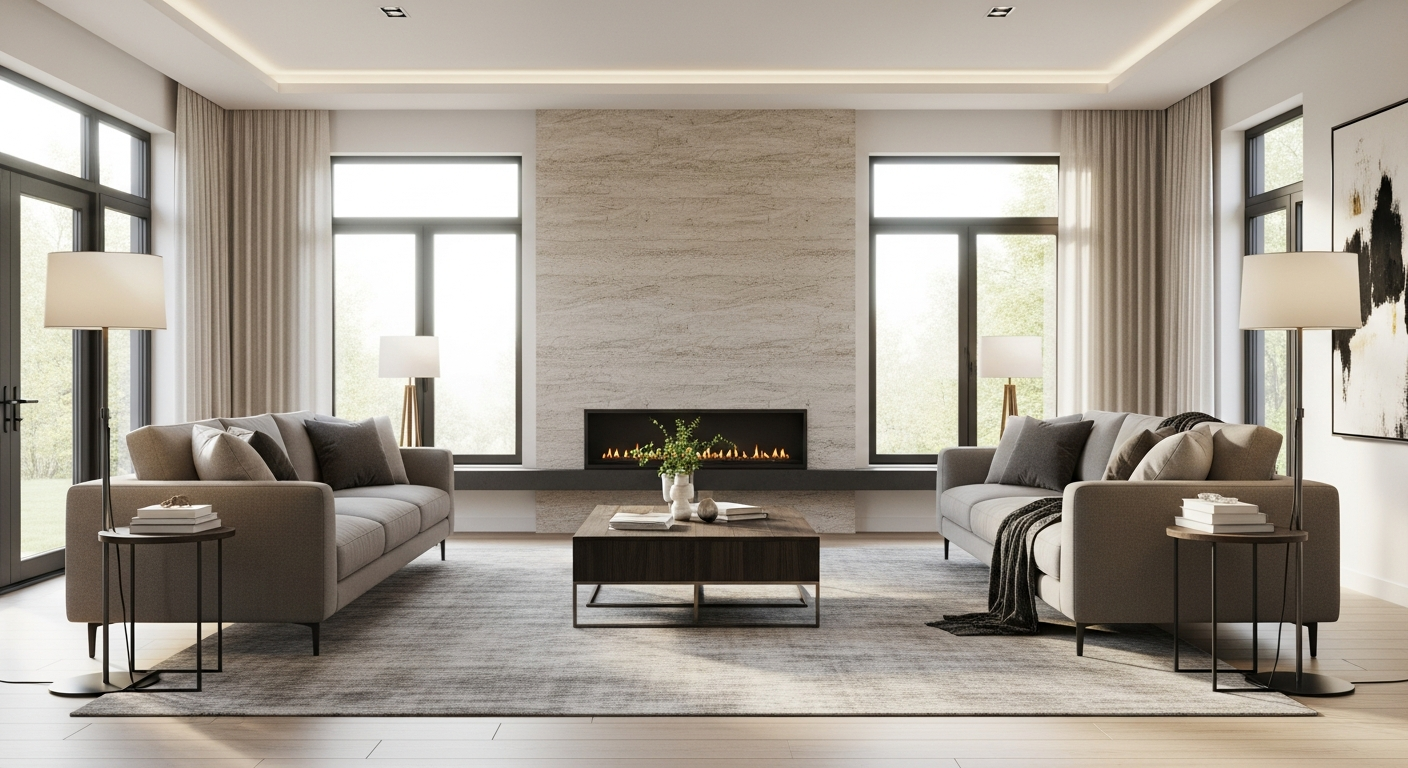
The living room is the heart of any home – a space for relaxation, entertainment, and most importantly, connection. While many opt for an L-shaped sectional or a single sofa with accent chairs, there’s a timeless and incredibly effective arrangement that often gets overlooked: two sofas facing each other. This setup doesn’t just look elegant; it’s a design power move, purposefully crafted to foster intimacy and engaging dialogue. If you’re looking to transform your living space into a hub for genuine interaction, mastering how to arrange two sofas facing each other is your secret weapon.

How to Arrange Two Sofas Facing Each Other for Conversation

At lesofa.club, we believe that furniture should not only be beautiful but also functional, enhancing your lifestyle. A face-to-face sofa configuration creates a naturally balanced and symmetrical aesthetic, drawing people together into a dedicated conversation zone. It promotes eye contact, making it easier for guests to converse without straining their necks or feeling excluded. Beyond its social benefits, this arrangement exudes sophistication and can make even the most expansive rooms feel cozy and defined. Let’s dive into the ultimate guide to perfecting this classic layout.

Why Choose a Facing Sofa Arrangement?

Before we delve into the ‘how,’ let’s understand the ‘why.’ The appeal of two sofas facing each other extends beyond mere aesthetics. It’s about designing a space that serves a specific, cherished purpose.

  • Promotes Conversation: This is the most obvious and perhaps most valuable benefit. By placing sofas opposite one another, you eliminate the awkward angles and distances that often hinder natural dialogue. Everyone is equally engaged and visible, encouraging lively discussions.
  • Creates Symmetry and Balance: A symmetrical layout is inherently pleasing to the eye. Two identical or complementary sofas facing each other bring a sense of order, harmony, and grandiosity to your living room. It’s a hallmark of classic design that never goes out of style.
  • Defines Space: In open-concept homes, defining distinct zones can be a challenge. Two sofas facing each other act as natural room dividers, clearly demarcating the conversation area from other functions like dining or a home office, without the need for physical walls.
  • Adds Elegance and Formality: There’s an undeniable air of sophistication to this arrangement. It evokes images of chic Parisian salons or stately libraries, making your living room feel more refined and upscale. A well-chosen velvet sofa modern or a pair of classic chesterfields can elevate this look further.
  • Versatile for Various Room Shapes: While often associated with larger, rectangular rooms, this setup can be adapted for square or even some smaller spaces with careful planning.

Essential Considerations Before You Begin

Successful furniture arrangement is all about planning. Before you start pushing furniture around, take a moment to consider these crucial factors:

  • Room Size and Shape: The dimensions of your room are paramount. A grand, spacious living room can easily accommodate two large sofas with ample walking space. Smaller rooms might require more compact sofas or even a sofa facing a loveseat to maintain balance without feeling cramped. Consider whether your room is long and narrow, square, or an irregular shape.
  • Sofa Style and Size: Will your sofas be identical? Or will you opt for complementary styles and colors? Matching sofas offer a cohesive, formal look, while contrasting pieces can introduce personality and visual interest. Ensure the scale of the sofas is appropriate for the room – an oversized sofa in a small room is a common design misstep.
  • Traffic Flow: Always visualize pathways. You need clear, unobstructed routes to doors, windows, and other areas of the room or adjacent rooms. Avoid placing sofas in a way that creates bottlenecks or forces people to squeeze past furniture.
  • Focal Point: Every successful room design has a focal point – a fireplace, a large window with a view, a prominent piece of art, or a TV. Your sofa arrangement should ideally complement or emphasize this focal point. The sofas typically face each other, with the focal point positioned at one end of this imaginary rectangle.
  • Lighting: Both natural and artificial lighting play a huge role in how a room feels. Ensure your sofa arrangement doesn’t block natural light sources. Plan for ambient, task, and accent lighting around your seating area for a well-lit and inviting atmosphere. Elegant floor lamps for living room modern or sophisticated table lamps can drastically improve the mood.
  • Rug Selection: An area rug is often the anchor of a seating arrangement. It defines the space, adds warmth, and introduces color and texture. Its size is critical: ideally, all front legs of the sofas (and any accompanying chairs) should rest on the rug.
  • Coffee Table: This central piece is not just for drinks; it completes the conversation zone. Its size and shape should be proportionate to the space between the sofas and easily accessible from both.
  • Accent Chairs/Ottomans: Don’t forget these supporting actors. They can be used to fill in corners, add extra seating, or introduce contrasting elements to your symmetrical sofa setup.

Step-by-Step Guide to Arranging Two Sofas Facing Each Other

Now that we’ve covered the groundwork, let’s walk through the practical steps to bring your vision to life.

Step 1: Measure Your Space and Sofas

Before moving any furniture, grab a measuring tape, graph paper, and a pencil. Measure the length and width of your room. Then, measure the length, width, and height of both your sofas. Sketch a basic floor plan and draw in your sofas to scale. This helps you visualize the arrangement and determine if your chosen pieces will fit comfortably.

Step 2: Determine Your Focal Point

Identify the natural focal point of your room. Is it a fireplace? A large window? A television? If you have a TV, consider where it will be placed. The sofas will typically be arranged to face each other, with the focal point at one end of this seating arrangement, creating a natural point of interest for those seated.

Step 3: Position the First Sofa

Begin by placing your first sofa. If your room has a natural long wall, it often works well to place one sofa parallel to it. Consider its relationship to the focal point; it should typically face it or be perpendicular to it, depending on your room’s layout. Ensure there’s enough space behind it if it’s not against a wall for traffic flow or a console table.

Step 4: Place the Second Sofa

Now, position the second sofa directly opposite the first. This is where the magic happens. The distance between the two sofas is critical for fostering conversation. Aim for 5 to 8 feet (1.5 to 2.4 meters) between the front edges of the sofas. This distance allows for comfortable conversation without shouting, but also enough space for a coffee table and easy movement. Too close, and it feels cramped; too far, and intimacy is lost.

Step 5: Introduce the Coffee Table

Place your coffee table in the center of the two facing sofas. It should be easily reachable from both sofas, typically around 18 inches (45 cm) from each. The coffee table should be roughly two-thirds the length of one sofa to maintain visual balance. A functional ottoman coffee table with storage can add versatility and keep clutter at bay.

Step 6: Define with a Rug

Roll out your area rug. As mentioned, it should be large enough to at least fit the front legs of both sofas. An ideal rug size will extend beyond the sofas, encompassing the entire conversation area, including any accent chairs. A large geometric area rug can add a modern touch and ground the entire arrangement.

Step 7: Add Accent Furniture

With your main seating in place, fill in the perimeter. Place accent chairs (one or two) at either end of the sofa arrangement, perpendicular to the sofas, to complete a U-shape. This creates even more seating and defines the boundaries of your conversation zone. Side tables next to the accent chairs or at the ends of the sofas provide surfaces for drinks and lamps.

Step 8: Layer with Lighting and Accessories

Finally, bring in the finishing touches. Add table lamps to side tables and floor lamps to corners to create a warm, layered lighting scheme. Introduce throw pillows and blankets to add comfort, texture, and pops of color. Incorporate art, plants, and decorative objects to personalize the space and reflect your style. Remember, accessories are the jewelry of your room, making it feel complete and lived-in.

Creative Variations and Advanced Tips

While the classic symmetrical setup is popular, don’t be afraid to experiment:

  • Sofa Facing a Loveseat: If your room is smaller, consider pairing a full-size sofa with a matching or complementary loveseat. This still achieves the conversational effect but with a lighter footprint.
  • Mixed Sofa Styles: While matching sofas create a formal look, two different but harmonious sofas can add character. For example, a sleek modern sofa facing a more traditional, tufted one can create an eclectic yet sophisticated vibe.
  • Incorporating a Console Table: If one sofa isn’t against a wall, a console table behind it can be a fantastic addition. It offers a surface for lamps, books, and decor, and can help define the space.
  • Creating Multiple Zones: In very large rooms, you might create two distinct conversation areas, one with two facing sofas and another with a sectional or chairs around a different focal point.
  • Movable Seating: Consider incorporating ottomans or poufs that can be easily moved around to accommodate extra guests or simply for propping up feet.

Comparison Table: Sofa Arrangement Styles

To help you compare, here’s how the ‘two sofas facing each other’ arrangement stacks up against other popular layouts:

Arrangement Type Best For Pros Cons
Two Sofas Facing Each Other Formal & intimate conversation, symmetrical rooms, defining open spaces. Excellent for conversation, elegant, balanced, classic aesthetic, defines zones. Requires more space, can feel formal, less ideal for TV watching (unless TV is main focal point).
L-Shape Sectional Casual lounging, maximizing seating in a corner, TV watching. Comfortable for stretching out, good for small groups, efficient use of corners. Can feel bulky, less flexible for rearrangement, can limit conversation.
Sofa + Two Accent Chairs Versatile, smaller rooms, creating visual interest with varied pieces. Flexible, allows for different styles, good for mixed activities. Chairs can feel less integrated, less formal than two facing sofas for conversation.
U-Shape (Sectional or multiple sofas) Large gatherings, family rooms, dedicated entertainment areas. Maximizes seating, very inclusive, great for large families. Requires a very large room, can feel overwhelming, less formal.

Common Pitfalls to Avoid

Even with the best intentions, certain mistakes can undermine your efforts:

  • Overcrowding the Room: The biggest mistake is trying to fit too much furniture into a space. Leave breathing room around your sofas and tables.
  • Blocking Traffic Flow: Always ensure clear pathways. If people have to navigate an obstacle course, your design is flawed.
  • Choosing Disproportionate Furniture: A tiny coffee table between two grand sofas looks awkward, as does an enormous rug in a small space. Scale and proportion are key.
  • Ignoring the Focal Point: If your sofas don’t relate to a focal point, the room can feel aimless and unbalanced.
  • Poor Lighting: A beautiful arrangement can fall flat in bad lighting. Plan for ambient, task, and accent lighting.

FAQs about Arranging Facing Sofas

Q1: How much space should be between two facing sofas?

A: Ideally, aim for 5 to 8 feet (1.5 to 2.4 meters) between the front edges of the sofas. This allows for comfortable conversation without shouting and provides enough space for a coffee table and easy movement around the seating area.

Q2: Can I use different style sofas facing each other?

A: Yes, absolutely! While identical sofas create a formal, symmetrical look, using two different but complementary styles can add character and visual interest. Ensure they share some common elements, like a similar height, leg style, or color palette, to maintain cohesion.

Q3: What if my room is very small?

A: In a smaller room, consider using two smaller sofas (e.g., apartment-sized sofas or loveseats) or pairing one full-size sofa with a loveseat or two accent chairs. Focus on compact designs, minimal arms, and light colors to prevent the space from feeling cramped. You might also need to reduce the distance between them slightly, but ensure it’s still comfortable for conversation.

Q4: How do I incorporate a TV with two facing sofas?

A: There are a few ways. You can make the TV your focal point, placing it on a wall at one end of the sofa arrangement. Alternatively, if your TV isn’t the primary focal point (e.g., you have a fireplace), you can place the TV on an adjacent wall, allowing guests to turn slightly to watch, or use a swivel mount. Some people even opt for no TV in their primary conversation area, reserving it for other rooms to emphasize face-to-face interaction.

Q5: What kind of rug works best with this arrangement?

A: A large area rug is crucial. It should be big enough so that at least the front legs of both sofas rest on it. Ideally, it should extend beyond the sofas and any accent chairs, encompassing the entire conversation zone. This grounds the arrangement and makes the space feel cohesive and complete. Choose a rug that complements your room’s color scheme and texture palette.

Conclusion

Arranging two sofas facing each other is more than just a decorating choice; it’s a statement about how you want your living space to function. It prioritizes human connection, fosters engaging conversation, and brings an undeniable sense of elegance and balance to your home. By thoughtfully considering your room’s dimensions, focal points, and the flow of traffic, you can create a sophisticated and inviting environment where memories are made and conversations flourish.

Take the plunge and reimagine your living room. The reward is a space that is not only beautiful but also deeply functional, truly serving as the heart of your home.

Ready to transform your living room? Explore our other expert guides for more design inspiration and furniture arrangement tips!