Eco-Luxe Lounging: The Top Sustainable Sofa Materials Redefining 2026 Interiors
The dawn of 2026 brings with it a profound shift in interior design, one where luxury and environmental consciousness are no longer mutually exclusive but elegantly intertwined. As homeowners increasingly prioritize health, well-being, and planetary impact, the demand for truly sustainable furnishings has surged. Nowhere is this more evident than in the living room’s centerpiece: the sofa. Forget the days when ‘eco-friendly’ meant sacrificing style or comfort; 2026 is all about eco-luxe lounging, driven by groundbreaking innovations in sustainable sofa materials.
This year, interior design trends are not just about aesthetics; they’re about ethics and longevity. Consumers are more informed, scrutinizing not just what a sofa looks like, but what it’s made of, how it’s produced, and its lifecycle impact. From the frame to the fabric, every component is under the microscope. Join us as we delve into the top sustainable sofa materials that are setting new standards for elegance, durability, and ecological responsibility in 2026 interiors.
Why Sustainable Sofa Materials Matter in 2026
Choosing sustainable sofa materials goes far beyond a trend; it’s a critical decision with cascading benefits for our homes, health, and the planet. In 2026, the imperative is clearer than ever:
- Environmental Impact: Traditional sofa production often contributes to deforestation (for non-certified wood frames), significant landfill waste (from non-recyclable materials), and pollution from chemical dyes and petroleum-based foams. Sustainable alternatives drastically reduce this footprint by utilizing renewable resources, recycled content, and low-impact manufacturing processes.
- Health and Well-being: Many conventional sofas off-gas Volatile Organic Compounds (VOCs) from synthetic fabrics, flame retardants, and adhesives, which can contribute to indoor air pollution and various health issues. Eco-friendly sofas prioritize natural, non-toxic materials, ensuring a healthier living environment, especially crucial for families with children or individuals with sensitivities.
- Longevity and Investment: Sustainable materials are often chosen for their inherent durability and timeless quality. While the initial investment might sometimes be higher, these sofas are built to last, reducing the need for frequent replacements and ultimately offering better long-term value. This aligns with a broader consumer shift towards mindful consumption and away from ‘fast furniture.’
- Ethical Production: True sustainability encompasses not only ecological considerations but also social responsibility. Many sustainable brands prioritize fair labor practices, safe working conditions, and transparent supply chains, ensuring that your furniture choice supports a more equitable world.
The Pioneers of Eco-Luxe: Top Sustainable Sofa Materials Redefining Interiors
The materials revolution is in full swing, offering an exciting array of options that blend environmental stewardship with sophisticated design.
Organic Cotton & Linen
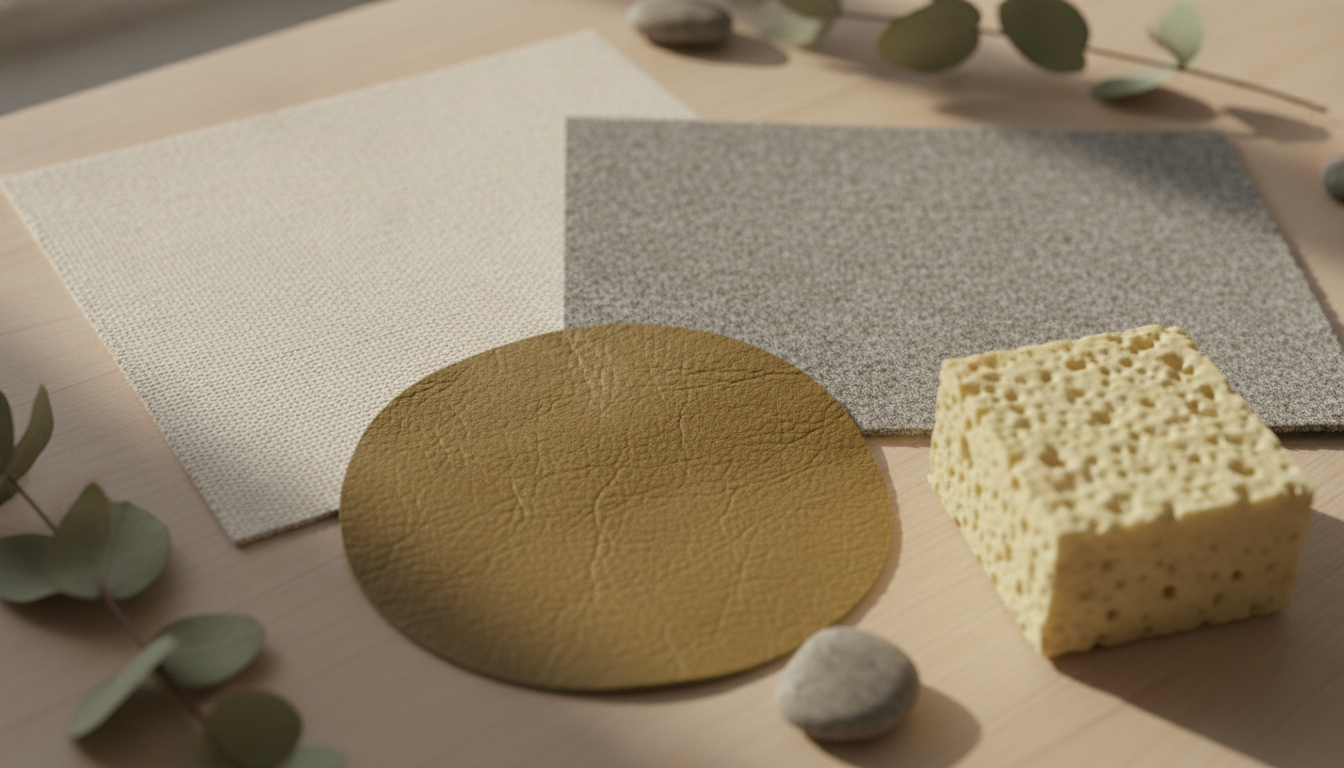
Perhaps the most classic and cherished natural fibers, organic cotton and linen continue to dominate the sustainable upholstery scene. Grown without harmful pesticides or synthetic fertilizers, organic cotton is soft, breathable, and incredibly durable. Linen, derived from the flax plant, is even more robust, naturally hypoallergenic, and boasts a beautiful, relaxed texture that only improves with age. Both are biodegradable at the end of their long life, completing a truly circular journey. Look for Global Organic Textile Standard (GOTS) certification for assurance.
Recycled Polyester (rPET)
A true testament to innovation, recycled polyester (rPET) transforms post-consumer plastic waste – often plastic bottles – into high-performance, durable fabric. This material diverts waste from landfills and oceans, significantly reducing the demand for virgin petroleum. Modern rPET fabrics are incredibly soft, resistant to stains and fading, and come in a vast array of colors and textures, making them a versatile choice for contemporary sofas. Global Recycled Standard (GRS) certification confirms the recycled content. Consider an rPET sofa for a durable, low-maintenance option.
Natural Latex & CertiPUR-US® Certified Foams
The internal components of a sofa are just as vital as its exterior. Traditional polyurethane foams are petroleum-based and can off-gas chemicals. Sustainable alternatives include natural latex, derived from rubber trees, which is inherently resilient, breathable, hypoallergenic, and extremely durable. For those seeking a more conventional foam feel, CertiPUR-US® certified foams offer a significant step up by being made without ozone depleters, PBDEs, mercury, lead, heavy metals, formaldehyde, or phthalates, and with low VOC emissions for indoor air quality.
Responsibly Sourced Wood (FSC Certified)
The frame is the skeleton of any sofa, and choosing the right wood is paramount for sustainability. Frames made from responsibly sourced wood, particularly those with Forest Stewardship Council (FSC) certification, guarantee that the timber comes from forests managed in an environmentally appropriate, socially beneficial, and economically viable manner. FSC-certified wood ensures that forests are protected for future generations, biodiversity is maintained, and indigenous peoples’ rights are respected. An FSC certified wooden frame is a foundational element of a truly sustainable sofa.
Upcycled & Repurposed Fabrics
Embracing the circular economy, upcycled and repurposed fabrics offer unique character and a powerful sustainability story. This can include anything from textiles salvaged from old garments and industrial waste to innovative new materials created by weaving together disparate fibers. Each piece has a history, contributing to a truly one-of-a-kind aesthetic and significantly reducing waste. These materials often feature distinctive textures and patterns, perfect for creating a statement piece.
Innovative Plant-Based Leathers (Pleather Alternatives)
For lovers of leather who seek cruelty-free and lower-impact options, 2026 brings an exciting evolution in plant-based leathers. Materials like Piñatex (made from pineapple leaf fibers), cactus leather, and mushroom leather offer luxurious textures, remarkable durability, and a significantly reduced environmental footprint compared to traditional animal leather or petroleum-based synthetic leathers. These innovative alternatives are gaining traction for their sophisticated appearance and ethical appeal, making a plant-based leather sofa a cutting-edge choice for sustainable interiors.
Beyond Materials: What Else Makes a Sofa Sustainable?
While materials are crucial, a truly sustainable sofa embodies a holistic approach to design and production:
- Manufacturing Processes: Look for brands that prioritize low-waste manufacturing, use renewable energy in their factories, and have ethical labor practices. Transparency about their supply chain is a good indicator.
- Durability and Repairability: A sofa designed for longevity and easy repair reduces its environmental impact by extending its useful life. Modular designs, for instance, allow for individual components to be replaced or reconfigured rather than discarding the entire piece.
- Take-Back Programs: Some forward-thinking brands offer take-back or recycling programs for their old products, ensuring that materials are responsibly handled at the end of the sofa’s life.
- Certifications: Beyond material-specific certifications, broader labels like GREENGUARD (for low chemical emissions) or B Corp certification (for overall social and environmental performance) signal a brand’s commitment to sustainability across its operations.
Navigating the Market: Choosing Your Eco-Luxe Sofa in 2026
With so many options, how do you make an informed choice? Here’s a quick guide to selecting your perfect sustainable sofa:
- Check for Certifications: This is your strongest tool. Look for GOTS, FSC, GRS, CertiPUR-US®, and GREENGUARD. Don’t be afraid to ask retailers for proof of these claims.
- Inquire About the Entire Supply Chain: A truly sustainable brand will be transparent about where their materials come from, how they are processed, and the conditions under which they are assembled.
- Consider the Lifespan: A well-made sofa, even if slightly more expensive upfront, will last significantly longer, reducing overall environmental impact and saving you money in the long run.
- Test Comfort and Durability: Sustainability shouldn’t compromise comfort or functionality. Always test a sofa in person if possible, or thoroughly read reviews about its construction and feel.
Comparison Table: Sustainable Sofa Spotlights for 2026
| Sofa Model (Example) | Key Sustainable Material(s) | Frame Material | Key Feature | Price Range (Est.) | Link |
|---|---|---|---|---|---|
| The Evergreen Sectional | Organic Cotton, Natural Latex | FSC Certified Solid Oak | Breathable, hypoallergenic comfort | $$$$ | Organic Cotton Sectional |
| The Urban Oasis Sofa | Recycled Polyester (rPET) | Recycled Steel, FSC Plywood | Stain-resistant, modern design | $$$ | rPET Fabric Sofa |
| The Botanical Lounger | Cactus Leather, CertiPUR-US® Foam | FSC Certified Bamboo | Cruelty-free, sleek, low VOC | $$$$ | Cactus Leather Sofa |
| The Terra Weave Sofa | Upcycled Wool Blends | FSC Certified Maple | Unique texture, artisanal feel | $$$ | Upcycled Fabric Sofa |
| The Pure Linen Daybed | Organic Linen, Natural Latex | FSC Certified Solid Ash | Light, airy, ultimate durability | $$$$$ | Organic Linen Daybed |
Elevating Your Sustainable Sofa: Care & Maintenance
Even the most sustainable sofa requires proper care to ensure its longevity and maintain its eco-luxe appeal. Regular maintenance not only keeps your sofa looking pristine but also extends its life, further reducing its environmental impact.
- Routine Cleaning: Vacuum your sofa regularly using the upholstery attachment to remove dust, crumbs, and pet hair. This prevents debris from embedding itself into the fabric fibers, which can cause premature wear.
- Spot Cleaning Techniques: For spills, act quickly. Blot the area with a clean, dry cloth (don’t rub!). Most sustainable fabrics respond well to gentle spot cleaning with a mild, pH-neutral detergent or an eco-friendly fabric cleaner diluted in water. Always patch test in an inconspicuous area first. Avoid harsh chemicals that can damage natural fibers and negatively impact indoor air quality.
- Protect from Sunlight: Direct, prolonged exposure to sunlight can fade even the most robust natural dyes. Position your sofa away from harsh sunbeams or use blinds and curtains to protect it during peak sunlight hours.
- Fluff and Rotate Cushions: To ensure even wear and maintain the sofa’s shape, regularly fluff and rotate reversible seat and back cushions. This distributes pressure and prevents permanent indentations.
- Professional Cleaning: Depending on usage and fabric type, consider professional cleaning every 1-2 years. Look for services that use eco-friendly cleaning solutions and methods.
By investing a little time and effort into caring for your sustainable sofa, you’ll enjoy its beauty and comfort for many years to come, truly embodying the spirit of eco-luxe living.
Frequently Asked Questions (FAQ) about Sustainable Sofa Materials 2026
Q: Are sustainable sofas more expensive than traditional ones?
A: Often, yes, the initial cost can be higher. This is due to the premium for ethically sourced raw materials, specialized manufacturing processes, and fair labor practices. However, sustainable sofas are typically built with superior craftsmanship and materials designed for longevity, making them a better long-term investment that reduces the need for frequent replacements.
Q: How do I verify a sofa’s sustainability claims?
A: Look for credible third-party certifications like GOTS (Global Organic Textile Standard) for organic fabrics, FSC (Forest Stewardship Council) for wood frames, GRS (Global Recycled Standard) for recycled content, and CertiPUR-US® for foams. Brands committed to sustainability will often prominently display these certifications and be transparent about their supply chains and manufacturing processes.
Q: What’s the most durable sustainable sofa material?
A: Durability varies by material type and weave. Generally, organic linen, hemp, and high-quality recycled polyester (rPET) are known for their exceptional strength and resistance to wear. Natural latex foams are also incredibly resilient and maintain their shape over time. A robust, FSC-certified hardwood frame is also crucial for overall durability.
Q: Can I find sustainable sofas on a budget?
A: While premium sustainable options exist, you can find more budget-friendly choices by focusing on specific sustainable elements. For example, prioritizing an FSC-certified frame with a durable, recycled polyester fabric can be more affordable than a fully organic cotton and natural latex sofa. Shopping sales or looking for brands that offer modular designs (allowing for future upgrades) can also help.
Q: What about sofa fillings? Are there sustainable options?
A: Absolutely! Beyond natural latex and CertiPUR-US® certified foams, other sustainable filling options include kapok fiber (a natural, hypoallergenic, and buoyant fiber), recycled shredded foam, recycled down alternatives, and even organic wool. These alternatives minimize reliance on conventional petroleum-based foams and offer varying levels of support and comfort.
The Future is Sustainable: Invest in Eco-Luxe Lounging
As we navigate 2026, the landscape of interior design is irrevocably changed by a powerful fusion of luxury, innovation, and ecological responsibility. The conversation around sustainable sofa materials is no longer niche; it’s mainstream, representing a conscious choice that elevates not just our living spaces, but our values too. From the soft embrace of organic linen to the cutting-edge appeal of plant-based leathers, the options for eco-luxe lounging are richer and more diverse than ever before.
By choosing a sofa crafted from these pioneering materials, supported by responsible manufacturing and designed for longevity, you’re not just furnishing a room. You’re making a statement – an investment in health, in design that truly lasts, and in a future where comfort and conscience coexist beautifully. Embrace the sustainable revolution and transform your home into a sanctuary that reflects both impeccable taste and unwavering environmental stewardship.