2026 Sofa Fabric Forecast: Sustainable Luxuries & High-Tech Textiles
As we edge closer to 2026, the world of interior design is undergoing a significant transformation, with the sofa – often the centerpiece of any living space – leading the charge. The next few years promise a revolutionary blend of comfort, style, and conscience, particularly evident in the materials that will grace our most beloved pieces of furniture. Gone are the days when fabric choices were solely about color and texture; today, and especially by 2026, the conversation has expanded to encompass origin, impact, and innovation. We are entering an era defined by a harmonious fusion of sustainability, cutting-edge technology, and unapologetic luxury. This deep dive into the sustainable sofa fabrics 2026 forecast will reveal how our sofas are set to become smarter, greener, and more inviting than ever before, reflecting a collective shift towards thoughtful consumption and elevated living.
The Dawn of Sustainable Luxuries
The push for sustainability is no longer a niche trend; it’s a fundamental pillar of future design. Consumers are increasingly demanding products that not only look good but also do good, and the sofa industry is responding with remarkable innovation. By 2026, sustainable luxury will be the gold standard, seamlessly integrating ethical sourcing and eco-friendly manufacturing with opulent aesthetics and superior comfort. This movement is driven by a desire to minimize environmental impact while maximizing the quality and longevity of our home furnishings.
Reclaimed & Recycled Wonders
One of the most impactful advancements in sustainable textiles is the sophisticated use of reclaimed and recycled materials. Polyester, traditionally viewed as less eco-friendly, is being revolutionised through recycling. Post-consumer plastic bottles are transformed into incredibly durable and soft fibers, reducing landfill waste and reliance on virgin plastics. Expect to see an abundance of beautiful fabrics made from recycled PET bottles, offering excellent stain resistance and fade resilience, perfect for high-traffic areas. Beyond plastics, reclaimed cotton and upcycled wool are also finding new life, woven into rich, textured fabrics that boast unique character and a significantly lower carbon footprint than their virgin counterparts. Imagine lounging on a beautifully textured recycled polyester sofa that feels incredibly soft yet is incredibly durable and kind to the planet.
Natural Fibers Reimagined
While natural fibers have always been celebrated for their inherent beauty and breathability, 2026 will see them reimagined with enhanced performance characteristics. Organic cotton, linen, and hemp, cultivated without harmful pesticides or chemicals, will continue to be popular choices. However, expect these fabrics to come with advanced treatments that boost their natural durability, making them more resistant to pilling, fading, and even light spills, without compromising their natural feel. Innovations like bamboo silk offer a luxurious, silky drape with a significantly lower environmental impact than traditional silk production, while cork leather provides a vegan, sustainable alternative to animal leather, known for its unique texture and impressive resilience. These materials are not just about being natural; they are about being naturally superior, often carrying certifications like GOTS (Global Organic Textile Standard) or Oeko-Tex, ensuring transparency and ethical production from farm to fabric. A soft, inviting living space might feature not only a sustainable sofa but also an organic cotton throw blanket, enhancing the eco-conscious aesthetic.
Innovative Bio-Based Materials
The frontier of sustainable fabrics is expanding rapidly into bio-based materials, offering truly revolutionary alternatives. Mycelium, derived from mushrooms, is being developed into a leather-like material that is remarkably strong, flexible, and fully biodegradable. Similarly, pineapple leaf fibers are being repurposed into Piñatex, a durable and versatile textile. Algae-based textiles are another exciting development, using photosynthetic microorganisms to create vibrant, sustainable dyes and even fibers, potentially reducing the need for water-intensive and chemical-laden dyeing processes. These materials represent the pinnacle of eco-innovation, offering solutions that are not only renewable and sustainable but also capable of returning to the earth without leaving a trace.
High-Tech Textiles: Beyond Just Looks
The future of sofa fabrics isn’t just green; it’s also incredibly smart. Advancements in textile engineering are bringing a new level of functionality to our furniture, ensuring that our sofas are not only beautiful and sustainable but also incredibly practical and responsive to modern living. These high-tech textiles are designed to withstand the rigors of daily life, offering enhanced performance and longevity.
Performance & Durability
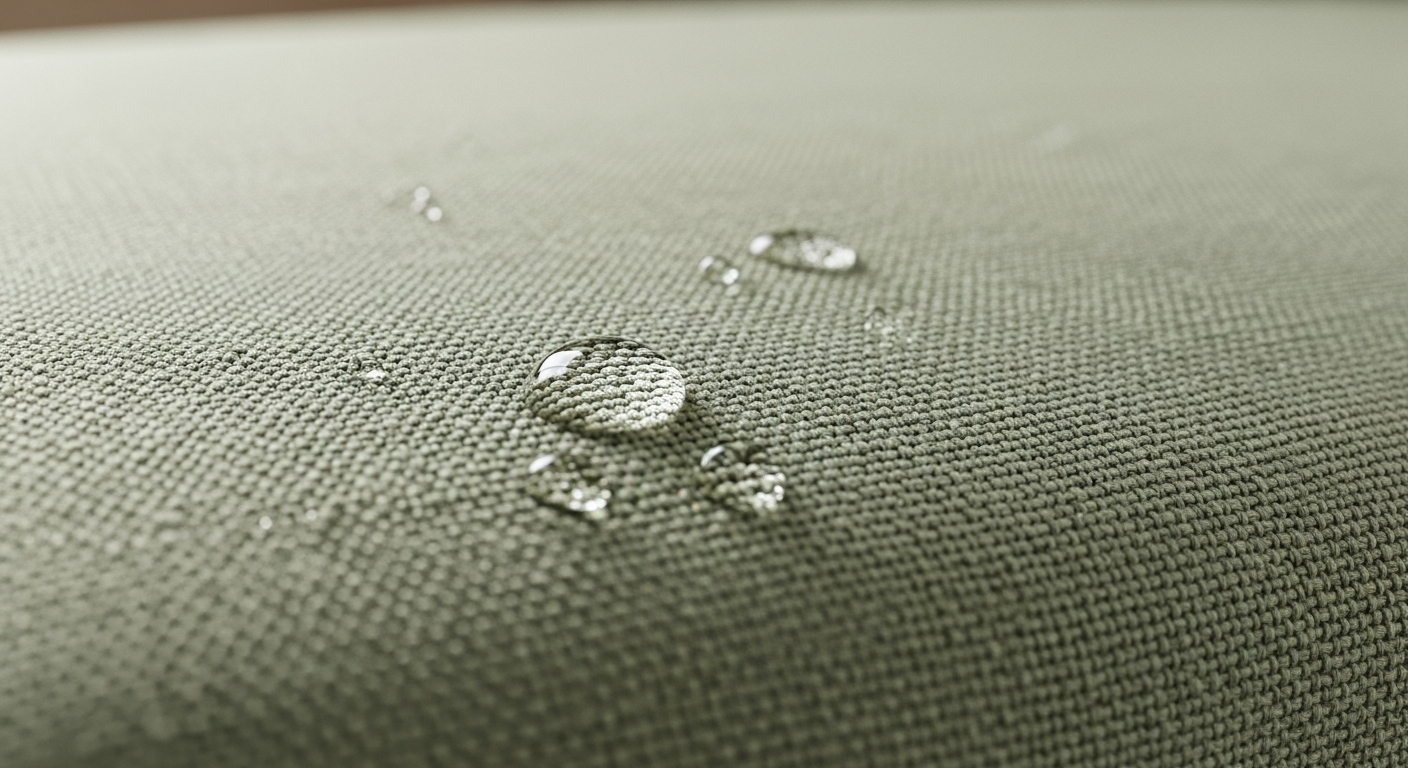
Life happens on a sofa, and 2026 fabrics are built to endure it all. Stain-resistant coatings, now often PFC-free (per- and polyfluoroalkyl chemicals), offer superior protection against spills and marks, making cleanup a breeze. Water-repellent finishes ensure that accidental splashes bead up and can be wiped away before soaking in, a godsend for homes with children or pets. Fade-resistant technologies mean that your sofa’s vibrant color will stand the test of time, even in sun-drenched rooms. These performance features are integrated at a molecular level, meaning they don’t wash off or wear out easily, ensuring that your investment remains pristine for years. For quick clean-ups, a reliable stain resistant upholstery cleaner is an essential companion for any modern sofa.
Smart Fabrics for Modern Living
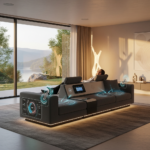
Beyond traditional performance, smart fabrics are pushing the boundaries of what a sofa can do. Imagine textiles that can regulate temperature, keeping you cool in the summer and warm in the winter, thanks to phase-change materials woven into their structure. Antibacterial and antimicrobial properties are becoming standard, offering a hygienic surface that resists odors and mildew, particularly important in shared living spaces. Some futuristic fabrics may even integrate subtle charging capabilities, allowing you to power your devices by simply resting them on the sofa arm, or feature sensory elements that respond to touch, offering a new dimension of comfort and interaction. These innovations promise to elevate the sofa from a mere piece of furniture to an interactive, responsive part of your smart home ecosystem.
Self-Cleaning & Low Maintenance
The dream of a self-cleaning sofa is closer than you think. While truly self-cleaning fabrics are still in development, 2026 will see textiles with significantly reduced maintenance requirements. Fabrics engineered to repel dust, dander, and pet hair will revolutionize cleanliness for pet owners and allergy sufferers. Easy-to-clean materials that require only a simple wipe or vacuum will free up valuable time, allowing you to enjoy your sofa rather than constantly maintaining it. This focus on low maintenance extends the lifespan of the sofa, further contributing to its sustainability by reducing the frequency of replacement.
The Aesthetic Appeal: Blending Function with Form
While sustainability and technology drive innovation, aesthetics remain paramount. The 2026 forecast shows a keen eye on blending these functional advancements with stunning visual and tactile appeal, ensuring that future sofas are as beautiful as they are beneficial.
Textural Richness
Texture will play a starring role. Expect to see sustainable versions of beloved tactile fabrics like bouclé, chenille, and velvet, offering a deep sense of luxury and comfort. These fabrics will be crafted from recycled or natural fibers, retaining their signature soft hand and rich appearance. The emphasis will be on multi-dimensional textures that invite touch and add depth to a room, creating inviting focal points. The tactile experience of a sofa will be just as important as its visual appeal, providing a sanctuary of comfort and sensory delight.
Color Palettes for 2026
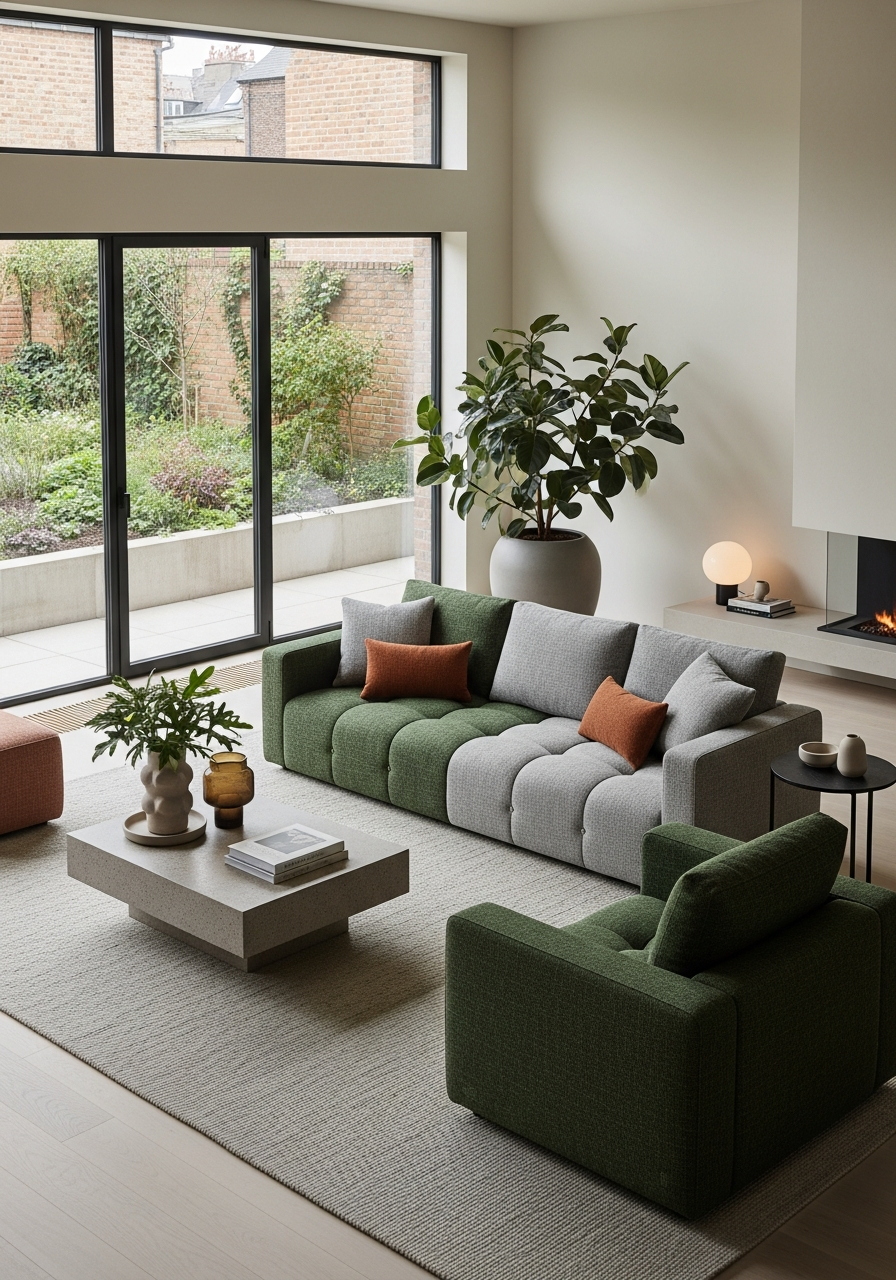
The color trends for 2026 will heavily lean into nature-inspired palettes, reinforcing the sustainability narrative. Earthy tones – terracotta, sage green, sandy beige, and deep forest hues – will dominate, creating calming and grounding environments. Muted pastels, often derived from natural dyes, will offer soft sophistication, while deep jewel tones like sapphire blue and emerald green will provide pops of luxurious color. The use of natural dyes, derived from plants and minerals, will not only contribute to the eco-friendliness of the fabrics but also offer a unique, organic depth to the color that synthetic dyes often lack.
Pattern Play
Patterns in 2026 will be subtle yet impactful. Organic, biophilic designs, drawing inspiration from natural forms like leaves, ripples, and abstract botanicals, will bring the tranquility of the outdoors inside. Subtle geometrics, often woven into the fabric rather than printed, will add a modern touch without overwhelming the eye. The trend will favor patterns that enhance the fabric’s texture and contribute to an overall sense of serene sophistication rather than bold, dominant statements.
The integration of sustainability and technology into sofa fabrics represents a holistic approach to home furnishings. It acknowledges that our choices have far-reaching impacts, from environmental health to personal well-being. By embracing these advancements, we’re not just buying a sofa; we’re investing in a future where luxury and responsibility coexist beautifully. This evolution means that the definition of a ‘premium’ sofa fabric is shifting. It’s no longer just about exotic materials or intricate weaves, but also about transparency in sourcing, minimized ecological footprint, and innovative functionalities that simplify and enhance daily life. The industry is responding to a growing demand for products that align with a conscious lifestyle, making it easier for consumers to make choices that are both aesthetically pleasing and ethically sound.
Comparison Table: Sustainable vs. Traditional Sofa Fabrics
To further illustrate the evolution, let’s compare the characteristics of sustainable and traditional sofa fabrics:
| Feature | Sustainable Fabric Example | Traditional Fabric Example | Pros (Sustainable) | Cons (Sustainable) | Environmental Impact |
|---|---|---|---|---|---|
| Material Source | Recycled PET Polyester, Organic Cotton, Hemp, Mycelium | Virgin Polyester, Conventional Cotton, Animal Leather | Renewable, recycled, lower resource consumption, biodegradable options | Can be higher initial cost, limited availability for some exotic bio-materials | Low to zero carbon footprint, reduced waste, no toxic chemicals |
| Durability | High (engineered for longevity, fade/stain resistance) | Varies (can be good but often lacks integrated tech) | Excellent abrasion resistance, often inherently stain/water repellent | Perceived notion of lesser durability (often untrue with modern tech) | Extended product lifespan reduces replacement frequency |
| Maintenance | Low (self-cleaning properties, easy wipe-off) | Moderate to High (requires specific cleaning, prone to stains) | Repels dust, easy to clean, often antimicrobial | Specific care instructions for delicate natural fibers | Reduced need for chemical cleaners, lower energy for washing |
| Comfort & Feel | Luxurious, soft, breathable, temperature-regulating | Varies widely, can be comfortable but often lacks smart features | Improved breathability, hypoallergenic, advanced sensory comfort | Some bio-based materials may have unique textures not universally preferred | Often uses natural, non-irritating materials |
| Price Point | Mid to High (initial investment reflects innovation) | Low to Mid (can be cheap to high-end) | Long-term value, reduced replacement costs, eco-conscious investment | Can be perceived as more expensive upfront | Long-term savings on energy, water, and replacement materials |
Choosing Your Future-Forward Sofa Fabric
With so many exciting developments, selecting the right sofa fabric for your home in 2026 can seem daunting, but it’s an opportunity to align your living space with your values. Consider your lifestyle first: Do you have pets or young children? Then high-performance, stain-resistant, and low-maintenance fabrics made from recycled materials or engineered natural fibers will be ideal. If allergies are a concern, look for antimicrobial and hypoallergenic options. Aesthetic preference, of course, plays a huge role; whether you prefer the tactile richness of a sustainable bouclé or the sleek modernity of a bio-based leather, there’s a fabric to match your vision.
Budget is always a factor, but remember that investing in quality, sustainable options often translates to long-term savings through increased durability and reduced need for replacement. Most importantly, consider your environmental commitment. By choosing sustainable sofa fabrics, you’re not just buying a piece of furniture; you’re making a conscious decision to support ethical production, reduce waste, and contribute to a healthier planet. Ask questions about sourcing, manufacturing processes, and certifications. The more informed you are, the better your choice will be.
FAQs about Sustainable Sofa Fabrics in 2026
Q1: What are the main advantages of choosing sustainable sofa fabrics?
Choosing sustainable sofa fabrics offers numerous advantages, including a reduced environmental footprint (less waste, fewer chemicals, lower energy consumption), enhanced durability and longevity due to innovative engineering, improved indoor air quality (fewer VOCs), and often hypoallergenic properties. They also provide peace of mind, knowing your purchase supports ethical and responsible manufacturing practices.
Q2: Are sustainable fabrics as durable as traditional ones?
Absolutely. Modern sustainable fabrics are engineered to meet or even exceed the durability of traditional textiles. Recycled polyesters are incredibly robust, and natural fibers like organic cotton and hemp are increasingly treated with eco-friendly finishes that boost their resilience against wear, tear, stains, and fading. The focus is on creating products that last, which is a key aspect of sustainability.
Q3: Do high-tech textiles feel artificial or uncomfortable?
Not at all. The beauty of 2026 high-tech textiles is their ability to integrate advanced functionalities without compromising on comfort or natural feel. Developers prioritize tactile experience, ensuring that temperature-regulating, stain-resistant, and antimicrobial fabrics remain soft, breathable, and luxurious to the touch. Many even enhance the natural feel of the fibers.
Q4: How do I care for sustainable sofa fabrics?
Care instructions will vary by specific fabric. However, many sustainable and high-tech fabrics are designed for low maintenance, often requiring just a simple vacuuming or wiping with a damp cloth for spills. Always refer to the manufacturer’s specific care guide. The goal is to make cleaning easier and less frequent, contributing to the fabric’s longevity and environmental friendliness.
Q5: Will sustainable sofa fabrics be more expensive?
While the initial cost for some innovative sustainable fabrics might be slightly higher due to research, development, and specialized production processes, they often offer superior long-term value. Their enhanced durability, ease of maintenance, and reduced environmental impact can lead to savings over time by extending the life of your sofa and lessening the need for replacement. Think of it as an investment in quality, longevity, and a better planet.
The Future is Now: Embrace Sustainable Luxury
The 2026 sofa fabric forecast paints a vibrant picture of innovation, responsibility, and unparalleled comfort. We are on the cusp of a design revolution where the materials that form the heart of our homes are not just aesthetically pleasing but also ethically sound and technologically advanced. From reclaimed wonders to bio-based breakthroughs and smart textiles, the choices are becoming increasingly sophisticated and aligned with a conscious lifestyle. Embracing these trends means creating living spaces that are not only beautiful and inviting but also contribute positively to our planet’s future. It’s time to redefine luxury as a harmonious blend of indulgence and integrity. Explore the innovative world of eco-friendly sofa fabrics for your home today and be a part of shaping a more sustainable, comfortable, and stylish tomorrow.