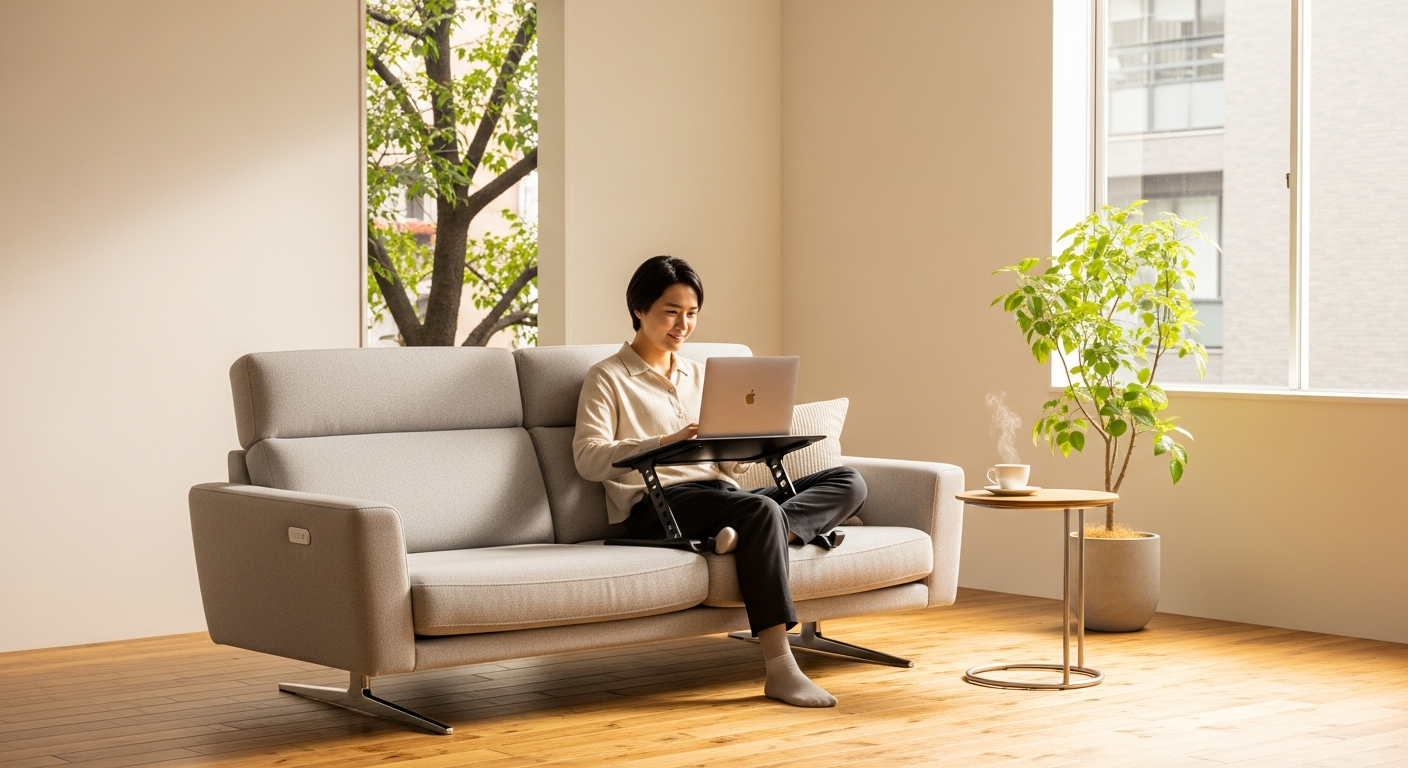
Ergonomic Sofas: Can You Actually Work From the Couch?
The lines between work and home have blurred, especially over the past few years. With the widespread adoption of remote work, the traditional office setup has evolved, and many are finding themselves swapping their desk chairs for the comfort of their living room sofas. But the burning question remains: can you actually achieve a productive and healthy work environment from your couch? The answer, surprisingly, lies in the rise of the ergonomic sofa working from home trend.
Gone are the days when sofas were solely for lounging and relaxation. Modern design and an understanding of human posture have led to innovative seating solutions that prioritize both comfort and support. This article will delve deep into the world of ergonomic sofas, exploring their benefits, essential features, and how you can transform your living room into a functional, comfortable, and healthy workspace.
The Great Migration: Why WFH Led Us to the Couch
The abrupt shift to working from home caught many unprepared. Kitchen tables became temporary desks, beds became makeshift offices, and the humble sofa, for many, became the default workstation. The appeal is obvious: unparalleled comfort, proximity to snacks, and a less formal atmosphere. However, extended periods of poor posture can lead to a myriad of health issues, from back pain and neck strain to carpal tunnel syndrome and eye fatigue. This is where the concept of the ergonomic sofa steps in as a game-changer.
Why Ergonomics Matters, Even on the Couch
Ergonomics is the science of designing and arranging workplaces, products, and systems so that they fit the people who use them. Its primary goal is to enhance efficiency, productivity, and safety while minimizing discomfort and injury. When applied to a sofa, it means creating a seating experience that supports your body’s natural curves, promotes good posture, and reduces strain during prolonged periods of sitting.
Ignoring ergonomic principles, whether at a desk or on a sofa, can have severe long-term consequences. Chronic pain, reduced concentration, and even decreased productivity are common outcomes. An ergonomic sofa isn’t just a luxury; it’s an investment in your health and well-being, especially if it’s where you spend a significant portion of your workday.
The Challenges of Working From a Standard Couch
Traditional sofas are designed for relaxation, not active work. They often feature deep seats, soft cushions that offer little support, and low backrests. These characteristics can lead to:
- Slouching: The lack of lumbar support encourages your spine to round, putting pressure on your discs.
- Neck Strain: Looking down at a laptop placed on your lap or a low coffee table can strain your neck and shoulders.
- Poor Circulation: Hunching over can restrict blood flow, leading to numbness or tingling.
- Fatigue: A lack of proper support forces your muscles to work harder, causing premature fatigue.
- Repetitive Strain Injuries (RSIs): Awkward wrist or arm positions can lead to issues like carpal tunnel syndrome.
These challenges highlight why a standard sofa is not suitable for prolonged work without significant modifications or, ideally, an upgrade to an ergonomically designed model.
Features That Make a Sofa Ergonomic
So, what exactly defines an ergonomic sofa? It’s a combination of design elements aimed at supporting your body in an optimal working posture:
1. Lumbar Support
Crucial for maintaining the natural ‘S’ curve of your spine. An ergonomic sofa will either have built-in lumbar support or allow for the strategic placement of a lumbar support pillow to fill the gap between your lower back and the sofa backrest.
2. Adjustable Backrest
The ability to recline or sit upright is vital. Some ergonomic sofas offer multi-position backrests, allowing you to find the perfect angle for different tasks – upright for typing, slightly reclined for reading or video calls.
3. Seat Depth and Height
Ideal seat depth allows you to sit with your back against the backrest while your feet are flat on the floor or a footrest, with a small gap between the edge of the seat and the back of your knees. Adjustable height isn’t common in sofas, but choosing a sofa with appropriate height for your stature is important.
4. Firmness and Cushioning
While comfort is key, overly soft cushions can negate ergonomic benefits. An ergonomic sofa will offer firm yet comfortable cushioning that supports your body without sinking too deeply. High-density foam is often preferred for its durability and supportive qualities.
5. Armrests
Properly positioned armrests can alleviate shoulder and neck strain by supporting your arms. They should allow your shoulders to remain relaxed and your forearms to be parallel to the floor.
6. Modular and Sectional Designs
Many modular sectional sofas offer flexibility, allowing you to rearrange components to create different configurations, including chaise lounges that can support your legs, or even integrate a small table surface.
Top Ergonomic Sofa Styles for WFH
Not all sofas are created equal for working. Here are a few styles that lend themselves well to an ergonomic WFH setup:
1. Adjustable Sofa Beds/Futons
Modern sofa beds have come a long way. Many feature multi-position backrests that can be set to an upright working angle, providing excellent back support. They are often firmer than traditional sofas, making them suitable for work.
2. Sectional Sofas with Chaises
A sectional with an extended chaise allows you to stretch out your legs, reducing pressure on your lower back and improving circulation. Look for models with firm cushions and robust back support.
3. Deep-Seated Sofas with Supportive Cushions
While deep seats can sometimes be problematic, if paired with firm, high-density foam cushions and ample back support (possibly through added pillows), they can offer a luxurious and supportive working environment.
4. Reclining Sofas
Power reclining sofas offer infinite adjustment options for the backrest and leg rest, allowing you to find your perfect ergonomic angle. Some even come with built-in USB ports – a bonus for charging devices!
Setting Up Your Ergonomic Couch Workspace
Even with the most ergonomic sofa, proper setup is essential. Here’s how to optimize your couch-based workstation:
- Position Your Laptop: Avoid placing your laptop directly on your lap. Use a portable ergonomic laptop stand for couch or a lap desk that raises your screen to eye level. Your monitor should be about an arm’s length away, with the top of the screen at or slightly below eye level.
- External Keyboard and Mouse: These are non-negotiable for serious couch working. They allow you to maintain a neutral wrist position and keep your arms closer to your body.
- Lumbar Support: If your sofa lacks built-in lumbar support, use a firm cushion or a rolled-up towel to support the natural curve of your lower back.
- Footrest: If your feet don’t comfortably reach the floor, use an ergonomic footrest for couch to keep your knees at roughly a 90-degree angle and improve circulation.
- Lighting: Ensure adequate lighting to prevent eye strain. Natural light is best, but a good task lamp can supplement it.
- Take Breaks: No matter how ergonomic your setup, regular breaks are crucial. Stand up, stretch, walk around every 30-60 minutes.
Pros and Cons of Working From an Ergonomic Sofa
Pros:
- Increased Comfort: A well-designed ergonomic sofa can be incredibly comfortable, reducing physical strain.
- Flexibility: Offers a change of scenery from a traditional desk, potentially boosting creativity and reducing monotony.
- Relaxed Atmosphere: Can contribute to a less formal and stressful work environment.
- Space-Saving: For those in smaller homes, combining living and working spaces can be efficient.
- Improved Posture (with proper setup): An ergonomic sofa, used correctly, can support healthy spinal alignment.
Cons:
- Potential for Distraction: The relaxed nature of a sofa can sometimes lead to lower focus.
- Investment Cost: Ergonomic sofas often come with a higher price tag than standard models.
- Requires Discipline: It takes conscious effort to maintain good posture and a productive mindset.
- Not for Everyone: Some individuals may still prefer or require a traditional desk setup for optimal productivity.
Comparison Table: Ergonomic Sofa vs. Traditional Sofa for WFH
| Feature | Ergonomic Sofa | Traditional Sofa |
|---|---|---|
| Lumbar Support | Built-in or designed for optimal support; often adjustable. | Usually minimal or none; requires external pillows. |
| Cushion Firmness | Medium to firm, high-density foam for sustained support. | Often soft, plush, and can sag over time, offering little support. |
| Backrest | Higher, supportive, sometimes adjustable or multi-position. | Lower, designed for lounging; encourages slouching for work. |
| Seat Depth | Proportioned to allow feet flat on floor with back supported. | Often deep, leading to slouching or dangling feet for shorter individuals. |
| Armrests | Designed to support arms at a comfortable, neutral height. | Varies widely; often too low or high for ergonomic work. |
| Overall Design for Work | Prioritizes posture, adjustability, and long-term comfort for sitting tasks. | Prioritizes casual lounging and relaxation; not ideal for prolonged work. |
| Health Impact (Long-term WFH) | Minimizes strain, reduces risk of back pain and RSIs. | High risk of back pain, neck strain, and poor circulation. |
Frequently Asked Questions About Ergonomic Sofa Working
Q1: Can any sofa be made ergonomic with accessories?
While accessories like lumbar pillows, laptop stands, and footrests can significantly improve a standard sofa’s ergonomics, they can’t fully replicate the integrated design of a purpose-built ergonomic sofa. They are great for temporary fixes or enhancing an already decent sofa.
Q2: How often should I take breaks when working from an ergonomic sofa?
Even with an ergonomic setup, it’s recommended to take a short break (5-10 minutes) every 30-60 minutes. Stand up, stretch, walk around, and change your posture. This helps blood circulation and reduces static load on your muscles.
Q3: Are ergonomic sofas more expensive?
Generally, yes. The specialized design, higher quality materials, and often adjustable mechanisms can make ergonomic sofas more expensive than traditional, basic models. However, consider it an investment in your health and long-term productivity.
Q4: Can working from a sofa negatively impact my professional image on video calls?
It can, if not set up correctly. Ensure your background is tidy, your lighting is good, and you maintain an upright, professional posture. A good webcam for laptop can also make a difference by offering better angles and clarity than your built-in one.
Q5: How do I maintain the upholstery of an ergonomic sofa that’s used for work?
Regular vacuuming and spot cleaning are essential. For spills, act quickly. Consider a sofa with durable, easy-to-clean fabric, or use a slipcover. Periodically, a professional upholstery cleaner can help keep it looking new.
Conclusion: Embrace the Ergonomic Couch Revolution
The idea of working from the couch is no longer a guilty pleasure but a viable, even beneficial, option for many remote workers. By understanding the principles of ergonomics and investing in an ergonomic sofa or appropriate accessories, you can transform your living room into a highly functional, comfortable, and health-conscious workspace. It’s about finding the right balance between comfort and support, ensuring that your work-from-home journey is as productive as it is pain-free.
So, can you actually work from the couch? With the right ergonomic approach, absolutely. It’s time to redefine your workspace and embrace the comfort and flexibility that an ergonomic sofa working from home setup can offer. Your back (and your productivity) will thank you!
Ready to upgrade your WFH setup?
Explore our curated selection of ergonomic sofas and essential accessories to build your ideal work-from-home oasis today!