The Ultimate Guide: Matching Coffee Tables with Low-Slung 1970s Inspired Couches for the Modern Home
The 1970s are undeniably back, baby! And with them, a resurgence of the glorious, inviting, and effortlessly cool low-slung sofa. At lesofa.club, we’ve witnessed firsthand the growing adoration for these iconic pieces, characterized by their deep seats, plush comfort, and close-to-the-ground profile. From sprawling sectionals perfect for family gatherings to elegant two-seaters that define a cozy nook, these sofas don’t just offer a place to sit; they invite relaxation, conversation, and a truly laid-back yet sophisticated atmosphere. They are more than furniture; they are a lifestyle statement, a nod to an era that prioritized comfort and style in equal measure.
However, this distinctive silhouette often presents a unique design dilemma for many enthusiasts: how do you find the perfect coffee table to complement such a striking centerpiece? Standard-height tables frequently look awkward, disrupting the sleek lines and comfortable flow that low-slung furniture is designed to achieve. They can create an uncomfortable visual gap, making the entire arrangement feel unbalanced. Fear not, interior design aficionados! Lesofa.club is your definitive resource, here to guide you through the art and science of selecting the ideal coffee tables for low sofas, ensuring your living space is not only stylish but also harmonious, functional, and deeply inviting.
The Enduring Allure of the Low-Slung Sofa: A Deep Dive into 70s Revival
There’s an undeniable, magnetic charm to the low-slung sofa that transcends fleeting trends. It harks back to an era of relaxed elegance, where comfort was king, and entertaining meant sprawling out in style. Picture sumptuous velvet, textured corduroy, rich leathers, and innovative modular designs that adapt effortlessly to any space. These aren’t merely sofas; they are an invitation to unwind, to sink in, and to truly live in your space. Their inherent visual weight and pronounced horizontal emphasis beautifully ground a room, making it feel larger, more serene, and incredibly cozy. Whether you’ve invested in a plush velvet modular sofa that begs for lounging or a sleek, minimalist leather piece that exudes understated luxury, the goal is always to enhance its unique aesthetic, not detract from it. The secret to unlocking their full potential lies in harmonious pairing, especially when it comes to the central piece of the living room: the coffee table.
Understanding the Golden Rules of Proportion: Why Height and Scale Matter Immensely
When selecting a coffee table for a low-slung sofa, height is not just important; it’s paramount. The general rule of thumb dictates that a coffee table should be roughly the same height as the sofa’s seat cushion, or perhaps one to two inches lower. This subtle difference ensures both aesthetic cohesion and ergonomic comfort. For a typical low-slung sofa, which usually boasts a seat height ranging from 14 to 17 inches (in stark contrast to standard sofas around 18-20 inches), this means your coffee table will also need to be significantly lower than average. An overly tall coffee table will create an awkward visual gap, make it uncomfortable to reach for drinks or books, and disrupt the seamless flow that low-slung furniture is designed to achieve. Conversely, a table that’s too low might be impractical, forcing you to lean excessively. Finding that sweet spot ensures both aesthetic harmony and practical functionality for daily use.
Beyond height, consider the scale and proportion. A very long sofa often requires a longer coffee table or a clever arrangement of two smaller tables to balance the visual weight. A deep sofa might benefit from a wider coffee table to ensure easy reach. Always measure your sofa’s length, depth, and seat height, as well as the available space in your living room, to make an informed decision. The ideal coffee table will fill the space in front of your sofa comfortably, leaving ample room for movement around it (typically 18-24 inches of clearance).
Top Picks for Coffee Tables for Low Sofas: A Curated Collection
Let’s dive into the styles that perfectly complement the relaxed, sophisticated vibe of your 1970s-inspired low sofa, transforming your living room into a masterclass of design.
1. The Sleek, Low-Profile Rectangle or Square: Modern Minimalism Meets 70s Chic
For those who appreciate clean lines, minimalist aesthetics, and a sense of grounded tranquility, a sleek, low-profile rectangular or square coffee table is a classic, fail-safe choice. These tables masterfully echo the horizontal emphasis of the low-slung sofa, creating a cohesive, uncluttered, and visually expansive look. Opt for robust materials like solid wood (think rich walnut or warm teak for that authentic 70s feel), polished concrete, or black metal for a contemporary industrial edge. Their grounded presence perfectly anchors the seating area without overwhelming it, providing ample surface space for decor and daily essentials. A mid-century modern coffee table with slim, tapered legs and a wide top can be an exquisite choice, marrying functionality with timeless design.
2. Organic Shapes: Circles and Ovals for Softness and Flow
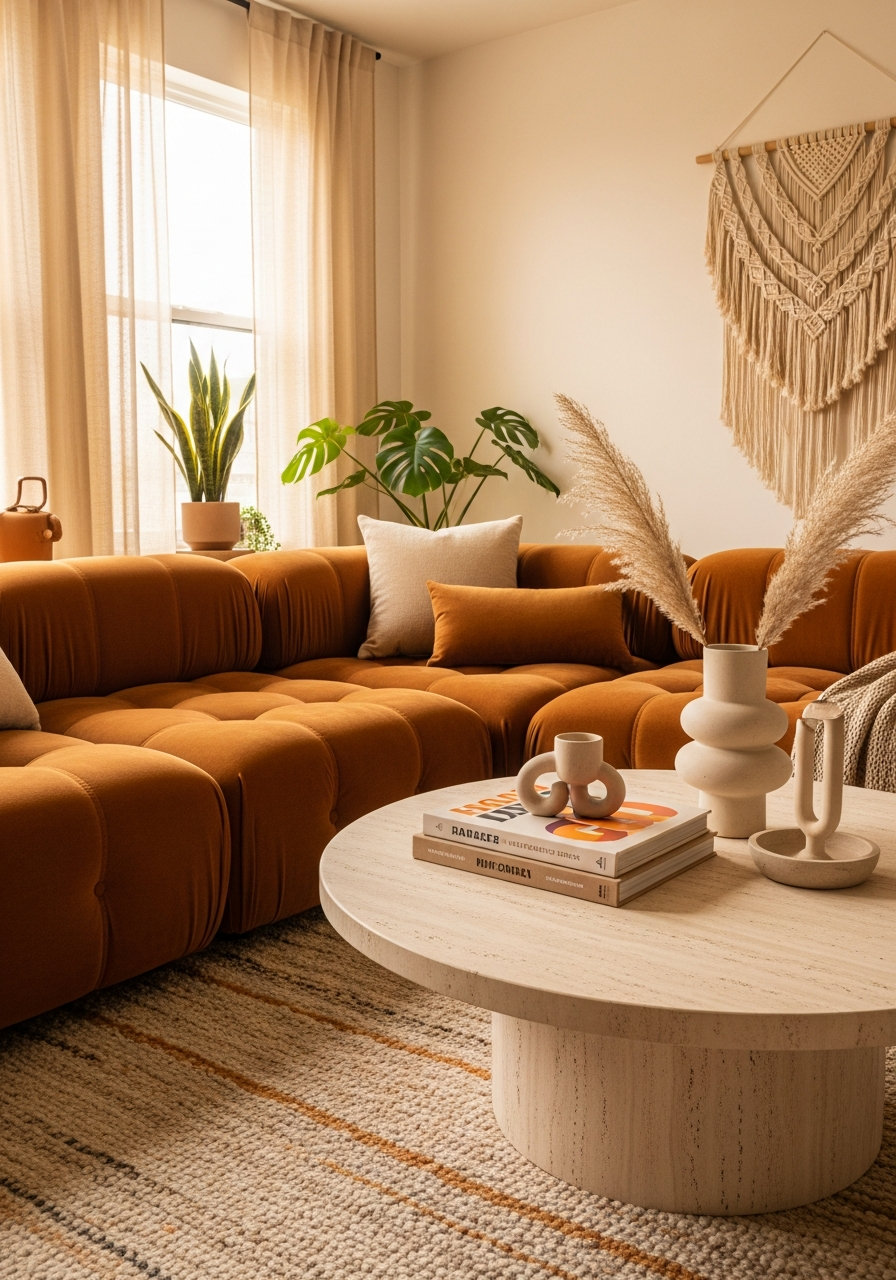
To soften the often linear nature of a sprawling low-slung sectional or to introduce a gentle counterpoint, consider round or oval coffee tables. These organic shapes are design powerhouses; they introduce a soothing contrast, promote a more fluid circulation around the seating area, and inherently foster a more conversational and inviting atmosphere. They are particularly effective in smaller spaces or rooms with heavy furniture, where sharp corners might feel too intrusive. Materials like luxurious marble, earthy travertine, or even a sleek polished concrete top can elevate the look, adding a touch of natural luxury that aligns perfectly with the 70s’ love for natural elements and refined textures. A round travertine coffee table, for instance, offers both visual softness and sophisticated, tactile texture that immediately upgrades your space.
3. Nesting Tables: The Epitome of Versatility and Dynamic Style
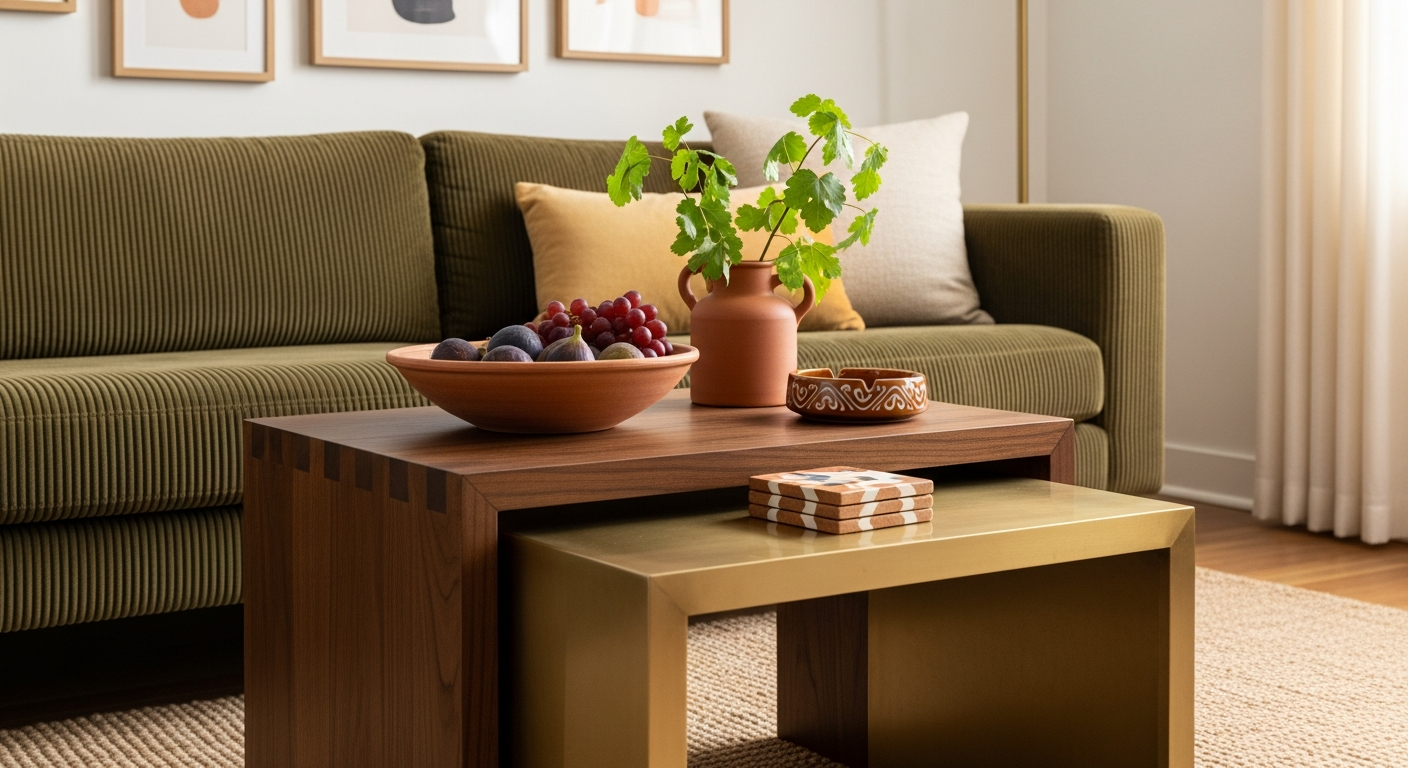
If flexibility, adaptability, and dynamic styling are high on your priority list, nesting coffee tables are a brilliant, multi-faceted solution. A set of two or three tables of varying sizes and heights can be artfully arranged together as a central coffee table or effortlessly pulled apart to serve individual guests or specific functional needs. This allows you to adjust your layout on the fly, offering unparalleled versatility for entertaining, working from home, or simply enjoying a quiet evening. When nested, they maintain a compact footprint, making them an ideal choice for spaces that need to adapt frequently. Look for sets with interesting material combinations, perhaps a metal frame with a smoked glass top, or different wood finishes that add visual intrigue. For ultimate flexibility and modern aesthetic appeal, nesting coffee tables are a brilliant solution that adds both practical utility and sophisticated appeal.
4. Ottoman-Style Coffee Tables: Plush Comfort Meets Clever Functionality
Embracing the ultimate in comfort and multifunctionality, an upholstered ottoman can double as a fantastic coffee table for a low-slung sofa. When topped with a sturdy, oversized tray, it provides a stable surface for drinks, books, and decor, while also offering an irresistible extra footrest or impromptu seating for guests. This option introduces incredible softness, texture, and a sense of coziness, perfectly complementing the plushness and inviting nature of many 70s-inspired couches. Consider luxurious fabrics like boucle, chunky knits, sumptuously soft velvet, or even a robust, distressed leather to enhance the tactile experience of your living room. An oversized storage ottoman coffee table not only looks fantastic but also provides invaluable hidden storage, a true boon for any organized home.
5. Sculptural and Statement Pieces: Art as Function
For the bold, the artistic, and those who seek to make an undeniable impact, a sculptural coffee table can act as a breathtaking centerpiece, transforming your living room into a gallery-like space. Think pieces with unconventional shapes, unique pedestals, or intriguing material combinations that defy traditional design. These tables are often low by design, allowing their artistic form to take center stage without obstructing views or overpowering the sofa. Materials like polished resin, intricately carved reclaimed wood, unique metal forms, or even abstract glass creations can create a powerful visual statement that reflects your personal style. A truly unique modern sculptural coffee table can be the focal point of your entire room, sparking conversation and admiration.
Materials and Finishes: Embracing the Authentic 70s Vibe
The choice of material is not merely an aesthetic decision; it’s crucial for reinforcing the 70s aesthetic while ensuring durability, longevity, and timeless appeal for your lesofa.club creation.
Natural Woods: Warmth and Earthy Sophistication
Walnut, teak, and rich oak were undisputed staples of the 70s, celebrated for their inherent warmth, intricate grain patterns, and organic beauty. These woods bring an earthy, grounding element to the room, perfectly complementing natural fibers, muted color palettes, and the relaxed sensibility of the era. A solid wood table, especially in a rich, dark stain, can anchor your space with timeless elegance and a sense of enduring craftsmanship. Consider woods like ash or even mango for lighter, more contemporary interpretations that still nod to natural origins.
Stone and Concrete: Brutalist Beauty Meets Natural Luxury
Travertine, marble (such as Carrara, Calacatta, or even deep Verde), granite, and polished concrete offer a luxurious, substantial, and incredibly tactile feel. Their cool, smooth surfaces provide a sophisticated contrast to plush upholstery, adding a touch of modern brutalism or natural elegance, both highly popular themes in 70s design. These materials are incredibly durable, age beautifully, and develop a unique patina over time. They are also excellent for high-traffic areas, offering easy maintenance with the right sealants and care.
Glass and Acrylic: Lightness, Space, and Modern Edge
For a lighter, airier, and more expansive feel, glass or acrylic tables are excellent choices. They virtually disappear into the room, preventing visual clutter and making a smaller space feel larger and more open. A low glass coffee table allows the beauty of your boucle sectional sofa or an exquisite area rug to shine through, maintaining an open and expansive feel. Smoked glass offers a hint of 70s glamour, while clear glass is endlessly versatile. Consider the thickness and edge finish for safety and aesthetic impact.
Metals: Polished Glamour, Industrial Grit, or Understated Strength
Brass, chrome, and black iron can inject distinct moods into your living space. Polished brass adds a touch of undeniable glam and warmth, often associated with luxurious 70s interiors. Chrome speaks to a more futuristic or minimalist aesthetic, reflecting light and adding a sleek edge. Black iron, conversely, grounds the space with an industrial edge and robust stability. Often, metals are used for elegant bases or subtle accents, perfectly supporting a wood, stone, or glass top, creating striking mixed-material designs.
Upholstered Options: Sensory Richness and Ultimate Comfort
As highlighted with ottoman tables, upholstered coffee tables in fabrics like plush boucle, rich velvet, or textural corduroy add incredible tactile richness and softness. They enhance the overall comfort factor of your living room, inviting touch and adding a layer of warmth. These options are particularly effective in creating a cohesive, cocoon-like atmosphere that perfectly complements the deep seating of low-slung sofas.
Styling Your Low Coffee Table: Beyond the Surface, Towards a Masterpiece
Once you’ve chosen your perfect coffee table from lesofa.club, styling it thoughtfully is the next crucial step to achieving a cohesive, inviting, and truly personalized living space. The goal is to enhance, not overcrowd, particularly given the often-lower profile of these tables. Think of your coffee table as a canvas for curated expression.
1. The Art of Simplicity: Less is More
Avoid towering decor that blocks sightlines or feels disproportionate to the table’s low height. Instead, think horizontally. A few thoughtfully chosen items are far more impactful than a cluttered display. Embrace negative space as part of the design.
2. Strategic Layering and the Rule of Three
Curated stacks of oversized art books (perhaps on 70s design or photography), a beautiful decorative tray for coffee table holding smaller, sculptural objects (like a unique paperweight or a textured sphere), or a few artisanal coasters can add depth and interest without excessive height. Group items in odd numbers (the ‘rule of three’) for natural visual balance. Vary textures and materials for visual richness – a smooth stone tray with rough ceramic objects, or soft fabric coasters on a wooden surface.
3. Bringing in Greenery: Life at a Low Level
Low-lying plants like sculptural succulents, small snake plants (Sansevieria), or a wider, shallower planter with moss or a single, dramatic orchid can add a touch of natural life without adding excessive verticality. Consider a low ceramic bowl for a dramatic display of greenery, enhancing the organic feel that the 70s celebrated. Ensure your plants are well-maintained to keep the look fresh.
4. Ambient Lighting: Creating Atmosphere
While often too low for task lighting, your coffee table can host elements that contribute to ambient lighting. Small, sculptural candle holders with unscented pillars, or a collection of decorative, battery-operated lamps (look for unique designs that complement your aesthetic) can add a cozy glow, particularly in the evenings, enhancing the relaxed mood of your low-slung sofa area.
5. Personal Touches and Functional Elegance
Incorporate items that speak to your personality: a treasured souvenir from a trip, a unique piece of pottery, or a custom-made coaster set. Ensure functionality isn’t sacrificed. A stylish remote control holder, beautiful coasters, and perhaps a small box for miscellaneous items keep clutter at bay while adding to the overall aesthetic.
The Lesofa.club Comparison Table: Finding Your Perfect Match
To help you visualize the best options and make an informed decision for your unique living space, here’s a quick comparison of the most popular coffee table types for low-slung sofas:
| Type of Table | Best For | Key Characteristics | Pros | Cons | Aesthetic & Vibe |
|---|---|---|---|---|---|
| Low Rectangular/Square | Minimalist, Modern, Spacious Rooms | Clean lines, solid materials (wood, concrete, metal), often wide and long. | Streamlined, spacious surface, grounds the room, durable. | Can feel heavy if too bulky, less adaptable to dynamic needs. | Sleek, grounded, contemporary 70s, organized. |
| Round/Oval | Soften sharp lines, promote flow, smaller spaces | Curved edges, often stone or light wood, various base designs. | Improves circulation, friendly, safe for kids/pets, visually lighter. | Less usable surface area than rectangular, can appear less formal. | Organic, flowing, relaxed elegance, inviting. |
| Nesting Tables | Versatility, smaller spaces, entertaining, large sectionals | Multiple tables of different sizes/heights, often varied materials. | Extremely flexible, adaptable, easy to store, dynamic look. | Can look cluttered if not arranged well, requires more floor space when separated. | Dynamic, adaptable, playful modern, flexible. |
| Ottoman Style | Comfort, multifunctionality, texture, cozy feel | Upholstered, often with storage, requires a tray for stability. | Soft, comfortable, extra seating/footrest, adds texture, often storage. | Requires a tray for stability, can absorb spills, might be too soft for some. | Plush, cozy, inviting, bohemian glam, textural. |
| Sculptural/Statement | Artistic focal point, unique expression, high-design rooms | Unconventional shapes, unique materials (resin, carved wood, glass). | High visual impact, truly unique, conversation starter, defines space. | Can be expensive, might be less functional, dictates room’s style. | Artistic, daring, high-design 70s, bespoke. |
Common Pitfalls to Avoid When Choosing Your Low Coffee Table
Even with the best intentions, it’s easy to stumble. Being aware of these common mistakes will help you navigate your selection process with confidence:
- The “Too Tall” Table Trap: This is, by far, the most common mistake. An overly tall coffee table will make your low sofa feel disproportionate, uncomfortable to use, and visually awkward. Always prioritize that crucial 1-2 inch height rule.
- Overly Bulky Tables for the Space: While low-slung furniture has a generous feel, a coffee table that’s too wide, too deep, or generally too massive for your room can make the entire space feel cramped, heavy, and less inviting. Ensure it leaves adequate walking paths.
- Clashing Styles and Aesthetics: A highly ornate, traditional coffee table with delicate carvings will look jarringly out of place next to a sleek, minimalist, 70s-inspired low sofa. Stick to complementary aesthetics – whether it’s mid-century modern, brutalist, bohemian, or contemporary.
- Ignoring Practical Functionality: Remember that a coffee table is meant to be used. Ensure it’s easy to reach from your sofa, stable enough for drinks and objects, and provides adequate surface area for your daily needs without being a constant obstacle.
- Compromising on Material Quality: Your coffee table is a central, frequently used piece. Invest in materials that will stand the test of time, maintain their beauty, and are appropriate for your lifestyle. Poor quality materials can quickly detract from even the most stylish sofa.
FAQ: Your Questions About Low Coffee Tables Answered by Lesofa.club
Q1: How low should a coffee table be for a low sofa?
Ideally, your coffee table should be the same height as your sofa’s seat cushion, or 1-2 inches lower. For typical low-slung sofas, this often means a table height between 14-17 inches. This creates a comfortable reach and a visually harmonious line.
Q2: Can I use multiple small tables instead of one large coffee table?
Absolutely! Using two smaller, identical, or complementary low tables side-by-side, or a clever set of nesting tables, is a fantastic way to add flexibility and visual interest. This strategy works particularly well with large modular sofas, allowing for dynamic rearrangement.
Q3: What materials best suit a 70s low-slung couch?
Natural materials are key to enhancing the authentic 70s vibe. Think warm woods (walnut, teak, oak), earthy stones (travertine, marble), and sometimes metals like brass or chrome for sophisticated accents. Upholstered tables in boucle, velvet, or corduroy also fit perfectly, adding texture and softness.
Q4: How do I clean my new coffee table based on its material?
Cleaning depends heavily on the material. For wood, use a soft cloth and a gentle wood furniture cleaner and polish regularly. For stone, use a pH-neutral cleaner specifically designed for that stone type and ensure it’s sealed. Glass cleaners work for glass. Always check the manufacturer’s recommendations for specific care instructions. Regular dusting and immediate wipe-up of spills are universally good practices to maintain its beauty.
Q5: What if my sofa is extremely low, like a floor-level design?
For extremely low or floor-level sofas (think Japanese-inspired or true lounge-pit designs), consider very low platform tables, a series of poufs that can be moved around, or even sturdy, low-profile floor cushions designed to hold items. The goal remains to keep the surface within comfortable reach without creating an awkward height disparity, often meaning tables under 12 inches high.
Q6: What about budget considerations for a stylish coffee table?
Style doesn’t always have to break the bank! While high-end stone or custom sculptural pieces can be an investment, there are fantastic options at all price points. Look for well-designed pieces in materials like engineered wood with quality veneers, tempered glass, or powder-coated metal for more budget-friendly yet stylish choices. Always prioritize quality where it matters most, like stability and durability.
Q7: How do I measure correctly for a coffee table for my space?
Measure the length of your sofa. Your coffee table should typically be between one-half to two-thirds the length of your sofa. Then, measure the distance from your sofa to other furniture pieces (like an armchair or TV stand) to ensure you leave at least 18-24 inches of clearance for comfortable movement. Finally, measure your sofa’s seat height to determine the ideal coffee table height (same or 1-2 inches lower).
Conclusion: Elevating Your Low-Slung Living Space with Lesofa.club
Pairing a coffee table with a low-slung, 1970s-inspired couch doesn’t have to be a daunting task. In fact, it’s an exciting opportunity to showcase your design prowess and create a truly cohesive, comfortable, and stylish living environment. By focusing on appropriate height, complementary materials, thoughtful styling, and understanding the nuances of scale, you can create a living space that not only celebrates the unique charm of your sofa but also remains highly functional and aesthetically pleasing.
Remember to consider the overall flow of your room, your personal style preferences, and how you intend to use the space daily. Whether you opt for a sleek slab of marble that exudes sophistication, a versatile set of nesting tables for dynamic living, or a plush ottoman that invites ultimate relaxation, the right coffee table from lesofa.club will not only complete your 70s revival but will elevate your entire home. Ready to transform your living room and find that perfect centerpiece? Explore our curated selection of low profile living room tables on Amazon today and bring your vision to life!