Biophilic Bedroom Design: Bringing Nature into Your Sleep Space
In our increasingly urbanized world, the connection to nature often feels distant. We spend most of our time indoors, surrounded by technology and synthetic materials, which can inadvertently impact our well-being. This disconnect has led to a growing appreciation for biophilic design – an innovative approach that integrates natural elements into built environments to foster a deeper human-nature connection. And where better to start this integration than in our bedrooms, the very sanctuaries where we seek rest, rejuvenation, and peace?
Biophilic bedroom design ideas are not just about aesthetics; they’re about creating a healthier, more harmonious space that supports our mental and physical health. It’s about consciously bringing the restorative power of the natural world indoors, transforming your sleep space into a tranquil haven that encourages relaxation and deep sleep. Imagine waking up feeling refreshed, surrounded by the calming presence of plants, the gentle glow of natural light, and the grounding textures of organic materials. This article will guide you through the principles and practical application of biophilic design, helping you curate a bedroom that truly breathes life into your nights and days.
The Profound Benefits of a Biophilic Bedroom
Integrating biophilic elements into your bedroom offers a cascade of benefits that extend far beyond visual appeal. Scientific research consistently demonstrates the positive impact of nature on human well-being, and bringing these principles into your personal space can lead to significant improvements:
- Reduced Stress and Anxiety: Exposure to natural environments has been shown to lower cortisol levels, decrease heart rate, and reduce feelings of stress and anxiety. A biophilic bedroom acts as a constant source of calm, helping to unwind after a long day.
- Improved Sleep Quality: Natural light cycles, a cornerstone of biophilic design, help regulate our circadian rhythms, promoting healthier sleep patterns. The serene atmosphere created by natural elements can also facilitate easier onset of sleep and deeper, more restorative rest.
- Enhanced Mood and Cognitive Function: Studies suggest that spending time in natural settings can boost mood, increase creativity, and improve focus. Even subtle natural cues in the bedroom can contribute to a more positive outlook and sharper mental clarity.
- Better Air Quality: Incorporating specific indoor plants not only adds visual appeal but also naturally filters toxins from the air, improving the oxygen levels and overall air quality in your sleep environment.
- Increased Connection to Nature: For those living in urban areas, a biophilic bedroom provides a vital daily connection to the natural world, even when outdoor access is limited. This connection is fundamental for human psychological well-being.
Embracing biophilic bedroom design ideas is an investment in your health and happiness, creating a space that nurtures both body and mind.
Key Elements of Biophilic Bedroom Design
To truly capture the essence of biophilia, consider integrating these core elements into your bedroom:
1. Abundant Natural Light
Natural light is arguably the most crucial element in any biophilic space. It connects us to the outside world, marks the passage of time, and is essential for regulating our circadian rhythms. Maximize natural light by:
- Keeping windows unobstructed: Opt for sheer curtains or blinds that can be easily opened to let in the morning sun.
- Strategic mirror placement: Position mirrors to reflect natural light deeper into the room.
- Avoiding heavy drapes: If privacy is a concern, choose lightweight, breathable fabrics.
- Incorporating layers of artificial light that mimic natural light: Warm-toned bulbs and dimmers can replicate the soft glow of dusk.
2. Lush Indoor Plants
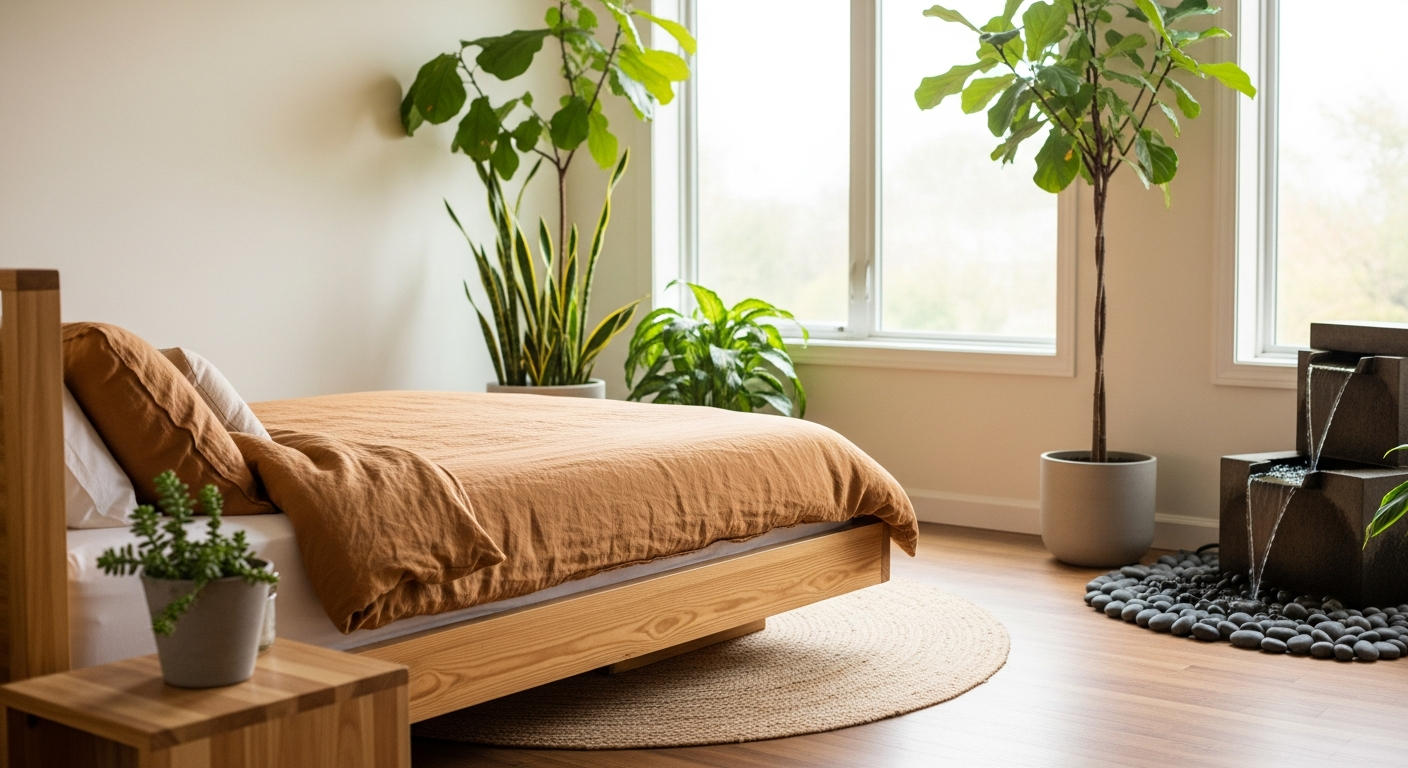
Plants are the most direct way to bring nature indoors, offering visual beauty, improved air quality, and a tangible connection to living organisms. When exploring biophilic bedroom design ideas, choose plants known for their air-purifying qualities and low maintenance, such as:
- Snake Plant (Sansevieria trifasciata): Excellent for purifying air, even at night.
- Peace Lily (Spathiphyllum): Beautiful foliage and flowers, also great for air filtration.
- ZZ Plant (Zamioculcas zamiifolia): Extremely low-maintenance and tolerant of various light conditions.
- Pothos (Epipremnum aureum): Easy to grow and cascade beautifully from shelves.
Consider displaying them in beautiful ceramic planters or hanging plant holders to add an extra layer of natural aesthetic.
3. Organic and Natural Materials
The textures and tactile qualities of materials play a significant role in creating a biophilic environment. Opt for materials that are raw, unprocessed, and derived from nature:
- Wood: A sturdy wooden bed frame, nightstands, or decorative accents bring warmth and a sense of grounding. Look for sustainably sourced options.
- Stone: Small stone features, polished river rocks, or even a stone accent wall can add an earthy, enduring quality.
- Cotton, Linen, Wool: For bedding, curtains, and upholstery, choose natural fibers like crisp linen sheets or a soft organic cotton duvet cover. These materials are breathable, comfortable, and connect us to the earth.
- Jute, Sisal, Rattan: A natural fiber jute rug or a plush wool area rug underfoot adds texture and warmth, while rattan furniture or baskets introduce a lighter, airy feel.
4. Water Features
The sight and sound of water are inherently soothing. A small indoor fountain can introduce a gentle, rhythmic sound that masks distracting noises and promotes relaxation. Even a simple bowl of water with floating flowers can evoke a sense of tranquility.
5. Earth-Inspired Colors and Patterns
Mimic nature’s palette. Think calming greens, soothing blues, warm earthy browns, soft grays, and sandy beiges. Avoid overly vibrant or artificial colors. Incorporate patterns that subtly echo natural forms – think botanical prints, wood grain textures, or subtle wave motifs.
6. Natural Scents and Sounds
Engage all your senses. Use an essential oil diffuser with calming scents like lavender, chamomile, or cedarwood. Consider playing nature sounds – gentle rainfall, ocean waves, or forest ambiance – at a low volume to further enhance the serene atmosphere.
Practical Biophilic Bedroom Design Ideas for Your Home
Now that we understand the core elements, let’s explore actionable biophilic bedroom design ideas to transform your space:
Curating Your Indoor Garden
Don’t just place plants; arrange them thoughtfully. Create a small cluster of plants on a nightstand or dresser, or use varying heights with floor plants and hanging baskets. Ensure your plants receive adequate light and are easy to maintain to avoid added stress. Consider a vertical garden if space is limited.
Furniture That Connects
Beyond a wooden bed frame, look for furniture with organic shapes and minimal, clean lines. Avoid overly ornate or modern pieces that might feel out of place. Prioritize comfort and functionality, allowing the natural elements to be the focal point.
Textiles and Linens
Layering natural textiles is key. Start with an organic cotton or linen duvet cover, add chunky knit throws, and scatter plush cushions made from wool or sustainable fabrics. These layers create warmth, texture, and a sense of inviting comfort.
Art and Decor Echoing Nature
Choose artwork that features landscapes, botanical prints, abstract nature scenes, or even pressed flowers. Handcrafted items made from wood, clay, or stone can also reinforce the natural aesthetic. Avoid mass-produced plastic items.
Creating a ‘Window to the World’
If your bedroom lacks a view, you can simulate one. A large mirror strategically placed can reflect the outdoors (even if it’s just a sliver of sky). Large format nature photography or a natural-themed mural can also serve as a visual connection to the external environment.
Comparison: Traditional vs. Biophilic Bedroom Design
To better understand the shift, here’s a quick comparison:
| Feature | Traditional Bedroom Design | Biophilic Bedroom Design |
|---|---|---|
| Light Source | Primarily artificial, heavy curtains | Maximized natural light, sheer coverings |
| Materials | Synthetic fabrics, engineered wood, metal | Organic cotton, linen, wool, solid wood, stone, rattan |
| Color Palette | Varies widely, often vibrant or stark | Earth tones, greens, blues, muted natural hues |
| Focal Points | Large furniture, technology (TV) | Plants, natural views, calming textures |
| Sensory Experience | Visual focus, sometimes artificial scents | Multi-sensory: sight, touch, natural sound, aroma |
DIY Biophilic Touches for Every Budget
You don’t need a complete overhaul to introduce biophilic bedroom design ideas. Here are some simple, budget-friendly DIY touches:
- Forage for Decor: Collect interesting branches, smooth river stones, or dried flowers from nature (responsibly, of course!) to use as decorative accents.
- Press Your Own Flowers: Create unique, natural wall art by pressing flowers and framing them.
- Create a Plant Shelfie: Arrange a collection of small plants on a floating shelf or windowsill.
- Upcycle with Natural Paints: Give an old dresser a new lease on life with non-toxic, earthy-toned chalk paint.
- Hang a Macrame Plant Hanger: A simple macrame hanger adds a handmade, natural touch and frees up surface space.
Integrating Technology Mindfully
While biophilic design emphasizes nature, it doesn’t mean banishing all technology. The key is mindful integration. Conceal charging cables, tuck away devices when not in use, and consider a smart light system that can mimic natural sunrise and sunset. If you must have a screen, opt for one that can display nature scenes or turn into an art piece when off.
Maintenance Tips for Your Nature-Inspired Sanctuary
A biophilic bedroom requires a little love to thrive. Regularly dust plant leaves, water them appropriately, and ensure they get enough light. Keep natural wood clean and oiled, and natural fiber textiles washed gently. Regular airing of the room will also keep the air fresh and vibrant.
Frequently Asked Questions About Biophilic Bedroom Design
Q1: What are the best plants for a biophilic bedroom?
A1: Look for low-maintenance, air-purifying plants like Snake Plants, ZZ Plants, Pothos, Peace Lilies, and Spider Plants. Ensure they are non-toxic if you have pets. Consider the light conditions of your room when choosing.
Q2: Can biophilic design work in small bedrooms?
A2: Absolutely! In fact, it can make small spaces feel larger and more open. Use vertical gardens, hanging plants, reflective surfaces to amplify light, and strategically placed natural elements to draw the eye upwards and outwards. Focus on quality over quantity for materials.
Q3: How do I incorporate water elements without too much maintenance?
A3: Small, self-contained tabletop fountains require minimal maintenance – just refilling with distilled water occasionally to prevent mineral buildup. You can also simply place a beautiful bowl of water with floating flowers or river stones for a static, yet calming, water presence without a motor.
Q4: What’s the difference between biophilic and bohemian design?
A4: While both often use natural materials and plants, biophilic design is driven by the scientific principle of connecting humans to nature for well-being, focusing on natural light, genuine natural elements, and organic forms. Bohemian design is more about an eclectic, free-spirited aesthetic, often incorporating global influences, varied patterns, and a more maximalist approach, though it can certainly include natural elements.
Q5: Is biophilic design expensive?
A5: Not necessarily. While high-end natural materials can be an investment, many biophilic bedroom design ideas are very budget-friendly. Incorporating plants, natural light, DIY nature-inspired decor, and upcycling existing furniture with natural paints are all cost-effective ways to achieve a biophilic look. Focus on a few key natural elements rather than trying to overhaul everything at once.
Embrace Nature, Embrace Wellness
Transforming your bedroom into a biophilic haven is more than just a design trend; it’s a commitment to your health, well-being, and a deeper connection with the natural world. By thoughtfully integrating natural light, living plants, organic materials, and nature-inspired aesthetics, you can create a sleep space that genuinely nurtures your soul and prepares you for a vibrant day ahead. Start exploring these biophilic bedroom design ideas today and experience the profound peace that only nature can bring.
Ready to create your serene sleep sanctuary?
Begin your biophilic journey now and transform your bedroom into a rejuvenating oasis. Explore our curated selections of natural home decor and sustainable furnishings to bring these inspiring ideas to life.