Longevity Secrets: Advanced Care Guides for 2026’s Performance and Eco-Friendly Sofa Fabrics
Your sofa isn’t just a piece of furniture; it’s the heart of your living space, a witness to countless memories, and a significant investment. As we move into 2026, the world of sofa fabrics continues to evolve, bringing us incredible innovations in both performance and sustainability. But with these advancements comes the need for refined care strategies. Whether you’ve invested in a cutting-edge stain-resistant marvel or a beautiful, planet-friendly textile, knowing how to properly care for performance sofa fabrics and their eco-conscious counterparts is paramount to ensuring their beauty and durability for years to come.
This comprehensive guide will equip you with the advanced knowledge and practical tips needed to maintain the pristine condition of your cherished upholstery, blending the best of modern technology with time-honored cleaning wisdom.
Understanding Your Sofa’s DNA: The Rise of Performance & Eco-Friendly Fabrics
The modern furniture landscape is dominated by two powerful trends: the demand for resilience and the imperative for sustainability. These have given rise to a new generation of sofa fabrics that are both beautiful and incredibly functional.
What Defines “Performance” Sofa Fabrics?
Performance fabrics are engineered to withstand the rigors of daily life without sacrificing style or comfort. They are your best friends in a busy household, offering peace of mind against spills, pets, and everyday wear and tear. Key characteristics include:
- Stain Resistance: Often treated at a fiber level or woven with inherently stain-resistant materials.
- Durability: High abrasion resistance, meaning they stand up to rubbing and friction without showing wear.
- Fade Resistance: Specially dyed or woven to resist fading from sunlight exposure.
- Easy Cleanability: Many allow for simple spot cleaning with water and mild soap.
- Moisture Resistance: Some repel liquids, preventing them from soaking into the fabric.
Popular examples include Crypton, Sunbrella, Olefin (Polypropylene), and specialized microfibers. Each offers unique benefits, making the care for performance sofa fabrics a tailored task.
Embracing Sustainability: Eco-Friendly Choices
As consumers become more conscious of their environmental footprint, eco-friendly sofa fabrics have soared in popularity. These materials aim to reduce environmental impact, from their source to their disposal. They often feature:
- Natural Fibers: Organic cotton, linen, hemp, and jute are renewable resources, breathable, and biodegradable.
- Recycled Materials: Fabrics made from recycled polyester (rPET) divert plastic from landfills and oceans.
- Low-Impact Manufacturing: Some fabrics are produced with fewer chemicals, less water, or lower energy consumption.
While often stunning and comfortable, natural eco-friendly fabrics can sometimes require a more gentle touch in cleaning and may be more susceptible to staining or wrinkling than their performance-engineered counterparts. Recycled synthetics, however, can often combine both sustainability and durability.
The Golden Rules of Proactive Sofa Care
The best defense against a worn-out sofa is a good offense. Proactive care is the cornerstone of fabric longevity, regardless of whether you’re dealing with advanced synthetics or delicate natural fibers.
Daily Habits for Long-Term Luster
- Regular Vacuuming: Use your vacuum’s upholstery attachment weekly to remove dust, crumbs, and pet hair. This prevents particles from embedding into the fibers, which can cause premature wear.
- Fluff and Rotate Cushions: Regularly fluff and rotate reversible cushions to ensure even wear and maintain their shape and loft. This is crucial for preventing permanent indentations.
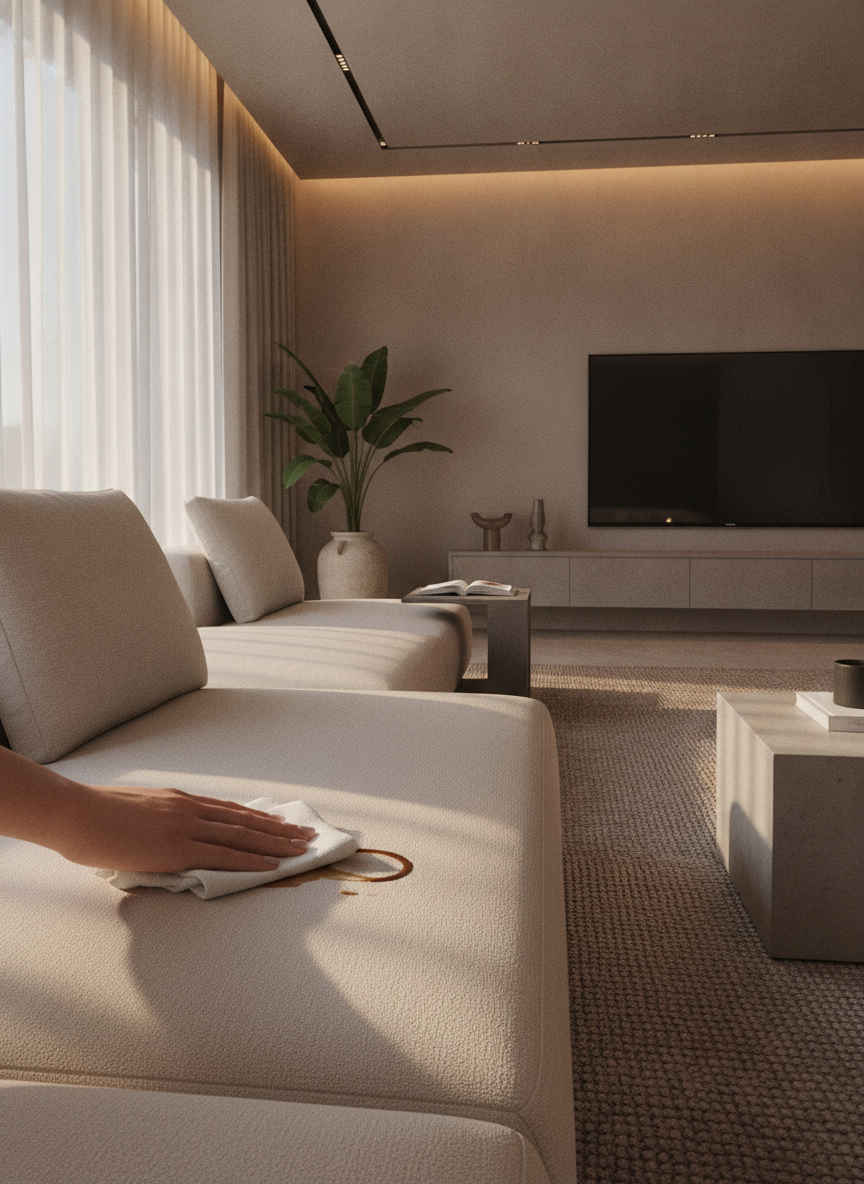
- Act Fast on Spills: The single most important rule! The quicker you address a spill, the less likely it is to set. Blot, don’t rub, to absorb the liquid. Rubbing can spread the stain and push it deeper into the fabric.
The Power of Prevention: Guards and Protectors
For added peace of mind, especially with natural or lighter-colored fabrics, consider applying a fabric protector. These products create an invisible barrier that repels liquids and makes cleaning easier.
- Fabric Protector Sprays: Products like Fabric Protector Spray can be a game-changer. Always spot-test in an inconspicuous area first and follow manufacturer instructions carefully.
- Sofa Covers and Throws: For homes with pets or young children, stylish sofa covers or throws offer an extra layer of protection, especially for high-traffic areas. They’re much easier to wash than an entire cushion cover.
Deep Dive into Cleaning Techniques for Specific Fabric Types
Effective cleaning requires understanding your specific fabric’s needs. Always check your sofa’s care tag for its cleaning code (e.g., W, S, WS, X).
Mastering Stain Removal for Performance Fabrics
This is where the care for performance sofa fabrics truly shines. Many are designed to be relatively straightforward to clean.
- General Approach: Always start with the manufacturer’s cleaning instructions. Most performance fabrics will respond well to a mixture of mild soap (like dish soap) and water.
- Crypton & Similar Treated Fabrics: These are engineered for spot cleaning. Blot excess liquid, then mix a small amount of mild detergent with water. Apply with a clean cloth, working from the outside of the stain inward. Rinse by blotting with a clean, damp cloth. Let air dry.
- Sunbrella & Outdoor Fabrics: Excellent for indoor use too! For most stains, a mixture of mild soap and water applied with a soft brush will suffice. For tougher stains, a diluted bleach solution (check manufacturer guidelines for exact ratios) can often be used safely, especially for mold or mildew. Always rinse thoroughly.
- Olefin (Polypropylene): Known for its resistance to chemicals and fading. Many Olefin fabrics can even be cleaned with a diluted bleach solution for stubborn stains, but always test first.
- Microfiber: Often water-cleanable (code W). For greasy stains, a small amount of rubbing alcohol can work wonders. Dampen a white cloth with alcohol, blot the stain, then follow with water and a clean cloth.
For a general-purpose solution, consider having a quality Upholstery Spot Cleaner on hand, but always verify it’s suitable for your specific fabric type.
Gentle Guardianship: Caring for Eco-Friendly Fabrics
Natural and recycled fabrics often require a more delicate approach, prioritizing gentle methods to preserve their integrity.
- Organic Cotton & Linen: These natural fibers can be absorbent. For spills, blot immediately. For general cleaning, use a mild, pH-neutral detergent. Many cotton/linen blend cushion covers can be machine washed on a gentle cycle with cold water, but always check the care tag – shrinkage is a common concern. Air dry away from direct sunlight.
- Recycled Polyester (rPET): Care is often similar to virgin polyester, making it relatively easy. Most spills can be blotted with water and a mild detergent solution. It’s often more durable and stain-resistant than natural fibers.
- Hemp & Tencel: These fibers are strong but can be sensitive to harsh chemicals. Spot clean with a gentle, eco-friendly cleaner. Cold water and air drying are usually recommended.
Odor Neutralization and Refreshing
Lingering odors can diminish the enjoyment of your sofa. Tackling them effectively is part of comprehensive sofa care.
- Baking Soda: A natural odor absorber. Sprinkle generously over the affected area, let it sit for several hours (or overnight), then vacuum thoroughly.
- Fabric Refreshers: For a quick refresh, a non-toxic, eco-friendly Fabric Refresher Spray can neutralize odors.
- Professional Cleaning: For deeply embedded odors or a complete refresh, consider professional upholstery cleaning every 12-18 months.
Advanced Strategies for Tackling Tough Challenges
Sometimes, basic care isn’t enough. Here’s how to handle more persistent problems.
Dealing with Pet Hair and Odors
Pet owners know the struggle! Beyond daily vacuuming, specialized tools can help:
- Rubber Gloves/Squeegees: Dampen a rubber glove or use a rubber squeegee to effectively gather pet hair from upholstery.
- Specialized Pet Vacuums: A vacuum designed for pet hair, often with powerful brush attachments, can make a huge difference. Consider an Upholstery Pet Hair Vacuum.
- Enzymatic Cleaners: For pet urine or vomit, an Enzymatic Pet Stain Remover is crucial. Enzymes break down the organic matter causing the odor and stain, rather than just masking it.
Fade Resistance and UV Protection
Sunlight is a beautiful but destructive force for fabrics, especially natural ones. While many performance fabrics boast fade resistance, prolonged exposure will take its toll.
- Window Treatments: Use blinds, curtains, or UV-filtering window films to protect your sofa from direct sunlight.
- Rotate Furniture: If possible, periodically rotate your sofa or rearrange your room to distribute sun exposure more evenly.
- UV Protectant Sprays: For some fabrics, a UV Fabric Protector spray can offer an additional layer of defense. Test thoroughly first.
Maintaining Structure and Comfort
Beyond the fabric, the internal structure of your sofa also needs care.
- Fluffing and Rotating Cushions: As mentioned, this helps maintain cushion shape and even out wear.
- Checking Zippers and Seams: Periodically inspect for loose threads or signs of stress, addressing them before they become major issues.
- Professional Re-stuffing: If cushions lose their bounce over time, consider having a professional re-stuff them with new foam or down.
Comparison Table: Performance vs. Eco-Friendly Fabric Care at a Glance
| Fabric Type | Key Characteristics | Cleaning Code (Typical) | General Care Tips | Stain Removal Notes |
|---|---|---|---|---|
| Crypton | Highly stain, moisture, odor resistant, durable | WS | Vacuum regularly, blot spills immediately | Mild soap & water; can often handle tough stains. |
| Sunbrella | Exceptional fade, mildew, water resistance, durable | W/S | Vacuum, brush off loose dirt | Mild soap & water; diluted bleach for severe stains (test first). |
| Olefin (Polypropylene) | Very durable, moisture & chemical resistant, colorfast | W | Vacuum regularly | Mild soap & water; many can tolerate diluted bleach. |
| Organic Cotton | Breathable, soft, natural, biodegradable | W/S (often W for covers) | Vacuum, rotate cushions, keep dry | Mild, pH-neutral detergent; prone to water rings & shrinkage. |
| Linen | Strong, breathable, natural, wrinkles easily | S/W (often S) | Vacuum gently, avoid direct sun | Spot clean with mild cleaner; professional cleaning often recommended. |
| Recycled Polyester (rPET) | Durable, often stain-resistant, eco-friendly | W | Vacuum regularly, blot spills | Mild soap & water; similar to virgin polyester care. |
FAQ: Your Sofa Care Questions Answered
Q1: How often should I clean my performance sofa?
For general maintenance, weekly vacuuming and immediate spot cleaning for spills are usually sufficient. A deeper clean, either DIY or professional, every 6-18 months (depending on usage) is recommended to refresh the fabric and address accumulated dirt.
Q2: Can I use a steam cleaner on all sofa fabrics?
No! Steam cleaners use heat and moisture, which can cause shrinkage, color bleeding, or damage to certain fabrics, especially natural fibers like linen, cotton, and silk, or fabrics with cleaning code ‘S’ (solvent-only). Always check your sofa’s cleaning code and manufacturer instructions. Performance fabrics with a ‘W’ or ‘WS’ code might tolerate gentle steaming, but it’s best to test in an inconspicuous area first.
Q3: What’s the best way to remove pet urine from a sofa?
Act immediately! Blot up as much urine as possible with clean towels. Then, use an Enzymatic Pet Stain Remover specifically designed for urine. Saturate the area, let it sit according to product instructions, then blot dry. The enzymes break down the odor-causing uric acid crystals. Follow up with a plain water rinse and blot dry. You may need to repeat this process.
Q4: Are eco-friendly fabrics harder to clean?
It depends on the specific eco-friendly fabric. Recycled polyester often offers excellent stain resistance and ease of cleaning, similar to virgin polyester. However, natural eco-friendly fibers like organic cotton and linen can be more absorbent and may require gentler cleaning methods and a quicker response to spills to prevent staining or water rings. They might also be more prone to wrinkles.
Q5: When should I call a professional cleaner?
Consider professional cleaning for:
- Deep-seated stains that DIY methods can’t remove.
- Overall dinginess or stubborn odors that pervade the entire sofa.
- Fabrics with an ‘S’ (solvent-only) cleaning code.
- Delicate or expensive fabrics where you want to minimize risk.
- As a routine refresh every 1-2 years to extend your sofa’s life.
Q6: Can I machine wash my sofa cushion covers?
Only if the care tag explicitly states it’s safe to do so, and even then, proceed with caution. Many cushion covers, especially those made from natural fibers like cotton or linen, are prone to shrinking or losing their shape in the washing machine. If permitted, use cold water on a delicate cycle and air dry to minimize risk. If the covers are marked ‘S’ or ‘X’, do not machine wash.
The Secret to Lasting Comfort: Consistent Care
As we navigate the exciting innovations in sofa fabrics, one truth remains constant: careful, consistent maintenance is the ultimate longevity secret. By understanding the unique properties of your sofa’s performance or eco-friendly fabric and employing the right care techniques, you’re not just cleaning; you’re preserving the comfort, beauty, and investment your sofa represents. Embrace these advanced care guides, and your sofa will continue to be a cherished centerpiece, ready for all the moments life throws its way, well into 2026 and beyond.