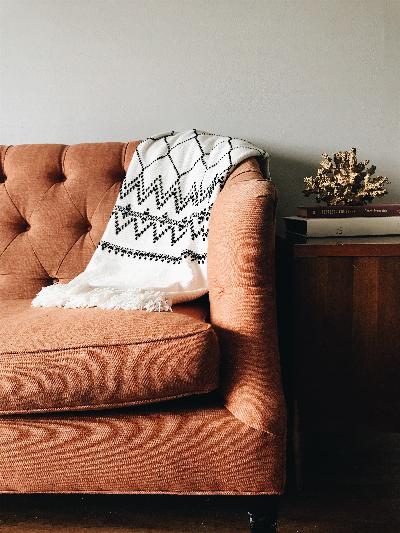
The Ultimate Authority Guide to Cleaning Your Fabric Sofa: A Deep Dive into Upholstery Care with LeSofa.club
Your fabric sofa is more than just a piece of furniture; it’s the heart of your living room, a sanctuary for relaxation, movie nights, and cherished family moments. But inevitably, life happens. A spilled coffee during a morning rush, a splash of red wine during an evening gathering, or muddy paw prints from a beloved pet can all turn your pristine upholstery into a challenge. Don’t despair! At LeSofa.club, we understand the importance of maintaining your sofa’s beauty and longevity. This comprehensive 2000-word guide will transform you into an expert in fabric sofa care, ensuring your beloved piece remains an amazing centerpiece for years to come.
Whether you’ve just acquired a stylish L-Shaped Sofa or are looking to revive a cherished classic, understanding the nuances of fabric cleaning is paramount. Let’s embark on this journey to master the art of cleaning your amazing fabric sofa.
Chapter 1: The Golden Rules – Pre-Cleaning Essentials for Every Fabric Sofa Owner
1.1 Always Consult the Manufacturer’s Instructions
Before you even think about tackling a stain or freshening up your sofa, the absolute golden rule is to always, always check the manufacturer’s cleaning instructions. This isn’t just a suggestion; it’s a critical step that can save your sofa from irreparable damage and preserve your warranty.
These instructions provide specific guidance tailored to your sofa’s unique fabric blend and construction. They might recommend specific cleaning agents, methods, or even advise against certain techniques that could harm the material. Ignoring them could void any warranties you might have and, worse, flat-out ruin your couch.
If you can’t find the physical instruction manual, don’t fret. Most reputable manufacturers provide this information online. Head to their official website, navigate to the product support or care section, or use their search function. If all else fails, reach out directly to their customer support contact. A quick call or email can provide invaluable information.
1.2 Deciphering the Sofa Cleaning Tag: Your Fabric’s Secret Language
What if the manufacturer’s instructions are elusive? Do not fret. There should be a cleaning label prominently attached to your sofa, often found underneath a cushion or on the underside of the sofa frame. This small tag holds crucial clues about your sofa’s fabric type and its specific cleaning requirements. Understanding these codes is the second golden rule of fabric sofa care.
It’s important to note that sometimes one facet of the tag may address the cleaning of the couch cover, while another will provide information for washing the cushions. Always ensure you’re looking at the correct label before you proceed.
Here’s what each essential cleaning code means:
-
W — Water-Soluble Cleaning Permitted: If your tag is marked with a “W,” congratulations! Your sofa fabric is safe to clean with water-based solutions. This opens up a wide range of DIY and commercial water-based cleaners.
-
S — Solvent-Based Cleaning Only: This code indicates that water is a no-go. Your fabric requires a solvent-based cleaner. These fabrics are often delicate or prone to water stains, shrinkage, or discoloration if exposed to water. Always purchase a cleaner specifically labeled as “solvent-based” or “dry cleaning solvent.”
-
WS — Water and Solvent-Based Cleaning Permitted: A “WS” tag offers the most versatility. You can use either water-based cleaners or solvent-based cleaners, or a combination of both. This flexibility is great, but still proceed with caution and spot test.
-
X or V – Vacuum Only: This is the most restrictive code. An “X” or “V” tag means absolutely no liquid cleaners – water or solvent-based. These fabrics are extremely delicate and can only be cleaned by vacuuming or brushing. Attempting liquid cleaning will likely cause damage, such as shrinking or staining. For deeper cleaning, professional upholstery cleaning is usually the only safe option.
Ignoring these labels is a costly mistake. You might think water appears benign, but should you use it to wash a couch that specifically requires a solvent-based cleaner, you will likely end up with an unpleasant surprise – water rings, shrinkage, or permanent discoloration. Do not risk destroying your furniture. Adhere to the tags; they know what is best for your sofa.

Chapter 2: Essential Tools and Preparations for Effective Sofa Cleaning
Once you’ve identified your sofa’s cleaning code, you can gather the necessary tools and concoct the appropriate solutions. Remember, thorough preparation is key to a successful cleaning process.
2.1 General Cleaning Supplies (for W & WS coded sofas)
For sofas with “W” or “WS” tags, here’s what you’ll typically need:
- Vacuum cleaner with an upholstery attachment: Essential for removing loose dirt, crumbs, and pet hair before any wet cleaning.
- Light-colored microfiber cloths (at least three): These are crucial for blotting stains and applying solutions without transferring dye to your sofa. Ensure they are clean and free of lint.
- Two buckets: One for your cleaning solution and one for clean rinsing water.
- Distilled water: This is a non-negotiable. Do not use tap water! Depending on where you live, tap water contains minerals that can leave unsightly residue or white stains as your sofa dries. A quick internet search can yield plenty of DIY instructions on distilling water at home, or you can find an inexpensive jug at almost any grocery store. For convenience, LeSofa.club suggests this pack of distilled water on Amazon.com.
- Mild liquid dish soap: A gentle, dye-free dish soap (like Dawn) can be an always-reliable solution for tackling most greasy stains.
- Distilled white vinegar: A powerful natural deodorizer and mild stain remover, especially effective for odors and certain types of stains.
- Optional: Baking soda: Excellent for absorbing odors and some liquid spills.
- Optional: Rubbing alcohol (for ink stains): A targeted solution for specific tough stains.
2.2 Specific Supplies for “S” Coded Sofas
If your sofa tag is marked with an “S,” you will need:
- Vacuum cleaner with an upholstery attachment: Still necessary for dry debris removal.
- Solvent-based upholstery cleaner: This is crucial. Look for products specifically designed for “dry clean only” fabrics or those that state they are solvent-based. Always follow the product’s specific instructions.
- Clean, white cloths or sponges: For applying the solvent and blotting.
- Good ventilation: Solvents can emit strong fumes, so ensure the area is well-ventilated during and after cleaning.

2.3 The Indispensable Spot Test
Before applying any cleaning solution—homemade or commercial—to a visible area, you must perform a spot test. This crucial step prevents irreversible damage. Choose a small, inconspicuous area of the material, such as the lower back side of the sofa, an unseen part of a cushion, or the internal fabric where the cushion rests. Apply a small amount of your chosen cleaning solution, allow it to dry completely, and then check for any discoloration, fading, shrinkage, or adverse reactions. Only proceed if the test area shows no negative effects.
Chapter 3: Step-by-Step Guide to Cleaning Your Fabric Sofa (W & WS Codes)
This procedure is designed for sofas with “W” or “WS” cleaning codes. Sofas tagged with “X” should only be vacuumed, and “S” coded sofas require specific solvent-based cleaners.
3.1 Initial Dry Cleaning: Vacuum and Brush
The first step for any fabric sofa cleaning is to remove all loose debris. Use your vacuum cleaner with the upholstery attachment to thoroughly vacuum every inch of your sofa – cushions, armrests, backrests, and even under the cushions. This removes crumbs, pet hair, dust, and any other dry particles that could become embedded or create mud if wet.
For deeper dust removal, a soft-bristled brush can be used gently to loosen stubborn dirt before a final vacuum pass.
3.2 Preparing Your Cleaning Solution
For most general cleaning and mild stains on “W” or “WS” fabrics, a simple DIY solution is highly effective:
- Mix 1 teaspoon of mild liquid dish soap with 1 cup of warm distilled water in one of your buckets. Stir gently to create a sudsy mixture.
- For tougher odors or slightly more aggressive cleaning, you can add 1 tablespoon of distilled white vinegar to the mixture.
- Have your second bucket filled with plain, clean distilled water for rinsing.
3.3 Spot Cleaning Specific Stains
Address specific stains before general cleaning, if possible. Always work from the outside of the stain inwards to prevent spreading.

- Coffee/Wine/Juice: Immediately blot with a clean, dry cloth. Do not rub! Apply the distilled water and dish soap solution with a clean cloth, dabbing the stain. Follow with a clean cloth dampened with plain distilled water to rinse.
- Grease/Oil: Sprinkle baking soda or cornstarch generously over the stain to absorb the oil. Let it sit for 15-30 minutes, then vacuum it up. Follow with the dish soap and distilled water solution.
- Ink: Dampen a clean cloth with rubbing alcohol and gently dab the ink stain. Blot with a dry cloth as the ink transfers. Repeat until the stain is gone, then follow with the soap and water solution if needed. Be very careful with alcohol as it can sometimes lighten certain fabrics – always spot test!
- Pet Accidents (Urine/Vomit): Immediately blot up as much liquid as possible. Mix equal parts distilled white vinegar and distilled water. Apply this solution with a clean cloth, blotting the area. The vinegar neutralizes odors. For stubborn odors, sprinkle baking soda over the dried area, let it sit overnight, then vacuum. You might also consider an enzymatic cleaner specifically designed for pet stains, like this highly-rated Rocco & Roxie Supply Co. Professional Strength Stain & Odor Eliminator, available on Amazon.com.
3.4 General Sofa Cleaning (Full Surface)
For a thorough refresh, or after spot cleaning, you can clean the entire surface (if W or WS coded):
- Dampen a microfiber cloth: Dip a clean microfiber cloth into your soap and distilled water solution, then wring it out thoroughly. The cloth should be damp, not soaking wet.
- Gently wipe/blot: Working in small sections, gently wipe or blot the sofa fabric. Avoid saturating the fabric. Use light, circular motions if wiping, or a dabbing motion if blotting. For heavily soiled areas, you might need to apply a bit more pressure or re-dampen your cloth.
- Rinse: Immediately follow with a fresh, clean microfiber cloth dampened only with plain distilled water. Wipe or blot the cleaned section to remove any soap residue. This is crucial to prevent water marks or soap build-up.
- Repeat: Continue this process, section by section, changing your cleaning and rinsing cloths as they become dirty.
3.5 Drying the Sofa
Proper drying is as important as cleaning:
- Air Dry: Allow your sofa to air dry completely. Open windows or use fans to improve air circulation. Avoid direct sunlight or heat, as this can cause fading or damage.
- Fluff Cushions: While drying, fluff the cushions periodically to help them maintain their shape and ensure even drying.
- Avoid Use: Do not use the sofa until it is completely dry to the touch, which can take several hours or even overnight.
Chapter 4: Advanced Care and Commercial Solutions
4.1 When to Consider a Commercial Fabric Cleaner
While DIY solutions are effective for many situations, commercial fabric cleaners are formulated for specific challenges and offer convenience. Many customers are very satisfied by the efficiency of cleaners like ForceField Fabric Cleaner, which can be used on most fabric furniture and even car seats. Always ensure the product is compatible with your sofa’s cleaning code (W or WS).

4.2 Steam Cleaners and Upholstery Extractors
For a deeper clean on “W” or “WS” coded sofas, a portable upholstery steam cleaner or extractor can be invaluable. These machines inject a cleaning solution into the fabric and then immediately extract it, along with the dirt and grime. This minimizes drying time and provides a more thorough clean than manual methods.
When using an extractor, always use the recommended cleaning solution for your machine and perform a spot test. Ensure the fabric can withstand moisture without shrinking or bleeding. A popular option is the BISSELL SpotClean Pet Pro Portable Carpet Cleaner, which also works wonders on upholstery.
4.3 Professional Upholstery Cleaning
For “X” coded sofas, highly delicate fabrics, severe stains, or simply for an annual deep clean, professional upholstery cleaning is often the best choice. Professionals have access to specialized equipment, solvents, and expertise to clean your sofa effectively and safely, often prolonging its life.
Chapter 5: Preventing Stains and Maintaining Freshness
An ounce of prevention is worth a pound of cure, especially when it comes to your fabric sofa.
5.1 Regular Vacuuming
Make a habit of vacuuming your sofa weekly or bi-weekly. This removes dust, crumbs, and pet dander before they can settle deep into the fibers, significantly reducing the need for intensive cleaning.
5.2 Prompt Spill Response
The quicker you act on a spill, the easier it is to remove. Always blot, never rub. Rubbing pushes the stain deeper into the fabric fibers.
5.3 Use Protective Covers
Consider using throws, blankets, or removable slipcovers, especially in high-traffic areas or homes with pets and young children. These can be easily removed and washed, providing an excellent barrier against everyday dirt and accidental spills.
5.4 Rotate Cushions
Regularly rotate and flip your sofa cushions to ensure even wear and tear and prevent specific areas from becoming overly compressed or soiled.
5.5 Fabric Protectors
For new sofas or after a professional deep clean, consider applying a fabric protector. Products like Scotchgard can create an invisible barrier that repels liquids and makes future spills easier to clean. Always spot test in an inconspicuous area first.
Chapter 6: Fabric Cleaning Method Comparison Table
To help you choose the best approach, here’s a comparison of common fabric sofa cleaning methods:
| Cleaning Method | Best For | Pros | Cons | Recommended Fabric Codes |
|---|---|---|---|---|
| Regular Vacuuming | General maintenance, loose debris, pet hair, dust | Prevents build-up, extends life, quick & easy | Doesn’t remove stains or deep grime | All (W, S, WS, X) |
| DIY Water-Based Spot Clean | Fresh spills, minor stains (coffee, food, light grease) | Cost-effective, uses common household items, gentle | Requires immediate action, may leave water rings if not rinsed properly | W, WS |
| Commercial Fabric Sprays | Targeted spot removal, quick refresh | Convenient, often formulated for specific stains | Can be expensive, patch testing essential, potential for residue | W, WS (check product labels for S compatibility) |
| Solvent-Based Cleaning | Grease stains, “S” coded fabrics, delicate materials prone to water damage | Safe for water-sensitive fabrics, effective on oil-based stains | Requires good ventilation, can be harsh, more expensive than water-based | S, WS |
| Upholstery Extractor/Steamer | Deep cleaning, old stains, pet odors | Thorough cleaning, extracts dirt & moisture, good for full refresh | Requires specialized equipment, longer drying time, risk of overwetting | W, WS (ensure fabric can handle moisture) |
| Professional Cleaning | “X” coded fabrics, severe damage, annual deep clean, delicate/expensive sofas | Expert care, specialized tools, guarantees, extends sofa lifespan | Most expensive option, less immediate | All (especially X), W, S, WS |
Chapter 7: Frequently Asked Questions About Fabric Sofa Cleaning
Q1: How often should I deep clean my fabric sofa?
For most households, a deep clean every 6-12 months is recommended. If you have pets, young children, or host frequently, you might consider cleaning more often, or opting for professional services annually.
Q2: Can I use a regular carpet cleaner on my fabric sofa?
It depends. Many carpet cleaners come with upholstery attachments, but it’s crucial to check if your machine and its cleaning solutions are suitable for upholstery fabrics. Always use a low-moisture setting and perform a spot test. Overwetting can lead to mold, mildew, or damage.
Q3: What’s the best way to get rid of pet odors from my sofa?
After thoroughly cleaning the stain (as described in Chapter 3), sprinkle a generous amount of baking soda over the affected area. Let it sit for several hours, or even overnight, to absorb odors. Vacuum it up thoroughly. For persistent odors, an enzymatic cleaner designed for pet odors is highly effective because it breaks down the odor-causing bacteria rather than just masking them.
Q4: My sofa has water stains after cleaning. What did I do wrong?
Water stains (or rings) typically occur from using too much water, tap water (due to mineral content), or not rinsing all the soap residue. Ensure you’re only using distilled water, dampening your cloth rather than soaking it, and thoroughly rinsing with a separate cloth dampened with plain distilled water.
Q5: Is it safe to use fabric fresheners or deodorizers?
Fabric fresheners can be used to mask odors, but they don’t clean the sofa. Always spot test them first to ensure they don’t stain or discolor the fabric. For true odor elimination, cleaning the source of the odor is more effective.
Q6: When should I call a professional?
You should call a professional if your sofa has an “X” cleaning code, if you’re dealing with very large or old stubborn stains, if you’re unsure about the fabric type, if your sofa is made of a delicate or expensive material, or if you simply prefer to have the job done by experts. Professionals have specialized tools and knowledge to safely and effectively clean your sofa.
Conclusion: A Clean Sofa, A Happy Home
Maintaining a clean fabric sofa doesn’t have to be an intimidating task. By understanding your sofa’s unique needs through its cleaning tag, preparing with the right tools, and employing proper cleaning techniques, you can confidently tackle spills and keep your upholstery looking amazing. Regular maintenance and prompt action are your best allies in preserving the beauty and extending the life of your cherished sofa. Trust in these LeSofa.club expert tips, and enjoy the comfort and elegance of a truly clean home centerpiece!