The Ultimate Authority Guide: Choosing the Best Relaxing Sofas for Optimal Work-From-Home Wellness (2024 Edition)
The global shift to remote work has transformed our homes into integrated living and working environments. While the convenience is undeniable, the challenge lies in maintaining productivity, focus, and, critically, well-being. At lesofa.club, we understand that a dedicated home office isn’t always feasible, and even when it is, breaks are essential. Your living room sofa isn’t just a piece of furniture; it’s a sanctuary, a flexible workspace, and a vital tool for preventing burnout and enhancing your remote work experience.
Forget the notion that a sofa is merely for evening unwinding. In today’s work-from-home landscape, your sofa can be your go-to spot for focused tasks, a comfortable setting for virtual meetings, or a much-needed haven for a power nap or mindful break. But with an overwhelming array of styles, features, and designs, how do you choose the perfect sofa that supports both your work demands and your relaxation needs? This comprehensive guide, brought to you by the sofa experts at lesofa.club, will delve deep into the world of sofas, helping you identify the best options for integrating comfort, style, and ergonomic support into your work-from-home routine.
The Unseen Benefits: How Your Sofa Impacts WFH Productivity and Well-being
Working from home blurs the lines between professional and personal life. Without the clear boundaries of a traditional office, it’s easy to overwork, leading to physical strain and mental fatigue. This is where the right sofa becomes invaluable. A well-chosen sofa:
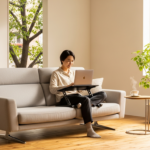
- Offers Dynamic Working Positions: Breaking free from a rigid desk chair can alleviate back pain and improve circulation. Your sofa provides alternative postures for lighter tasks.
- Facilitates Productive Breaks: Short, high-quality breaks are crucial. A comfortable sofa allows for quick power naps, meditation, or simply a change of scenery that recharges your mind more effectively than staying at your desk.
- Boosts Mental Health: Creating a cozy, inviting space for relaxation helps de-stress and can significantly reduce the feelings of isolation often associated with remote work.
- Enhances Work-Life Balance: By having designated relaxation zones, you signal to your brain when it’s time to switch off, preventing work from completely spilling into your personal time.
Let’s explore the best sofa types that cater to these essential work-from-home needs, ensuring both comfort and utility.
Spotlight on Sofa Styles: Your Ultimate WFH Relaxation Companion
1. Traditional Sofas: The Classic Comfort Zone
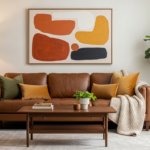
The traditional sofa is the quintessential centerpiece of any living space, offering timeless appeal and reliable comfort. Characterized by a solid frame, defined armrests, and multiple cushions, it’s a versatile choice that blends seamlessly into various décor styles.
Key Features:
- Sturdy Construction: Typically built with a robust wood or metal frame, ensuring longevity.
- Defined Structure: Features a solid back, often with two or three attached or removable cushions, and distinct armrests. Styles vary widely, from the high, stately arms of a Chesterfield to the lower, rolled arms of an English sofa.
- Variety in Design: From sleek modern lines to ornate classic carvings, traditional sofas offer a vast aesthetic spectrum.
Ideal for WFH Relaxation:
A traditional sofa excels for short, restorative breaks. Its firm yet comfortable seating provides excellent support for a quick power nap, allowing you to reset without fully committing to a bed. It’s also perfect for a 10-minute conference call in a more relaxed setting, offering a comfortable posture without being overly slouchy. For those seeking a blend of classic elegance and practical comfort, a well-built traditional sofa like this one can be an excellent investment.

2. Armchairs & Lounge Chairs: Personalized Relaxation Pods
While not a ‘sofa’ in the multi-seater sense, the armchair deserves a special mention as a dedicated relaxation spot. Designed for a single person, these chairs prioritize individual comfort and often feature generous proportions and plush cushioning.
Key Features:
- Spacious Seating: Offers ample room for one person to comfortably lounge, often with wide armrests.
- Ergonomic Support: Many designs incorporate features like high backs, lumbar support, and sometimes even a built-in headrest, promoting good posture for reading or focused relaxation.
- Diverse Styles: From oversized club chairs to sleek mid-century modern designs, armchairs can be a stylish accent piece.
Ideal for WFH Relaxation:
An armchair is an excellent option for winding down after extended periods at your computer. Its usually firm yet yielding seat provides a comfortable position for reading a physical book, listening to a podcast, or even engaging in light, laptop-free work. It serves as a personal escape, delineating a clear boundary between active work and serene downtime. Consider pairing it with an ottoman for elevated leg support for ultimate comfort.

3. Loveseats: Compact Comfort for Intimate Spaces
Loveseats are essentially smaller versions of traditional sofas, specifically designed to comfortably seat two people, though some wider models can accommodate three. They offer the comfort of a full-size sofa without dominating smaller living areas.
Key Features:
- Space-Saving Design: Ideal for apartments, small living rooms, or as an accent piece in a larger room.
- Variety of Styles: Available in virtually every style imaginable, mirroring their larger sofa counterparts.
- Intimate Seating: Perfect for a couple, or for one person to sprawl out comfortably.
Ideal for WFH Relaxation:
When space is at a premium, a loveseat is your best friend. It provides a dedicated spot for a quick break or a change of scenery during your workday without requiring a large footprint. Its compact nature means you can place it in a quiet corner, away from your primary workstation, creating a clear distinction between ‘work mode’ and ‘break mode’. For small apartments or secondary relaxation zones, a stylish and compact loveseat can be a game-changer.
4. Sectional Sofas / L-Shape Sofas: The Ultimate Versatility Hub
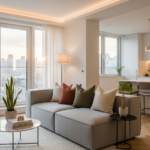
Sectional sofas are among the most popular choices today due to their unparalleled versatility and ample seating capacity. Composed of multiple segments that can be arranged in various configurations, they adapt to your space and lifestyle.
Key Features:
- Modular Design: Segments fit together to create shapes like ‘L’ or ‘U’, often including chaises, armless chairs, and corner pieces.
- Customizable Seating: Allows you to adjust the layout to suit different needs, from sprawling relaxation to hosting small groups.
- Generous Space: Provides maximum seating, making it perfect for families or individuals who love to stretch out.
Ideal for WFH Relaxation:
Sectionals are a dream for those who want flexible relaxation zones. The chaise component is perfect for kicking your feet up during a short mental break or even for a longer period of reading. The expansive nature allows for multiple people to comfortably relax, or for one person to find various comfortable positions throughout the day. It helps design a living space where your mind can truly unwind after many hours in front of a computer screen. If you have plenty of room, a sectional is definitely a go-to for creating a dynamic and ultra-comfortable relaxation hub. As lesofa.club discussed previously in our article “2 Best Facts to Know On L Shaped Sofas”, their adaptability is a major asset.

5. Sleeper Sofas / Sofa Beds: Dual-Purpose Functionality
Sleeper sofas are ingenious pieces that offer the functionality of both a comfortable couch and an extra bed, making them perfect for maximizing space and accommodating guests.
Key Features:
- Convertible Design: Includes futons (simple fold-down mechanisms), convertible sofas (seat and back cushions pull out to form a solid sleeping surface), and pull-out sleeper sofas (a mattress is stored inside the frame).
- Space-Saving: Eliminates the need for a separate guest room or bed, ideal for smaller living situations.
- Variety of Mattresses: Ranging from basic foam to more supportive innerspring or memory foam options for pull-outs.
Ideal for WFH Relaxation:
While not recommended for long hours of focused laptop work due to their often less ergonomic configurations, sleeper sofas are excellent for short power naps. The ability to quickly transform your seating area into a horizontal resting spot is invaluable for truly disengaging and recharging. For those quick 15-20 minute resets, a sleeper sofa can be incredibly beneficial. However, for extended work sessions, it’s best to revert to a more supportive chair.
6. Recliner Sofas: The Epitome of Personalized Comfort
The recliner sofa is designed with one primary goal: ultimate relaxation. These sofas feature segments that recline, allowing you to elevate your feet and find your perfect angle of repose.
Key Features:
- Reclining Mechanism: Can be manual (lever operated) or electric (button operated, often with USB charging ports).
- Integrated Footrest: Eliminates the need for a separate ottoman, saving floor space when not in use.
- Varied Reclining Options: Some only recline on the end sections, while others offer reclining functionality for every seat.
- Enhanced Support: Often include padded headrests and lumbar support for superior comfort.
Ideal for WFH Relaxation:
Without a doubt, recliner sofas are probably one of the best choices for profound relaxation. The smooth reclining movement and the full support offered to your legs and back provide a deep sense of serenity, perfect for recharging your batteries after a long day at your home office. While they tend to be a higher investment and can be heavy to move, the comfort they provide for dedicated breaks, reading, or even watching a movie, is unparalleled. For premium comfort, consider a power recliner sofa with adjustable headrests.

7. Chaise Lounges & Daybeds: Dedicated Daytime Retreats
While often standalone pieces, chaise lounges and daybeds offer dedicated spaces for horizontal relaxation that are perfectly suited for work-from-home breaks.
Key Features:
- Extended Seating: Designed for stretching out, providing full leg support.
- Versatility: Daybeds can function as a sofa during the day and a bed at night, often with trundle options for extra sleeping space. Chaise lounges are pure relaxation zones.
- Stylish Accent: Both can serve as elegant and functional additions to a living room or even a spacious home office.
Ideal for WFH Relaxation:
For individuals who prioritize lying down for their breaks, a chaise lounge or daybed is unbeatable. They offer a more formal and stylish alternative to a bed for napping or extended reading sessions. A daybed, in particular, is a superb choice for smaller homes, acting as both a primary relaxation sofa and a secondary sleeping area, ideal for a quick mental reset or even an impromptu outdoor work session if placed correctly. Consider a modern velvet daybed for a touch of luxury and functionality.
Factors to Consider When Choosing Your WFH Relaxation Sofa
Selecting the ideal sofa involves more than just aesthetics. Consider these crucial factors to ensure your choice truly enhances your work-from-home lifestyle:
- Space Availability: Measure your living area meticulously. A sectional might be perfect for a large room, while a loveseat or armchair is better for compact spaces. Don’t forget to account for walking paths and door clearances.
- Ergonomics & Support: Look for firm cushions that offer good lumbar support. If you plan to do light work on your sofa, ensure the back height and armrest positioning support a comfortable posture.
- Material & Durability: Choose upholstery that suits your lifestyle. Durable fabrics like microfiber or performance blends are excellent for high-traffic areas. Leather offers classic appeal and is easy to clean. Consider how pets and children might impact your choice.
- Comfort Level: This is subjective. Do you prefer plush sink-in comfort or a firmer, more supportive feel? Test out different options if possible.
- Budget: Sofas range widely in price. Determine your budget beforehand and look for the best quality within that range. Remember, a sofa is an investment in your comfort and well-being.
- Style & Aesthetics: While functionality is key for WFH, your sofa should also complement your home’s decor and reflect your personal style.
- Additional Features: Do you need built-in USB ports (common in recliners), storage (ottomans, sectionals with lift-top storage), or modular flexibility?
Maximizing Your Sofa’s Relaxation Potential: Tips & Tricks
Once you’ve chosen your perfect sofa, a few additions and habits can elevate your relaxation game:
- Strategic Placement: Position your sofa near a window for natural light, or in a quiet corner away from distractions.
- Comfort Accessories: Add soft throw blankets, supportive pillows (lumbar or neck pillows), and a side table for your coffee or book.
- Lighting: A floor lamp or table lamp with warm, dimmable light can create a cozy ambiance perfect for unwinding.
- Routine Breaks: Schedule short breaks away from your primary workstation to your sofa. Use this time for stretching, mindfulness exercises, or simply staring out the window.
- Digital Detox: Try to keep your work laptop off the sofa. Use this space for screen-free activities to truly differentiate work from relaxation.
Sofa Type Comparison Table for WFH Relaxation
| Sofa Type | Best For | Pros for WFH | Cons for WFH | Considerations |
|---|---|---|---|---|
| Traditional Sofa | Quick power naps, short breaks, formal calls | Versatile, good support for short periods, classic aesthetics | Less ideal for extended lounging/napping, not modular | Good all-rounder, check cushion firmness |
| Armchair/Lounge Chair | Individual breaks, reading, focused quiet time | Dedicated personal comfort, excellent support, space-efficient | Only seats one, not suitable for collaborative breaks | Pair with an ottoman for leg elevation |
| Loveseat | Small spaces, intimate breaks, secondary seating | Compact, great for small apartments, cozy for one person | Limited seating, less versatile than sectionals | Ideal for creating a distinct ‘break zone’ in smaller rooms |
| Sectional Sofa | Extended lounging, family relaxation, versatile configurations | Maximum seating, chaise for leg elevation, adaptable layout | Requires ample space, can be pricey | Measure carefully, consider modular options for flexibility |
| Sleeper Sofa | Power naps, accommodating guests | Dual functionality (sofa + bed), space-saving for guests | Often less ergonomic for work, mattress comfort varies | Prioritize mattress quality if frequent napping is planned |
| Recliner Sofa | Ultimate relaxation, deep unwinding, leg elevation | Superior comfort, full body support, easy to adjust positions | Can be bulky, heavier to move, higher cost, requires power for electric models | Invest in quality for longevity and comfort |
| Chaise Lounge/Daybed | Dedicated horizontal relaxation, reading, sunbathing (if outdoor) | Excellent for stretching out, stylish, daybeds offer extra sleeping | Primarily single-person use, not ideal for group seating | Great for creating a ‘resort-like’ break spot |
Frequently Asked Questions (FAQ) About WFH & Relaxing Sofas
Q1: Can I work on my sofa all day?
While possible, it’s generally not recommended for prolonged periods. Sofas often lack the ergonomic support of a dedicated office chair, which can lead to poor posture and discomfort over time. Use your sofa for breaks, light tasks, or calls, but revert to an ergonomic setup for heavy-duty work.
Q2: What’s the best sofa fabric for a work-from-home lifestyle?
Durability and ease of cleaning are key. Performance fabrics (like microfibers, stain-resistant blends), leather, or tightly woven natural fibers are excellent choices. Consider your home’s traffic, pets, and children when deciding.
Q3: How often should I take a break on my sofa?
Aim for short, regular breaks. The Pomodoro Technique (25 minutes of work, 5 minutes of break) can be effective. During your 5-minute break, shifting to your sofa for a stretch or a moment of quiet can significantly boost your focus for the next work interval.
Q4: Should I get an ottoman with my sofa?
An ottoman is a fantastic addition, especially if your sofa doesn’t have a chaise or reclining function. It allows you to elevate your legs, which promotes better circulation and reduces strain, enhancing your relaxation experience significantly.
Q5: Where can I find high-quality, comfortable sofas for my home office?
Look no further than lesofa.club! We curate a selection of the finest sofas designed for comfort, style, and durability, perfect for enhancing your work-from-home environment. Explore our extensive collection today!
Conclusion: Invest in Your WFH Well-being with the Right Sofa
As remote work becomes a permanent fixture for many, the importance of a home environment that supports both productivity and personal well-being cannot be overstated. Your sofa is more than just furniture; it’s a critical tool in managing the demands of working from home, offering a necessary escape, a comfortable alternative workspace, and a vital hub for rejuvenation.
By understanding the different types of sofas, their unique benefits, and how to integrate them into your daily routine, you can transform your living space into a haven that optimizes your work-life balance. Whether you choose the versatile sectional, the classic traditional, or the luxurious recliner, remember that investing in a quality, comfortable sofa from lesofa.club is an investment in your overall health, happiness, and long-term success in the dynamic world of remote work. Explore our collection today and find your perfect work-from-home relaxation companion!