Future-Proofing Your Furniture: Advanced Sofa Care for 2026’s Performance Fabrics
Welcome to the future of home furnishings! As we stride confidently towards 2026, the landscape of interior design is continually evolving, with one area seeing particularly revolutionary advancements: performance fabrics. Gone are the days when beautiful sofas meant sacrificing durability or stressing over every spill. Today, your performance fabric sofa is a testament to innovation, designed to withstand the rigors of daily life while maintaining its aesthetic appeal. But even the most resilient materials require intelligent care to truly stand the test of time. At Lesofa.club, we believe in empowering you with the knowledge to keep your investments looking impeccable. This comprehensive guide will delve into advanced sofa care techniques specifically tailored for the cutting-edge performance fabrics of tomorrow, ensuring your furniture remains a showstopper for years to come.
Understanding Performance Fabrics: The Future is Now
What exactly makes a fabric ‘performance’? It’s a category defined by enhanced durability, stain resistance, fade resistance, and ease of cleaning, often achieved through advanced weaving techniques, specialized fiber treatments, or a combination of both. These fabrics are engineered to withstand heavy use, making them ideal for busy households, homes with pets and children, or even commercial settings. Common types include solution-dyed acrylics, polyesters, nylons, and olefins, as well as sophisticated blends that combine the best attributes of several fibers.
- Solution-Dyed Acrylics: Known for their incredible fade resistance, mimicking the luxurious feel of natural fibers.
- Polyesters: Highly versatile, resistant to stretching and shrinking, and excellent at repelling water-based stains.
- Nylons: Exceptionally strong and resilient, often used in blends to add durability.
- Olefins: Budget-friendly, extremely durable, and resistant to moisture, mildew, and fading.
The beauty of these materials lies not just in their resilience but also in their diverse textures and finishes. From supple velvet performance fabric sofas to robust, textured weaves, there’s a performance fabric to suit every design aesthetic without compromising on practicality. Understanding the specific type of performance fabric your sofa is upholstered in is the first step towards its optimal care.
Essential Daily & Weekly Care Practices
Consistent, gentle care is the bedrock of furniture longevity. For performance fabrics, this daily and weekly routine is even more effective due at their inherent resistance to dirt and grime.
The Power of Regular Vacuuming
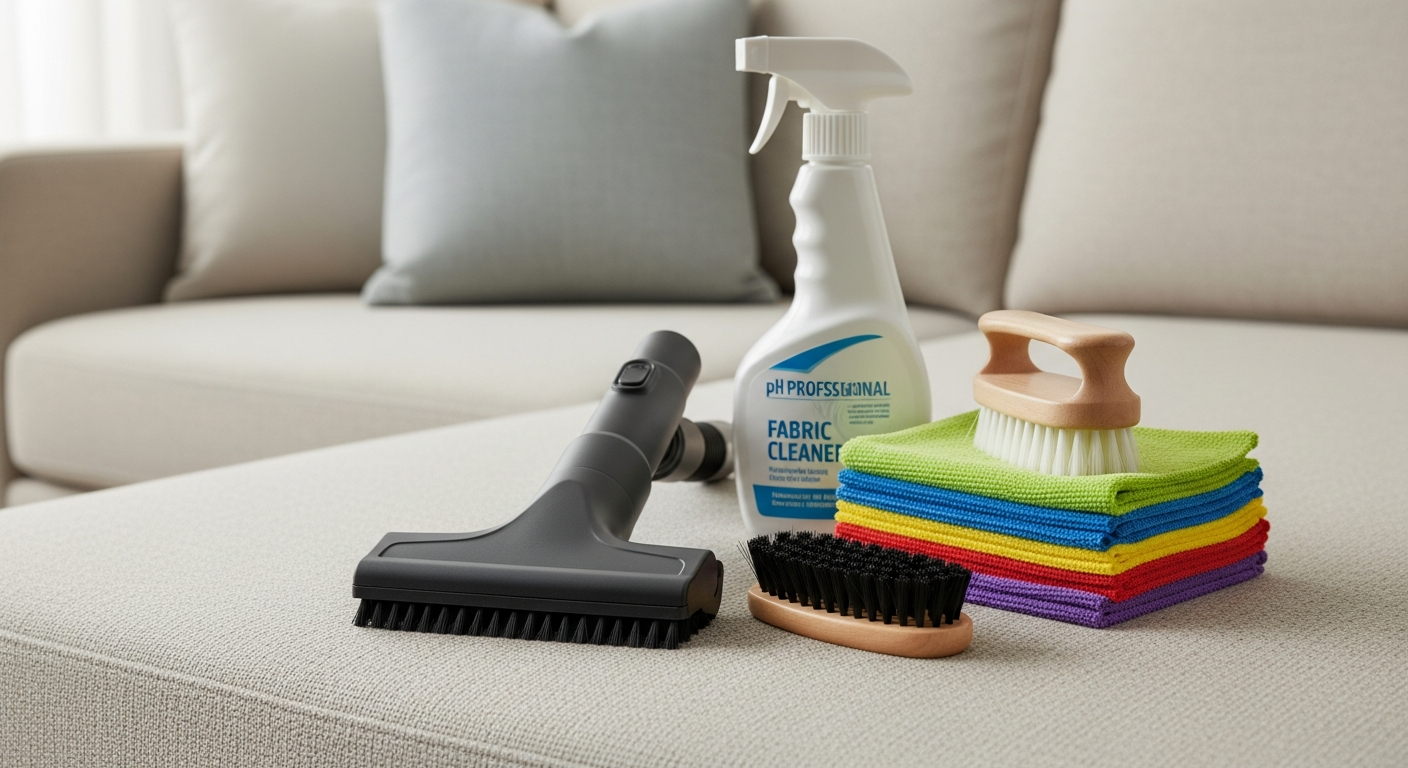
Dust, crumbs, and pet dander can accumulate over time, dulling the fabric and, if left unchecked, potentially wearing down fibers. Regular vacuuming is crucial. Use a vacuum cleaner with a soft brush upholstery attachment at least once a week. This gently lifts loose debris without damaging the fabric fibers. For crevices and hard-to-reach areas, a crevice tool is indispensable.
Prompt Spill Response: The Golden Rule
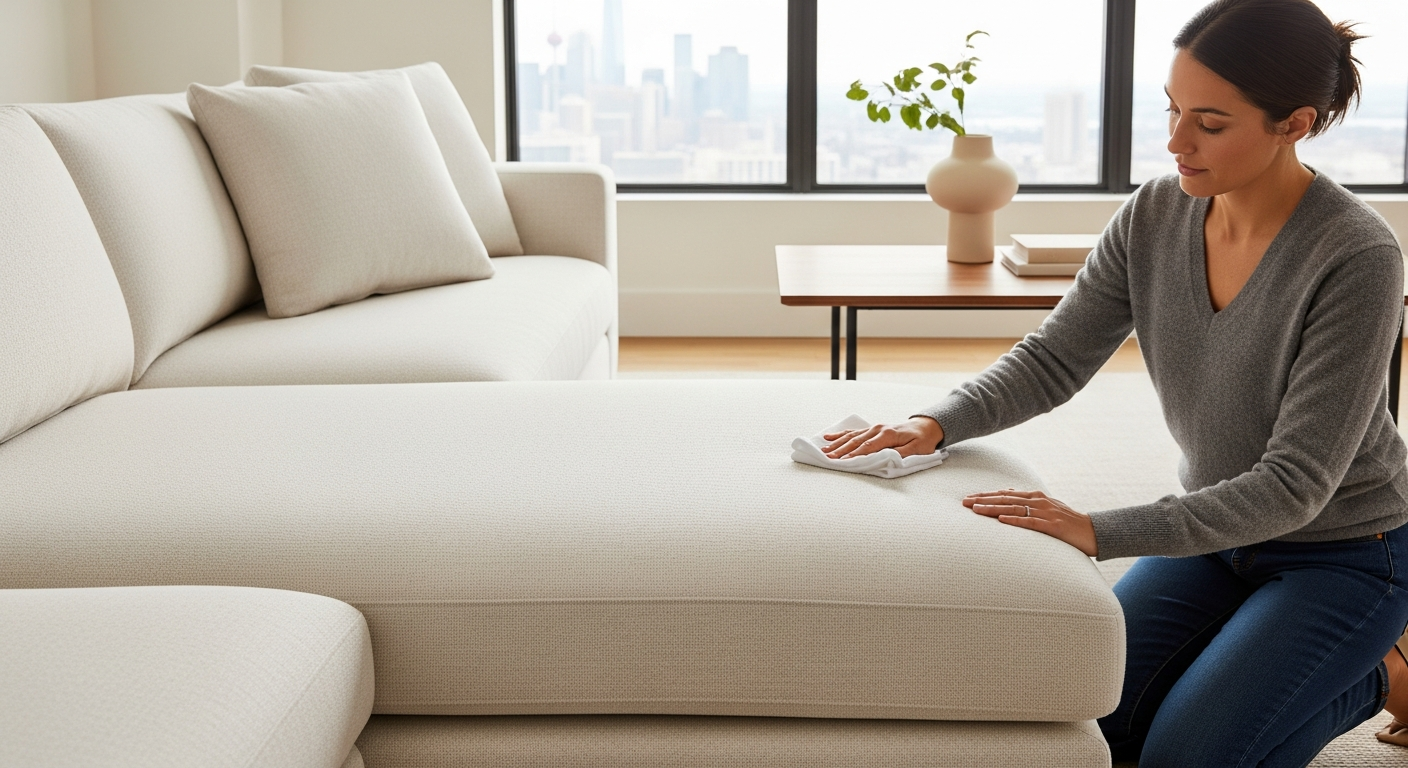
Performance fabrics excel at resisting stains, but they aren’t entirely impervious. The key is immediacy. As soon as a spill occurs, act fast. Blot, don’t rub, the affected area with a clean, dry white cloth or paper towel. Rubbing can spread the stain and push it deeper into the fibers. For most liquid spills, a simple blot will prevent deep penetration. Once the excess liquid is removed, a mild, pH-neutral fabric cleaner, diluted as per instructions, can be applied to a clean cloth and gently dabbed onto the remaining spot.
Light Brushing and Fluffing
For fabrics with a nap or textured finish, a soft-bristled brush can help restore the pile and keep the fabric looking fresh. Regularly fluffing and rotating cushions not only maintains their shape and comfort but also ensures even wear across the sofa, extending its life.
Deep Cleaning Strategies for Longevity
While daily care keeps surface grime at bay, performance fabrics occasionally benefit from a deeper clean to tackle embedded dirt or more stubborn stains. How often you deep clean depends on usage, but typically every 6-12 months is sufficient for most households.
Choosing the Right Method: DIY vs. Professional
Many performance fabrics are designed for relatively easy DIY deep cleaning. However, always check your sofa’s care label (usually found under a cushion or on the frame). The codes (W, S, S/W, X) are critical:
- W: Water-based cleaners only.
- S: Solvent-based cleaners only (dry cleaning).
- S/W: Both water and solvent cleaners.
- X: Professional cleaning only, vacuuming recommended.
For ‘W’ and ‘S/W’ coded fabrics, a gentle upholstery steam cleaner can be highly effective. Use distilled water to prevent mineral deposits and move the nozzle steadily without over-saturating the fabric. For ‘S’ coded fabrics, a specialized dry cleaning fluid for upholstery is necessary. When in doubt, or for very valuable pieces, professional upholstery cleaners are always the safest bet. They have access to industrial equipment and specialized solvents that ensure a thorough and safe clean.
Navigating Different Performance Fabric Types
Each performance fabric type brings its own strengths and nuances to the cleaning process.
- Olefin: Extremely water-resistant. Use water-based cleaners. It’s also resistant to bleach, making it one of the easiest to clean for tough stains (test in an inconspicuous area first!).
- Polyester: Generally very forgiving. Water-based cleaners are usually fine. Be careful with heat during steaming, as high temperatures can damage the fibers.
- Acrylic: Excellent colorfastness. Water-based cleaners are preferred. Avoid harsh scrubbing which can damage the fiber’s surface.
- Nylon: Strong but can be more absorbent than olefin. Quick action on spills is vital. Water-based cleaners are suitable.
- Blends: Always defer to the most restrictive cleaning code on the label. If it’s an S/W code, generally a water-based solution is safer for DIY, or opt for professional help.
Tools & Products Every Performance Fabric Owner Needs
Equipping yourself with the right tools is half the battle. Invest in quality items that will protect your furniture and make cleaning tasks easier.
- Microfiber Cloths: Essential for blotting spills. Opt for premium microfiber cleaning cloths for maximum absorbency and gentleness.
- Upholstery Vacuum Attachments: As mentioned, crucial for regular debris removal.
- pH-Neutral Fabric Cleaner: A gentle formula safe for most water-cleanable fabrics. Always spot test.
- Professional Upholstery Stain Remover: For those tougher, set-in stains that common cleaners can’t handle. Look for formulas specifically designed for upholstery and test extensively.
- Fabric Protector Spray: While many performance fabrics come pre-treated, reapplying a fabric protector spray every 1-2 years can enhance stain and liquid resistance, creating an invisible barrier against future mishaps.
Comparison Table: Stain Removal for Common Performance Fabric Stains
| Stain Type | Initial Action | Recommended Cleaner/Method | Notes |
|---|---|---|---|
| Coffee/Tea | Blot immediately with a clean cloth. | Diluted pH-neutral fabric cleaner or specialized coffee stain remover. | Avoid rubbing. Dab, then rinse with a damp cloth. |
| Wine | Blot, then apply a small amount of cold water to dilute. | White wine or soda water (for red wine), then specialized wine stain remover. | Repeat blotting and dabbing. Do not use hot water. |
| Grease/Oil | Gently scrape off excess, then blot with a dry cloth. | Solvent-based spot cleaner (S code fabrics) or dry cleaning solvent. | Apply to a cloth, then dab. Avoid water on oil stains if possible. |
| Mud | Let dry completely, then gently brush off loose dirt. | Vacuum, then water-based cleaner with a gentle brush (W or S/W code fabrics). | Don’t rub wet mud, it will spread and embed. |
| Pet Accidents | Blot immediately, absorb as much as possible. | Enzymatic pet stain and odor remover. | Crucial for neutralizing odors and preventing re-soiling. |
Proactive Measures: Prevention is Key
While performance fabrics are robust, prevention remains the most effective strategy for long-term preservation.
- Mind the Sunlight: Direct, prolonged sunlight can eventually fade even the most fade-resistant fabrics. Position your sofa away from direct sun or use blinds and curtains during peak hours.
- Pet Care: If you have pets, regular grooming can reduce shedding. Consider using a pet furniture cover in areas of high pet traffic to add an extra layer of protection. For specific areas where pets love to lounge, a dedicated dog bed for sofa can also work wonders.
- Rotate Cushions: Regularly flip and rotate seat and back cushions to ensure even wear and prevent permanent indentations.
- Fabric Protection Treatments: Even if your fabric came pre-treated, these treatments wear off over time. Reapplying a quality fabric protector every couple of years can significantly bolster its resistance to stains and spills.
Common Pitfalls to Avoid
Even with advanced fabrics, certain cleaning practices can do more harm than good.
- Harsh Chemicals: Avoid bleach, ammonia, and other strong solvents unless specifically recommended by the manufacturer and tested extensively. These can damage fibers, strip color, and leave residues.
- Over-wetting: Too much moisture can lead to mildew growth, fabric shrinkage, and damage to the underlying frame or cushions.
- Rubbing vs. Blotting: We can’t stress this enough – rubbing spreads stains and can abrade delicate fibers. Always blot.
- Ignoring Care Labels: The care label is your sofa’s DNA. Always consult it before attempting any new cleaning method.
FAQs about Performance Fabric Sofa Care
How often should I clean my performance fabric sofa?
For daily maintenance, vacuum weekly and spot clean spills immediately. For deep cleaning, every 6-12 months is generally sufficient for most households, depending on usage and presence of pets/children.
Can I use a steam cleaner on all performance fabrics?
Not all. Steam cleaners are generally safe for ‘W’ (water-based cleanable) and ‘S/W’ (solvent/water cleanable) coded fabrics. Always check your sofa’s care label first. For ‘S’ (solvent-only) or ‘X’ (vacuum only) codes, avoid steam cleaning entirely.
What’s the best way to remove pet hair from performance fabric?
Regular vacuuming with an upholstery attachment is key. For stubborn hair, a lint roller, rubber gloves (dampened slightly), or a specialized pet hair remover for upholstery can be highly effective.
Are fabric protectors worth it?
Absolutely. While performance fabrics offer inherent stain resistance, a quality fabric protector spray adds an additional layer of defense against spills and general soiling, extending the fabric’s lifespan and ease of cleaning.
What if my sofa doesn’t have a care label?
If you can’t find a care label, it’s best to err on the side of caution. Contact the manufacturer directly if possible. Otherwise, assume it’s a ‘W’ or ‘S/W’ code but perform a very small, inconspicuous spot test with a mild, pH-neutral cleaner before proceeding. For valuable pieces, consider professional cleaning.
The Future is Clean: Invest in Your Sofa’s Longevity
As we embrace the advanced materials of 2026, understanding and implementing proper performance fabric sofa care is not just about aesthetics; it’s about safeguarding your investment and enjoying the comfort and style your furniture provides for many years. With the right techniques, tools, and a little proactive effort, your performance fabric sofa will continue to look as stunning as the day you brought it home, ready to withstand whatever life throws its way.
Explore our recommended sofa care kits on Amazon today and take the first step towards future-proofing your furniture!