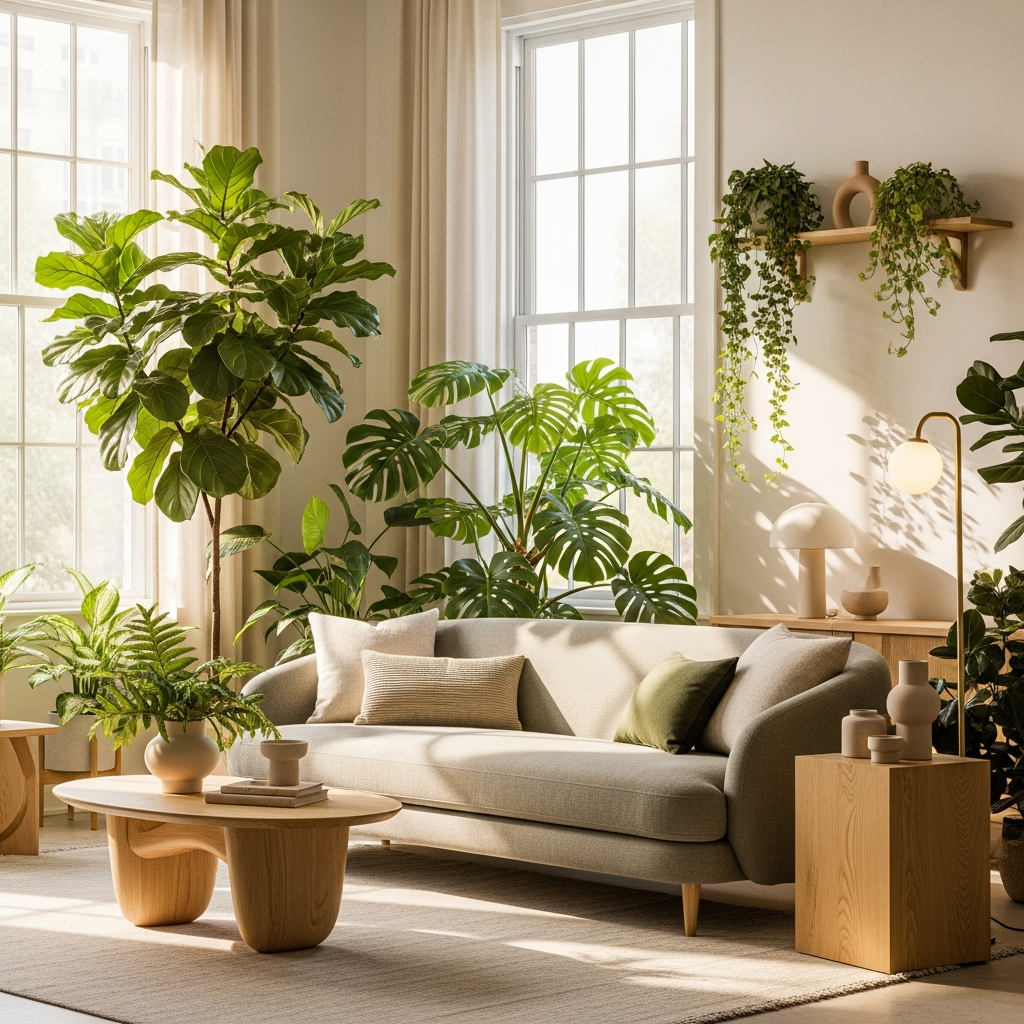
Nature’s Embrace: Biophilic Sofa Designs to Enhance Wellness in Your 2026 Home
As we step closer to 2026, the lines between our indoor sanctuaries and the natural world continue to beautifully blur. In an increasingly fast-paced and digital world, the yearning for tranquility, peace, and connection with nature has never been stronger. This longing manifests in our homes through biophilic design – an architectural and interior philosophy that seeks to connect building occupants more closely to nature. At the heart of this movement, particularly in the living room, lies the evolving concept of the biophilic sofa design.
More than just a piece of furniture, a biophilic sofa is a deliberate choice to invite the calming, restorative qualities of the outdoors, indoors. It’s about creating spaces that not only look good but also make us feel good, promoting mental and physical well-being. Join us as we explore how these innovative sofa designs are set to redefine comfort and wellness in your home by 2026.
What is Biophilic Design and Why Does it Matter for Your Sofa?
Biophilia, a term popularized by Harvard naturalist E.O. Wilson, suggests that humans have an innate tendency to connect with nature and other living systems. Biophilic design, therefore, translates this innate connection into the built environment. It’s not just about adding a few potted plants; it’s about integrating natural patterns, materials, forms, and views into our spaces to improve health, productivity, and overall well-being.
Why does this matter for your sofa? Because your sofa is often the anchor of your living space – a place for relaxation, connection, and rejuvenation. A sofa designed with biophilic principles in mind can transform this central hub into a calming oasis, directly impacting your mood, reducing stress, and fostering a sense of groundedness. Imagine sinking into a sofa that echoes the gentle curves of a river or the tactile comfort of natural fibers, instantly transporting you to a more peaceful state. This is the promise of biophilic sofa design for a wellness-focused 2026 home.
Key Elements of Biophilic Sofa Design
To truly embrace nature, biophilic sofas incorporate specific elements that mimic natural environments. Understanding these components is key to selecting the perfect piece for your home.
Organic Forms and Shapes
Unlike rigid, angular furniture that can feel cold and stark, biophilic sofas embrace organic, curvilinear forms. Think soft edges, rounded backs, and flowing lines that mimic shapes found in nature – a smooth river stone, the gentle curve of a tree branch, or the undulating landscape. These shapes are inherently soothing and inviting, promoting a sense of ease and comfort. A curved sectional sofa, for instance, can encourage conversation and create a more fluid, less formal living area, echoing the natural flow of a forest path.
Natural Materials
The choice of materials is paramount. Biophilic designs prioritize natural, sustainable, and often minimally processed materials that connect us to the earth. This includes:
- Wood: Exposed solid wood frames or legs, showcasing natural grain, bring warmth and authenticity.
- Textiles: Think linen upholstery fabric, organic cotton, wool, hemp, or even jute. These natural fibers offer unique textures and breathability, enhancing sensory connection. A wool blend sofa, for example, offers unparalleled softness and natural temperature regulation.
- Rattan and Wicker: Used in lighter frames or decorative elements, these materials evoke an outdoor, tropical feel.
Opting for pieces made from reclaimed or sustainably sourced materials further enhances their biophilic credentials, aligning with a holistic approach to environmental wellness.
Earthy Color Palettes
The colors of a biophilic sofa draw directly from nature’s own palette. Think calming greens reminiscent of lush forests, tranquil blues mirroring vast skies and oceans, warm browns and terracottas reflecting earth and clay, and soft greys and creams mimicking natural stone and sand. These muted, organic hues create a serene backdrop, fostering relaxation and reducing visual overstimulation. They allow other natural elements in the room, like vibrant foliage or warm wood tones, to truly shine.
Textural Richness
Beyond color, texture plays a vital role in engaging our senses. Biophilic sofas often feature varied and inviting textures – from the smooth polish of wood to the nubby feel of raw linen or the plushness of a wool bouclé. This textural diversity mimics the sensory experience of being outdoors, where every touch, from rough bark to soft moss, adds to the richness of the environment. A high-quality boucle fabric sofa, for instance, offers a delightfully tactile experience that invites you to unwind.
Integration with Nature
While the sofa itself embodies biophilic principles, its placement and surrounding environment are equally important. A biophilic sofa ideally sits where it can offer views of nature – perhaps facing a large window overlooking a garden, or positioned near an indoor plant display. The goal is to create a seamless transition between the indoor comfort and the outdoor vibrancy, reinforcing the connection to the natural world. Consider a modular sectional sofa with ottoman that can be reconfigured to face different natural focal points.
Top Biophilic Sofa Design Trends for 2026
As we look to 2026, several trends in biophilic sofa design are emerging, pushing the boundaries of aesthetics and wellness:
- Modular and Adaptable Designs: Flexibility is key. Sofas that can be easily reconfigured to suit different needs and moods – from intimate conversation areas to expansive lounging spaces – are gaining popularity. This adaptability mirrors nature’s own dynamic qualities.
- Blurring Indoor-Outdoor Living: Sofas with weather-resistant natural materials like sustainably sourced teak or recycled plastics with natural finishes are bridging the gap between patios and living rooms, allowing for a fluid transition.
- Sustainable and Ethically Sourced Materials: A deeper commitment to sustainability drives the demand for sofas made from recycled content, natural latex foams, and FSC-certified woods. Consumers are increasingly seeking transparency in manufacturing and sourcing.
- Comfort-Focused, Cocooning Designs: Deeper seats, softer cushions, and enveloping forms create a sense of sanctuary and security, much like a natural alcove or a sheltered nook. These designs emphasize ultimate relaxation and mindful living.
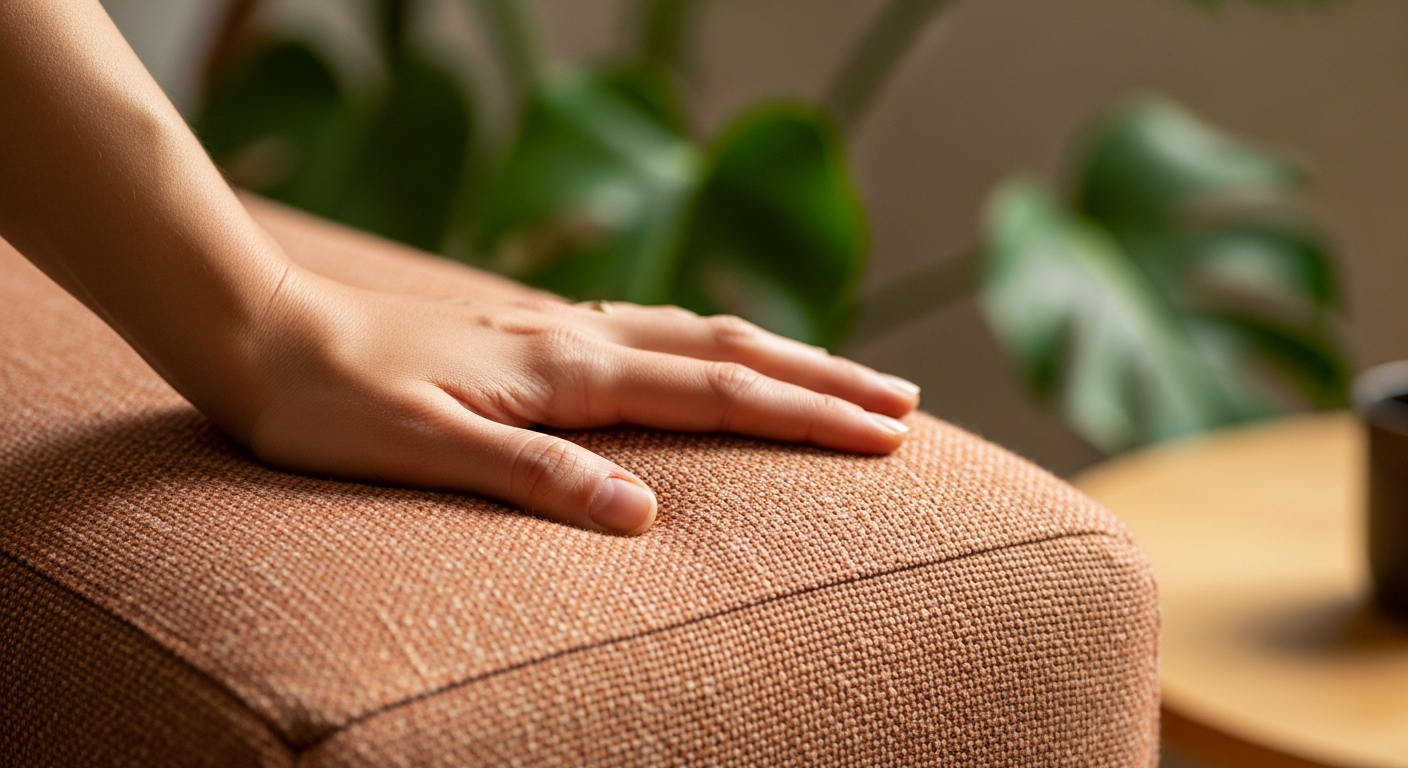
Experience nature’s comfort: the tactile elegance of biophilic sofa design for ultimate well-being.
The future of the biophilic sofa design is not just about aesthetics; it’s about creating living spaces that actively contribute to our health and happiness. By integrating natural elements and sustainable practices, these sofas offer a sanctuary from the demands of modern life, inviting us to slow down, reconnect, and thrive.
Choosing Your Perfect Biophilic Sofa: A Comparison
With a myriad of options available, selecting the right biophilic sofa can be a delightful journey. Here’s a comparison of popular styles and materials that embody biophilic principles:
| Type/Material | Style Profile | Comfort & Feel | Eco-Friendliness | Typical Price Range |
|---|---|---|---|---|
| Linen Upholstered Sofa | Casual, rustic, minimalist, light & airy | Breathable, cool to the touch, natural texture, medium firm | Highly sustainable, durable, biodegradable | $$ – $$$ |
| Wool Bouclé Sofa | Cozy, luxurious, organic, sculptural, modern | Soft, textured, warm, inviting, plush feel | Natural fiber, durable, renewable (if responsibly sourced) | $$$ – $$$$ |
| Solid Wood Frame Sofa (exposed) | Mid-century modern, Scandinavian, minimalist, earthy | Varies by cushion, focus on sturdy support and natural feel | Very high (if FSC-certified or reclaimed wood) | $$$ – $$$$ |
| Curved Modular Sofa | Contemporary, fluid, adaptable, conversational | Flexible configurations, often deep and comfortable | Varies by upholstery, often designed for longevity | $$$ – $$$$ |
| Hemp Upholstered Sofa | Eco-chic, durable, natural, understated elegance | Strong, breathable, softens over time, medium-firm | Extremely sustainable, low water use, regenerative crop | $$$ |
Integrating Your Biophilic Sofa into a Wellness-Focused Home
Your biophilic sofa is a cornerstone, but a truly immersive biophilic environment extends beyond a single piece. Here’s how to integrate it seamlessly:
- Embrace Greenery: Surround your sofa with a variety of indoor plants. Consider a large fiddle leaf fig tree for a dramatic statement or a collection of smaller, air-purifying plants like snake plants or ZZ plants. The visual presence of plants, their air-purifying qualities, and the act of caring for them all contribute to well-being.
- Natural Light is Key: Position your sofa to maximize natural light. If direct sunlight is too harsh, use sheer natural fabric curtains to diffuse it, creating a soft, inviting glow reminiscent of dappled light through a forest canopy.
- Layer with Natural Textures: Complement your sofa with natural accessories. Think a hand-woven jute area rug underfoot, throws made of organic cotton or chunky knit wool, and decorative pillows in linen or velvet with earthy tones. These layers add depth and sensory appeal.
- Incorporate Water Elements: A small indoor water feature or even the sound of trickling water can be incredibly calming, mimicking natural sounds and contributing to a peaceful atmosphere.
- Choose Organic Scents: Avoid artificial air fresheners. Instead, use essential oil diffusers with natural scents like cedarwood, pine, lavender, or citrus to enhance the natural ambiance.
Maintaining Your Biophilic Investment
To ensure your biophilic sofa remains a source of wellness for years to come, proper care is essential. Natural materials often require specific cleaning methods:
- Regular Vacuuming: Use a soft brush attachment to regularly vacuum your sofa, preventing dust and debris from accumulating in natural fibers.
- Spot Cleaning: For spills, act quickly. Use a clean cloth and a gentle, eco-friendly upholstery cleaner specifically designed for natural fabrics. Always test in an inconspicuous area first. Avoid harsh chemicals that can damage natural fibers and introduce unwanted toxins into your home.
- Protect from Direct Sunlight: While natural light is good, prolonged exposure to direct sunlight can fade natural dyes and weaken fibers over time. Consider UV-protective window films or drapes if your sofa is in a sunny spot.
- Rotate Cushions: Regularly rotate and fluff your cushions to maintain their shape and even out wear.
Frequently Asked Questions (FAQ)
Here are some common questions about biophilic sofa designs:
Q1: Is biophilic design only for minimalist homes?
A: Not at all! While biophilic design often aligns with minimalist aesthetics due to its focus on natural simplicity, it can be integrated into various styles from bohemian to modern farmhouses. The key is the incorporation of natural elements, forms, and colors, regardless of the overall decorative theme.
Q2: Are biophilic sofas more expensive than traditional sofas?
A: The price can vary widely. Sofas made with high-quality, sustainably sourced natural materials might have a higher upfront cost than those made with synthetic alternatives. However, their durability, timeless aesthetic, and the long-term wellness benefits often make them a worthwhile investment.
Q3: How do I know if a sofa truly adheres to biophilic principles?
A: Look for sofas with organic shapes, natural and sustainable materials (like FSC-certified wood, organic cotton, linen, wool), earthy color palettes, and rich textures. Brands that prioritize ethical sourcing and eco-friendly manufacturing are often good indicators.
Q4: Can I make my current sofa more biophilic?
A: Absolutely! You can accessorize with natural throws and pillows, place indoor plants strategically around it, use natural area rugs, and ensure good natural lighting. Even if your sofa isn’t inherently biophilic, its surroundings can certainly be transformed.
Q5: What are the main wellness benefits of a biophilic sofa?
A: Biophilic sofas contribute to reduced stress, improved mood, enhanced comfort, and a stronger sense of connection to nature. They can create a calming sanctuary that supports mental and physical relaxation, ultimately boosting overall well-being.
Embrace Nature’s Comfort
As we anticipate 2026, the shift towards wellness-centric living spaces is undeniable. A biophilic sofa design is more than just a trend; it’s an investment in your well-being, a commitment to a more harmonious home, and a daily invitation to reconnect with the restorative power of nature. By choosing organic forms, natural materials, and earthy hues, you’re not just furnishing a room; you’re cultivating an environment where peace, comfort, and vitality can flourish. Embrace nature’s embrace and transform your living room into a sanctuary that nurtures your soul. Ready to find your perfect biophilic haven?