Integrating Meditation Spaces into Your Living Room Layout: A Path to Serenity
In our fast-paced world, finding moments of peace and quiet has become more crucial than ever. For many, the idea of a dedicated meditation room feels like an unattainable luxury. But what if you could carve out a tranquil sanctuary right within the heart of your home? Welcome to the concept of an integrated meditation space living room – a harmonious blend of mindfulness and modern living.
The living room, often the most dynamic and communal area in a home, might seem an unlikely candidate for a contemplative corner. However, with thoughtful design and strategic placement, it can transform into a profound haven for daily practice, offering immediate accessibility to calm and focus. This comprehensive guide from lesofa.club will walk you through the why, how, and what of creating a beautiful and functional meditation space that seamlessly complements your living room layout, enhancing both your home’s aesthetic and your personal well-being.
The Why and How: Benefits of a Dedicated Meditation Space
Integrating a meditation space into your living room offers a myriad of benefits that extend beyond just convenience:
- Increased Practice Consistency: A visible, designated spot acts as a constant, gentle reminder to pause and practice, making mindfulness a more consistent part of your routine.
- Enhanced Mental Well-being: Regular meditation reduces stress, improves focus, and fosters emotional resilience. Having a dedicated area signals to your brain that it’s time to unwind.
- Optimized Home Aesthetics: Far from being an awkward addition, a well-designed meditation nook can elevate your living room’s style, adding an element of serene sophistication.
- Multi-functional Space: Even a small corner can serve as both a personal retreat and a beautifully curated design feature, proving that you don’t need an entire room to find your zen.
Dispelling the myth that meditation requires a monastery-like setting, we aim to show you how everyday items and clever design can turn an ordinary corner into an extraordinary escape.
Planning Your Meditation Nook: Key Considerations
Before you start moving furniture, consider these foundational elements to ensure your meditation space is both effective and aesthetically pleasing.
Location, Location, Location: Finding Your Spot
The success of your meditation space living room largely depends on its placement. Look for:
- A Quiet Corner: Ideally, choose a spot away from high-traffic pathways, television glare, and noisy windows. A corner often provides a sense of enclosure and privacy.
- Natural Light: Proximity to a window can be wonderfully uplifting, connecting you with the outside world while maintaining a sense of inner calm. However, ensure direct harsh sunlight can be diffused with blinds or sheer curtains.
- Minimal Distractions: Avoid placing your space directly opposite busy shelves or distracting decor. Simplicity is key here.
Size Matters (or Doesn’t): Maximizing Small Spaces
You don’t need a sprawling area. Even a modest 3×3 foot section can be transformed. Consider:
- Behind a Sofa: The back of a large sofa can naturally create a secluded alcove.
- Between Bookcases: A gap between two tall bookshelves can become a cozy, contemplative niche.
- Alcoves or Bay Windows: These architectural features are naturally conducive to creating distinct zones.
Aesthetic and Ambiance: Setting the Mood
The visual and sensory elements play a crucial role in creating a calming atmosphere.
- Color Palette: Opt for soothing, natural colors like soft blues, gentle greens, warm grays, or earthy tones. These colors promote relaxation and focus.
- Lighting: Harsh overhead lights are a no-go. Think soft, ambient lighting. Dimmers, strategically placed lamps, or even candlelight can create a warm, inviting glow.
- Scents and Sounds: Subtle elements can deepen your practice. Consider an essential oil diffuser with lavender or sandalwood, or a small water feature for gentle background noise.
Essential Elements for Your Meditation Space Living Room
Once you’ve identified your spot, it’s time to furnish it with items that support your practice and enhance the serene atmosphere.
Comfortable Seating: Grounding Your Practice
The right seating is paramount for comfort during meditation, allowing you to focus on your breath rather than discomfort.
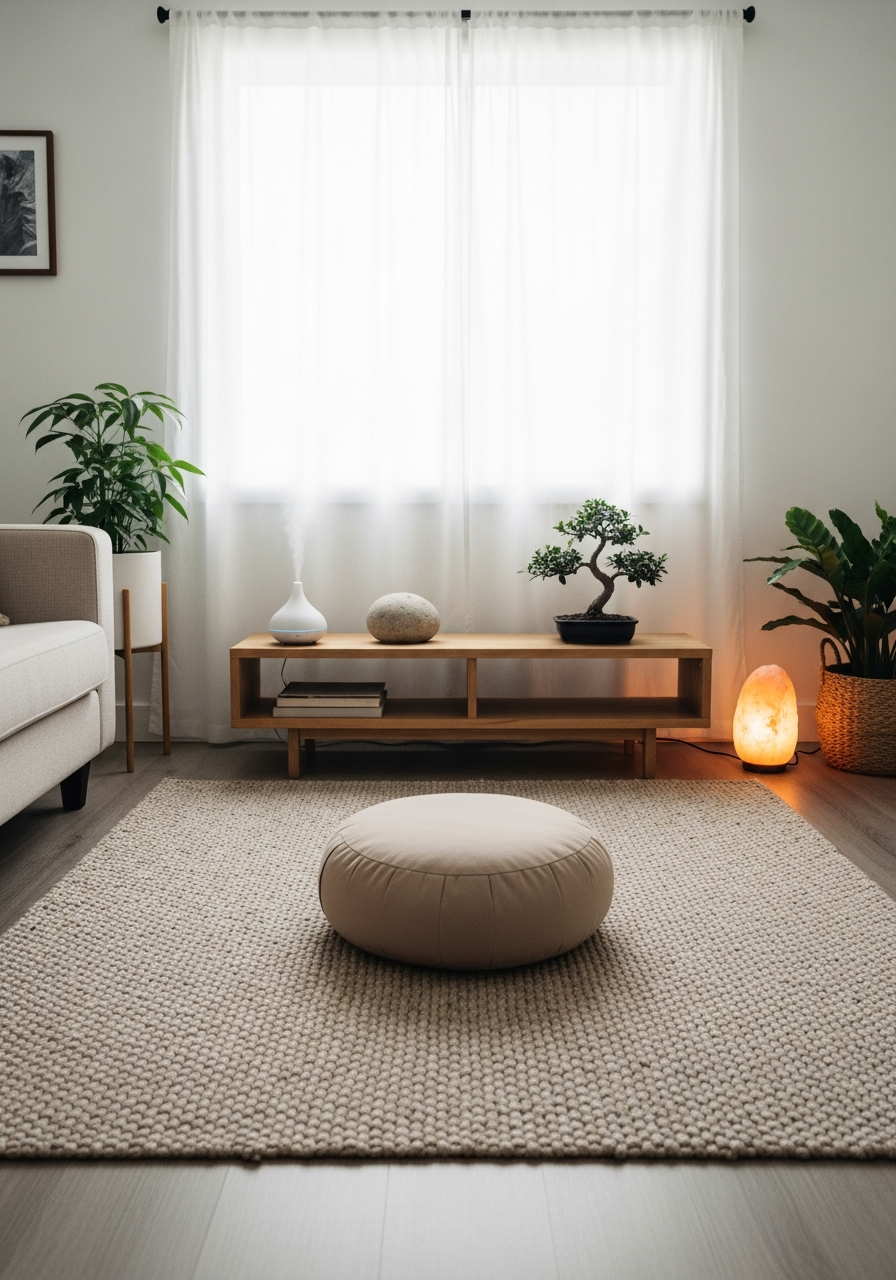
- Meditation Cushions (Zafus and Zabutons): A meditation cushion (zafu) provides elevation for your hips, aligning your spine and promoting good posture. A zabuton is a larger, flat mat placed under the zafu to cushion your knees and ankles. Together, they create a comfortable base for sitting.
- Meditation Benches: For those who prefer kneeling, a meditation bench can relieve pressure on the knees and ankles, providing a stable and comfortable upright posture.
- Floor Pillows or Low Chairs: If traditional meditation seating isn’t for you, large, firm floor pillows or a low, comfortable accent chair can offer a good alternative, especially if your practice involves light stretching or a more relaxed posture.
Sensory Enhancements: Engaging Your Senses
Appeal to your senses to create a truly immersive and peaceful environment.
- Lighting: Beyond dimmers, consider a Himalayan salt lamp for its soft, warm glow and purported air-purifying properties. Flameless LED candles offer a safe alternative to real flames, while string lights can add a magical touch.
- Sound: A small, tabletop water fountain, gentle wind chimes, or a Bluetooth speaker playing calming ambient music or guided meditations can help block out household noise and deepen your focus.
- Scent: An essential oil diffuser with calming scents like lavender, frankincense, or bergamot can significantly enhance relaxation. Incense sticks or palo santo wood can also be used, but ensure good ventilation.
Decorative Touches: Inspiring Serenity
Thoughtful decor can turn your meditation space into a visual anchor for peace.
- Plants: Living plants like a snake plant, peace lily, or a small bonsai tree bring nature indoors, improve air quality, and add a touch of tranquility.
- Art and Mandalas: A simple, calming piece of art, a mandala tapestry, or a sculpture can serve as a focal point for contemplation.
- Rugs: A soft, textured rug, such as a plush area rug, can define your space, add warmth, and provide extra comfort underfoot. Choose natural fibers like cotton, wool, or jute.
Integrating with Your Existing Living Room Layout
The trick to a successful meditation space living room is seamless integration, making it feel like an intentional part of the whole, rather than an afterthought.
Seamless Blending: Aesthetics and Functionality
To avoid your meditation nook looking out of place, ensure it harmonizes with your existing living room decor.
- Cohesive Color Schemes: Use similar colors, textures, or materials from your main living room decor in your meditation space to create visual continuity.
- Room Dividers: For open-plan living rooms or if you desire more privacy, a decorative screen, a sheer curtain, or even a tall plant can subtly demarcate your meditation area without completely closing it off.
- Furniture Placement: Arrange your existing living room furniture in a way that naturally cradles or frames your meditation spot, making it feel like a part of the overall design.
Storage Solutions: Keeping it Tidy
A clutter-free space is essential for a clear mind. Incorporate smart storage to keep your meditation essentials organized and out of sight when not in use.
- Baskets and Bins: A beautiful wicker storage basket or decorative fabric bin can hold extra cushions, blankets, or journals.
- Storage Ottomans: A multi-functional ottoman can serve as extra seating for guests and hide away your meditation gear.
- Shelving: A small wall-mounted shelf or a slim console table can hold your essential oil diffuser, a small plant, or a meaningful object without taking up floor space.
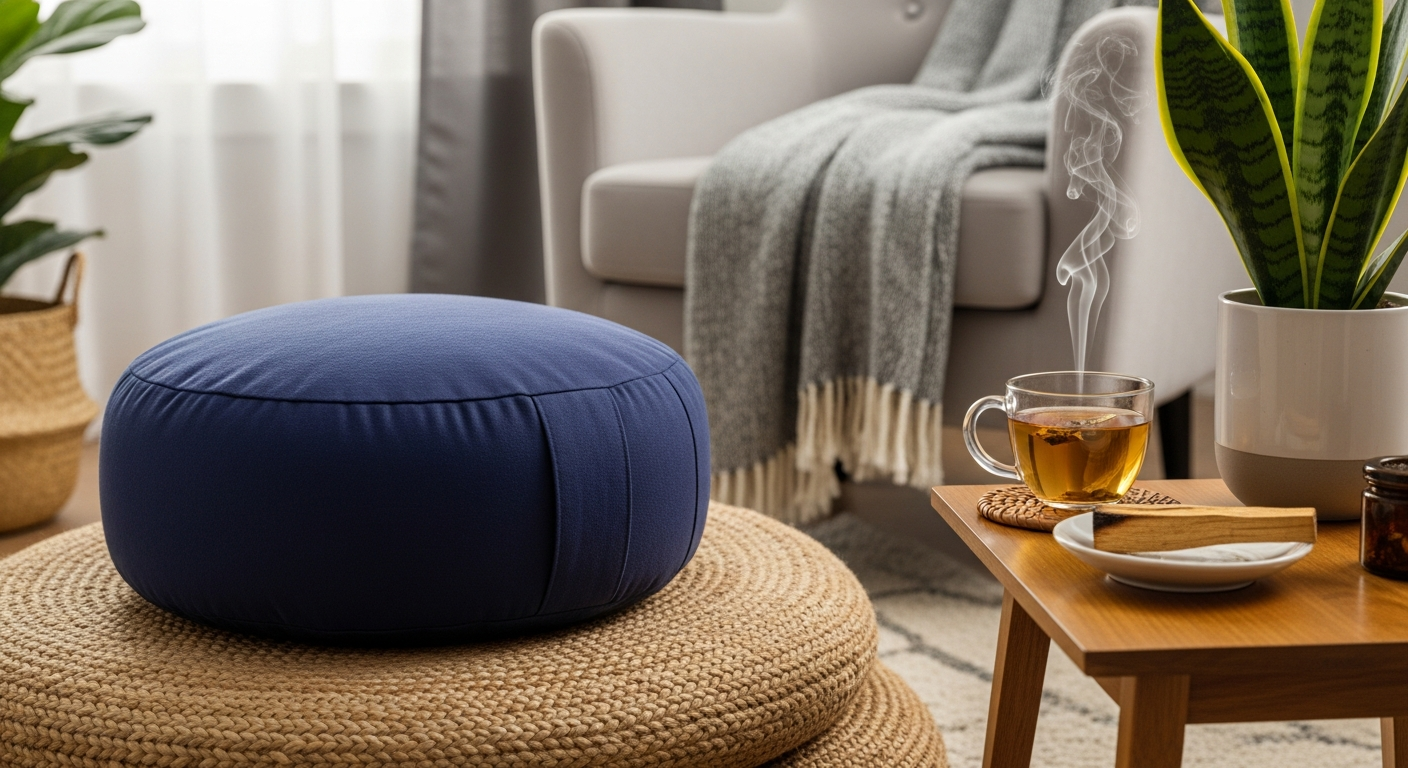
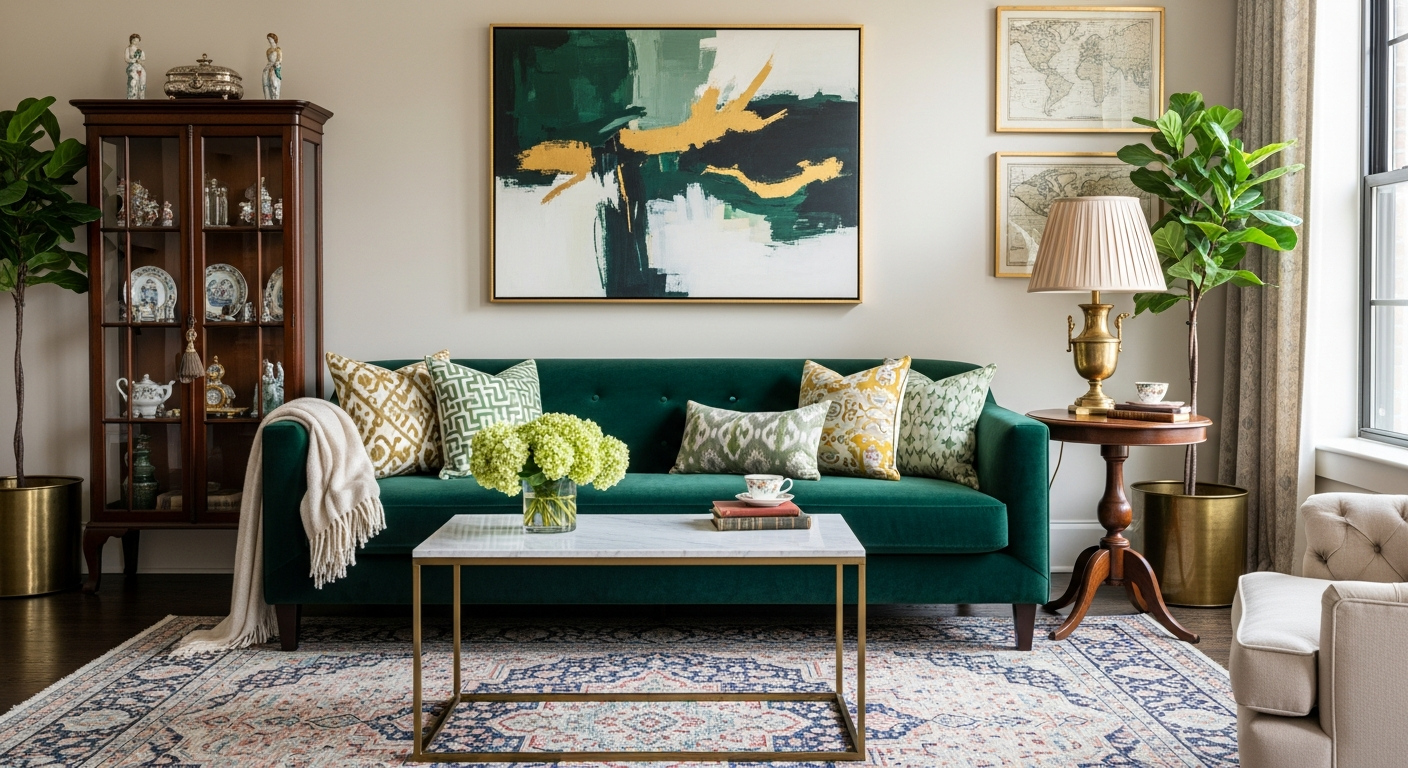
This inviting corner demonstrates how a dedicated meditation space living room can blend seamlessly with existing decor, offering a peaceful retreat without sacrificing style.
Multi-Functional Furniture: The Smart Approach
For truly compact living rooms, consider furniture that serves a dual purpose:
- Daybeds or Sofas with Chaise: A section of a daybed or a sofa with a chaise can be temporarily cleared for meditation, then returned to its usual function.
- Console Tables: A slim console table can serve as an altar during meditation, holding candles or statues, and then revert to holding remotes or decor items.
- Large Ottomans: A generously sized ottoman can double as a floor cushion or a surface for a singing bowl.
Meditation Space Styles & Their Living Room Integration
Here’s a quick comparison of different meditation space styles and how they can be integrated into various living room layouts:
| Style | Key Elements | Best for Living Room Type | Integration Tips |
|---|---|---|---|
| Minimalist Zen | Clean lines, neutral colors, natural materials (wood, stone), single plant, simple cushion. | Modern, contemporary, or small living rooms. | Maintain open space. Use a low platform or simple cushion. Hide clutter in sleek storage. Natural light is key. |
| Bohemian Retreat | Layered textiles, floor cushions, lush plants, tapestries, warm lighting, natural textures. | Eclectic, artistic, or cozy living rooms. | Blend with existing textures and patterns. Use an area rug to define the zone. Add floor pillows and throws. |
| Modern Sanctuary | Comfortable lounge chair, subtle lighting, sophisticated diffuser, curated art, soft rug, smart tech. | Transitional, luxurious, or spacious living rooms. | Choose high-quality, comfortable pieces. Integrate smart home lighting. Ensure electronics are discreetly placed. |
DIY Hacks and Budget-Friendly Ideas
Creating a beautiful meditation space doesn’t have to break the bank. Here are some savvy tips:
- Repurpose and Upcycle: An old chest can become storage, a sturdy wooden box can be a makeshift meditation bench, or old blankets can be restitched into floor cushions.
- Thrift Store Finds: Look for unique vases for plants, interesting sculptures, or decorative trays at local thrift stores.
- Natural Elements: Collect smooth stones, beautiful branches, or pinecones from nature to decorate your space for free.
- DIY Lighting: String fairy lights around a plant or inside a glass jar for a magical glow.
Maintaining Your Sacred Space
Once your meditation space is established, a little maintenance goes a long way in preserving its tranquility.
- Regular Decluttering: Keep the area free of non-meditation-related items. A tidy space promotes a clear mind.
- Cleaning: Regularly dust surfaces and vacuum the rug or floor cushions. For a quick refresh, consider an eco-friendly all-purpose cleaner that leaves a subtle, pleasant scent without harsh chemicals.
- Refresh Elements: Periodically change essential oil scents, swap out plants, or rotate art to keep the space feeling fresh and inspiring.
- Energy Clearing: Some people like to periodically “clear” the energy of their space using sage, palo santo, or simply by opening a window to let in fresh air.
Frequently Asked Questions (FAQ)
Here are answers to common questions about creating a meditation space living room:
Q1: How much space do I really need for a meditation area?
A: Very little! Even a small 3×3 foot corner is often sufficient. The key is to create a distinct zone, not necessarily a large one. Focus on verticality if floor space is limited, using wall-mounted shelves or tall plants.
Q2: Can I just use my existing couch for meditation?
A: While possible, a couch may not provide the optimal posture for seated meditation. A dedicated cushion or bench helps align your spine, making long periods of sitting more comfortable and conducive to focus. However, for lying meditations or short moments of reflection, a comfortable sofa is perfectly fine.
Q3: What colors are best for a meditation space?
A: Calming, natural tones work best. Think soft blues, greens, grays, creams, and earthy browns. Avoid overly bright or stimulating colors, which can be distracting.
Q4: How do I deal with noise and distractions in a busy living room?
A: Strategic placement away from high-traffic zones helps. Noise-canceling headphones, ambient nature sounds, or a white noise machine can also be very effective. Setting clear boundaries with family members about your meditation time is also crucial.
Q5: What if I have pets or young children who might disturb the space?
A: This requires some gentle management. Consider a portable screen or a decorative room divider during your meditation time. For pets, provide them with their own comfy spot nearby. For children, you might involve them by teaching them about mindfulness, or choose times when they are napping or engaged in other activities.
Conclusion: Your Path to Inner Peace Begins at Home
Creating a meditation space living room is more than just a home decor project; it’s an investment in your mental, emotional, and spiritual well-being. By thoughtfully integrating a serene nook into your living area, you create a constant invitation to pause, breathe, and reconnect with yourself amidst the rhythms of daily life. It proves that tranquility isn’t just for secluded retreats, but can be a cherished part of your everyday home experience.
Begin your journey today and discover the profound impact a dedicated space can have on your mindfulness practice and overall quality of life. Share your tips and creations with the lesofa.club community in the comments below – we’d love to see how you bring serenity into your living room!