The Unfitted Kitchen: Blending Dining Tables and Living Spaces
In an era where home design increasingly prioritizes flexibility, personality, and multi-functional spaces, a captivating trend is redefining the heart of the home: the unfitted kitchen. Moving away from the rigid, built-in cabinetry that has dominated kitchen design for decades, the unfitted kitchen embraces freestanding furniture, eclectic charm, and a more relaxed approach to living. At the core of this transformation is the unfitted kitchen dining table trend, where the dining table isn’t just a place to eat, but often serves as the gravitational center, blending culinary activities with social interaction and seamless transitions into adjacent living spaces.
Imagine a kitchen that feels less like a sterile workstation and more like a collection of curated pieces, each with its own story, contributing to a harmonious whole. This is the essence of the unfitted kitchen – a design philosophy that champions adaptability, character, and a deeply personal touch. It’s a return to a more traditional, yet utterly contemporary, way of living where the boundaries between cooking, dining, and relaxing elegantly blur.
What Exactly is an Unfitted Kitchen?
To truly appreciate the unfitted kitchen, it’s helpful to understand its departure from the conventional ‘fitted’ model. A traditional fitted kitchen is characterized by custom-built, wall-to-wall cabinetry, integrated appliances, and a continuous countertop, all designed to create a streamlined, often minimalist look. While efficient, this approach can sometimes feel impersonal and lacks the flexibility to evolve with your lifestyle.
An unfitted kitchen, by contrast, is composed of individual, freestanding pieces of furniture. Think of a standalone pantry cupboard, a butcher block island on casters, an antique dresser repurposed as a dish cabinet, or a majestic hutch displaying treasured dishware. These elements are not permanently affixed to the walls or floor, offering a sense of lightness and the freedom to rearrange or replace items as needs change. This approach harks back to pre-industrial kitchens where kitchens were furnished with standalone dressers, tables, and larders.
The beauty of this concept lies in its inherent flexibility and the opportunity it provides for personalization. Each piece can be chosen for its unique aesthetic, function, or even sentimental value, resulting in a space that feels deeply personal and thoughtfully curated, rather than mass-produced. It celebrates individuality and allows for an organic evolution of your home’s most vital space.
The Rise of the Unfitted Kitchen Dining Table Trend
The contemporary resurgence of the unfitted kitchen is largely driven by changing lifestyles and design preferences. Open-plan living has become the norm, requiring spaces to serve multiple purposes simultaneously. The kitchen is no longer solely a utilitarian zone; it’s a social hub, a homework station, a home office, and the heart of family gatherings. This is where the unfitted kitchen dining table trend truly shines.
Instead of a breakfast bar or a separate, formal dining room, the unfitted kitchen often places a substantial dining table directly within the kitchen’s workflow. This table isn’t just for eating; it’s a central island for food prep, a casual spot for morning coffee, a creative space for crafts, and the focal point for entertaining. It embodies the modern desire for fluidity and multi-functionality, making the kitchen feel more like a living room extension.
This trend speaks to a desire for authenticity and character, moving away from sleek, homogenous designs towards spaces that feel lived-in, warm, and inviting. It allows homeowners to infuse their kitchens with personality, blending different eras, styles, and materials to create a truly unique environment.
Key Elements of an Unfitted Kitchen
Understanding the components that make up an unfitted kitchen helps in appreciating its design philosophy:
- Freestanding Furniture: The hallmark of an unfitted kitchen. This includes everything from individual cabinet modules, mobile islands, baker’s racks, freestanding pantry units, and vintage sideboards. These pieces can be sourced from various places – new furniture stores, antique shops, or even custom-built by artisans.
- The Central Dining Table: As the name suggests, the dining table often takes center stage. It acts as both a primary prep surface and a gathering spot. Its material (wood, metal, stone) and style can greatly influence the kitchen’s overall aesthetic.
- Eclectic Mix of Styles: Unfitted kitchens thrive on variety. It’s common to see a rustic farm table paired with modern industrial shelving, or a vintage hutch alongside sleek, contemporary appliances. This blend creates depth and visual interest.
- Mobility and Adaptability: Many unfitted elements can be moved or repurposed. A kitchen island on casters can be rolled aside for more floor space, or a freestanding cabinet can be relocated to another room if needed. This offers unparalleled flexibility for evolving needs.
Integrating the Dining Table Seamlessly
The successful integration of a dining table into an unfitted kitchen environment requires thoughtful planning:
- Placement is Paramount: The dining table should be positioned to optimize workflow and social interaction. Consider its proximity to the cooking zone for easy plating, but also its connection to the living area for conversations.
- Size and Scale: The table must be appropriately sized for the space and the number of people it needs to accommodate daily. Too small, and it loses its functionality; too large, and it can overwhelm the room.
- Material Harmony (or Deliberate Contrast): While an eclectic mix is encouraged, ensure the dining table’s material either complements or deliberately contrasts with other kitchen elements. A solid wood table might anchor a space with lighter, metal shelving, for example.
- Lighting: Thoughtful lighting above the dining table is crucial. A statement pendant light can define the area, making it feel distinct yet connected. Layered lighting ensures functionality for both dining and prep tasks.
- Seating Options: Mix and match seating for added character. Benches can save space and offer a casual feel, while various styles of chairs can contribute to the eclectic aesthetic.
Advantages of Embracing the Unfitted Kitchen Dining Table Trend
Adopting the unfitted kitchen approach, particularly with a prominent dining table, offers a wealth of benefits:
- Unparalleled Flexibility and Customization: You’re not locked into a rigid layout. Pieces can be moved, swapped, or added over time, allowing your kitchen to evolve with your family’s needs and tastes. This is ideal for renters or those who frequently update their decor.
- Unique Aesthetic and Character: Each unfitted kitchen tells a story. It avoids the generic showroom look, instead reflecting the homeowner’s personality and design journey. It often incorporates vintage finds, heirlooms, and bespoke pieces.
- Cost-Effectiveness (Potentially): While high-end custom freestanding pieces can be expensive, the unfitted approach can also be budget-friendly. By repurposing furniture, sourcing second-hand pieces, or building simple open shelving, you can achieve a sophisticated look without the hefty price tag of custom cabinetry.
- Better Flow and Social Interaction: With a central dining table, the kitchen naturally becomes a more engaging space. Guests and family members can gather around, assist with prep, or simply converse while meals are being prepared, fostering a more communal atmosphere.
- Ease of Updating: Want a fresh look? Instead of a major renovation, you might just need to repaint a freestanding cabinet, swap out chairs, or change a piece of art. This makes refreshes far less daunting and disruptive.
- Improved Light and Airiness: The absence of continuous overhead cabinets can make the kitchen feel larger, brighter, and more open, particularly beneficial in smaller spaces.
Challenges and Considerations
While appealing, the unfitted kitchen also presents unique challenges:
- Storage Solutions: Without built-in cabinets, clever storage is key. This might mean investing in well-designed freestanding pantry units, open shelving, baskets, or drawers within a dining table.
- Appliance Integration: Integrating modern appliances (refrigerators, dishwashers) into an unfitted scheme requires careful planning to ensure they blend seamlessly without looking out of place. Panel-ready appliances can be a great solution.
- Defining Zones in Open Spaces: In an open-plan layout, the challenge is to make the kitchen feel distinct yet connected. Furniture arrangement, area rugs, and lighting can help delineate zones without physical barriers.
- Professional Planning: Although it seems less structured, a successful unfitted kitchen still benefits from professional design advice, especially concerning workflow, plumbing, and electrical considerations.
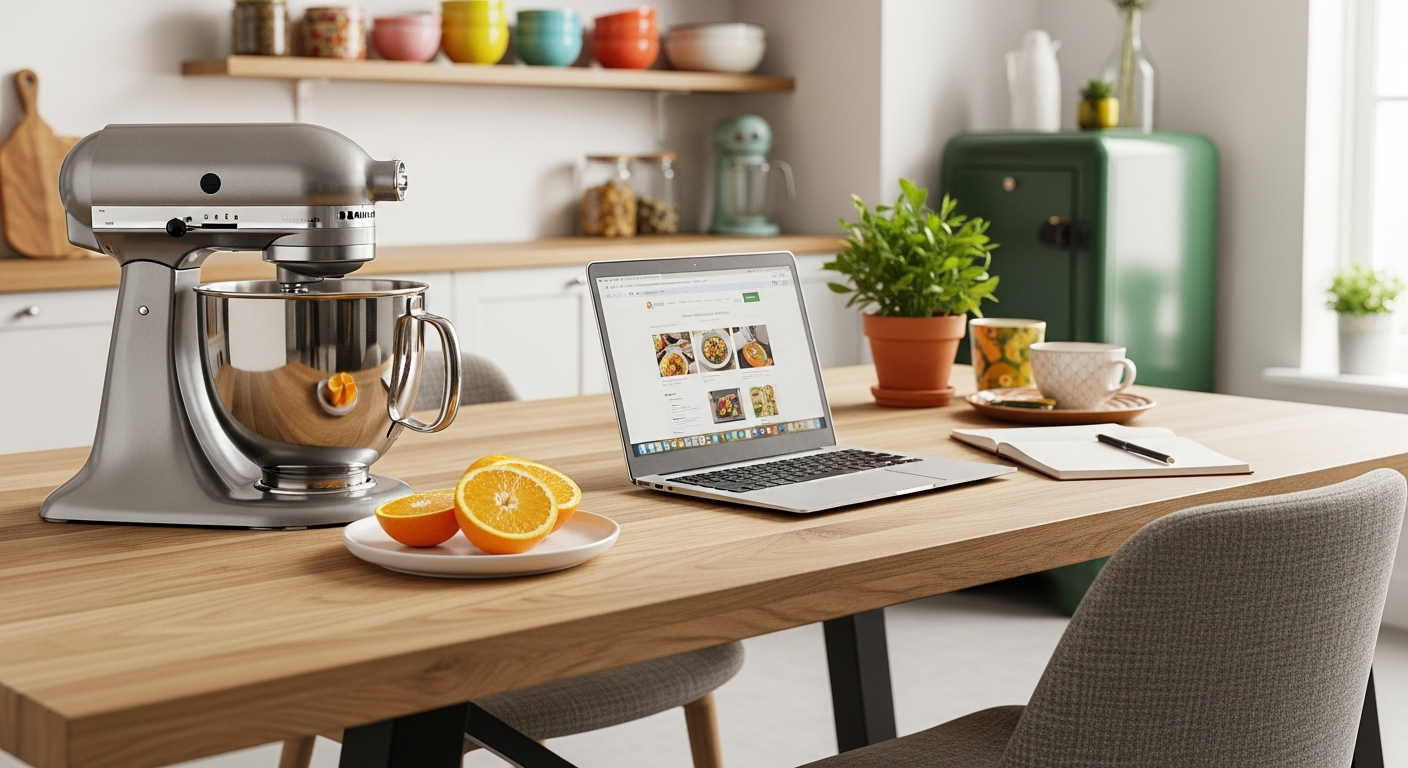
The unfitted kitchen dining table trend merges functionality and style, creating a versatile family hub.
Designing Your Unfitted Kitchen Dining Area
Embarking on an unfitted kitchen design allows for immense creativity. Here’s a guide to getting started:
- Start with the Dining Table: Since it’s often the anchor, choose your dining table first. Consider its size, shape, material, and how it will function beyond just dining. Will it host homework sessions, be a prep station, or simply a central gathering point?
- Mix Materials and Textures: Don’t be afraid to combine a reclaimed wood table with stainless steel shelving, or a marble-topped island with a vintage painted dresser. This layering adds warmth and visual interest.
- Prioritize Storage: Identify your storage needs. If you’re missing built-in cabinets, consider a beautiful standalone hutch, an antique apothecary cabinet, or open shelving with attractive storage containers. Baskets, jars, and decorative boxes can turn everyday items into display pieces.
- Layer Your Lighting: Beyond a central pendant over the dining table, incorporate task lighting for prep areas and ambient lighting to soften the overall mood. Sconces, table lamps on a sideboard, or under-shelf lighting can all contribute.
- Accessorize Thoughtfully: Use accessories to reinforce your chosen style. This could be anything from a collection of ceramic pottery, interesting artwork, or a carefully curated display of cookbooks.
- Define the Space with Rugs: To subtly delineate the dining zone from other areas of the kitchen or an adjacent living space, consider placing a washable area rug beneath your dining table. This adds warmth, texture, and visual grounding, making the area feel cozy and defined without needing walls.
Beyond the Kitchen: Connecting with Living Spaces
The true genius of the unfitted kitchen, especially when centered around a dining table, is its ability to create a seamless transition into adjacent living areas. It’s about designing a cohesive home, not just isolated rooms.
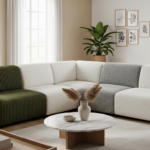
When selecting furniture for a connected living room, consider pieces that complement the unfitted kitchen’s relaxed elegance. For instance, a versatile modular sofa sectional can provide flexible seating that adapts to various social configurations, mirroring the adaptable nature of your unfitted kitchen. Choose upholstery and colors that either echo or subtly contrast with your kitchen’s palette, maintaining visual harmony. Open shelving units or display cabinets in the living area can continue the unfitted aesthetic, showcasing decorative items or books. The goal is to create a fluid environment where conversation and activity can flow effortlessly from cooking to dining to relaxing.
Maintenance and Cleaning in an Unfitted Kitchen
While unfitted kitchens are lauded for their aesthetic appeal, their practical side also shines in terms of maintenance. Freestanding pieces often mean easier access for cleaning behind and beneath, preventing grime buildup common in built-in units.
When dealing with diverse surfaces like wood, metal, stone, and painted finishes, it’s essential to use appropriate cleaning products. Stocking up on a versatile natural kitchen cleaner that is safe for multiple surfaces can simplify your routine. For wood surfaces, consider gentle soap and water, followed by a wood conditioner. Stone countertops require pH-neutral cleaners to prevent etching. Always clean spills promptly, especially on wooden dining tables, to prevent staining. The accessibility of individual pieces also means that if a piece gets damaged, it can often be repaired or replaced without disrupting the entire kitchen structure, a significant advantage over integrated systems.
Frequently Asked Questions About the Unfitted Kitchen Dining Table Trend
Q: Is an unfitted kitchen suitable for small spaces?
A: Absolutely! In many ways, an unfitted kitchen can be ideal for small spaces. The ability to choose individual pieces that fit perfectly, rather than being restricted by standard cabinet sizes, allows for more efficient use of space. Mobile islands or dining tables on wheels can also provide incredible flexibility, allowing you to reconfigure the layout as needed.
Q: Can I achieve an unfitted look on a budget?
A: Yes, definitely! The unfitted kitchen is highly adaptable to various budgets. You can mix high-end bespoke pieces with salvaged furniture, DIY open shelving, or even well-chosen flat-pack furniture. Thrifting for antique dressers, using sturdy workbenches as islands, and repurposing existing furniture are excellent ways to create a unique, budget-friendly unfitted kitchen.
Q: How do I ensure my unfitted kitchen doesn’t look cluttered?
A: The key to an uncluttered unfitted kitchen lies in thoughtful selection and organization. Choose pieces with integrated storage, use attractive baskets and containers for open shelving, and practice regular decluttering. While eclectic, aim for a cohesive color palette or material theme to tie everything together. Remember, less is often more, even in an unfitted space.
Q: What are the best flooring options for an unfitted kitchen?
A: Durable and easy-to-clean flooring is always recommended for kitchens. Hardwood, engineered wood, large format tiles, or even polished concrete work beautifully with the unfitted aesthetic. These materials provide a robust foundation that complements the individual furniture pieces and can handle the demands of a high-traffic area.
Q: Can I combine elements of fitted and unfitted kitchens?
A: Yes, many successful designs blend the two approaches. For example, you might have a fitted run of base cabinets for essential appliances and sink, while incorporating freestanding pieces like a movable island or a decorative hutch for storage and display. This hybrid approach offers the best of both worlds – the efficiency of fitted elements with the character and flexibility of unfitted pieces.
Conclusion: Embrace the Freedom of the Unfitted Kitchen
The unfitted kitchen, with its prominent dining table at the core, is more than just a passing trend; it’s a design philosophy that champions individuality, flexibility, and a more human-centered approach to living. It invites us to break free from conventional constraints, to curate spaces that truly reflect our personalities, and to foster deeper connections within our homes. By blending culinary activities with dining and living, it transforms the kitchen into a vibrant, adaptable hub that is as beautiful as it is functional.
If you’re looking to infuse your home with character, enhance social interaction, and create a space that evolves with your life, consider embracing the unfitted kitchen dining table trend. It’s an investment in a lifestyle that prioritizes warmth, authenticity, and the joy of a truly personalized home.
Ready to redefine your kitchen? Explore the possibilities of an unfitted design and discover how a thoughtfully placed dining table can transform your space into the ultimate heart of your home.