Japanese Minimalism Meets Warm Textures in Modern Homes: The Art of Japandi Interior Design
In the ever-evolving world of interior design, certain styles emerge that capture the collective desire for both beauty and tranquility. One such rising star is Japandi, a sophisticated fusion that marries the minimalist elegance of Japanese aesthetics with the cozy functionality of Scandinavian design. But Japandi is more than just clean lines and decluttered spaces; it’s about creating a home that breathes serenity while embracing japandi interior design warm textures, making it a haven of comfort and style.
Imagine a space where every item serves a purpose, yet feels inherently inviting. Where natural materials are celebrated, and light dances across surfaces, creating a sense of calm and well-being. This is the essence of Japandi. It’s a style that prioritizes craftsmanship, sustainability, and a deep connection to nature, offering a peaceful escape from the hustle and bustle of modern life. Join us as we explore how to master this exquisite blend, focusing on how warm textures can elevate your Japandi-inspired home.
Understanding Japandi: A Fusion of Two Worlds
At its heart, Japandi is a dialogue between two distinct yet harmonious design philosophies: Japanese minimalism (often linked to Wabi-sabi, the acceptance of imperfection and transience) and Scandinavian functionality (known for Hygge and Lagom, concepts of coziness and balance). While both styles champion simplicity and natural elements, their merging creates something uniquely special.
- Japanese Minimalism: Emphasizes clean lines, open spaces, natural light, and a connection to nature. It values craftsmanship, quality over quantity, and a sense of calm. Imperfection, or wabi-sabi, is embraced, finding beauty in authenticity and age.
- Scandinavian Design: Focuses on functionality, bright spaces, light wood, and cozy textiles. It’s about creating comfortable, livable environments that are practical and inviting, especially during long, dark winters.
Japandi takes the best from both. From Japan, it adopts the profound appreciation for craftsmanship, the focus on natural materials, and a sophisticated, sometimes darker, aesthetic. From Scandinavia, it borrows light, airy palettes, comfortable functionality, and a welcoming atmosphere. The result is a style that feels perfectly balanced – serene yet comforting, functional yet profoundly beautiful. The key to this balance, and what truly makes a Japandi space feel like home, lies in the intentional integration of japandi interior design warm textures.
The Core Elements of Japandi Interior Design Warm Textures
To successfully infuse your home with Japandi charm, it’s essential to understand its foundational pillars. These elements work in concert to create a cohesive, tranquil, and tactile experience.
1. Natural Materials: The Soul of Japandi Warmth
The bedrock of Japandi design is its profound connection to nature. Expect to see an abundance of natural materials, each chosen for its inherent beauty, tactile quality, and ability to age gracefully. Woods are paramount, with a blend of lighter Scandinavian timbers (like birch and ash) and darker Japanese woods (such as walnut or charred cedar, Shou Sugi Ban). Other essential materials include bamboo, rattan, ceramic, stone, and, crucially, natural textiles like linen, wool, cotton, and jute. These textiles are fundamental in introducing those coveted japandi interior design warm textures, adding depth and softness to minimalist settings.
2. Color Palette: Serenity in Neutrals and Earth Tones
The Japandi color palette is typically subdued and calming. Think whites, greys, and muted beiges as your base. These foundational neutrals create a bright, airy backdrop that allows the textures and forms of your furniture and decor to truly shine. To introduce warmth and interest, subtle earthy tones like sage green, terracotta, dusty rose, and muted blues are incorporated. Black accents are often used sparingly to provide definition and a touch of sophisticated drama, a nod to traditional Japanese ink painting and calligraphy. The goal is a harmonious, tranquil scheme that evokes nature’s quiet beauty.
3. Minimalism and Functionality: Less is More, Thoughtfully Applied
Clutter has no place in a Japandi home. This style champions a ‘less is more’ philosophy, but it’s not about stark emptiness. Instead, it’s about thoughtful curation – every item in the room is intentional, serves a purpose, and contributes to the overall aesthetic and feeling of the space. Furniture is often low-profile, reflecting Japanese design principles, and multi-functional where possible. The emphasis is on quality over quantity, investing in well-crafted pieces that will last and bring joy.
4. Light: Maximizing Natural Glow
Natural light is a cornerstone of both Japanese and Scandinavian design. Japandi seeks to maximize it, often through uncluttered windows, sheer linen curtains, or simple blinds. When natural light isn’t sufficient, artificial lighting fixtures are chosen for their minimalist design and ability to cast a warm, inviting glow. Think paper lanterns, ceramic table lamps, or discreet integrated lighting that enhances the serene ambiance without drawing undue attention.
5. Biophilic Design: Bringing Nature Indoors
Integrating living plants is another simple yet powerful way to introduce natural elements and softness into a Japandi space. Elegant, understated plants like snake plants, fiddle leaf figs, or bonsai trees add a touch of living greenery, purify the air, and enhance the overall sense of tranquility. They soften sharp lines and contribute to the organic feel, making the space feel more connected to the outside world.
Creating a Japandi Sanctuary: Practical Steps and Decor Ideas
Ready to transform your home into a Japandi haven? Here’s how to apply these principles:
Furniture Choices: Clean Lines, Natural Forms
Opt for furniture with clean lines, simple silhouettes, and natural wood finishes. Think low-slung Japandi linen sofas, minimalist wooden coffee tables, and benches made from solid oak or ash. Avoid overly ornate or bulky pieces. The idea is to create a sense of spaciousness and lightness, even in smaller rooms.
Textiles: Layering for Warmth and Comfort
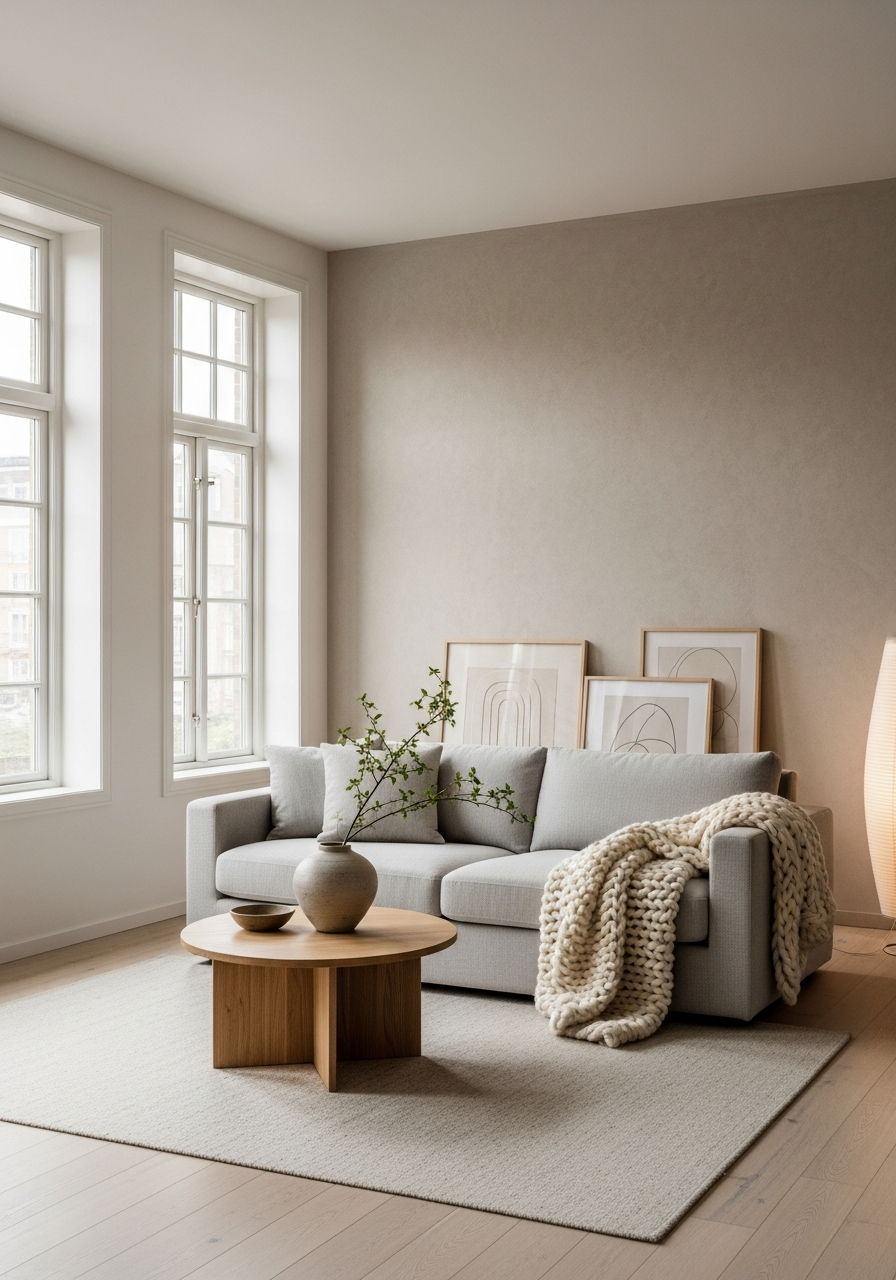
This is where japandi interior design warm textures truly come to life. Layering is key. Start with a foundation like a natural fiber jute area rug or a wool rug in a neutral tone. Add throws made from organic cotton, chunky knit wool, or textured linen over your sofa or bed. Cushions in varying textures – perhaps a raw silk next to a woven wool – add depth without adding clutter. The tactile experience is paramount, inviting you to touch and relax.
Lighting: Soft and Intentional
Beyond natural light, choose lighting fixtures that are simple and functional. Paper lanterns, ceramic lamps with diffused light, or sculptural wooden pendant lights can create a warm, ambient glow. Avoid harsh overhead lighting; instead, use multiple light sources at different levels to create layers of light.
Decluttering: Embrace Intentional Living
Before bringing in any new items, take the time to declutter. A Japandi home is free from unnecessary distractions. Embrace storage solutions that are both practical and aesthetically pleasing, such as woven baskets, minimalist shelving, or built-in cabinetry that blends seamlessly into the walls. Each item should be chosen with purpose and joy.
Accessories: Mindful Adornment
Decorate sparingly with handmade, artisanal pieces. A single, beautifully crafted ceramic vase set, a pottery bowl, or a framed piece of minimalist art can make a significant impact. Avoid excessive knick-knacks. The focus is on appreciating the beauty of individual objects and their story.
Plants: Greenery for Serenity
Incorporate plants strategically. Choose varieties with simple, elegant forms that complement the minimalist aesthetic. A tall, slender plant in a ceramic pot or a small bonsai on a side table can add life and a touch of biophilic design without overwhelming the space.
The beauty of Japandi is its adaptable nature. It’s not about strict rules, but rather a guiding philosophy that encourages mindful living and appreciation for simplicity and natural elements. By consciously integrating japandi interior design warm textures, you transform a minimalist space into one that feels deeply personal, comforting, and uniquely yours. It’s a style that transcends trends, offering enduring appeal through its dedication to peace, harmony, and thoughtful design.
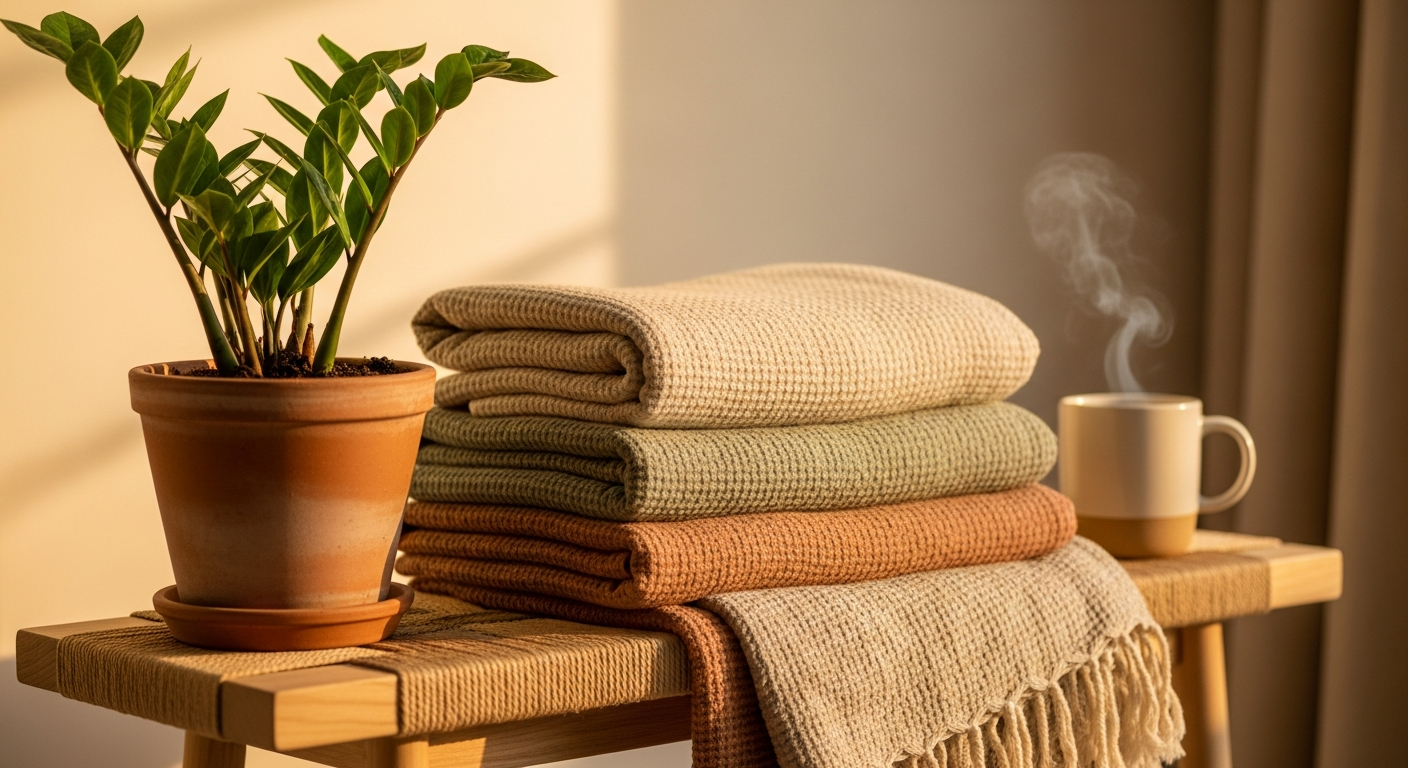
Achieve serene japandi interior design warm textures with layered natural textiles and minimalist decor.
Japandi vs. Pure Scandinavian vs. Pure Japanese: A Comparison
While Japandi draws heavily from its two parent styles, it’s distinct. Here’s a quick comparison to highlight the nuances:
| Feature | Japandi Design | Scandinavian Design | Japanese Minimalism |
|---|---|---|---|
| Aesthetics | Balanced fusion; serene, warm, refined. | Light, airy, cozy, bright. | Stark, functional, earthy, natural, wabi-sabi. |
| Color Palette | Neutrals with muted earthy tones and subtle black accents. | Predominantly whites, light greys, pastels. | Earthy tones, natural wood, black, deep greens. |
| Materials | Mix of light & dark woods, bamboo, rattan, linen, wool, ceramic, stone. Emphasizes warm textures. | Light woods (birch, pine), wool, cotton, felt, glass. | Dark woods, bamboo, rice paper, stone, ceramics, silk. |
| Furniture Style | Clean lines, low-profile, functional, sculptural pieces. | Functional, simple, often modular, light-colored woods. | Low-height, traditional forms, highly functional, natural wood. |
| Emphasis | Harmony, balance, tranquil warmth, refined imperfection. | Hygge (coziness), practicality, comfort, light. | Wabi-sabi (imperfection), mindfulness, nature, purity. |
| Vibe | Understated luxury, peaceful, grounding, inviting. | Cheerful, comfortable, welcoming, homey. | Zen, contemplative, disciplined, sparse. |
Integrating Japandi Warmth into Every Room
The beauty of Japandi lies in its versatility, allowing you to adapt its principles to any space in your home.
Living Room
Your living room is often the heart of your home, making it an ideal canvas for Japandi design. Start with a low-profile sofa in a neutral shade like off-white or light grey. Layer with an organic cotton throw blanket and a few textured cushions. A minimalist wooden coffee table and a large, natural fiber rug will ground the space. Add a few carefully chosen ceramics or a simple floor lamp with a paper shade. Ensure that any seating, such as a comfortable Japandi armchair with a wooden frame, contributes to both function and aesthetic.
Bedroom
Create a serene sleep sanctuary by focusing on natural materials and a calming palette. A platform bed made from light wood, dressed with a high-quality organic cotton duvet cover set in a muted tone, forms the centerpiece. Minimalist nightstands with simple lamps provide soft illumination. Consider a soft wool rug underfoot and sheer linen curtains to filter natural light gently. The emphasis is on comfort, quiet, and rest, with japandi interior design warm textures creating an enveloping sense of calm.
Dining Room
A solid wood dining table with clean lines, paired with simple, comfortable chairs, forms the core of a Japandi dining space. Choose tableware made from stoneware or ceramic, celebrating their natural textures and imperfections. A single, elegant pendant light above the table can create a focal point without being overly decorative. Keep decorations to a minimum – perhaps a small vase with a single branch or a simple plant.
Bathroom
Even utilitarian spaces can benefit from Japandi principles. Use natural materials like wood accents, stone tiles, and linen towels. Keep surfaces clear and clutter-free, relying on integrated storage for toiletries. A simple plant, a handmade soap dish, and a subtle scent diffuser can transform a functional bathroom into a spa-like retreat.
Maintaining Your Japandi Space: Cleaning and Care
Living with natural materials and a minimalist aesthetic also means adopting mindful maintenance. Regularly dusting and wiping down surfaces with appropriate cleaners helps preserve the beauty of your Japandi elements. For natural wood furniture, use a gentle natural wood cleaner to nourish and protect the finish. For textiles, follow care instructions to keep them looking fresh and feeling soft. The act of cleaning and maintaining your space becomes part of the mindful living experience, contributing to the overall sense of order and tranquility.
FAQs About Japandi Interior Design Warm Textures
Q1: What exactly is Japandi interior design?
A1: Japandi is a design aesthetic that fuses Japanese minimalism with Scandinavian functionality. It combines the clean lines, natural materials, and serene atmosphere of Japanese design with the warmth, comfort, and practical functionality of Scandinavian style. The result is a simple, artistic, and inviting space.
Q2: How do I incorporate warm textures into a Japandi space without making it cluttered?
A2: The key is intentionality and layering. Use a few high-quality, natural textiles like wool rugs, linen throws, and cotton cushions. Focus on materials with distinct tactile qualities – chunky knits, raw silks, woven jute – but keep the color palette subdued and cohesive. Less is more; choose one or two key textured pieces per area rather than many small ones.
Q3: What colors work best for Japandi design, especially when aiming for warmth?
A3: A base of neutral colors like off-whites, light greys, and muted beiges is essential. To add warmth, introduce earthy tones such as terracotta, sage green, dusty rose, or soft blues. Subtle black accents can provide contrast and sophistication. The overall palette should be calming and reflective of nature.
Q4: Can I mix Japandi with other design styles?
A4: While Japandi is a strong aesthetic, its minimalist and natural foundations make it surprisingly adaptable. It blends well with contemporary styles due to its clean lines, or even bohemian elements if carefully curated to maintain the sense of calm and natural connection. The crucial point is to ensure any additions don’t detract from the core principles of simplicity, functionality, and natural materials.
Q5: Is Japandi interior design sustainable?
A5: Absolutely. Sustainability is a core tenet of Japandi. It emphasizes natural, durable materials, quality craftsmanship, and a ‘buy less, buy better’ philosophy. Choosing pieces made from sustainably sourced wood, organic textiles, and handmade items reduces environmental impact and promotes a more conscious approach to consumption.
Embrace the Serene Warmth of Japandi in Your Home
Japandi is more than a design trend; it’s a philosophy for living. By embracing its principles of simplicity, functionality, and the beauty of natural materials, you can create a home that is not only visually stunning but also deeply comforting and restorative. The thoughtful integration of japandi interior design warm textures ensures that your minimalist sanctuary feels inviting and personal, a true reflection of peaceful living.
Ready to bring this harmonious blend into your own space? Start by decluttering, choosing natural materials, and carefully layering textures. You’ll soon discover the profound peace and understated elegance that Japandi design can offer. Explore our curated collections and let your journey into serene living begin.