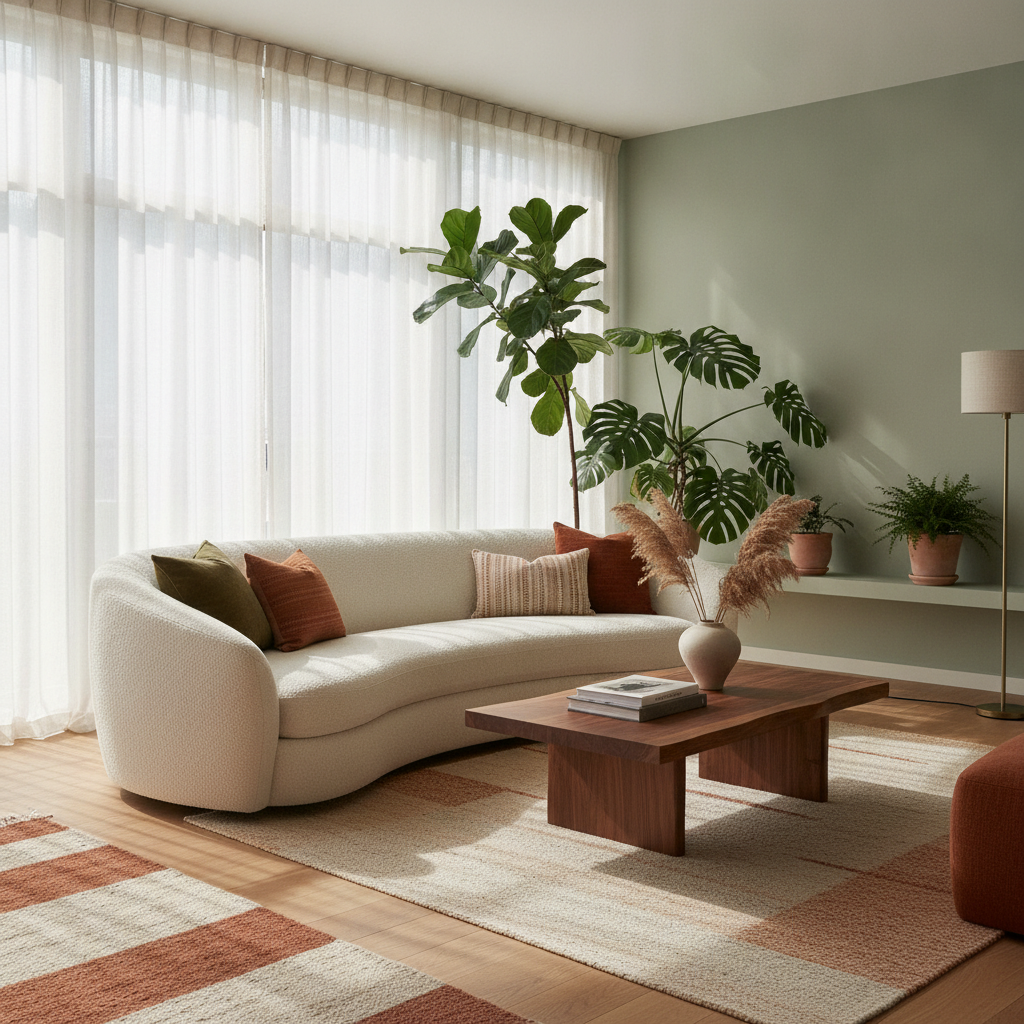
Biophilic Bliss: Bringing Nature-Inspired Sofa Designs into Your 2026 Home
As we look ahead to 2026, the concept of home is evolving beyond mere shelter. It’s becoming a sanctuary, a refuge from the digital din, and a space where well-being takes center stage. At the heart of this transformation lies biophilic design—an approach that integrates nature into our built environments. And what better place to start than with the very soul of your living room: the sofa?
Forget sterile, disconnected spaces. The future is vibrant, alive, and deeply connected to the natural world. Embracing biophilic sofa design is more than just a trend; it’s a conscious choice to enhance your comfort, reduce stress, and cultivate a sense of peace in your everyday life. Let’s dive into how you can infuse your home with this nature-inspired magic.
What is Biophilic Design, Anyway?
Before we explore the sofas, let’s understand the philosophy. Biophilia, a term popularized by Harvard naturalist E.O. Wilson, suggests that humans possess an innate tendency to connect with nature and other living systems. Biophilic design translates this tendency into architectural and interior spaces, aiming to satisfy our primal need for nature within our homes and workplaces.
It’s not just about adding a few potted plants; it’s about incorporating natural light, organic forms, natural materials, and patterns reminiscent of nature into the very fabric of our design. The benefits are profound: increased cognitive function, improved mood, reduced stress levels, and enhanced overall well-being. Imagine experiencing these benefits simply by sitting on your sofa!
Why Biophilic Sofa Design is Essential for a 2026 Nature-Inspired Living Room
Your living room sofa is often the largest piece of furniture, making it a focal point and a significant design statement. In 2026, as sustainability and wellness continue to drive design choices, the biophilic sofa emerges as a cornerstone of the modern home. It’s not just a place to sit; it’s a piece of nature, thoughtfully crafted to bring tranquility and organic beauty indoors.
A nature-inspired living room isn’t complete without a sofa that embodies these principles. These aren’t just beige couches; they are pieces designed with intent, mimicking the gentle curves of a river, the sturdy strength of an oak, or the soft texture of moss. They invite relaxation, reflection, and connection, grounding your space in the restorative power of nature.
Key Elements of a Biophilic Sofa Design
Identifying a biophilic sofa goes beyond a green cushion. It involves a holistic consideration of its form, materials, color, and even its ethical footprint.
Organic Shapes and Forms
Unlike rigid, angular designs, biophilic sofas often feature soft, flowing lines and asymmetrical shapes that mimic natural contours. Think of sofas with gentle curves, rounded edges, and sinuous forms that feel less manufactured and more organically grown. These shapes are inherently more inviting and less imposing, creating a harmonious flow within the room. A curved sectional sofa, for instance, can mimic the bend of a river.
Natural Materials
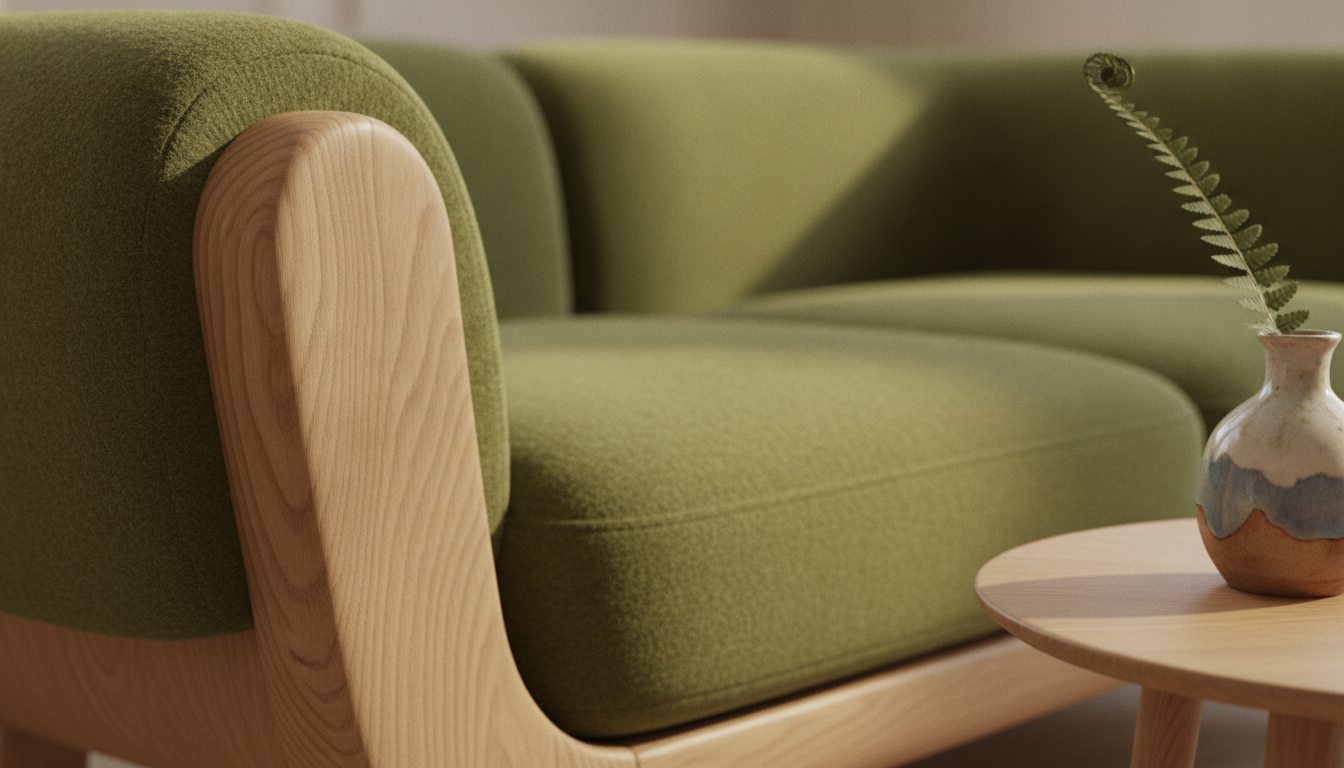
The materials chosen are paramount. Biophilic designs prioritize natural, renewable, and often unprocessed materials. This includes solid wood frames (oak, walnut, ash), rattan or bamboo accents, and upholstery made from linen, cotton, wool, hemp, or jute. These materials not only connect us to nature through their origin but also offer unique textures and breathability that synthetic fabrics often lack. Imagine the tactile pleasure of a sofa upholstered in soft, pure linen blend fabric.
Earthy Color Palettes
The color scheme draws directly from nature. Dominant hues include muted greens (sage, olive, forest), soothing blues (sky, ocean, river), warm browns (bark, soil, wood), soft grays (stone, cloud), and creamy neutrals (sand, mist). These colors create a calming, balanced environment, evoking the serene landscapes we instinctively seek. They are gentle on the eyes and contribute to a sense of peace and groundedness.
Textural Richness
Nature is full of varied textures—rough bark, smooth pebbles, soft moss, gritty sand. Biophilic sofas incorporate this richness through woven fabrics, natural fibers with visible weaves, plush wool, and even subtly textured wood finishes. This tactile variety engages our senses, making the sofa not just a visual anchor but a sensory experience.
Sustainable and Ethical Sourcing
Beyond aesthetics, true biophilic design considers the planet. Look for sofas made from sustainably harvested woods, organic fabrics, and non-toxic finishes. Brands committed to ethical labor practices and minimal environmental impact align perfectly with the core values of biophilia, ensuring your beautiful sofa is also kind to the earth.
Choosing Your Perfect Biophilic Sofa: A Buyer’s Guide
Selecting a biophilic sofa involves more than just liking its look. Consider the following to ensure it’s the right fit for your home and lifestyle:
- Space and Scale: Measure your living room carefully. A large, curving sectional might be perfect for an open-plan space, while a smaller, organic loveseat could suit a cozy nook.
- Existing Decor Harmony: While a biophilic sofa can be a statement piece, ensure its colors and materials complement your existing furniture and decor, or plan to update other elements to match.
- Lifestyle Needs: Do you have pets or children? Natural fabrics like linen or cotton can be durable but may require more diligent cleaning. Consider washable slipcovers or stain-resistant natural blends.
- Budget: Biophilic sofas, especially those made with high-quality natural materials and sustainable practices, can be an investment. View it as a long-term piece that contributes to your well-being.
- Comfort: Ultimately, a sofa must be comfortable. Test different firmness levels and cushion types to find what feels right for you.
Top Biophilic Sofa Designs for Your Nature-Inspired Living Room
Here are a few examples of biophilic sofa designs that embody these principles, helping you envision the perfect piece for your home:
| Sofa Model | Key Features | Ideal Setting | Explore on Amazon |
|---|---|---|---|
| The Willow Weave Sofa | Curved silhouette, natural rattan accents, linen-blend upholstery in sage green. | Cozy reading nook, sunroom, smaller living spaces. | Rattan Accent Sofa |
| Forest Embrace Sectional | Deep, plush seats, organic modular pieces, solid oak frame, wool upholstery in forest blue or deep earth brown. | Spacious living rooms, open-plan homes, family-friendly spaces. | Organic Modern Sectional |
| Riverstone Chaise Lounge | Smooth, pebble-like curves, low profile, textured cotton fabric in stone gray or sand, hidden storage. | Contemporary biophilic spaces, minimalist interiors, serene relaxation areas. | Curved Chaise Lounge |
| Mountain Moss Loveseat | Compact design, robust solid wood base, soft moss-green velvet (eco-friendly blend), subtle tufting. | Small apartments, entryways, secondary seating areas. | Green Velvet Loveseat |
Integrating Your Biophilic Sofa into a Nature-Inspired Living Room
A biophilic sofa doesn’t exist in isolation. To truly create a nature-inspired living room, you need to surround it with complementary elements that amplify its organic charm.
Complementary Furniture
Pair your biophilic sofa with furniture crafted from natural materials. A solid wood coffee table with live edges, or side tables made from reclaimed wood or natural stone, can enhance the organic aesthetic. Avoid overly glossy or metallic finishes that can detract from the natural feel.
Lush Greenery
This is perhaps the most obvious, yet crucial, element. Incorporate a variety of indoor plants. Large, statement plants like a Monstera deliciosa or a Fiddle Leaf Fig can create focal points, while smaller plants on shelves or side tables add texture and color. Consider hanging plants or living walls for a true immersion in nature. The presence of living organisms not only purifies the air but also visually connects us to the outdoors.
Natural Textiles
Layering natural textiles is key to enhancing comfort and texture. Drape a chunky wool knit throw blanket over your sofa, add scatter cushions in linen or cotton with organic patterns, and anchor the space with a large jute area rug or a soft, undyed wool rug. These natural fibers contribute to both the visual and tactile richness of your living room.
Ambient Lighting
Mimic natural light whenever possible. Opt for sheer curtains to allow natural light to flood in, and supplement with soft, diffused artificial lighting in the evenings. Dimmers are excellent for adjusting the mood. Table lamps with ceramic bases and linen shades can cast a warm, inviting glow, avoiding harsh overhead lighting.
Artwork and Decor
Adorn your walls with nature-inspired art—landscapes, botanical prints, or abstract pieces that evoke natural forms and colors. Ceramic vases, wooden sculptures, and woven baskets can add an artisanal, earthy touch. Focus on handmade items that celebrate natural imperfections.
Care and Maintenance for Your Nature-Inspired Sofa
Natural materials, while beautiful and sustainable, often require specific care to maintain their integrity and appearance.
- Fabric Care: For linen, cotton, or wool upholstery, regular vacuuming with an upholstery attachment will prevent dust and dirt buildup. For spills, blot immediately with a clean, damp cloth. Always refer to the manufacturer’s cleaning instructions. For general cleaning, consider an eco-friendly natural fabric upholstery cleaner.
- Wood Elements: If your sofa has exposed wood frames or accents, dust regularly with a soft cloth. For a deeper clean, use a wood-specific cleaner or polish. Avoid harsh chemicals that can strip the finish. A good quality natural wood polish can keep it looking its best.
- Sun Exposure: Natural fabrics can fade over time with direct, prolonged sun exposure. Consider positioning your sofa away from direct sunlight or using UV-blocking window treatments.
- Professional Cleaning: Depending on the fabric and wear, an annual professional cleaning can help extend the life and vibrancy of your biophilic sofa.
Frequently Asked Questions About Biophilic Sofa Design
Q: What is biophilic design in simple terms?
A: Biophilic design is an approach to interior and architectural design that incorporates elements of nature into man-made spaces to improve human health and well-being. It’s about bringing the outside in to satisfy our innate desire to connect with nature.
Q: How do I make my living room more nature-inspired?
A: Start with natural materials (wood, stone, natural fabrics), a calming color palette (greens, blues, browns), ample natural light, and plenty of indoor plants. Incorporate organic shapes, natural textures, and nature-themed artwork. A nature-inspired sofa is an excellent centerpiece.
Q: What colors are considered biophilic?
A: Biophilic colors are those found in nature: various shades of green, blue, brown, beige, cream, and soft grays. These colors create a serene, calming, and grounding atmosphere, mimicking natural landscapes and skies.
Q: Are biophilic sofas sustainable?
A: Ideally, yes. True biophilic sofa design emphasizes the use of natural, renewable, and sustainably sourced materials (like FSC-certified wood, organic cotton, recycled content) and ethical manufacturing processes. It’s about being kind to both people and the planet.
Q: Can I mix modern and biophilic elements?
A: Absolutely! Many contemporary designs seamlessly integrate biophilic principles. You can combine sleek, minimalist lines with organic materials, soft curves, and natural textures. The key is balance and intentionality, ensuring the natural elements soften and enrich the modern aesthetic, creating an organic modern look.
Conclusion: Embrace the Serenity of Nature in Your Home
As we navigate the complexities of modern life, our homes stand as vital havens. By embracing biophilic sofa design, you’re not just choosing a piece of furniture; you’re investing in a lifestyle that prioritizes well-being, sustainability, and a profound connection to the natural world. Your living room in 2026 can be more than just a place to relax; it can be a source of calm, inspiration, and renewed energy.
So, take a deep breath, envision the gentle curves, feel the natural textures, and welcome the restorative power of nature into your home. Your future self will thank you for creating a space of true biophilic bliss.