Future-Forward Comfort: Exploring the Rise of Mycelium and Bio-Synthetics in 2026 Sofa Design
The living room, once a static space defined by traditional materials, is undergoing a profound transformation. As we look towards 2026, the demand for truly sustainable and eco-conscious home furnishings is not just a niche trend – it’s a foundational shift. Consumers are increasingly aware of the environmental footprint of their purchases, and this awareness is driving unprecedented innovation in sofa design and material science. Enter mycelium and bio-synthetics: two groundbreaking frontiers that are poised to redefine comfort, durability, and sustainability in your home.
Forget everything you thought you knew about sofa construction. The future isn’t just about recycled plastics; it’s about harnessing nature’s own engineering prowess and developing revolutionary materials that don’t compromise on style, comfort, or planetary health. This comprehensive guide will delve deep into the world of sustainable sofa materials 2026, exploring how mycelium and various bio-synthetics are set to shape the next generation of furniture, offering beauty without the environmental burden.
The Green Revolution in Living Rooms: Why Sustainability Matters More Than Ever
For decades, the furniture industry has relied heavily on resource-intensive processes and materials like virgin timber, petroleum-derived foams, and synthetic fabrics. The environmental costs are staggering: deforestation, chemical pollution, massive energy consumption, and an ever-growing landfill problem. Traditional sofa manufacturing often contributes to carbon emissions, habitat destruction, and the accumulation of non-biodegradable waste.
However, a new consciousness has emerged. Consumers are not only seeking aesthetically pleasing and comfortable pieces but also ones that align with their values. This escalating demand for eco-friendly alternatives is pushing manufacturers to innovate, fostering a green revolution in the living room. The focus for sustainable sofa materials 2026 is squarely on circular economy principles – materials that are renewable, recyclable, biodegradable, and produced with minimal environmental impact.
Mycelium: Nature’s Own Architects for Your Sofa
Imagine a sofa that literally grows. That’s the fascinating promise of mycelium. Often mistaken for fungi, mycelium is actually the intricate, root-like structure of mushrooms. It forms a vast, branching network of threads that colonize organic substrates, digesting nutrients and binding particles together. Scientists and designers are now harnessing this incredible biological material to create a diverse range of products, including packaging, building insulation, and increasingly, furniture components.
What is Mycelium?
At its core, mycelium is a naturally occurring, self-assembling biological composite. It consists of chitin, a tough polymer also found in insect exoskeletons, which gives it remarkable strength and resilience. When fed agricultural waste products like corn husks or wood chips, mycelium grows rapidly, binding the substrate into a lightweight, durable, and naturally fire-resistant material. Once the growth is complete, the material is dried and heat-treated to stop further growth and enhance its structural integrity.
The Benefits of Mycelium-Based Sofas
- Unparalleled Sustainability: Mycelium grows on agricultural waste, requires minimal energy, water, and land, and is entirely biodegradable at the end of its life cycle. This dramatically reduces waste and reliance on virgin resources.
- Lightweight & Strong: Despite its organic origins, mycelium composites are surprisingly robust, offering excellent structural support for sofa frames and internal components. Their lightweight nature also reduces shipping costs and emissions.
- Natural Properties: Mycelium naturally exhibits impressive fire resistance and insulative qualities, potentially reducing the need for chemical flame retardants and contributing to energy efficiency in homes.
- Unique Aesthetics: The natural texture and appearance of mycelium can lend a unique, earthy, and organic aesthetic to sofa designs, appealing to those seeking a connection with nature.
- Biodegradability: Unlike petroleum-based foams and plastics, mycelium components can be composted, returning nutrients to the earth rather than occupying landfills for centuries.
Challenges and Innovations
While the potential is vast, mycelium technology for large-scale furniture production is still evolving. Challenges include achieving consistent density and strength across larger components, optimizing growth conditions for industrial scale, and developing cost-effective manufacturing processes. However, research and development are rapidly progressing, with companies investing heavily in overcoming these hurdles. By 2026, we anticipate seeing mycelium not just as a niche material, but as a viable and competitive option for various sofa elements, from internal frames to innovative cushioning and even upholstery backings.
Bio-Synthetics: Engineering Comfort with a Conscience
Beyond the living fungal network, another powerful category of sustainable sofa materials 2026 is bio-synthetics. This broad term encompasses a range of engineered materials derived from renewable biological resources, recycled content, or designed for enhanced biodegradability. They offer the performance characteristics of traditional synthetics but with a significantly reduced environmental footprint.
Demystifying Bio-Synthetics
Bio-synthetics are not a single material but a spectrum of innovations. They include:
- Plant-Based Polymers (Bioplastics): Materials like Polylactic Acid (PLA) derived from corn starch, sugarcane, or other biomass. These can be used for internal components, foams, and even spun into fibers for upholstery.
- Recycled Content Fabrics: Textiles made from post-consumer recycled PET (plastic bottles), recycled cotton, or other reclaimed fibers. These divert waste from landfills and reduce the demand for new resource extraction. A Recycled Fabric Sofa can be incredibly durable and stylish.
- Natural Fiber Blends: Innovations in spinning and weaving natural fibers like organic cotton, linen, hemp, and Tencel (Lyocell, derived from eucalyptus wood pulp) to create durable, comfortable, and breathable upholstery that rivals conventional synthetics. Consider an Organic Cotton Sofa for soft, natural comfort.
- Bio-Based Foams: Polyurethane foams partially derived from plant-based oils (soy, castor bean) rather than 100% petroleum. These reduce reliance on fossil fuels and often emit fewer VOCs (volatile organic compounds).
Advantages for Sofa Design
Bio-synthetics bring a wealth of benefits to sofa design:
- Versatility & Performance: They can be engineered to mimic the feel and performance of traditional materials, offering properties like stain resistance, breathability, softness, and durability.
- Reduced Environmental Impact: By utilizing renewable resources or recycled content, bio-synthetics decrease reliance on finite fossil fuels, lower energy consumption during production, and reduce waste.
- Hypoallergenic & Safer: Many bio-synthetics are inherently less prone to off-gassing harmful chemicals, contributing to improved indoor air quality.
- Design Flexibility: They can be dyed in a vast array of colors, woven into diverse textures, and molded into complex shapes, providing designers with immense creative freedom.
A Look at Promising Bio-Synthetic Materials
- Recycled PET Fibers: From discarded plastic bottles to luxurious upholstery, recycled PET is a marvel of circularity. It’s durable, stain-resistant, and surprisingly soft.
- Piñatex: An innovative leather alternative made from cellulose fibers extracted from pineapple leaves, a byproduct of the pineapple harvest. It offers a sustainable, cruelty-free option for accents or full upholstery.
- Tencel/Lyocell: Derived from sustainably managed eucalyptus forests, Tencel is known for its incredible softness, breathability, and moisture-wicking properties, making it ideal for plush sofa covers. A Tencel Fabric Sofa offers luxurious feel with eco-friendly benefits.
- Hemp & Linen Blends: These ancient fibers are making a modern comeback. Hemp is incredibly durable, grows with minimal water and pesticides, and improves soil health. Linen, from flax, is strong, breathable, and naturally resistant to pilling. A Linen Sofa brings natural elegance.
The Synergistic Future: Mycelium, Bio-Synthetics, and Beyond
The real power of sustainable sofa materials 2026 lies not just in individual innovations, but in their potential to be combined. Imagine a sofa with a mycelium-grown frame, bio-based foam cushioning, and an upholstery fabric woven from recycled PET and Tencel. This holistic approach to sustainability considers every component of the sofa, from the inside out.
Beyond the core materials, designers are also focusing on other eco-friendly elements. This includes using natural latex for cushioning (a renewable resource), formaldehyde-free plywood or reclaimed wood for structural elements, and water-based, non-toxic adhesives and finishes. The goal is to create truly circular products that, at the end of their long life, can be easily disassembled, recycled, or composted, leaving minimal trace.
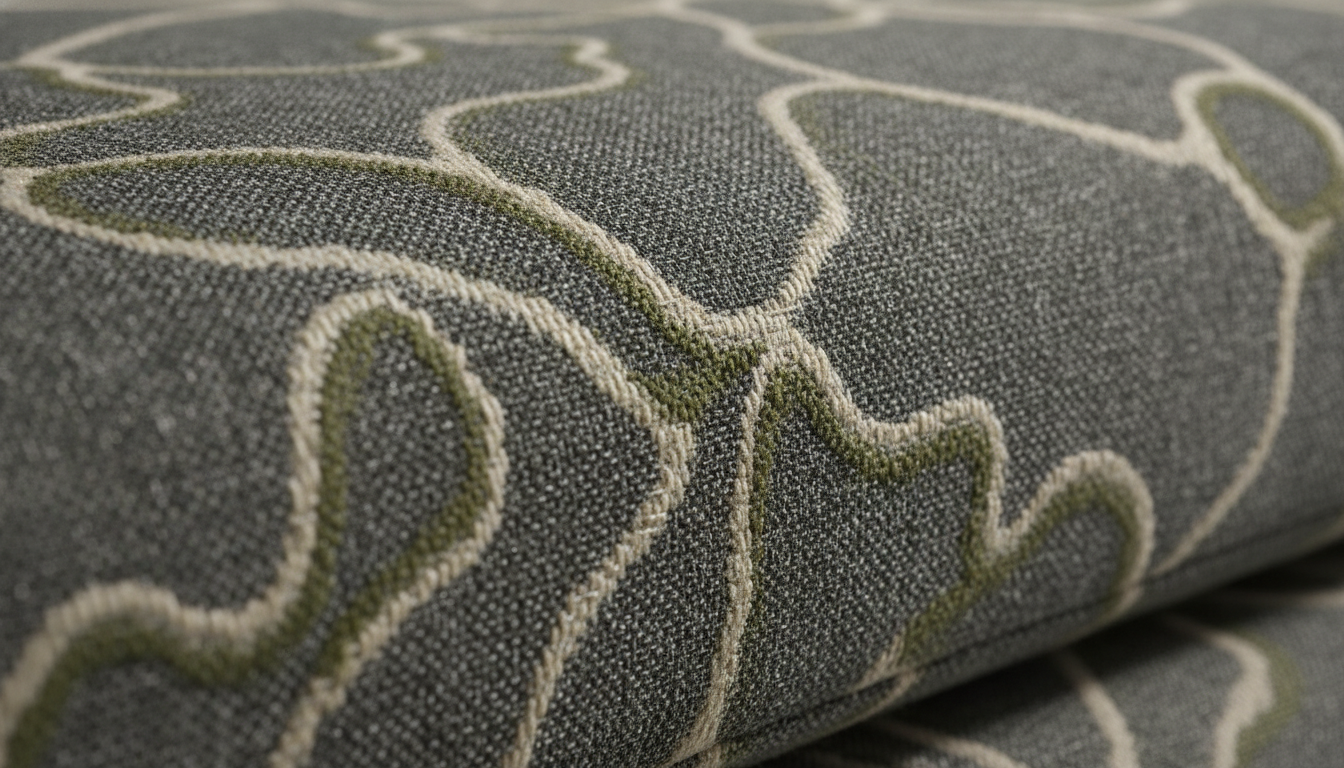
Comparing Tomorrow’s Comfort: Sustainable Sofa Material Showcase
As we envision the living rooms of 2026, here’s a hypothetical look at how cutting-edge sustainable sofa materials might stack up:
| Material Category | Key Benefits | Durability | Feel/Texture | Sustainability Score (1-5) | Estimated Cost (Relative) |
|---|---|---|---|---|---|
| Mycelium Composite (Frame/Base) | Ultra-lightweight, biodegradable, natural fire resistance | High (structural) | Rigid, earthy, organic aesthetic | 5/5 | Moderate to High (initial) |
| Bio-Based Foam (Cushioning) | Reduced petroleum use, lower VOCs, supportive | High | Soft, resilient, traditional foam feel | 4/5 | Moderate |
| Recycled PET Fabric (Upholstery) | Diverts waste, stain-resistant, highly durable | Very High | Smooth to textured, soft hand-feel | 4/5 | Moderate |
| Tencel/Hemp Blend (Upholstery) | Renewable, breathable, luxurious feel, strong | High | Silky smooth, soft, naturally elegant | 5/5 | Moderate to High |
| Natural Latex (Cushioning) | Renewable, hypoallergenic, durable, breathable | Very High | Bouncy, supportive, conforms well | 4/5 | High |
To experience similar sustainable comfort today, consider exploring options like an eco-friendly natural latex mattress, which shares many of the benefits of latex sofa cushioning.
Navigating the 2026 Sustainable Sofa Market: What to Look For
As these innovative materials become more mainstream by 2026, how can you ensure you’re making a truly sustainable choice? Here are key considerations:
- Certifications: Look for independent third-party certifications like GOTS (Global Organic Textile Standard) for organic fabrics, Oeko-Tex Standard 100 for textiles tested for harmful substances, or GREENGUARD Gold for low chemical emissions. These provide assurance of environmental and health standards.
- Transparency & Traceability: Reputable brands will be open about their supply chains, material sourcing, and manufacturing processes. Ask questions about where materials come from and how they are processed.
- Longevity & Repairability: A truly sustainable sofa is one that lasts. Look for robust construction, modular designs that allow for easy replacement of worn parts, and removable, washable covers. The longer a sofa remains in use, the smaller its environmental footprint.
- End-of-Life Plan: Inquire if the manufacturer offers take-back programs or guidance on how to responsibly recycle or compost components at the end of the sofa’s life.
FAQs: Your Questions About Sustainable Sofas Answered
What are sustainable sofa materials?
Sustainable sofa materials are those produced with minimal environmental impact, often derived from renewable, recycled, or rapidly biodegradable resources. This includes materials like mycelium, bio-synthetics (e.g., recycled PET, PLA, Tencel), natural latex, organic cotton, hemp, and reclaimed wood.
Are mycelium sofas durable?
Yes, mycelium composites exhibit remarkable strength and durability, making them suitable for structural components like sofa frames. They can be engineered to be lightweight yet robust, offering comparable or even superior performance to traditional materials in certain applications. Research is ongoing to enhance their properties for widespread use.
Are bio-synthetic sofas comfortable?
Absolutely. Bio-synthetics are engineered to provide excellent comfort. Materials like Tencel offer a luxurious, soft feel, while bio-based foams can provide the same supportive and resilient cushioning as their conventional counterparts, often with added benefits like improved breathability and reduced off-gassing. For enhanced support and comfort in your living room, consider a memory foam seat cushion.
How expensive are sustainable sofas?
Currently, innovative sustainable sofas can sometimes have a higher upfront cost due to research and development, specialized manufacturing processes, and premium eco-friendly materials. However, as technology scales and demand grows towards 2026, prices are expected to become more competitive. Moreover, their extended lifespan and environmental benefits often provide better long-term value.
Where can I buy sustainable sofas in 2026?
By 2026, expect to find sustainable sofas made with mycelium and advanced bio-synthetics from a growing number of forward-thinking furniture brands, both online and in physical showrooms. Many direct-to-consumer brands are already prioritizing sustainability. Look for brands that are transparent about their materials and production processes.
The future of furniture is exciting, innovative, and deeply connected to our planet’s well-being. The rise of mycelium and bio-synthetics in sofa design represents a pivotal moment, offering us the chance to furnish our homes with pieces that are not only beautiful and comfortable but also truly restorative for the environment. By embracing these sustainable sofa materials 2026, we can all contribute to a greener, healthier future, one comfortable living room at a time.