Sculptural Sanctuary: Embracing Organic Shapes and Architectural Forms in 2026 Sofa Design
In an increasingly fast-paced and digitized world, our homes have become more than just shelters; they are sanctuaries, havens for rest, reflection, and rejuvenation. As we look towards 2026, the evolution of interior design continues to prioritize comfort, well-being, and a deep connection to nature. This ethos is nowhere more evident than in the realm of sofa design, where a profound shift towards organic shapes and sculptural forms is redefining modern living spaces. Gone are the days of rigid lines and stark angles; the future embraces fluidity, softness, and a harmonious blend of art and comfort.
The concept of the ‘organic sofa design 2026’ isn’t just a fleeting trend; it’s a movement towards more thoughtful, human-centered design. It speaks to a desire for furniture that not only serves its functional purpose but also evokes emotion, inspires calm, and stands as a piece of art in its own right. Imagine furniture that feels like it has been sculpted by natural forces—wind, water, or the gentle erosion of time—resulting in pieces that are inherently inviting, ergonomic, and visually compelling.
What Defines Organic Sofa Design?
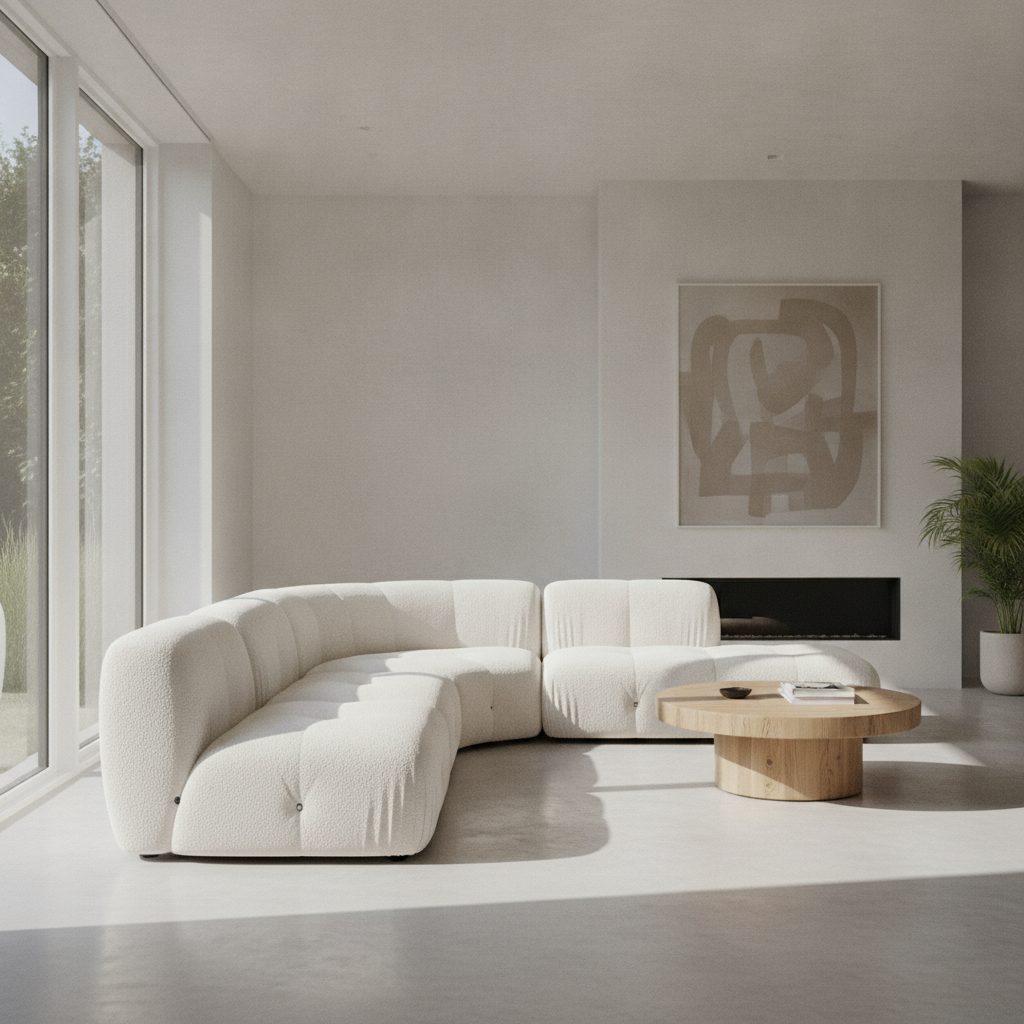
At its core, organic sofa design is characterized by its departure from conventional geometric rigidity. Instead of sharp corners and straight edges, these sofas feature gentle curves, undulating lines, and a profound sense of natural fluidity. The inspiration often comes from the natural world: the smooth contours of a river stone, the soft undulations of a cloud, or the sweeping lines of a dune. This approach creates a sense of continuous flow, drawing the eye effortlessly around the piece and fostering a serene, unhurried atmosphere.
Beyond mere aesthetics, organic design champions comfort and ergonomics. The forms are often shaped to cradle the body, providing support and softness that invites relaxation. There’s an inherent softness not only in the visual lines but also in the tactile experience, often achieved through sumptuous, inviting fabrics and generous padding. It’s about creating furniture that feels as good as it looks, blurring the lines between functional object and comforting embrace.
The Rise of Sculptural Forms in Modern Living
Parallel to the embrace of organic shapes is the increasing prominence of sculptural forms. In 2026, sofas are not just places to sit; they are focal points, conversation starters, and artistic statements. This trend sees furniture designers drawing inspiration from modern art, architecture, and even abstract sculpture, transforming everyday seating into masterpieces that challenge conventional notions of form and function. These sculptural pieces often stand alone, commanding attention with their unique silhouettes and material choices, elevating the entire room’s aesthetic.
The blend of organic fluidity with sculptural gravitas creates a fascinating duality. A sofa might have the soft, natural curves of a pebble, yet its sheer scale or unexpected form gives it the powerful presence of a modern sculpture. This trend reflects a broader cultural shift where consumers seek unique, personalized items that tell a story and add character to their living spaces, moving away from mass-produced uniformity towards distinctive, artisanal quality.
Key Characteristics of 2026 Organic Sofas
Fluid Silhouettes and Gentle Curves
The hallmark of the 2026 organic sofa is undoubtedly its fluid silhouette. Think of sofas that eschew sharp 90-degree angles in favor of sweeping, continuous curves. These can manifest as subtly rounded armrests, gently sloping backrests, or entirely curvilinear frames that seem to melt into the floor. This softness creates an inviting visual appeal, reducing the harshness often associated with more traditional or minimalist designs. The goal is to create a visual and tactile experience that is soft, soothing, and utterly comfortable.
Biophilic Integration
Biophilia—the innate human tendency to connect with nature—is a driving force behind organic sofa design. These sofas often feel as though they belong in a natural landscape, fostering a sense of calm and connection to the outdoors, even within an urban setting. This isn’t just about mimicry of natural forms but also about promoting well-being. By bringing elements that resonate with our natural instincts indoors, organic sofas contribute to a more harmonious and stress-reducing environment. Pairing these sofas with natural light, indoor plants, and views of nature further amplifies this biophilic connection.
Sustainable Materials at the Core
The organic design philosophy extends beyond shape to the materials themselves. Sustainability is no longer an option but a core principle. In 2026, organic sofas are increasingly crafted from: