The Eco-Luxe Revolution: Sustainable Sofa Materials Dominating 2026 Interiors
Welcome to the future of home furnishings, where luxury no longer comes at the Earth’s expense. The interior design world is in the midst of a profound transformation, and at its heart lies the eco-luxe revolution. As we cast our gaze towards 2026, it’s clear that sustainable sofa trends are not just a passing fad but a foundational shift in how we conceive, create, and consume furniture. Gone are the days when ‘eco-friendly’ meant sacrificing style or comfort; today, it embodies cutting-edge design, unparalleled durability, and a deep commitment to environmental stewardship.
For too long, the furniture industry has been a significant contributor to waste and resource depletion. However, increasing consumer awareness, coupled with innovative advancements in material science and manufacturing processes, is ushering in a new era. The focus for 2026 is squarely on sofas that tell a story – a story of responsible sourcing, ethical production, and a minimal ecological footprint. This comprehensive guide will delve into the pioneering materials, design philosophies, and purchasing considerations that define the sustainable sofa trends 2026, ensuring your living space is both exquisitely stylish and genuinely green.
Why Sustainability Matters More Than Ever in 2026
The urgency of climate change and environmental degradation has never been more apparent. Consumers are increasingly scrutinizing the origins and life cycles of their purchases, and furniture is no exception. In 2026, sustainability is not a niche preference; it’s a mainstream expectation. Buyers are demanding transparency from brands, seeking out products that align with their values, and investing in pieces designed to last rather than be replaced. This shift is driven by:
- Environmental Impact: From deforestation for frames to microplastic pollution from synthetic fabrics and chemical emissions from manufacturing, traditional sofa production has a heavy environmental toll. Sustainable alternatives mitigate these harms.
- Health and Well-being: Eco-friendly sofas often feature non-toxic materials, free from harmful VOCs (Volatile Organic Compounds) and flame retardants, contributing to healthier indoor air quality for your family.
- Ethical Production: The movement towards sustainability often goes hand-in-hand with fair labor practices and responsible supply chains, ensuring that every person involved in creating your sofa is treated ethically.
- Long-Term Value: Sustainable sofas are typically built with durability in mind, using high-quality, resilient materials. This translates to a longer lifespan, reducing the need for frequent replacements and ultimately saving money and resources.
Top Sustainable Sofa Materials Redefining Comfort and Style
The innovation in sustainable materials is breathtaking. Here are the front-runners dominating sustainable sofa trends 2026, offering both aesthetic appeal and environmental integrity:
Recycled and Upcycled Fabrics: Giving Waste a Second Life
Perhaps one of the most exciting developments is the transformation of waste into luxurious textiles. Recycled and upcycled fabrics are at the forefront of this movement, offering diverse textures and vibrant colors without depleting new resources.
- Recycled PET Fabrics: Once plastic bottles, now soft, durable, and stain-resistant upholstery. Advancements mean these fabrics no longer feel rough but can mimic the luxuriousness of velvet or chenille. Look for a high-quality Recycled Fabric Sofa to start your eco-journey.
- Upcycled Natural Fibers: Scraps from the textile industry, like denim or cotton, are collected, re-spun, and woven into new, unique fabrics, often with a distinctive, artisanal look.
Natural Fibers with a Conscience: Organic and Regenerative
Harking back to nature, these fibers are grown with minimal environmental impact, often promoting soil health and biodiversity.
- Organic Cotton and Linen: Cultivated without harmful pesticides or synthetic fertilizers, organic cotton and linen offer breathability, softness, and natural elegance. They are excellent choices for upholstery that feels as good as it looks. Consider an Organic Cotton Sofa for ultimate comfort.
- Hemp: Exceptionally durable, fast-growing, and requiring little water or pesticides, hemp is a sustainable superstar. Its fibers can be woven into strong, long-lasting fabrics that soften beautifully over time.
- Tencel™ Lyocell: Derived from sustainably sourced wood pulp, Tencel is known for its incredible softness, breathability, and moisture-wicking properties. Its closed-loop production process minimizes water and chemical use, making it an eco-friendly marvel.
Innovative Plant-Based Leathers: Cruelty-Free and Earth-Friendly
For those who love the look and feel of leather but seek ethical and sustainable alternatives, the new generation of plant-based leathers is a game-changer.
- Piñatex (Pineapple Leather): Made from cellulose fibers extracted from pineapple leaves, Piñatex offers a durable, flexible, and visually appealing material that mimics traditional leather.
- Mushroom Leather (Mycelium-based): Grown from fungi, mycelium leather is incredibly sustainable, requiring minimal resources and often being fully biodegradable. It’s an emerging technology with vast potential.
- Cactus Leather: Harvested from nopal cactus leaves, this material is soft, breathable, and highly durable, requiring very little water and no harmful chemicals in its production. A Vegan Leather Sofa made from these materials is both stylish and ethical.
Sustainably Sourced Wood Frames: The Backbone of Your Sofa
The structural integrity of a sofa begins with its frame. Sustainable options prioritize responsible forestry and renewable resources.
- FSC-Certified Wood: The Forest Stewardship Council (FSC) certification ensures that wood is sourced from responsibly managed forests that provide environmental, social, and economic benefits. Look for an FSC-Certified Wood Sofa for peace of mind.
- Bamboo: A rapidly renewable resource, bamboo boasts impressive strength and flexibility, making it an excellent, eco-conscious choice for sofa frames.
Eco-Friendly Fillings and Cushions: Comfort Without Compromise
What’s inside your sofa is just as important as what’s outside. Sustainable fillings offer comfort and support without harmful chemicals or unsustainable materials.
- Natural Latex: Derived from rubber trees, natural latex is durable, hypoallergenic, breathable, and naturally resistant to dust mites and mold. It provides excellent support and bounce. You can find Natural Latex Cushion Filling for a truly eco-conscious build.
- Recycled Foam: Made from repurposed foam scraps, this option diverts waste from landfills and offers comfortable support.
- Feather/Down Alternatives: Sustainable options include kapok fiber (a natural, silken fiber from the kapok tree) or recycled synthetic fibers that mimic the loft and softness of down.
The Craftsmanship Behind Eco-Luxe Sofas: Beyond Materials
Sustainability in 2026 extends far beyond just the raw materials. It encompasses the entire lifecycle of the sofa, from design to disposal. Eco-luxe brands are focusing on several key areas:
- Ethical Manufacturing: Ensuring fair wages, safe working conditions, and minimal waste throughout the production process.
- Durability and Repairability: Sofas are designed to last decades, often with modular components that can be repaired or replaced, extending their lifespan and reducing landfill waste.
- Circular Economy Principles: Brands are increasingly taking responsibility for their products at the end of their life, offering take-back programs, recycling services, or guiding customers on how to properly dispose of or repurpose their sofa.
- Non-Toxic Finishes: Using water-based glues, natural dyes, and finishes free from harmful chemicals.
Navigating the Market: What to Look for in a Sustainable Sofa
With the rise of sustainable options, it’s important to know how to identify genuinely eco-friendly products. Here’s what to look for:
- Certifications: Keep an eye out for reputable third-party certifications such as:
- FSC (Forest Stewardship Council): For wood frames.
- GOTS (Global Organic Textile Standard): For organic cotton and other natural fibers.
- Oeko-Tex Standard 100: Ensures textiles are free from harmful substances.
- GREENGUARD Gold: Certifies products with low chemical emissions.
- Transparency: Reputable sustainable brands will be upfront about their material sourcing, manufacturing processes, and labor practices. Look for detailed information on their websites.
- Longevity and Warranty: A truly sustainable sofa is built to last. Check for robust construction, high-density fillings, and a solid warranty that reflects the brand’s confidence in its product’s durability.
- Modular Design: Some sustainable sofas feature modular designs, allowing you to reconfigure them or replace individual worn-out sections rather than the entire piece.
2026’s Aesthetic: Style Meets Sustainability
The aesthetic accompanying sustainable sofa trends 2026 is one of understated elegance and natural beauty. Expect to see:
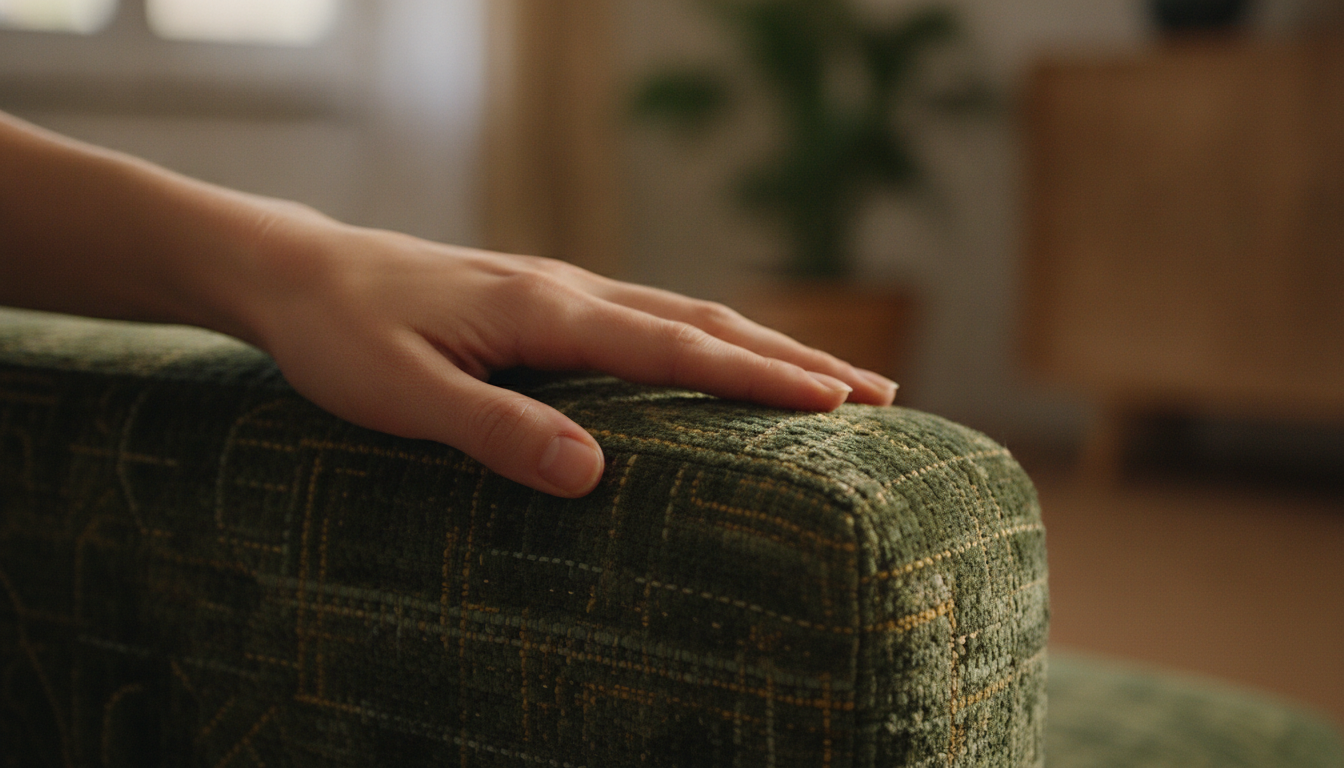
- Earthy Tones and Organic Textures: Sofas in muted greens, terracotta, sandy beiges, and deep blues, paired with rich, tactile fabrics like boucle, linen blends, and recycled velvets.
- Biophilic Design: Integrating elements of the natural world, with designs that echo organic forms, natural light, and the presence of indoor plants, creating serene and inviting spaces.
- Minimalist and Functional: Clean lines, thoughtful design, and a focus on functionality that complements the inherent honesty of sustainable materials.
Comparison Table: Eco-Luxe Sofa Spotlights for 2026
To help you visualize the variety available, here’s a snapshot of what some leading sustainable sofa options might offer in 2026:
| Model/Brand Concept | Key Sustainable Material(s) | Eco-Certifications | Durability Rating (1-5 Stars) | Price Range | Affiliate Link |
|---|---|---|---|---|---|
| The “Eco-Zen” Sectional | Organic Cotton, FSC-Certified Wood, Natural Latex Fill | GOTS, FSC, Oeko-Tex | ★★★★★ | $$$$ | Eco-Zen Sectional |
| The “Terra” Loveseat | Recycled PET Velvet, Recycled Foam, Bamboo Frame | GREENGUARD Gold, GRS (Global Recycled Standard) | ★★★★☆ | $$$ | Terra Loveseat |
| The “Pinea” Lounge Chair | Piñatex Vegan Leather, FSC-Certified Wood, Natural Latex | FSC, PETA-Approved Vegan | ★★★★☆ | $$$$ | Pinea Lounge Chair |
| The “Hemp Haven” Sofa | Hemp Upholstery, FSC-Certified Wood, Kapok Fill | FSC, Organic Certified Hemp | ★★★★★ | $$$$$ | Hemp Haven Sofa |
Note: Prices are relative. ($$$$ = high, $$$ = mid-high, etc.)
Future-Proofing Your Home: Embrace Sustainable Sofa Trends 2026
Investing in a sustainable sofa is more than just a purchase; it’s a commitment to a healthier planet, a more ethical industry, and a beautifully designed, enduring home. The sustainable sofa trends 2026 reflect a growing understanding that true luxury is not about excess, but about quality, longevity, and a conscious connection to the natural world. By choosing eco-luxe furniture, you’re not just decorating your living room; you’re actively participating in a global movement towards a more sustainable and equitable future. Embrace these trends and make your home a beacon of responsible style.
Frequently Asked Questions (FAQ) About Sustainable Sofas
Q1: Are sustainable sofas more expensive than traditional ones?
Initially, sustainable sofas can sometimes have a higher upfront cost due to the quality of materials, ethical production processes, and often smaller-scale manufacturing. However, they are designed for exceptional durability and longevity, meaning you won’t need to replace them as frequently. Over their lifespan, a sustainable sofa often proves to be a more economical and environmentally friendly investment. Plus, the price gap is narrowing as demand grows and production scales up.
Q2: How do I clean a sustainable sofa, especially if it’s made from natural fibers?
Cleaning instructions will vary depending on the specific materials used. Always refer to the manufacturer’s care guide. Generally, natural fibers like organic cotton or linen may require spot cleaning with mild, eco-friendly detergents and water, or professional cleaning. Recycled synthetics can often be more resistant to stains and easier to clean. Using an Eco-Friendly Fabric Cleaner is always recommended to maintain the sofa’s integrity and indoor air quality.
Q3: What certifications should I look for when buying a sustainable sofa in 2026?
For wood frames, look for FSC (Forest Stewardship Council) certification. For fabrics, GOTS (Global Organic Textile Standard) ensures organic natural fibers, while Oeko-Tex Standard 100 guarantees textiles are free from harmful substances. GREENGUARD Gold certifies low chemical emissions for the entire product. These certifications provide independent verification of a product’s environmental and health claims.
Q4: Can sustainable sofas still be stylish and modern?
Absolutely! The sustainable sofa trends 2026 emphasize that eco-conscious design does not mean compromising on style. Brands are increasingly merging high-end aesthetics with sustainable practices, offering a wide range of modern, luxurious, and visually appealing designs. From sleek minimalist lines to cozy, textured pieces, there’s a sustainable sofa to complement every contemporary interior design preference.