How to Match a Vintage Rug to a Statement Colored Sofa

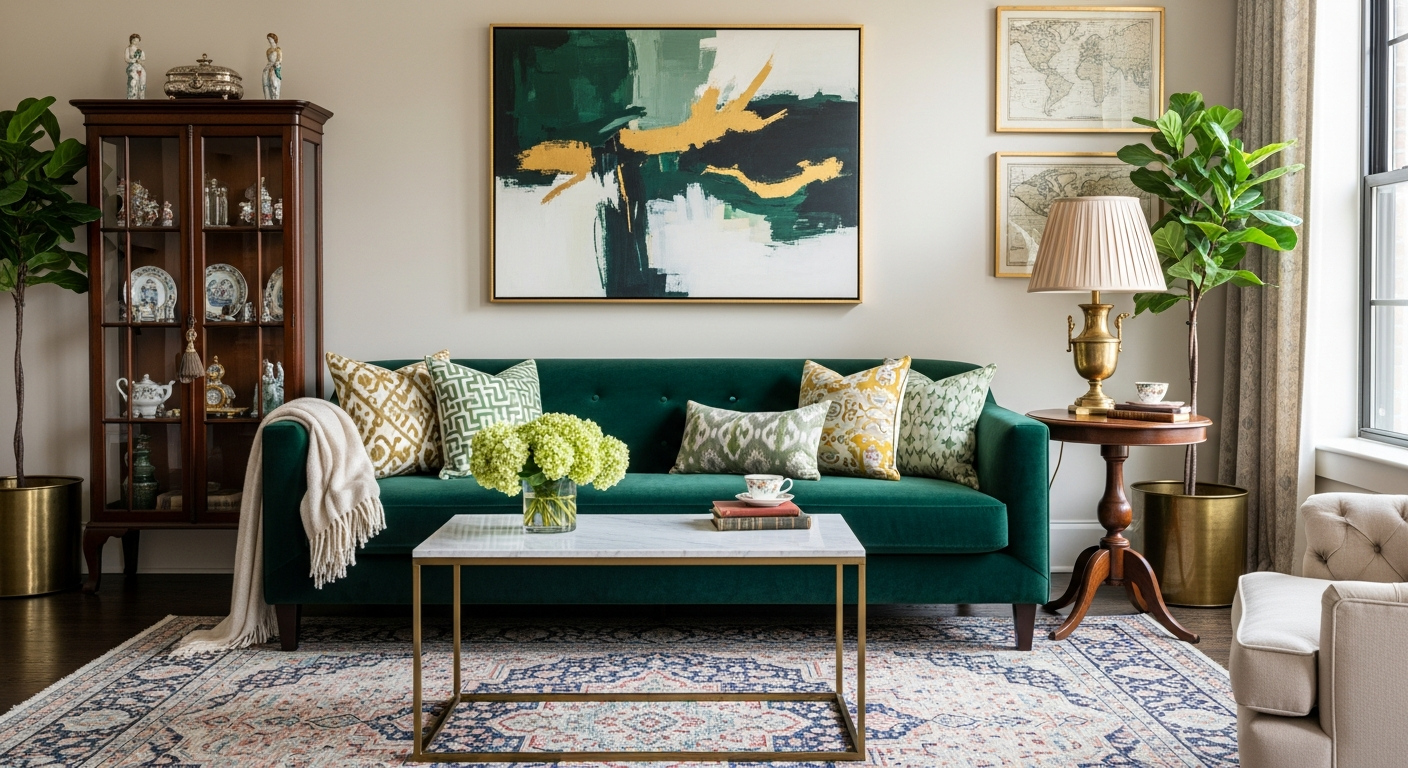
In the vibrant world of interior design, few elements command attention quite like a statement-colored sofa. It’s a bold declaration, a focal point that anchors a room and expresses personality. But what happens when you introduce the rich history and unique character of a vintage rug into this equation? The challenge then becomes a delightful design puzzle: how to seamlessly match a vintage rug to a statement colored sofa, creating a space that feels both cohesive and captivating, rather than chaotic.

At lesofa.club, we believe that your home should tell a story, and the pairing of a vintage rug with a striking sofa offers an unparalleled opportunity for narrative depth. This comprehensive guide will walk you through the intricacies of color theory, pattern play, and stylistic harmony, empowering you to confidently combine these two powerful design elements. Forget safe neutrals; it’s time to embrace color and history to craft a truly unique and inviting living space.

The Allure of Vintage Rugs and Statement Sofas

Before diving into the ‘how,’ let’s appreciate the ‘why.’ Vintage rugs, whether a grand Persian rug or a minimalist Beni Ourain rug, carry a soul. They are testaments to craftsmanship, featuring patterns and colors that have evolved through generations. Each knot tells a story, each faded hue a memory. Their imperfections are part of their charm, adding warmth, texture, and an unparalleled sense of history to any room. Unlike mass-produced alternatives, a vintage rug offers uniqueness, often at a fraction of the cost of a new, hand-knotted piece of comparable quality.

A statement sofa, on the other hand, is about immediate impact. It’s the confident splash of emerald green velvet sofa, the playful pop of mustard yellow, or the sophisticated depth of a deep teal. These aren’t just pieces of furniture; they are declarations of style, designed to be the room’s undeniable focal point. They inject personality, energy, and a touch of drama that transforms a mundane living area into a conversation starter.

The challenge, and indeed the art, lies in marrying these two strong personalities. A vintage rug, with its often complex palette and intricate patterns, can either sing in harmony with a statement sofa or clash in a cacophony of competing visuals. Our goal is to ensure a symphony of style.

Understanding Color Theory and Dominance

The foundation of any successful design pairing, especially when dealing with bold colors and intricate patterns, is a solid grasp of color theory. This isn’t about rigid rules, but rather understanding how colors interact and influence each other.

Key Color Theory Concepts:

  • Dominant Colors: Identify the most prominent color(s) in your vintage rug. This might be a bold red, a deep blue, or a more muted overall tone. Similarly, your statement sofa’s color is its dominant hue.
  • Secondary & Accent Colors: Look for the smaller splashes of color within the rug’s pattern. These are often the bridge colors that can tie into your sofa or other room elements.
  • Undertones: Every color has an undertone—warm (yellow, orange, red) or cool (blue, green, purple). A sage green sofa might have a cool blue undertone, while a terracotta rug might have a warm orange undertone. Understanding these subtle nuances is crucial for harmony.
  • The 60-30-10 Rule: This classic design principle suggests that 60% of a room should be the dominant color, 30% a secondary color, and 10% an accent color. While flexible, it’s a great guideline for maintaining balance, especially when you match vintage rug to sofa and other decor elements.

Strategies for Harmonizing Hues

Once you’ve analyzed the colors, it’s time to strategize your pairing:

Complementary Contrast

This strategy involves pairing colors that are opposite each other on the color wheel (e.g., red and green, blue and orange). If your sofa is a vibrant teal velvet sofa, consider a vintage rug that features faded oranges, rusts, or even some warm yellow tones. The contrast creates energy and visual interest, but requires careful balancing to avoid overwhelming the space. Look for rugs where the complementary color appears in smaller doses or as a muted secondary shade to ensure the contrast is sophisticated, not jarring.

Analogous Harmony

Analogous colors are next to each other on the color wheel (e.g., blue, blue-green, green). This creates a sense of calm and cohesion. If your sofa is a deep navy, a vintage rug with various shades of blue, green-blue, or even some subtle greens can work beautifully. The key here is to vary the shades and intensities to add depth without sacrificing the harmonious flow. This approach often feels very sophisticated and curated, allowing different textures and patterns to shine without color competition.

Neutral Grounding

Sometimes, the best way to highlight a bold sofa is with a more subdued rug. A statement sofa in fuchsia or sunshine yellow can be beautifully grounded by a vintage rug predominantly in cream, grey, beige, or even a soft, faded black. This allows the sofa to be the undisputed star while the rug provides a rich textural and historical backdrop without competing for color dominance. Conversely, a highly colorful, pattern-rich vintage rug might benefit from a solid, neutral-colored sofa to let the rug truly shine.

Pattern Play

Mixing patterns can be tricky, but incredibly rewarding. The secret lies in varying scale, density, and type. If your vintage rug has a dense, intricate floral pattern, pair it with a solid-colored sofa or one with a subtle, geometric texture (like a ribbed corduroy or a textured linen). If the rug features large, open geometric shapes, a small-scale patterned sofa or a subtle striped one might work. Always aim for one dominant pattern, with others playing a supporting role. Consider the overall vibe you’re aiming for – bohemian, eclectic, or more refined – as this will guide your pattern choices.

Texture Talk

Texture adds another layer of sophistication. A plush velvet sofa can contrast beautifully with a flat-woven kilim rug, while a crisp linen sofa might find its match in a soft, high-pile Moroccan rug. Don’t underestimate the power of tactile differences to enhance visual appeal and comfort. The interplay of soft, hard, smooth, and rough can elevate your room’s aesthetic significantly.

Identifying Your Vintage Rug Style

Understanding the common styles of vintage rugs can help predict their color palettes and patterns, making the matching process easier:

  • Persian Rugs: Often rich in jewel tones (deep reds, blues, greens) with intricate, curvilinear patterns. They exude formality and luxury. Examples include Kashan, Tabriz, and Heriz.
  • Turkish/Anatolian Rugs: Known for their slightly coarser weave and often more geometric or tribal patterns. Oushak rugs, for instance, are famed for their softer, muted palettes and larger, more open motifs, making them incredibly versatile to match vintage rug to sofa in a modern setting.
  • Moroccan Rugs: Characterized by their plush pile and often minimalist, abstract, or tribal geometric patterns. Beni Ourain rugs, in particular, are typically cream or ivory with black/brown geometric lines, perfect for contemporary spaces.
  • Kilim Rugs: Flat-woven, without a pile, often featuring bold geometric patterns and vibrant colors. They offer a more casual, bohemian vibe.
  • Bokhara Rugs: Originating from Central Asia, these feature repeating “gul” (elephant’s foot) motifs, usually in rich reds, browns, and blues.

Statement Sofa Colors – What Works Best?

Let’s consider how different bold sofa colors can interact with vintage rugs:

  • Emerald Green: A regal color. Pair with vintage rugs featuring warm, earthy tones like rust, terracotta, or faded gold. For a cooler, more serene look, rugs with muted blues or creams can create a sophisticated sanctuary.
  • Navy Blue: Incredibly versatile. Works with almost any vintage rug. For high contrast, look for rugs with reds, oranges, or yellows. For a calmer aesthetic, opt for rugs with lighter blues, greens, or greys.
  • Mustard Yellow: A cheerful, retro hue. Complements vintage rugs with deep blues, charcoal greys, or rich, earthy browns and burnt oranges. It also pairs beautifully with lighter, creamy Moroccan rugs.
  • Deep Teal: Sophisticated and intriguing. Best paired with vintage rugs that incorporate blush pinks, soft corals, golds, or light greys. Rugs with subtle patterns in these complementary shades will enhance the teal without overwhelming it.
  • Burgundy/Oxblood: A rich, warm tone. Vintage rugs with muted greens, creams, or even other shades of deep red and gold create a luxurious, old-world feel.
  • Blush Pink: Soft yet striking. Looks ethereal with vintage rugs in grey, white, light blue, or even some faded sage greens. Moroccan rugs are often a fantastic match for blush sofas.
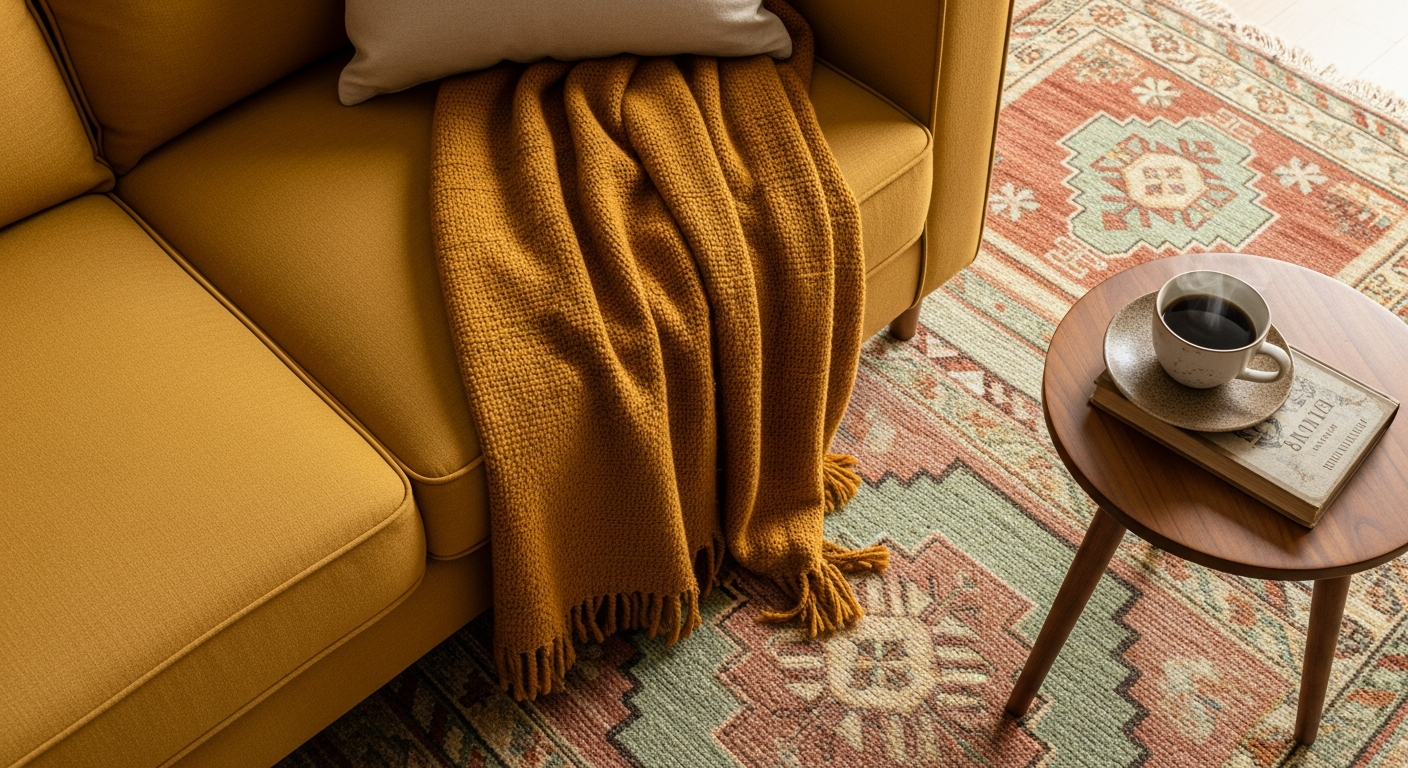
match vintage rug to sofa style example
Discover how a vintage Oushak rug can perfectly match a statement mustard yellow sofa, creating warmth and character.

Discover how a vintage Oushak rug can perfectly match a statement mustard yellow sofa, creating warmth and character.

Comparison Table: Vintage Rug Styles vs. Statement Sofa Colors

This table offers a quick reference for pairing different vintage rug styles with popular statement sofa colors:

Statement Sofa Color Best Vintage Rug Styles Why it Works
Emerald Green Persian (Heriz, Tabriz) with rust/gold, Oushak with creams/pinks Warm contrast or sophisticated analogous blend.
Navy Blue Kilim with reds/oranges, Turkish with light blues/greens, Bokhara Versatile; allows for bold contrast or serene harmony.
Mustard Yellow Moroccan (Beni Ourain) with black lines, Oushak with terracotta/sage Neutral grounding or complementary warmth.
Deep Teal Persian (Kashan) with faded pink/gold, Turkish with grey/cream Creates a luxurious, sophisticated balance through soft contrast.
Blush Pink Moroccan (Azilal) with muted tones, Vintage Dhurrie with grey/white Soft harmony and adds textural depth.

Practical Tips for a Flawless Match

Beyond theory, here are actionable tips to ensure your vintage rug and statement sofa pairing is perfect:

  1. Consider the Room’s Overall Aesthetic: Is your space bohemian, minimalist, eclectic, or traditional? Your rug and sofa choice should support this overarching theme. A vibrant velvet sofa modern in design might call for a contemporary vintage rug like a Beni Ourain, rather than a heavily patterned Persian.
  2. Size Matters: The rug should be large enough to anchor the sofa, with at least the front two legs of the sofa sitting on it. Ideally, the rug extends beyond the sofa’s width by several inches on each side. A rug that’s too small will make the room feel disjointed.
  3. Embrace Imperfections: Vintage rugs are rarely pristine. Fading, wear, and minor inconsistencies are part of their charm. Don’t seek perfection; seek character. These quirks often make them easier to pair with bold, modern furniture, softening the overall look.
  4. Lighting is Key: Colors can appear dramatically different under various lighting conditions. Natural daylight reveals true hues, while warm artificial light can make colors richer and cooler light can make them appear brighter. If possible, test rug samples in your room at different times of day.
  5. Bring Home Samples: Before committing, try to bring a swatch of your sofa fabric or, even better, a small rug sample into your space. See how the colors interact under your home’s unique lighting and with existing decor.
  6. Layering: If you love a small vintage rug but need more coverage, consider layering it over a larger, neutral jute or sisal rug. This adds depth and allows you to incorporate more patterns without overwhelming the space.

Beyond the Sofa – Accessories and Cohesion

Once you’ve mastered how to match a vintage rug to a statement colored sofa, the next step is to extend that harmony throughout the room with thoughtful accessories.

  • Throw Pillows: These are your best friends for bridging colors between your sofa and rug. Pick out accent colors from the rug and echo them in your throw pillows. Introduce different textures and patterns in your patterned throw pillows living room to add interest without competing with the main elements.
  • Art and Wall Decor: Select artwork that incorporates colors from both your sofa and rug. This creates a visual triangle that pulls the eye around the room and reinforces the cohesive palette.
  • Curtains and Drapes: Choose window treatments that either match a subtle tone in the rug or sofa, or are a neutral color that complements both. Avoid introducing another strong pattern or color unless it’s very intentional and balanced.
  • Other Furniture: Wooden tables, metallic accents, or painted bookshelves can also play a role. A rich dark wood coffee table might ground a bright sofa and rug, while lighter woods or glass can maintain an airy feel.
  • Maintenance: Vintage rugs, especially, require careful upkeep. Invest in a good rug spot cleaner vintage friendly and vacuum regularly. Proper care will preserve their beauty and ensure they continue to enhance your statement sofa for years to come.

Frequently Asked Questions (FAQs)

Q1: Can I mix modern patterns in a vintage rug with a traditional sofa?

Absolutely! Mixing modern patterns from a vintage rug (like a geometric Berber) with a more traditional sofa can create a wonderfully eclectic and contemporary look. The key is to find a common color thread or to use a neutral sofa to let the rug’s pattern be the star.

Q2: My vintage rug has many colors. How do I choose a statement sofa color?

If your vintage rug is very colorful, pick one or two less dominant colors from the rug’s pattern and choose a sofa in one of those hues. Alternatively, select a neutral sofa (e.g., charcoal grey, cream, or beige) to allow the rug’s vibrant palette to truly pop without competition.

Q3: What if my vintage rug’s colors are very faded?

Faded vintage rugs are perfect for balancing very bold statement sofas. Their muted tones provide a soft, historical backdrop that prevents the vibrant sofa from feeling overwhelming. Look for undertones in the faded rug that complement the sofa’s color.

Q4: Should the rug be lighter or darker than the sofa?

There’s no strict rule. A darker rug can anchor a lighter sofa, creating a sense of grounded elegance. A lighter rug can make a dark sofa stand out more boldly, adding a fresh contrast. Consider the overall brightness of your room and the mood you want to create.

Q5: How do I ensure my choices don’t look ‘messy’ or uncoordinated?

The best way is to maintain a consistent style or a deliberate contrast, rather than accidental clash. Stick to a limited color palette (3-5 main colors) across the room. Use varying scales of patterns and textures. And remember, trust your eye! If it feels balanced and pleasing to you, it’s a success.

Your Masterpiece Awaits!

Pairing a vintage rug with a statement colored sofa is more than just decorating; it’s about curating a space that reflects your unique taste and tells a story. By understanding color theory, embracing different styles, and trusting your instincts, you can create a living room that is not only visually stunning but also deeply personal and inviting. Don’t be afraid to experiment, to combine the old with the new, and to let your personality shine through. Explore the endless possibilities and transform your home into a true masterpiece!
The Best Statement Reading Lamps to Put Behind Your Couch

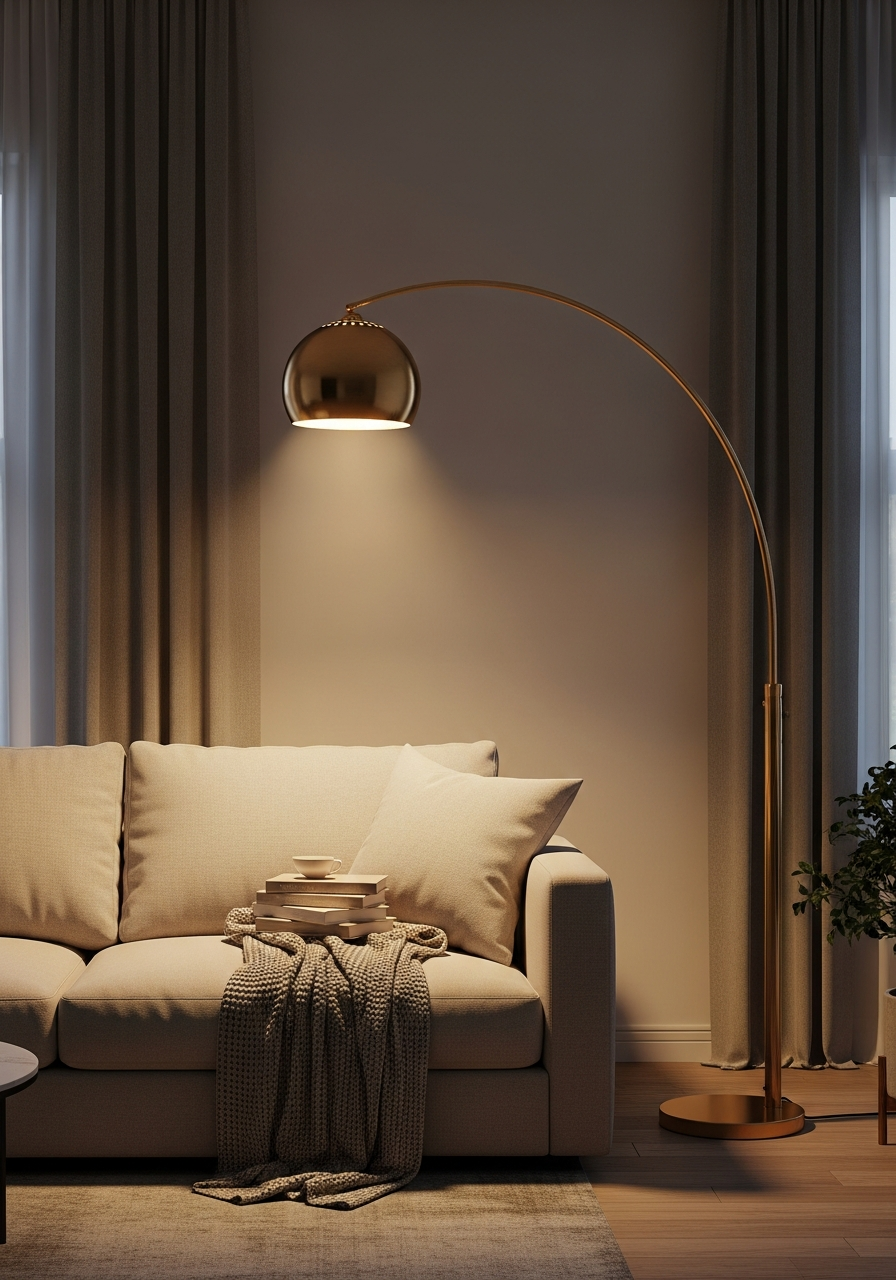
Ah, the couch – the undisputed throne of relaxation in any home. Whether you’re diving into a thrilling novel, unwinding with a captivating magazine, or simply enjoying a quiet moment with a cup of tea, the right lighting can transform your experience from mundane to magical. But when space is at a premium or you want to make a design statement, placing a reading lamp behind your couch is an ingenious solution. It’s not just about functionality; it’s about crafting an ambiance, adding a touch of design flair, and making sure your eyes are comfortable.

Choosing the best reading lamps behind couch isn’t merely about finding something that illuminates. It’s about discovering a piece that complements your décor, offers adjustable brightness for various tasks, and stands as an aesthetic beacon in your living room. A statement reading lamp acts as both a practical light source and a work of art, enhancing your home’s character while serving a crucial purpose. From elegant arc designs that sweep over your shoulder to industrial-chic tripods that command attention, the options are as diverse as they are stunning. Join us as we explore the ultimate guide to selecting the perfect, eye-catching reading lamp that will elevate your living space and your reading pleasure.

Why Choose a Statement Reading Lamp? Functionality Meets Aesthetics

Why settle for a purely utilitarian light source when you can have one that elevates your entire room’s aesthetic? A statement reading lamp transcends basic illumination. It’s a deliberate design choice that speaks volumes about your style and attention to detail. Here’s why investing in a statement piece for behind your couch is a brilliant idea:

Functionality Meets Flair

The primary role of any reading lamp is to provide sufficient, focused light without glare. Statement lamps often feature advanced designs that allow for excellent adjustability in terms of height, angle, and even light intensity. This means you can direct the light precisely where you need it for comfortable reading, preventing eye strain and enhancing concentration. But beyond its practical prowess, a statement lamp injects personality and visual interest into your space. It acts as a focal point, drawing the eye and serving as a conversation starter.

Space-Saving Brilliance

One of the most compelling reasons to position a reading lamp behind your couch is its ability to save valuable floor space. Traditional end tables with table lamps can clutter a smaller room. Many statement floor lamps are designed with a slim profile or an arc that extends over the seating area, requiring minimal footprint directly behind the sofa. This strategic placement frees up side tables for drinks, remotes, or decorative accents, making your living area feel more open and organized. When you are looking for the best reading lamps behind couch, consider how they interact with your existing space.

Ambiance Architect

Lighting is a powerful tool for setting the mood. A well-chosen statement lamp can cast a warm, inviting glow that transforms your living room into a cozy haven. Unlike harsh overhead lighting, a dedicated reading lamp provides task-specific illumination while contributing to a softer, more intimate overall atmosphere. Many models offer dimming capabilities or smart features that allow you to adjust the warmth and intensity of the light, perfecting the ambiance for any occasion, from an intense reading session to a relaxed evening chat.

Personalization and Style Expression

Your home is a reflection of you. A statement reading lamp is an opportunity to express your unique style, whether you lean towards minimalist modern, rustic industrial, glamorous art deco, or timeless traditional. With an array of materials, finishes, and forms available, you can select a lamp that perfectly complements your existing décor or introduces an exciting new element. It’s an investment in both your comfort and your home’s character, proving that practical items can indeed be beautiful.

Key Factors to Consider When Selecting Your Lamp

Choosing the perfect statement reading lamp for behind your couch involves more than just picking one that looks good. To ensure both functionality and aesthetic appeal, consider these crucial factors:

1. Brightness and Light Quality (Lumens & Kelvin)

For reading, you need adequate brightness without harshness. Look for lamps that allow for bulb changes or come with integrated LEDs that offer adjustable lumens. A general guideline for reading is around 450-800 lumens. The color temperature, measured in Kelvin (K), is equally important. A warmer light (2700K-3000K) is cozy and relaxing, ideal for unwinding with a book. Cooler temperatures (3500K-5000K) are more energizing and mimic daylight, which can be great for detailed work but might feel less inviting for casual reading. Many modern lamps offer tunable white options, allowing you to switch between warm and cool light.

2. Adjustability and Flexibility

The best reading lamps behind couch offer excellent adjustability. Look for features like:

  • Adjustable Height: Ensures the light source is at the optimal level for your reading position.
  • Swivel Head/Gooseneck: Allows you to direct the light exactly onto your page, minimizing shadows and glare.
  • Dimmer Switch: Essential for adjusting brightness according to time of day or task, preventing eye strain.
  • Arcing Arm: Particularly useful for reaching over a sectional or large sofa, positioning the light directly overhead.

3. Design Style and Material

The lamp should harmonize with your existing interior design. Consider:

  • Modern/Minimalist: Sleek lines, metallic finishes (chrome, brushed nickel), simple geometric shapes.
  • Industrial: Exposed bulbs, dark metals (black, bronze), cages, and raw textures.
  • Mid-Century Modern: Tapered legs, brass accents, unique shade shapes (often drum or dome).
  • Bohemian/Natural: Woven shades (rattan, bamboo), wooden bases, organic forms.
  • Traditional/Transitional: Classic silhouettes, fabric shades, detailed bases, antique brass or bronze finishes.

Materials like steel, brass, wood, marble, and linen all contribute to the lamp’s overall aesthetic and durability.

4. Footprint and Stability

Since the lamp will be positioned behind your couch, its base needs to be stable and ideally not too wide if space is limited. Arc lamps often have heavy, flat bases that can slide partially under the couch, saving space. Tripod lamps, while stylish, require a wider footprint for their legs. Always check the dimensions of the base to ensure it fits comfortably in your intended spot without tripping hazards or looking cramped.

5. Smart Features

In today’s connected homes, smart lighting features can greatly enhance convenience. Look for lamps compatible with smart home ecosystems (e.g., Alexa, Google Home) that offer:

  • Voice Control: Turn the lamp on/off or dim it with a simple command.
  • App Control: Fine-tune brightness, color temperature, and set schedules from your smartphone.
  • Motion Sensors: For convenience, though less common for dedicated reading lamps.

These features add a layer of modern luxury to your reading nook.

Top Statement Reading Lamp Styles for Behind Your Couch

Now that you know what to look for, let’s explore some of the most popular and effective statement lamp styles that shine as the best reading lamps behind couch.

Arc Lamps: The Elegant Solution

The arc floor lamp is arguably the quintessential choice for placing behind a couch. Its defining feature is a long, gracefully curved arm that extends over your seating area, bringing the light source directly above or beside your reading spot without needing a side table. This style is incredibly versatile, fitting seamlessly into modern, mid-century, and even contemporary traditional decors. Finishes range from polished chrome and brushed brass to matte black, often paired with a dome or drum shade. Their heavy, stable bases are designed to tuck discreetly behind furniture, maximizing floor space. Arc lamps offer excellent adjustability, with many featuring adjustable heights and swiveling shades, making them a top contender for focused illumination.

Tree Lamps: Multi-functional Marvels

Often featuring multiple adjustable light heads branching off a central pole, tree lamps are incredibly functional. While not always a ‘statement’ in the sculptural sense, a well-designed tree lamp with elegant finishes and unique shades can certainly stand out. Each head can be independently adjusted, allowing you to direct light to different areas simultaneously – one for reading, another for ambient uplighting. This versatility makes them excellent for larger sofas or sectional couches where multiple people might be reading. They are practical, space-efficient, and can be found in various styles from sleek modern to more ornate designs, ensuring they can be considered among the best reading lamps behind couch for versatility.

Tripod Lamps: Modern & Sturdy

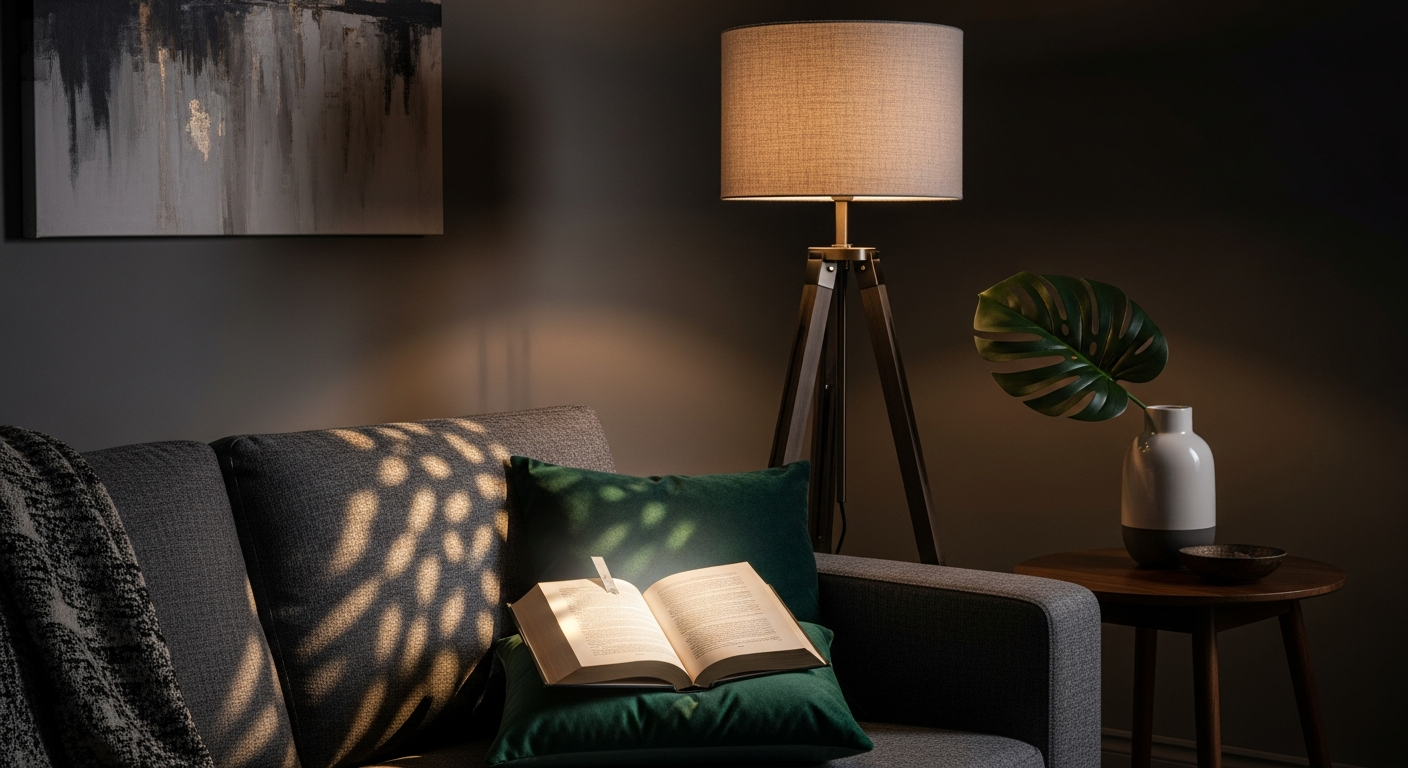
With their three-legged base, tripod floor lamp designs offer a striking architectural presence. These lamps are inherently statement pieces due to their distinctive silhouette. They exude a sense of stability and modern design, often crafted from wood, metal, or a combination of both. While their footprint is wider than that of an arc lamp, they can still be positioned effectively behind a couch, especially if you have a bit more space. Their shades are typically drum or conical, providing a broad, diffused light that’s excellent for general illumination, with many also featuring adjustable heads for more focused reading. They blend well with Scandinavian, industrial, and contemporary aesthetics.

Industrial-Inspired Lamps: Edgy & Chic

For those who love a bit of urban edge, industrial-inspired floor lamps are a fantastic choice. These lamps often feature robust materials like distressed metals (iron, steel), exposed hardware, and sometimes cage-style shades or Edison bulbs. Their aesthetic is raw, functional, and undeniably cool. Many industrial reading lamps incorporate articulating arms or crane-like designs, offering exceptional adjustability to direct light precisely where needed for reading. While bold, their strong lines and metallic finishes can create a sophisticated contrast against softer furnishings, making them a compelling option among the best reading lamps behind couch for a distinctive look.

Sculptural Floor Lamps: Art Meets Light

If you’re looking for a lamp that truly doubles as a piece of art, a sculptural floor lamp is your answer. These lamps prioritize form as much as function, often featuring unique shapes, unconventional materials, or abstract designs. They might have a twisting base, an asymmetric form, or an intricate pattern cut into the shade. While some sculptural lamps might be more about ambient light, many are designed with adjustable components or diffuse light effectively for reading. They are perfect for minimalist spaces where the lamp itself becomes the main decorative element, offering both illumination and artistic flair behind your couch.

Slim Tower Lamps: Minimalist Brilliance

For tight spaces or a minimalist aesthetic, slim tower lamps offer brilliant illumination without bulk. These lamps feature a slender, vertical profile, often with integrated LED strips running up the length of the column or a very narrow shade. While they might not have the dramatic curve of an arc lamp, their discreet presence and ability to cast a broad, even light make them surprisingly effective for reading. Some models even offer dimmable and color-tunable light, providing both task lighting and ambient glow from a barely-there footprint. They are excellent when you need the best reading lamps behind couch but want them to blend in rather than stand out.

Vintage-Inspired Lamps: Timeless Charm

Embrace nostalgia with vintage-inspired floor lamp designs. These lamps draw inspiration from decades past, bringing a sense of history and charm to your modern living room. Think art deco with geometric patterns and brass accents, mid-century modern with Sputnik-style heads or conical shades, or classic library lamps with dark bronze and green glass. They often feature robust construction and intricate details, providing both focused light and a strong decorative statement. A carefully chosen vintage-inspired lamp can add warmth, character, and a unique story to your behind-the-couch setup, ensuring you have one of the best reading lamps behind couch for timeless elegance.

best reading lamps behind couch style example
Discover stylish and functional tripod lamps, some of the best reading lamps behind couch.

Discover stylish and functional tripod lamps, some of the best reading lamps behind couch.

Comparison Table: Our Top Picks for the Best Reading Lamps Behind Couch

Style Key Feature Brightness/Adjustability Material/Finish Best For
Arc Lamp Overhead reach, large sofas High, often dimmable & swivel head Metal (brass, chrome, black) Spacious living rooms, sectionals, modern decor
Tripod Lamp Architectural presence, sturdy base Good, some adjustable heads Wood, metal, fabric shade Contemporary, industrial, Scandinavian aesthetics
Tree Lamp Multiple adjustable lights Excellent, independent control Metal, plastic, glass Versatility, illuminating multiple spots, shared reading
Industrial Lamp Articulating arms, robust look Focused, often dimmable Distressed metal, exposed bulbs Loft apartments, modern farmhouse, edgy decor
Sculptural Lamp Unique artistic form Varies, often ambient + task Varied (resin, wood, metal, glass) Minimalist spaces, art lovers, statement piece
Slim Tower Lamp Minimal footprint, subtle Even, often dimmable/tunable Metal, acrylic, integrated LED Small spaces, minimalist decor, ambient lighting

Placement and Styling Tips for Your Behind-the-Couch Lamp

Even the best reading lamps behind couch need proper placement to maximize their impact. Here are some expert tips:

1. Distance from the Couch

For arc lamps, ensure the arc extends comfortably over the seating area, usually about 18-24 inches from the edge of the cushion. This positions the light directly over your reading material. For other floor lamp styles, place the base about 6-12 inches behind the couch, allowing enough room for the base to sit securely and the lamp to feel integrated, not an afterthought. Ensure the light source itself is roughly at shoulder height when you’re seated.

2. Angling for Optimal Light

Experiment with the angle of the lamp head. The goal is to illuminate your reading material without casting shadows or causing glare on your screen if you’re also using a tablet or laptop. For most reading lamps, a slight angle directed towards the page (rather than straight down) works best. If your lamp has an adjustable head, take the time to fine-tune it for your preferred reading position.

3. Harmonize with Your Décor

Your statement lamp should complement your existing decor. If your living room features warm wood tones, consider a lamp with a brass finish or a wooden base. In a minimalist space, a sleek chrome or matte black lamp will feel at home. Don’t be afraid to create a subtle contrast – an industrial lamp can look striking against a plush velvet sofa, for example, adding visual interest without clashing.

4. Consider Other Lighting

A reading lamp is part of a larger lighting scheme. Ensure it works in conjunction with ambient lighting (e.g., overhead lights, recessed lighting) and accent lighting (e.g., picture lights, track lights) to create a layered and dynamic room. Your statement reading lamp will provide the task lighting, but the overall room shouldn’t feel too dark or too bright when it’s on.

Maintenance and Bulb Selection

To keep your statement reading lamp looking its best and performing efficiently, a little care goes a long way.

Cleaning Your Lamp

Dust and grime can dull your lamp’s finish and even impede light output. Regularly wipe down the base and pole with a soft, dry microfiber cleaning cloth. For metal finishes, avoid abrasive cleaners that could damage the surface. If your lamp has a fabric shade, use a lint roller or a soft brush attachment on your vacuum cleaner to remove dust. Glass or plastic shades can be wiped with a damp cloth and then dried thoroughly.

Bulb Selection: LED vs. Incandescent

While many modern statement lamps come with integrated LEDs, if yours uses replaceable bulbs, LED is the superior choice. LEDs are:

  • Energy-Efficient: They consume significantly less electricity than incandescent bulbs, saving you money on utility bills.
  • Long-Lasting: LEDs last much longer, reducing the frequency of bulb replacements.
  • Cooler Operation: They produce less heat, making your reading experience more comfortable.
  • Versatile: Available in a wide range of color temperatures and brightness levels, including smart bulb options.

When replacing bulbs, always check the lamp’s wattage recommendations to ensure safety and optimal performance. For the best reading lamps behind couch, a good quality LED bulb is essential.

FAQs About Choosing the Best Reading Lamps Behind Couch

Q1: How bright should a reading lamp be?

A good reading lamp should provide between 450 to 800 lumens. The exact brightness depends on your personal preference, age (older eyes often need more light), and the ambient light in the room. Look for lamps with dimming capabilities so you can adjust the light as needed.

Q2: Can I use an overhead lamp instead of a floor lamp for reading?

While overhead lighting provides general illumination, it often creates shadows on your reading material and can cause glare, leading to eye strain. A dedicated floor lamp positioned behind your couch brings the light closer to your page, offering focused, direct light that is far more comfortable and effective for reading.

Q3: What’s the best material for durability in a reading lamp?

For durability, metal (steel, brass, iron) bases and poles are excellent choices. Look for lamps with heavy bases to ensure stability, especially for arc designs. High-quality wood is also very durable. Shades made from sturdy fabric, metal, or frosted glass tend to last longer than delicate paper or thin plastic.

Q4: How far behind the couch should I place my lamp?

For arc lamps, the base can often be tucked directly behind or even slightly under the couch, with the arm extending over. For other floor lamps, place the base approximately 6-12 inches behind the couch. The goal is to ensure the light source is positioned optimally for reading without making the area feel cramped or causing a tripping hazard.

Q5: Are smart reading lamps worth the investment?

If you appreciate convenience and modern technology, smart reading lamps are definitely worth it. They offer features like voice control, app control for precise brightness and color temperature adjustments, and scheduling. These capabilities enhance comfort and integration with your smart home ecosystem, making your reading experience even more enjoyable.

Conclusion: Illuminate Your Comfort with Style

Choosing the best statement reading lamps behind couch is more than a practical decision; it’s an opportunity to infuse your living space with personality, comfort, and sophisticated design. From the graceful sweep of an arc lamp to the architectural flair of a tripod, each style offers unique advantages, blending seamlessly into various decor themes while delivering essential illumination. By considering factors like brightness, adjustability, and design harmony, you can select a lamp that not only lights up your pages but also brightens your entire room.

So, take a moment to assess your space, define your style, and imagine the perfect glow. With the right statement reading lamp, your couch will transform into the ultimate reading retreat, inviting you to curl up, unwind, and get lost in a good book. Happy reading, and happy decorating!

Ready to find your perfect reading companion?

Explore our curated selections and discover the statement reading lamp that will complete your living room today!

How to Style a Bed with Layered Patterns and Textures

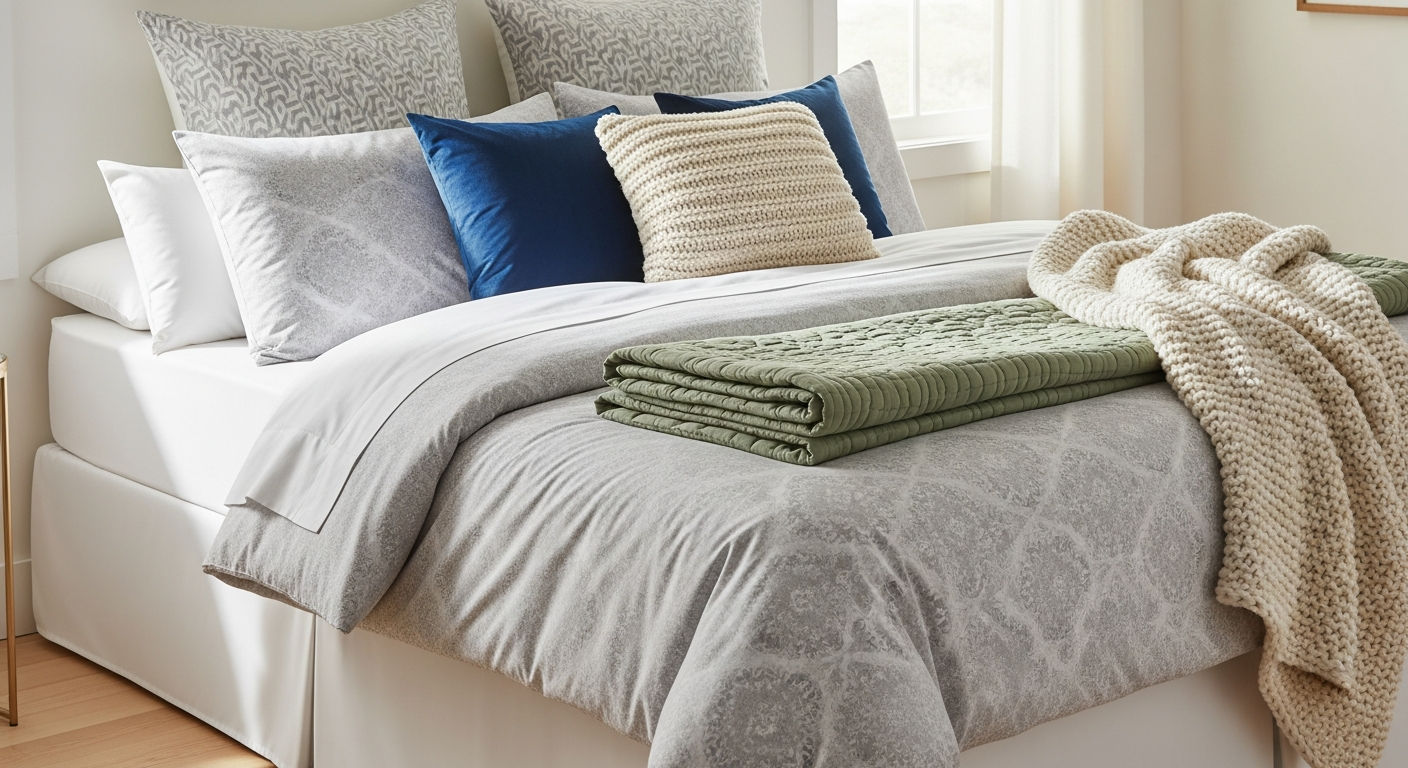
Your bed isn’t just a place to sleep; it’s the undisputed focal point of your bedroom, a canvas for comfort, and a reflection of your personal style. While a neatly made bed is always appealing, mastering the art of layering patterns and textures can elevate it from merely functional to utterly breathtaking. Imagine sinking into a bed that’s a symphony of tactile sensations and visual intrigue – that’s the magic we’re about to unlock. If you’ve ever wondered how to style a layered bed that looks straight out of a designer magazine, yet feels incredibly inviting and personal, you’ve come to the right place. This comprehensive guide will walk you through every step, from foundational elements to the delicate finishing touches, ensuring your bed becomes the ultimate statement of luxury and comfort.

How to Style a Bed with Layered Patterns and Textures

The Foundation: Building Your Bedding Base

Every masterpiece begins with a solid foundation. For your layered bed, this means investing in quality basics that provide comfort and serve as a neutral backdrop for your creative expressions. Start with a plush mattress protector for hygiene and longevity, followed by a comfortable mattress pad to add an extra layer of softness. Next, select your fitted and flat sheets. While it might be tempting to jump straight to exciting patterns, a solid, high-quality sheet set in a neutral color – think crisp white, soothing ivory, or a soft gray – is often the best choice for the base. This provides a clean canvas and allows subsequent layers to truly pop without clashing. Prioritize soft, breathable fabrics like cotton or linen, which feel luxurious against the skin and wear beautifully over time. Consider investing in premium organic cotton sheets for unparalleled comfort and a sustainable choice that sets the tone for your entire bedding ensemble. The right foundation ensures not only aesthetic appeal but also a supremely comfortable sleep experience, which, after all, is the ultimate goal of any bed.

Adding Depth with Duvets and Comforters

Once your sheets are in place, it’s time for the primary warmth and visual anchor of your bed: the duvet or comforter. This layer dictates much of the bed’s overall feel and is often the largest block of color or pattern. For a layered look, you have a few options. A solid-colored duvet in a rich, inviting hue can ground your scheme, allowing you to go bolder with subsequent layers. Alternatively, a subtly patterned duvet, perhaps with a textured weave or a muted geometric design, can introduce your first layer of visual interest. Consider the weight and warmth – an all-season down alternative comforter is a versatile choice that offers year-round comfort. Ensure your duvet or comforter is generously sized to drape elegantly over the sides of the bed, creating a luxurious and full appearance. This initial layer should feel substantial and inviting, setting the stage for the lighter, more decorative elements to follow.

The Art of Layering: Quilts and Coverlets

This is where the true art of layering begins. A quilt, coverlet, or blanket placed over your duvet adds an incredible amount of depth and texture. This secondary top layer is perfect for introducing a contrasting pattern, a complementary color, or a new tactile element. For instance, if your duvet is a solid color, a patterned quilt can inject vibrancy. If your duvet has a subtle pattern, a solid-colored coverlet with a distinct texture (like a matelassé weave or a linen blend) can add sophistication. Drape it folded neatly at the foot of the bed, or pull it up halfway over the duvet for a more relaxed, lived-in feel. A lightweight quilted coverlet in a contrasting shade or a subtle print is an excellent choice for adding visual interest without overwhelming the bed. This layer also offers practical benefits, providing an extra touch of warmth on cooler nights or serving as a lighter option during warmer seasons when the main duvet might be too much.

Pillow Power: Mixing and Matching

Pillows are arguably the most impactful element when learning how to style a layered bed. They offer endless opportunities for mixing patterns, textures, and colors. The standard setup usually involves:

  • Sleeping Pillows: Two king or queen-sized pillows, often covered by standard shams that match your sheet set or duvet. These are usually tucked behind the decorative pillows.
  • Euro Shams: Typically 26×26 inches, these square pillows are placed against the headboard, providing height and a luxurious backdrop. They are excellent for introducing a bold pattern or a rich texture.
  • Decorative Throw Pillows: This is where you can truly have fun. Incorporate two to three smaller pillows in varying shapes (squares, lumbar, round) and sizes. Mix fabrics like crisp linen, plush velvet throw pillows, or chunky knits. Experiment with different patterns, ensuring there’s a unifying element, such as a shared color or a consistent theme, to maintain cohesion.

The key is to layer them from tallest (Euro shams) to shortest (small decorative pillows) towards the front, creating a visually appealing cascade of comfort and style. Don’t be afraid to experiment with asymmetrical arrangements for a more modern, relaxed vibe.

The Finishing Touches: Throws and Blankets

The final layer, the throw blanket, is like the jewelry of your bed. It adds a touch of effortless chic, extra warmth, and another opportunity to introduce texture and color. A beautifully draped throw can make a bed feel instantly more inviting and lived-in. Common ways to style a throw include:

  • Draped Artfully: Casually tossed over one corner of the bed, allowing it to fall naturally. This creates a relaxed, bohemian feel.
  • Folded Neatly: Folded lengthwise and laid across the foot of the bed, either on top of or beneath the quilt. This provides a clean, tailored look.
  • Layered with Other Throws: For ultimate texture, you can even layer two different throws, perhaps a lightweight linen over a soft cashmere or a chunky knit throw blanket for a cozy, rustic touch.

Choose a throw in a contrasting texture or a pop of color that complements your existing palette. Faux fur, chunky knits, velvet, or even a simple linen throw can add that perfect touch of warmth and personality.

Mastering Patterns: A Guide to Harmonious Mixing

Mixing patterns can feel intimidating, but with a few guidelines, you can create a cohesive and exciting look:

  1. Vary Scale: The golden rule. Pair a large-scale pattern (like a bold floral on your duvet) with a medium-scale pattern (a geometric on Euro shams) and a small-scale pattern (a subtle stripe on a throw pillow). This prevents patterns from competing and allows each to shine.
  2. Anchor with Solids: Use solid-colored sheets, a duvet, or pillows as a ‘rest stop’ for the eye between patterns.
  3. Choose a Common Color: Ensure at least one color is shared across all the patterns you introduce. This creates visual continuity and brings everything together, even if the patterns are diverse.
  4. Mix Pattern Types: Don’t stick to just florals or just geometrics. Combine different styles – a botanical print with a simple stripe, or a modern abstract with a classic herringbone.

Remember, the goal is harmony, not uniformity. When you know how to style a layered bed with patterns, you understand that variety adds depth and character.

Embracing Textures: The Sensory Experience

Texture is perhaps even more critical than pattern for creating a truly luxurious and inviting layered bed. It’s what makes you want to reach out and touch. Aim for a mix of smooth, soft, crisp, and plush elements. Consider:

  • Smooth: Sateen sheets, silk pillowcases, polished cotton.
  • Crisp: Percale sheets, linen coverlets.
  • Soft/Plush: Velvet pillows, faux fur throws, cashmere blankets, brushed cotton duvets.
  • Nubby/Textured: Waffle weave blankets, knitted throws, embroidered quilts.

The contrast between these textures is what creates visual interest and a rich sensory experience. Imagine the crispness of linen against the softness of velvet, or the smoothness of silk against a chunky knit. This interplay of textures is paramount to making your layered bed feel incredibly cozy and expensive.

Color Palette Perfection: Unifying Your Layers

A well-chosen color palette is the glue that holds your layered bed together. You can approach this in several ways:

  • Monochromatic: Stick to varying shades and tones of a single color (e.g., different shades of blue, from navy to sky blue). This creates a sophisticated, calming effect, relying heavily on texture for interest.
  • Analogous: Use colors that are next to each other on the color wheel (e.g., blues, greens, and teals). This creates a harmonious, flowing palette.
  • Complementary or Accent Colors: Start with a dominant neutral base (white, gray, beige), then introduce one or two accent colors that provide a pop of contrast. For instance, a gray bed with mustard yellow and deep teal accents.

The key is to select a palette that evokes the mood you desire for your bedroom – whether it’s serene and calming, vibrant and energetic, or warm and earthy. Ensure your chosen colors complement the existing decor of your room, from wall paint to furniture and soft bedroom area rug, creating a cohesive and inviting space.

Beyond the Bed: Integrating Bedroom Decor

While the bed is the star, the surrounding bedroom decor plays a crucial supporting role in enhancing the layered look. Elements like curtains, bedside tables, lighting, and wall art should harmonize with your bedding choices. For instance, if you’ve opted for a bed with bold patterns, consider more subdued curtains or a minimalist bedside lamp. Conversely, a largely neutral bed allows for more adventurous choices in artwork or a vibrant area rug. Ensure that the overall mood and aesthetic of the room complement the luxurious, layered feel of your bed. The goal is to create a holistic sanctuary where every element contributes to an atmosphere of comfort and style.

Popular Bedding Fabrics for Layering: A Comparison

Choosing the right fabrics is crucial for achieving both comfort and a visually rich layered look. Here’s a comparison of popular bedding fabrics:

Fabric Type Key Characteristics Best For Layering Tip
Cotton (Percale) Crisp, cool, matte finish, breathable. Base sheets, lighter duvets, summer. Pairs well with plush textures like velvet or faux fur for contrast.
Cotton (Sateen) Smooth, silky feel, slight sheen, drapes beautifully. Luxury sheets, duvet covers, year-round comfort. Complements textured quilts or knitted throws, adding elegance.
Linen Breathable, natural texture, becomes softer with age, relaxed look. Casual sheets, relaxed duvet covers, coverlets. Adds an organic, lived-in texture; contrasts beautifully with smooth sateen or crisp percale.
Flannel Soft, fuzzy, warm, cozy, excellent for cold climates. Winter sheets, cozy throws, comforters. Layer with smooth fabrics to balance its warmth; great for rustic or cabin aesthetics.
Velvet Luxurious, soft, rich pile, reflects light beautifully. Decorative pillows, throw blankets, upholstered headboards. Introduces opulence and depth, pairs with almost any other texture for contrast.

Troubleshooting Common Layering Mistakes

Even with the best intentions, it’s easy to fall into common traps when layering your bed. Here are a few to avoid:

  • Over-Layering: While more is generally better for layering, too many heavy blankets or an excessive number of pillows can make the bed look cluttered and uninviting rather than plush. Aim for balance.
  • Neglecting Color Harmony: Randomly choosing patterns and textures without a unifying color palette can lead to a chaotic look. Always ensure there’s a common thread.
  • Ignoring Scale: Using too many patterns of the same scale can make the bed feel busy and overwhelming. Remember the rule of varying scales.
  • Lack of Texture Variation: Sticking to all smooth or all rough textures will make the bed fall flat. The magic is in the contrast.
  • Poor Quality Base Layers: Skimping on sheets or a duvet can undermine the entire luxurious effect, no matter how many beautiful layers you add on top.

By being mindful of these pitfalls, you can ensure your layered bed remains a masterpiece of design.

Conclusion

Mastering how to style a layered bed with patterns and textures is an exciting journey into bedroom design. It’s about combining comfort with aesthetics, creating a space that looks inviting and feels incredibly cozy. From the foundational sheets to the decorative throws and pillows, each layer plays a vital role in building depth, character, and luxury. Don’t be afraid to experiment, mix and match, and let your personal style shine through. Remember the principles of varying scale in patterns, contrasting textures, and maintaining a cohesive color palette, and you’ll be well on your way to creating a bed that’s not just a place to sleep, but a stunning sanctuary. Ready to transform your sanctuary?

Explore Our Curated Bedding Selections on Amazon and Start Your Transformation!

Frequently Asked Questions

Q1: How many layers should a bed have to look styled, but not overdone?

A beautifully styled layered bed typically has between 4 to 6 distinct layers, not including the mattress protector and mattress pad. This usually breaks down to: 1) Fitted & flat sheets, 2) A main duvet or comforter, 3) A quilt or coverlet, 4) Euro shams, 5) Decorative throw pillows (2-3), and 6) A throw blanket. The key is to vary the textures and patterns within these layers, rather than simply adding more of the same.

Q2: Can I mix different patterns on my bed, or should they all be similar?

Absolutely, mixing patterns is central to a well-layered bed! The trick is to vary their scale (large, medium, small) and ensure they share at least one common color. You can mix florals with geometrics, stripes with abstract designs, as long as there’s a cohesive element that ties them together, preventing the look from becoming chaotic. Aim for 2-3 distinct patterns at most for balance.

Q3: What’s the best way to fold a throw blanket on a bed?

There are a few popular ways to fold a throw blanket:
1. The “Effortless Drape”: Casually toss it over one corner or side of the bed, allowing it to fall naturally.
2. The “Neat Fold”: Fold it lengthwise into a neat rectangle and lay it across the foot of the bed, either on top of or slightly beneath the duvet/quilt.
3. The “Half-Fold”: Fold it in half or thirds lengthwise, then lay it across the bed about two-thirds of the way down, leaving the top portion of the duvet exposed. The best method often depends on the throw’s texture and the overall aesthetic you’re aiming for.

Q4: How do I keep all the layers from sliding off the bed, especially with movement?

While some shifting is natural, you can minimize it by using a good quality fitted sheet that stays taut. For duvets, ensure your duvet cover has corner ties that attach to the duvet insert. When arranging layers, tucking them slightly under the mattress or heavier layers at the foot of the bed can help secure them. For throws, a more structured fold (like the neat fold) tends to stay in place better than a casual drape if sliding is an issue.

Q5: Should all my decorative pillows match?

No, not at all! In fact, having all your decorative pillows match can make your bed look stiff and less interesting. The beauty of layering pillows comes from mixing different shapes, sizes, textures (e.g., velvet, linen, knit), and even patterns. The key is to select pillows that complement each other through a shared color palette or a consistent style, even if their individual designs are unique.