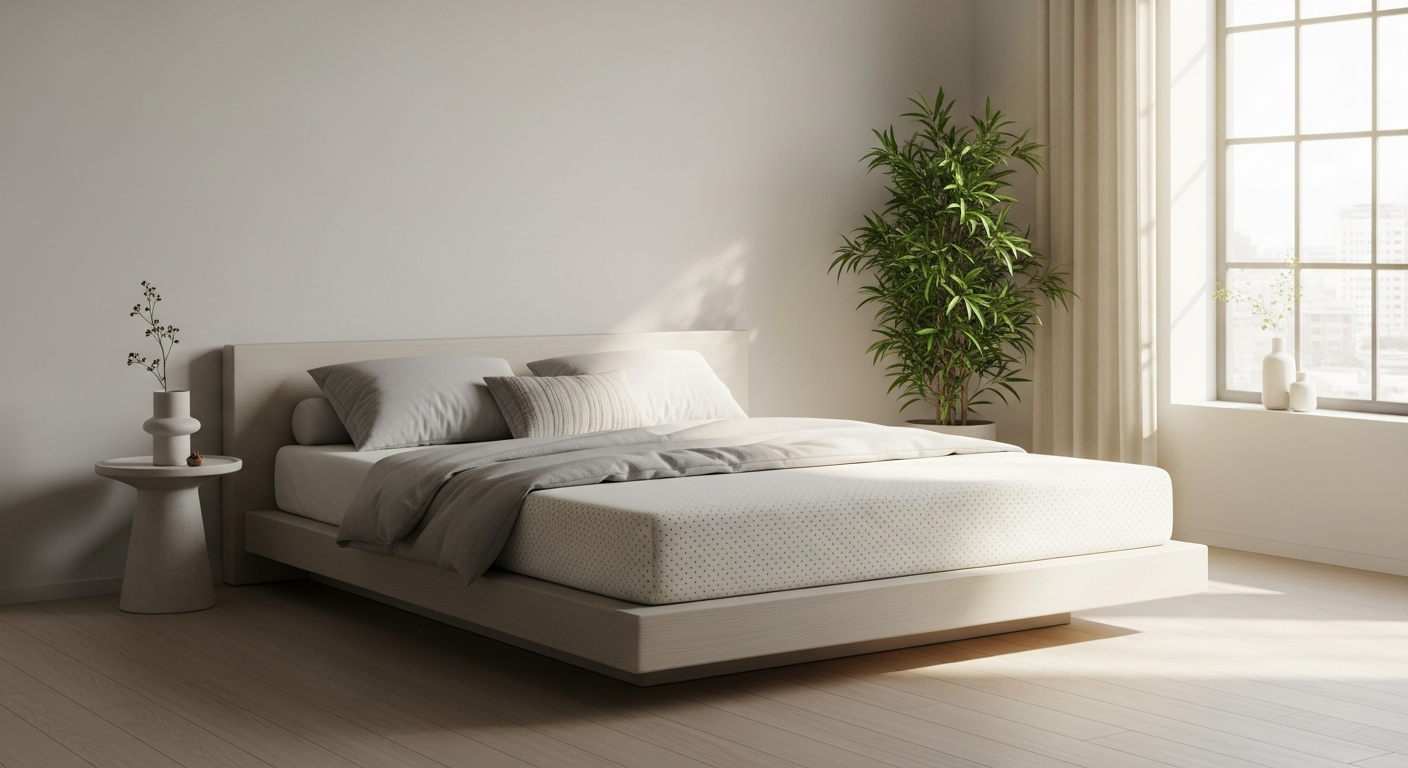
Organic and Sustainable Mattresses for Your New Eco-Friendly Bed in 2026
As we navigate the mid-2020s, the conversation around health, wellness, and environmental responsibility has intensified, reaching every corner of our lives—even our bedrooms. The mattress, once seen merely as a sleeping surface, is now recognized as a critical component of both our personal well-being and the planet’s health. With advancements in eco-friendly manufacturing and a heightened consumer demand for transparency, the landscape of ‘organic sustainable mattress 2026’ is more vibrant and promising than ever before. This comprehensive guide will delve into why choosing an organic and sustainable mattress is a profound investment in your health and the environment, what to look for, and how to pair it perfectly with your new bed frame.
The Unseen Impact: Why Your Mattress Matters
For roughly one-third of our lives, we are in direct contact with our mattresses. Traditional mattresses, often made with synthetic foams and chemical adhesives, can off-gas volatile organic compounds (VOCs) that may contribute to indoor air pollution and potentially impact respiratory health, skin sensitivities, and overall well-being. Furthermore, the lifecycle of these conventional mattresses, from raw material extraction to disposal, often leaves a significant environmental footprint.
In contrast, an organic and sustainable mattress is designed with both human health and ecological stewardship in mind. It’s about more than just ‘natural’ materials; it’s about certified organic components, responsible manufacturing processes, and a commitment to reducing waste and promoting biodegradability. Choosing such a mattress is a conscious step towards creating a healthier home environment and supporting a more sustainable future.
The Pillars of an Organic & Sustainable Mattress: Certifications and Materials
Understanding what makes a mattress truly organic and sustainable can be complex, given the varying claims in the market. The key lies in reputable certifications and the inherent qualities of the materials used.
Key Certifications to Look For:
- Global Organic Textile Standard (GOTS): This is the gold standard for the processing of organic fibers. If a mattress carries a GOTS certification, it means that at least 70-95% of its materials are certified organic, and strict environmental and social criteria are met throughout the entire supply chain. This applies to cotton, wool, and other textile components.
- Global Organic Latex Standard (GOLS): Specifically for latex, GOLS ensures that a rubber plantation meets organic farming standards, including the prohibition of pesticides and synthetic fertilizers. It also covers the processing of the latex from the tree to the finished product.
- Oeko-Tex Standard 100: While not an organic certification, Oeko-Tex Standard 100 certifies that every component of the product, from the fabric to the thread and accessories, has been tested for harmful substances and found to be harmless for human health. It’s an excellent indicator of safety from chemicals.
- GREENGUARD Gold: This certification signifies that a product has met some of the world’s most rigorous third-party chemical emissions standards, helping to reduce indoor air pollution and the risk of chemical exposure.
- CertiPUR-US: This certification applies specifically to polyurethane foam, ensuring it’s made without ozone depleters, PBDEs, mercury, lead, heavy metals, formaldehyde, and phthalates, and has low VOC emissions. While it certifies foam safety, it does not mean the foam is organic.
Common Organic and Sustainable Materials:
- Natural Latex: Derived from the sap of rubber trees, natural latex is inherently durable, hypoallergenic, and resistant to dust mites and mold. Look for 100% natural latex (either Dunlop or Talalay process), ideally GOLS certified. If you’re looking for a truly natural sleep surface, consider a natural latex mattress, renowned for its pressure relief and longevity.
- Organic Cotton: Used in covers, comfort layers, and batting, organic cotton is grown without synthetic pesticides or fertilizers, making it breathable and soft. GOTS certification is crucial here.
- Organic Wool: Often used as a natural flame retardant and a temperature regulator, organic wool wicks away moisture and helps maintain a comfortable sleep temperature. It’s naturally antimicrobial and dust-mite resistant. GOTS-certified wool ensures ethical sourcing and processing.
- Recycled Steel Coils: For innerspring and hybrid mattresses, recycled steel coils reduce the demand for new raw materials and offer excellent support and durability.
Types of Organic & Sustainable Mattresses
The market for organic and sustainable mattresses has diversified significantly, offering various constructions to suit different preferences:
- All-Latex Mattresses: These mattresses are entirely made of natural latex, offering exceptional contouring, pressure relief, and durability. They come in various firmness levels.
- Hybrid Mattresses: Combining pocketed recycled steel coils with layers of natural latex, organic cotton, and wool, hybrid mattresses offer a balance of support, bounce, and pressure relief. For those who prefer a firmer feel with excellent breathability, an organic hybrid mattress often combines responsive coils with layers of organic latex or wool.
- Innerspring Mattresses (with organic components): While less common for full organic claims, some innerspring mattresses use organic cotton and wool comfort layers over traditional coil systems, offering a more breathable and firmer feel than foam options.
Choosing the Right Organic & Sustainable Mattress for You
Beyond certifications and materials, several factors will guide you to your perfect eco-friendly sleep solution:
- Firmness Level: This is highly personal. Consider your preferred sleeping position (side sleepers often need softer, back/stomach sleepers firmer) and any existing back or joint pain.
- Support and Comfort: Look for a mattress that properly aligns your spine while cradling your body. Latex is known for its buoyant support and pressure relief.
- Trial Period and Warranty: Most reputable organic mattress brands offer generous sleep trial periods (100-365 nights) and long warranties (10-25 years), reflecting their confidence in product quality and durability.
- Budget: Organic and sustainable mattresses often come with a higher upfront cost due to premium materials and ethical manufacturing. However, their exceptional durability and health benefits represent a long-term investment.
- Brand Reputation: Research brands that are transparent about their sourcing, manufacturing processes, and certifications. Read customer reviews and look for companies with strong environmental and social commitments.
Pairing Your Organic Mattress with Your New Bed
An organic mattress performs best when paired with an appropriate and equally sustainable bed foundation. The right foundation ensures proper support, mattress longevity, and optimal airflow.
- Slatted Platform Beds: These are ideal. Ensure the slats are no more than 3-4 inches apart to provide adequate support and prevent sagging, especially for all-latex mattresses. Many organic wood frames are available that complement an eco-friendly setup.
- Adjustable Bases: If you desire features like head and foot elevation, ensure your organic mattress is compatible with an adjustable base. Most latex and hybrid mattresses work well.
- Box Springs (if applicable): Traditional box springs with actual springs are generally not recommended for modern organic mattresses, especially latex ones, as they can cause premature sagging. If you need height, opt for a solid foundation or a bunkie board over your existing frame.
To protect your investment and ensure a healthy sleep environment, an organic mattress protector is essential. Look for options made from organic cotton or Tencel for breathability and non-toxic waterproofing. Enhance your sleep haven further with organic cotton sheets and complete the eco-friendly setup with an organic pillow, choosing materials like organic kapok, buckwheat, or shredded latex for a truly natural slumber.
Comparison Table: Popular Organic & Sustainable Mattress Types
Here’s a snapshot of common features you’ll find across leading organic and sustainable mattress brands:
| Feature | All-Natural Latex | Organic Hybrid (Latex + Coils) | Organic Innerspring (Wool/Cotton Top) |
|---|---|---|---|
| Primary Materials | GOLS Certified Natural Latex, Organic Cotton Cover, Organic Wool Fire Barrier | GOLS Certified Natural Latex, Recycled Steel Coils, Organic Cotton Cover, Organic Wool Fire Barrier | Recycled Steel Coils, Organic Cotton, Organic Wool, Natural Fibers |
| Feel/Support | Conforming, buoyant, excellent pressure relief, very durable. Various firmness options. | Responsive, bouncy, supportive with good pressure relief. Often has edge support. | Firm, traditional spring feel, good airflow. Less contouring than latex. |
| Certifications (Typical) | GOLS, GOTS, Oeko-Tex, GREENGUARD Gold | GOLS, GOTS, Oeko-Tex, GREENGUARD Gold | GOTS (for textiles), Oeko-Tex |
| Off-Gassing | Minimal (natural rubber scent, dissipates quickly) | Minimal (natural rubber/fabric scent, dissipates quickly) | Low to none (depending on non-organic components if any) |
| Best For | All sleepers, especially those with allergies, seeking ultimate durability and contouring. | All sleepers, those who like a traditional spring feel with added pressure relief. | Back/stomach sleepers, those who prefer a very firm and breathable surface. |
Beyond the Bedroom: The Broader Impact
The choice of an organic and sustainable mattress extends beyond personal health. It supports industries committed to fair labor practices, sustainable agriculture, and reduced environmental pollution. It means less toxic waste in landfills, fewer chemicals in our waterways, and a healthier ecosystem for everyone. As we move towards 2026 and beyond, the collective impact of such conscious consumer choices will only grow in significance.
Frequently Asked Questions About Organic & Sustainable Mattresses
Q1: Are organic mattresses truly chemical-free?
While no product can be guaranteed 100% chemical-free due to ubiquitous environmental factors, certified organic mattresses significantly reduce your exposure to harmful chemicals, VOCs, flame retardants, and heavy metals commonly found in conventional mattresses. Certifications like GOTS, GOLS, Oeko-Tex, and GREENGUARD Gold ensure rigorous testing for harmful substances.
Q2: How long do organic mattresses last compared to traditional ones?
Organic mattresses, particularly those made with natural latex, are renowned for their exceptional durability. A high-quality organic latex mattress can easily last 15-25 years, often outlasting traditional memory foam or innerspring mattresses that typically last 7-10 years. This longevity further contributes to their sustainability by reducing landfill waste.
Q3: Are organic mattresses more expensive?
Generally, yes, organic mattresses tend to have a higher upfront cost due to the premium quality of certified organic materials, ethical sourcing, and specialized manufacturing processes. However, considering their superior durability, health benefits, and environmental advantages, they often represent a better long-term value than cheaper, less sustainable alternatives.
Q4: Do organic mattresses need a special bed frame?
Most organic mattresses are designed to be compatible with standard bed frames, but they perform best on a solid, flat, or slatted foundation with slats no more than 3-4 inches apart. This ensures proper support, adequate airflow, and prevents premature sagging. Traditional box springs with widespread coils are generally not recommended.
Q5: Can I really tell the difference in sleep quality?
Many individuals report a noticeable improvement in sleep quality after switching to an organic mattress. This can be attributed to several factors: reduced exposure to allergens and VOCs leading to better respiratory health, improved temperature regulation from natural materials like wool and cotton, and the inherent comfort and support of high-quality organic latex or hybrid systems.
Invest in Your Sleep, Invest in the Planet
The decision to purchase an organic and sustainable mattress in 2026 is more than just a trend; it’s a commitment to a healthier lifestyle and a more sustainable future. By understanding the certifications, materials, and personal preferences that guide your choice, you can find a mattress that provides unparalleled comfort, support, and peace of mind. Make the switch and wake up feeling refreshed, knowing you’ve made a positive impact on both your well-being and the world around you.
Ready to transform your sleep? Explore certified organic and sustainable mattress options today!