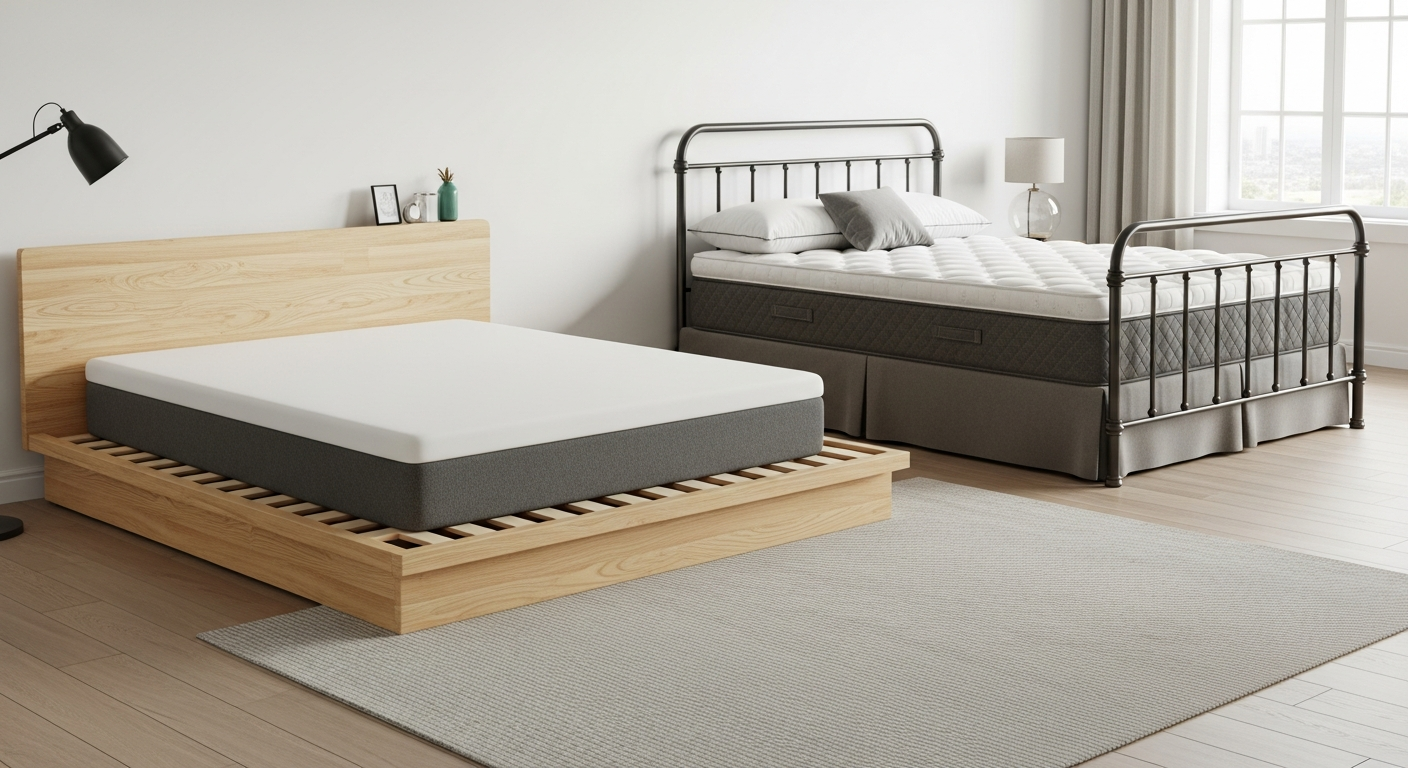
Platform vs. Box Spring: Which Bed Frame Lasts Longer?
Choosing the right foundation for your mattress is just as crucial as selecting the mattress itself. It’s the unsung hero that dictates comfort, support, and, perhaps most importantly, the longevity of your entire sleep setup. For many, the choice boils down to two primary contenders: the sleek, modern platform bed or the traditional, time-tested box spring system. But beyond aesthetics and immediate comfort, a critical question often arises: Platform vs. Box Spring: Which Bed Frame Lasts Longer?
This comprehensive guide from lesofa.club will dissect both options, examining their construction, durability, maintenance requirements, and overall lifespan. We’ll help you understand the nuances of each, ensuring you make an informed decision that promises years of restful sleep and optimal mattress health. Let’s embark on this journey to uncover the champion of bed frame longevity.
Understanding the Basics: What are Platform Beds and Box Springs?
Before we delve into the durability debate, it’s essential to grasp what each system entails and how it functions as the backbone of your bed.
The Platform Bed Explained
A platform bed is a type of bed frame that features a built-in base designed to support a mattress directly, without the need for an additional box spring. Its support system typically consists of closely spaced wooden or metal slats, a solid surface, or a metal grid. This integrated design means your mattress sits atop the frame, offering a lower profile and often a more contemporary aesthetic.
Platform beds are celebrated for their minimalist design, often made from sturdy materials like solid wood, metal, or engineered wood. A high-quality wooden platform bed can seamlessly integrate into various decor styles. Many modern mattresses, especially memory foam, latex, and hybrid varieties, are specifically designed to be used with platform bases, often even requiring them for warranty validity. Some platform beds also come with ingenious built-in storage drawers, maximizing bedroom space – a significant advantage for those living in smaller environments.
The Traditional Box Spring System
In contrast, a box spring is a foundation consisting of a wooden frame covered in fabric, typically containing springs or a steel grid. Its primary purpose is to absorb shock from the mattress, provide a firm and even surface, and elevate the bed to a comfortable height. Unlike platform beds, a box spring does not stand alone; it requires a separate bed frame, usually a basic metal bed frame for box spring, to support it and keep it off the floor.
Historically, box springs were essential for traditional innerspring mattresses, which relied on the give of the coils in the box spring to enhance comfort and prolong mattress life. They add a significant amount of height to the bed, which some sleepers prefer for ease of getting in and out. While once ubiquitous, the rise of foam and hybrid mattresses has seen a decline in the universal necessity of the box spring, leading many to question its relevance and longevity compared to modern alternatives.
The Durability Showdown: Platform vs. Box Spring Lifespan
Now, let’s get to the crux of the matter: which system is built to stand the test of time?
Factors Influencing Longevity
Several variables contribute to how long a bed frame or box spring will last:
- Material Quality: The type and quality of wood (hardwood vs. softwood), metal gauge, and fabric used are paramount.
- Construction: How well components are joined (screws vs. staples), the strength of slats, and the design of central supports play a huge role.
- Maintenance: Regular tightening of bolts, cleaning, and addressing minor issues can significantly extend life.
- Usage: Exceeding weight limits, excessive jumping, or rough handling will degrade any foundation faster.
- Mattress Type: Using an incompatible mattress can prematurely wear out the foundation (e.g., heavy foam mattress on a flimsy box spring).
Platform Bed Durability
Generally, platform beds are known for their robust construction and fewer moving parts, which often translates to a longer lifespan. Since the mattress rests directly on solid slats or a solid surface, the support is direct and even. The absence of coils means there are fewer components to wear out or break down over time.
A well-made platform bed, especially a heavy duty platform bed crafted from solid wood or thick metal, can easily last for 10-15 years, or even longer with proper care. The main points of failure tend to be slats that are too thin, spaced too far apart, or lacking adequate central support. If the slats are designed poorly or made from weak materials, they can sag or break, leading to uneven mattress support and potential damage to the mattress itself. However, many quality platform beds include a center support beam with additional legs, dramatically increasing their stability and longevity.
Their simple, sturdy design often makes them less susceptible to creaking and noise over time compared to coil-based systems, provided the connections remain tight.
Box Spring Durability
Traditional box springs, particularly those with actual spring coils, are designed to absorb impact and provide some give. This shock absorption can potentially extend the life of an innerspring mattress by reducing wear and tear. However, the coils within the box spring are also its weakest link in terms of longevity.
Over time, these springs can lose their tension, sag, become noisy (squeaking or creaking), or even break. Once the springs begin to fail, the box spring loses its ability to provide even support, leading to mattress sagging and a less comfortable sleep surface. The fabric covering can also tear, and the wooden frame can become loose or warped, especially if exposed to moisture or excessive weight.
A high-quality coil box spring might last anywhere from 5-10 years. However, many modern “box springs” are actually just rigid foundations made of wood and metal, without coils. These perform more like solid platform bases and can have a similar lifespan to a platform bed, assuming similar construction quality. The traditional coil box spring generally has a shorter lifespan than a robust platform bed due to the inherent wear and tear on its spring components.
Beyond Longevity: Other Key Considerations
While durability is crucial, it’s not the only factor. Your lifestyle, mattress type, and aesthetic preferences also play a significant role.
Support and Mattress Compatibility
- Platform Beds: Offer a firm, consistent support, which is ideal for modern foam mattresses (memory foam, latex) and hybrid mattresses. Many mattress manufacturers specifically recommend or require a solid or slatted platform base with slats no more than 2-3 inches apart to maintain warranty validity and prevent sagging.
- Box Springs: Best suited for traditional innerspring mattresses. They complement the spring system of these mattresses, providing a slightly softer, more yielding feel. Using a box spring with a foam or hybrid mattress is generally not recommended as it can lead to premature sagging and inadequate support for the mattress’s structure.
Comfort and Feel
- Platform Beds: Tend to create a firmer overall feel for the mattress, as there is no give from a spring system below.
- Box Springs: Add a degree of cushioning and bounce, making the mattress feel slightly softer and more responsive.
Aesthetics and Design
- Platform Beds: Offer a modern, low-profile, and often minimalist aesthetic. They come in countless designs, materials, and colors, often acting as a focal point in the bedroom. Many feature headboards, footboards, and even built-in storage.
- Box Springs: Are largely functional and are typically hidden by bed skirts or the bed frame itself. They contribute to a more traditional, elevated bed look.
Height and Accessibility
- Platform Beds: Result in a lower overall bed height, which some people prefer for a contemporary look or ease of access for children/pets.
- Box Springs + Frame: Create a significantly taller bed, which can be advantageous for individuals who struggle to get in and out of lower beds.
Cost
- Platform Beds: A single purchase for the entire bed frame and foundation. Prices vary widely based on materials and features, but can be a cost-effective choice in the long run as no separate box spring is needed.
- Box Springs: Require two purchases: the box spring itself and a separate bed frame. This can sometimes result in a higher overall initial cost.
Airflow and Hygiene
- Platform Beds: Slatted designs allow for good airflow underneath the mattress, which can help prevent moisture buildup and inhibit mold/mildew growth. Solid platforms can restrict airflow more, so consider slatted options for better ventilation.
- Box Springs: The open structure (especially traditional coil box springs) allows for excellent airflow, which is beneficial. However, the fabric covering can become a haven for dust mites and allergens over time, requiring more frequent cleaning or encasements.
Comparison Table: Platform vs. Box Spring
| Feature | Platform Bed | Box Spring |
|---|---|---|
| Primary Function | Direct mattress support, integrated frame | Mattress shock absorption, elevation, separate frame needed |
| Typical Lifespan | 10-15+ years (high quality) | 5-10 years (traditional coil); 10-15+ years (rigid foundation) |
| Durability Factors | Quality of slats/construction, center support | Coil integrity, frame stability, fabric wear |
| Mattress Compatibility | Memory foam, latex, hybrid (preferred) | Traditional innerspring (preferred) |
| Overall Feel | Firmer, more direct support | Softer, more bouncy, some give |
| Aesthetics | Modern, sleek, often standalone furniture piece | Traditional, functional, usually hidden by bed skirt/frame |
| Bed Height | Lower profile | Taller (box spring + frame) |
| Cost (Initial) | One purchase, can be higher but no box spring needed | Two purchases (box spring + frame), potentially higher overall |
| Airflow | Good with slats, less with solid platforms | Generally good through open structure |
| Maintenance | Tighten bolts, clean frame | Check for sagging/creaking, clean fabric, dust mites |
Making the Right Choice for Your Sleep
Ultimately, the decision between a platform bed and a box spring largely hinges on your specific needs and preferences. There isn’t a universally “better” option; there’s only the best option for you.
Consider your mattress type: If you have a modern memory foam, latex, or hybrid mattress, a platform bed is almost certainly the way to go, both for optimal support and warranty compliance. If you still prefer a traditional innerspring mattress, a quality box spring (or a rigid foundation if you want the height without the coils) can serve you well.
Evaluate your preferred bed height and firmness: Do you like a low-slung, minimalist look, or do you prefer to climb into a taller bed? Do you want your mattress to feel firmer or have a bit more give?
Think about aesthetics and functionality: Does a sleek, modern platform bed with potential storage appeal to you, or do you prefer the classic look that a box spring and traditional frame provides, perhaps with a decorative bed skirt?
Factor in your budget: While platform beds can have a higher upfront cost for premium models, remember they are a single purchase. Box springs require a separate bed frame, which adds to the total investment.
By carefully weighing these factors against the durability insights discussed, you can confidently choose the foundation that will provide you with the best sleep and the longest lifespan for your investment.
FAQs about Platform Beds and Box Springs
Q: Can I use a box spring on a platform bed?
A: Technically, yes, but it’s usually unnecessary and can make your bed excessively high. A platform bed is designed to provide direct support, eliminating the need for a box spring. Adding one might negate the benefits of your platform bed and can sometimes lead to an unstable setup.
Q: Can I put a memory foam mattress on a box spring?
A: It’s generally not recommended, especially with traditional coil box springs. Memory foam and latex mattresses require a firm, consistent, and even surface. The give and open coil structure of a traditional box spring can cause these mattresses to sag prematurely, compromising support and potentially voiding your mattress warranty. A rigid foundation (which is sometimes called a “box spring” but contains no coils) can work, but a slatted platform is usually ideal.
Q: How do I know if my box spring is bad?
A: Signs of a failing box spring include noticeable sagging, creaking noises, broken or bent coils (if it’s a traditional box spring), a visible dip or hump, and the mattress feeling less supportive or comfortable than it used to.
Q: What’s the ideal slat spacing for a platform bed?
A: For optimal support and mattress longevity, especially for memory foam and latex mattresses, slats should typically be no more than 2-3 inches apart. This ensures even weight distribution and prevents sagging through the gaps.
Q: Do platform beds really last longer?
A: In most cases, yes, especially when comparing a quality platform bed to a traditional coil box spring. Platform beds have fewer moving parts and offer more direct, solid support. However, a cheaply made platform bed with flimsy slats can fail faster than a very high-quality rigid box spring foundation.
Conclusion: The Verdict on Longevity and Your Best Bet
When asking Platform vs. Box Spring: Which Bed Frame Lasts Longer?, the evidence leans towards the well-constructed platform bed. Its solid, integrated design, fewer moving parts, and direct support typically afford it a longer lifespan than a traditional coil box spring, which is prone to coil fatigue and noise over time. Modern rigid foundations (often marketed as box springs) can rival platform beds in durability, but they share the platform’s core principle of direct, firm support.
Ultimately, the longevity of either system is heavily dependent on the quality of materials and construction. A cheap platform bed with thin, widely spaced slats will likely fail faster than a premium, coil-reinforced box spring. However, for most contemporary mattresses and a desire for robust, long-term support, a well-engineered platform bed emerges as the champion of durability.
Your Next Step Towards a Perfect Sleep!
Ready to upgrade your sleep setup? Consider your mattress type, preferred comfort, and aesthetic to make the best decision for your home. Explore a wide range of quality bed frames, from sturdy platform beds to supportive foundations, and invest in the foundation that will cradle your mattress—and your sleep—for years to come. Sweet dreams!