Biophilic Bedroom Design: Bringing Nature into Your Sleep Space

In our increasingly urbanized world, the connection to nature often feels distant. We spend most of our time indoors, surrounded by technology and synthetic materials, which can inadvertently impact our well-being. This disconnect has led to a growing appreciation for biophilic design – an innovative approach that integrates natural elements into built environments to foster a deeper human-nature connection. And where better to start this integration than in our bedrooms, the very sanctuaries where we seek rest, rejuvenation, and peace?

Biophilic Bedroom Design: Bringing Nature into Your Sleep Space

Biophilic bedroom design ideas are not just about aesthetics; they’re about creating a healthier, more harmonious space that supports our mental and physical health. It’s about consciously bringing the restorative power of the natural world indoors, transforming your sleep space into a tranquil haven that encourages relaxation and deep sleep. Imagine waking up feeling refreshed, surrounded by the calming presence of plants, the gentle glow of natural light, and the grounding textures of organic materials. This article will guide you through the principles and practical application of biophilic design, helping you curate a bedroom that truly breathes life into your nights and days.

The Profound Benefits of a Biophilic Bedroom

Integrating biophilic elements into your bedroom offers a cascade of benefits that extend far beyond visual appeal. Scientific research consistently demonstrates the positive impact of nature on human well-being, and bringing these principles into your personal space can lead to significant improvements:

  • Reduced Stress and Anxiety: Exposure to natural environments has been shown to lower cortisol levels, decrease heart rate, and reduce feelings of stress and anxiety. A biophilic bedroom acts as a constant source of calm, helping to unwind after a long day.
  • Improved Sleep Quality: Natural light cycles, a cornerstone of biophilic design, help regulate our circadian rhythms, promoting healthier sleep patterns. The serene atmosphere created by natural elements can also facilitate easier onset of sleep and deeper, more restorative rest.
  • Enhanced Mood and Cognitive Function: Studies suggest that spending time in natural settings can boost mood, increase creativity, and improve focus. Even subtle natural cues in the bedroom can contribute to a more positive outlook and sharper mental clarity.
  • Better Air Quality: Incorporating specific indoor plants not only adds visual appeal but also naturally filters toxins from the air, improving the oxygen levels and overall air quality in your sleep environment.
  • Increased Connection to Nature: For those living in urban areas, a biophilic bedroom provides a vital daily connection to the natural world, even when outdoor access is limited. This connection is fundamental for human psychological well-being.

Embracing biophilic bedroom design ideas is an investment in your health and happiness, creating a space that nurtures both body and mind.

Key Elements of Biophilic Bedroom Design

To truly capture the essence of biophilia, consider integrating these core elements into your bedroom:

1. Abundant Natural Light

Natural light is arguably the most crucial element in any biophilic space. It connects us to the outside world, marks the passage of time, and is essential for regulating our circadian rhythms. Maximize natural light by:

  • Keeping windows unobstructed: Opt for sheer curtains or blinds that can be easily opened to let in the morning sun.
  • Strategic mirror placement: Position mirrors to reflect natural light deeper into the room.
  • Avoiding heavy drapes: If privacy is a concern, choose lightweight, breathable fabrics.
  • Incorporating layers of artificial light that mimic natural light: Warm-toned bulbs and dimmers can replicate the soft glow of dusk.

2. Lush Indoor Plants

Plants are the most direct way to bring nature indoors, offering visual beauty, improved air quality, and a tangible connection to living organisms. When exploring biophilic bedroom design ideas, choose plants known for their air-purifying qualities and low maintenance, such as:

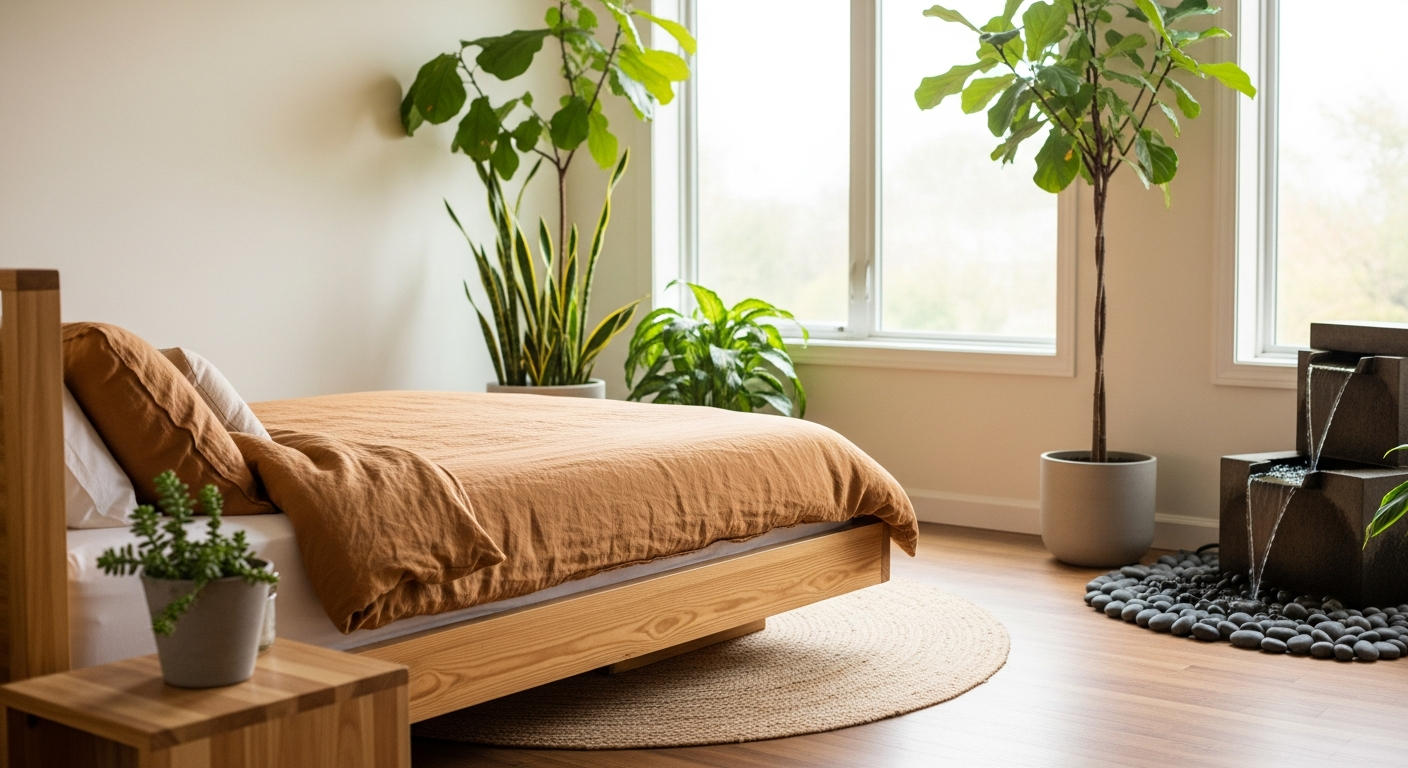
  • Snake Plant (Sansevieria trifasciata): Excellent for purifying air, even at night.
  • Peace Lily (Spathiphyllum): Beautiful foliage and flowers, also great for air filtration.
  • ZZ Plant (Zamioculcas zamiifolia): Extremely low-maintenance and tolerant of various light conditions.
  • Pothos (Epipremnum aureum): Easy to grow and cascade beautifully from shelves.

Consider displaying them in beautiful ceramic planters or hanging plant holders to add an extra layer of natural aesthetic.

3. Organic and Natural Materials

The textures and tactile qualities of materials play a significant role in creating a biophilic environment. Opt for materials that are raw, unprocessed, and derived from nature:

  • Wood: A sturdy wooden bed frame, nightstands, or decorative accents bring warmth and a sense of grounding. Look for sustainably sourced options.
  • Stone: Small stone features, polished river rocks, or even a stone accent wall can add an earthy, enduring quality.
  • Cotton, Linen, Wool: For bedding, curtains, and upholstery, choose natural fibers like crisp linen sheets or a soft organic cotton duvet cover. These materials are breathable, comfortable, and connect us to the earth.
  • Jute, Sisal, Rattan: A natural fiber jute rug or a plush wool area rug underfoot adds texture and warmth, while rattan furniture or baskets introduce a lighter, airy feel.

4. Water Features

The sight and sound of water are inherently soothing. A small indoor fountain can introduce a gentle, rhythmic sound that masks distracting noises and promotes relaxation. Even a simple bowl of water with floating flowers can evoke a sense of tranquility.

5. Earth-Inspired Colors and Patterns

Mimic nature’s palette. Think calming greens, soothing blues, warm earthy browns, soft grays, and sandy beiges. Avoid overly vibrant or artificial colors. Incorporate patterns that subtly echo natural forms – think botanical prints, wood grain textures, or subtle wave motifs.

6. Natural Scents and Sounds

Engage all your senses. Use an essential oil diffuser with calming scents like lavender, chamomile, or cedarwood. Consider playing nature sounds – gentle rainfall, ocean waves, or forest ambiance – at a low volume to further enhance the serene atmosphere.

Practical Biophilic Bedroom Design Ideas for Your Home

Now that we understand the core elements, let’s explore actionable biophilic bedroom design ideas to transform your space:

Curating Your Indoor Garden

Don’t just place plants; arrange them thoughtfully. Create a small cluster of plants on a nightstand or dresser, or use varying heights with floor plants and hanging baskets. Ensure your plants receive adequate light and are easy to maintain to avoid added stress. Consider a vertical garden if space is limited.

Furniture That Connects

Beyond a wooden bed frame, look for furniture with organic shapes and minimal, clean lines. Avoid overly ornate or modern pieces that might feel out of place. Prioritize comfort and functionality, allowing the natural elements to be the focal point.

Textiles and Linens

Layering natural textiles is key. Start with an organic cotton or linen duvet cover, add chunky knit throws, and scatter plush cushions made from wool or sustainable fabrics. These layers create warmth, texture, and a sense of inviting comfort.

Art and Decor Echoing Nature

Choose artwork that features landscapes, botanical prints, abstract nature scenes, or even pressed flowers. Handcrafted items made from wood, clay, or stone can also reinforce the natural aesthetic. Avoid mass-produced plastic items.

Creating a ‘Window to the World’

If your bedroom lacks a view, you can simulate one. A large mirror strategically placed can reflect the outdoors (even if it’s just a sliver of sky). Large format nature photography or a natural-themed mural can also serve as a visual connection to the external environment.

Comparison: Traditional vs. Biophilic Bedroom Design

To better understand the shift, here’s a quick comparison:

Feature Traditional Bedroom Design Biophilic Bedroom Design
Light Source Primarily artificial, heavy curtains Maximized natural light, sheer coverings
Materials Synthetic fabrics, engineered wood, metal Organic cotton, linen, wool, solid wood, stone, rattan
Color Palette Varies widely, often vibrant or stark Earth tones, greens, blues, muted natural hues
Focal Points Large furniture, technology (TV) Plants, natural views, calming textures
Sensory Experience Visual focus, sometimes artificial scents Multi-sensory: sight, touch, natural sound, aroma

DIY Biophilic Touches for Every Budget

You don’t need a complete overhaul to introduce biophilic bedroom design ideas. Here are some simple, budget-friendly DIY touches:

  • Forage for Decor: Collect interesting branches, smooth river stones, or dried flowers from nature (responsibly, of course!) to use as decorative accents.
  • Press Your Own Flowers: Create unique, natural wall art by pressing flowers and framing them.
  • Create a Plant Shelfie: Arrange a collection of small plants on a floating shelf or windowsill.
  • Upcycle with Natural Paints: Give an old dresser a new lease on life with non-toxic, earthy-toned chalk paint.
  • Hang a Macrame Plant Hanger: A simple macrame hanger adds a handmade, natural touch and frees up surface space.

Integrating Technology Mindfully

While biophilic design emphasizes nature, it doesn’t mean banishing all technology. The key is mindful integration. Conceal charging cables, tuck away devices when not in use, and consider a smart light system that can mimic natural sunrise and sunset. If you must have a screen, opt for one that can display nature scenes or turn into an art piece when off.

Maintenance Tips for Your Nature-Inspired Sanctuary

A biophilic bedroom requires a little love to thrive. Regularly dust plant leaves, water them appropriately, and ensure they get enough light. Keep natural wood clean and oiled, and natural fiber textiles washed gently. Regular airing of the room will also keep the air fresh and vibrant.

Frequently Asked Questions About Biophilic Bedroom Design

Q1: What are the best plants for a biophilic bedroom?

A1: Look for low-maintenance, air-purifying plants like Snake Plants, ZZ Plants, Pothos, Peace Lilies, and Spider Plants. Ensure they are non-toxic if you have pets. Consider the light conditions of your room when choosing.

Q2: Can biophilic design work in small bedrooms?

A2: Absolutely! In fact, it can make small spaces feel larger and more open. Use vertical gardens, hanging plants, reflective surfaces to amplify light, and strategically placed natural elements to draw the eye upwards and outwards. Focus on quality over quantity for materials.

Q3: How do I incorporate water elements without too much maintenance?

A3: Small, self-contained tabletop fountains require minimal maintenance – just refilling with distilled water occasionally to prevent mineral buildup. You can also simply place a beautiful bowl of water with floating flowers or river stones for a static, yet calming, water presence without a motor.

Q4: What’s the difference between biophilic and bohemian design?

A4: While both often use natural materials and plants, biophilic design is driven by the scientific principle of connecting humans to nature for well-being, focusing on natural light, genuine natural elements, and organic forms. Bohemian design is more about an eclectic, free-spirited aesthetic, often incorporating global influences, varied patterns, and a more maximalist approach, though it can certainly include natural elements.

Q5: Is biophilic design expensive?

A5: Not necessarily. While high-end natural materials can be an investment, many biophilic bedroom design ideas are very budget-friendly. Incorporating plants, natural light, DIY nature-inspired decor, and upcycling existing furniture with natural paints are all cost-effective ways to achieve a biophilic look. Focus on a few key natural elements rather than trying to overhaul everything at once.

Embrace Nature, Embrace Wellness

Transforming your bedroom into a biophilic haven is more than just a design trend; it’s a commitment to your health, well-being, and a deeper connection with the natural world. By thoughtfully integrating natural light, living plants, organic materials, and nature-inspired aesthetics, you can create a sleep space that genuinely nurtures your soul and prepares you for a vibrant day ahead. Start exploring these biophilic bedroom design ideas today and experience the profound peace that only nature can bring.

Ready to create your serene sleep sanctuary?

Begin your biophilic journey now and transform your bedroom into a rejuvenating oasis. Explore our curated selections of natural home decor and sustainable furnishings to bring these inspiring ideas to life.
How to Style a Bed with Layered Patterns and Textures

Your bed isn’t just a place to sleep; it’s the undisputed focal point of your bedroom, a canvas for comfort, and a reflection of your personal style. While a neatly made bed is always appealing, mastering the art of layering patterns and textures can elevate it from merely functional to utterly breathtaking. Imagine sinking into a bed that’s a symphony of tactile sensations and visual intrigue – that’s the magic we’re about to unlock. If you’ve ever wondered how to style a layered bed that looks straight out of a designer magazine, yet feels incredibly inviting and personal, you’ve come to the right place. This comprehensive guide will walk you through every step, from foundational elements to the delicate finishing touches, ensuring your bed becomes the ultimate statement of luxury and comfort.

How to Style a Bed with Layered Patterns and Textures

The Foundation: Building Your Bedding Base

Every masterpiece begins with a solid foundation. For your layered bed, this means investing in quality basics that provide comfort and serve as a neutral backdrop for your creative expressions. Start with a plush mattress protector for hygiene and longevity, followed by a comfortable mattress pad to add an extra layer of softness. Next, select your fitted and flat sheets. While it might be tempting to jump straight to exciting patterns, a solid, high-quality sheet set in a neutral color – think crisp white, soothing ivory, or a soft gray – is often the best choice for the base. This provides a clean canvas and allows subsequent layers to truly pop without clashing. Prioritize soft, breathable fabrics like cotton or linen, which feel luxurious against the skin and wear beautifully over time. Consider investing in premium organic cotton sheets for unparalleled comfort and a sustainable choice that sets the tone for your entire bedding ensemble. The right foundation ensures not only aesthetic appeal but also a supremely comfortable sleep experience, which, after all, is the ultimate goal of any bed.

Adding Depth with Duvets and Comforters

Once your sheets are in place, it’s time for the primary warmth and visual anchor of your bed: the duvet or comforter. This layer dictates much of the bed’s overall feel and is often the largest block of color or pattern. For a layered look, you have a few options. A solid-colored duvet in a rich, inviting hue can ground your scheme, allowing you to go bolder with subsequent layers. Alternatively, a subtly patterned duvet, perhaps with a textured weave or a muted geometric design, can introduce your first layer of visual interest. Consider the weight and warmth – an all-season down alternative comforter is a versatile choice that offers year-round comfort. Ensure your duvet or comforter is generously sized to drape elegantly over the sides of the bed, creating a luxurious and full appearance. This initial layer should feel substantial and inviting, setting the stage for the lighter, more decorative elements to follow.

The Art of Layering: Quilts and Coverlets

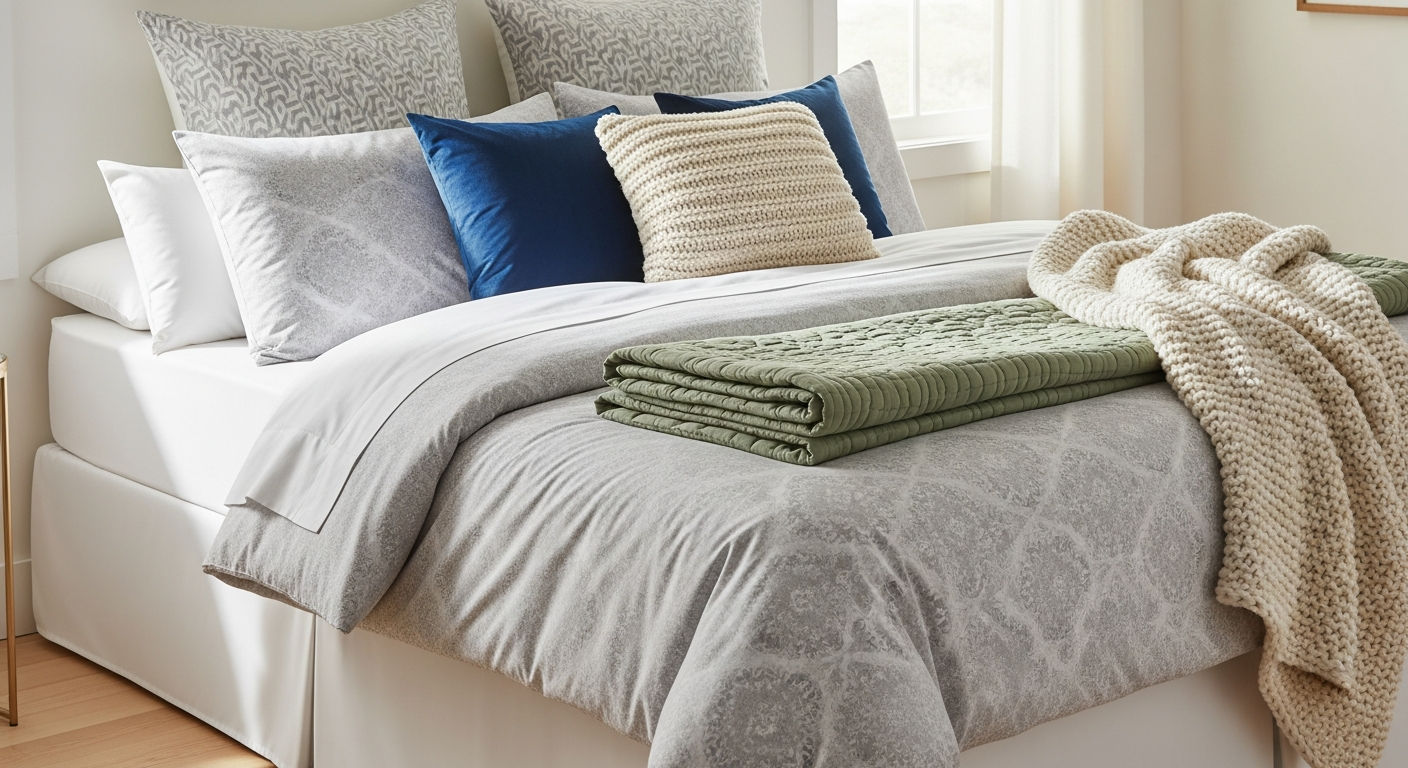
This is where the true art of layering begins. A quilt, coverlet, or blanket placed over your duvet adds an incredible amount of depth and texture. This secondary top layer is perfect for introducing a contrasting pattern, a complementary color, or a new tactile element. For instance, if your duvet is a solid color, a patterned quilt can inject vibrancy. If your duvet has a subtle pattern, a solid-colored coverlet with a distinct texture (like a matelassé weave or a linen blend) can add sophistication. Drape it folded neatly at the foot of the bed, or pull it up halfway over the duvet for a more relaxed, lived-in feel. A lightweight quilted coverlet in a contrasting shade or a subtle print is an excellent choice for adding visual interest without overwhelming the bed. This layer also offers practical benefits, providing an extra touch of warmth on cooler nights or serving as a lighter option during warmer seasons when the main duvet might be too much.

Pillow Power: Mixing and Matching

Pillows are arguably the most impactful element when learning how to style a layered bed. They offer endless opportunities for mixing patterns, textures, and colors. The standard setup usually involves:

  • Sleeping Pillows: Two king or queen-sized pillows, often covered by standard shams that match your sheet set or duvet. These are usually tucked behind the decorative pillows.
  • Euro Shams: Typically 26×26 inches, these square pillows are placed against the headboard, providing height and a luxurious backdrop. They are excellent for introducing a bold pattern or a rich texture.
  • Decorative Throw Pillows: This is where you can truly have fun. Incorporate two to three smaller pillows in varying shapes (squares, lumbar, round) and sizes. Mix fabrics like crisp linen, plush velvet throw pillows, or chunky knits. Experiment with different patterns, ensuring there’s a unifying element, such as a shared color or a consistent theme, to maintain cohesion.

The key is to layer them from tallest (Euro shams) to shortest (small decorative pillows) towards the front, creating a visually appealing cascade of comfort and style. Don’t be afraid to experiment with asymmetrical arrangements for a more modern, relaxed vibe.

The Finishing Touches: Throws and Blankets

The final layer, the throw blanket, is like the jewelry of your bed. It adds a touch of effortless chic, extra warmth, and another opportunity to introduce texture and color. A beautifully draped throw can make a bed feel instantly more inviting and lived-in. Common ways to style a throw include:

  • Draped Artfully: Casually tossed over one corner of the bed, allowing it to fall naturally. This creates a relaxed, bohemian feel.
  • Folded Neatly: Folded lengthwise and laid across the foot of the bed, either on top of or beneath the quilt. This provides a clean, tailored look.
  • Layered with Other Throws: For ultimate texture, you can even layer two different throws, perhaps a lightweight linen over a soft cashmere or a chunky knit throw blanket for a cozy, rustic touch.

Choose a throw in a contrasting texture or a pop of color that complements your existing palette. Faux fur, chunky knits, velvet, or even a simple linen throw can add that perfect touch of warmth and personality.

Mastering Patterns: A Guide to Harmonious Mixing

Mixing patterns can feel intimidating, but with a few guidelines, you can create a cohesive and exciting look:

  1. Vary Scale: The golden rule. Pair a large-scale pattern (like a bold floral on your duvet) with a medium-scale pattern (a geometric on Euro shams) and a small-scale pattern (a subtle stripe on a throw pillow). This prevents patterns from competing and allows each to shine.
  2. Anchor with Solids: Use solid-colored sheets, a duvet, or pillows as a ‘rest stop’ for the eye between patterns.
  3. Choose a Common Color: Ensure at least one color is shared across all the patterns you introduce. This creates visual continuity and brings everything together, even if the patterns are diverse.
  4. Mix Pattern Types: Don’t stick to just florals or just geometrics. Combine different styles – a botanical print with a simple stripe, or a modern abstract with a classic herringbone.

Remember, the goal is harmony, not uniformity. When you know how to style a layered bed with patterns, you understand that variety adds depth and character.

Embracing Textures: The Sensory Experience

Texture is perhaps even more critical than pattern for creating a truly luxurious and inviting layered bed. It’s what makes you want to reach out and touch. Aim for a mix of smooth, soft, crisp, and plush elements. Consider:

  • Smooth: Sateen sheets, silk pillowcases, polished cotton.
  • Crisp: Percale sheets, linen coverlets.
  • Soft/Plush: Velvet pillows, faux fur throws, cashmere blankets, brushed cotton duvets.
  • Nubby/Textured: Waffle weave blankets, knitted throws, embroidered quilts.

The contrast between these textures is what creates visual interest and a rich sensory experience. Imagine the crispness of linen against the softness of velvet, or the smoothness of silk against a chunky knit. This interplay of textures is paramount to making your layered bed feel incredibly cozy and expensive.

Color Palette Perfection: Unifying Your Layers

A well-chosen color palette is the glue that holds your layered bed together. You can approach this in several ways:

  • Monochromatic: Stick to varying shades and tones of a single color (e.g., different shades of blue, from navy to sky blue). This creates a sophisticated, calming effect, relying heavily on texture for interest.
  • Analogous: Use colors that are next to each other on the color wheel (e.g., blues, greens, and teals). This creates a harmonious, flowing palette.
  • Complementary or Accent Colors: Start with a dominant neutral base (white, gray, beige), then introduce one or two accent colors that provide a pop of contrast. For instance, a gray bed with mustard yellow and deep teal accents.

The key is to select a palette that evokes the mood you desire for your bedroom – whether it’s serene and calming, vibrant and energetic, or warm and earthy. Ensure your chosen colors complement the existing decor of your room, from wall paint to furniture and soft bedroom area rug, creating a cohesive and inviting space.

Beyond the Bed: Integrating Bedroom Decor

While the bed is the star, the surrounding bedroom decor plays a crucial supporting role in enhancing the layered look. Elements like curtains, bedside tables, lighting, and wall art should harmonize with your bedding choices. For instance, if you’ve opted for a bed with bold patterns, consider more subdued curtains or a minimalist bedside lamp. Conversely, a largely neutral bed allows for more adventurous choices in artwork or a vibrant area rug. Ensure that the overall mood and aesthetic of the room complement the luxurious, layered feel of your bed. The goal is to create a holistic sanctuary where every element contributes to an atmosphere of comfort and style.

Popular Bedding Fabrics for Layering: A Comparison

Choosing the right fabrics is crucial for achieving both comfort and a visually rich layered look. Here’s a comparison of popular bedding fabrics:

Fabric Type Key Characteristics Best For Layering Tip
Cotton (Percale) Crisp, cool, matte finish, breathable. Base sheets, lighter duvets, summer. Pairs well with plush textures like velvet or faux fur for contrast.
Cotton (Sateen) Smooth, silky feel, slight sheen, drapes beautifully. Luxury sheets, duvet covers, year-round comfort. Complements textured quilts or knitted throws, adding elegance.
Linen Breathable, natural texture, becomes softer with age, relaxed look. Casual sheets, relaxed duvet covers, coverlets. Adds an organic, lived-in texture; contrasts beautifully with smooth sateen or crisp percale.
Flannel Soft, fuzzy, warm, cozy, excellent for cold climates. Winter sheets, cozy throws, comforters. Layer with smooth fabrics to balance its warmth; great for rustic or cabin aesthetics.
Velvet Luxurious, soft, rich pile, reflects light beautifully. Decorative pillows, throw blankets, upholstered headboards. Introduces opulence and depth, pairs with almost any other texture for contrast.

Troubleshooting Common Layering Mistakes

Even with the best intentions, it’s easy to fall into common traps when layering your bed. Here are a few to avoid:

  • Over-Layering: While more is generally better for layering, too many heavy blankets or an excessive number of pillows can make the bed look cluttered and uninviting rather than plush. Aim for balance.
  • Neglecting Color Harmony: Randomly choosing patterns and textures without a unifying color palette can lead to a chaotic look. Always ensure there’s a common thread.
  • Ignoring Scale: Using too many patterns of the same scale can make the bed feel busy and overwhelming. Remember the rule of varying scales.
  • Lack of Texture Variation: Sticking to all smooth or all rough textures will make the bed fall flat. The magic is in the contrast.
  • Poor Quality Base Layers: Skimping on sheets or a duvet can undermine the entire luxurious effect, no matter how many beautiful layers you add on top.

By being mindful of these pitfalls, you can ensure your layered bed remains a masterpiece of design.

Conclusion

Mastering how to style a layered bed with patterns and textures is an exciting journey into bedroom design. It’s about combining comfort with aesthetics, creating a space that looks inviting and feels incredibly cozy. From the foundational sheets to the decorative throws and pillows, each layer plays a vital role in building depth, character, and luxury. Don’t be afraid to experiment, mix and match, and let your personal style shine through. Remember the principles of varying scale in patterns, contrasting textures, and maintaining a cohesive color palette, and you’ll be well on your way to creating a bed that’s not just a place to sleep, but a stunning sanctuary. Ready to transform your sanctuary?

Explore Our Curated Bedding Selections on Amazon and Start Your Transformation!

Frequently Asked Questions

Q1: How many layers should a bed have to look styled, but not overdone?

A beautifully styled layered bed typically has between 4 to 6 distinct layers, not including the mattress protector and mattress pad. This usually breaks down to: 1) Fitted & flat sheets, 2) A main duvet or comforter, 3) A quilt or coverlet, 4) Euro shams, 5) Decorative throw pillows (2-3), and 6) A throw blanket. The key is to vary the textures and patterns within these layers, rather than simply adding more of the same.

Q2: Can I mix different patterns on my bed, or should they all be similar?

Absolutely, mixing patterns is central to a well-layered bed! The trick is to vary their scale (large, medium, small) and ensure they share at least one common color. You can mix florals with geometrics, stripes with abstract designs, as long as there’s a cohesive element that ties them together, preventing the look from becoming chaotic. Aim for 2-3 distinct patterns at most for balance.

Q3: What’s the best way to fold a throw blanket on a bed?

There are a few popular ways to fold a throw blanket:
1. The “Effortless Drape”: Casually toss it over one corner or side of the bed, allowing it to fall naturally.
2. The “Neat Fold”: Fold it lengthwise into a neat rectangle and lay it across the foot of the bed, either on top of or slightly beneath the duvet/quilt.
3. The “Half-Fold”: Fold it in half or thirds lengthwise, then lay it across the bed about two-thirds of the way down, leaving the top portion of the duvet exposed. The best method often depends on the throw’s texture and the overall aesthetic you’re aiming for.

Q4: How do I keep all the layers from sliding off the bed, especially with movement?

While some shifting is natural, you can minimize it by using a good quality fitted sheet that stays taut. For duvets, ensure your duvet cover has corner ties that attach to the duvet insert. When arranging layers, tucking them slightly under the mattress or heavier layers at the foot of the bed can help secure them. For throws, a more structured fold (like the neat fold) tends to stay in place better than a casual drape if sliding is an issue.

Q5: Should all my decorative pillows match?

No, not at all! In fact, having all your decorative pillows match can make your bed look stiff and less interesting. The beauty of layering pillows comes from mixing different shapes, sizes, textures (e.g., velvet, linen, knit), and even patterns. The key is to select pillows that complement each other through a shared color palette or a consistent style, even if their individual designs are unique.