Mastering Flexible Living: Modular Sofa Layouts for Dynamic 2026 Homes
The concept of ‘home’ is continuously evolving. As our lives become more fluid, multitasking spaces, and embracing ever-changing needs, our furniture must keep pace. Welcome to the future of interior design, where the static, unyielding sofa is a relic of the past. In 2026, the modular sofa reigns supreme, offering unparalleled flexibility, style, and intelligent design solutions for every lifestyle. If you’re looking to future-proof your living space and create an environment that adapts as quickly as you do, understanding the nuances of modular sofa design 2026 is not just an advantage; it’s a necessity.
At lesofa.club, we believe your sofa should be more than just a place to sit; it should be a dynamic centerpiece that empowers your living. This comprehensive guide will delve into the transformative power of modular sofas, exploring the latest trends, design principles, and practical layouts that define the modern home.
The Evolution of Home Living: Why Modular Sofas Are the Future
The modern home is no longer a collection of rigidly defined rooms. It’s a versatile hub for work, relaxation, entertainment, and family life. This shift demands furniture that isn’t just aesthetically pleasing but also highly functional and adaptable. Modular sofas perfectly embody this ethos, offering a customizable experience that traditional sofas simply cannot match.
Adapting to Modern Lifestyles
Gone are the days when a single, monolithic sofa dictated your living room’s purpose. Today’s homes often serve multiple functions simultaneously. A living room might be a home office during the day, a playroom for children in the afternoon, and a cozy movie theatre by night. Modular sofas, with their independent components (chaises, armless chairs, corners, ottomans), can be reconfigured in countless ways to suit these diverse needs. Need extra seating for guests? Add an ottoman. Want a long lounge for movie night? Combine two armless pieces with a chaise. This adaptability is the core of their appeal, making them indispensable for urban apartments, open-plan houses, and family homes alike.
Sustainability and Longevity
In an era increasingly conscious of environmental impact, modular sofa design 2026 is also about sustainability. By allowing homeowners to replace individual worn-out sections rather than an entire sofa, modular units reduce waste and extend the lifespan of the furniture. Many contemporary modular sofas are also crafted from eco-friendly materials, featuring recycled fabrics, sustainably sourced wood frames, and non-toxic foams, aligning perfectly with a responsible consumption mindset.
Decoding Modular Sofa Design 2026: Key Trends and Innovations
As we look ahead, modular sofas are not just about reconfigurability; they’re integrating advanced features and design philosophies that enhance comfort, connectivity, and well-being.
Smart Integration and Technology
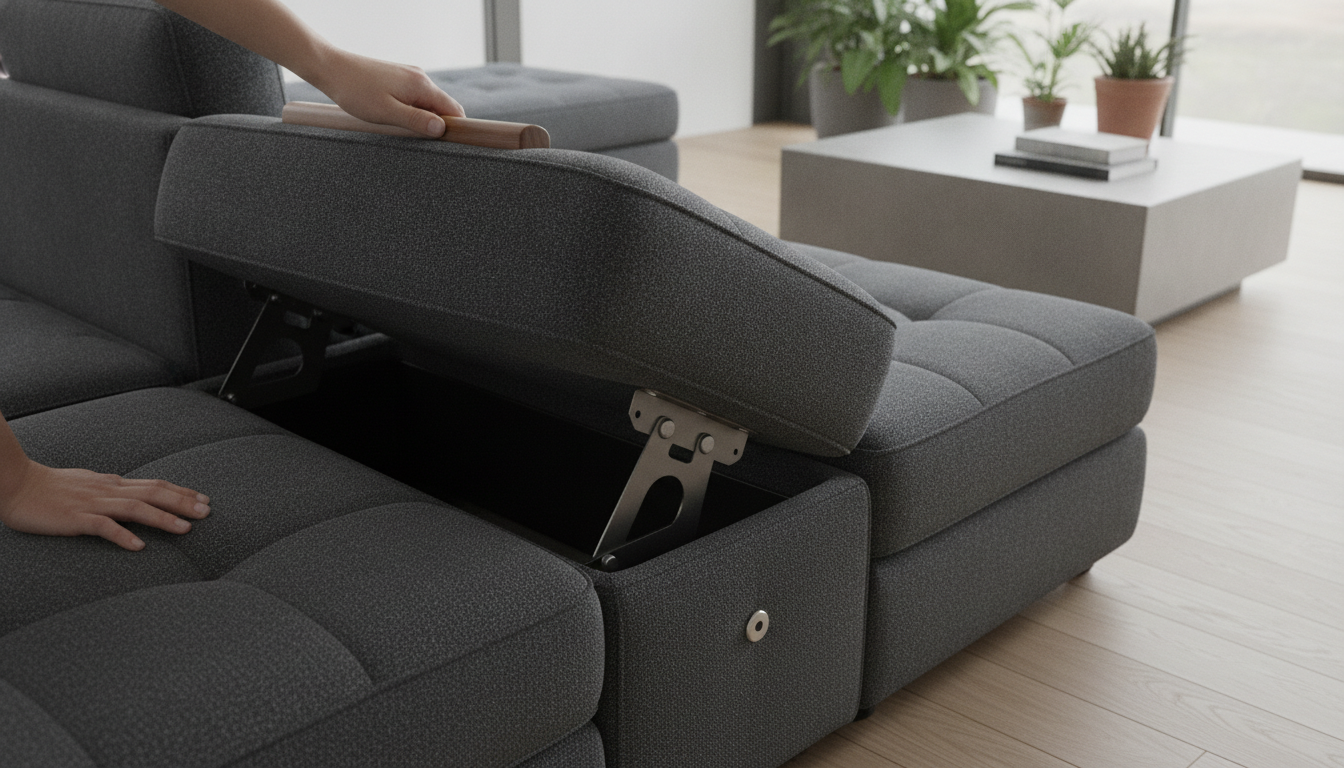
The smart home extends to your seating. The latest modular sofas often feature integrated technology, such as discreet USB charging ports, wireless charging pads, and even built-in LED lighting for ambient illumination. Some advanced models might incorporate hidden storage compartments with smart locking mechanisms or integrated speakers for an immersive audio experience. These intelligent additions cater to our hyper-connected lives, ensuring convenience is always within reach.
Biophilic Design Principles
Bringing the outdoors in continues to be a dominant trend. Modular sofa design 2026 embraces biophilic principles, focusing on natural textures, earthy color palettes, and organic forms. Think sofas upholstered in breathable linen, organic cotton, or rich wool, often paired with natural wood bases. The aim is to create a calming, restorative environment that connects occupants with nature, promoting a sense of well-being and tranquility within the home.
Material Innovations: Comfort Meets Durability
The materials used in modular sofas are more sophisticated than ever. Performance fabrics are paramount, offering stain, water, and fade resistance without compromising on softness or aesthetic appeal. These textiles are a game-changer for busy households and pet owners, ensuring your sofa remains pristine for years. For an excellent example of durability and comfort, consider a Performance Fabric Modular Sofa designed to withstand the rigors of daily life while looking effortlessly chic. Beyond fabrics, cushioning has also evolved, with multi-density foams and down-filled options offering personalized comfort levels, ensuring optimal support and luxurious sink-in feel.
Designing with Flexibility: Popular Modular Layouts
The beauty of a modular sofa lies in its boundless potential for arrangement. Here are some of the most popular and innovative layouts that homeowners are adopting for dynamic living:
The Classic L-Shape
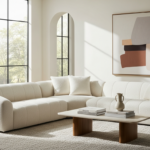
Perhaps the most common configuration, the L-shape is perfect for defining a cozy corner or delineating space in an open-plan living area. It offers ample seating and a comfortable spot to stretch out. Its versatility allows it to be oriented left or right, making it adaptable if you move homes or simply want a fresh look.
U-Shaped Grandeur
For larger families or those who frequently entertain, a U-shaped modular sofa provides maximum seating capacity and fosters a communal, inclusive atmosphere. It creates a natural conversation pit and can easily become the focal point of a spacious living room.
Sectional Sofa Configurations
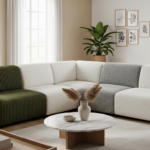
The term ‘sectional’ is often used interchangeably with ‘modular,’ but modular units take it a step further in their independent nature. A true modular allows you to endlessly combine elements like armless chairs, corner pieces, chaises, and ottomans. This means you can create a traditional sectional one day and reconfigure it into separate seating arrangements the next. A Convertible Sectional Sofa is an excellent investment for those who crave maximum adaptability.
The Island Retreat
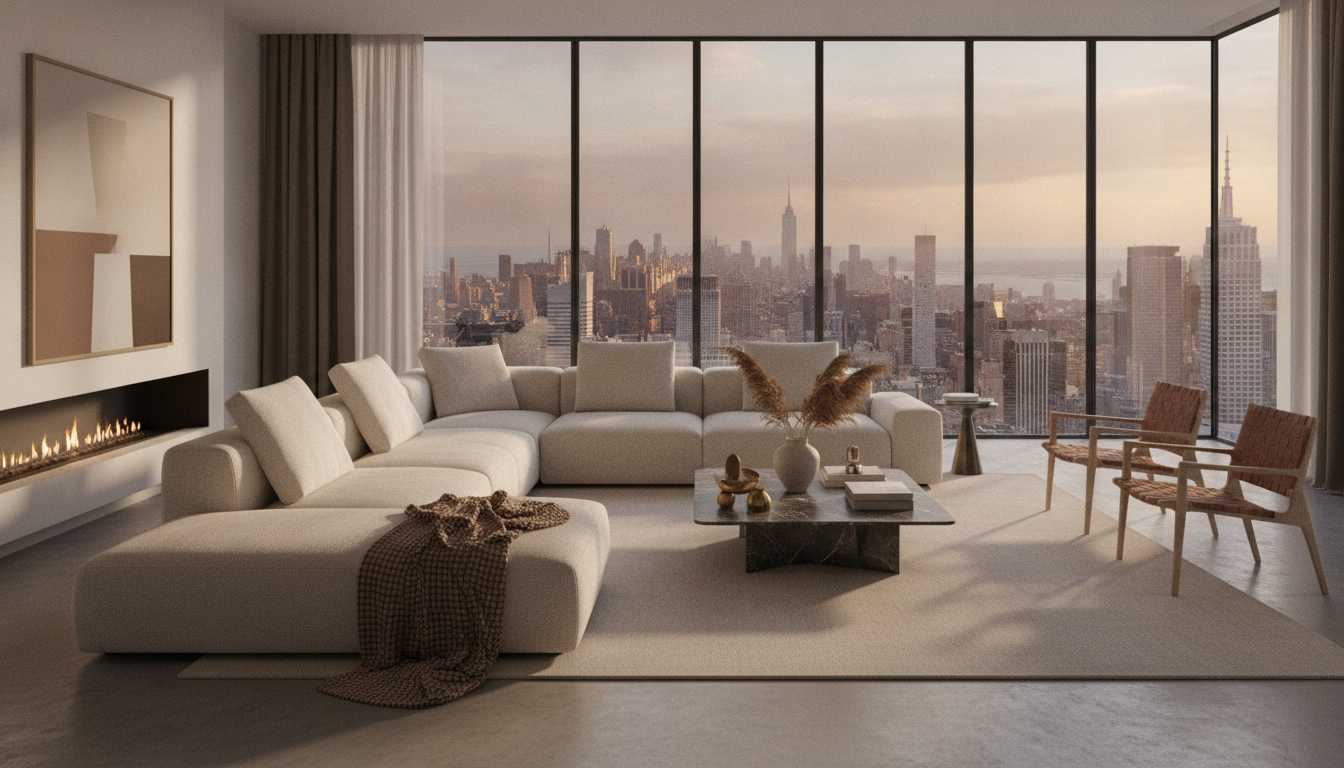
In very large open-plan spaces, a modular sofa can be configured as a floating ‘island’ in the center of the room. This layout encourages interaction from all sides and can be particularly striking with a symmetrical design, offering multiple lounging areas within one expansive piece.
Customizing for Small Spaces
Modular sofas are not just for grand living rooms. For compact apartments, individual modular pieces can be arranged to fit awkward corners, under windows, or to serve dual purposes. An ottoman can be an extra seat, a footrest, or even a makeshift coffee table. The ability to break down the sofa into smaller units also simplifies moving and delivery into tight spaces.
Open-Plan Living Solutions
One of the greatest strengths of modular sofa design 2026 is its ability to effortlessly zone open-plan living areas. By strategically placing components, you can define a living area from a dining space or a home office, all without the need for walls or restrictive room dividers. The sofa itself becomes an architectural element, guiding traffic flow and creating functional pockets within a larger room.
Choosing Your Perfect Modular Sofa: A Comprehensive Guide
With so many options available, selecting the ideal modular sofa requires careful consideration. Here’s what to look for:
Assessing Your Space and Needs
Before you even think about style, measure your room. Consider traffic flow, existing furniture, and how many people typically use the space. Do you entertain often? Do you need a dedicated napping spot? Are pets or children part of your household? These factors will influence the ideal number of modules and the type of materials you should prioritize.
Material Matters: Fabric vs. Leather
The upholstery material dramatically affects both the look and feel of your modular sofa. Fabric options range from durable synthetics like polyester and microfibre to natural fibers such as cotton, linen, and wool. Each has unique characteristics regarding softness, stain resistance, and breathability. Leather, while often pricier, offers unparalleled durability and a luxurious patina that improves with age. Consider your lifestyle and maintenance preferences when making this choice.
Frame and Cushion Quality
A modular sofa is an investment, so quality components are crucial. Look for frames constructed from solid hardwood (like kiln-dried maple or oak) or sturdy engineered wood. Avoid particleboard or softwoods, which can sag and break over time. For cushioning, high-resiliency foam wrapped in down or synthetic fibers offers the best balance of support and comfort. A High-Quality Modular Sofa will specify these details, ensuring longevity and lasting comfort.
Assembly and Reconfigurability
While modular sofas are designed to be reconfigured, some systems are easier to manage than others. Look for robust but user-friendly latching mechanisms that securely connect modules but can be easily undone when you want to change the layout. Read reviews regarding assembly and ease of reconfiguration to ensure your chosen model meets your expectations for dynamic use.
Modular Sofa Comparison Table: Top Picks for 2026 Homes
| Model Name | Key Features | Best For | Upholstery Material | Notable Design Aspect |
|---|---|---|---|---|
| The Urban Adaptable Sectional | Integrated USB ports, compact footprint, reversible chaise | Small apartments, tech-savvy individuals | Performance Microfiber | Sleek, minimalist design; hidden storage |
| The Grand Luxe Modular | Deep seating, customizable armrests, robust frame | Open-plan living, large families, entertaining | Eco-friendly Velvet | Luxurious feel; expansive, comfortable modules |
| The Minimalist Configurator | Tool-free assembly, recycled fabric, firm support | Contemporary homes, frequent reconfigurers | Recycled Cotton Blend | Scandinavian-inspired; highly versatile |
| The Biophilic Lounge | Natural linen, organic shapes, integrated planter options | Nature-inspired interiors, wellness-focused spaces | Organic Linen | Soft, breathable fabric; promotes calm |
Maintaining Your Modular Masterpiece
To ensure your modular sofa continues to look its best and provides comfort for years to come, proper maintenance is key.
General Care Tips
- Regular Vacuuming: Use a brush attachment to remove dust, crumbs, and pet hair from crevices and upholstery.
- Rotate Cushions: Periodically flip and rotate seat and back cushions to ensure even wear and maintain their shape.
- Protect from Sunlight: Direct sunlight can fade upholstery over time. Position your sofa away from harsh sun exposure or use blinds/curtains.
- Address Spills Immediately: The quicker you tackle a spill, the less likely it is to set.
Stain Removal and Protection
Despite performance fabrics, accidents happen. Always check the manufacturer’s cleaning instructions for your specific upholstery. For general spills on fabric sofas, a gentle Fabric Sofa Cleaner can be a lifesaver. Spot test any cleaning product on an inconspicuous area first. For leather, use specialized leather cleaners and conditioners to maintain its suppleness and prevent cracking.
Frequently Asked Questions (FAQ) About Modular Sofas
What is a modular sofa?
A modular sofa is composed of independent, separate components (or modules) that can be arranged and rearranged in various configurations to suit different spaces and needs. Unlike traditional sectionals that are often fixed, modular units offer true flexibility.
How do I clean a modular sofa?
Cleaning depends on the upholstery material. Generally, regular vacuuming is recommended. For spills, blot immediately with a clean cloth and use a mild, appropriate fabric or leather cleaner as per the manufacturer’s instructions. Always spot test first.
Can modular sofas work in small spaces?
Absolutely! Modular sofas are excellent for small spaces because individual modules can be selected and arranged to fit challenging layouts. They can serve multiple functions, like an ottoman acting as a footrest or an extra seat, maximizing space efficiency.
What are the advantages of a modular sofa?
The primary advantages include unparalleled flexibility in layout, adaptability to changing needs, ease of moving (as components are smaller), potential for sustainability by replacing individual worn parts, and suitability for diverse interior design styles.
How often should I reconfigure my modular sofa?
There’s no set rule! You can reconfigure your modular sofa as often as your lifestyle demands – for a party, a quiet reading day, a new TV setup, or simply to refresh your living room’s look. The ease of reconfiguration is one of its main benefits.
Conclusion
As we navigate the demands of dynamic 2026 homes, the modular sofa stands out as an indispensable piece of furniture. It’s more than just seating; it’s a lifestyle choice that champions flexibility, sustainability, and intelligent design. By embracing the latest trends in modular sofa design 2026, you’re not just furnishing a room; you’re investing in a versatile, future-proof living solution that adapts and evolves with you. Explore the endless possibilities and transform your home into a truly dynamic and comfortable sanctuary with lesofa.club.